Bookbot

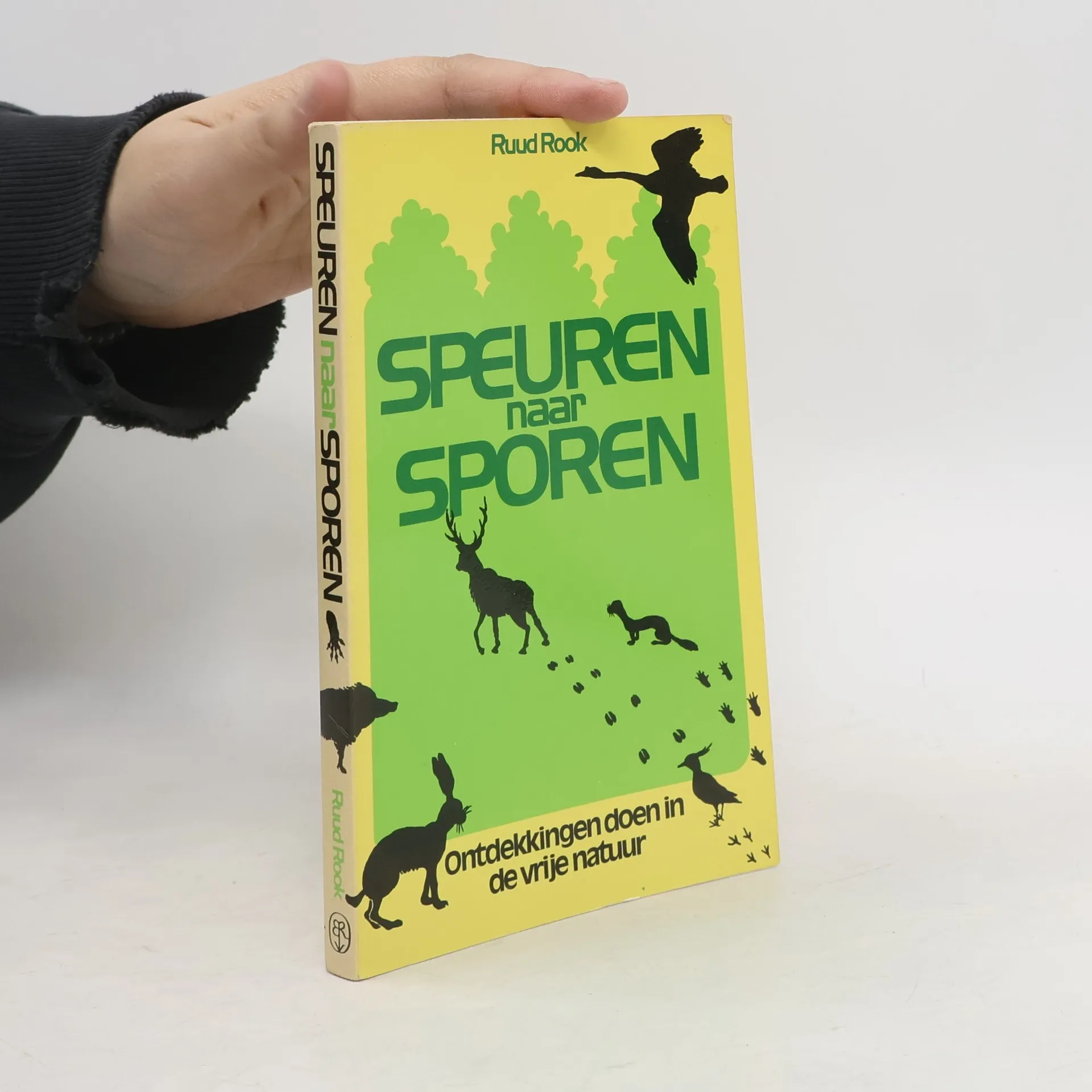
Ruud Rook

    Speuren naar sporen
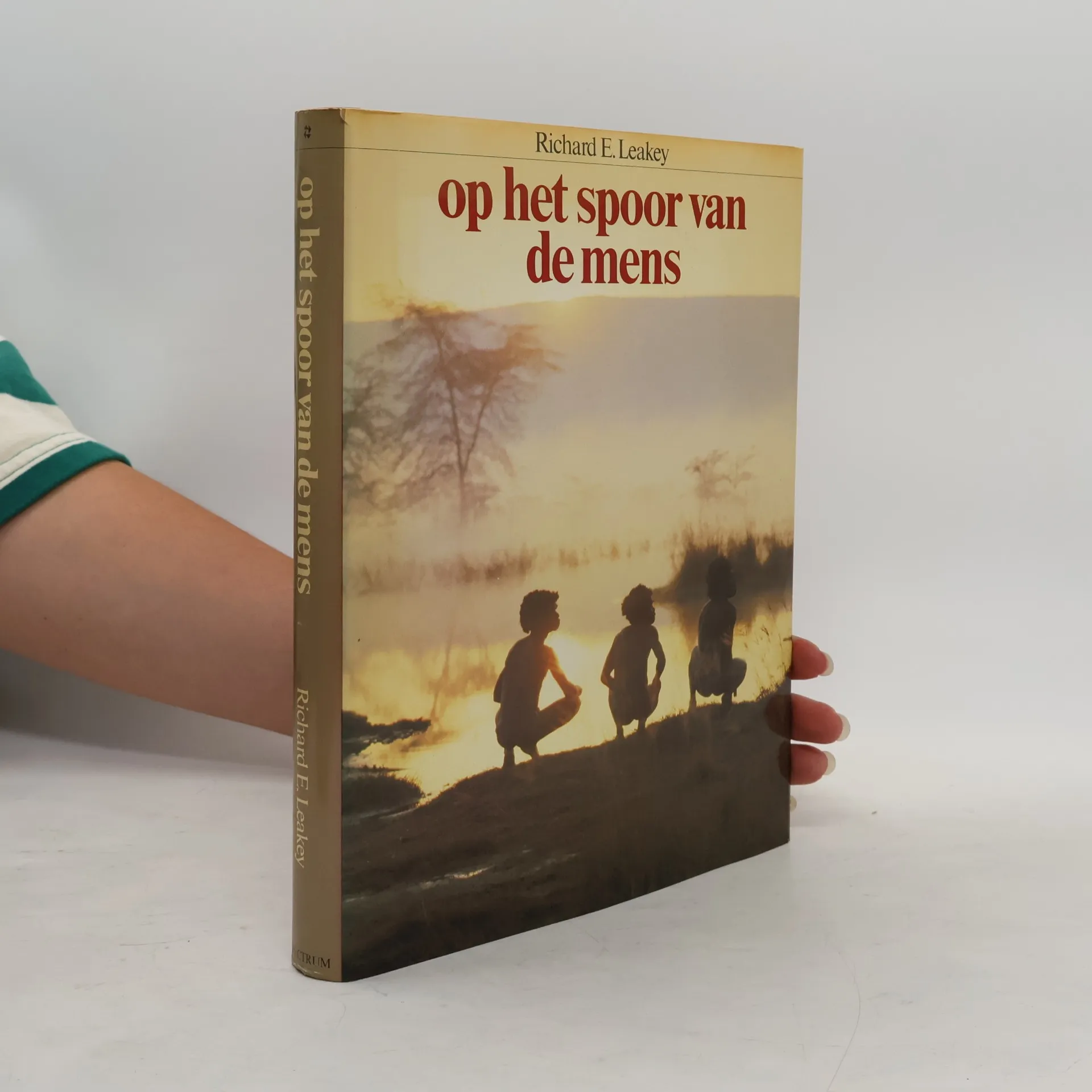
    Op het spoor van de mens
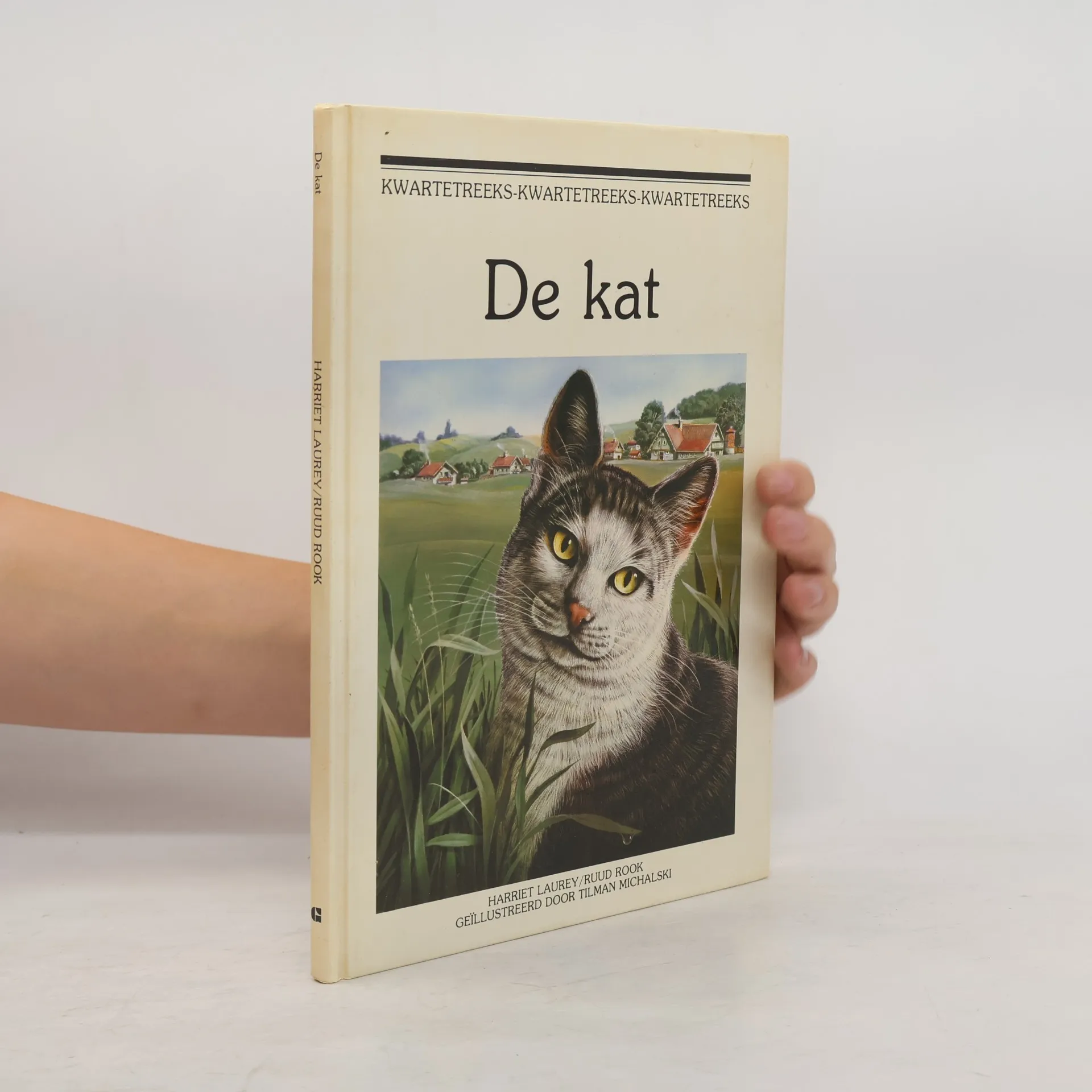
    De kat
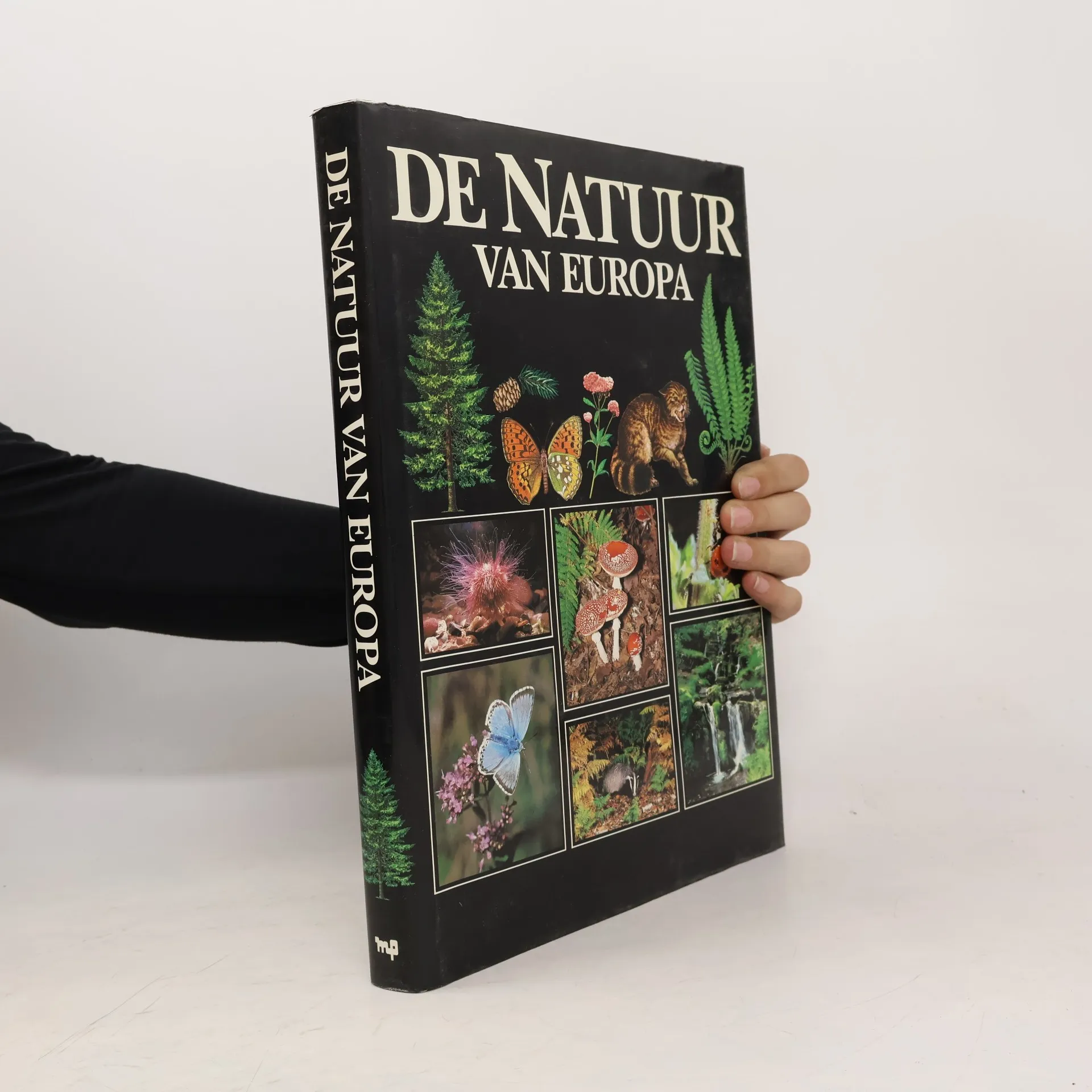
    De Natuur van Europa
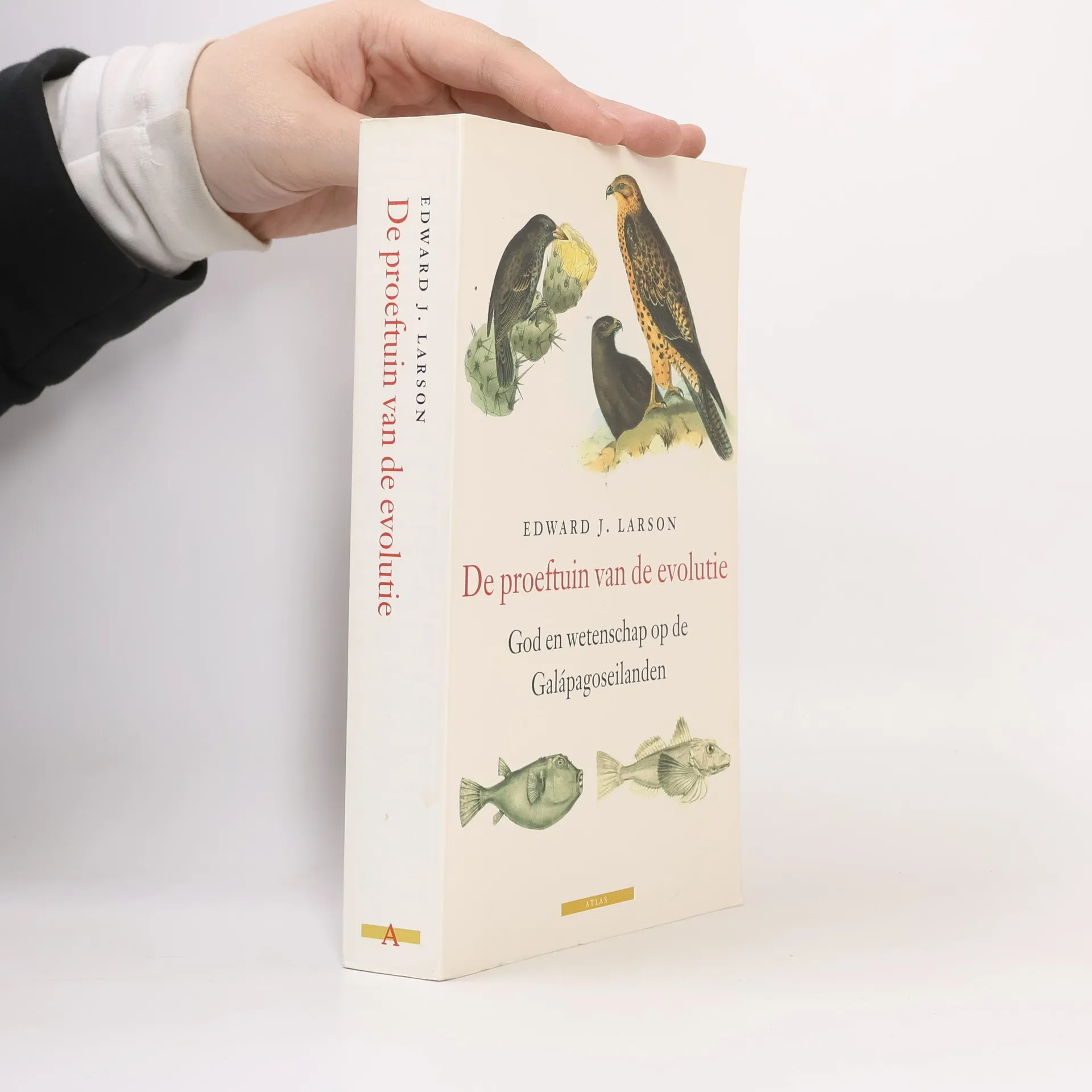
    De proeftuin van de evolutie. God en wetenschap op de Galapagoseilanden
    Viaje al archipiélago malayo
    • More than any other place on Earth, the Galapagos Islands are the workshop of evolution. Isolated and desolate, they were largely overlooked by early explorers until Charles Darwin arrived there in the 1830's. It was Darwin who recognized that Galapagos' isolation and desolation were advantages: the paucity of species and lack of outside influences made the workings of natural selection crystal clear. Since then, every important advance and controversy in evolutionary thinking has had its reflection on the Galapagos. In every sense-intellectually, institutionally, and culturally-the history of science on these islands is a history of the way evolutionary science was done for the past 150 years.Evolution's Workshop tells the story of Darwin's explorations there; the fabulous Gilded Age expeditions, run from rich men's gigantic yachts, that featured rough-and-ready science during the day and black-tie dinners every night; the struggle for control of research on the Galapagos; the current efforts by "creation scientists" to use the Galapagos to undercut evolutionary teaching; and many other compelling stories.

      De proeftuin van de evolutie. God en wetenschap op de Galapagoseilanden2003
      3,7
    • Viaje al archipiélago malayo

      • 315 páginas
      • 12 horas de lectura

      Durante 20 años, Charles Darwin trabajó en su teoría de la selección natural, cuando en el verano de 1858 recibió un manuscrito de Alfred Russel Wallace, quien formuló la teoría de manera clara. La primera expedición de Wallace a Sudamérica terminó en desastre, ya que su barco se hundió y perdió los resultados de cuatro años de trabajo. Sin embargo, planeó un nuevo viaje al poco conocido archipiélago malayo, que parecía un destino lucrativo. En 1854, partió y recorrió aproximadamente 20,000 km en ocho años. La extensa colección que reunió sigue siendo material para numerosas investigaciones, y sus hallazgos sobre evolución y biogeografía son aún relevantes. Su obra "Viaje al archipiélago malayo" se convirtió en uno de los trabajos científicos más populares del siglo XIX. La expedición de Wallace es considerada la más exitosa empresa de un solo hombre en el campo de la naturaleza.

      Viaje al archipiélago malayo1998
      4,2
    • Kastelen

      • 12 páginas
      • 1 hora de lectura

      Grote uitklapbare illustraties in kleur laten zien hoe in de middeleeuwen kastelen ontstonden en hoe deze door de eeuwen heen verbeterd en versterkt werden. Vanaf ca. 10 jaar.

      Kastelen1991
    • De Natuur van Europa

      • 280 páginas
      • 10 horas de lectura

      Overzicht van het ontstaan van het heelal, de aarde en de ontwikkeling van het leven op deze planeet, gevolgd door een beschrijving van acht biotopen zoals die in Europa zijn te vinden.

      De Natuur van Europa1985
    • Bierwijzer

      • 168 páginas
      • 6 horas de lectura
      Bierwijzer1984
    • Op het spoor van de mens

      • 256 páginas
      • 9 horas de lectura

      Geïllustreerd / Illustrated / Illustré / Illustriert / 9027494703 / Anthropology / Nederlands / Dutch / Néerlandais / Niederländisch / hard cover / dust jacket / 19 x 26 cm / 256 .pp /

      Op het spoor van de mens1981
    • Speuren naar sporen

      Ontdekkingen doen in de vrije natuur

      • 117 páginas
      • 5 horas de lectura
      Speuren naar sporen1978