



Bookbot

Claudio Moreschini

    Consolation of Philosophy
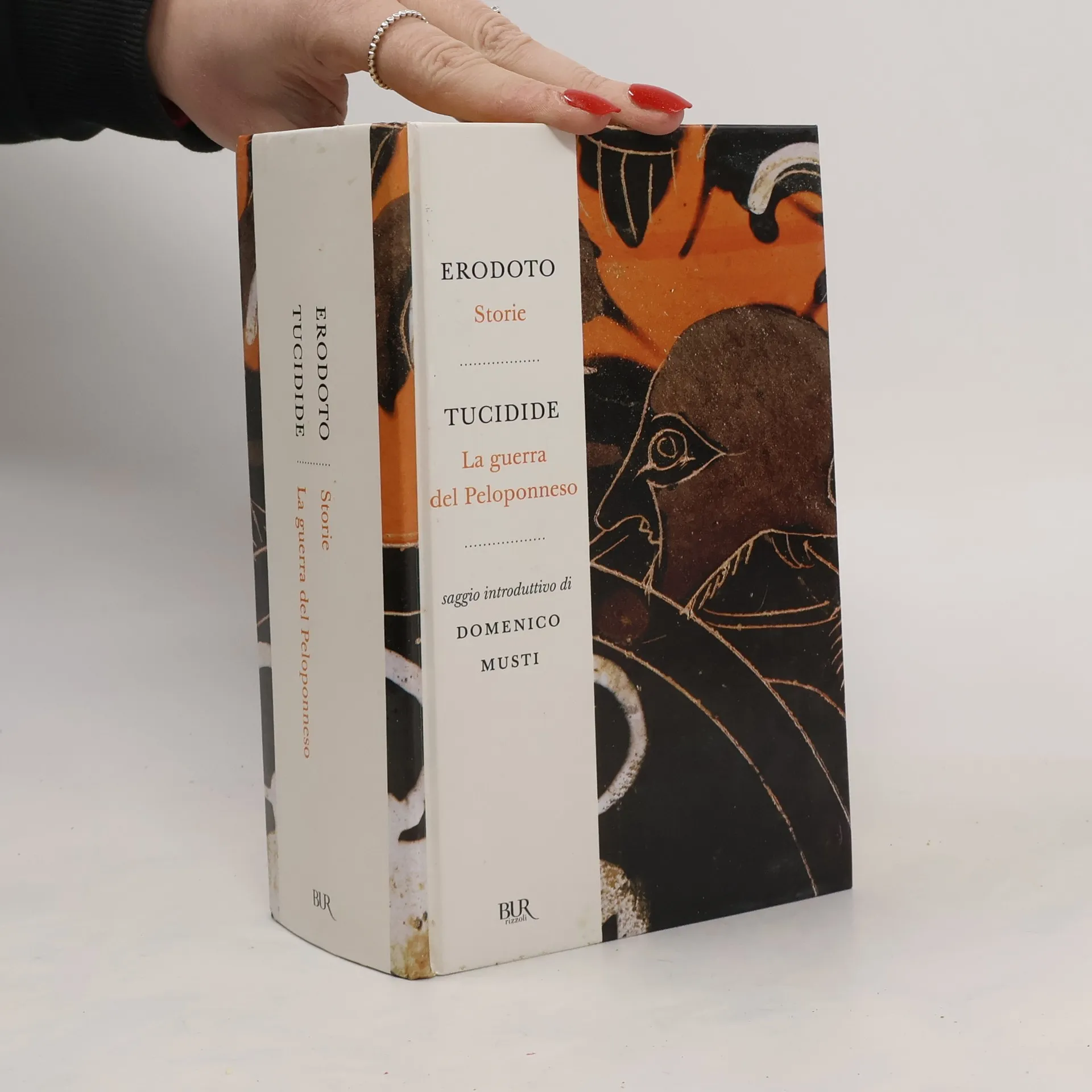
    Storie - La guerra del Peloponneso
    Manual de Vida
    • Storie - La guerra del Peloponneso

      Saggio introduttivo di Domenico Musti

      • 1632 páginas
      • 58 horas de lectura

      La nostra civiltà è nata in Grecia. Leggere le opere di Erodoto e Tucidide significa risalire alle origini della cultura occidentale, ripercorrere le tappe dell’evoluzione di concetti come città, politica, democrazia; ma significa anche contemplare la parabola di una nazione che, piccola e divisa, riuscì a sconfiggere il più potente impero dell’epoca e, divenuta ricca e potente, finì con l’annientare un’intera generazione in una disastrosa guerra fratricida. Le Storie di Erodoto (485-425 a.C. ca.) fanno rivivere il fascino del favoloso Oriente, l’eterno mistero dell’Egitto e la grandiosa saga delle guerre persiane, attraverso pagine indimenticabili che rievocano l’epopea dei Trecento di Leonida alle Termopili, l’empia arroganza del re persiano Serse, l’audacia di Temistocle a Salamina. Raccontando la guerra del Peloponneso che, cinquant’anni dopo le guerre persiane, spaccò a metà il mondo greco, Tucidide (460-400 a.C. ca.) si interrogò sui meccanismi che muovono la storia, sulla moralità del potere, sulla giustizia dei forti e la giustizia dei deboli: questioni sempre attuali perché, “essendo la natura umana quel che è, torneranno prima o poi a ripetersi con modalità simili”. Il saggio introduttivo di Domenico Musti, scritto appositamente per questa edizione, traccia un profi lo della storiografi a greca e analizza i princìpi e i criteri ideologici delle opere qui presentate.

      Storie - La guerra del Peloponneso2008
      4,1
    • Unjustly imprisoned and waiting to die, Boethius penned his last and greatest work, Consolation of Philosophy, an imaginary dialogue between himself and Philosophy, personified as a woman. Reminiscent of Dante in places, Boethius's fiction is an ode-to-philosophy-cum-Socratic-dialogue. Joel Relihan's skillful rendering, smoother to the modern ear than previous translations, preserves the book's heart-rending clarity and Boethius's knack for getting it just right. Listen to him on fortune: "We spin in an ever-turning circle, and it is our delight to change the bottom for the top and the top for the bottom. You may climb up if you wish, but on this condition: Don't think it an injustice when the rules of the game require you to go back down."Consolation of Philosophy recalls the transience of the material world, the eternality of wisdom, and the life of the philosopher. Boethius was deeply influenced by the Platonist tradition, and this piece is one of the more powerful and artful defenses of a detachment that feels almost Buddhist. For anyone who's felt at odds with the world, Consolation is a reminder that the best things in life are eternal. Boethius must be right: the book is just as meaningful today as it was in the sixth century when he wrote it. --Eric de Place

      Consolation of Philosophy2008
      4,0
    • Manual de Vida

      • 192 páginas
      • 7 horas de lectura

      Epicteto, un esclavo que tuvo que exiliarse de Roma precisamente por sus ideas filosóficas, nos ha legado sus consejos para hallar la tranquilidad de espíritu conociéndonos a nosotros mismos y a la naturaleza. Aquí se encuentra condensada la regla de oro de la filosofía estoica: el secreto de la felicidad y de nuestra plenitud depende solo de nosotros; se basa en nuestra capacidad para centrarnos en lo que podemos cambiar y aceptar lo que escapa a nuestro control. Una obra esencial de la sabiduría que enseña a vivir hablándonos clara y directamente de la amistad, del amor, de los placeres y de otros aspectos de la vida cotidiana. Epictetus, who was born a slave, took political asylum in Rome due to his philosophical ideologies. He left us his advice and guidance to find the spiritual peace that comes from understanding the natural world and ourselves. Here, you'll immerse yourself in his stoic philosophy, which encompasses the secret to happiness and how our bliss is solely dependent on ourselves. His wisdom is based on the ability to focus on what we can change and accepting the things that our beyond our control. This is a must-read classic that is full of wisdom. It acts as a guide toward friendship, love, and the joys of everyday life.

      Manual de Vida1990
      4,2