

This exploration delves into the algorithms that increasingly influence our lives and the ethical dilemmas they present. Consider the scenario of being sentenced for a crime: would you prefer a consistent, unemotional algorithm or a compassionate, yet biased human judge? The choices extend to purchasing a driverless car, where one option prioritizes saving lives while the other focuses on passenger safety. Additionally, would you share your family's medical history if it could aid cancer research? These dilemmas illustrate our growing reliance on algorithms, which dictate our entertainment, travel, relationships, and even judicial outcomes. As we entrust machines with significant decisions in areas like justice, healthcare, and finance, we must confront the implications for our society. What should take precedence: aiding doctors or safeguarding privacy? Protecting crime victims or ensuring the innocent aren't wrongfully accused? This narrative guides us through the complexities of algorithms, revealing how they are constructed and the potential for human bias embedded within them. By combining relatable stories with clear explanations of the mathematics involved, it invites us to assess the power and limitations of algorithms and question whether they truly enhance the human systems they aim to replace.
Andrea Migliori Libros
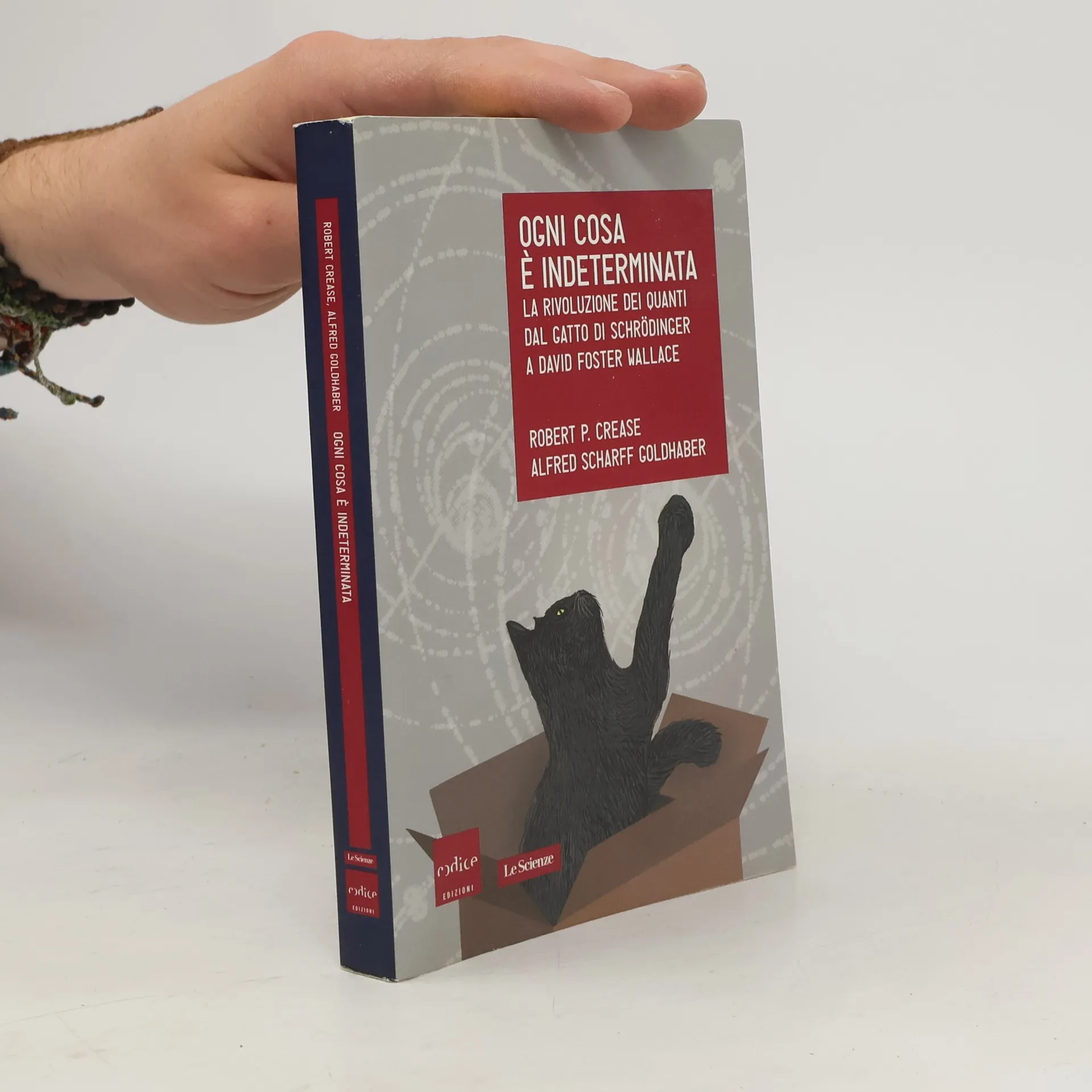

Le Scienze: Ogni cosa è indeterminata. La rivoluzione dei quanti dal gatto di Schrödinger a David Foster Wallace
- 322 páginas
- 12 horas de lectura
Il principio di indeterminazione, il paradosso del gatto di Schrödinger, l'ipotesi degli universi paralleli: fin dai suoi esordi all'alba del novecento la meccanica quantistica ha mostrato il suo fascino ambiguo e sottile. Una disciplina apparentemente adatta solo alle aule universitarie e al laboratori di fisica ha invece saputo conquistare l'immaginario popolare, ritagliandosi uno spazio in ambiti culturali insospettabili. Riferimenti alla fisica dei quanti si trovano nelle opere di Miller e Updike, nelle riflessioni di Heidegger, ma anche nei Simpson e in "Futurama", in "Ritorno al futuro" e in "Sliding doors", nel linguaggio politico e addirittura in discussioni su birra e jazz e sulle etichette dei vini. Crease e Goldhaber regalano uno sguardo fresco e diverso alla storia della scienza, e ai modi (non sempre ortodossi) in cui la rivoluzione dei quanti è diventata popolare.