
Bookbot

C. Edson Armi

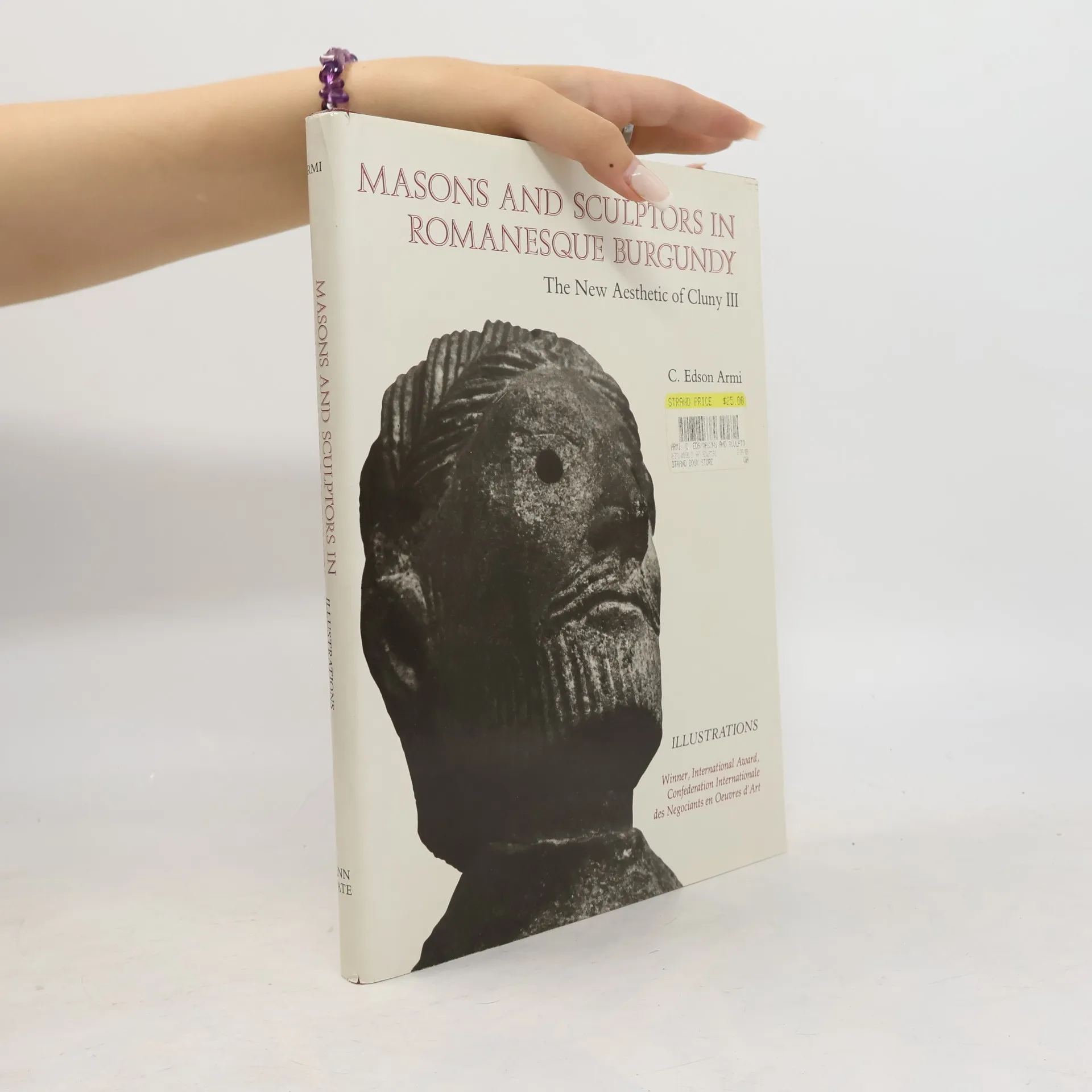
    Masons and Sculptors in Romanesque Burgundy
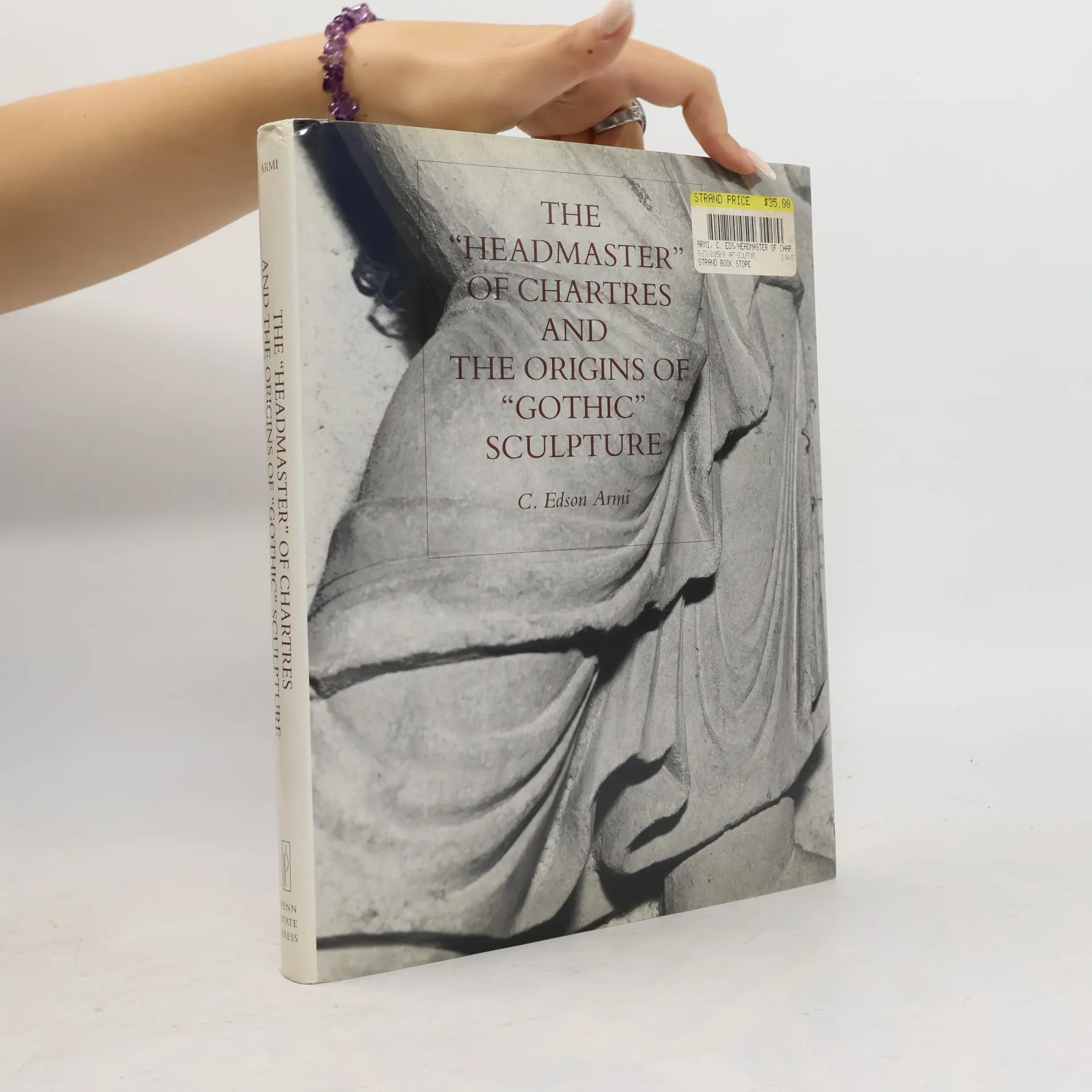
    The “Headmaster” of Chartres and the Origins of “Gothic” Sculpture
    • Professor Armi's study represents a dramatic reconsideration of the origins of Gothic sculpture by employing new methodology and refuting previously accepted theories. Despite the aesthetic and historical significance of the Royal Portal, no documentation of its design and construction exists. Nevertheless, over the last century a set of truths about the facade have become accepted. Employing a new methodology that overcomes the lack of documents with a revised form of connoisseurship, Edson Armi proposes a radically different biography of the Headmaster that has far-reaching implications for the study of Gothic sculpture. With a new perspective on the most important mid-twelfth-century portal, the book concludes that the style and cultural context of Île-de-France sculpture is less defined and more diverse than previously imagined. More importantly, the book argues that the forms of art, as well as the design and working procedures in the Paris basin, can no longer be seen as unique or separate from the practices of provincial French art in the period before 1140.

      The “Headmaster” of Chartres and the Origins of “Gothic” Sculpture
    • Masons and Sculptors in Romanesque Burgundy

      The New Aesthetic of Cluny III

      • 204 páginas
      • 8 horas de lectura

      For nearly a century, archaeologists and art historians studying the great third abbey at Cluny (Cluny III) have "agreed on a set of abstract principles, including its spontaneous generation or revolutionary character, and posited an overseeing genius who selected from non-local sources." In a sweeping revision of that position, this book argues that Cluny Ill is "the building where regional masons of different traditions first combined their talents to develop a new design," and further maintains that the artisans responsible for the masonry of Cluny Ill also created its sculpture. Professor Armi reaches these conclusions through a painstaking analysis of archaeological evidence, such as masons' marks, and a careful "hand analysis" of the site's sculpture, allowing observation of both individual and general design changes, turning points, and stylistic trends. As a result of his investigation of the major Burgundian structures of the period Cluny, Vézelay, Paray-le-Monial, Anzy-le-Duc, Perrecy-les-Forges, etc., the author has established a new chronology for the architecture of the region. He also has identified the careers of the major artists who carved the portal and capital sculpture. His research has even disproved the traditional assumption that sculpture was carved in situ, for his evidence reveals that finished pieces were fitted into the masonry at Cluny III and elsewhere. By focusing on the work of individual masons and on progressive alterations in architectural detail, the author has broken with the method of his predecessors, but there is ample support for both his methods and his conclusions in the book's 400 illustrations. In his use of macrophotography alone, Armi has added a valuable new methodological tool for the comprehension of both architecture and sculpture, but his most important contribution to the field lies in showing that, by working together, two local groups of masons merged their separate traditions to create a magnificent the Cluniac High Romanesque style.

      Masons and Sculptors in Romanesque Burgundy