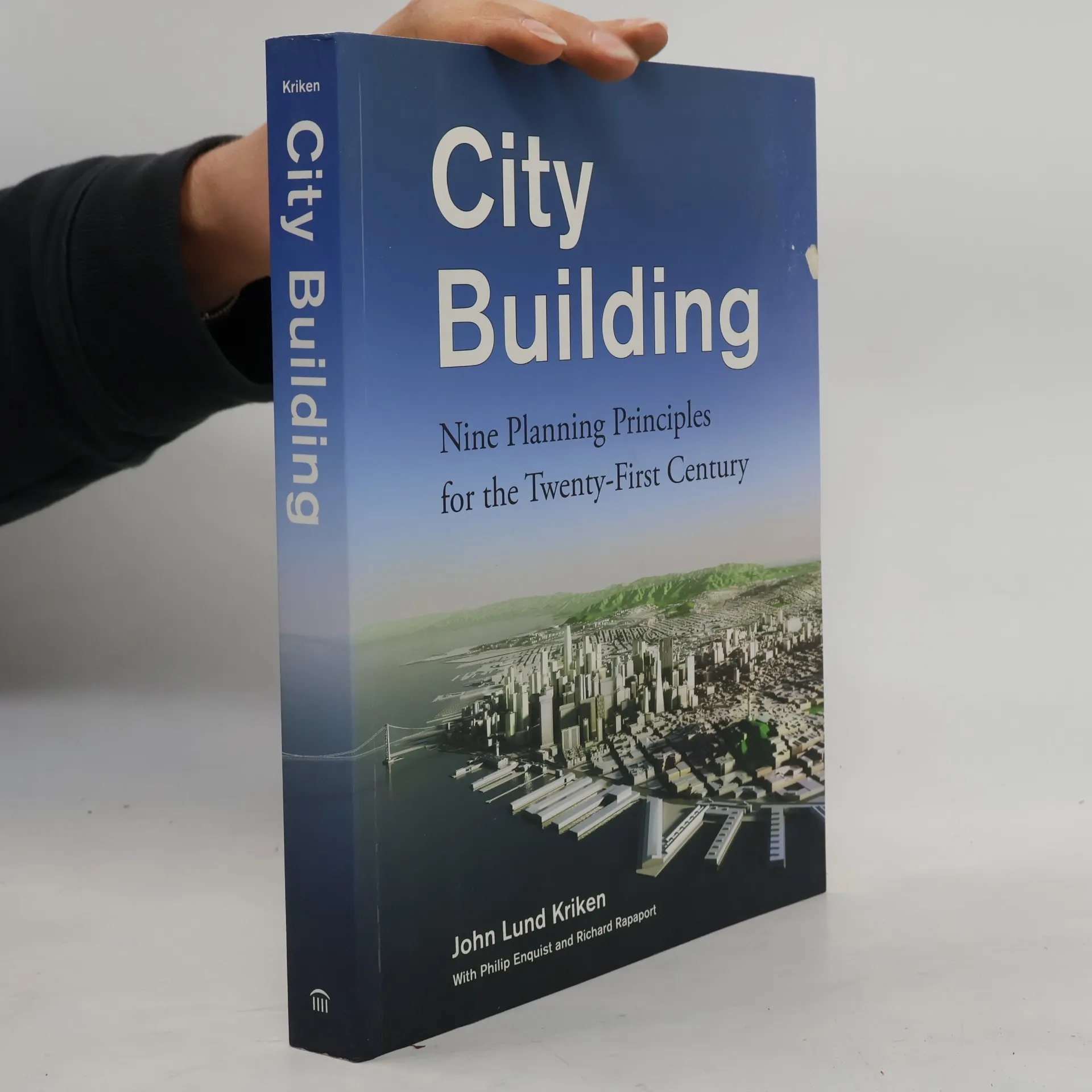
Good city building transcends complex statistics and decision-making processes, emerging from advocates of clear human values that emphasize sensory, tactile, and sustainable qualities in design. Cities are often seen as unhealthy due to pollution and overcrowding, but a well-planned city can exemplify sustainable living. Effective city building counters suburban sprawl with concentrated land use, favors regionally appropriate designs over globalized ones, and fosters livable neighborhoods. John Lund Kriken and Philip Enquist, partners at the renowned planning firm Skidmore, Owings & Merrill (SOM), collaborate with writer Richard Rapaport to present a proactive, green-focused guide to city building. The book is divided into three parts. The first examines the history and current practices of city building, highlighting shortcomings and proposing a new framework for future approaches. The second part outlines nine best-practice principles essential for urban sustainability, including accessibility, diversity, and adaptability, illustrated through successful projects designed by SOM. The final section argues that cities, when organized effectively, can serve as a solution for the sustainable use of increasingly scarce resources. It concludes with a call for a national planning process and a comprehensive framework for settlement.
John Kriken Libros