Ivan Chonkin is a simple, bumbling peasant who has been drafted into the Red
Army. Shortly before the outbreak of World War II, he is sent to an obscure
village with one week's ration of canned meat and orders to guard a downed
plane. Apparently forgotten by his unit, Chonkin resumes his life as a peasant
and passes the war peacefully tending the village postmistress's garden.
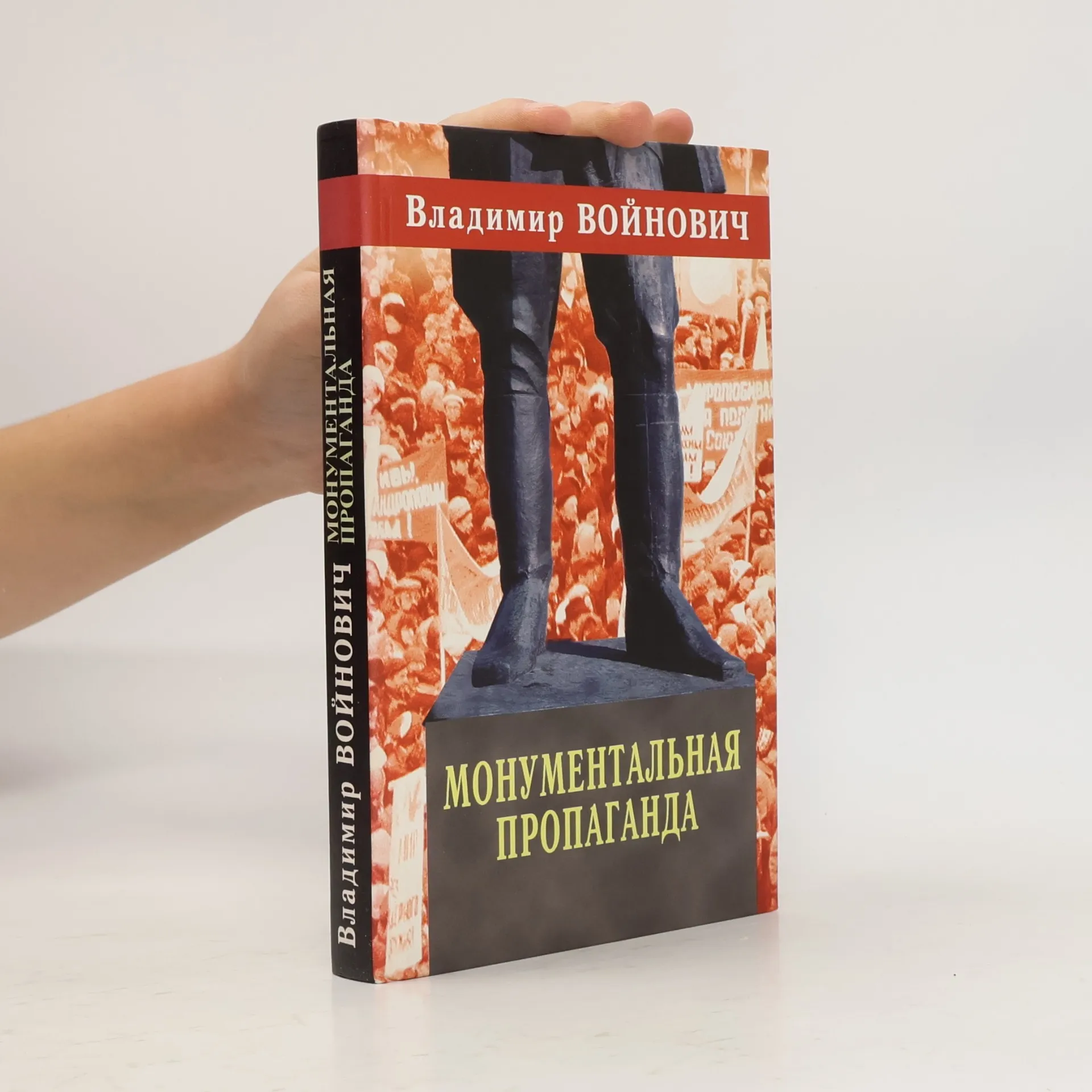
From Vladimir Voinovich, one of the great satirists of contemporary Russian literature, comes a new comic novel about the absurdity of politics and the place of the individual in the sweep of human events. Monumental Propaganda , Voinovich’s first novel in twelve years, centers on Aglaya Stepanovna Revkina, a true believer in Stalin, who finds herself bewildered and beleaguered in the relative openness of the Khrushchev era. She believes her greatest achievement was to have browbeaten her community into building an iron statue of the supreme leader, which she moves into her apartment after his death. And despite the ebb and flow of political ideology in her provincial town, she stubbornly, and at all costs, centers her life on her private icon. Voinovich’s humanely comic vision has never been sharper than it is in this hilarious but deeply moving tale–equally all-seeing about Stalinism, the era of Khrushchev, and glasnost in the final years of Soviet rule. The New York Times Book Review called his classic work, The Life & Extraordinary Adventures of Private Ivan Chonkin , “a masterpiece of a new form–socialist surrealism . . . the Soviet Catch-22 written by a latter-day Gogol." In Monumental Propaganda we have the welcome return of a truly singular voice in world literature. From the Hardcover edition.
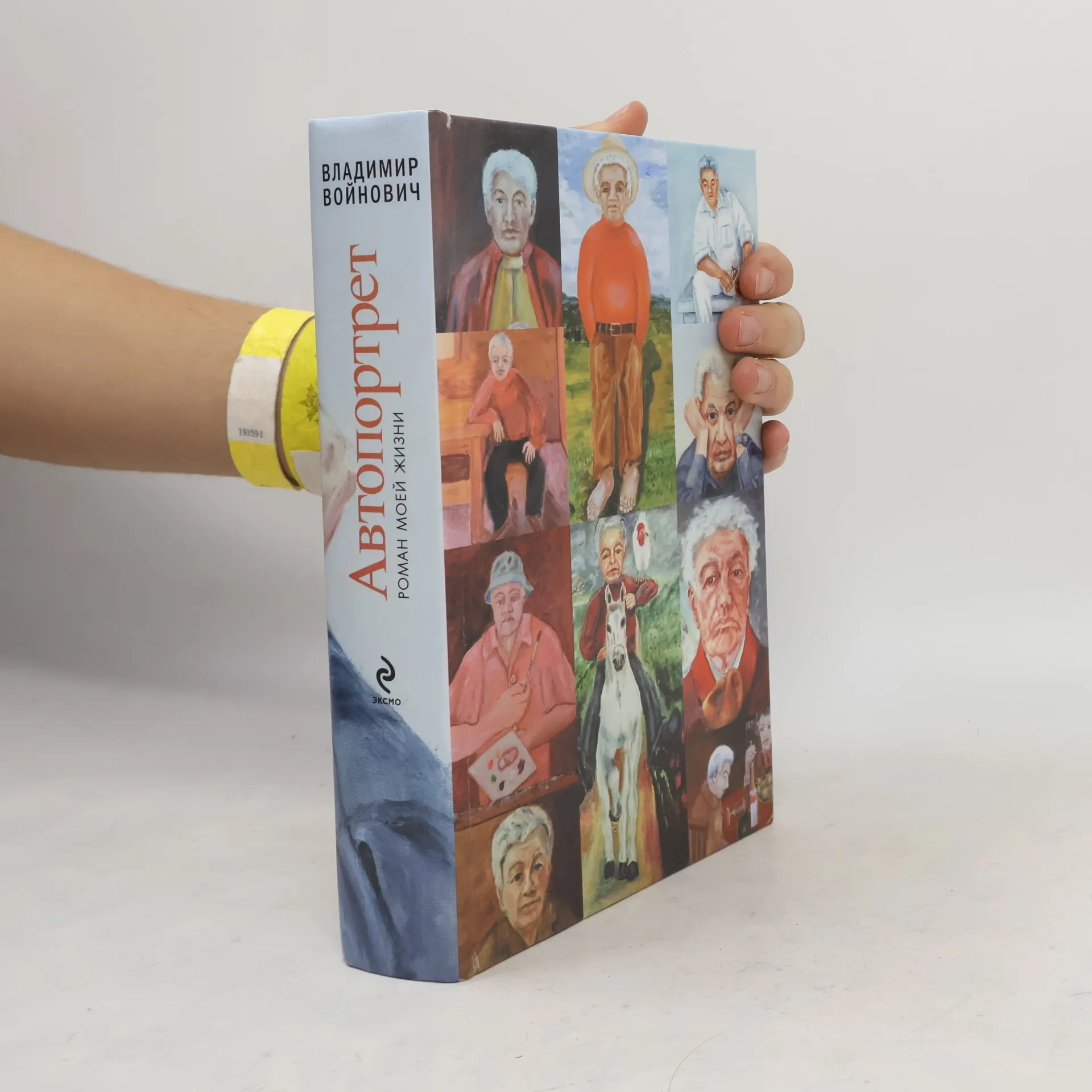
Сенсационный мемуарный роман от Владимира Войновича представляет собой яркую автобиографию, в которой автор честно и остроумно описывает свою жизнь, эпоху, любовь к Родине и её непринятие, а также опыт эмиграции и получение Лауреата Госпремии по литературе. Книга искренняя и точная, в ней гармонично поданы атрибуты времени, характеры, привычки и особенности речи. Войнович делится своими переживаниями, рассказывая о событиях так, как они были, без преувеличений и искажений. Намерение написать биографию возникло у него как ответ на недоброжелательные интерпретации его жизни. Автор рассматривает свою биографию как череду находок и разочарований, а также как попытку самопознания. Он осознает, что жизнь коротка, и хотя не имеет поводов для жалоб, понимает, что ожидания не всегда совпадают с реальностью. Войнович покорялся судьбе, но вносил свои коррективы, борясь с обстоятельствами и самим собой. Он искренне извиняется, если задел чьи-то чувства, подчеркивая, что никогда не искажает факты и описывает людей такими, какими их видел. В его реалистичном подходе нет места для святых; он остается верен своему стилю и правде.