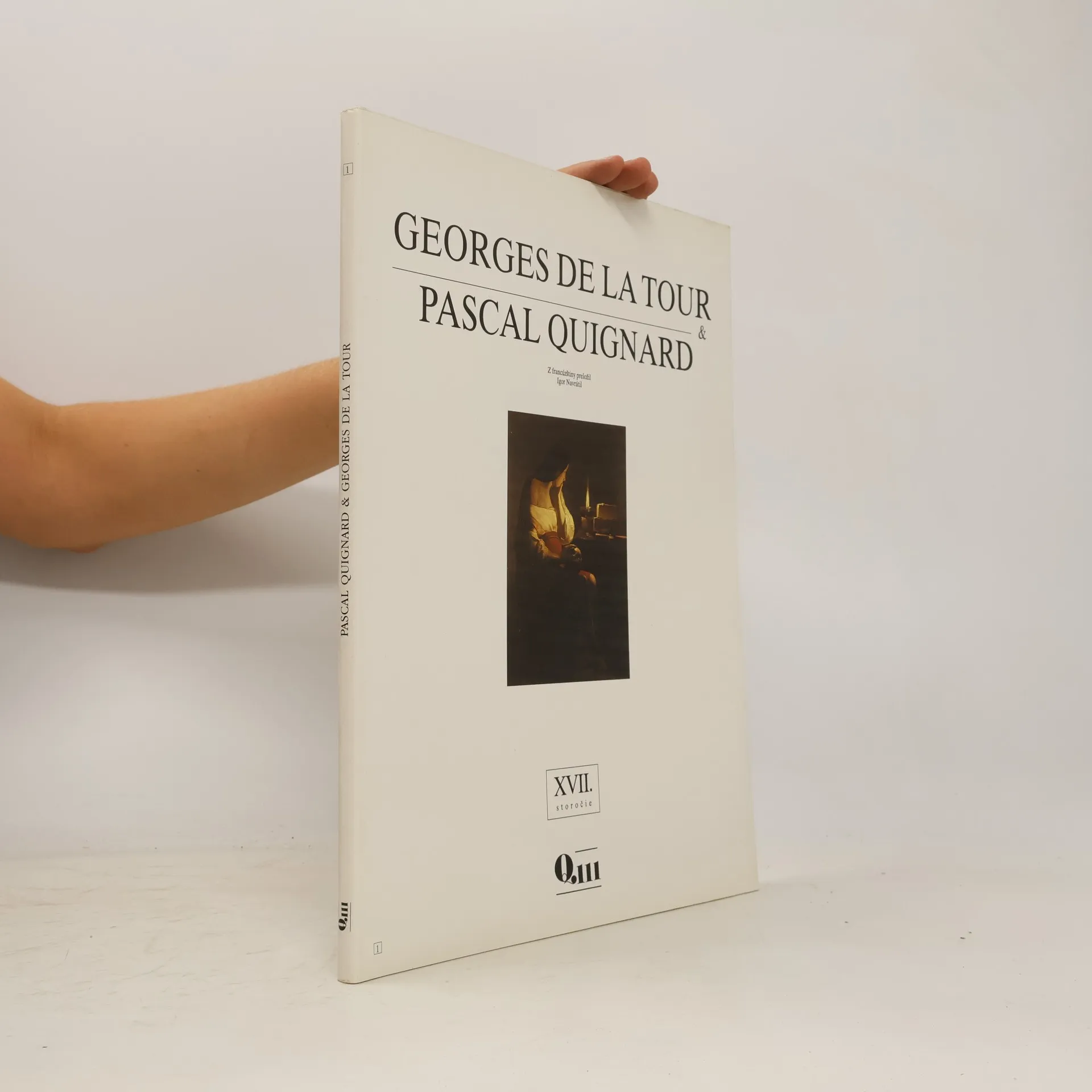
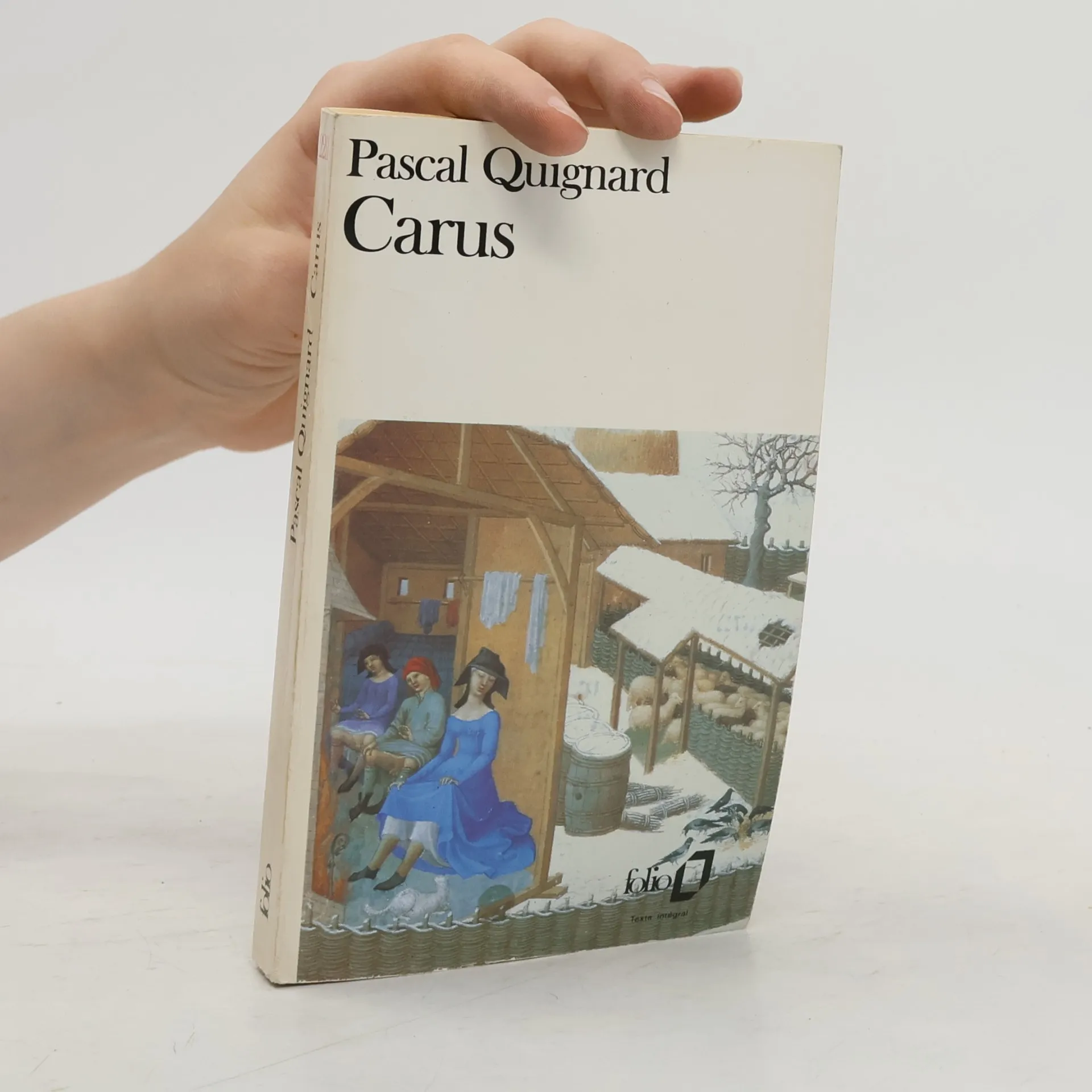
Teoría y Ensayo - 31: El odio a la música
- 190 páginas
- 7 horas de lectura


Pascal Quignard es un autor francés cuya obra profundiza en las profundidades de la existencia humana con una delicada elegancia. Su escritura, que a menudo difumina los límites entre novela, poesía y ensayo, se caracteriza por una exploración profunda de temas como la memoria, el deseo y el silencio. La obra de Quignard examina las intrincadas conexiones entre la historia, el arte y la experiencia personal, empleando una prosa rica y poética. Su distintiva voz invita a los lectores a contemplar la naturaleza efímera de la vida y el poder perdurable de la expresión artística.


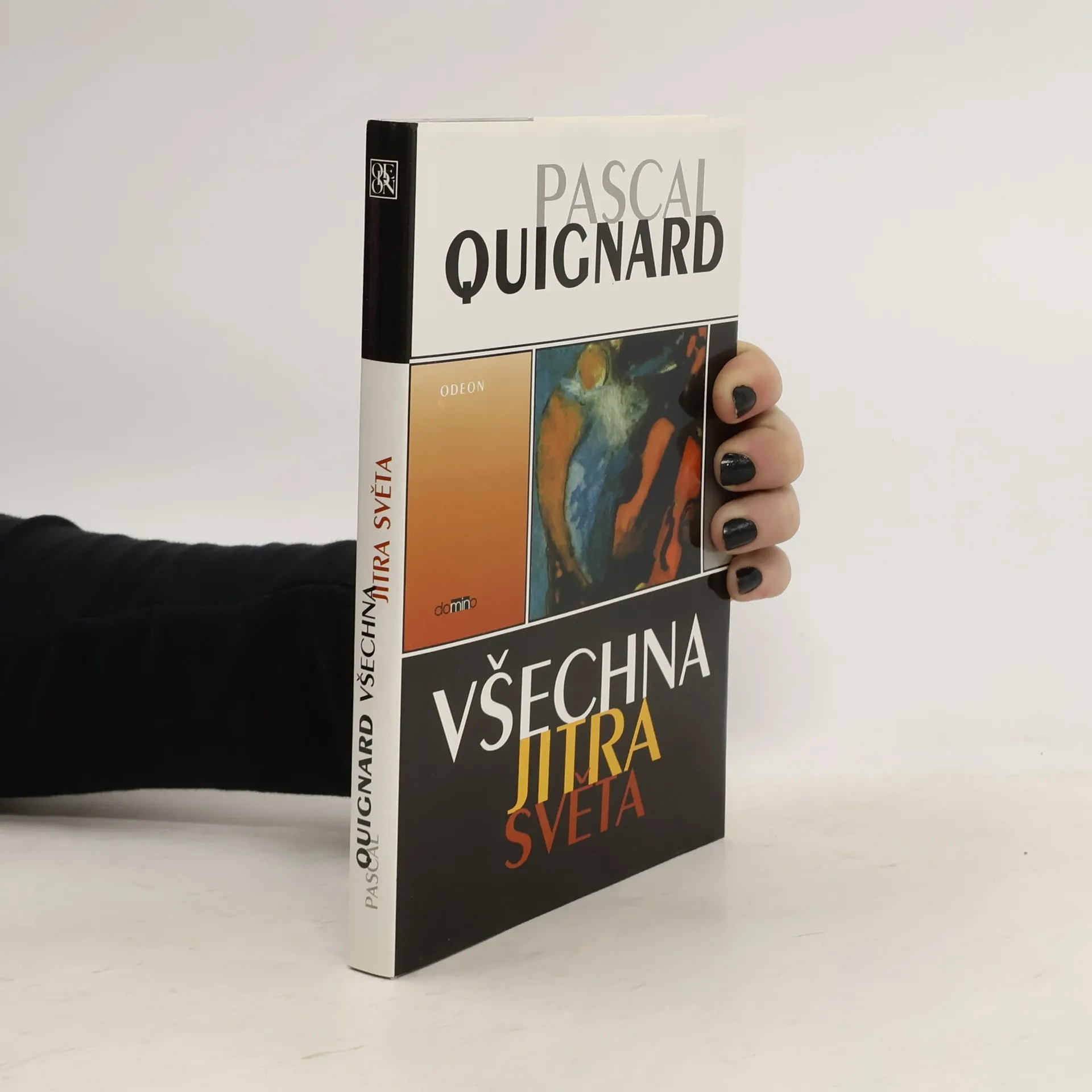


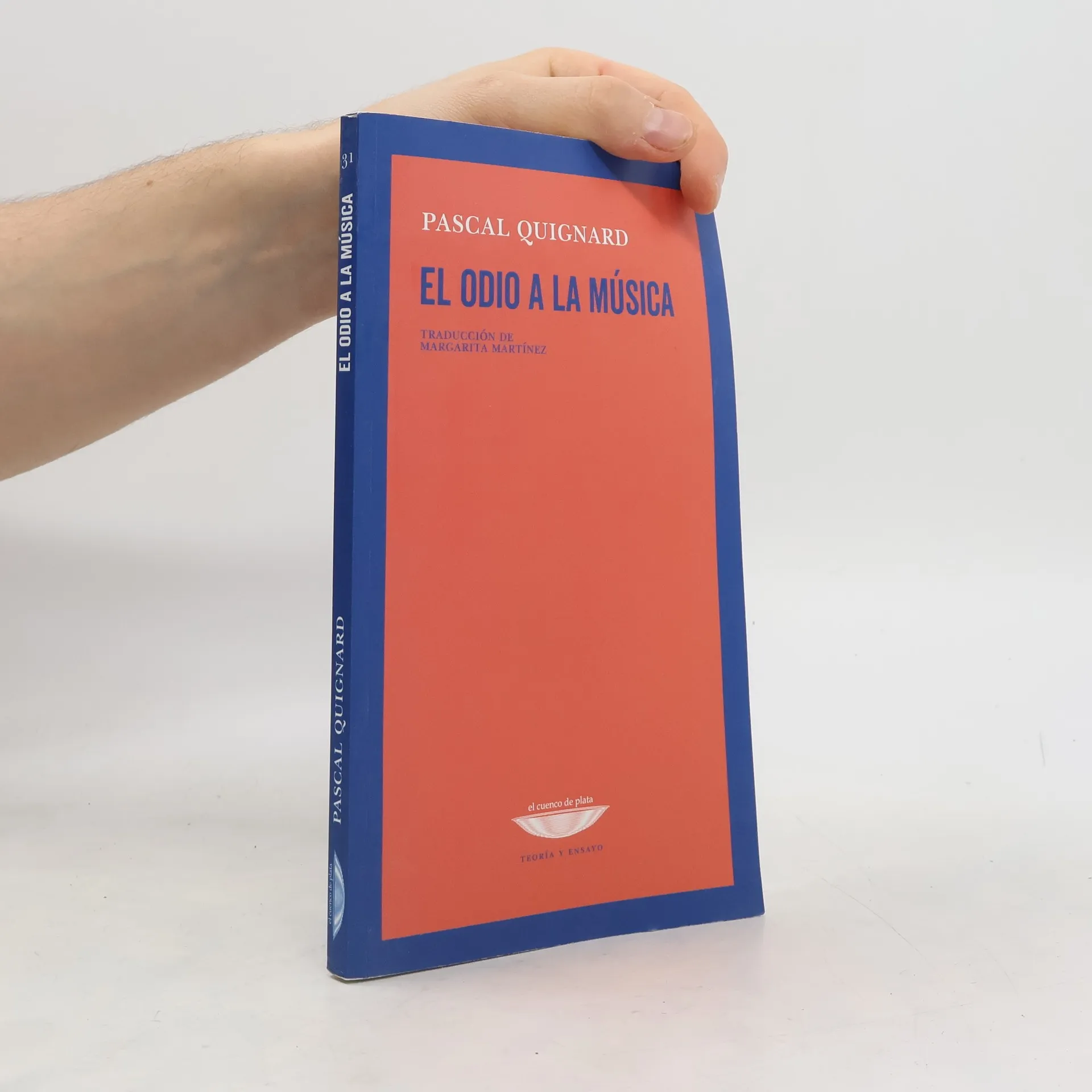
A bold and adventurous work of literature that explores the relationship between reading, writing, sex, and death. The first book in Pascal Quignard's Last Kingdom series, The Roving Shadows can be read as a long meditation on reading and writing that strives to situate these otherwise innocuous activities in a profound relationship to sex and death. Writing and reading can in fact be linked to our animal natures and artistic strivings, to primal forces and culturally persistent fascinations. With dexterity and inventiveness, Quignard weaves together historical anecdotes, folktales from the East and West, fragments of myth, and speculative historical reconstructions. The whole, written in a musical style not far removed from that of Couperin, whose piano composition Les Ombres errantes lends the book its title, coheres into a work of literature that reverberates in the psyche long after one has laid it down. The Roving Shadows is a rare and wondrous tour de force that cements Quignard's reputation in contemporary world literature. Available now in English, this boldly adventurous work will find a new and welcoming audience.
In the 17th century, an etcher finds his face destroyed by acid. This "leathery face" forever marks him with the love he bore for Nanni of Bruges and the vengeful act of her jealous fiancé. Deprived of image and expression, the engraver Meaume delves into his inner self. Through a series of disjointed scenes, akin to cries and gasps accompanying a journey through hell towards the light, Meaume expresses his ecstasies, his art, his desires, as well as themes of creativity, love, appearance, and truth. As a man "attacked by images," he articulates his visions and his fascination with the interplay of light and shadow. The realm of creativity has always captivated Pascal Quignard, as seen in his previous novels. He is a writer of silence, of "stammering," of "secrets," propelled by a language with deeply rooted origins.
"La vie secrète est la vie qui se sépare du monde. Je renonçai peu à peu à toutes les activités sociales que je menais. Je cherchais autre chose. La vie qui ne se montre pas, cachée, amoureuse, profonde, non sociale."
Novela současného francouzského spisovatele se odehrává ve Francii 17. století a jejím leitmotivem je pochopení hudby a vztah k ní. Ve zfilmované podobě vytvořil hlavní roli Gérard Depardieu.
Enfants tristes et mères lointaines. Souvenirs menteurs et apparences trompeuses. Un roman de dérive, d'une parfaite musicalité. L'argument est simple: l'amitié entre deux hommes, qui se défait avec le temps pour diverses raisons (inconsistance, jalousie, etc).
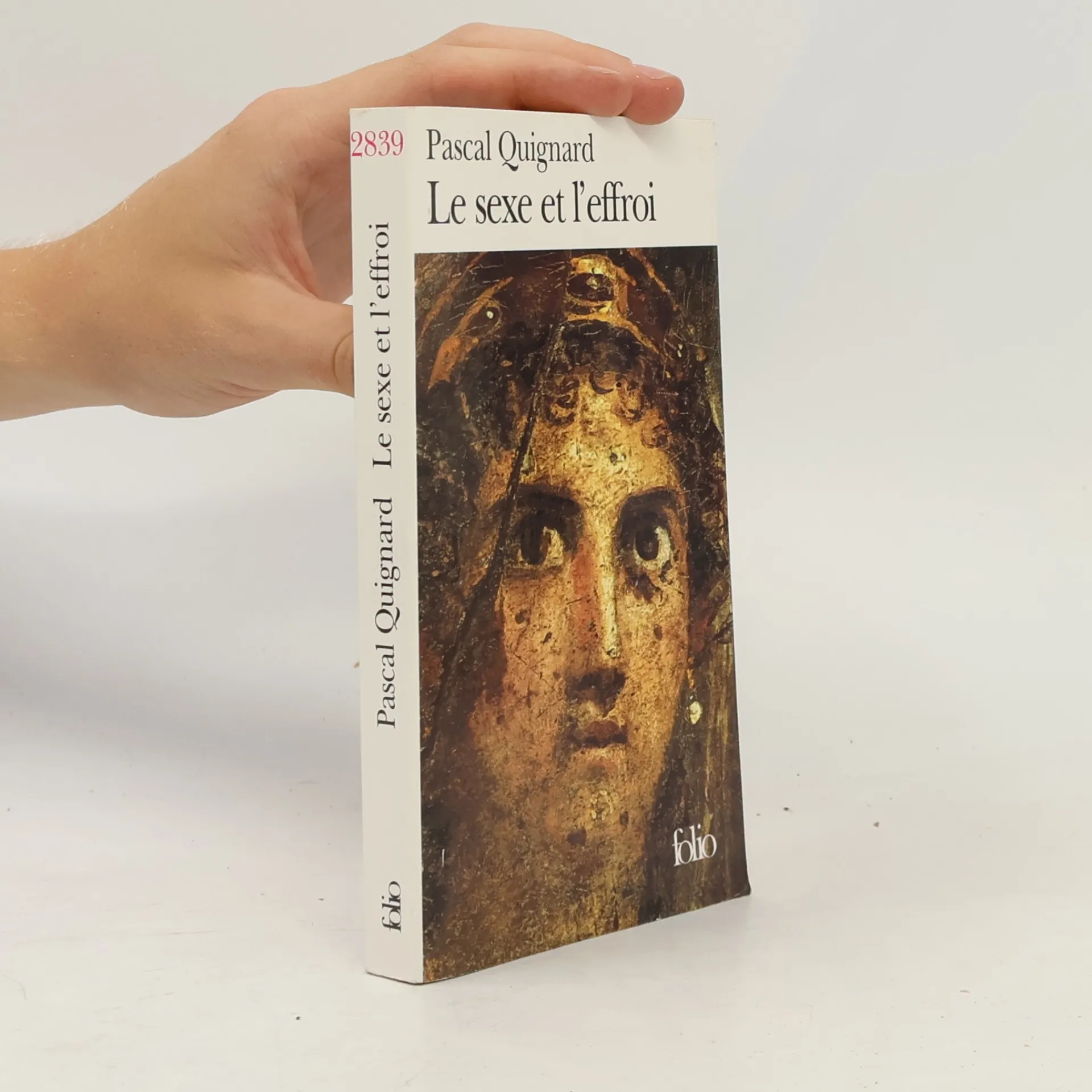
Quand Auguste réorganisa le monde romain sous la forme de l'empire, l'érotisme joyeux, anthropomorphe et précis des Grecs se transforma en mélancolie effrayée. Des visages de femmes remplis de peur, le regard latéral, fixent un angle mort. Le mot phallus n'existe pas. Les Romains appelaient fascinus ce que les Grecs appelaient phallus. Dans le monde humain, comme dans le règne animal, fasciner contraint celui qui voit à ne plus détacher son regard. Il est immobilisé sur place, sans volonté, dans l'effroi. Pourquoi, durant tant d'années, ai-je écrit ce livre? Pour affronter ce mystère : c'est le plaisir qui est puritain. La jouissance arrache la vision de ce que le désir n'avait fait que commencer de dévoiler.
Un homme a froid parce qu'il a oublié un ancien prénom. Il collectionne sur la terre entière tout ce qu'une main d'enfant peut étreindre. A Rome, à Tokyo, à Paris, à Londres, Edouard Furfooz vend des vieux jouets, des poupées, des miniatures, des dessus de tabatière : il vend les dons des Saturnales. Arrive le solstice d'hiver, où tout ce qui est petit est aimé, où les jours sont les plus courts. Alors que l'année, le feu, le soleil se préparent à revenir, c'est un intense amour qui revient.
Ce livre raconte l'histoire d'amour de deux instrumentistes, dans un XVIIe siècle mêlant sang et larmes, sur une côte où résonnent des mélodies immortelles. Le roman intègre des réflexions de l'auteur sur l'art, l'histoire et la philosophie, explorant comment la musique façonne la personnalité dès les origines de la vie et l'émotion qu'elle suscite à la fin de celle-ci. L'écriture de l'auteur est délicate, avec des phrases à la fois lyriques et percutantes. Dans ce livre, les destins des personnages de "Leçon de musique", "Chaque matin du monde" et "Le Balcon de Rome" se poursuivent. C'est également la première fois en seize ans que l'auteur réécrit une musicienne, après "La Villa Amalia", et il la considère comme "l'un de ses plus beaux portraits de femme".
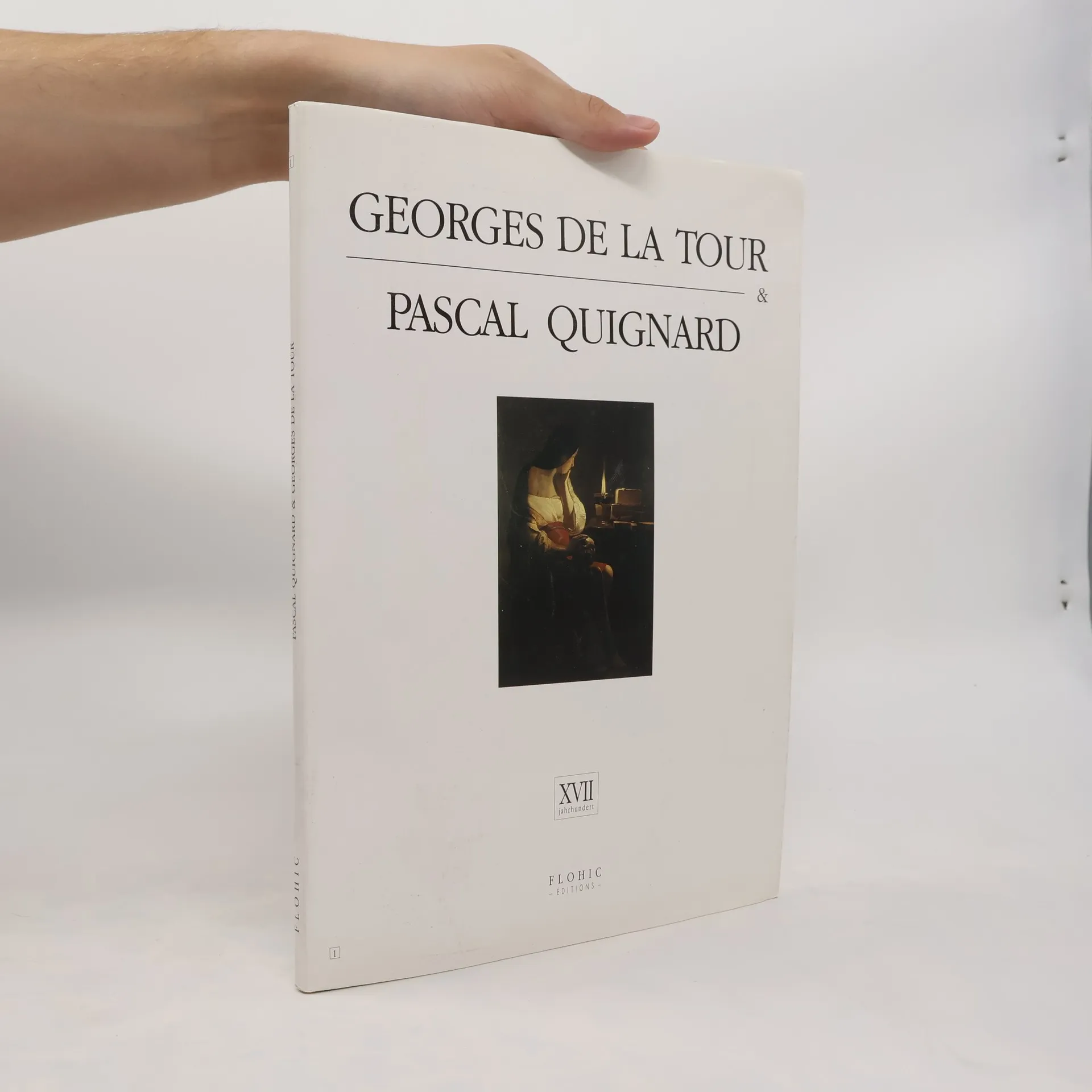
"Le roi dit : "Il est possible que les oeuvres d'art soient le fruit des vengeances. Un de mes compagnons s'est peut-être vengé malgré l'interdiction que je lui avais faite [...]. Le désir nous affole tous les jours et sa carence nous abandonne aux ombres. Et il est vrai que les ombres sont bleues. C'est pourquoi je suis venu avec vous jusqu'ici.""Pascal Quignard.
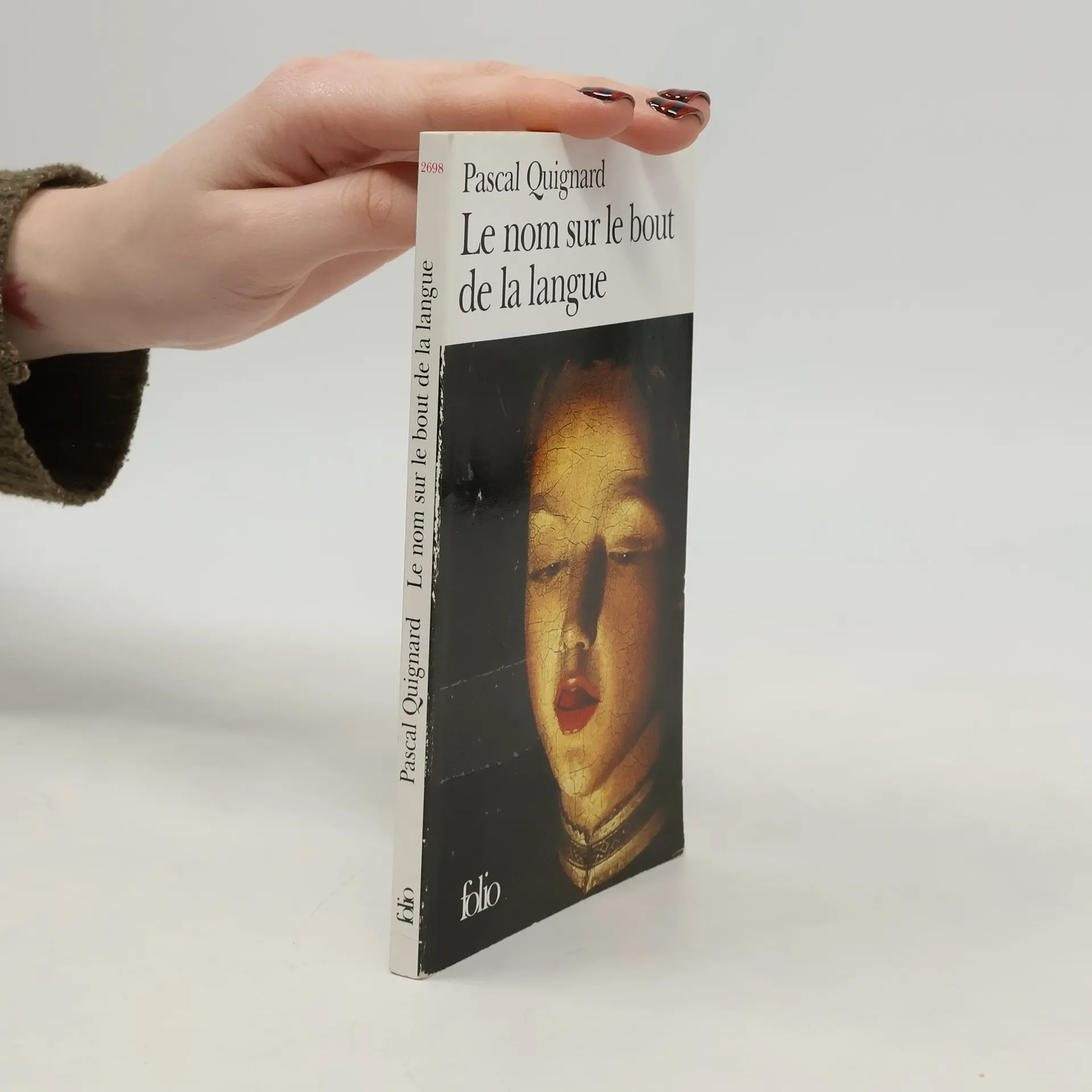
InterZona presenta un libro central en la obra de Pascal Quignard en el que indaga sobre lo indecible, a través de la verborragia de un cuento escrito para ser representado y del silencio revelador de un ensayo autobiográfico. Con la ilustre introducción y la clara traducción del poeta y especialista Silvio Mattoni.El nombre en la punta de la lengua transcurre en la Normandía del siglo IX. Quignard sitúa este cuento en un momento preciso de la historia para poder volver al relato sin tiempo, a una forma mágica y circular de la narración: a una chica le gusta un chico, hace un trato para casarse pero no puede cumplir su promesa. La bordadora y el sastre se enfrentan a la noche del mundo con una simple vela y con palabras, necesitan recobrar un nombre, gozar de la felicidad reencontrada en la coincidencia.Pequeño tratado sobre Medusa, interpreta ese volver a la plenitud de la alegría, se adentra tanto en su vida como en la cultura para cristalizar esos momentos de asombro en los que el misterio del lenguaje se muestra como una forma de adentrarse aún más en su perdición.
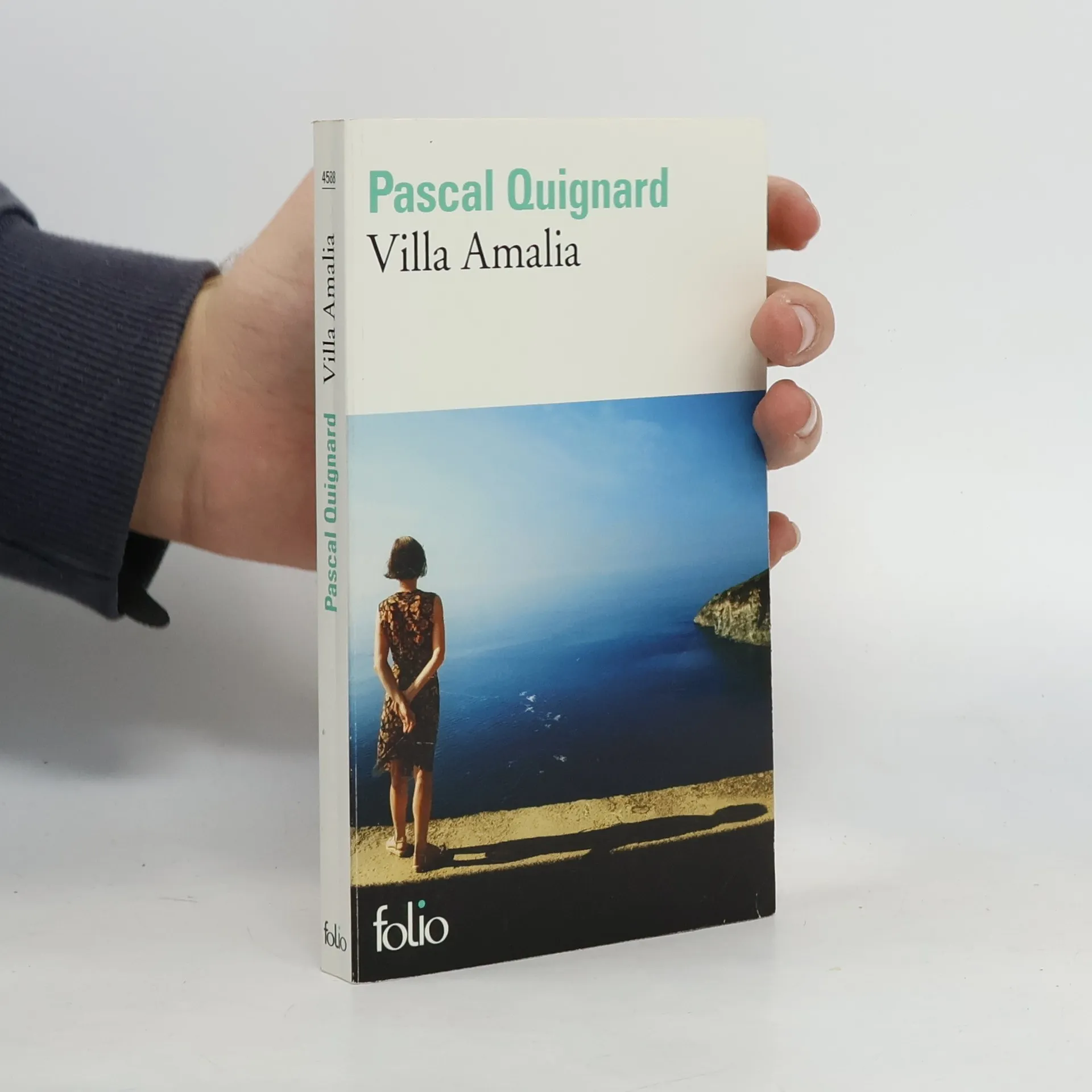
Loin devant les villas sur la digue, elle se tenait accroupie, les genoux au menton, en plein vent, sur le sable humide de la marée. Elle pouvait passer des heures devant les vagues, dans le vacarme, engloutie dans leur rythme comme dans l'étendue grise, de plus en plus bruyante et immense, de la mer.
Século XVII, à época do rei Luís XIV, um aclamado mestre da viola da gamba, o senhor de Sainte Colombe, vive para a música. Homem de poucas palavras, de constantes ataques de cólera, dedica-se incansavelmente ao seu instrumento, isolado em sua cabana. Desde a morte da esposa, para quem compusera em homenagem o Túmulo dos lamentos, vivia sozinho com as duas filhas, a quem ensinara a música desde muito cedo. Recebe, certo dia, a visita de um jovem músico de dezessete anos, o senhor Marin Marais, que deseja estudar com o mestre e aprender os segredos da viola da gamba. Estes dois músicos com visões opostas de mundo refletem sobre a vida e a arte em uma trama brilhante na qual ficção e realidade se misturam neste que é um dos mais conhecidos livros de Pascal Quignard.
Frankreich Ende der fünfziger Jahre. Überall im Land sind amerikanische Truppen. Marie-José und Patrick sind ein Liebespaar seit ihrer Kindheit. Auch in dem Dorf, in dem die beiden aufwachsen, ist eine Base der "Amerikanischen Besatzung". Faszination für die Amerikaner und Abscheu für die Besatzer teilen nicht nur das Dorf, der Gegensatz greift auch in die Pubertät von Marie-José und Patrick ein und beginnt, eine Jugendliebe zu zerstören.§
Эта книга - прекрасная музыка этих страниц, которая заставляет вспомнить о Прусте или о Латуре, любимом художнике Киньяра...
"Nous dépendons de nos lieux plus encore que de nos proches." Pascal Quignard.
À partir de quatre images anciennes, première figuration humaine ou fresques italiennes, Pascal Quignard, développe un thème qui lui est cher : celui de l’image manquante à la source, celle de notre conception, qui toujours nous hante dans le mystère de ce qui nous fonde. Les lecteurs de Pascal Quignard retrouveront ici un thème qui lui est cher, magnifiquement développé dans deux beaux livres illustrés : Le Sexe et l’Effroi, chez Gallimard, en 1994, La Nuit sexuelle, chez Flammarion, en 2007
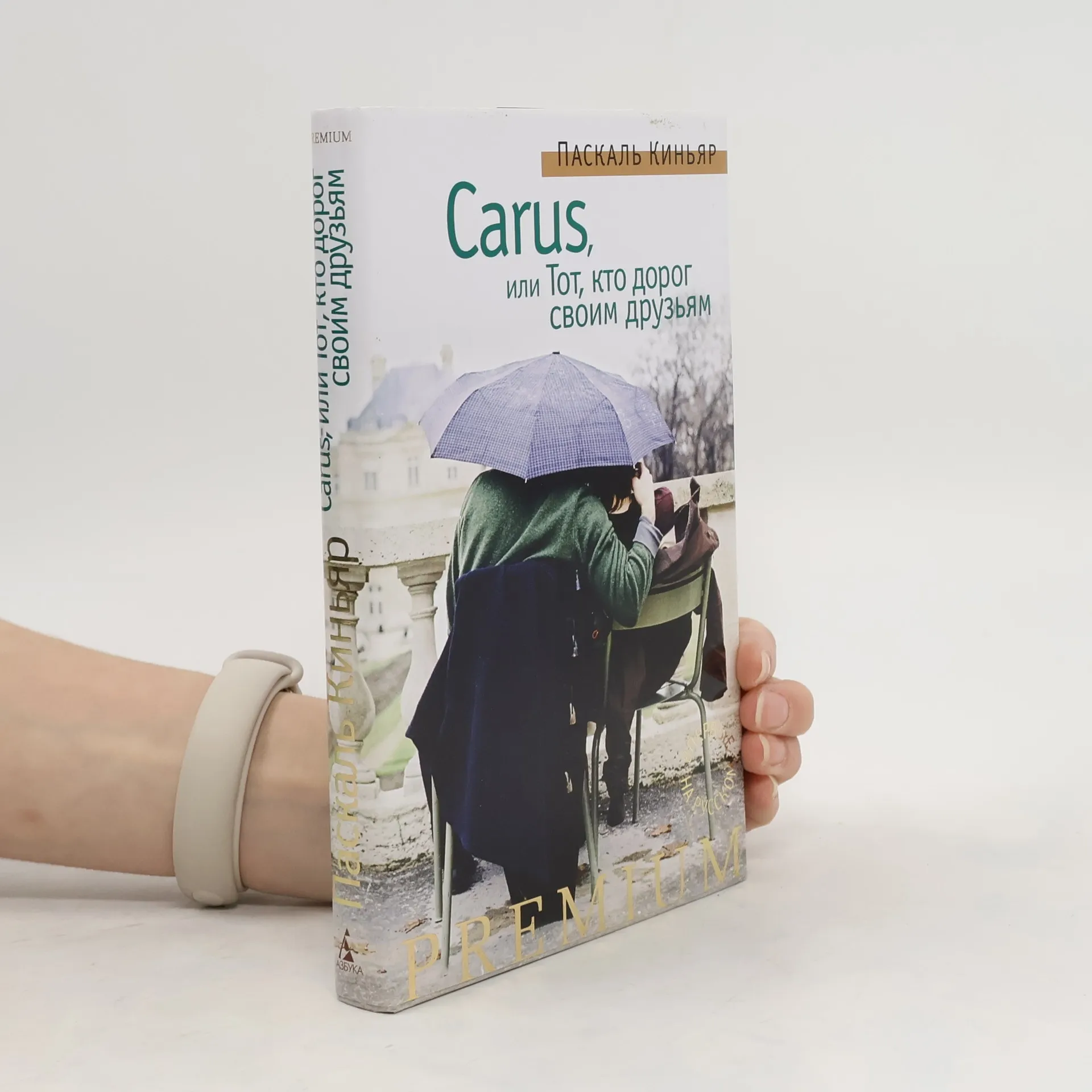
Un homme est triste. Cela se passe à Paris de nos jours. Il est musicien et il est malheureux au point qu'il se tait. C'est l'hiver. Ses amis - un vieux collectionneur de livres, un grammairien puriste, un marchand d'antiquités chinoises, un professeur de philologie, une analyste musicienne... - s'efforcent de le remettre d'aplomb. Ils se réunissent au cours de grands banquets querelleurs, jouent des trios et des quatuors, tempêtent, puis parlementent, s'injurient, puis s'excusent. Ils bâtissent une amitié pour enchanter le désarroi.