

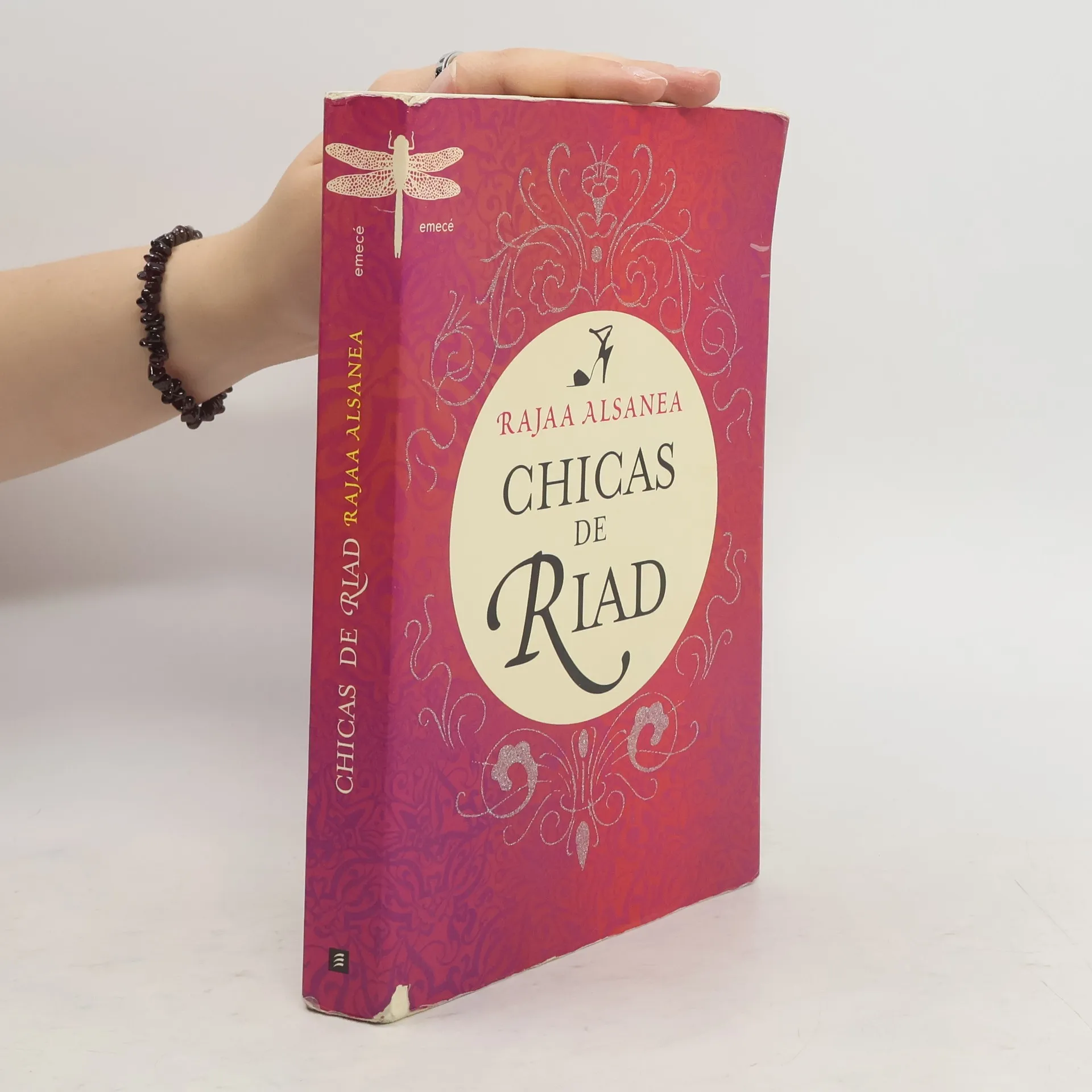
Chicas de Riad se publico en Libano en 2005, tras ser prohibido en Arabia Saudi, el pais natal de la autora. En pocos meses se vendieron mas de cien mil ejemplares y se desato un acalorado debate entre los politicos, intelectuales y criticos del mundo arabe. Al mismo tiempo, la novela entro en el mercado negro a un precio diez veces superior al de las librerias y desperto un gran interes internacional, vendiendose a once paises. En su debut literario, Rajaa Alsanea habla de aquello sobre lo que en su entorno deberia guardarse silencio: cuatro chicas jovenes que ansian vivir y amar y que no pueden hacerlo porque la tradicion no preve felicidad alguna para la mujer. A pesar de ello, Sadim, Kamra, Michelle y Lamis intentan alcanzarla, cada una a su modo, y el resultado es una tragicomedia que emociona, conmueve y hechiza. "Chicas de Riad" nos acerca a las cuatro protagonistas en toda su dimension: sus experiencias amorosas, su carrera profesional y sus enfrentamientos con unas costumbres demasiado rigidas. Una original e inolvidable vision de las complejas vidas de una cultura y un mundo completamente distintos de los nuestros.
Marilyn Booth Orden de los libros (cronológico)
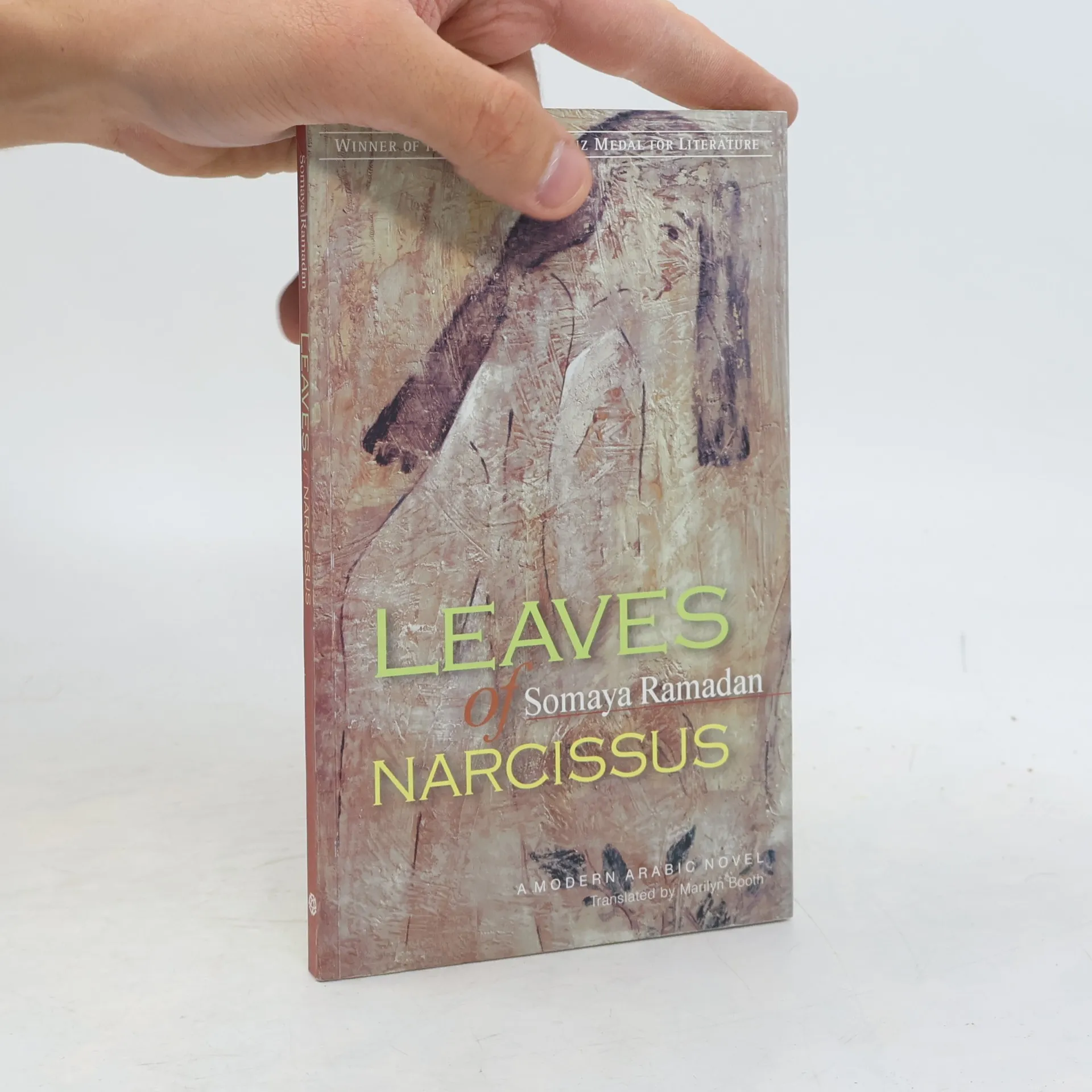
This novel of home and homelessness, of exile both physical and psychological, centers on Kimi, a fragile heroine suffering from a rift in her persona, unable to distinguish between her own pain and the pain of others. For Kimi it is not a simple case of to be or not to be, but rather of howto be in disjointed and contrary times. Leaves of Narcissus, like earlier Arabic novels about East-West encounters by male writers such as Tawfiq al-Hakim, Taha Hussein, and Tayeb Salih, is about a young Arab student going west in search of education. Here, though, the protagonist is a young womanand her destination is Ireland, a part of the West and at the same time a victim of the ravages of colonialism― adding ambiguity to the customary representations of the East-West dichotomy. In this captivating novel, Somaya Ramadan displays a rare virtuosity in evoking and interlacing literarymotifs― from the popular to the learned, from the folk to the mythic, from the Egyptian to the Irish― and poses questions rather than answers, questions that hold a mirror to our selves.
Memoirs from the Women's Prison
- 214 páginas
- 8 horas de lectura
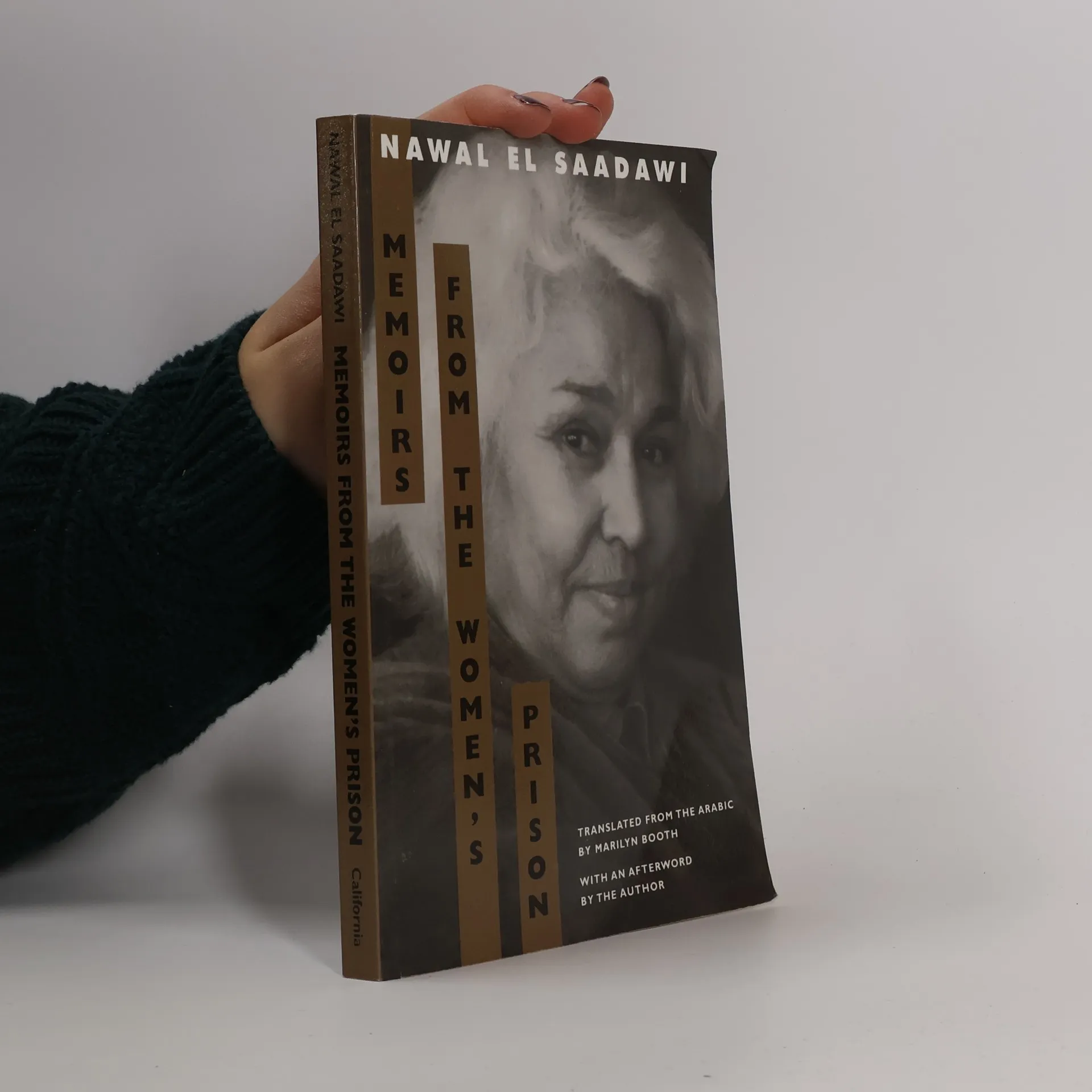
Often likened to Rigoberta Menchu and Nadine Gordimer, Nawal El Saadawi is one of the world's leading feminist authors. Director of Health and Education in Cairo, she was summarily dismissed from her post in 1972 for her political writing and activities. In 1981 she was imprisoned by Anwar Sadat for alleged "crimes against the State" and was not released until after his assassination.Memoirs from the Women's Prison offers both firsthand witness to women's resistance to state violence and fascinating insights into the formation of women's community. Saadawi describes how political prisoners, both secular intellectuals and Islamic revivalists, forged alliances to demand better conditions and to maintain their sanity in the confines of their cramped cell.Saadawi's haunting prose makes Memoirs an important work of twentieth-century literature. Recognized as a classic of prison writing, it touches all who are concerned with political oppression, intellectual freedom, and personal dignity.