


Compra 10 libros por 10 € aquí!
Bookbot

Lev Šestov

    24 de enero de 1866 – 19 de noviembre de 1938

    Lev Shestov fue un filósofo existencialista ucraniano/ruso. Su obra profundizó en profundas cuestiones existenciales, explorando la libertad y la fe humanas. Shestov enfatizó la irracionalidad de la existencia humana, criticando los enfoques racionales de la vida. Su filosofía resalta la importancia de la conversión personal y la fe ante lo inevitable. Finalmente se estableció en París, tras huir de las consecuencias de la Revolución de Octubre.

    Lev Šestov
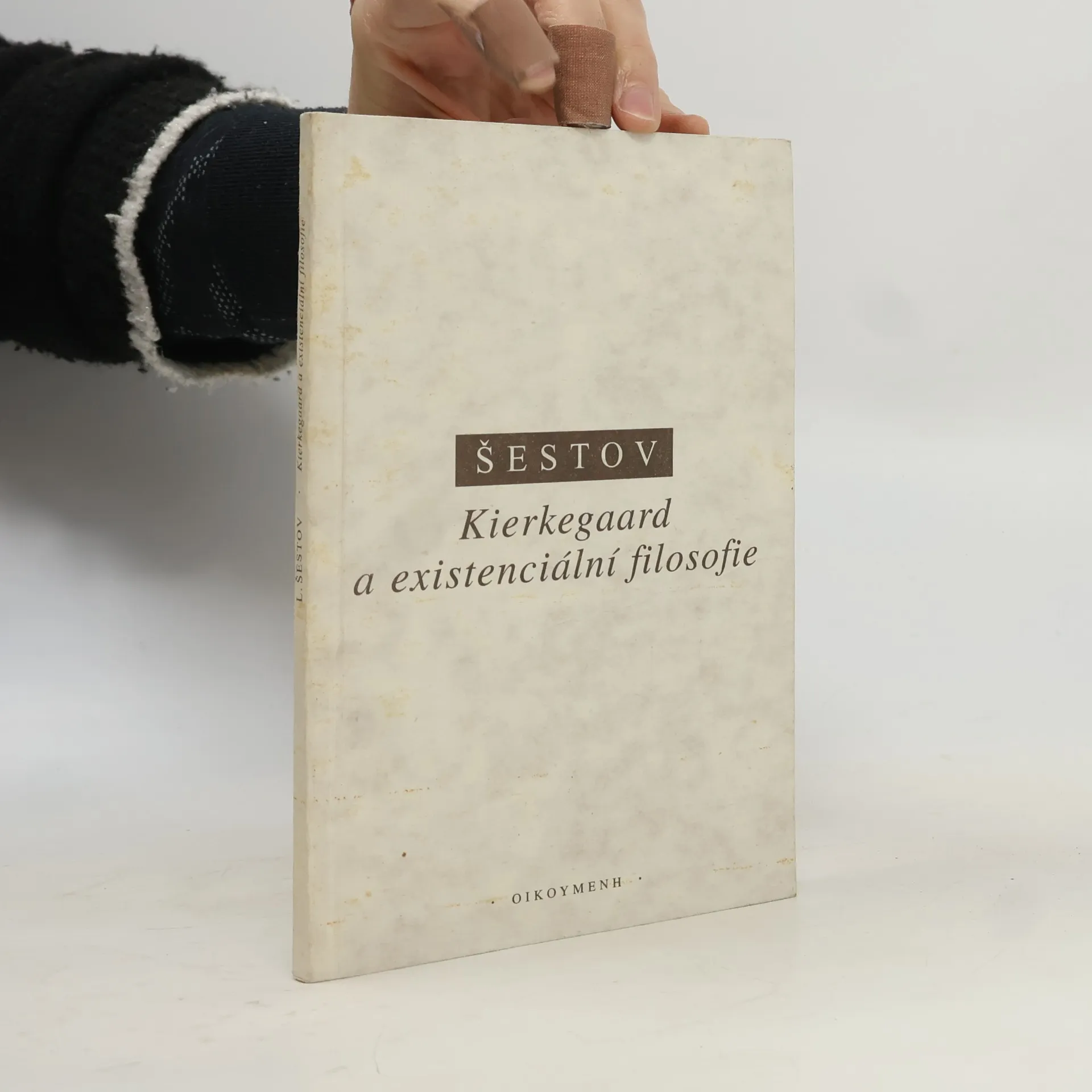
    Kierkegaard a existenciální filosofie
    Athény a Jeruzalém
    Athen und Jerusalem
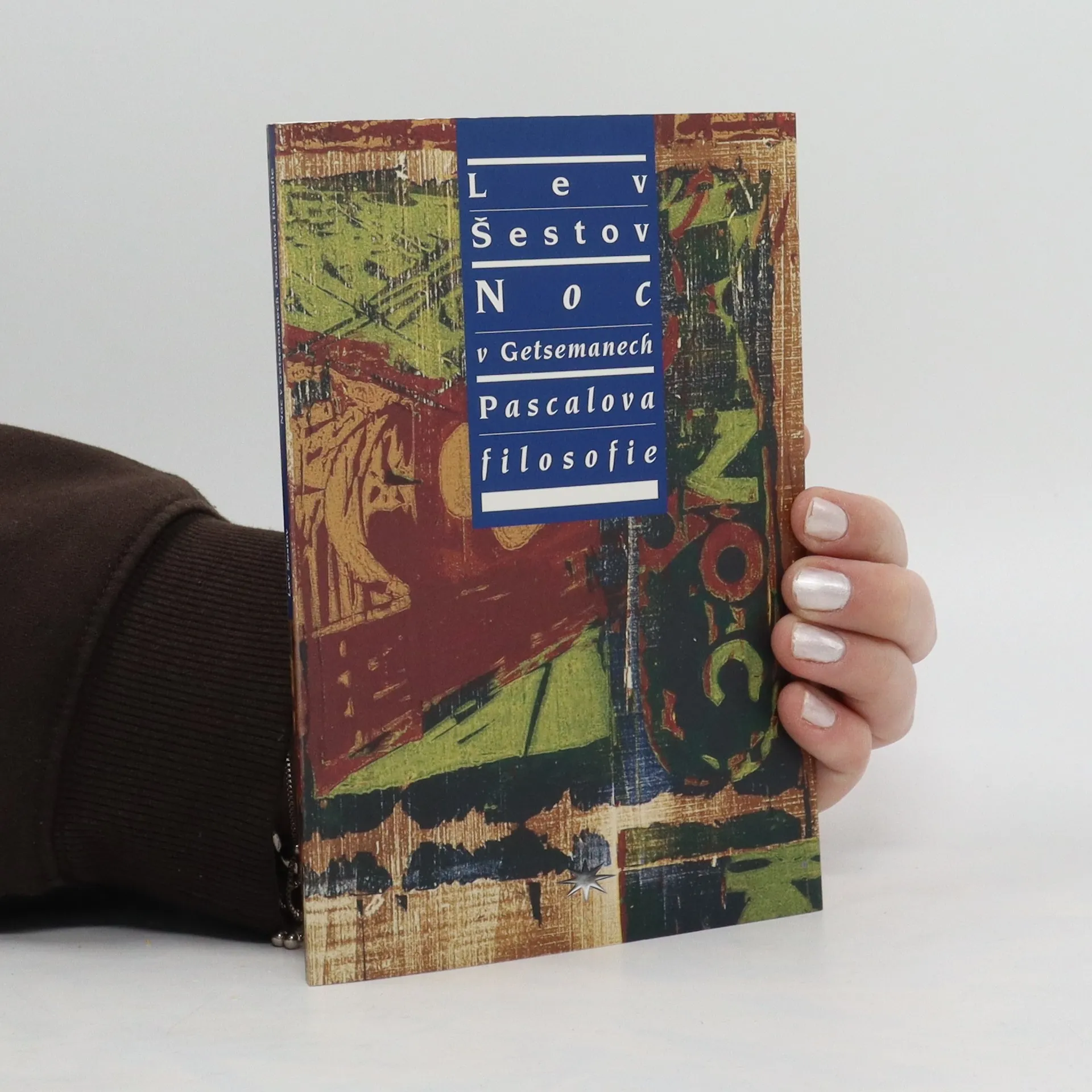
    Noc v Getsemanech – Pascalova filosofie
    All Things are Possible
    Anton Tchekhov and Other Essays
    • Anton Tchekhov and Other Essays

      • 108 páginas
      • 4 horas de lectura

      Fusing existential philosophy with literary narrative, this imaginative work explores the interplay between Lev Shestov's profound insights and Anton Chekhov's masterful storytelling. Characters shaped by Chekhov's understanding of humanity navigate Shestov's existential inquiries, creating a narrative that challenges conventional boundaries. The story invites readers to reflect on life's uncertainties, the search for meaning, and the tension between individuality and societal norms, resulting in a thought-provoking and emotionally resonant exploration of the human experience.

      Anton Tchekhov and Other Essays
    • All Things are Possible

      • 100 páginas
      • 4 horas de lectura

      This philosophical exploration by Lev Shestov invites readers to engage with profound existential questions about freedom, religion, and the human spirit. Through a series of essays, Shestov challenges conventional thought, advocating for an intuitive understanding of reality over rigid logic. He draws on diverse philosophical traditions, encouraging a confrontation with life's uncertainties and paradoxes. Emphasizing the significance of embracing the unpredictable, the work inspires a reevaluation of assumptions about existence, making it a compelling read for those interested in the depths of human consciousness.

      All Things are Possible
    • Utrpení francouzského myslitele a přitom svěží originalita jeho životních paradoxů v každé době rekrutují historiky filosofie ke stále novému přeinterpretování jeho odkazu. Šestovovův styl hutných aforismů jako by byl ve své kůži.

      Noc v Getsemanech – Pascalova filosofie
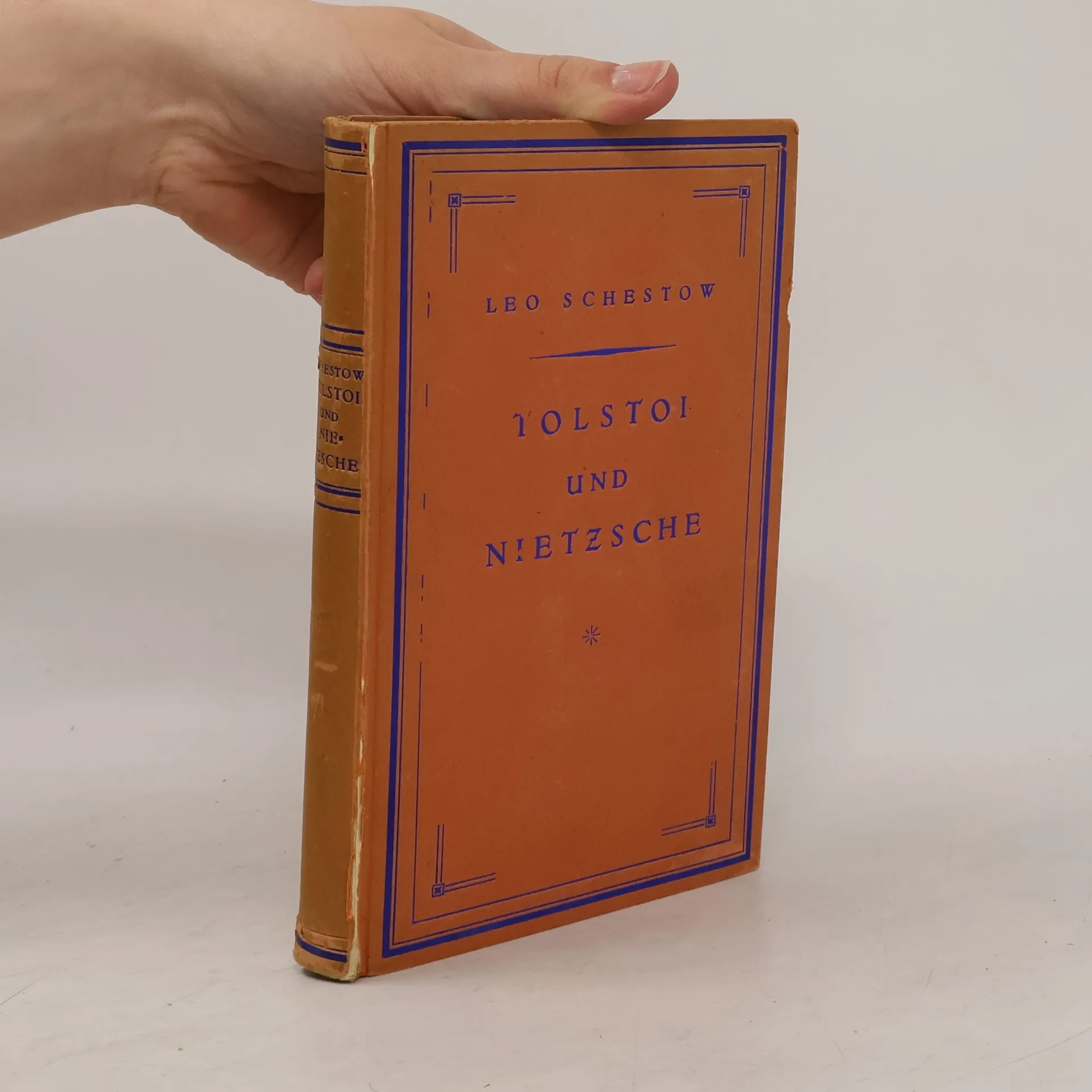
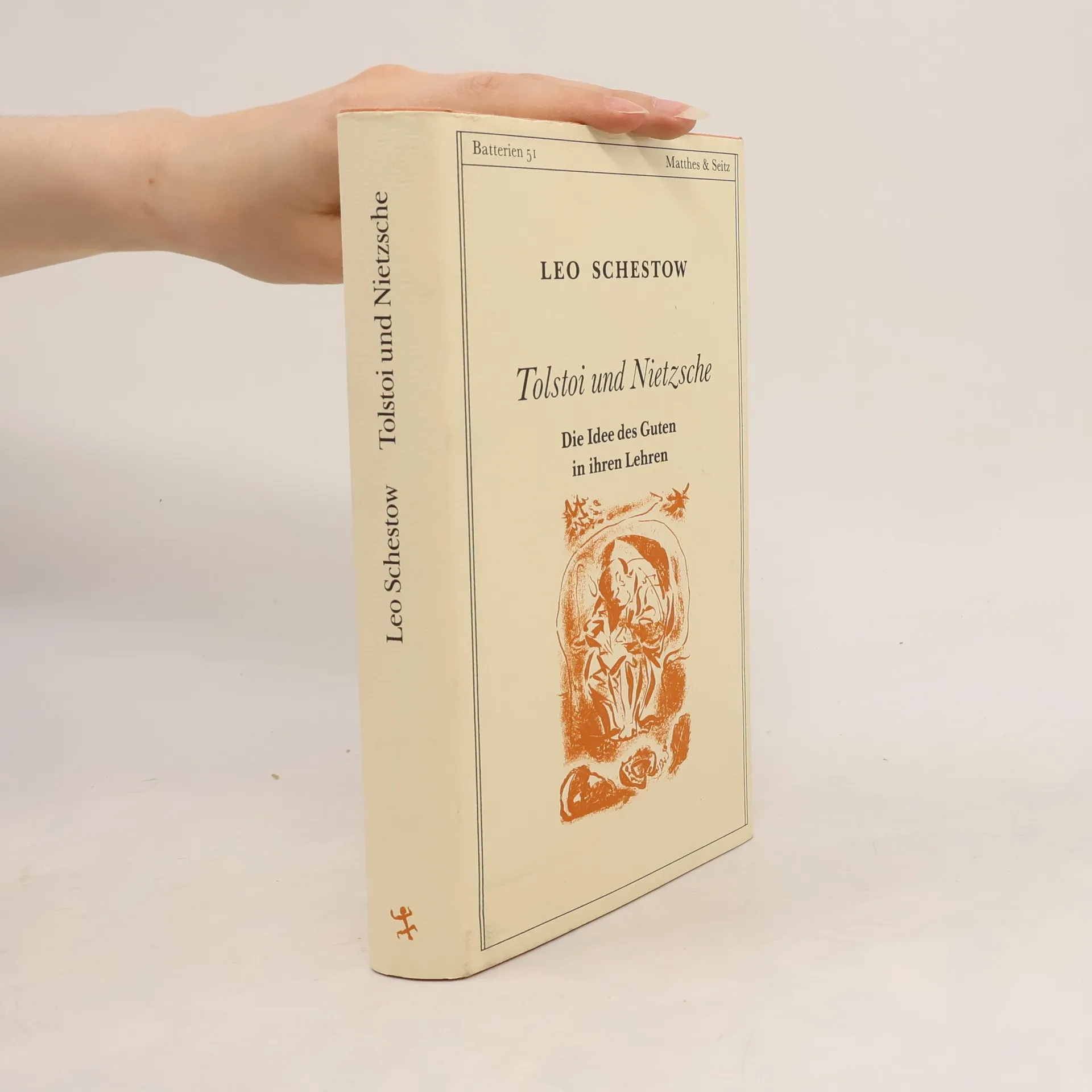
    • Athen und Jerusalem

      Versuch einer religiösen Philosophie

      Athen oder Jerusalem? Philosophie oder Religion? Man sucht den Sinn der Geschichte, und man findet den Sinn der Geschichte. Aber warum muss die Geschichte eigentlich einen Sinn haben? Danach wird nicht gefragt. Wenn jedoch jemand danach fragt, so würde er vielleicht zunächst daran zweifeln, ob die Geschichte einen Sinn haben müsse, und sich dann überzeugen, dass die Geschichte überhaupt keinen Sinn zu haben brauche, dass die Geschichte ein Ding für sich und der Sinn hinwiederum ein Ding für sich sei. Durch die Sechserkerze ist seinerzeit Moskau eingeäschert worden, Rasputin und Lenin indes - ebenfalls Sechserkerzen - haben ganz Rußland niedergebrannt. Leo Schestow

      Athen und Jerusalem
    • Athény a Jeruzalém

      • 548 páginas
      • 20 horas de lectura

      Co má společné antické, jakoby „profánní“ dědictví s myšlením biblickým? Tuto otázku si křesťanští myslitelé stavěli v každé době. Krajně nezařaditelný ruský myslitel-existencialista hledá odpověď ve svých upřímně hledačských exkurzech.

      Athény a Jeruzalém
    • Moc kľúčov

      • 248 páginas
      • 9 horas de lectura

      Výber z esejí a aforizmov. Jedno zo zlomových diel ruskej náboženskej filozofie začiatku dvadsiateho storočia sa považuje za prácu inklinujúcu k existencialistickým trendom vo filozofii. Paradoxnosť Šestova spočívala v tom, že bol filozof, teda človek mysliaci a poznávajúci, a tragédiu ľudskej existencie spoznával negujúc poznanie. Bojoval proti tyranii rozumu, moci poznania, ktorá vyhnala človeka z raja na územie samotného poznania, pričom na tento zámer využila ako náradie ten istý rozum. Šestovov skeptický postoj k rozumu, jeho vystupovanie voči racionalizácii viery našlo výraz najmä v tejto knihe. Jeho nový iracionalizmus je výzvou k vnútornému obráteniu v duchu Kristovho učenia.

      Moc kľúčov
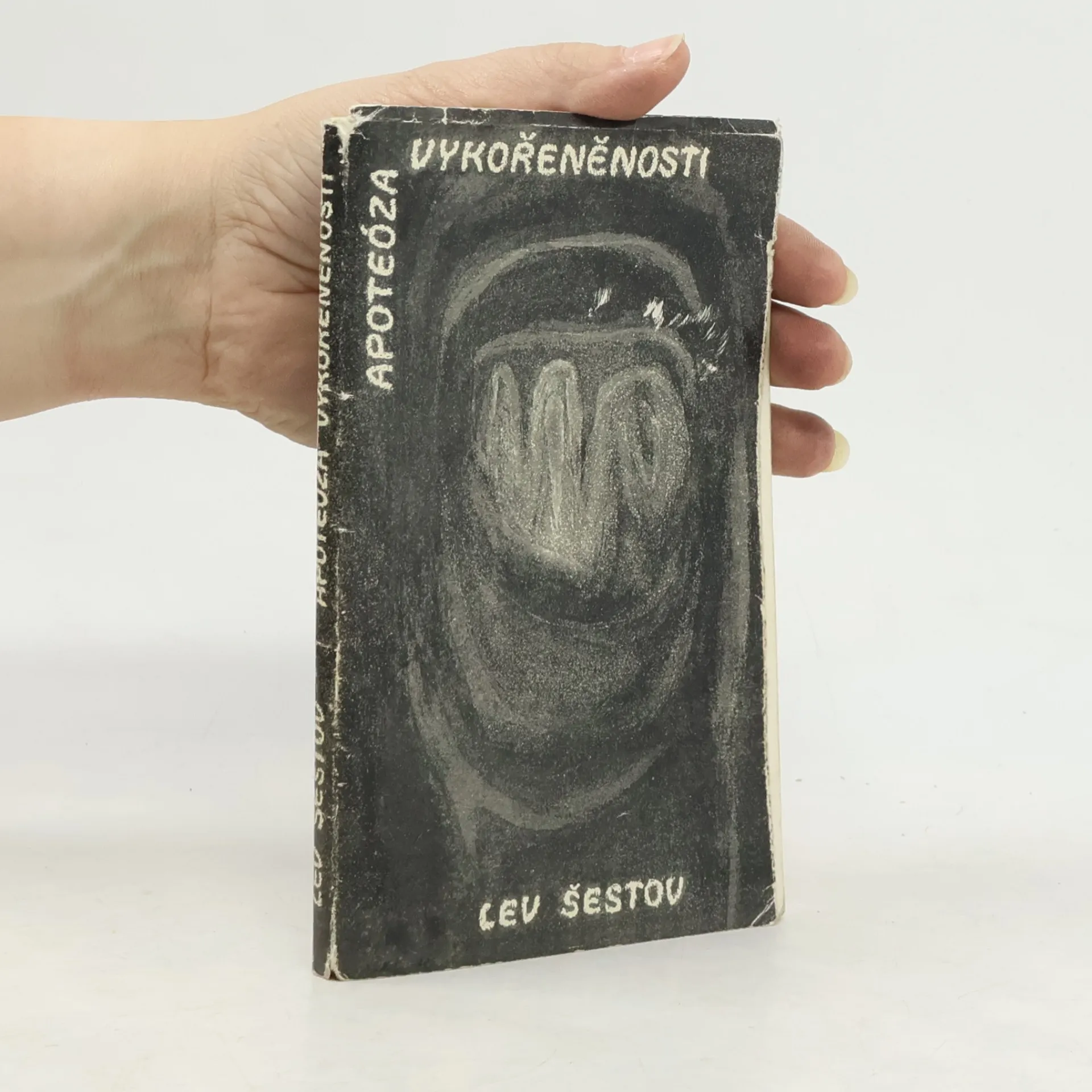
    • Podtitul: Pokus o nedogmatické myšlení. Základní dílo ruského existencialisty. Dílo ruského spisovatele a filosofa spojovaného s existencialismem patří mezi spisy pojednávající o náboženství, racionalismu a vědě, v nichž se autor vyjadřoval prostřednictvím Nietzscheho aforistického stylu. Šestov byl myslitelem hluboké a těžké životní zkušenosti, byl odpůrcem všech racionalistických a idealistických zjednodušení. Často píše o tématech beznaděje a zoufalství. Neuznával žádnou autoritu, odmítal přijmout tak zvané věčné pravdy rozumu a podřizovat se jim. Prohlašoval, že filosofie by se měla navrátit ke svým velkým tématům dobra, Boha a nesmrtelnosti.

      Apoteóza vykořeněnosti