

Compra 10 libros por 10 € aquí!
Bookbot

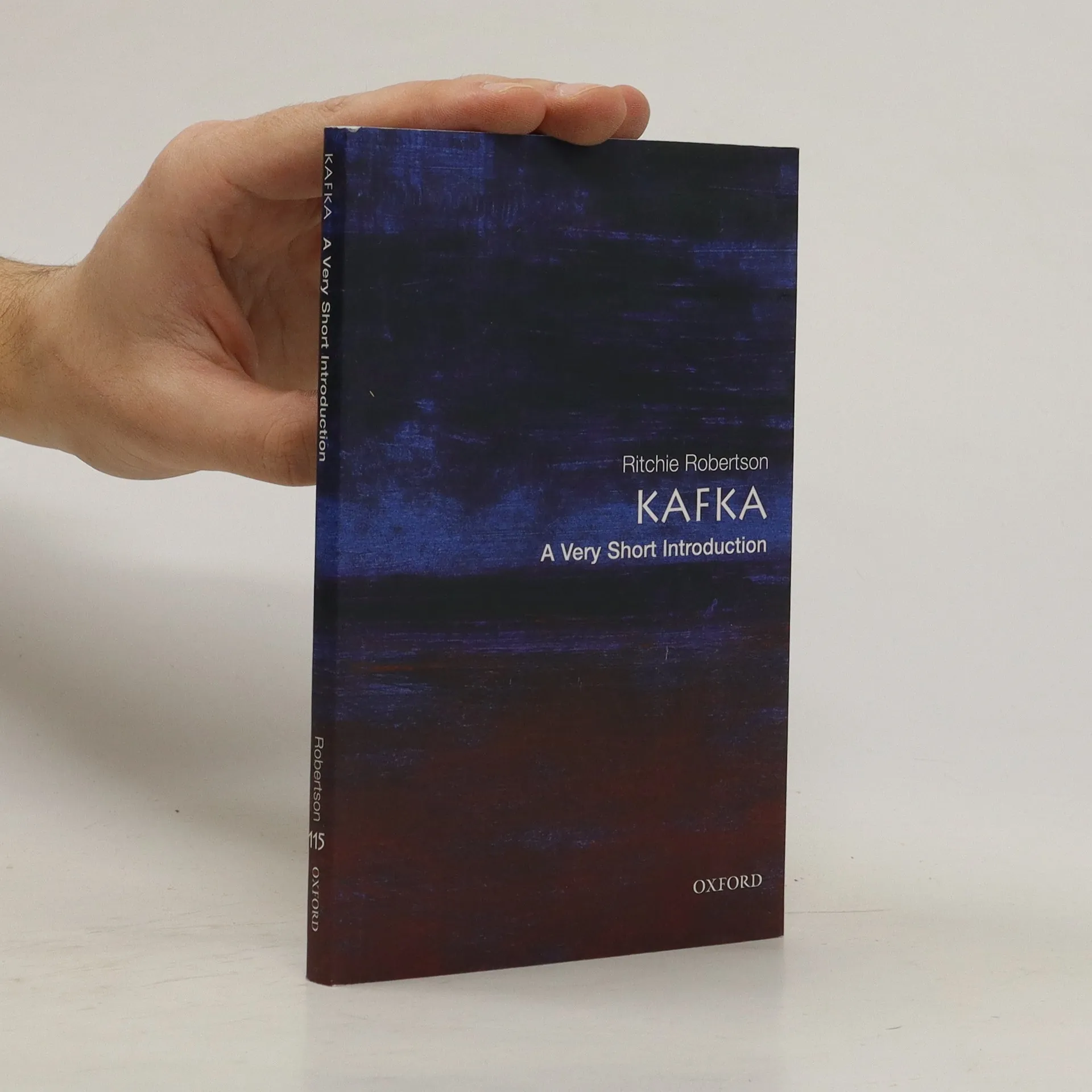
Ritchie Robertson

    1 de enero de 1952
    Kafka
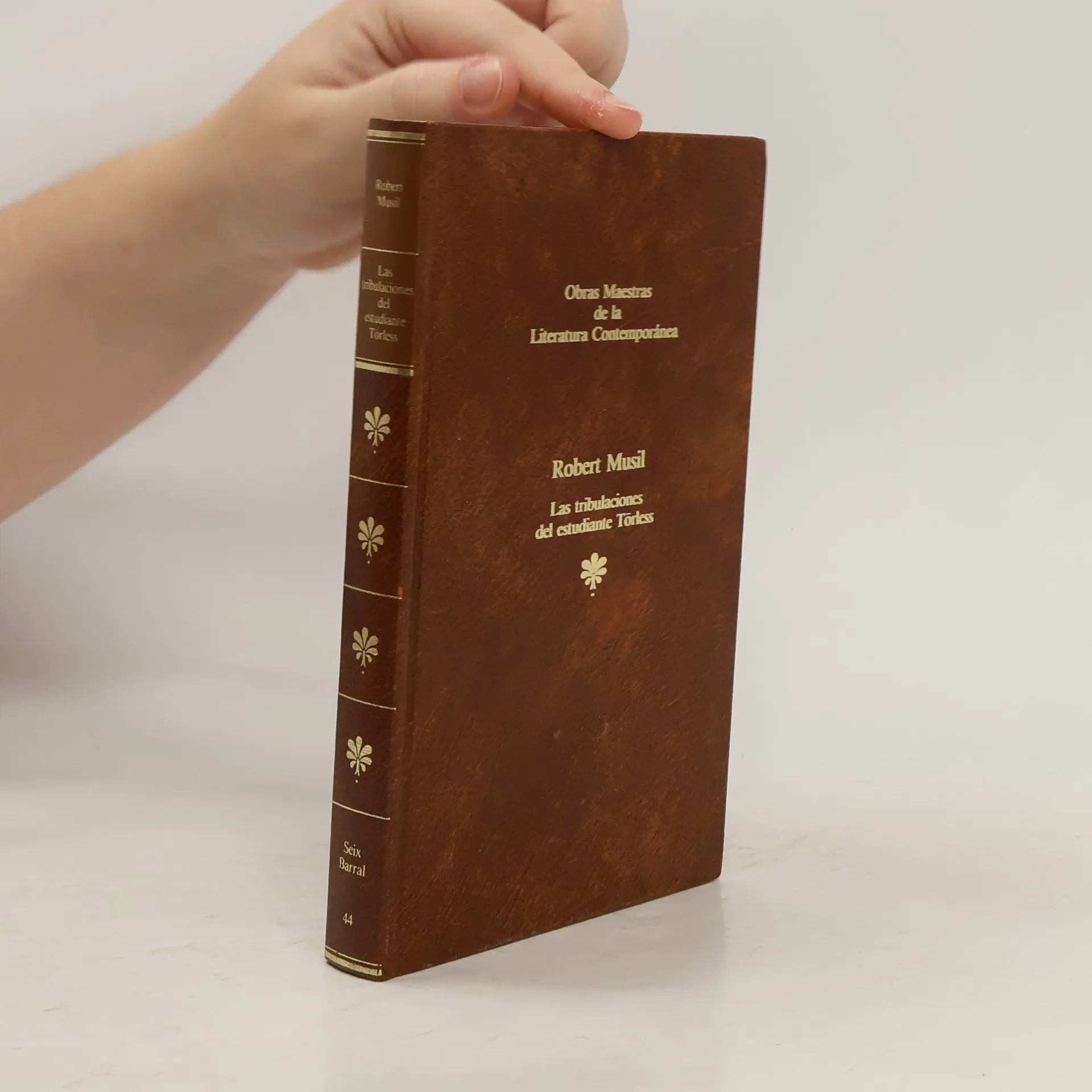
    Las tribulaciones del estudiante Törless
    Friedrich Nietzsche
    Heine
    The Enlightenment
    • The Enlightenment

      • 1008 páginas
      • 36 horas de lectura

      "The Enlightenment is one of the formative periods of Western history, yet more than 300 years after it began, it remains controversial. It is often seen as the fountainhead of modern values such as human rights, religious toleration, freedom of thought, scientific thought as an exemplary form of reasoning, and rationality and evidence-based argument. Others accuse the Enlightenment of putting forward a scientific rationality which ignores the complexity and variety of human beings, propagates shallow atheism, and aims to subjugate nature to so-called technical progress. Answering the question 'what is Enlightenment?' Kant famously urged men and women above all to 'have the courage to use your own understanding'. Robertson shows how the thinkers of the Enlightenment did just that, seeking a rounded understanding of humanity in which reason was balanced with emotion and sensibility. His book goes behind the controversies about the Enlightenment to return to its original texts and to show that above all it sought to increase human happiness in this world by promoting scientific inquiry and reasoned argument. His book overturns many received opinions - for example, that enlightenment necessarily implied hostility to religion (though it did challenge the authority traditionally assumed by the Churches). It is a master-class in 'big picture' history, about one of the foundational epochs of modern times." -- Publisher's description
      The Enlightenment
    • Heine

      • 128 páginas
      • 5 horas de lectura

      A short, brilliant analysis of one of Germany's greatest writers.

      Heine
    • Las tribulaciones del estudiante Törless

      • 213 páginas
      • 8 horas de lectura

      Like his contemporary and rival Sigmund Freud, Robert Musil boldly explored the dark, irrational undercurrents of humanity. The Confusions of Young Törless , published in 1906 while he was a student, uncovers the bullying, snobbery, and vicious homoerotic violence at an elite boys academy. Unsparingly honest in its depiction of the author's tangled feelings about his mother, other women, and male bonding, it also vividly illustrates the crisis of a whole society, where the breakdown of traditional values and the cult of pitiless masculine strength were soon to lead to the cataclysm of the First World War and the rise of fascism. A century later, Musil's first novel still retains its shocking, prophetic power.

      Las tribulaciones del estudiante Törless
    • Kafka

      • 136 páginas
      • 5 horas de lectura

      Franz Kafka is among the most intriguing and influential writers of the last century. During his lifetime he worked as a civil servant and published only a handful of short stories, the best known being The Transformation . His other three novels, published after his death, helped to found his reputation as a uniquely perceptive interpreter of the twentieth century.Discussing both Kafka's crisis-ridden life and the subtleties of his art, Ritchie Robertson provides an intriguing and accessible look at the life of this fascinating author. Using Metamorphosis as a recurring example, Robertson shows how Kafka's work explores such characteristically modern themes as the place of the body in culture, the power of institutions over people, and the possibility of religion after Nietzsche had proclaimed "the death of God."

      Kafka