Mysteries of the Mind
- 256 páginas
- 9 horas de lectura
A noted neurologist delivers a revelatory, photo-rich study of new discoveries about the anatomy, capabilities, and emotive aspects of the human brain. Full-color photos and illustrations.


Richard M. Restak M.D. es un distinguido neurocientífico, neuropsiquiatra y escritor. Es autor de diecinueve aclamados libros sobre el cerebro que han sido éxitos de ventas. Su obra profundiza en el funcionamiento de la mente, desentrañando las complejidades del pensamiento y el comportamiento humano. Restak escribe con claridad y de manera atractiva, haciendo accesible el fascinante mundo de la neurociencia a un público amplio.


A noted neurologist delivers a revelatory, photo-rich study of new discoveries about the anatomy, capabilities, and emotive aspects of the human brain. Full-color photos and illustrations.
Explores present-day knowledge of the chemistry and workings of the brain.
This title explains, in layman's terms, how our brains are struggling to keep up with the world we've created. Offering scientific proof, the author shows how the world we live in has affected our ability to focus, concentrate and respond effectively to the multi-tasking demands of modern life.
And he takes us into the laboratories of today's molecular chemists and neuroscientists who are creating drugs that will change our brains in ways that only a few years ago seemed the stuff of science fiction.
'The Big Questions' series is designed to let renowned experts confront the 20 most fundamental and frequently asked questions of a major branch of science or philosophy. In 'The Big Questions: Mind' the explanations behind the 'mysteries' of our unique minds - including how they differ from our brains and how they create our awareness - are explored. Among the questions discussed are: How do brains come to exist? Is the mind more than the brain? What does it mean to be conscious? What is knowledge? Does the mind play tricks? What is the 'I' in our brain?
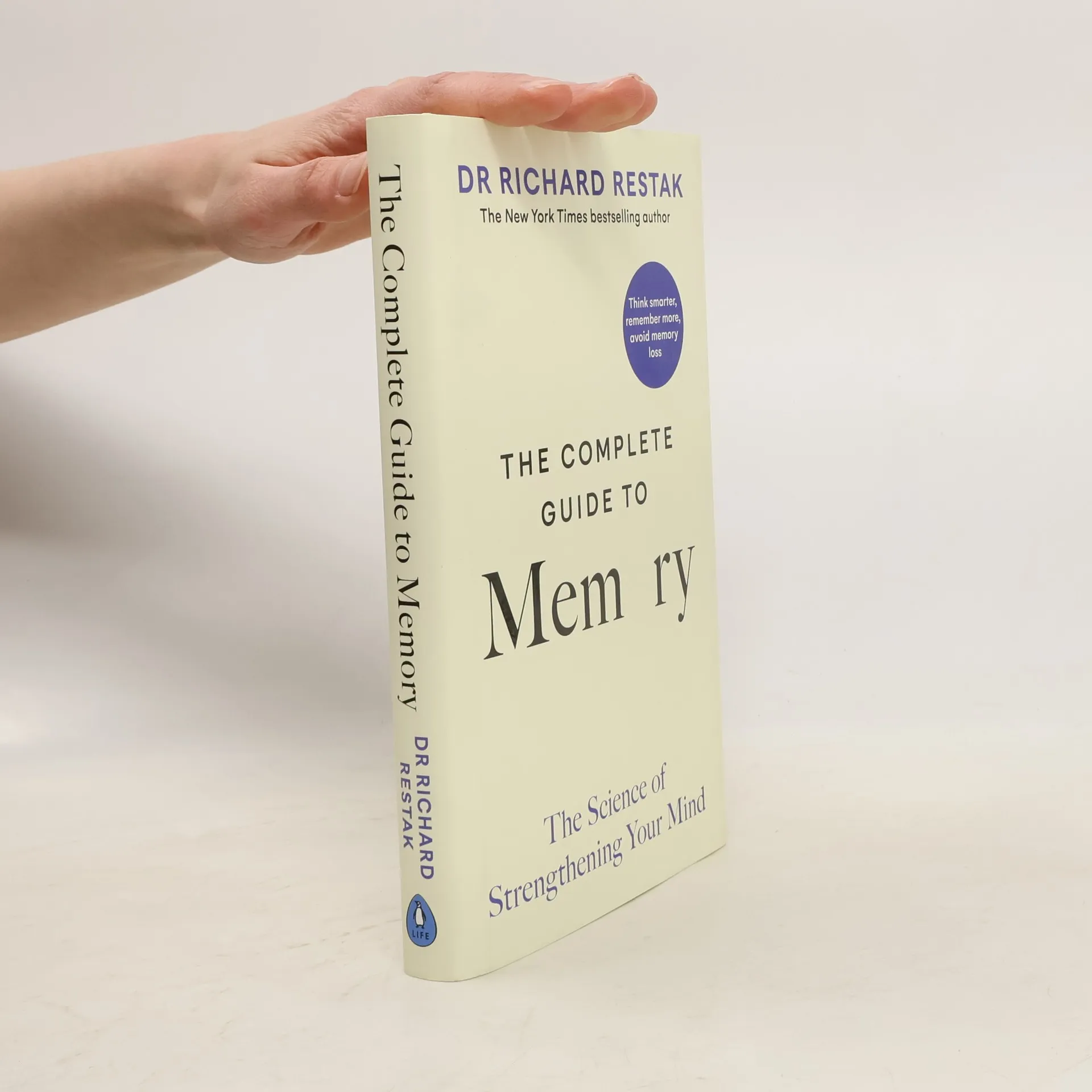
In this book, renowned neurologist and bestselling author Dr Richard Restak distils the wisdom of an entire career into a one-stop guide to the science of memory. Drawing on scientific history, case studies, famous anecdotes and more, he offers tips and tricks for anyone who wants to strengthen their memory, avoid disease and think smarter. The Complete Guide to Memory shows you- - How memories form - The different kinds of memory - The mind-body connection - How to strengthen your memory through techniques like 'chunking' information together; mind mapping and lists; and even how to recover forgotten information Packed full of information for anyone curious about the power of their memory, this is the only guide you need to train your memory and make it stronger.
Integrating the latest research into brain science and psychology, the author introduces a program for enhancing one's cognitive abilities, organizing thoughts and ideas, strengthening sensory capacities, and developing memory
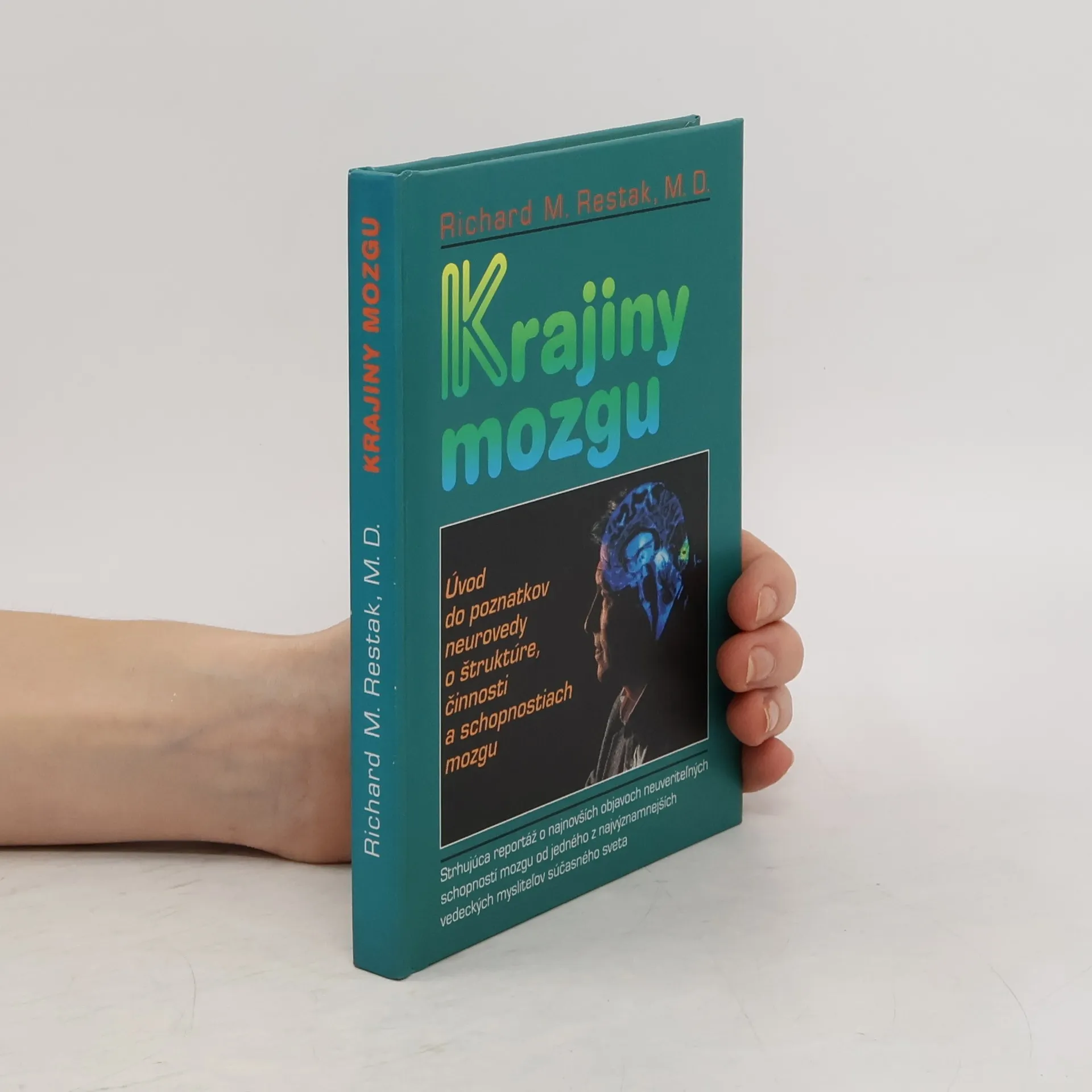
Úvod do poznatkov neurovedy o štruktúre, činnosti a schopnostiach mozgu. Strhujúca reportáž o najnovších objavoch neuveriteľných schopností mozgu od jedného z najvýznamnejších vedeckých mysliteľov súčasného sveta. Krajiny mozgu vysvetľujú štruktúru a súčasti mozgu, jeho vedomú a nevedomu činnosť, komunikáciu medzi mozgovými bunkami a zvyškom ľudského tela, obrovský úspech farmakológie pri ovplyvňovaní neuroprenášačov a modifikovaní osobnostných čŕt, správania a emócií, genetický základ mnohých neurologických porúch, vplyv technológie na vznik nových revolučných spôsobov skúmania mozgu, závislosť mnohých neurologických chorôb od environmentálnych toxínov a dôsledky nášho chápania mozgu na celý rad skutočností osobnosťou začínajúc a morálkou končiac.
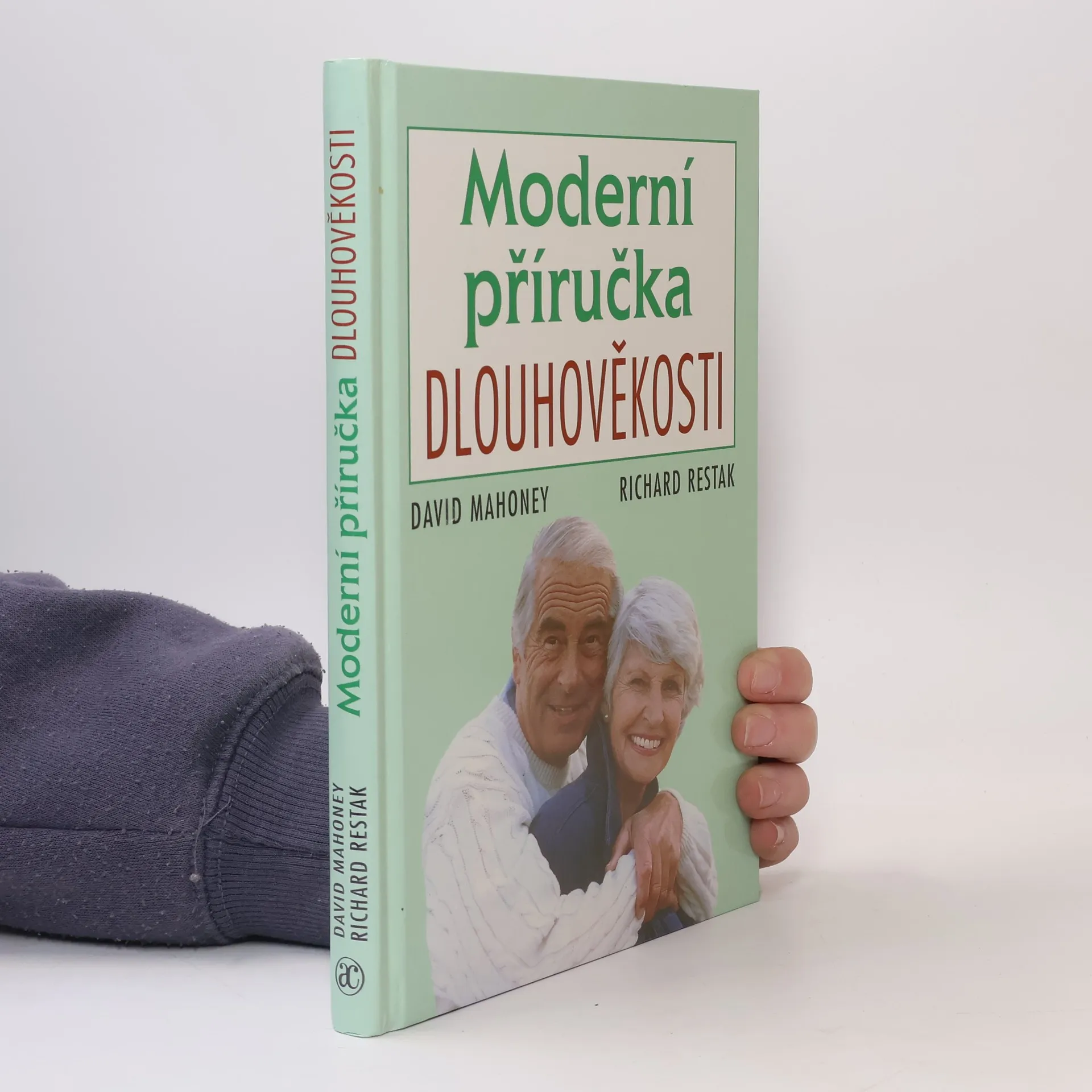
Nezbytná příručka pro všechny, kdo chtějí zvýšit svoji šanci stát se zdatným stoletým člověkem – žít do sta let a přitom být se svým životem spokojen. Ve čtyřech hlavních oddílech přináší kniha nespočet rad a informací, jak životní plán, stát se stoletým člověkem, uskutečnit. První část uvádí rozumné důvody, proč by se měl každý člověk zbavit negativních stereotypních představ o stáří a stárnutí a stát se stoupencem dlouhověkosti. Druhá a třetí zaměřuje svoji pozornost na mozek, jeho funkci, trénink a výkon, dále na zvládání a předcházení stresu a některým nemocem, jako je Alzheimerova nemoc, mozková mrtvice, srdeční choroby a rakovina. Zásady nezbytné pro udržení dobré fyzické kondice najdete na konci knihy.