Academic disciplines provide a framework for the transfer of knowledge from one generation to the next. Not only do they shape our education and understanding, they structure our professional lives. Interdisciplinarity, the reconfiguration of academic disciplines and the boundaries between them, has lately become a field of major interest to scholars and policy makers. This collection brings together the latest research and analysis from this emerging field. The editors take as their central thesis the idea that the existing matrix of disciplines is dissolving, leading to fundamental changes in the traditional order of knowledge. Contributors to the volume include specialists from Canada, Australia, Europe, and the United States who focus on the actual practice of interdisciplinarity: the ways in which it is researched, organized, and taught in institutes and universities around the world. The role of funding bodies is also considered, revealing the relationship and the delineation of disciplines and their resource bases. Together, the essays offer first-hand insights into the operations and successes of some of the world's foremost interdisciplinary research centres. In acquainting us with the current state of interdisciplinary research the volume also considers the social and economic contexts that make such research possible.
Nico Stehr Libros





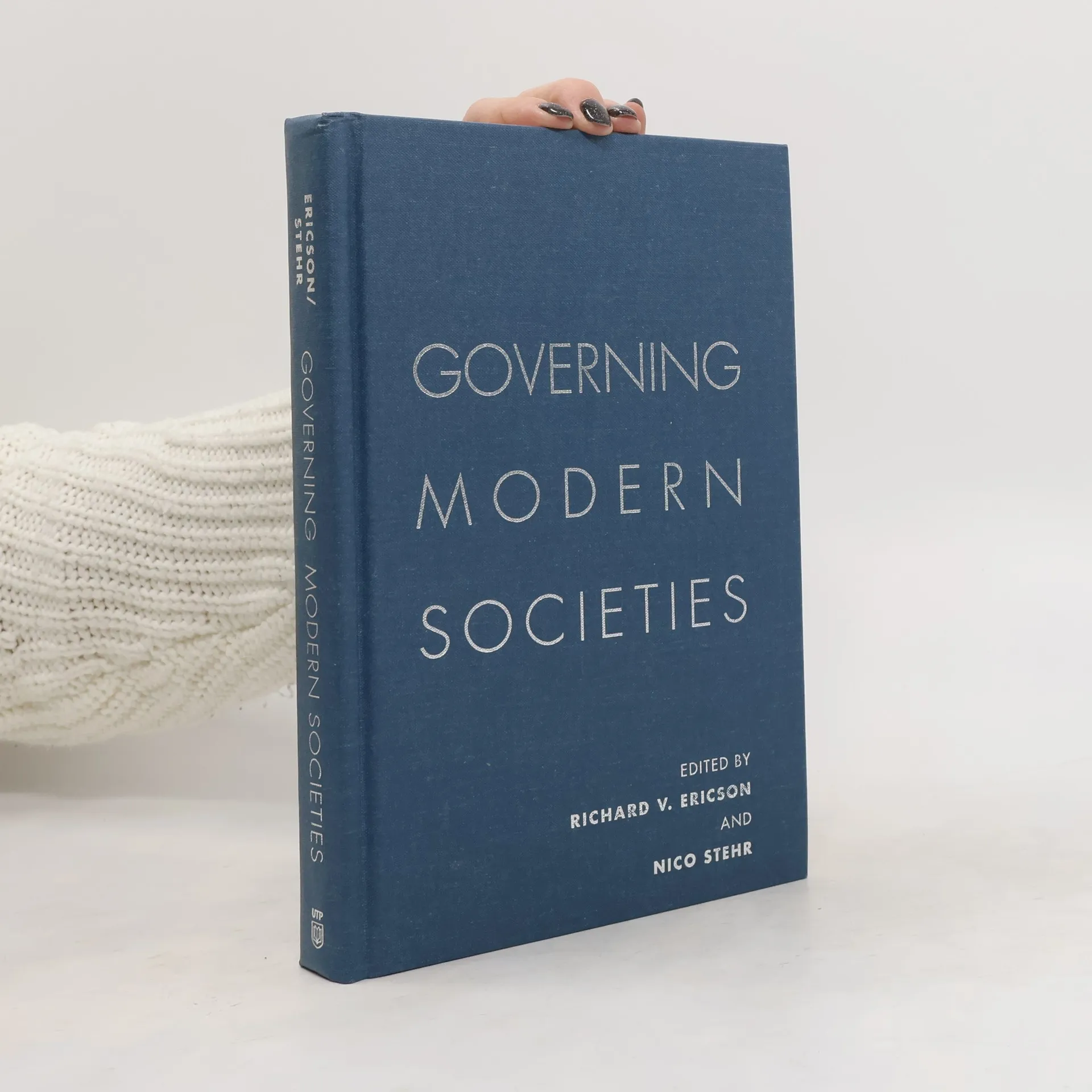

Governing Modern Societies
- 298 páginas
- 11 horas de lectura
The essays collected in Governing Modern Societies arose from a lecture series of the same name held at Green College, University of British Columbia, in 1997 and 1998. Distinguished scholars in political science, philosophy, sociology, and economics from Canada, the United States, England, Germany, and Australia advance not only the most recent theories of how modern societies are governed, but also the ideological and political relevance of these theories. The focus of this collection is on the extent to which the nature and practice of governance has dramatically changed. The realities of cutbacks in social security expenditures, changes in technology, shifts in labour markets, politics of identity and group rights, loss of political autonomy by nation-states, and management by surveillance and audit all underscore the evolution of governing. The fact that such shifts are also connected to new forms of governance beyond the state (at the community level, for example, within corporate institutions and through the influence of social movements and economic markets) makes the task of governing modern societies all the more challenging.
Knowledge Politics
- 252 páginas
- 9 horas de lectura
This book argues that new technologies and society's response to them have created a relatively new phenomenon, "knowledge politics." Nico Stehr describes Western society's response to a host of new technologies developed only since the 1970s, including genetic experiments, test-tube human conception, recombinant DNA, and embryonic stem cells; genetically engineered foods; neurogenetics and genetic engineering; and reproductive cloning and the reconstruction of the human ancestral genome. He looks also at the prospective fusion of nanotechnology, biotechnology, information technology, transgenic human engineering, and cognitive science whose products may, as its boosters claim, some day cure disease, slow the aging process, eliminate pollution, and generally enhance human performance. Knowledge Politics shows how human civilization has reached a new era of concern about the life-altering potentials of new technologies. Concerns about the societal consequences of an unfettered expansion of (natural) scientific knowledge are being raised more urgently and are moving to the center of disputes in society-- and thus to the top of the political agenda. Stehr explains the ramifications of knowledge politics and the approaches society could take to resolve difficult questions and conflicts over present and future scientific innovation.
Changing economic circumstances - namely, an end to the primacy of labour and property as determinants of prosperity - have created a need for a new theoretical platform: one that transcends standard economic discourse
Moral Markets
How Knowledge and Affluence Change Consumers and Products
- 288 páginas
- 11 horas de lectura
The book presents a groundbreaking theory of markets that reflects the evolving landscape of consumer behavior. It emphasizes the impact of greater knowledge, wealth, and access to information on modern consumers, suggesting that these factors significantly alter traditional market dynamics. By exploring how these changes influence purchasing decisions and market interactions, the author provides insights into the future of commerce and consumer engagement.
The Culture and Power of Knowledge
- 397 páginas
- 14 horas de lectura
Knowledge Capitalism
- 392 páginas
- 14 horas de lectura
Exploring the intersection of knowledge and economic growth, this book delves into how information and intellectual assets drive modern capitalism. It examines the transformative role of technology in shaping industries and labor markets, emphasizing the importance of innovation and creativity. The author discusses the implications for businesses and policymakers, highlighting strategies for harnessing knowledge to foster sustainable economic development. Through various case studies, the text illustrates the challenges and opportunities presented by the knowledge-driven economy.
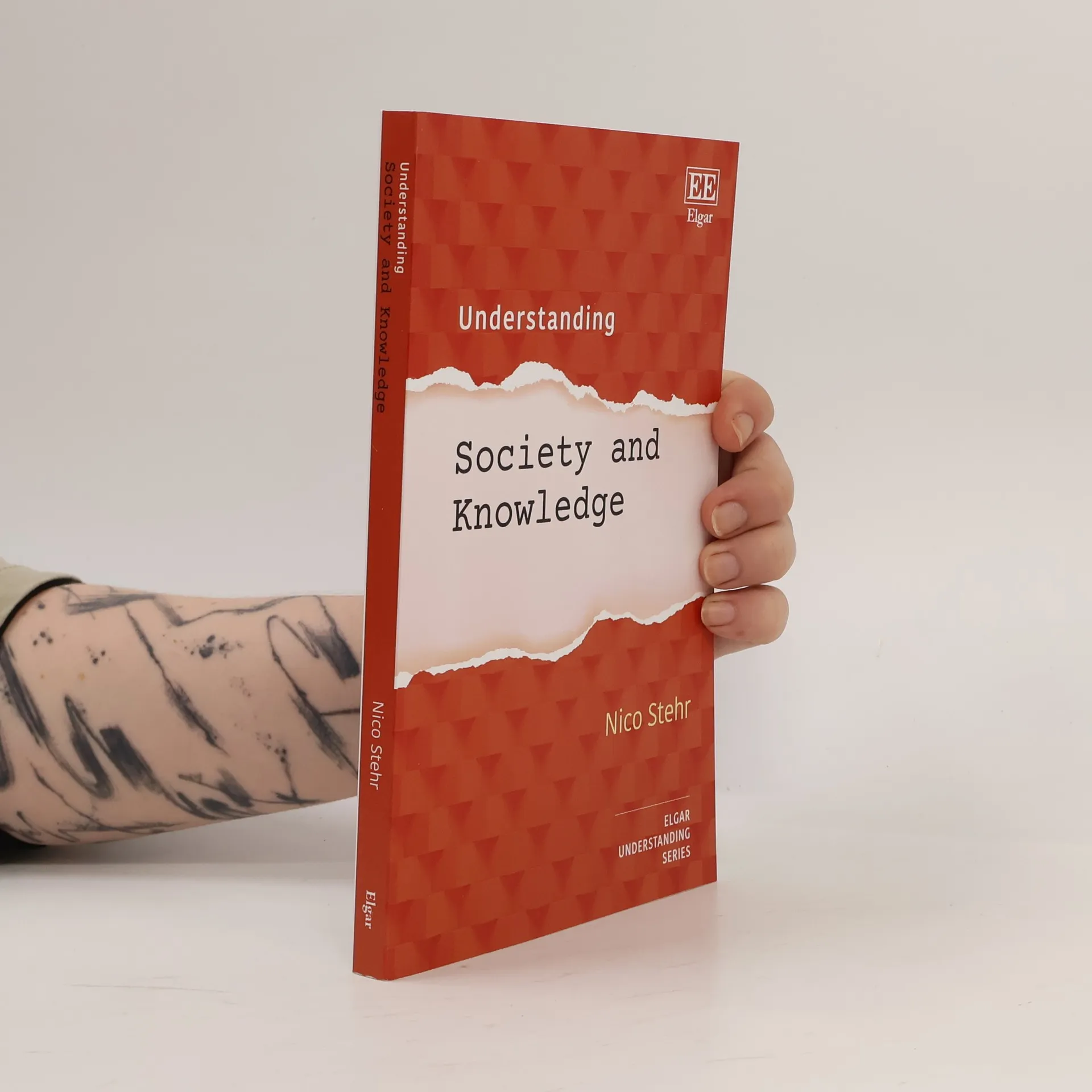
Understanding Society and Knowledge
- 196 páginas
- 7 horas de lectura
Understanding Society and Knowledge proposes that knowledge, rather than nature, violence, or power, provides the basis of and driving force behind human action in modern society. It demonstrates how the legal containment of knowledge enables the transformation of the knowledge society into knowledge capitalism. Providing an overview of the history of knowledge societies, Nico Stehr analyses the concept of knowledge as well as the nature of post-industrial societies. Chapters examine the genealogy of social scientific theories of modern society; the role of knowledge as a capacity to act or as an intersubjective resource; and recent changes in the structure of the material economy. The book concludes by discussing the political challenges of the knowledge society, highlighting the ways in which discoveries in modern knowledge and subsequent political responses continue to generate controversies. This illuminating book will be an essential resource for students and scholars of economics, political science, sociology and sociological theory, as well as science and technology studies.
"Who Owns Knowledge? explores the emerging linkages between the extension of knowledge and the law. It anticipates that the legal system will not only be called upon to adjudicate in matters of creative minds, but will be expected to do so to an ever increasing degree." "Who Owns Knowledge? will be of interest to those interested in the subjects of intellectual property, the history and development of modern legal and economic systems and their entanglements, and how judicial systems make choices between the legal and economic systems and, especially, between the public and private good and their often opposing interests."--BOOK JACKET
Knowledge
- 312 páginas
- 11 horas de lectura
Talk of knowledge is ubiquitous in the modern world. Whether we talk of know-how, innovation or education, knowledge is always involved. But despite its prominence, knowledge often remains nebulous. This book explores the category of knowledge from a sociological perspective, and traces the concept of knowledge as the very fabric of modern society.
Schriften der Zeppelin Universität zwischen Wirtschaft, Kultur und Politik: Fragile Stabilität – stabile Fragilität
- 352 páginas
- 13 horas de lectura
In modernen Gesellschaften wächst einerseits die Fähigkeit des Individuums, nein zu sagen. Andererseits ist in den letzten Jahrzehnten die Machbarkeit der Verhältnisse – zumindest aus der Sicht der das zwanzigste Jahrhundert prägenden großen Institutionen der modernen Gesellschaft – zu einer sehr viel zweifelhafteren Erwartung und selteneren Erfahrung geworden. Damit ist die generelle These von der Fragilität der modernen Gesellschaft formuliert, also die wachsende Unfähigkeit staatlicher sowie anderer großer gesellschaftlicher Institutionen gegenwärtig – und voraussichtlich in auch in Zukunft - ihren Willen durchzusetzen. Es kommt, je nach unserem Standort in der Gesellschaft, zu einer stabilen Fragilität oder der fragilen Stabilität der sozialen, politischen, kulturellen und ökonomischen Verhältnisse.
Society and Knowledge
Contemporary Perspectives in the Sociology of Knowledge and Science - 2nd Revised Edition
- 460 páginas
- 17 horas de lectura
The sociology of knowledge is a key aspect of the sociology of cultural products, focusing on the social production of scientific knowledge and its implications in modern society. The editors highlight that the past fifty years have seen a significant shift in the social role of knowledge. The previously dominant view that science's knowledge claims held a special status has been replaced by the understanding that all knowledge is socially constructed. This shift has led to science playing a more influential role in shaping political agendas, giving rise to the concept of knowledge politics. The collection features fourteen essays from social scientists, philosophers, and historians that address fundamental issues, theoretical perspectives, and the relationship between knowledge and power, alongside empirical studies. Eight essays from the first edition, published in 1984, have been updated, while six new contributions from notable scholars are included. This revised edition aims to present innovative theoretical and empirical approaches to the sociology of knowledge, making it a valuable resource for professionals, policymakers, and graduate students in sociology, political science, and social science.
Society and Knowledge in a Turbulent Era
- 400 páginas
- 14 horas de lectura
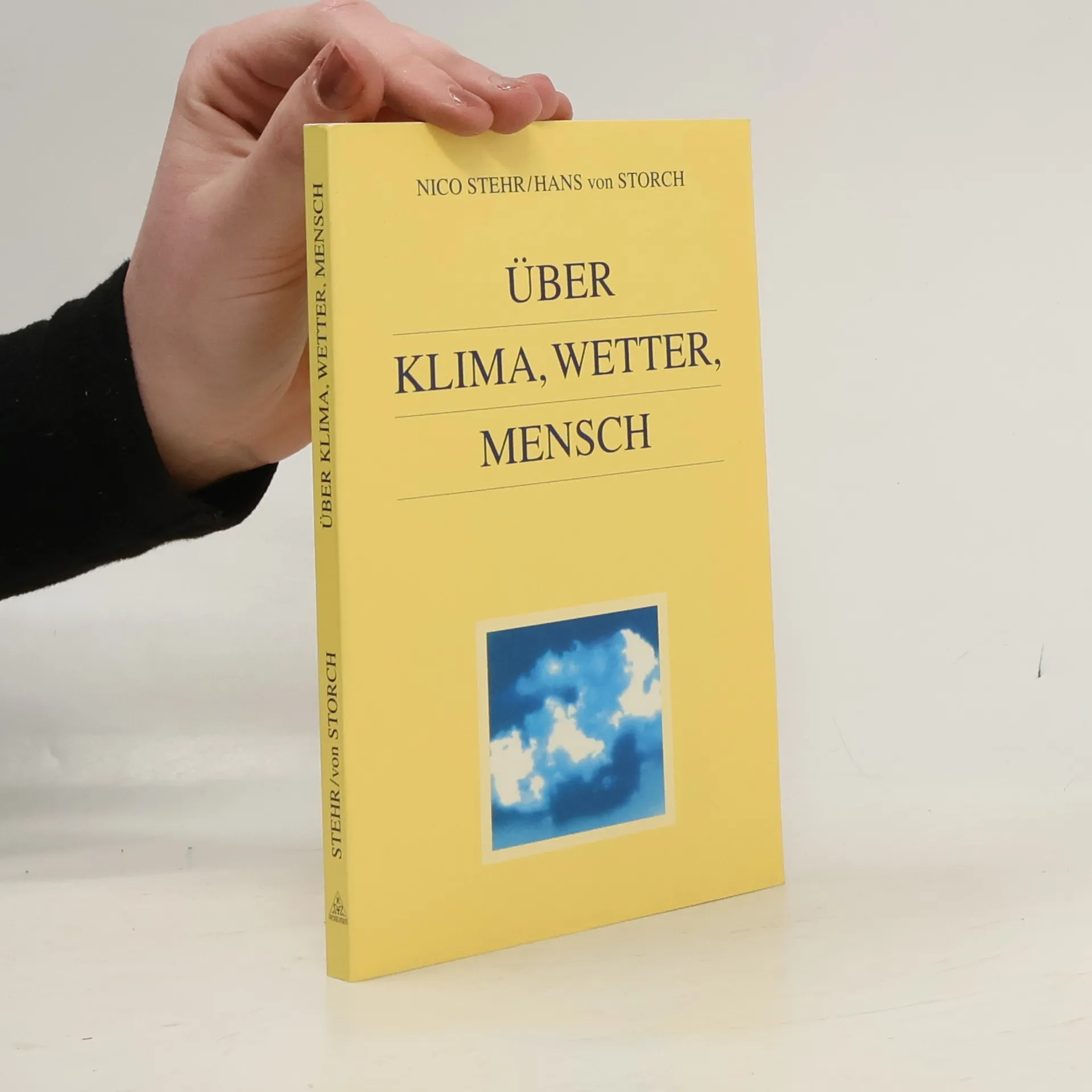
Klima - Wetter - Mensch
- 127 páginas
- 5 horas de lectura
Ist Wissen Macht?
Erkenntnisse über Wissen
Die Allgegenwart des Begriffs Wissen macht es zu einem rätselhaften Phänomen. Beladen mit philosophischer Schwere und zugleich flüchtig, bleibt Wissen in den Sozial- und Kulturwissenschaften schwer fassbar. Als gesellschaftliche Größe wird Wissen oft hofiert, jedoch selten klar definiert. Im Alltag verflüchtigt es sich in Routinen, Institutionen und sozialen Figuren, während der Status dessen, was wir wissen, oft verborgen bleibt. Wir unterscheiden selten zwischen dem Wissen von und dem Wissen wie und überlassen es der Wissenschaft und Technik. Doch was geschieht, wenn Wissen als soziales Geschehen betrachtet wird? Welche Aspekte treten hervor, wo finden wir es, und welche Rolle spielt es für die moderne Gesellschaft und unsere Gegenwart? Der Band untersucht die sozialwissenschaftliche Karriere des Wissensbegriffs und dessen Rolle in verschiedenen Gesellschaftsbereichen. Wo und von wem wird Wissen produziert? Wie unterscheiden sich Wissensarten, und welche sozialen Auswirkungen haben sie? Ist Wissen eine Ware, braucht es eine Wissenspolitik, und leben wir nicht längst in einer Wissensgesellschaft? Diese Fragen werden eingehend diskutiert und in Beziehung zu gesellschaftlichen Prozessen gesetzt. Das Buch überbrückt die Kluft zwischen abstrakter Philosophie und der alltäglichen Rolle des Wissens und verdeutlicht dessen zentrale Bedeutung für die moderne Gesellschaft.
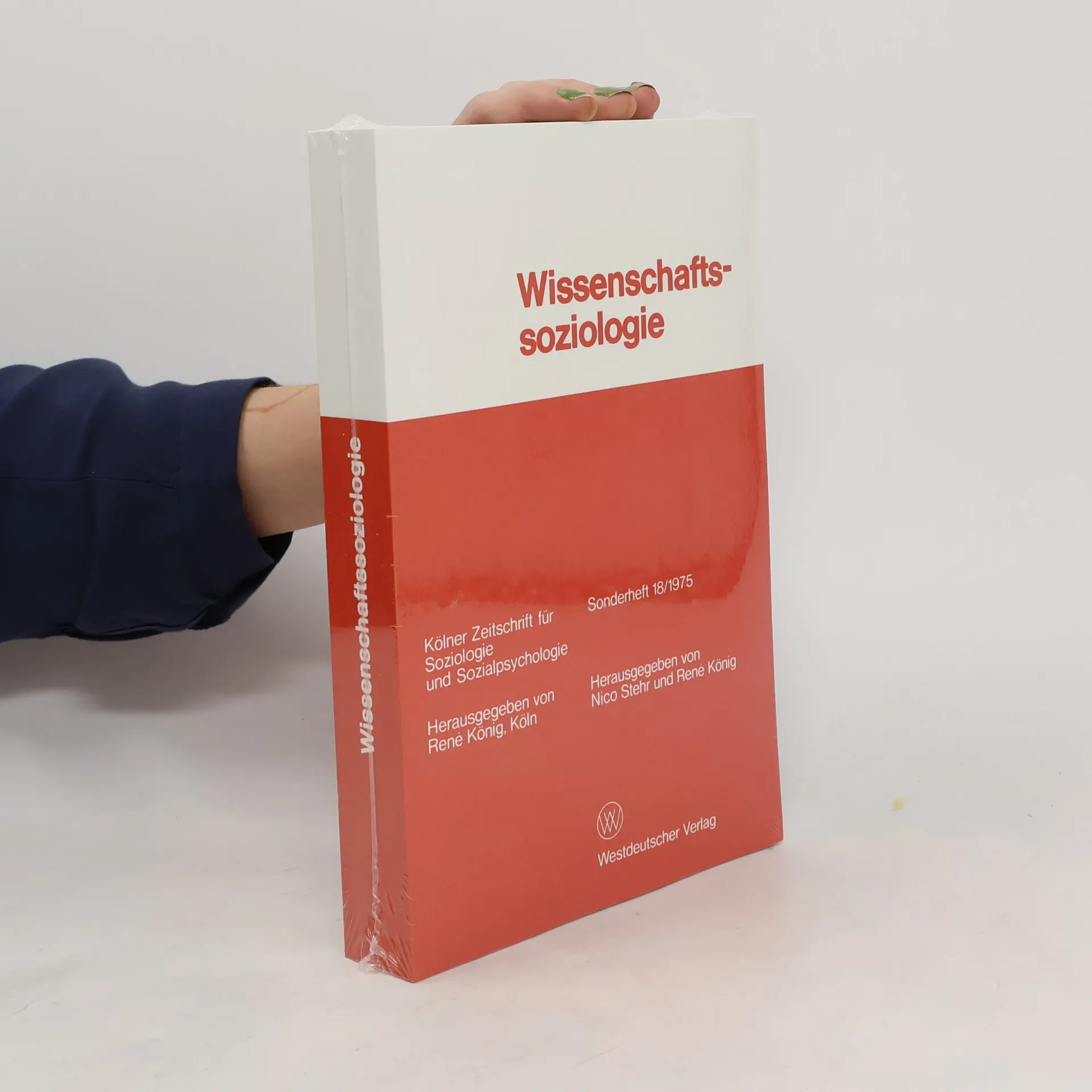
Wissenschaftssoziologie
Studien und Materialien
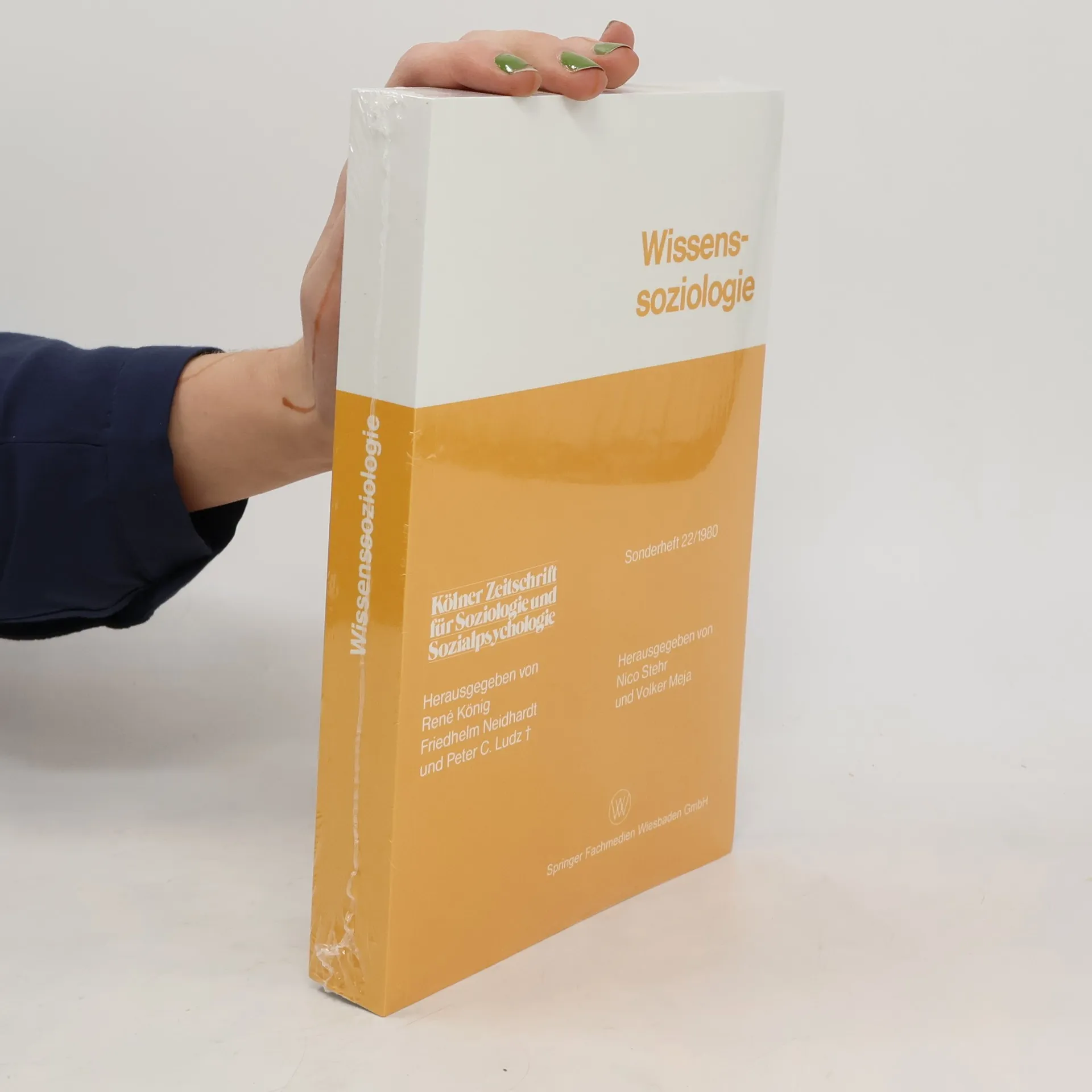
InhaltsverzeichnisInhaltsübersicht. I. Teil: Einleitung. Zur Soziologie der Wissenschaftssoziologie. II. Teil: Entwicklung, Wachstum und Wandel von Wissenschaft: Wissenschaftssoziologische und wissenssoziologische Aspekte. Der Fortschritt der Wissenschaft als Trivialisierungsprozess. Drei Modelle der Wissenschaftsentwicklung. Wittgenstein und die Soziologie der Mathematik. Wissenssoziologie und Wissenschaftssoziologie: Entwicklung eines gemeinsamen Untersuchungsrahmens. Programm einer Wissenschaftssoziologie der Jurisprudenz. Grundprobleme der Wissenschaftsgeschichte. III. Teil: Zur Entwicklung wissenschaftlicher Spezialgebiete. Konkurrenzformen, Autonomie und Entwicklungsformen wissenschaftlicher Spezialgebiete. Biometriker versus Mendelianer: Eine Kontroverse und ihre Erklärung. Fallstudien zu wissenschaftlichen Spezialgebieten. IV. Teil: Soziale und kognitive Organisation von Wissenschaft: Theoretische Aspekte. Die Ausdifferenzierung wissenschaftlicher Diskurse. Organisatorische Faktoren im Wissenstransfer: Eine explorative Untersuchung zur Situation in den Sozialwissenschaften. Soziale Organisation, Kodifizierung des Wissens und das Belohnungssystem der Wissenschaft. V. Teil: Soziale und kognitive Organisation von Wissenschaft: Empirische Untersuchungen. Paradigmatischer Konsens in Forschungsorganisationen. Konsensus, methodologische Verfahrensweisen und die Trivialisierbarkeit von Entscheidungen im Forschungsprozess. Unte
Die Zerbrechlichkeit moderner Gesellschaften
Die Stagnation der Macht und die Chancen des Individuums
- 368 páginas
- 13 horas de lectura
Gegenwärtig erleben wir den Umbau der traditionellen Industrie- in Wissensgesellschaften. Der gewaltige Bedeutungszuwachs, den Wissen, Wissenschaft und Technik dabei erfahren, muß jedoch nicht zur Bedrohung der individuellen Freiheit durch die Übermacht anonymer Kontroll-, Manipulations- und Repressionsapparate führen. Im Gegenteil: Wissensgesellschaften bieten dem einzelnen erweiterte Handlungsmöglichkeiten, während sie die Macht des Staates und der großen Kollektive eher lähmen. Gerade deshalb sind Wissensgesellschaften zerbrechlich.
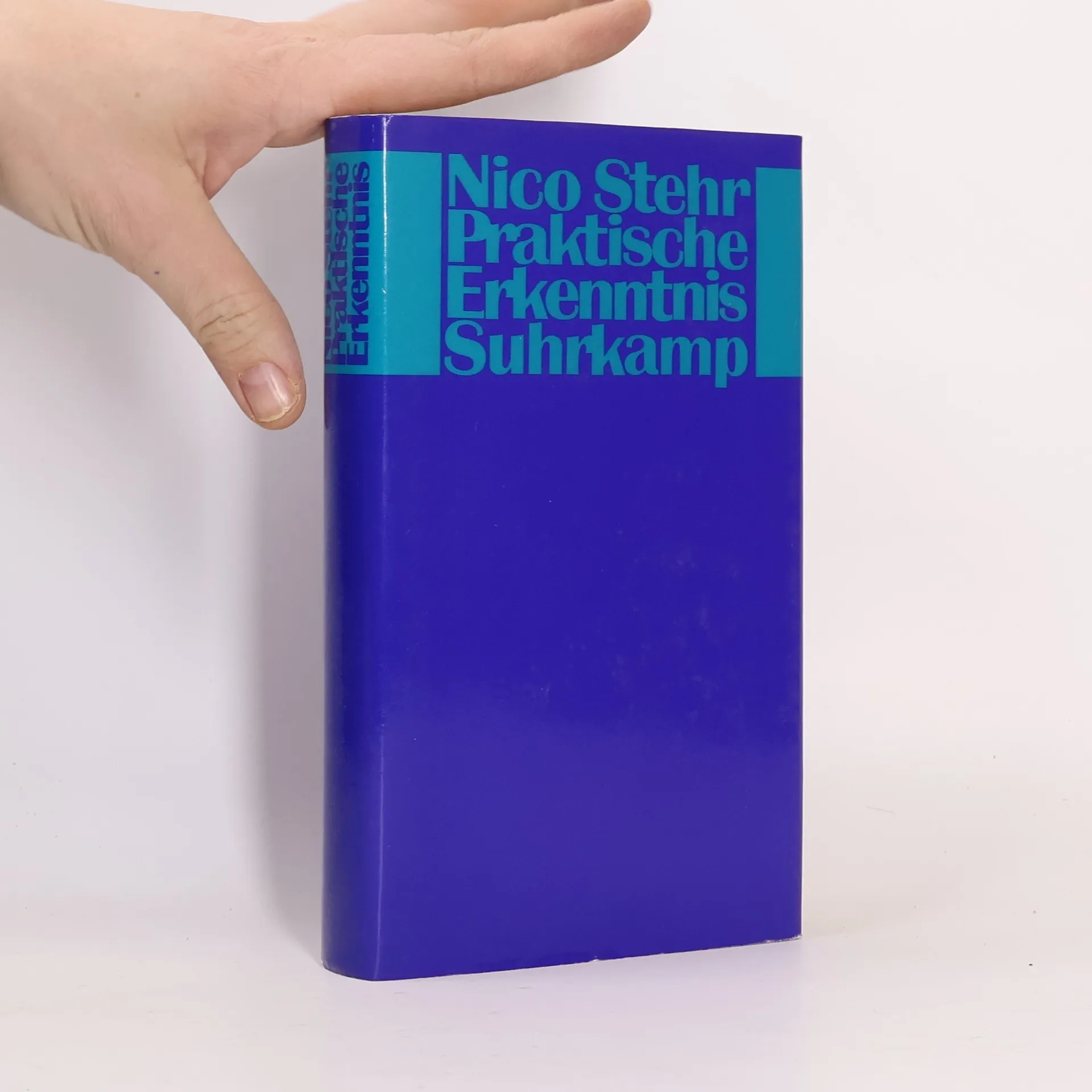
Praktische Erkenntnis
- 239 páginas
- 9 horas de lectura
Dieses Buch hat das Ziel, sozialwissenschaftliches Wissen, seine praktischen Folgen und Erfolge, aber auch die Gründe seine Irrelevanz zu analysieren. Es plädiert für eine pragmatisch orientierte Sozialwissenschaft und untersucht die Bedingungen ihrer Möglichkeit.
Die Wissenschaft in der Gesellschaft
Klima, Klimawandel und Klimapolitik
- 449 páginas
- 16 horas de lectura
Als die Autoren – über die Grenzen zweier Wissenschaftskulturen hinweg – Anfang der 90er Jahre begannen, über die wissenschaftliche und populäre Wahrnehmung und Konstruktion des Phänomens Klima, Klimawandel, Klimapolitik und die Auswirkungen des Klimas auf die Gesellschaft nachzudenken, stießen sie auf erheblichen Widerstand, insbesondere als sie über die dringende Notwendigkeit einer gesellschaftlichen Anpassung an den Klimawandel schrieben. Die Autoren sehen sich als Pioniere in diesem Politikfeld. Viele, wenn nicht die meisten Maßnahmen für den Klimaschutz und gegen die Klimafolgen erfordern die Innovationskraft aller Wissenschaften und der Technik. Die künftige Umsetzung wissenschaftlicher Erkenntnisse in der Klimapolitik ist Schlüssel des erfolgreichen Umgangs der Gesellschaft mit den Folgen des Klimawandels. Dies geschieht jedoch nicht automatisch. Die Umsetzung von Wissenschaft in die Gesellschaft unterliegt ökonomischen, politischen und kulturellen Zwängen, und kann insbesondere durch den Mehrwert interdisziplinärer Zusammenarbeit von Wissenschaftlern, wie sie in diesem Band praktiziert wird, erreicht werden.
InhaltsverzeichnisI. Teil: Einleitung.- Wissen und Gesellschaft.- II. Teil: Zur Grundlegung der Wissenssoziologie.- Klassifikation und Wissenssoziologie: Durkheim und Mauss neu betrachtet.- Wissen und Nutzen. Implikationen für die Wissenssoziologie.- III. Teil: Wissenssoziologie, Erkenntnistheorie und Philosophie.- Zur Strategie einer Soziologie der Erkenntnis.- Die Ausdifferenzierung von Erkenntnisgewinn: Zur Genese von Wissenschaft.- Die Eigenart der Geschichtsphilosophie aus der Sicht der Wissenssoziologie.- Wissenssoziologie der Naturwissenschaften: Bedingungen und Grenzen ihrer Möglichkeit.- IV. Teil: Theoretische Perspektiven in der Wissenssoziologie.- Über den konventionellen Charakter von Wissen und Erkenntnis.- Die dreifache Legitimation. Ein Modell für eine Soziologie des Wissens.- Soziokulturelle Evolution. Ein epistemologisches Modell für die Analyse menschlicher Geschichte.- Die Fabrikation von Wissen. Versuch zu einem gesellschaftlich relativierten Wissensbegriff.- Motivation und Wissen.- V. Teil: Wissen und Macht.- Über Kultur und Macht: Die moderne Kultivierung des Wissens.- Gedankliche Realität und gesellschaftliche Macht.- VI. Teil: Geschichte und Kritik der Wissenssoziologie.- Wissenssoziologie als Selbstkritik.- Saint-Simon als Wissens- und Wissenschaftssoziologe.- Gedanken zu Max Schelers „Erkenntnis und Arbeit“.- Max Scheler: Eine wissenssoziologische Alternative.- Mannheims Wissenssoziologie und C. W. Mi
Klima a společnost
- 158 páginas
- 6 horas de lectura
Monografie sociologa Nico Stehra a klimatologa Hanse von Storcha se zabývá otázkami přírodního podnebí v politickém, kulturním, ekonomickém a historickém kontextu. Vychází z přesvědčení, že podnebí není pouze přírodní daností, k níž se významným a přiměřeným způsobem vyjadřuje výhradně přírodověda: je rovněž kulturním a sociálním konstruktem. Pozornost je proto věnována nejen podnebí „bez zásahu člověka“ a jeho antropogenním proměnám, ale i vývoji toho, jak podnebí rozumíme, a tomu, jak naše porozumění podnebí ovlivňovalo společnost a politiku. Knihu uzavírá Manifest Zeppelinovy univerzity, který ukazuje, co je podle autorů zapotřebí k vytvoření vyrovnané a účinné politiky v oblasti klimatu.
Der Streit um die Wissenssoziologie, in 2 Bdn.
- 974 páginas
- 35 horas de lectura
Die Freiheit ist eine Tochter des Wissens
- 449 páginas
- 16 horas de lectura
Das Buch untersucht den dynamischen Zusammenhang zwischen Wissen, Freiheit und Demokratie in modernen Gesellschaften. Es analysiert, wie sich diese Beziehungen im Laufe der Geschichte verändert haben und beleuchtet aktuelle Herausforderungen der Demokratie angesichts wachsender wissenschaftlicher Erkenntnisse. Soziologische Perspektiven von Weber, Dewey und Foucault werden ebenfalls betrachtet.
Eine Welt aus Wissen
- 340 páginas
- 12 horas de lectura
Der Streit um die Wissenssoziologie 1-2
- 2 volúmenes