Praga en panorámica
- 292 páginas
- 11 horas de lectura
El libro contiene 284 vistas fotográficas artísticas de Praga, tanto generales como detalladas, capturadas con un objetivo gran angular.



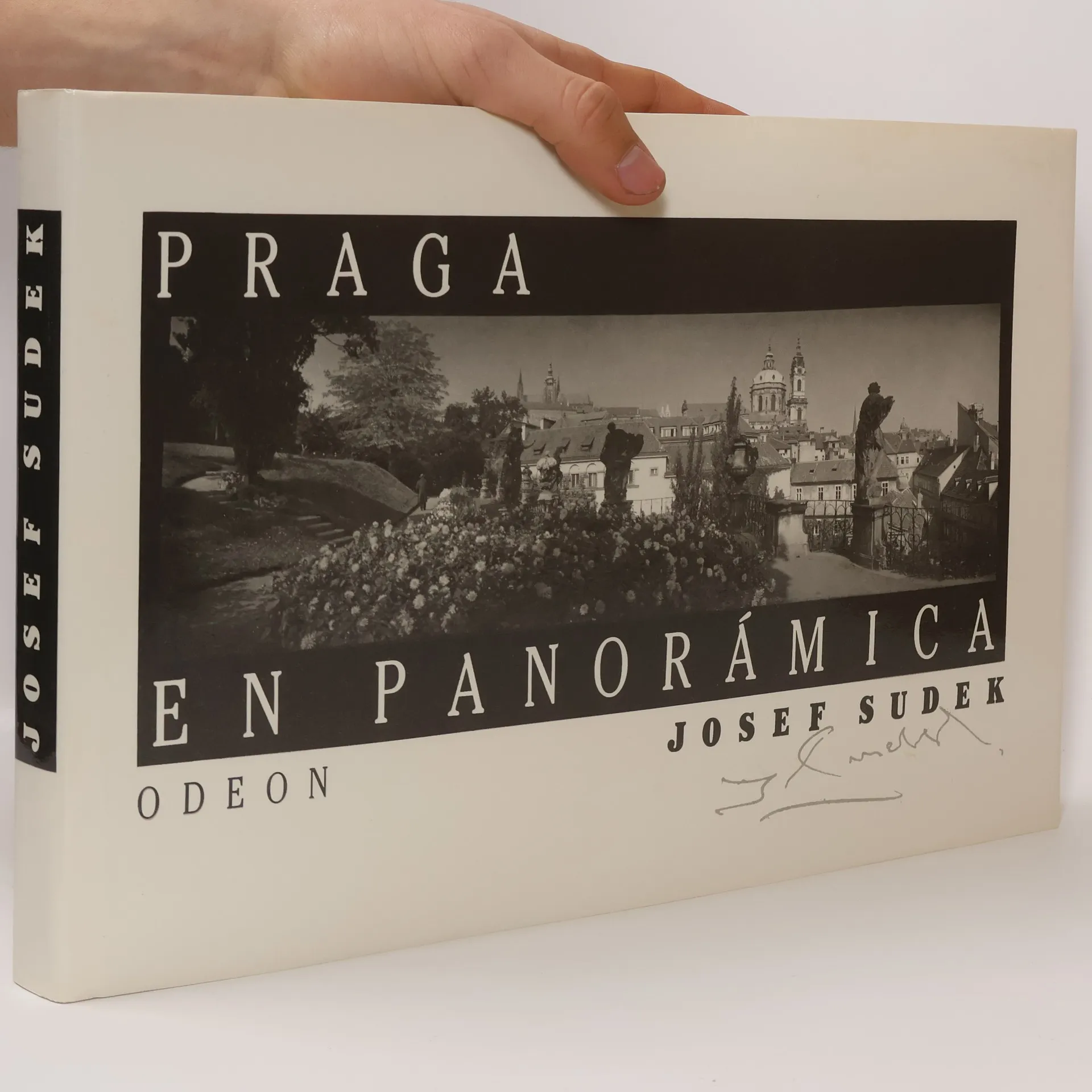
El libro contiene 284 vistas fotográficas artísticas de Praga, tanto generales como detalladas, capturadas con un objetivo gran angular.
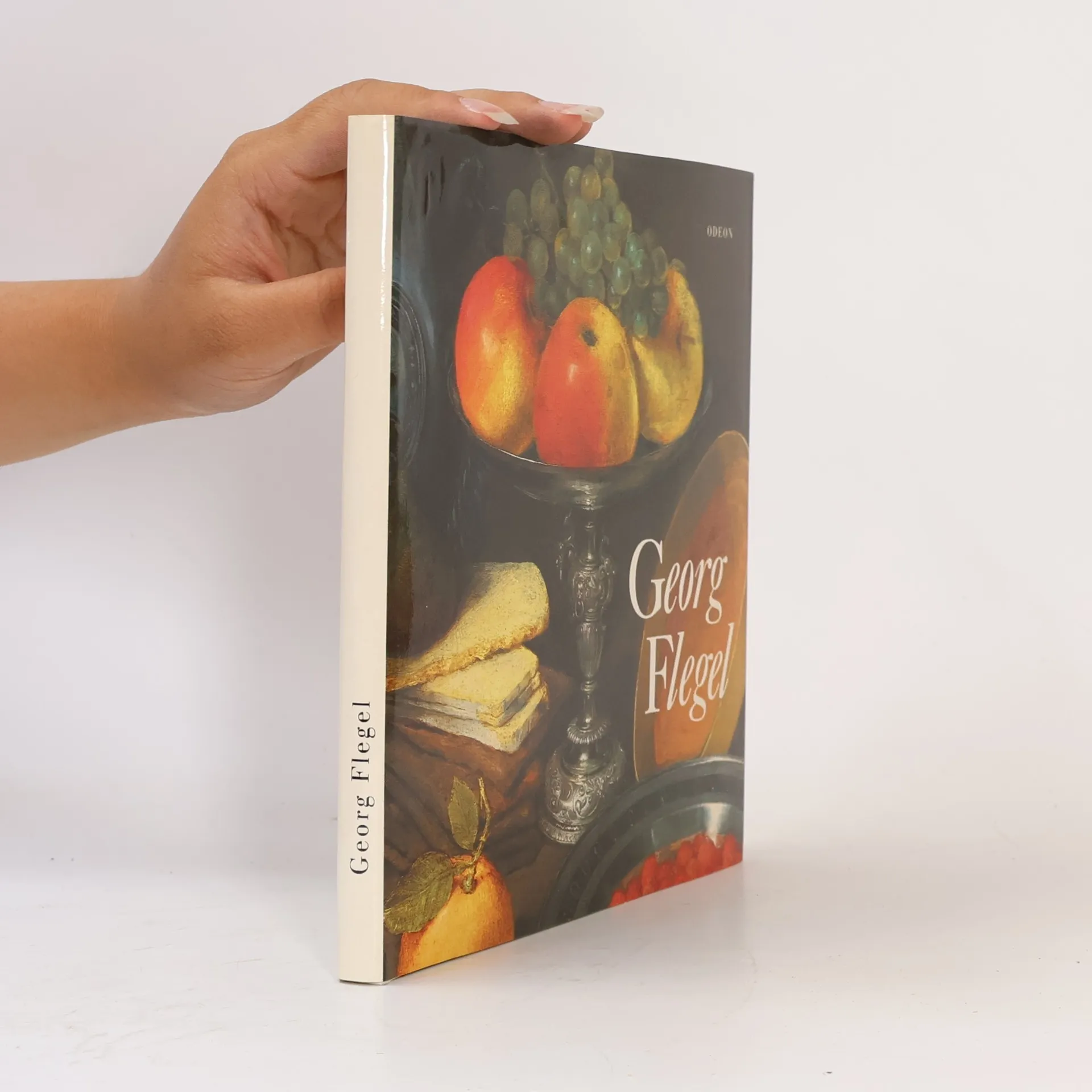
V osobnosti Georga Flegela objevujeme umělce,který patří k prvním barokním malířům zátiší.jeho nečetné,ale stále nově objevované obrazy jsou rozptýleny ve sbírkách po celém světě,včetně našich galerií.V monografii od Hany Seifertové se našemu čtenáři poprvé skýtá možnost poznat,a to v širších historických a uměleckých souvislostech pozoruhodné malířské dílo.
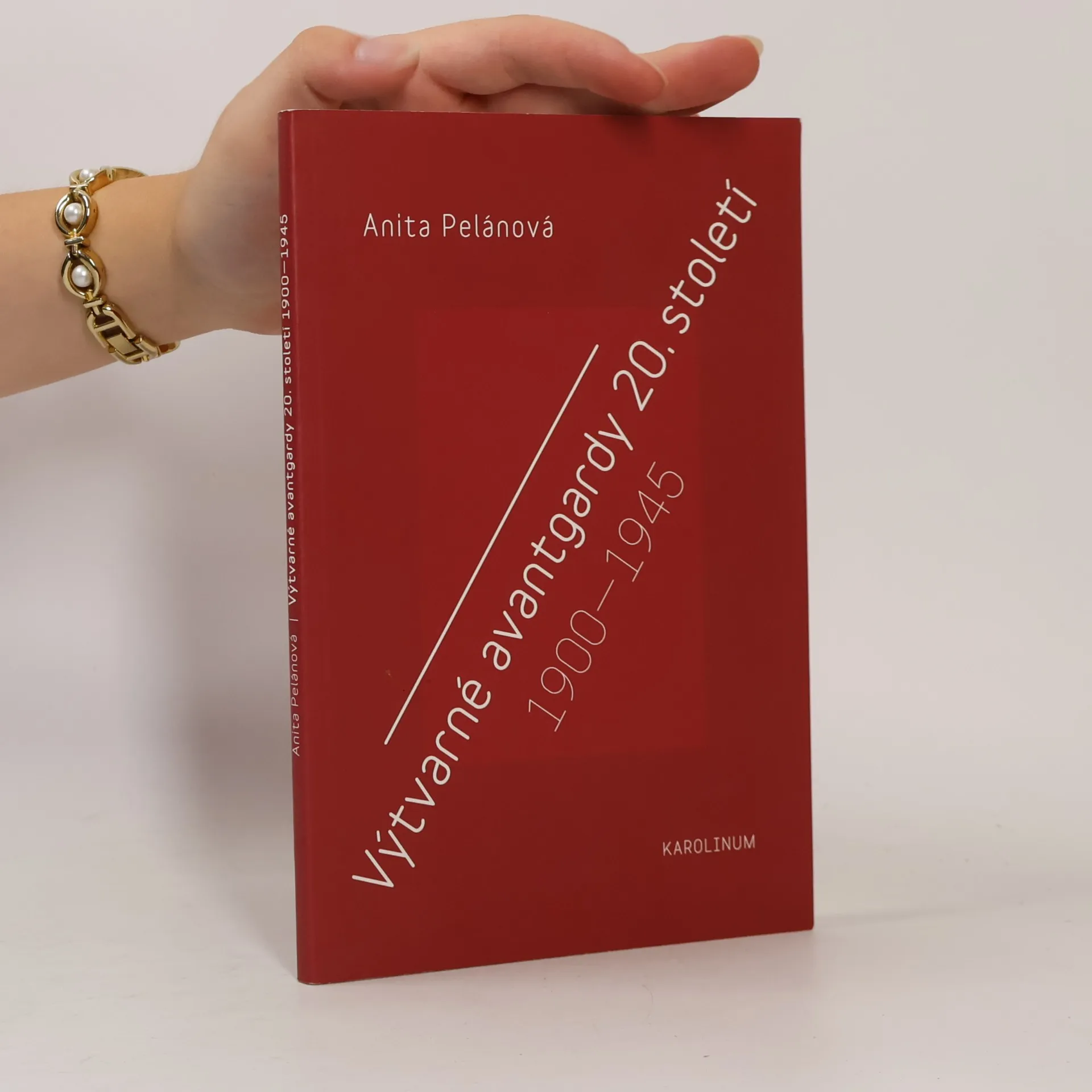
Není to „pitevní“ zpráva o avantgardách, ale pohled na svět dvacátého století prizmatem uměleckého vidění malířů. Metodologicky je práce mimořádně zajímavá tím, že v dokonalé zkratce postihuje civilizační objevy, které podmiňují proměny vidění světa, a teprve z této pozice přichází k proměnám uměleckých paradigmat, výtvarných prostředků a zároveň vztahů...
La obra propone un recorrido por la historia hecho de pesadillas, terrores y amores de casi tres mil años, donde los sentimientos de repulsa y de conmovedora compasión se dan la mano, y el rechazo de la deformidad va acompañado de éxtasis decadentes ante las más seductoras violaciones de todos los canones clásicos. Entre demonios, locos, presencias perturbadoras y deformidades, se descubre una vena iconográfica extraordinariamente amplia.
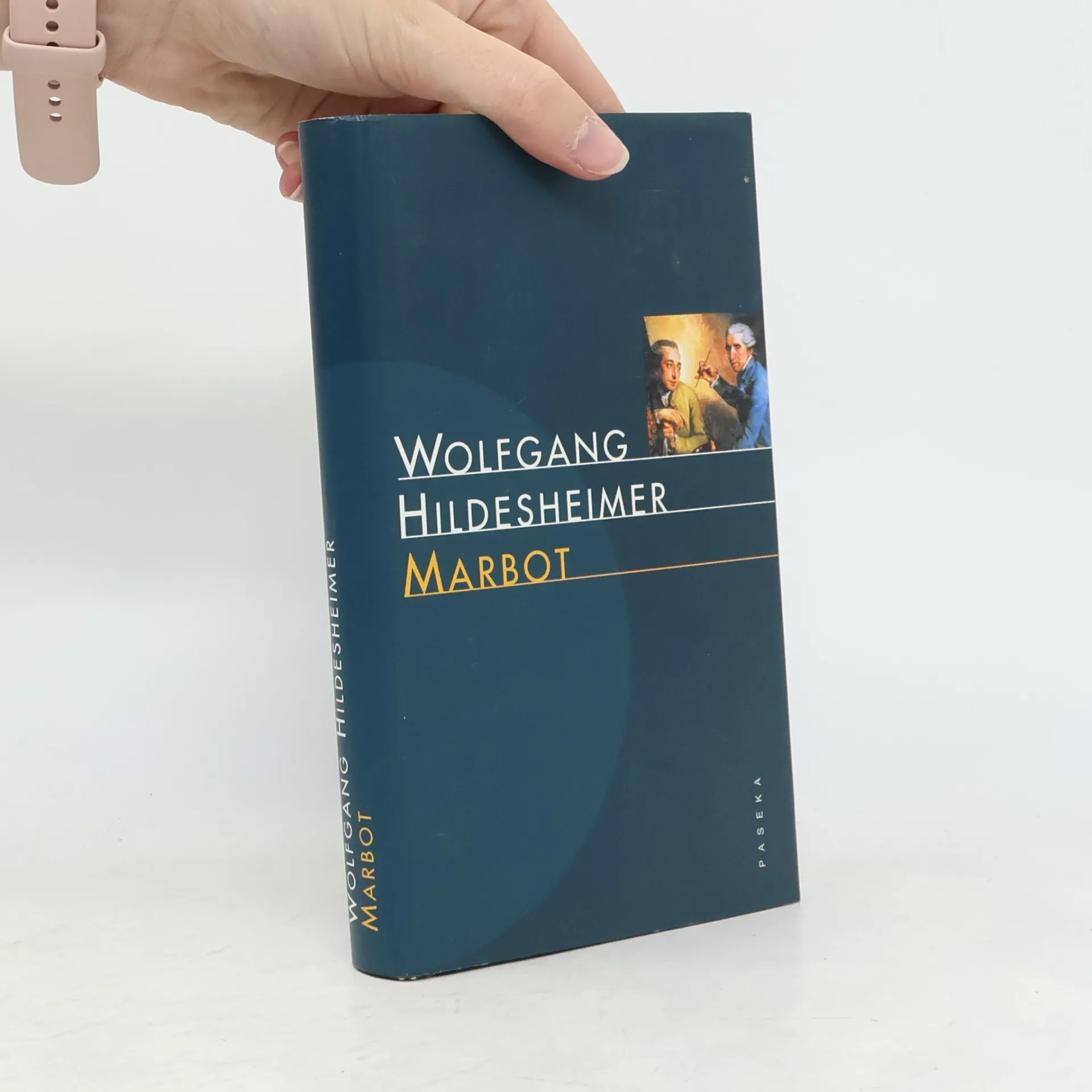
Sir Andrew Marbot (1801–1830) byl anglický šlechtic, především však zřejmě první skutečný kritik výtvarného umění, který sám sice nebyl tvůrcem, ale malířství rozuměl jako senzitivní člověk. Dovedl se zamýšlet nad vztahem umělce a jeho díla a patrně jako první si položil otázku, která vlastně dodnes nebyla zodpovězena: „Umělec hraje na naši duši, kdo však hraje na duši umělcovu?“ Dva roky po jeho záhadné smrti byl vydán výbor z jeho celoživotních Zápisků, v nichž nesystematicky soustředil své názory na malířství a umění vůbec. Během svého života a cest do Paříže, Německa a zejména Itálie se setkal s celou řadou slavných současníků: s Goethem, Byronem, Berliozem, Blakem, Corotem, Delacroixem či Turnerem, na něž pohlížel obdivně i tvrdě kriticky, což se nebál vyslovit nahlas. Byl také milencem Goethovy snachy a Byronovy milenky.
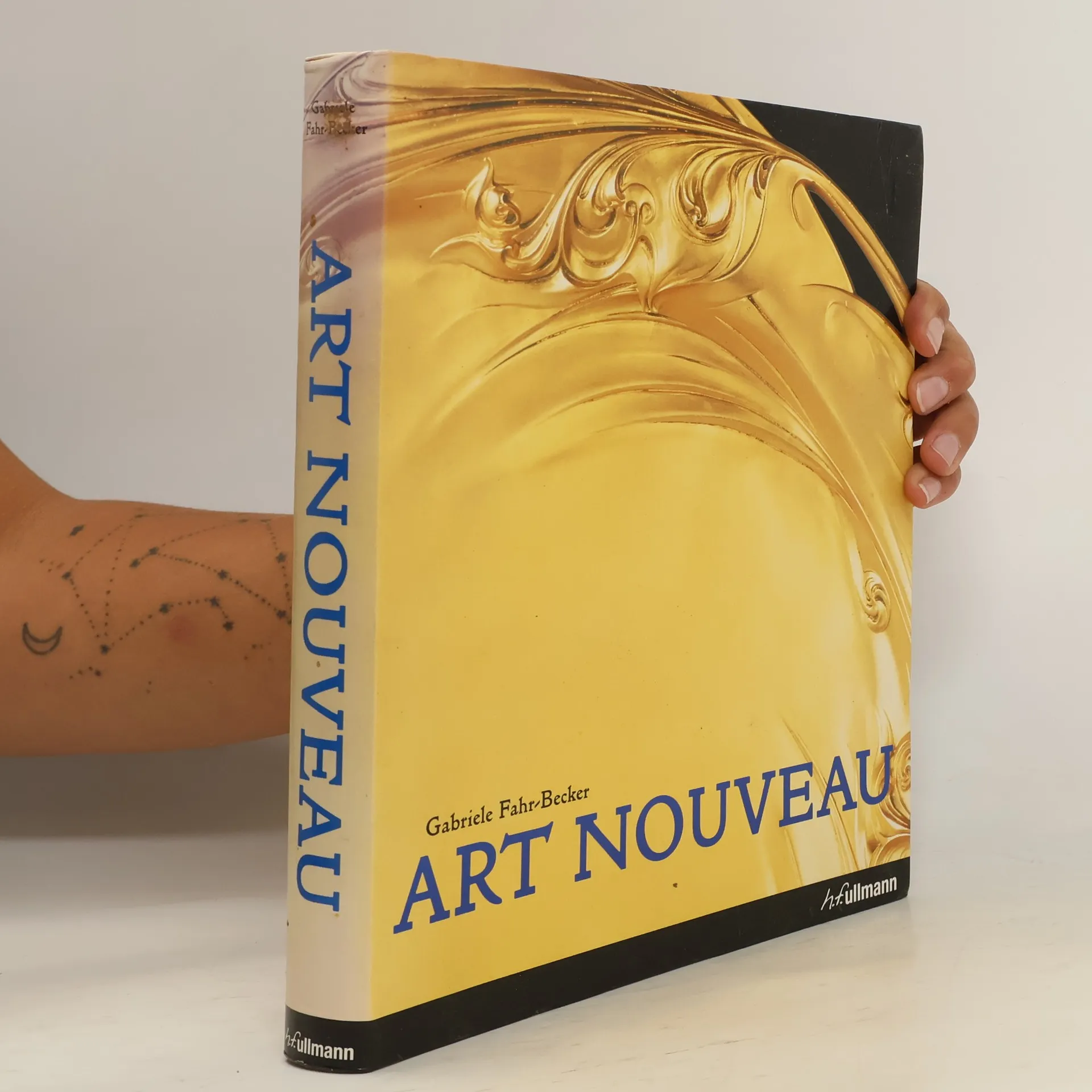
With this volume, Gabriele Fahr-Becker delivers a complex portrait of the Art Nouveau phenomenon in all of its fantastic variety. It features different national variations of Art Nouveau in Scotland, England, France, Germany, Austria, the United States and other countries. It offers a comprehensive portrayal of famous individual artists including Louis Comfort Tiffany, Edward Munch, and Rene Lalique. It contains biographies of the most significant artists, and an extensive glossary. The unity of art and life was the expressed goal of the Art Nouveau movement, the prelude to modernity. On the basis of shared ideas its adherents strove for a homogenous style, which nonetheless took on manifold variations in its expression. Dr. Gabriele Fahr-Becker pursues this will to style in architecture, interior decor, furniture design, silver and goldsmithery, ceramics and glasswork, graphic arts and painting. The author leads her readers through the diverse national variations of Art Nouveau in Europe and the United States. Artists and their contemporaries explain the significance of the literary and philosophical as well as cultural and political background by means of many theories and writings. The countless permutations of Art Nouveau are woven into a complex and yet distinctive picture of this artistic movement at the turn of the twentieth century.
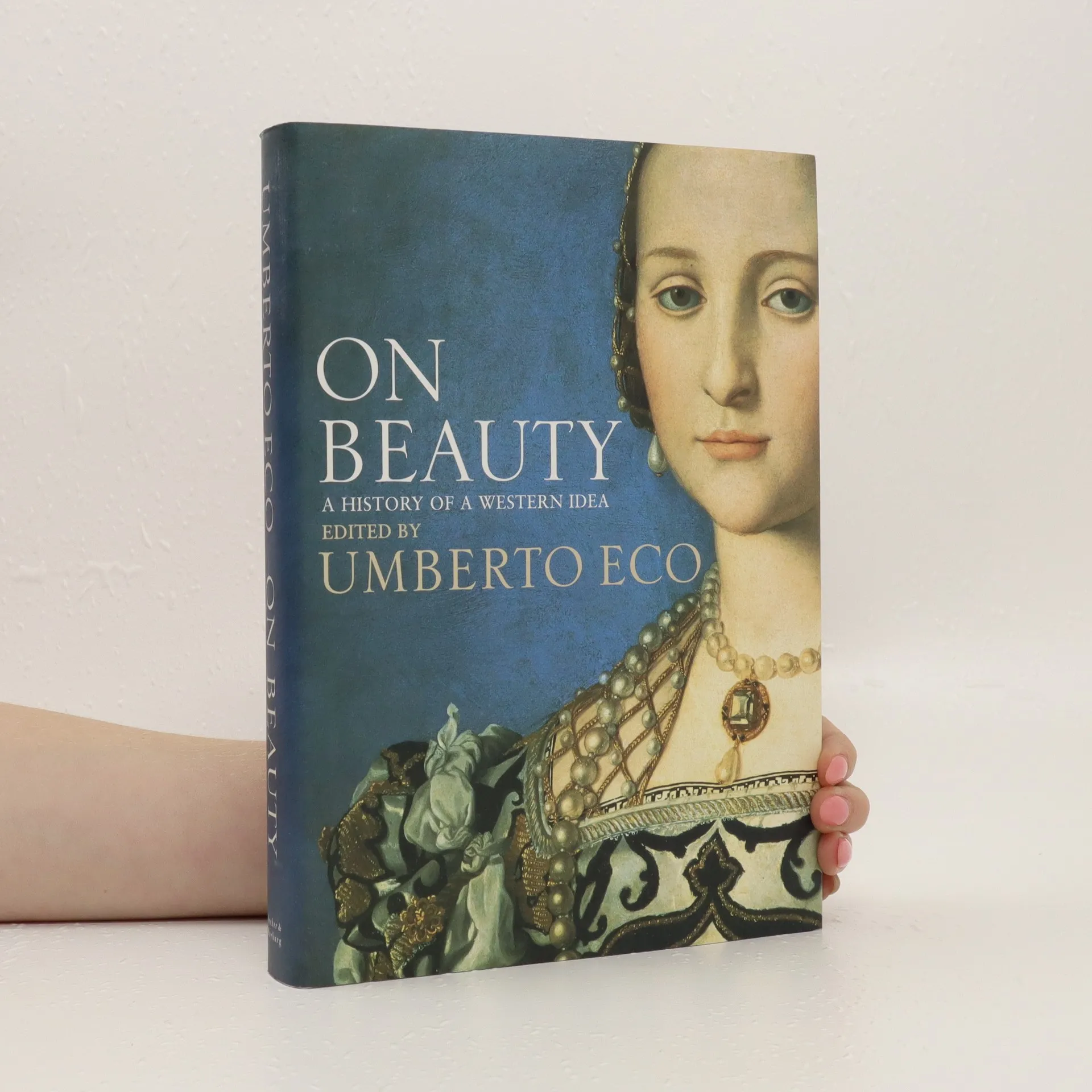
'On Beauty' is neither a history of art, nor a history of aesthetics but Umberto Eco draws on the histories of both these disciplines to define the ideas of beauty that have informed sensibilities from the classical world to modern times.
Aparecido en 1911, éste es el primero y el más publicado y traducido de los textos teóricos de Kandinsky, un discurso estético que desembocaría en la práctica de la abstracción no figurativa. En este sentido, el libro se propone esencialmente despertar la capacidad de captar lo espiritual en las cosas materiales y abstractas, capacidad que Kandinsky intuía básica para la pintura del futuro y con posibilidades de hacer realidad innumerables experiencias. Pero no se trata, como podría pensarse, de un libro programático, pues no pretende en absoluto apelar a la razón y al cerebro. Aunque Kandinsky se expresa en un lenguaje de claras resonancias orientales, lleno de analogías, y suele resolver las dificultades de la expresión escrita por medio de asociaciones sensoriales y lingüísticas, el texto ostenta un estilo impecable y ha acabado ejerciendo, gracias a su gran poder comunicativo, una influencia profunda e indiscutible.
Data a svědectví o jeho cestě životem a uměním