


Bookbot

Gerald M. Edelman

    1 de julio de 1929 – 17 de mayo de 2014

    Gerald Edelman fue un biólogo estadounidense cuyo trabajo abarcó el sistema inmunológico, la neurociencia y la filosofía de la mente. Su investigación, galardonada con el Premio Nobel, reveló la estructura de las moléculas de anticuerpos. Edelman estableció una analogía entre el desarrollo evolutivo de los componentes del sistema inmunológico a lo largo de la vida de un individuo y la evolución del desarrollo de los componentes del cerebro. Esta perspectiva creó una continuidad entre sus estudios biológicos y neurológicos, influyendo en su trabajo posterior en neurociencia y filosofía de la mente.

    Gerald M. Edelman
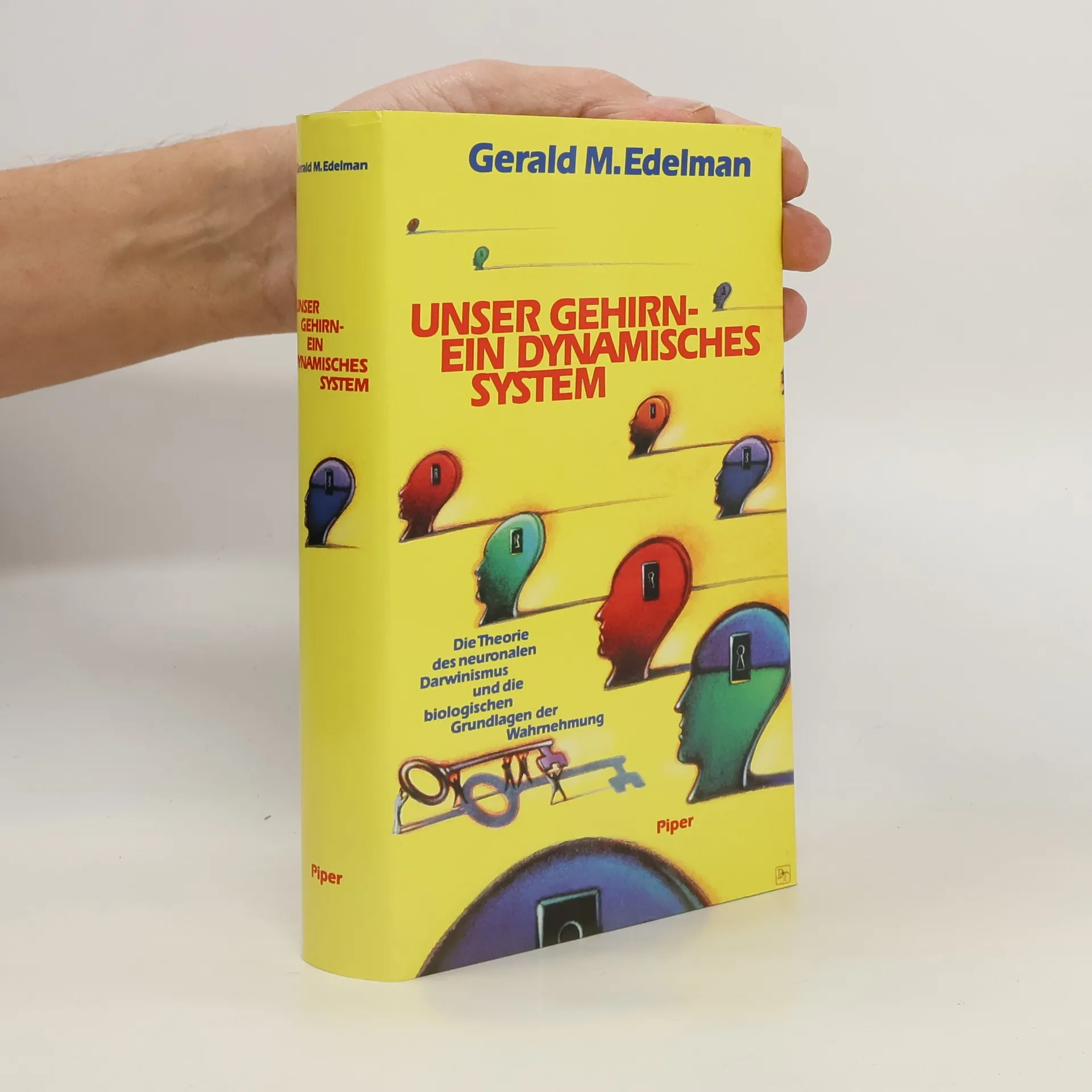
    Gehirn und Geist
    Il presente ricordato
    Sulla materia della mente
    Wider Than the Sky
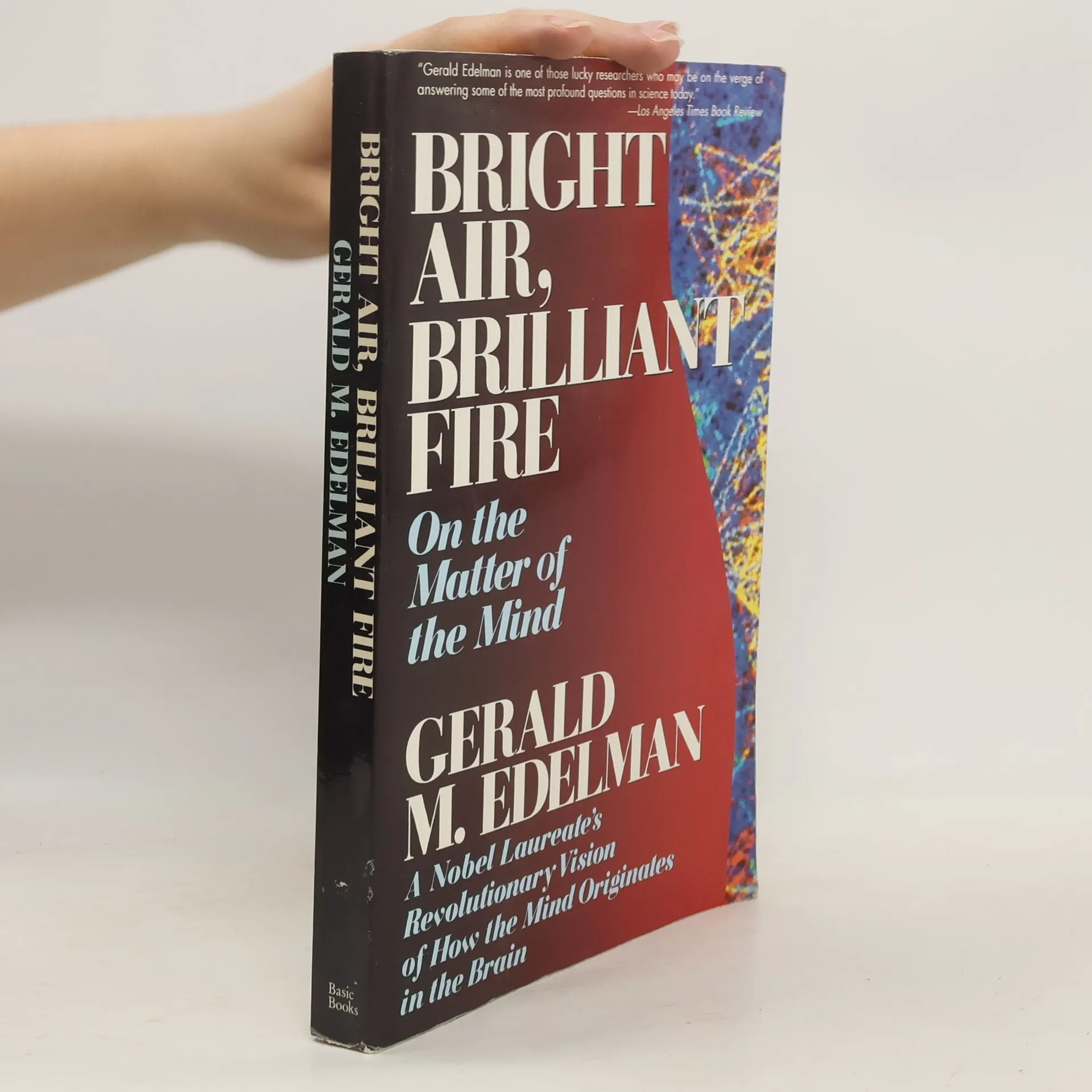
    Bright Air, Brilliant Fire
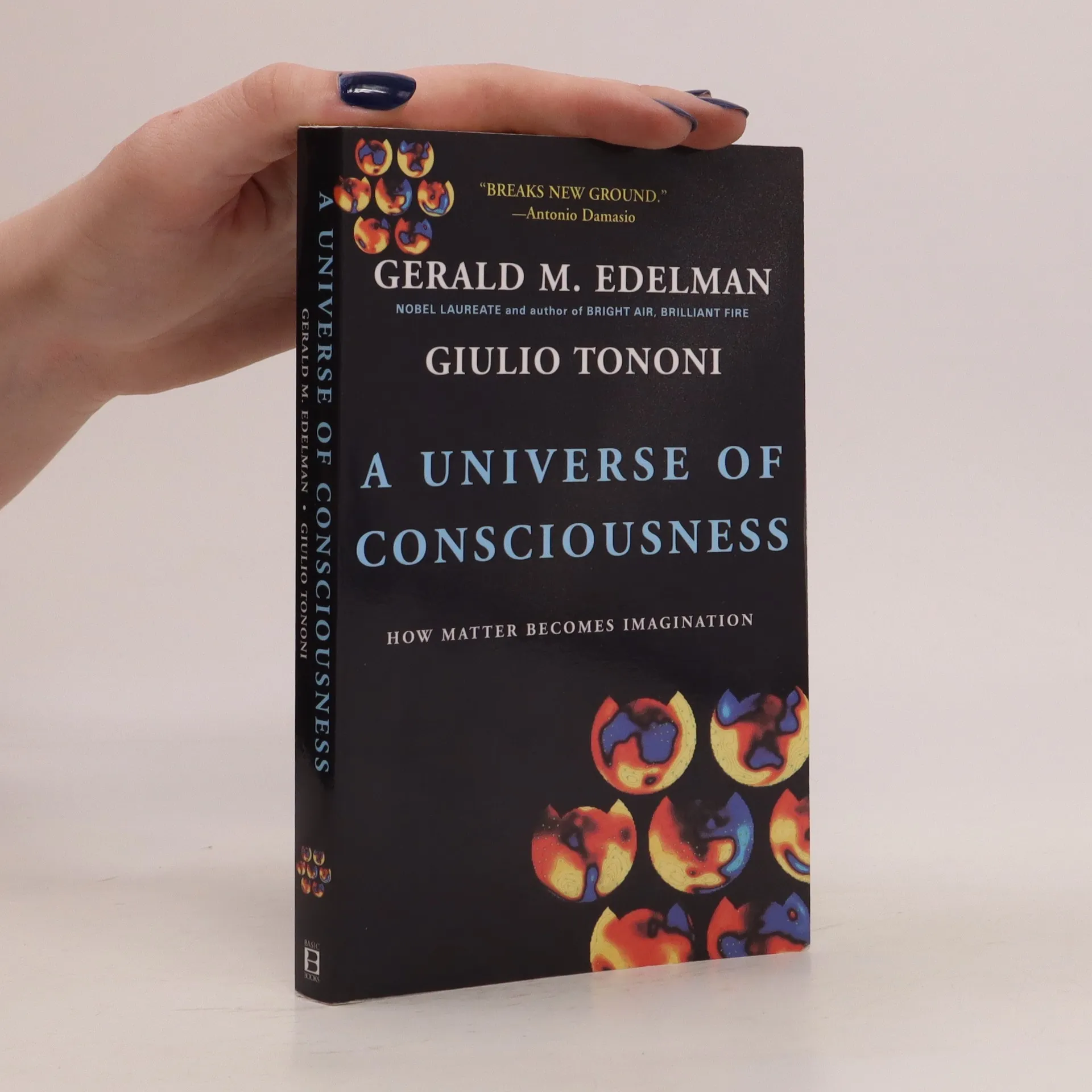
    A Universe Of Consciousness
    • A Universe Of Consciousness

      • 288 páginas
      • 11 horas de lectura

      In A Universe of Consciousness, Gerald Edelman builds on the radical ideas he introduced in his monumental trilogy-Neural Darwinism, Topobiology, and The Remembered Present-to present for the first time an empirically supported full-scale theory of consciousness. He and the neurobiolgist Giulio Tononi show how they use ingenious technology to detect the most minute brain currents and to identify the specific brain waves that correlate with particular conscious experiences. The results of this pioneering work challenge the conventional wisdom about consciousness.

      A Universe Of Consciousness
      4,1
    • Bright Air, Brilliant Fire

      On The Matter Of The Mind

      • 304 páginas
      • 11 horas de lectura

      We are on the verge of a revolution in neuroscience as significant as the Galilean revolution in physics or the Darwinian revolution in biology. Nobel laureate Gerald M. Edelman takes issue with the many current cognitive and behavioral approaches to the brain that leave biology out of the picture, and argues that the workings of the brain more closely resemble the living ecology of a jungle than they do the activities of a computer. Some startling conclusions emerge from these ideas: individuality is necessarily at the very center of what it means to have a mind, no creature is born value-free, and no physical theory of the universe can claim to be a ”theory of everything” without including an account of how the brain gives rise to the mind. There is no greater scientific challenge than understanding the brain. Bright Air, Brilliant Fire is a book that provides a window on that understanding.

      Bright Air, Brilliant Fire
      4,0
    • Wider Than the Sky

      The Phenomenal Gift of Consciousness

      • 224 páginas
      • 8 horas de lectura

      How does the firing of neurons give rise to subjective sensations, thoughts, and emotions? How can the disparate domains of mind and body be reconciled? The quest for a scientifically based understanding of consciousness has attracted study and speculation across the ages. In this direct and non-technical discussion of consciousness, Dr. Gerald M. Edelman draws on a lifetime of scientific inquiry into the workings of the brain to formulate answers to the mind-body questions that intrigue every thinking person.Concise and understandable, the book explains pertinent findings of modern neuroscience and describes how consciousness arises in complex brains. Edelman explores the relation of consciousness to causation, to evolution, to the development of the self, and to the origins of feelings, learning, and memory. His analysis of the brain activities underlying consciousness is based on recent remarkable advances in biochemistry, immunology, medical imaging, neuroscience, and evolutionary biology, yet the implications of his book extend farther—beyond the worlds of science and medicine into virtually every area of human inquiry.

      Wider Than the Sky
      3,7
    • Sulla materia della mente

      • 428 páginas
      • 15 horas de lectura

      «Siamo all’inizio della rivoluzione delle neuroscienze; alla fine, sapremo come funziona la mente, che cosa governa la nostra natura e in quale modo conosciamo il mondo»: queste parole segnano l’ingresso in un'opera ambiziosa e ben fondata. Attraverso una straordinaria evoluzione, che parte dalle ricerche sul sistema immunitario, premiate con il Nobel a soli trentatré anni, fino agli artefatti Darwin I-IV, in particolare il NOMAD, l'autore sviluppa una riflessione ampia e articolata. Questo libro offre una sintesi della mente, supportata da indagini di diverse discipline. Esso illumina lo stato attuale e complesso della teoria, cercando di attrarre lettori curiosi e intelligenti. Come evidenziato da Oliver Sacks, l'opera è sorprendente per la sua varietà tematica, spaziando dalla filosofia alla biologia, dalla psicologia alla modellistica neurale, cercando di unificare queste visioni. Sebbene ci sia ancora molta strada da percorrere, il lavoro dell'autore rappresenta un passo significativo verso l’obiettivo di «reintegrare la mente nella natura». Pubblicato per la prima volta nel 1992, il libro continua a stimolare riflessioni fondamentali sulla comprensione della mente.

      Sulla materia della mente
      4,3
    • Gehirn und Geist

      • 380 páginas
      • 14 horas de lectura

      „Für alle, die sich für die Grundlagen des Bewußtseins interessieren, ist Gehirn und Geist Pflicht.“ Antonio Damasio, Autor von „Descartes’ Irrtum“. Vier Fragestellungen sind in diesem Buch von zentraler Bedeutung: Wie entsteht Bewußtsein überhaupt? Welche Vorgänge des Gehirns sind für die bewußte Erfahrung verantwortlich? Wie schlagen sich die subjektiv unterschiedlichen Erfahrungen in den Gehirnprozessen nieder? Wie läßt sich das wissenschaftliche Verständnis von Bewußtsein mit der ungeheueren Vielfalt menschlicher Wissens- und Erfahrungsformen verknüpfen? In Gehirn und Geist legt eines der prominentesten Forscherteams ein Bewußtseins-Konzept vor, das die neueren Ergebnisse der empirischen Hirnforschung berücksichtigt. Liebhaber einseitiger Positionen werden mit den Antworten Edelmans und Tononis allerdings ihre Schwierigkeiten haben. Denn obgleich ein zentrales Argument dieses Buches lautet, daß Bewußtsein aus gewissen Arrangements innerhalb des Gehirns hervorgeht, so wehren sich seine Autoren doch gegen die Vorstellung, das Gehirn arbeite wie ein Computer. Die Einzigartigkeit jedes einzelnen Geistes, so betonen sie, werden wir mit wissenschaftlichen Mitteln allein nie völlig verstehen können.

      Gehirn und Geist
      3,0
    • Warum weiß ich, wenn ich morgens aufwache, wer ich bin? Wie entsteht Bewusstsein? Wo ist es lokalisiert? In kompakter Form präsentiert der hoch angesehene Neurowissenschaftler und Nobelpreisträger Gerald Edelman seine bahnbrechenden Erkenntnisse, wie Myriaden von feuernden Nervenzellen Gedanken, Gefühle und Empfindungen erzeugen können Das Fazit eines der renommiertesten Neurobiologen über seine langjährige Forschung zur Entstehung des Bewusstseins.

      Das Licht des Geistes
      3,0