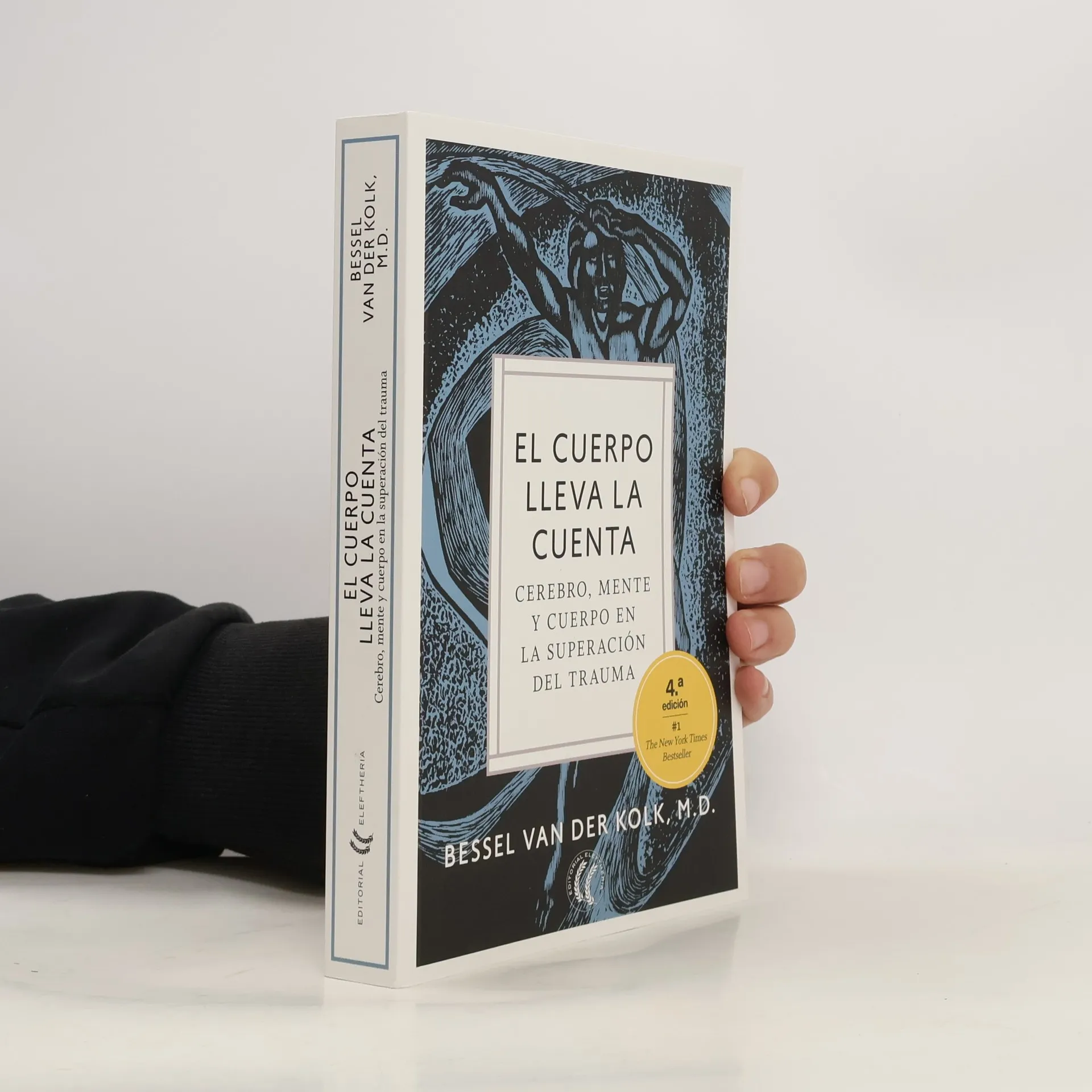
Cerebro, mente y cuerpo en la superación del trauma - 4.a edición
520 páginas
19 horas de lectura
An expert on traumatic stress outlines an approach to healing, explaining how traumatic stress affects brain processes and how to use innovative treatments to reactivate the mind's abilities to trust, engage others, and experience pleasure. --Publisher's description.
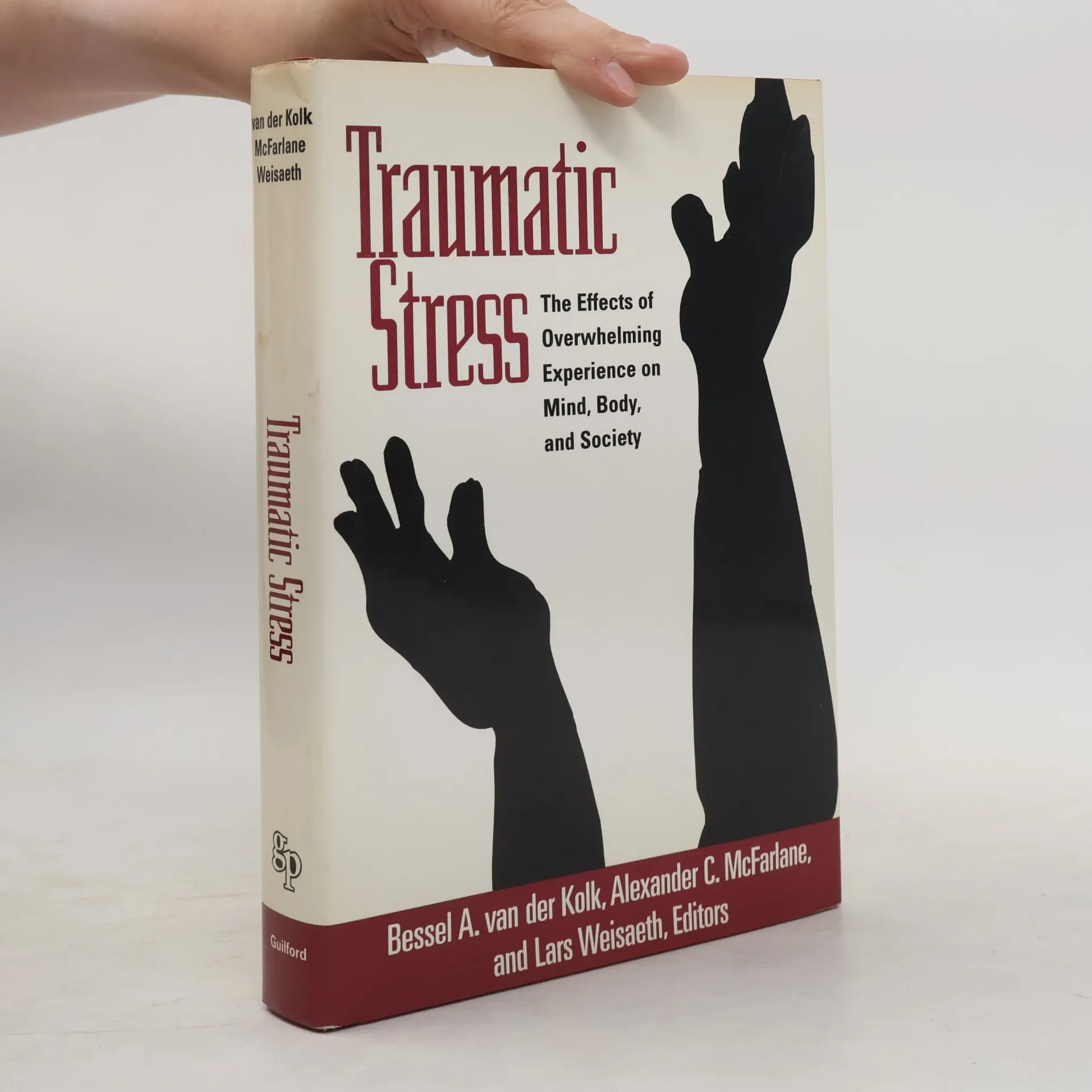
The Effects of Overwhelming Experience on Mind, Body, and Society
596 páginas
21 horas de lectura
This bestselling classic presents seminal theory and research on posttraumatic stress disorder (PTSD). Together, the leading editors and contributors comprehensively examine how trauma affects an individual's biology, conceptions of the world, and psychological functioning. Key topics include why certain people cope successfully with traumatic experiences while others do not, the neurobiological processes underlying PTSD symptomatology, enduring questions surrounding traumatic memories and dissociation, and the core components of effective interventions. A highly influential work that laid the foundation for many of the field's continuing advances, this volume remains an immensely informative and thought-provoking clinical reference and text. The preface to the 2007 paperback edition situates the book within the context of contemporary research developments.
What beautiful writing, crafting, and pacing. And what a heart Amy Griffin has. Your own heart will break and mend as you read. For decades, Amy ran—through the dirt roads of Amarillo, Texas, where she grew up; to the streets of New York, where she built her adult life; through marriage, motherhood, and a thriving career. To outsiders, it all seemed perfect. Yet, Amy was fleeing from a secret she kept hidden not only from her family and friends but also from herself, tied to something terrible in her past. When her ten-year-old daughter confronts her about their emotional distance, Amy is compelled to face what she has long evaded. This initiates her journey through MDMA-assisted psychedelic therapy, the judicial system, and ultimately back to Texas, where it all began. In her relentless search for truth, Griffin examines the pressures of perfectionism, control, and the need for validation that many women experience. She poses critical questions about the journey from girlhood to womanhood and the importance of protecting girls from exploitation. Heartbreaking and powerful, this narrative illuminates the courage required to confront trauma and the transformative potential of truth-telling.
This collection presents key writings on understanding and treating Post Traumatic Stress Disorder (PTSD). Editor Mardi J. Horowitz introduces the evolution of our comprehension of PTSD, establishing the necessary conceptual framework and terminology. The essays that follow offer a comprehensive exploration of the disorder's complexities, addressing individual and cultural responses, as well as pre- and post-traumatic causative factors and the evolving nature of diagnostic categories.
Organized into sections on diagnosis, etiology, and treatment, the collection features both classic and more controversial essays. Notable contributors include Freud, Lindemann, Eitinger, Nadelson, Notman, Zackson, Gornick, Green, Grace, Lindy, Titchener, Lindy, Terr, Galante, Foa, Rothbaum, Riggs, Murdock, Shore, Tatum, Vollmer, Pittman, Orr, Forgue, Altman, de Jong, Herz, Herman, Yehuda, McFarlane, Putnam, Lifton, Olson, Wilner, Kaltrider, Alvarez, Trimble, Epstein, Keane, Zinering, Caddell, Krystal, Kosten, Southwick, Mason, Perry, Giller, Spiegel, Hunt, Dondershire, van der Kolk, Lang, Pynoos, Eth, Friedman, Shapiro, Wilson, Lindy, McCann, and Pearlman. This anthology serves as an essential resource for those seeking to deepen their understanding of PTSD and its treatment.
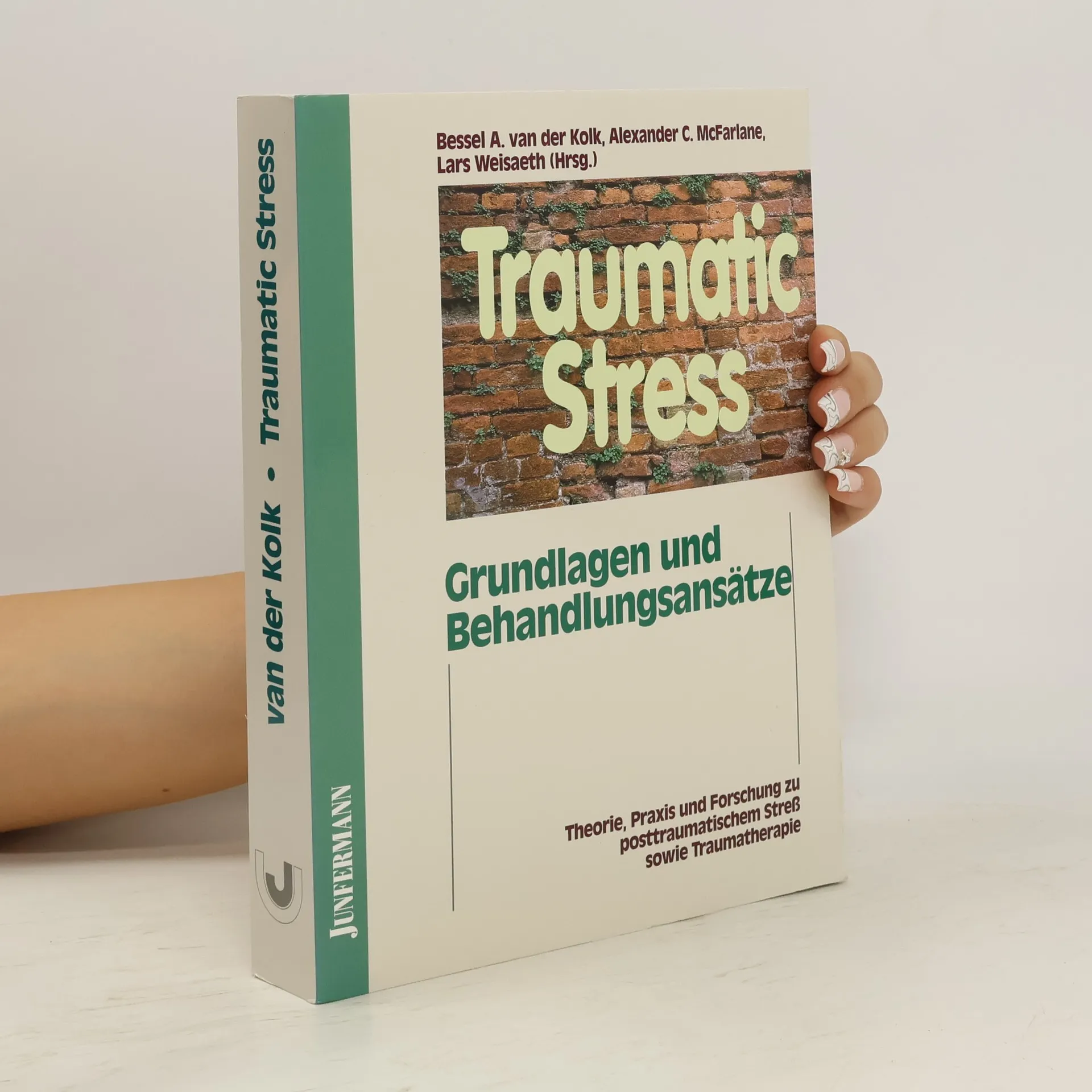
Seit seinem Erscheinen 1996 hat das Buch von van der Kolk, McFarlane und Weisaeth in den USA als klassisches Handbuch zur Forschung und Behandlung posttraumatischer Belastungsstörungen etabliert. Die nun vorliegende deutsche Ausgabe bietet für alle, die in unterschiedlichen Kontexten mit traumatisierten Menschen arbeiten, wertvolle Hintergrundinformationen und Behandlungsmöglichkeiten. Sie verdeutlicht die Unsicherheiten in der Forschungslage und zeigt auf, dass viele Behandlungsstrategien nur unzureichend evidenzbasiert sind. Auf Grundlage des aktuellen Wissensstands werden vielfältige Ansätze und Anregungen für die Behandlungspraxis präsentiert. Besonders beeindruckend ist die umfassende Perspektive, die sowohl kollektive Traumatisierungen als auch geschichtliche Dimensionen behandelt, sowie differenzierte Traumadiagnostik und die Psychophysiologie traumatischer Belastungsstörungen. Das Buch stellt fundierte theoretische und methodische Konzepte vor, die traditionelle Vorstellungen der psychotherapeutischen Schulen hinterfragen und neue Modelle entwickeln. Kein anderes Werk in diesem Bereich bietet eine so umfassende Darstellung des verfügbaren Wissens. Die deutsche Ausgabe wird von Prof. Dr. Hilarion Petzold und Prof. Dr. Michael Märtens herausgegeben.
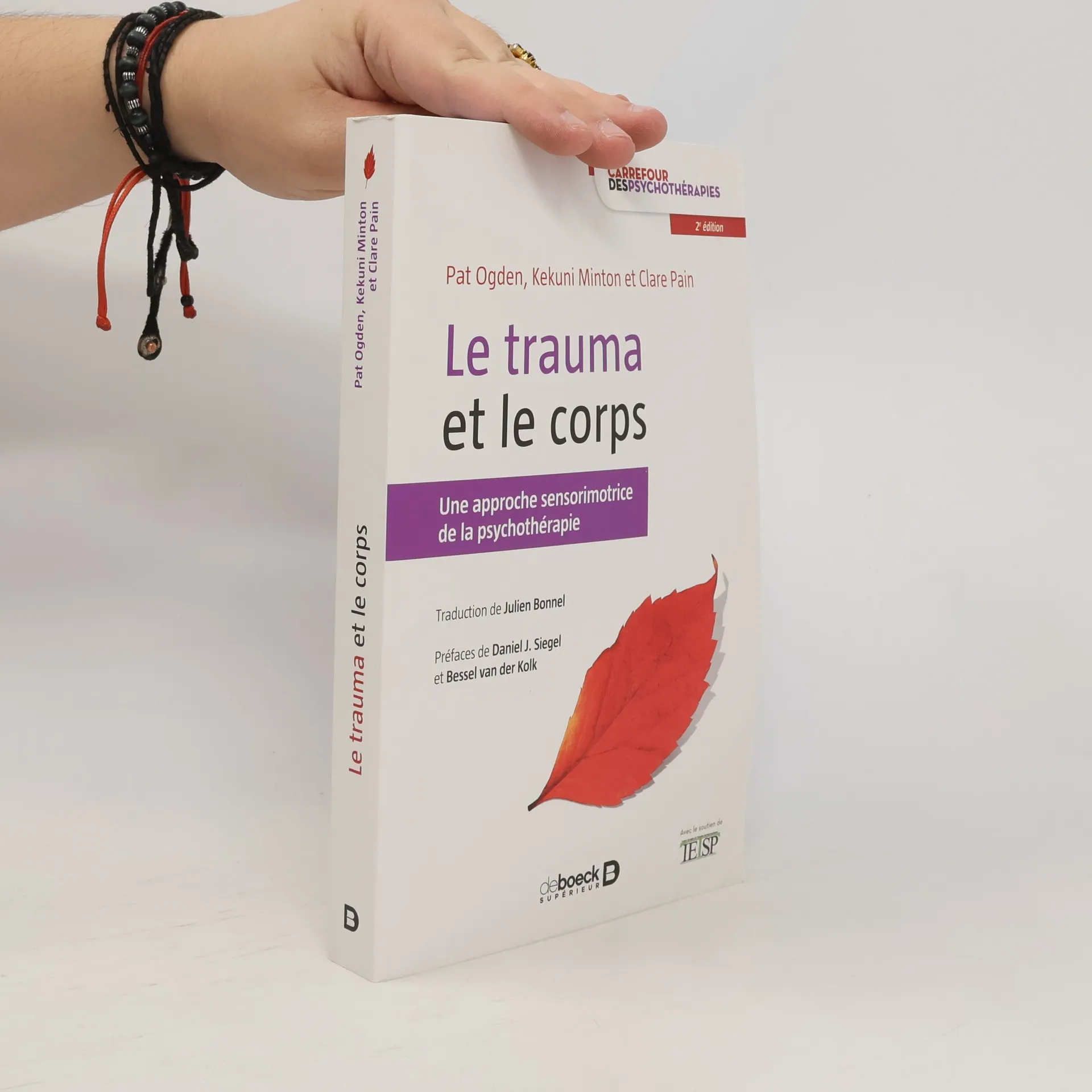
Une approche sensorimotrice de la psychothérapie - 2e édition
456 páginas
16 horas de lectura
Le corps a souvent été négligé dans les thérapies basées sur la parole. Les psychothérapeutes, qu'ils soient psychodynamiques, psychanalytiques ou cognitivo-comportementalistes, sont formés à écouter le langage verbal et non verbal de leurs patients, cherchant à déceler associations libres, fantasmes, conflits psychiques et détresses intérieures. Cependant, les expériences corporelles des patients, et leur relation à leur corps, restent souvent marginales dans les interventions classiques. Cet ouvrage propose une revue des recherches en neurosciences, trauma, dissociation et théories de l'attachement, plaidant pour une approche intégrée corps-esprit dans le traitement des traumatismes. En ajoutant des interventions centrées sur le corps aux thérapies traditionnelles, les thérapeutes peuvent approfondir et renforcer leur pratique clinique. La thérapie sensorimotrice, qui s'appuie sur les fondements des thérapies classiques tout en plaçant le corps au cœur du processus thérapeutique, utilise des capacités d'observation et des modes d'intervention moins courants. Les auteurs, en combinant ces approches, visent à aider les patients traumatisés chroniques à trouver des solutions, donner un sens à leur vie et développer une nouvelle vision d'eux-mêmes.





![[+1] Здоровый человек: Тело помнит все](https://rezised-images.knhbt.cz/1920x1920/87725798.webp)