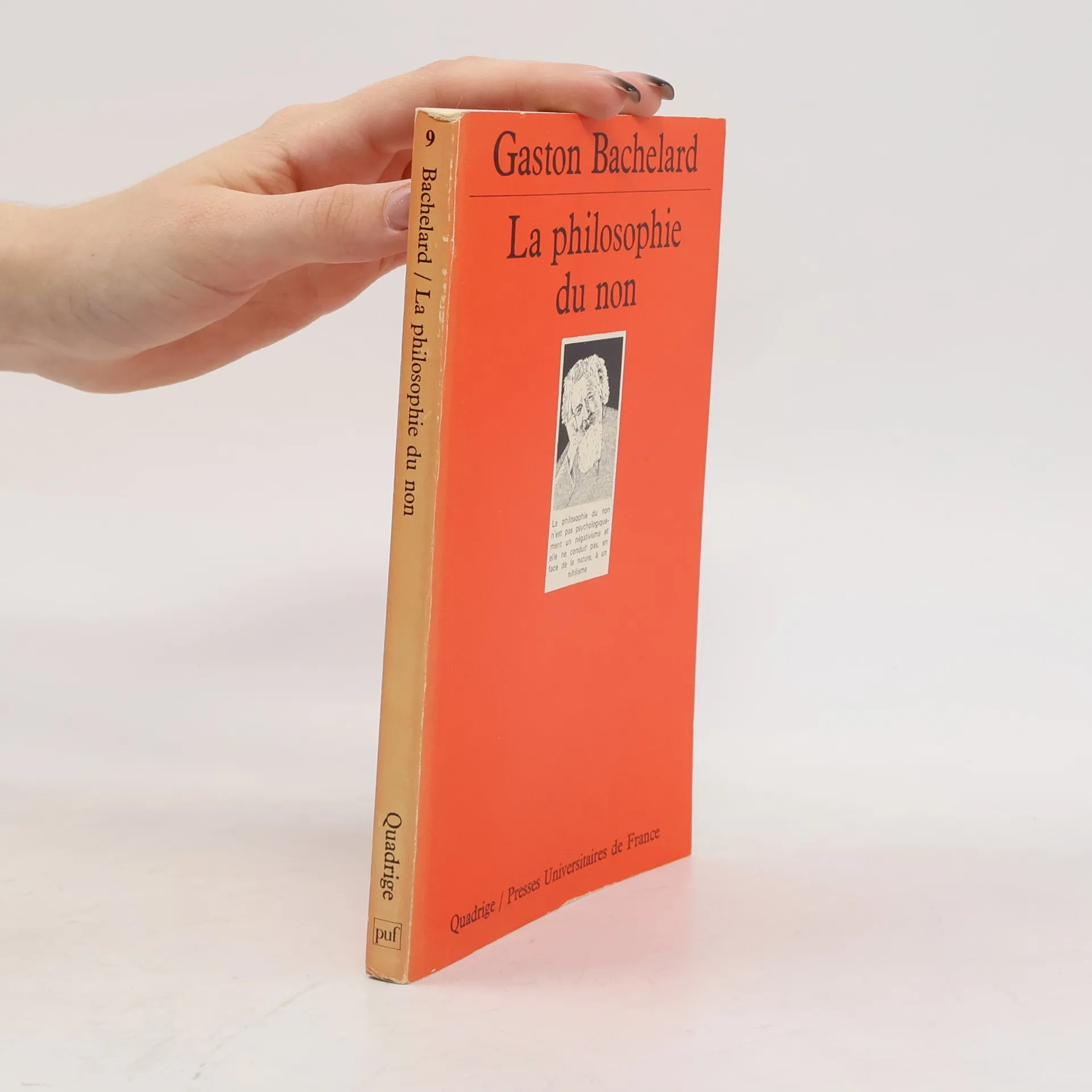
Bookbot

Gaston Bachelard

    27 de junio de 1884 – 16 de octubre de 1962

    Gaston Bachelard fue un filósofo francés que alcanzó posiciones de gran prestigio en el ámbito académico francés. Su obra más importante se centra en la poética y la filosofía de la ciencia. A esta última introdujo los conceptos de obstáculo epistemológico y ruptura epistemológica. Influyó en muchos filósofos franceses posteriores, entre ellos Michel Foucault y Louis Althusser.

    Gaston Bachelard
    Intuition of the Instant
    The Flame of a Candle
    The Poetics of Space
    The Dialectic of Duration
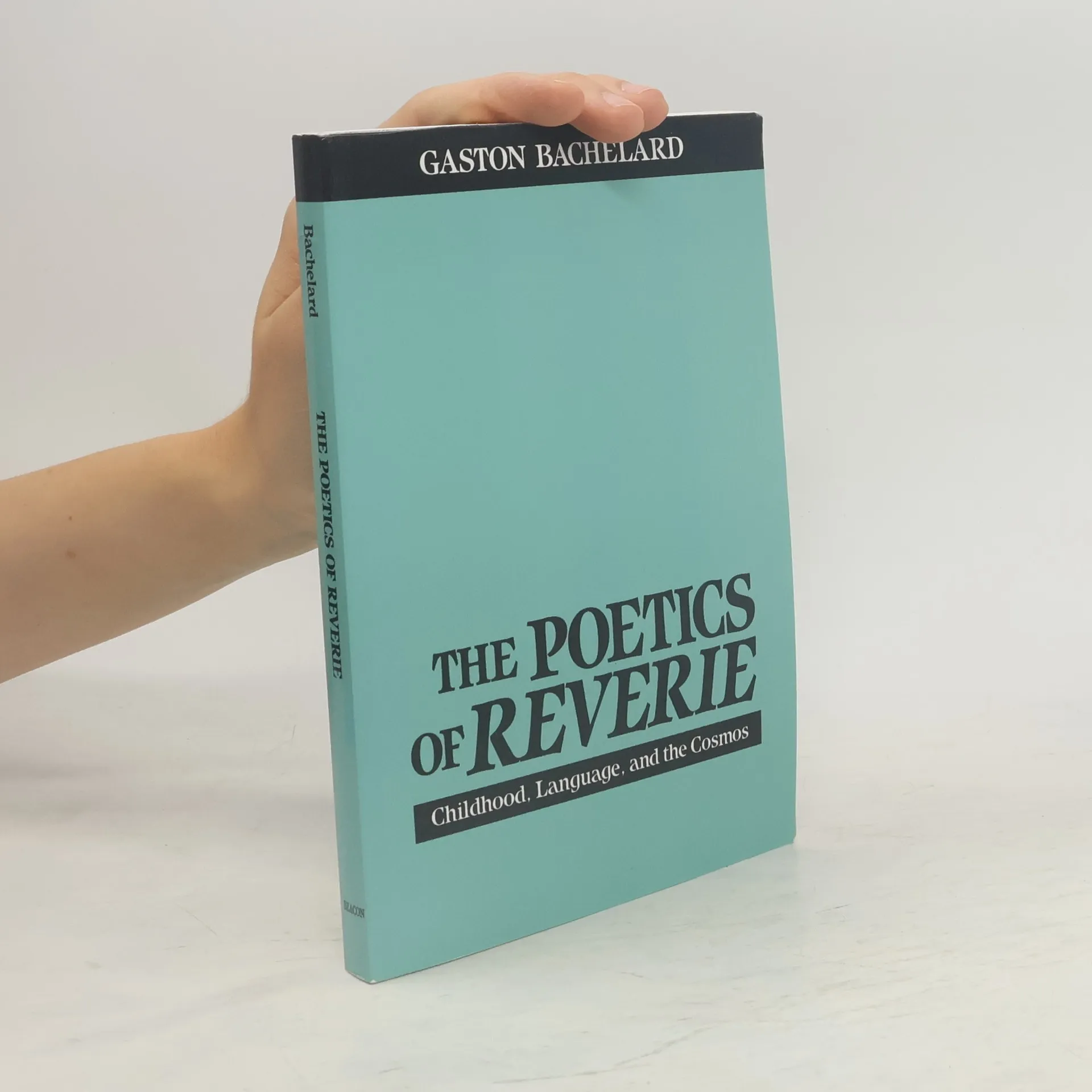
    The Poetics of Reverie
    El Agua y los sueños
    • El Agua y los sueños

      • 277 páginas
      • 10 horas de lectura

      En El aire y los sueños el lector encontrará, tratada con un sentido eminentemente lírico, la función de la poesía y sus estrechas relaciones con lo imaginario. La imaginación no sólo es la facultad de formar imágenes, sino de transformarlas en una movilidad constante. "Si no hay cambio de imágenes -escribe el autor-, unión inesperada de imágenes, no hay imaginación, no hay imaginante". Desde la psicología y la filosofía, Bachelard aborda ese problema con el fin de descubrir cómo el poeta une el dinamismo psíquico y la reflexión filosófica en la imagen poética. Además de ser una forma de comunicación, las palabras adquieren en la poesía nuevos significados y se unen a los símbolos y a los pensamientos para constituir los tres planos en que se expresa la realidad de lo "poético". Mas la poesía, cree Bachelard, no es simplemente lo que sus palabras describen ni lo que evocan ni lo que afirman; por debajo del verso y de su significado, prevalece el silencio que es un pensamiento oculto, secreto, aflorado desde sus raíces hundidas en el sueño. Así, ni la grandilocuencia ni la declamación ni la sonoridad definen lo poético.
      El Agua y los sueños
      4,4
    • In this, his last significant work, an admired French philosopher provides extraordinary meditations on the relations between the imagining consciousness and the world, positing the notion of reverie as its most dynamic point of reference. In his earlier book, The Poetics of Space, Bachelard considered several kinds of "praiseworthy space" conducive to the flow of poetic imagery. In Poetics of Reverie he considers the absolute origins of that imagery: language, sexuality, childhood, the Cartesian ego, and the universe. Approaching the psychology of wonder from the phenomenological viewpoint, Bachelard demonstrates the aurgentative potential of all that awareness. Thus he distinguishes what is merely a phenomenon of relaxation from the kind of reverie which "poetry puts on the right track, the track of expanding consciousness"

      The Poetics of Reverie
      4,3
    • The Dialectic of Duration

      • 162 páginas
      • 6 horas de lectura

      Exploring the nature of time, Gaston Bachelard responds to Henri Bergson's theories by presenting a view of experienced time as fractured and interrupted. This work lays the foundation for Bachelard's innovative philosophy of science, emphasizing the importance of human context and the interplay between rationality and the irrational. Through this lens, he challenges conventional perceptions of the physical world and material events, offering a profound rethinking of scientific philosophy.

      The Dialectic of Duration
      4,4
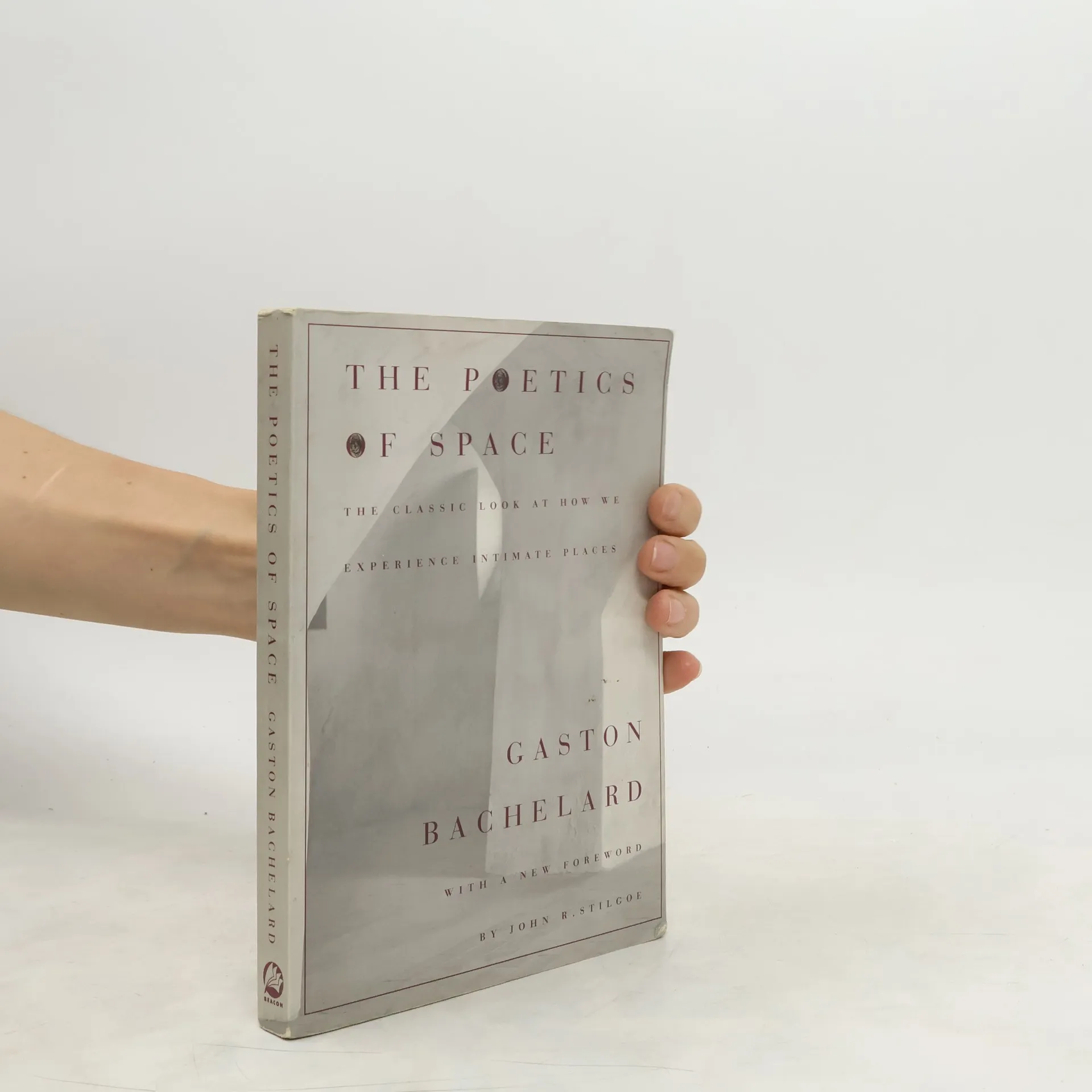
    • The classic book on how we experience intimate spaces. "A magical book. . . . A prism through which all worlds from literary creation to housework to aesthetics to carpentry take on enhanced-and enchanted-significances. Every reader of it will never see ordinary spaces in ordinary ways. Instead the reader will see with the soul of the eye, the glint of Gaston Bachelard." -from the foreword by John R. Stilgoe 6473-4 / $15.00tx / paperback

      The Poetics of Space
      4,2
    • The Flame of a Candle

      • 110 páginas
      • 4 horas de lectura

      Set in a world of intrigue and passion, the narrative unfolds around the complexities of human relationships and the struggles of self-identity. Through the lens of its characters, the story explores themes of love, betrayal, and the quest for understanding amidst societal expectations. The emotional depth and vivid imagery create a captivating atmosphere that draws readers into the characters' journeys, making it a poignant reflection on the fragility of life and the enduring power of hope.

      The Flame of a Candle
      4,1
    • Intuition of the Instant

      • 98 páginas
      • 4 horas de lectura

      The instant -- The problem of habit and discontinuous time -- The idea of progress and the intuition of discontinuous time -- Conclusion -- Appendix A: "Poetic instant and metaphysical instant" by Gaston Bachelard -- Appendix B: Reading Bachelard reading Siloe: an excerpt from "Introduction to Bachelard's poetics" by Jean Lescure -- Appendix C: A short biography of Gaston Bachelard

      Intuition of the Instant
      4,1
    • Psychoanalysis of Fire

      • 128 páginas
      • 5 horas de lectura

      "[Bachelard] is neither a self-confessed and tortured atheist like Satre, nor, like Chardin, a heretic combining a belief in God with a proficiency in modern science. But, within the French context, he is almost as important as they are because he has a pseudo-religious force, without taking a stand on religion. To define him as briefly as possible – he is a philosopher, with a professional training in the sciences, who devoted most of the second phase of his career to promoting that aspect of human nature which often seems most inimical to the poetic imagination ..." – J.G. Weightman,  The New York Times Review of Books

      Psychoanalysis of Fire
      4,0
    • On Poetic Imagination and Reverie

      • 162 páginas
      • 6 horas de lectura

      Passages from Bachelard's major works are introduced here in excerpts selected by Colette Gaudin, a professor of French literature at Dartmouth College and an authority on Bachelard

      On Poetic Imagination and Reverie
    • Atomistic Intuitions

      An Essay on Classification

      • 152 páginas
      • 6 horas de lectura

      Exploring the intersection of metaphysics and modern atomistic science, this English translation of Bachelard's sixth book delves into the philosophical underpinnings that shape contemporary scientific thought. The author aims to construct a framework that reconciles the complexities of modern science with deeper metaphysical concepts, offering readers a unique perspective on the nature of reality and knowledge.

      Atomistic Intuitions
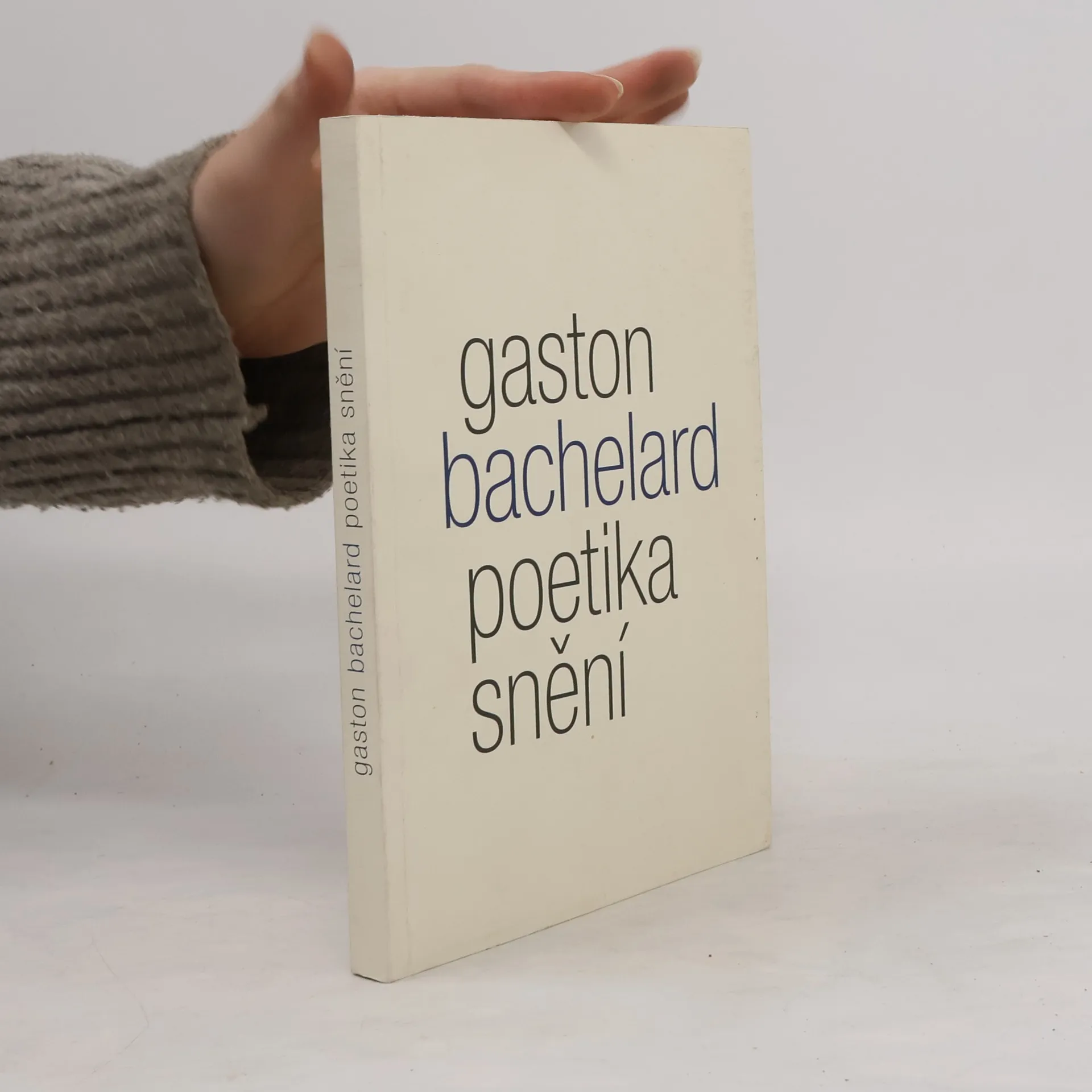
    • Bachelardovo dílo zkoumající poetiku živlů a samotného prostoru nachází završení v této knize, jež se věnuje fenomenologii snění a jeho obrazů.

      Poetika snění
      4,5
    • Poetik des Raumes

      • 284 páginas
      • 10 horas de lectura

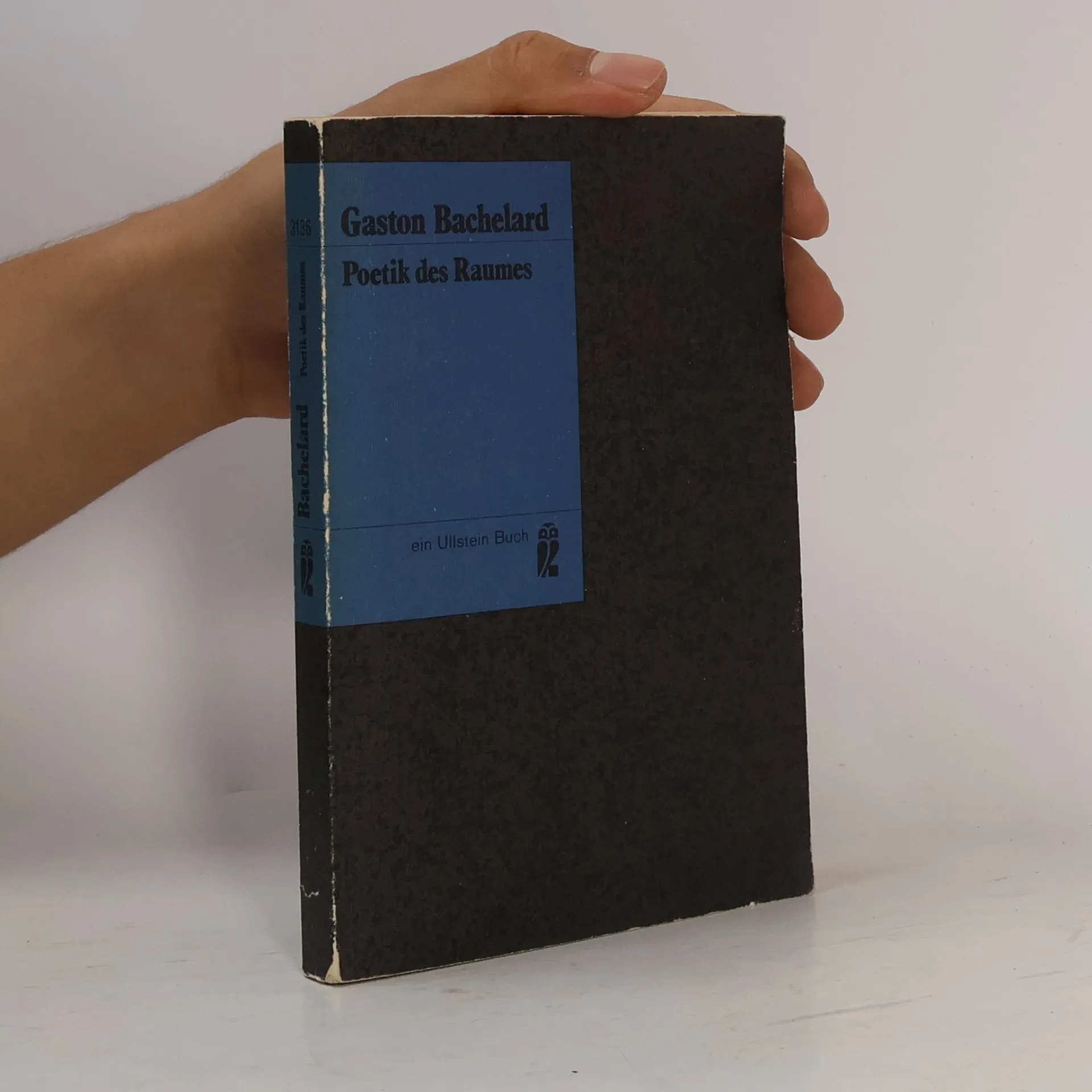
      Bachelards Interesse gilt den einfachen poetischen Bildern, die den Leser eines Gedichts oder eines Romans beunruhigen, ihn nicht mehr loslassen, »in ihm Wurzeln schlagen«. Woher rührt diese Macht des Bildes? Die Psychoanalyse hat - z. B. mittels der Traumdeutung - versucht, das Bild intellektuell aufzulösen und auf einen verborgenen Wunsch zurückzuführen. »Der Analytiker erklärt die Blume aus dem Dünger«, hält Bachelard dem entgegen; seiner Auffassung nach ist das poetische Bild etwas absolut Ursprüngliches, die Einbildungskraft daher eines der tiefsten menschlichen Vermögen. Um diese These zu untermauern, untersucht Bachelard einfache, zumeist positiv besetzte Bilder des Raumes, die in den Dichtungen aller Sprachen häufig wiederkehren. Zunächst Bilder intimer Räumlichkeit: das Haus, der Schlupfwinkel, die Höhle; sodann die »Häuser der Dinge«: Schubladen, Truhen, Nester und Muscheln; schließlich der Gegensatz von Drinnen und Draußen und das Bild der Rundheit. In unakademischer, selbst wiederum bildhafter Sprache begründet damit Bachelard ein Verfahren vergleichender Literaturwissenschaft, das prinzipiell von jedem Leser nachvollziehbar ist: eine Theorie des »Widerhalls« von Literatur im Geiste des Lesers.

      Poetik des Raumes
      4,0
    • Plamen svíce

      • 159 páginas
      • 6 horas de lectura

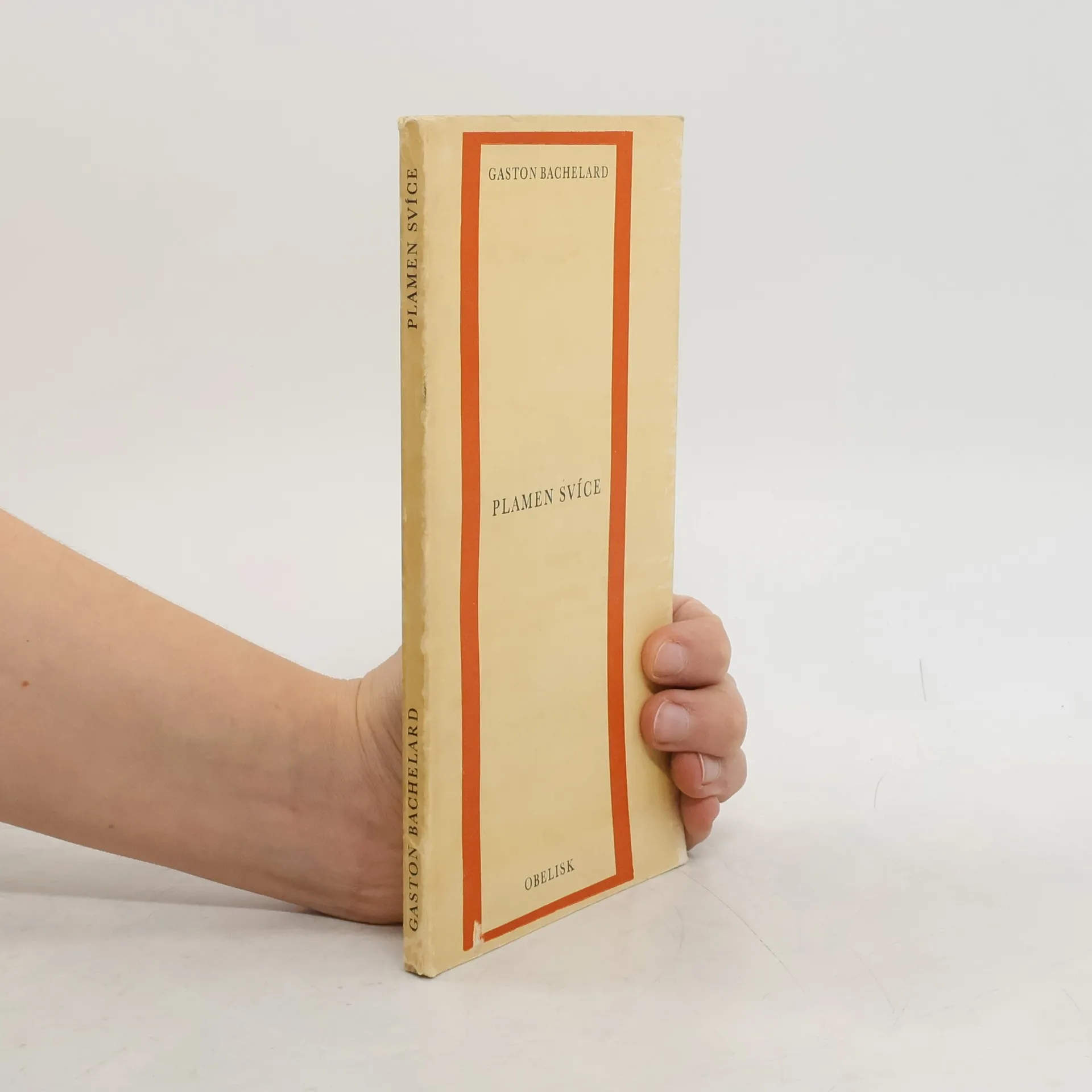
      Francouzský filosof navazuje na své dílo Psychoanalýza ohně, kde se zabýval analýzou podvědomého vnímání fenoménu ohně, a pokračuje ve výkladu své teorie o fascinaci člověka-básníka ohněm, jehož plameny podněcují básnické snění a rozvíjejí obrazotvornost. Původně Bachelard zamýšlel napsat rozsáhlou studii Poetiku ohně, ke které by Plamen svíce představoval jakýsi úvod, nakonec však zůstalo pouze u tohoto náčrtu o obnově snění a imaginace nad osamělým plamenem.

      Plamen svíce
      4,3
    • Water and Dreams

      An Essay on the Imagination of Matter

      • 213 páginas
      • 8 horas de lectura

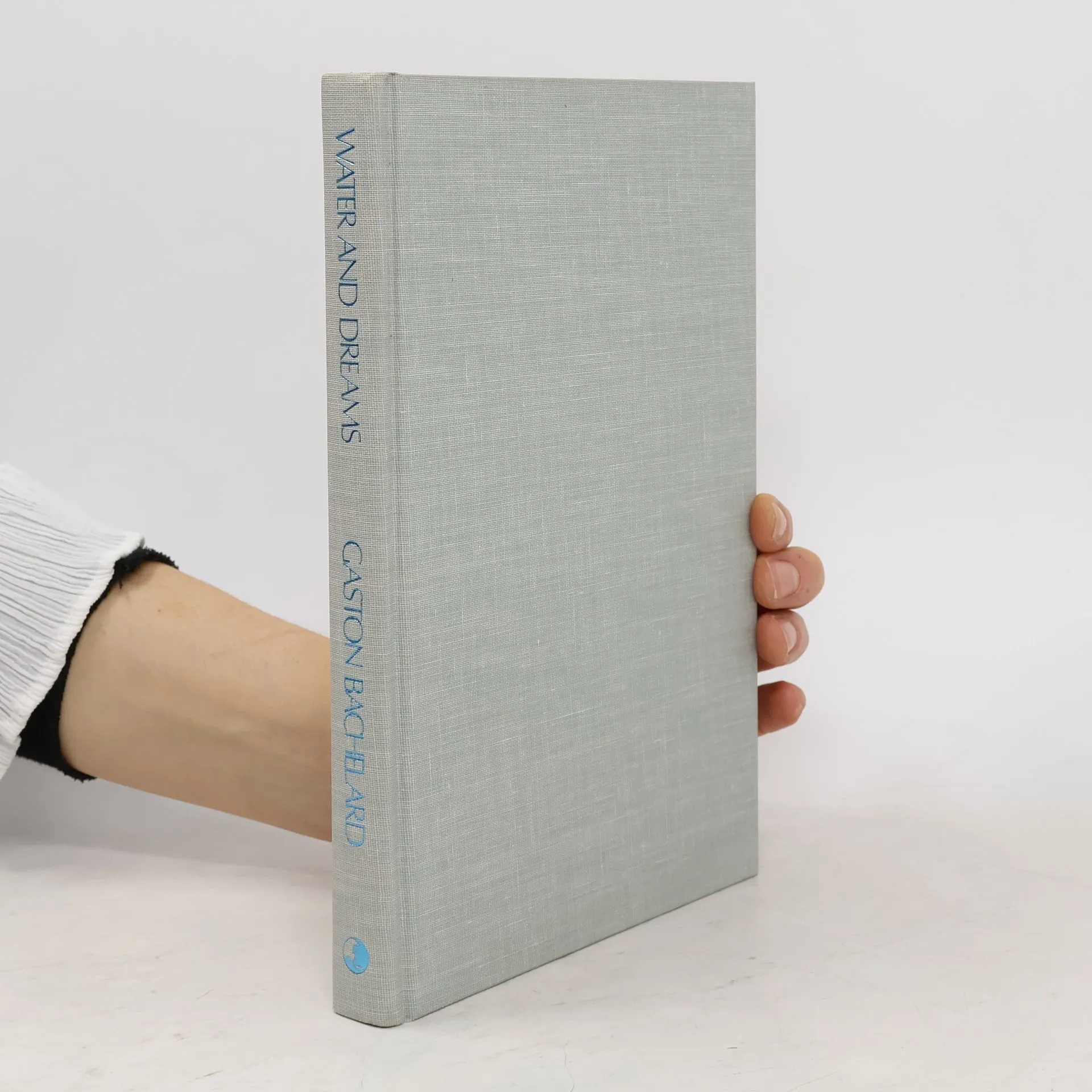
      Gaston Bachelard, master dreamer of the elements, animates the waters of the soul with his stirring, fluid imagination. With the subtlety of a poet, he ranges from the surface of water with its reflective narcissism to the very depths where water flows into death. Clear waters, deep water, the Charon Complex, water in combination with other elements, maternal waters, water's morality, violent water, water's voice.

      Water and Dreams
      4,1
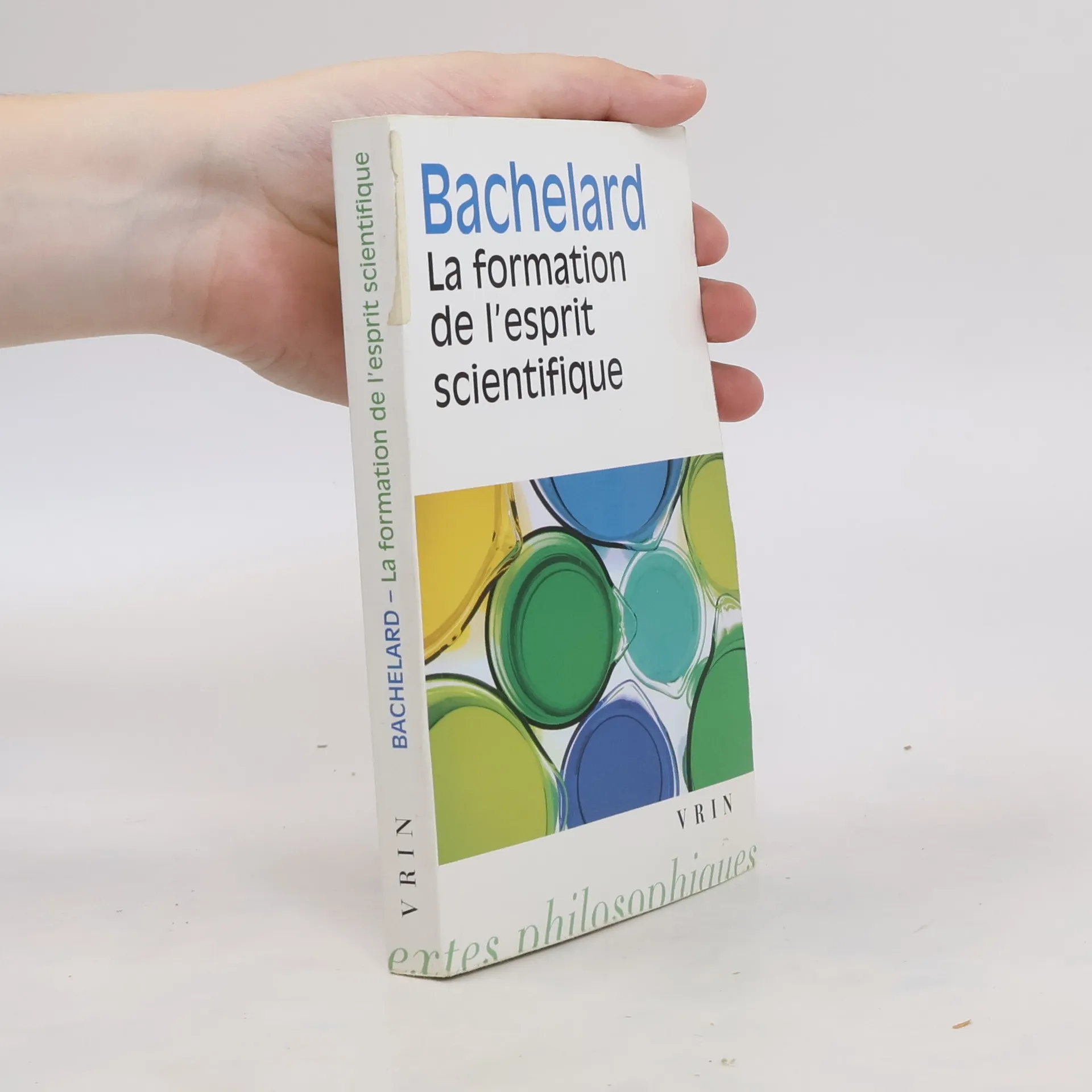
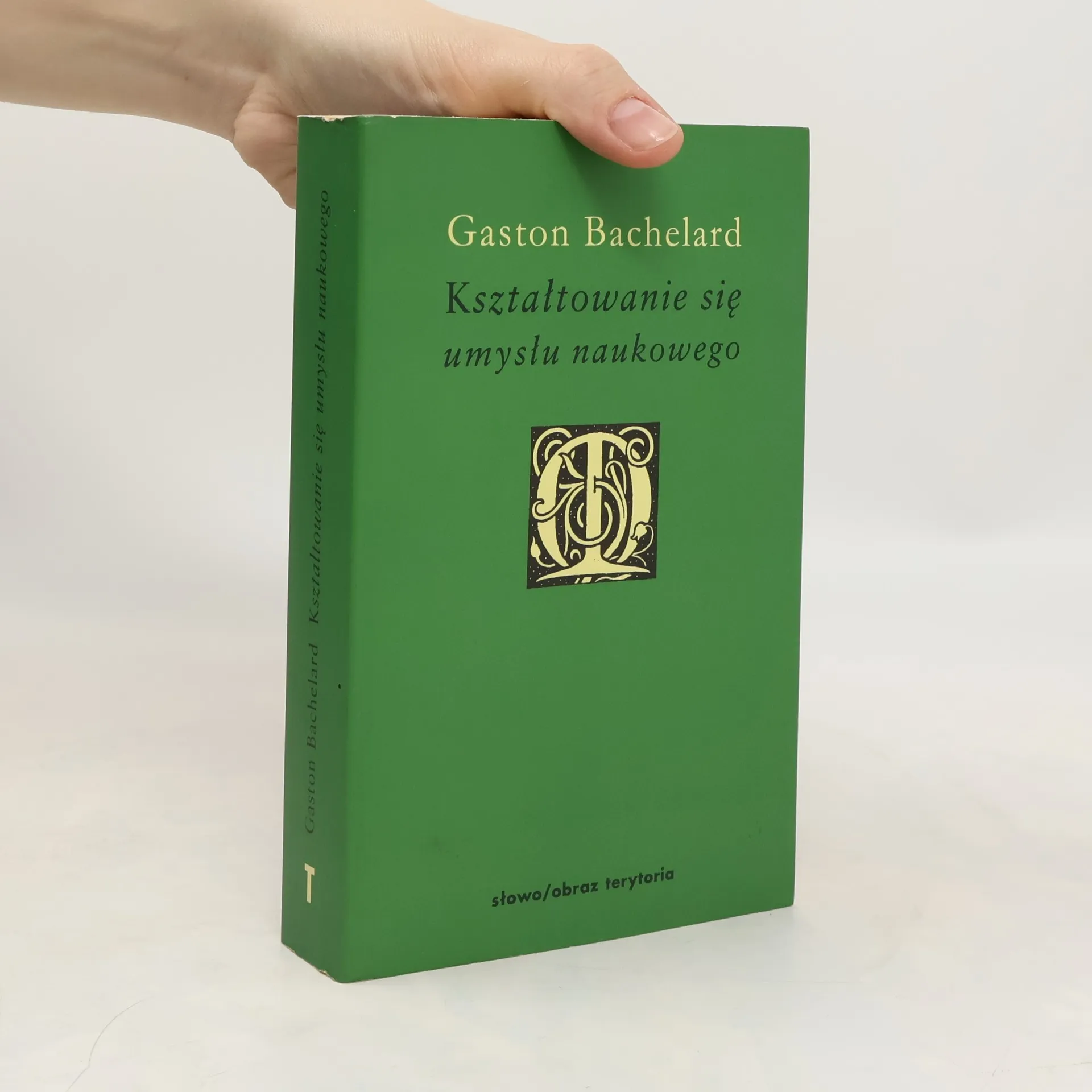
    • La formation de l'esprit scientifique

      contribution à une psychanalyse de la connaissance

      • 308 páginas
      • 11 horas de lectura

      Utilisant les concepts psychanalytiques, l'auteur montre comment, dans la science, le language constitue le véhicule privilégié de l'anthropomorphisme et comment les projections affectives constituent autant d'obstacles épistémiologiques à son développement.

      La formation de l'esprit scientifique
      3,7
    • Nový vědecký duch a další eseje

      • 766 páginas
      • 27 horas de lectura

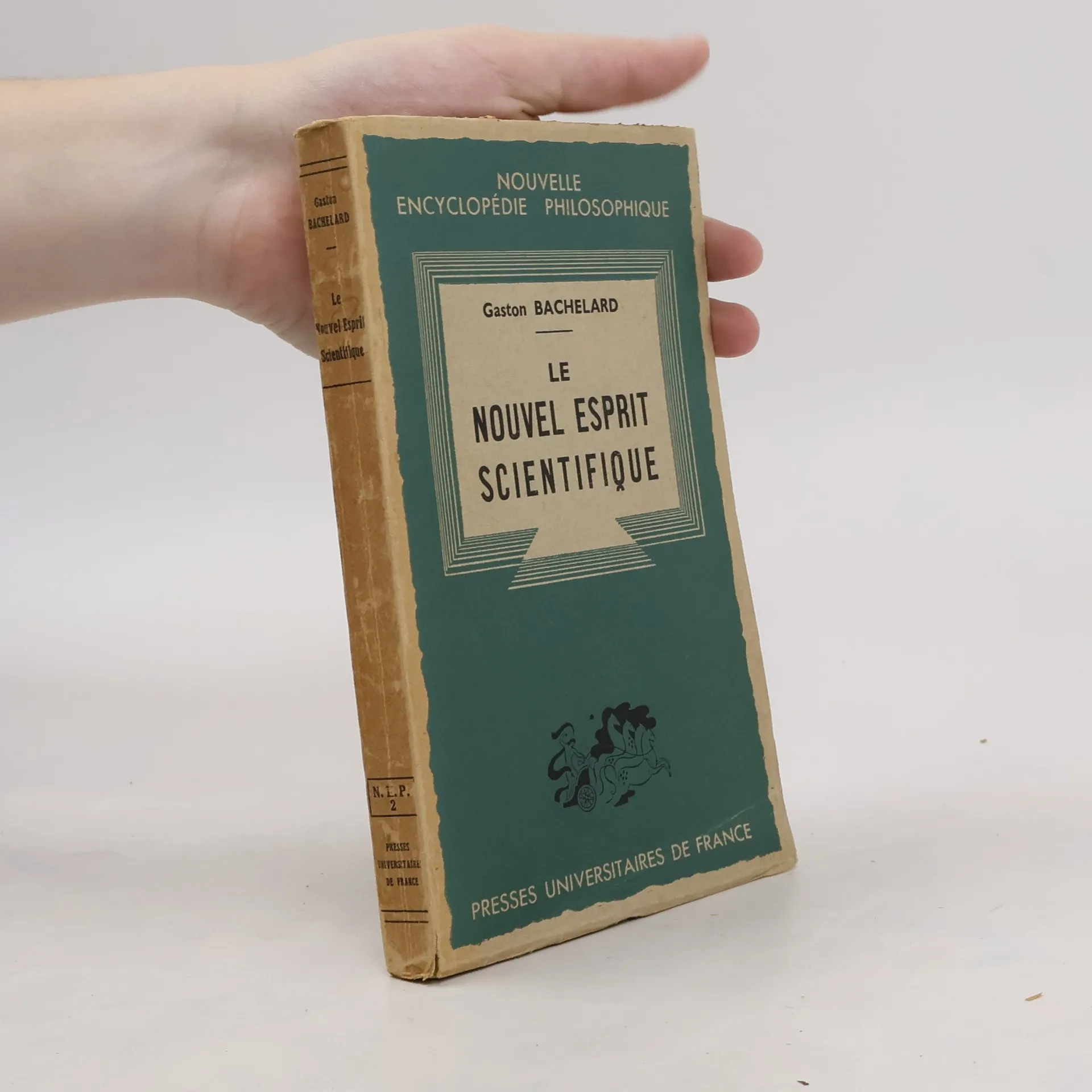
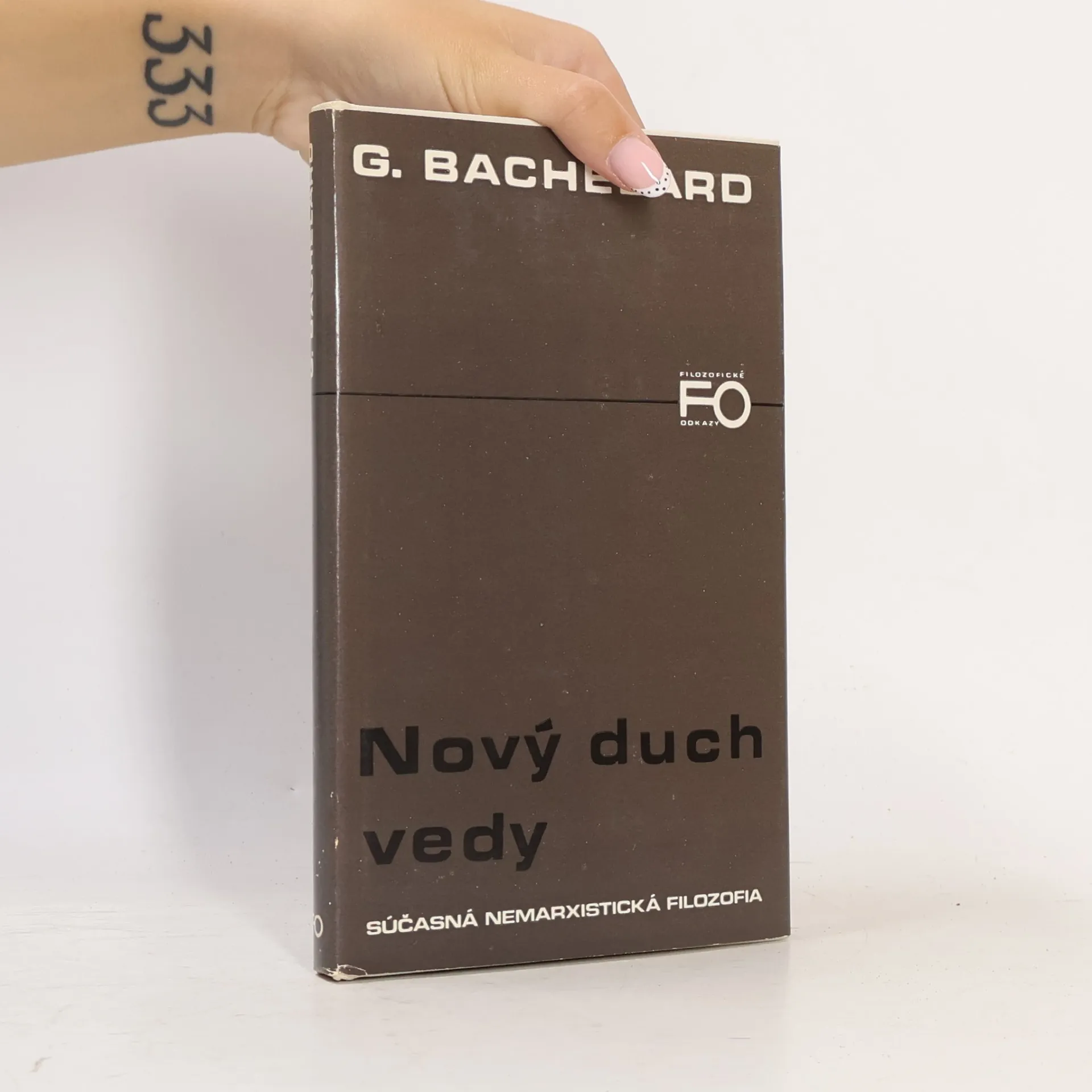
      První český výbor z Bachelardových epistemologických prací obsahuje čtyři zásadní Bachelardovy knihy: Nový vědecký duch (1934), Filosofie ne (1940), Aplikovaný racionalismus (1949) a Materiální racionalismus (1953). Ve své epistemologické tvorbě se Bachelard snaží formulovat prostřední pozici mezi extrémy materialismu a idealismu. Tuto pozici označuje jako racionalistickou, oproti uzavřenému karteziánství se má ale jednat o racionalismus otevřený, neustále připravený sebe sama přehodnocovat. Důležitým nástrojem jsou k tomu výdobytky psychoanalýzy, které vědeckému duchu umožňují překonávat epistemologické překážky. V návaznosti na tuto psychoanalýzu začne následně Bachelard rozvíjet druhou stranu svého díla, spisy rozvíjející poetickou imaginaci jako jakýsi protipól komplementární k vědeckému uchopování světa.

      Nový vědecký duch a další eseje
    • Étonnants Classiques: Cette part de rêve que chacun porte en soi

      Anthologie - BTS - PROGRAMME 2014-2015

      • 184 páginas
      • 7 horas de lectura

      Vagabondage de l'esprit ou fantasmagorie nocturne, le rêve revêt des formes multiples. Faut-il pour autant y voir un abîme trompeur, impossible à maîtriser et qui nous coupe de la réalité ? N'est-il pas, au contraire, une échappatoire aux contraintes du quotidien, un espace de liberté indispensable à la création, à la connaissance du monde et à la construction de soi ? Expérience individuelle et intime autant que reflet des aspirations d'une société, quelle est cette part de rêve que chacun porte en soi ?

      Étonnants Classiques: Cette part de rêve que chacun porte en soi