Provides an account of the creation of an Asia after the Second World War - an
unstoppable wave of nationalism that swept the British Empire aside. This book
tells the story of how India, Pakistan, Burma and Malaysia came into existence
and how British interference in Vietnam and Indonesia fatally shaped those
countries' futures.
The sequel and companion volume to C.A. Bayly's ground-breaking The Birth of
the Modern World, 1780-1914, this wide-ranging and sophisticated study
explores global history since the First World War, offering a coherent,
comparative overview of developments in politics, economics, and society at
large.
Effectively it is the story of the birth of modern South and South- East Asia
and the hopes and fears of the dozens of armies' marching through the jungle
battlefields.
The book explores various historical themes, beginning with the transition from old regimes to modernity, highlighting the dynamics of 'archaic globalization' and the evolution of political formations. It examines the significant shifts in Afro-Asian material culture and trade, alongside the emergence of competitive advantages in Europe. The narrative progresses through the world crises of 1720-1820, analyzing the legitimacy of states and the ideological roots of modern governance, while addressing the interplay of nationalities, states, and empires.
As the text unfolds, it delves into the period between world revolutions (c. 1815-1860), assessing the impact of British maritime supremacy and the consequences of emigration. The discussion of hybrid legitimacy and wars of legitimacy in Asia provides insight into the complexities of state formation. The book also scrutinizes industrialization and urbanization, focusing on the rise of cities as centers of production and the socio-political dynamics within them.
In the latter sections, the narrative shifts to nationalism, examining its theories, evolution, and the persistence of old patterns of globalization. The role of the modern state is further analyzed, including its obligations to society, resources, and the balance of achievements. The exploration of liberalism, rationalism, socialism, and science contextualizes the intellectual history of the period, culminating in a comp
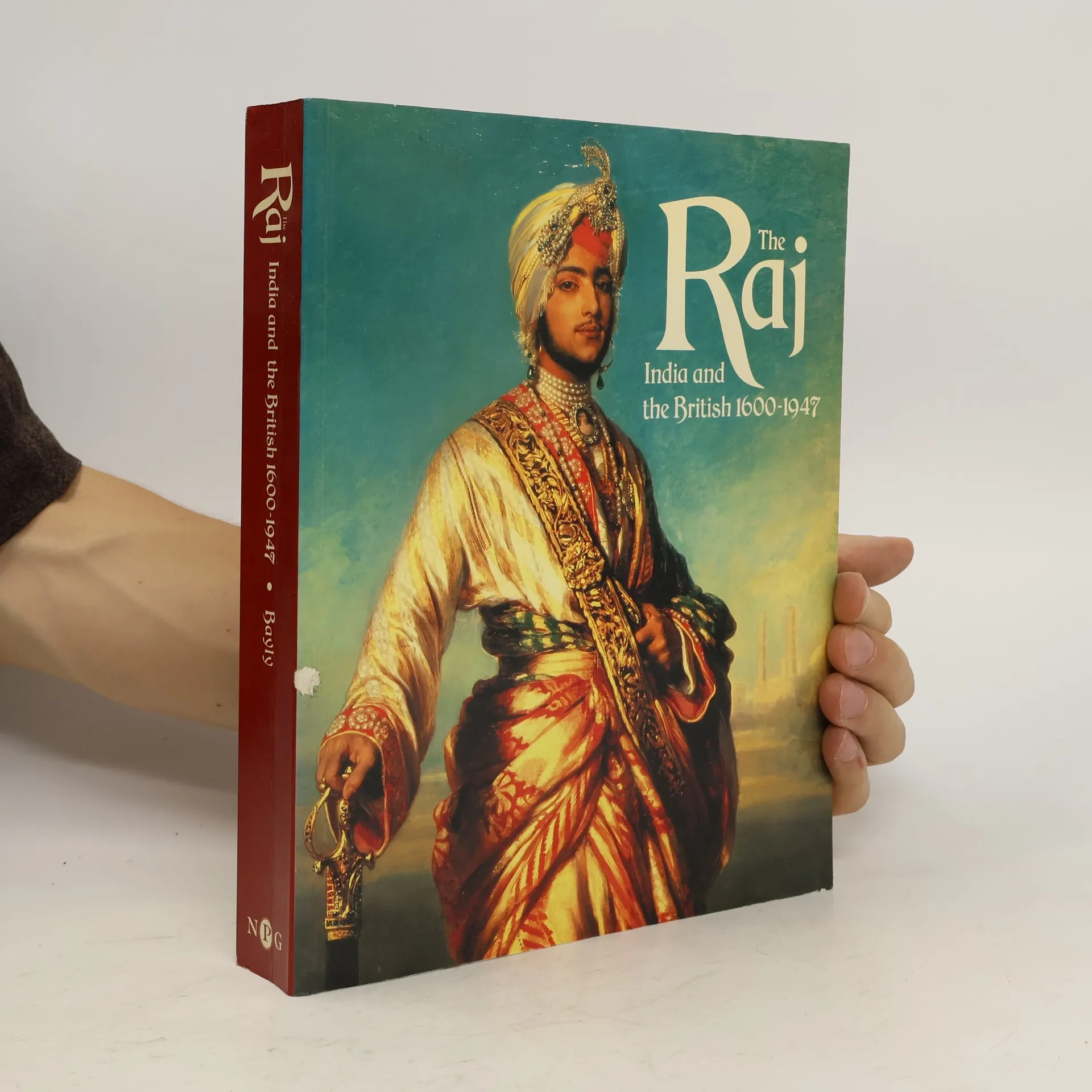
Published for the exhibition at the National Portrait Gallery (Winter 1990-1) "The Raj: India and the British, 1600-1947", this catalogue examines the relationship between British and Indian society over the whole period of the British presence in India.