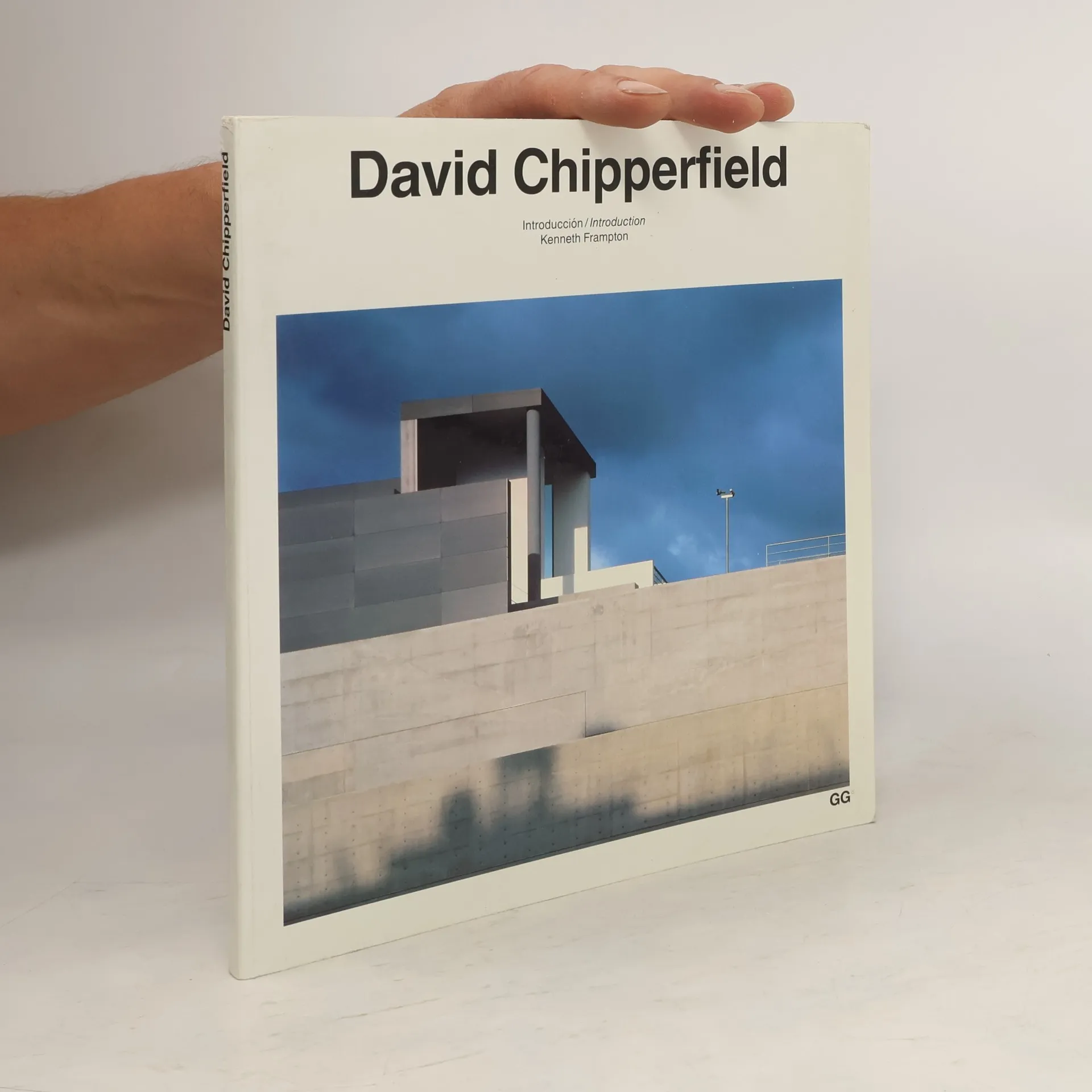
David Chipperfield worked for both Richard Rogers and Foster Associates before establishing his own practice in 1984. Often erroneously thought of as a minimalist architect, he has become one of the most conceptionally complex architects working today, thanks to the diversity and depth of his realized projects. Amongst his highly acclaimed projects are the River & Rowing Museum which was his first major commission in England, the Knight House, or the masterplan for the Museum Island in Berlin. More recently his projects include the Villa in Berlin-Schöneberg and the elegant office building in Düsseldorf. Chipperfield is also active in Milan, Venice, Madrid, the USA, and Japan. Beautifully designed by Quentin Newark this book presents with over 60 projects Chipperfield´s complete oeuvre. An essay focuses on his creative process and the architect's considerations on the architectonic development over the last decades. Jonathan Keates and Kenneth Frampton analyse key aspects of Chipperfield´s architecture.
Kenneth Frampton Libros
Kenneth Frampton es un arquitecto, crítico e historiador británico, reconocido por su profundo análisis de la arquitectura del siglo XX. Su obra defiende el modernismo a través del regionalismo crítico, enfatizando la autonomía de la práctica arquitectónica. Frampton explora los aspectos formales y tectónicos de la arquitectura, argumentando que no pueden reducirse únicamente a factores económicos, al tiempo que mantiene una perspectiva izquierdista sobre la responsabilidad social de la profesión. Sus influyentes escritos han dado forma al discurso arquitectónico y han educado a generaciones de estudiantes.


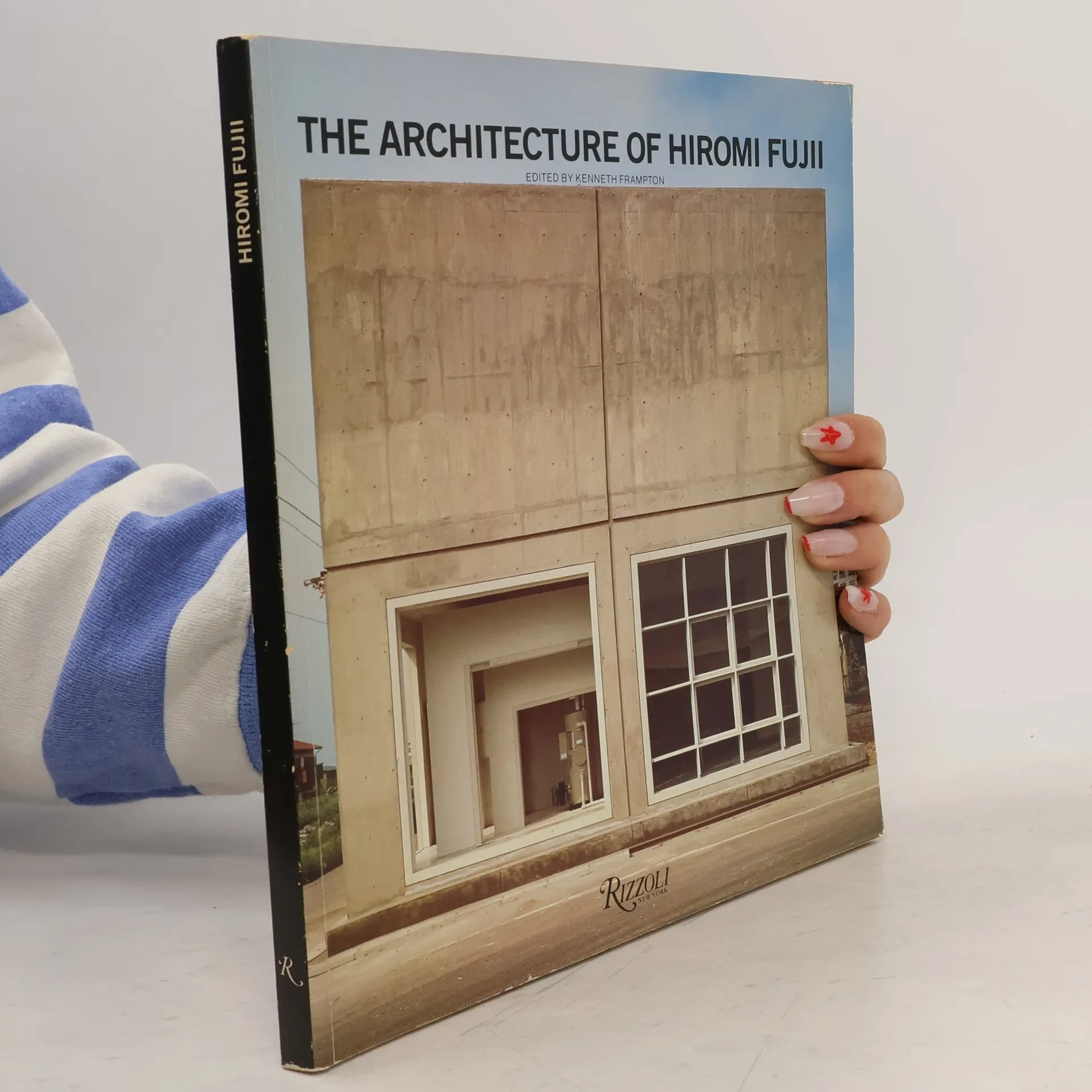
Architecture of Hiromi Fujii
- 136 páginas
- 5 horas de lectura
Book by Frampton, Kenneth
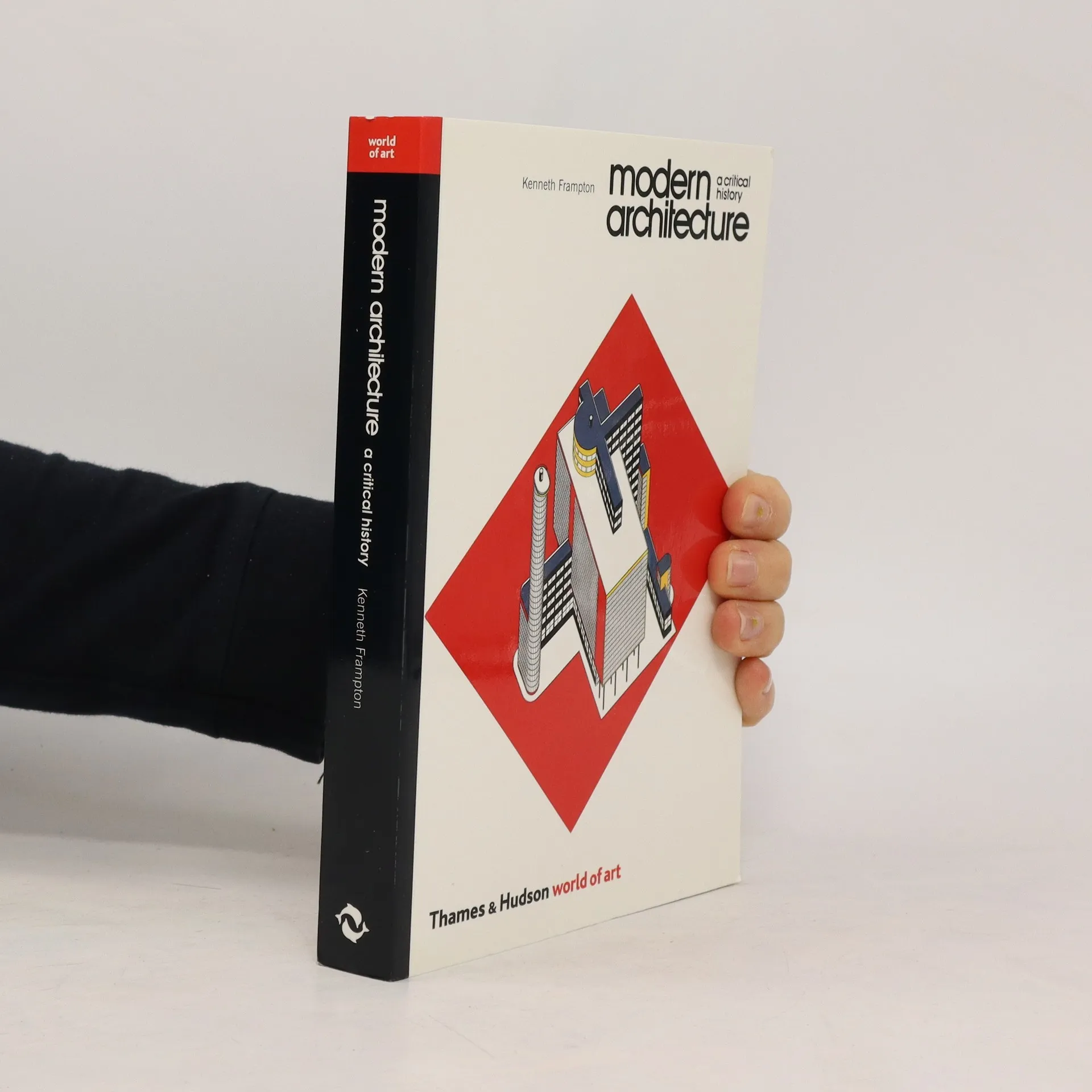
Modern Architecture (World of Art)
- 736 páginas
- 26 horas de lectura
An extensively revised and updated edition of a bestselling classic on modern architecture and its origins.
American Masterworks: The Twentieth Century House
- 240 páginas
- 9 horas de lectura
During the 1920s, for example, Frank Lloyd Wright recovered the now-ubiquitous concrete block from what he termed the "architectural gutter," using it in several remarkable homes in Southern California, among them the Storer House in Hollywood of 1923.".
This is the fourth volume in the highly acclaimed series of Wright's written works, most of which are out of print and have never before been systematically compiled for publication. Arranged chronologically, Volume IV includes the years of world conflict and postwar recovery--a rich, prolific period during which Wright created designs for some of his best-known buildings.
Light and water
- 276 páginas
- 10 horas de lectura
"Ando selected for inclusion the thirty-five projects that best embody his belief that the interplay with nature defines architecture and the passage of time molds architecture. All are shown in spectacular, specially commissioned color photography. Among the major recent works are the Modern Art Museum of Fort Worth in Texas; the Komyo-ji Temple in Saijo, Japan; the meditation space for UNESCO in Paris; the Pulitzer Foundation for the Arts in St. Louis; and the Armani/Teatro in Milan. Also included are some of Ando's most important and well-known earlier works, including the Church of the Water in Hokkaido, the Church of the Light in Ibaraki, and a series of houses throughout Japan."--BOOK JACKET.
This series was the winner of the American Institute of Architects' prestigious "Award for Excellence in International Book Publishing". Each volume in this series is introduced with an essay on the architect, and a chronological or stylistic presentation of their most outstanding buildings and projects. No other series provides such a complete and concise summary of the world's leading architects' works. The volumes are fully illustrated in black-and-white with photos and project renderings.
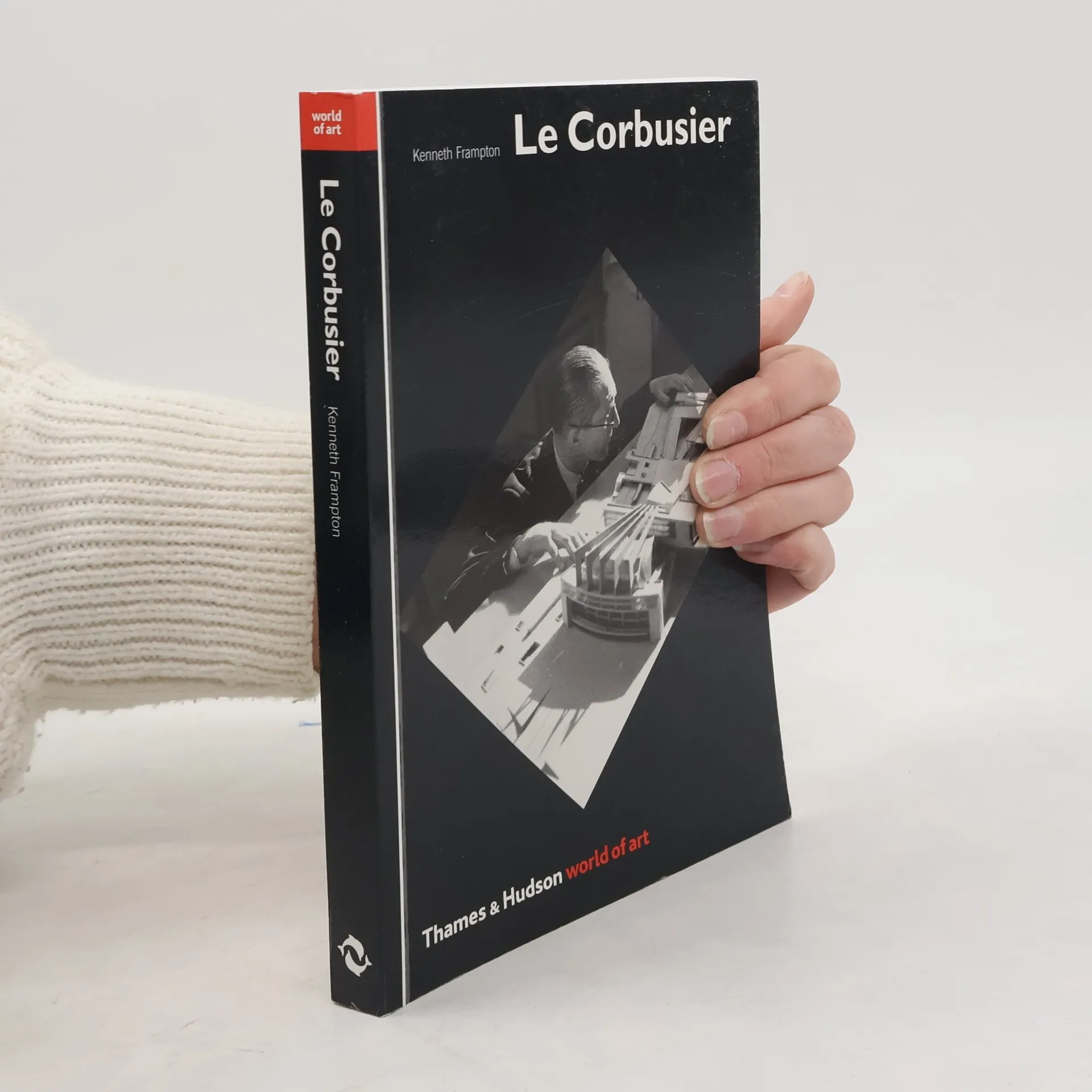
Le Corbusier
- 224 páginas
- 8 horas de lectura
Le Corbusier's ideas and works constitute the greatest single influence in the development of architecture in the 20th century. His passionately expressed philosophy has had an enormous effect on the urban fabric and the way we live. Weaving through his long and prolific life are certain recurrent themes - his perennial drive towards new types of dwelling, from the early white villas to the Unite d'Habitation at Marseilles; his evolving concepts of urban form, including the Plan Voisin of 1925; and his belief in a new technocratic order.
Third edition: revised and enlarged362 illustrationsThis acclaimed survey of 20th-century architecture and its origins has become a classic since it first appeared in 1980. Now revised, enlarged and expanded, Kenneth Frampton brings the story up to date and adds an entirely new concluding chapter that focuses on four countries where individual talent and enlightened patronage have combined to produce a comprehensive and convincing architectural culture: Finland, France, Spain and Japan. The bibliography has also been reviewed and extended, making this volume more indispensable than ever.
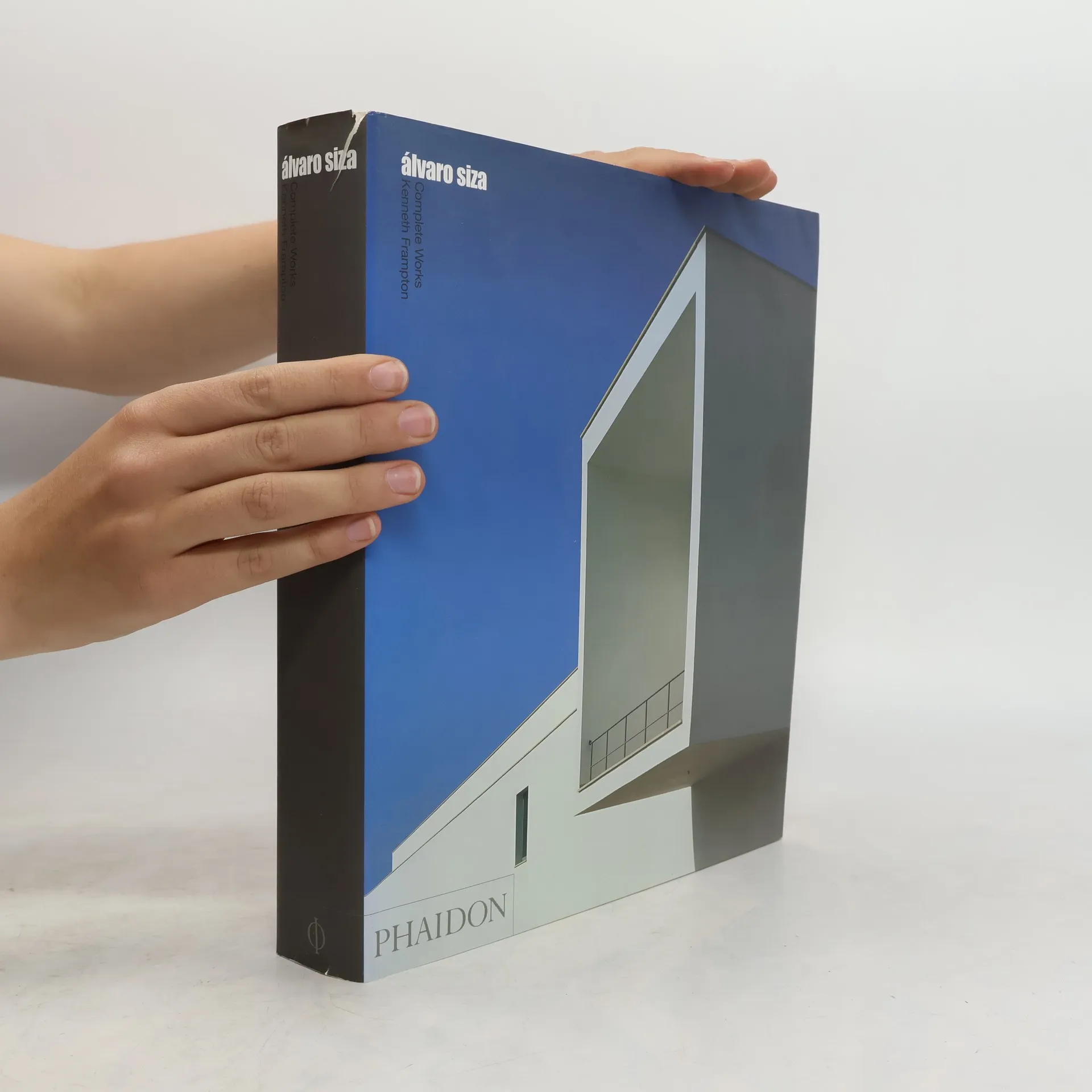
Álvaro Siza
- 620 páginas
- 22 horas de lectura
A comprehensive monograph of one of the most interesting architects working today.
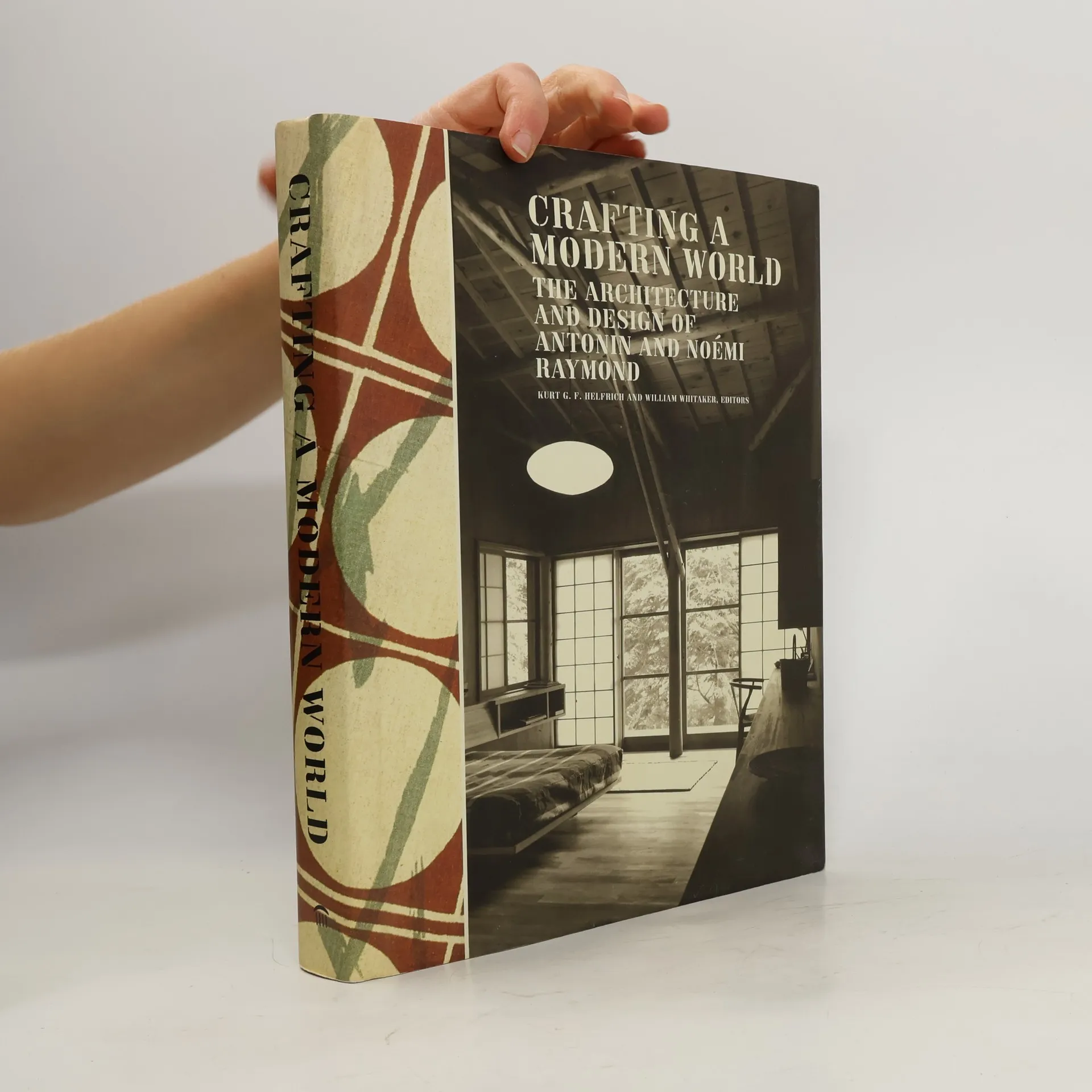
Crafting a Modern World
The Architecture and Design of Antonin and Noémi Raymond
- 364 páginas
- 13 horas de lectura
The enduring fascination with mid-century modern design continues, yet many inspiring figures remain overlooked. Antonin and Nomi Raymond are now poised for recognition. This book serves as the first comprehensive English-language exploration of the duo who transformed design from 1917 to 1966. Renowned for their intricate structures built in Japan during the 1930s, the Raymonds had diverse careers that spanned factories, office buildings, churches, schools, and furniture, fabrics, and graphic design. They skillfully merged their European modern roots with local craft traditions from Japan, India, and rural Pennsylvania. Collaborating with prominent thinkers and artists such as Frank Lloyd Wright, Cass Gilbert, and Isamu Noguchi, the Raymonds drew inspiration from traditional Japanese architecture, emphasizing craftsmanship in all their projects. Their notable works include churches in Chicago, the Tokyo Tennis Club, the Pacific Cable Company Station in Guam, and the Golconde Dormitory in India, as well as modernist interventions in their own farmhouse in New Hope, Pennsylvania. Four essays complement this thorough examination, shedding light on the Raymonds' careers and highlighting a captivating yet overlooked chapter in mid-century modern design history.
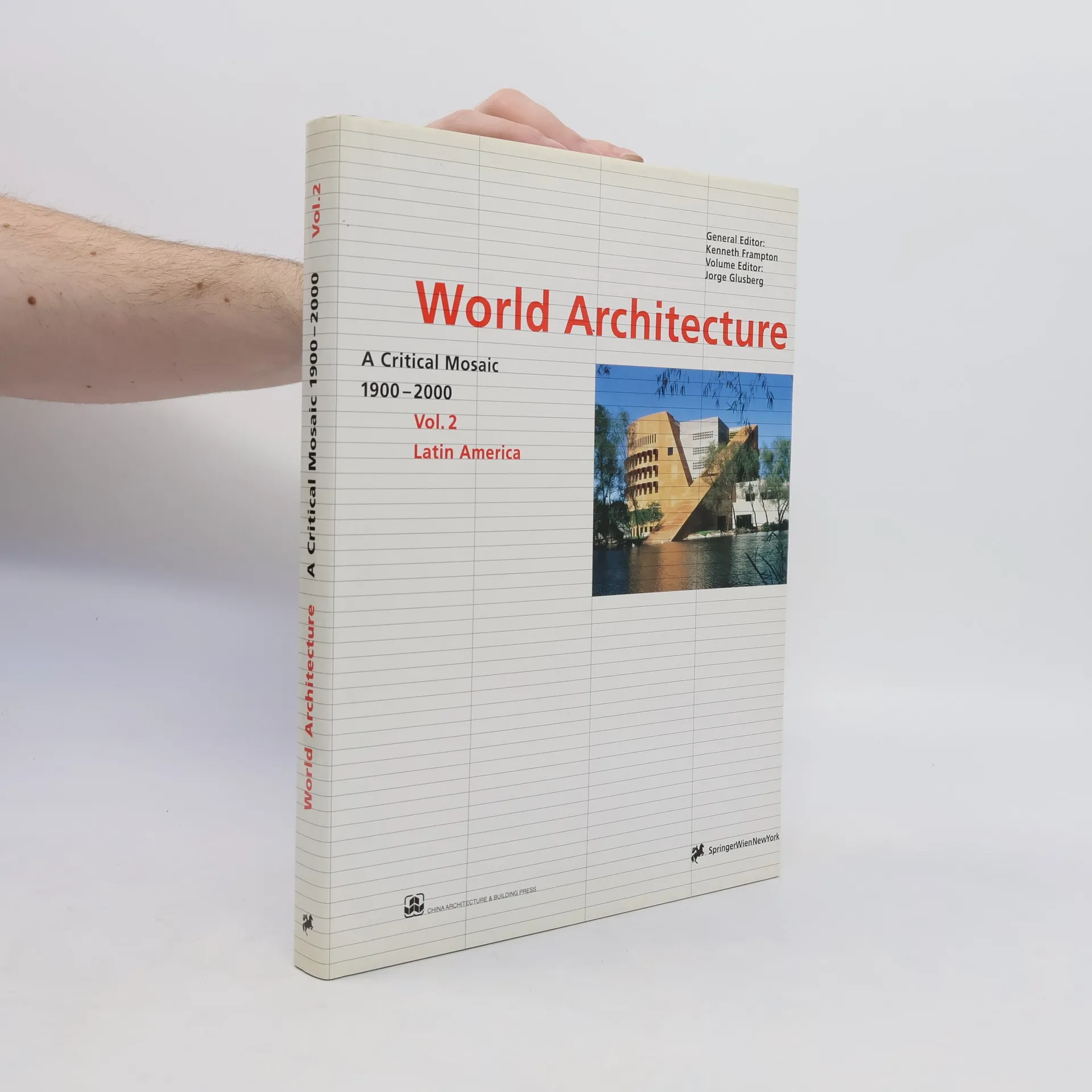
World Architecture 2. A Critical Mosaic 1900-2000
- 284 páginas
- 10 horas de lectura
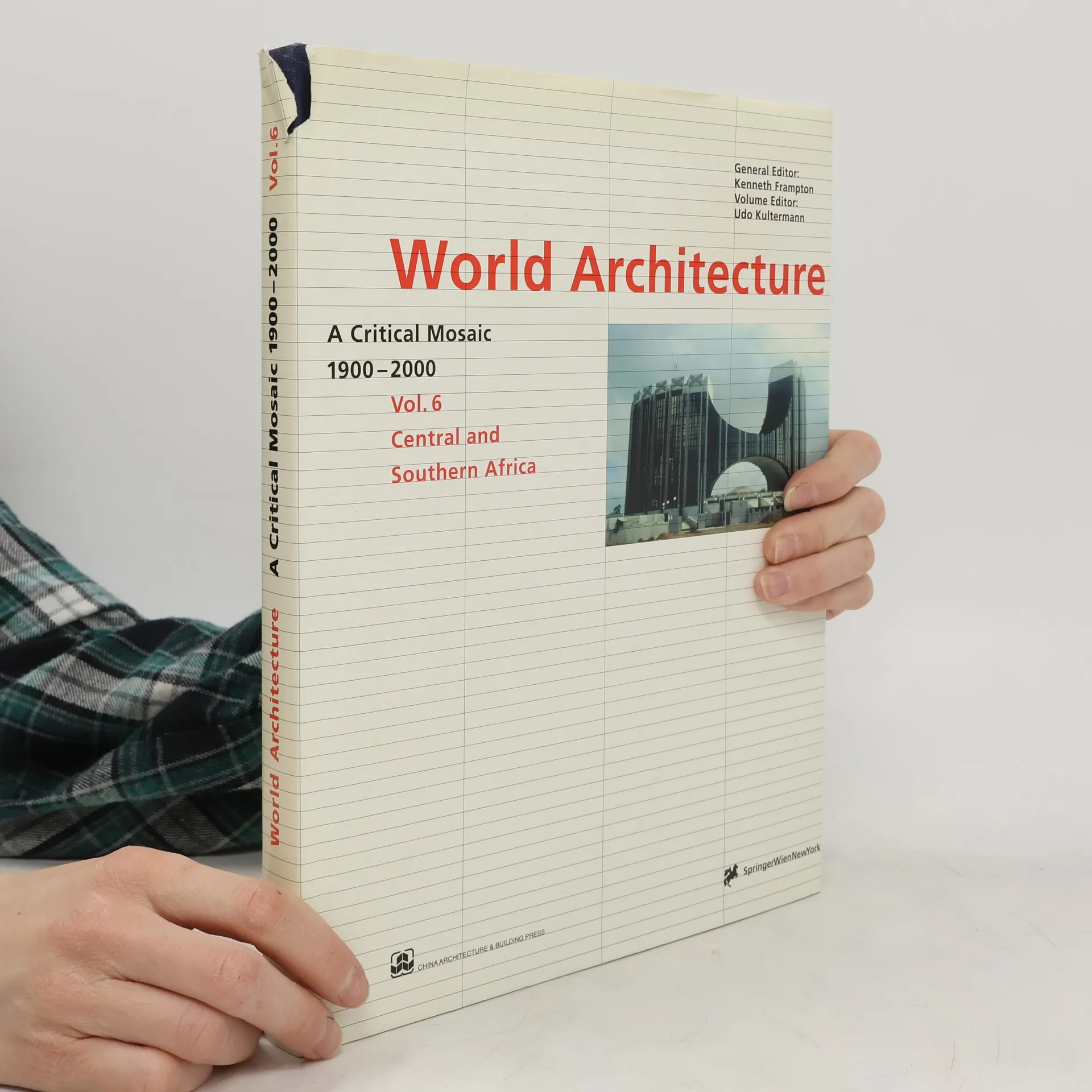
One thousand of the world's most notable buildings of the 20th century are presented in this 10-volume series. Each volume focuses on a particular geographical region, highlighting 100 buildings through text, photographs, and drawings.
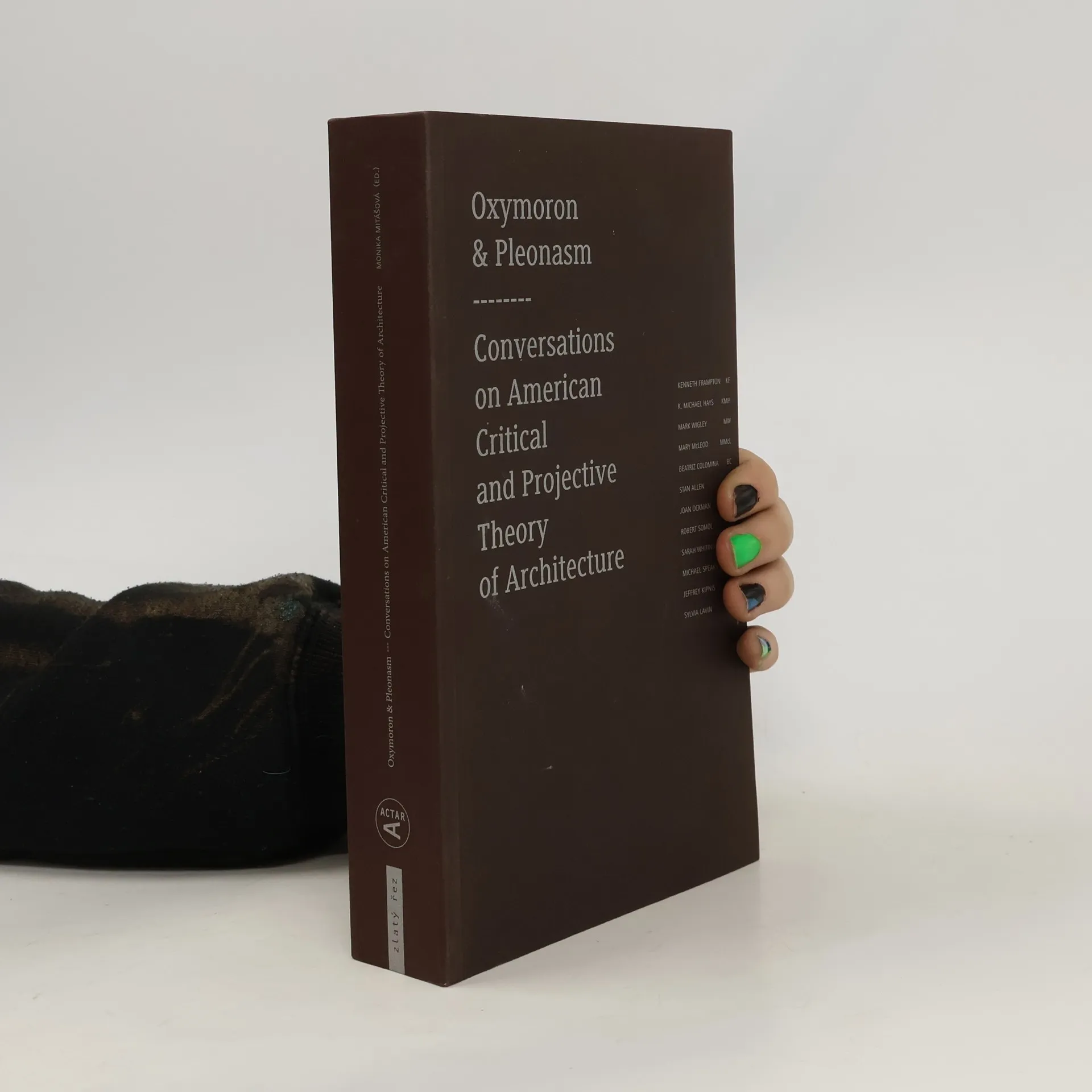
The book contains twelve interviews focusing on the problem of critical and projective approach to architectural thinking and design discussed by leading American theorists, historians and practitioners of architecture.
World Architecture 1900-2000 : a Critical Mosaic: Canada and the United States
- 266 páginas
- 10 horas de lectura
World architecture 1900-2000: a critical mosaic: vol 1-10.
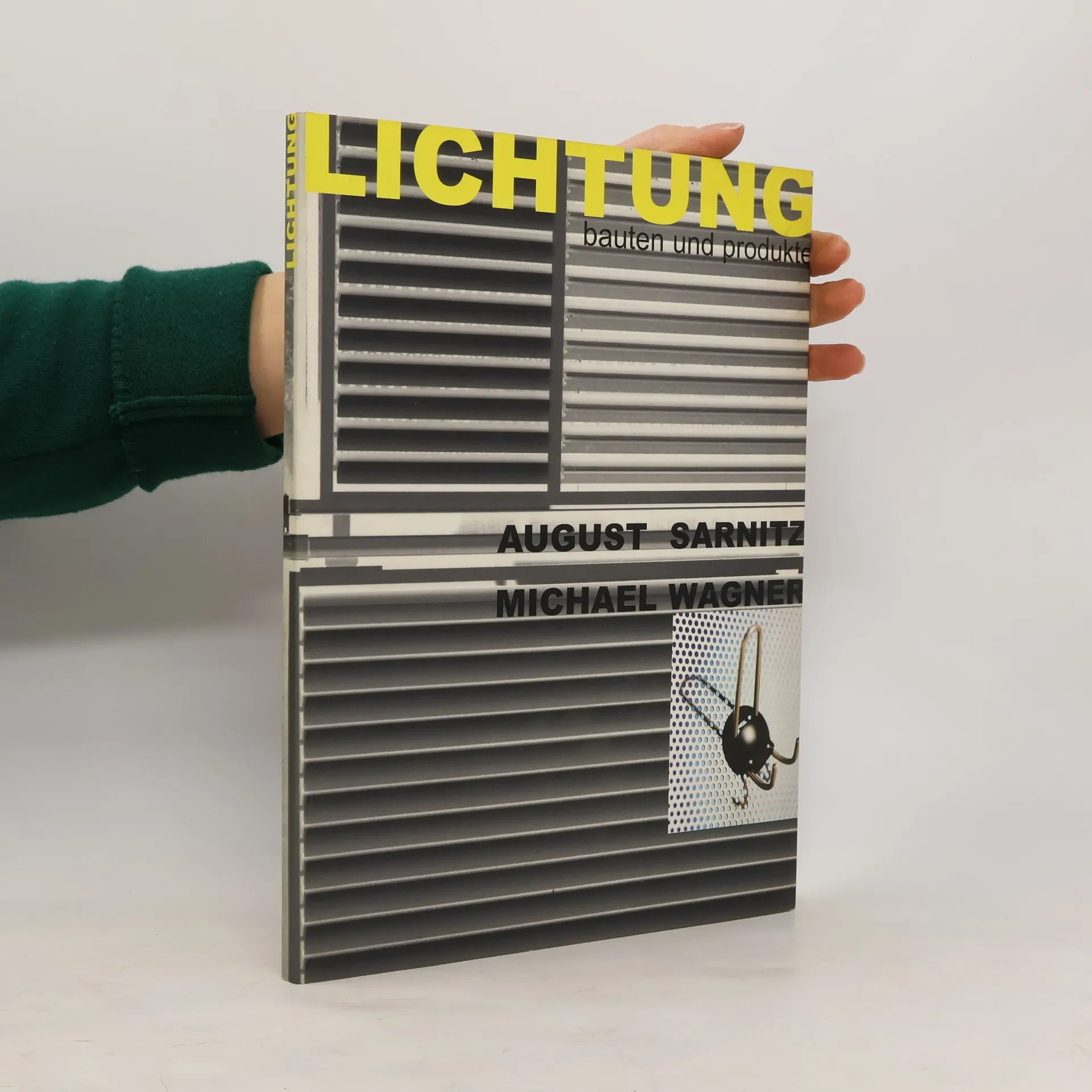
Lichtung. August Sarnitz, Michael Wagner. Bauten und Produkte
- 96 páginas
- 4 horas de lectura
Josef Plec̆nik Zacherlhaus. The Zachrl House by Jože Plečnik
- 240 páginas
- 9 horas de lectura
Das Zacherlhaus befindet sich im Herzen Wiens nur 180 Meter vom Wiener Stephansdom entfernt und ist eines der bedeutendsten Bauwerke der Otto-Wagner-Schule. Joesef Plečnik, der später an der Akademie der bildenden Künste in Prag unterrichtete und Laibach ab etwa 1925 städtebaulich umgestaltete, errichtete es für den Bauherren Johann Zacherl in den Jahren 1903–1905. Es wurde als erstes Wohn- und Geschäftsgebäude modernen Stils in der Altstadt errichtet und zählt zu seinen bekanntesten Gebäuden in Wien. Im Buch kommen ausschließlich Experten für mitteleuropäische Architektur des 20. Jahrhunderts zu Wort, wie z. B. Ákos Moravánszky und Kenneth Frampton. Eine gründliche Renovierung die 2015 abgeschlossen sein wird, ist Anlass für diese großzügig bebilderte, repräsentative Dokumentation.
Testament - manifest. Testament - manifesto
- 319 páginas
- 12 horas de lectura
Odborná publikace mapující historii Památníku Tomáše Bati ve Zlíně. Obsahuje bohatý fotografický materiál, nákresy a plány a fotodokumentaci z rekonstrukce objektu.
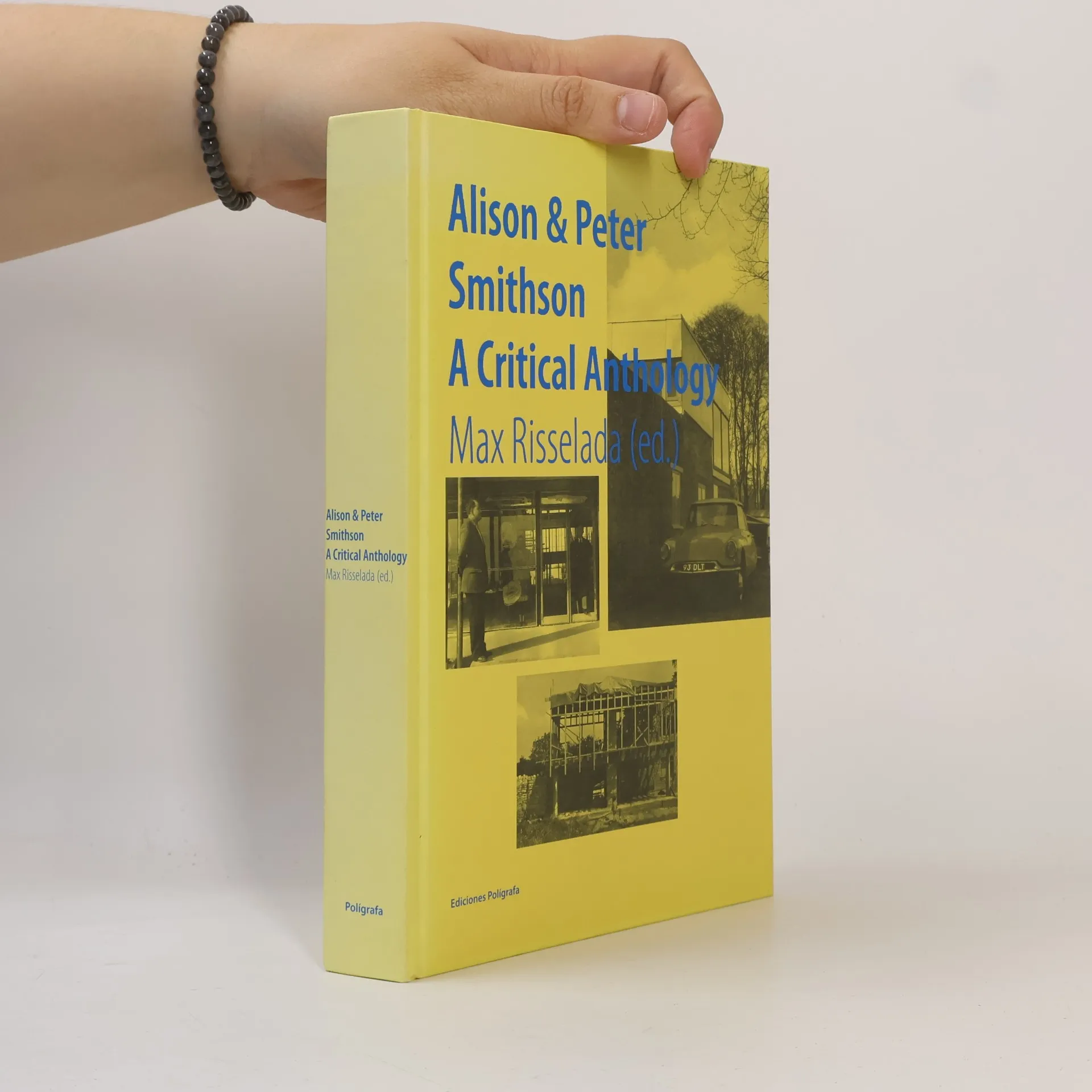
Adapting modernist ideals to postwar reconstruction in Britain, Alison and Peter Smithson emerged as influential and controversial architects in the latter half of the twentieth century. As younger members of CIAM and founding members of Team 10, they were central to the debate on modern architecture's future. Their Hunstanton Secondary Modern School (1949-1954) exemplified their approach, stripping down Mies van der Rohe's language to a rough simplicity and marking their emergence as leading figures of New Brutalism, a term they coined. Involved with the Independent Group alongside notable artists, they participated in the landmark 1956 exhibition This Is Tomorrow, connecting with the Pop art movement in Britain. This beautifully produced volume compiles significant essays on their work, featuring contributions from Reyner Banham, Peter Cook, Kenneth Frampton, Philip Johnson, and more recent texts by Peter Eisenmann, Christine Boyer, Beatriz Colomina, and Louisa Hutton. As the first publication in Poligrafa's Critical Anthology series, it offers essential critical context for understanding New Brutalism's reception in England. The Smithsons, who met at Durham University and married in 1949, introduced a new construction style emphasizing concrete and angular geometries, with later works reflecting a socialist dimension through the exposure of interior functions.
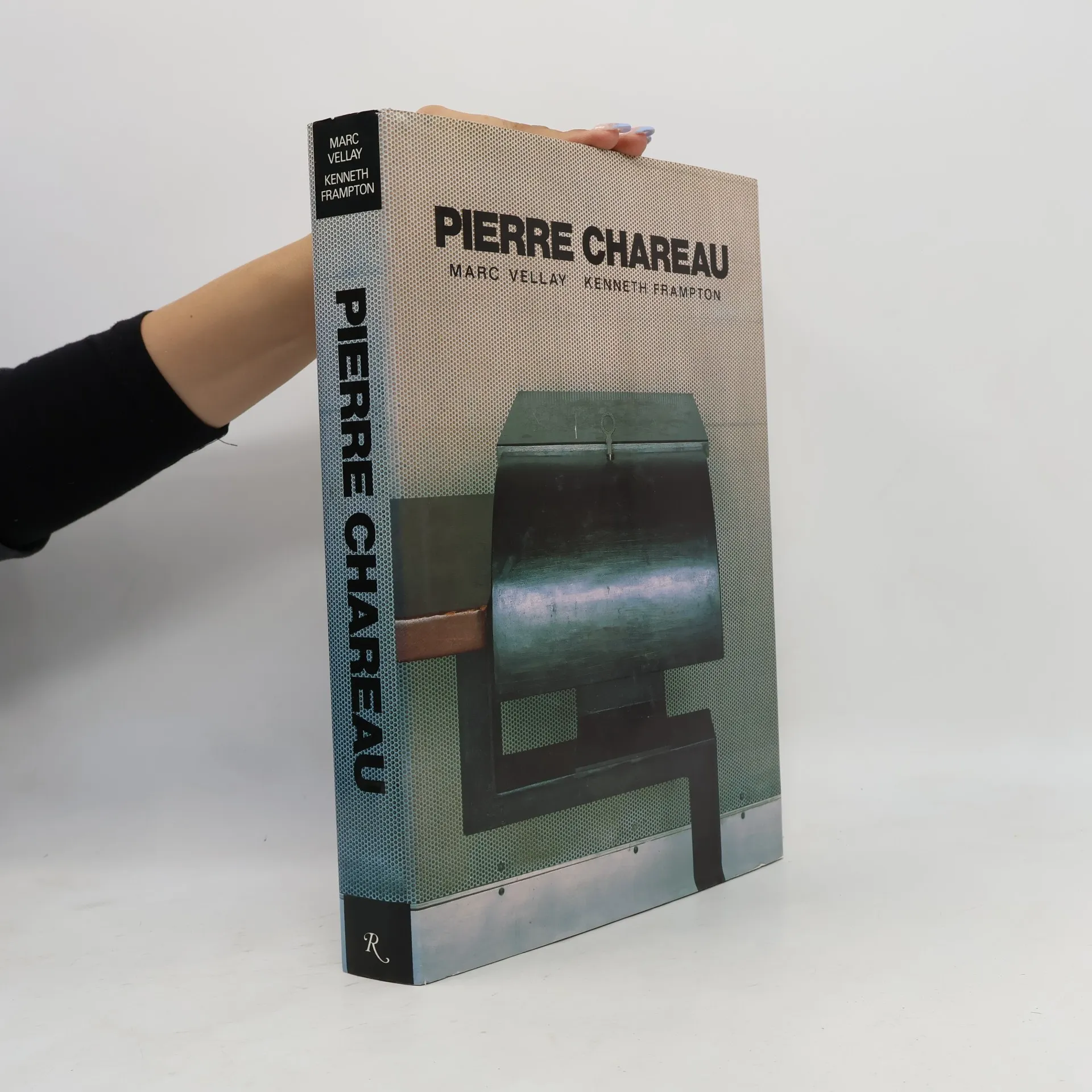
Examines the furniture designed by the French architect and discusses the role of furniture in his interior designs
Emilio Ambasz - Emerging Nature
- 312 páginas
- 11 horas de lectura
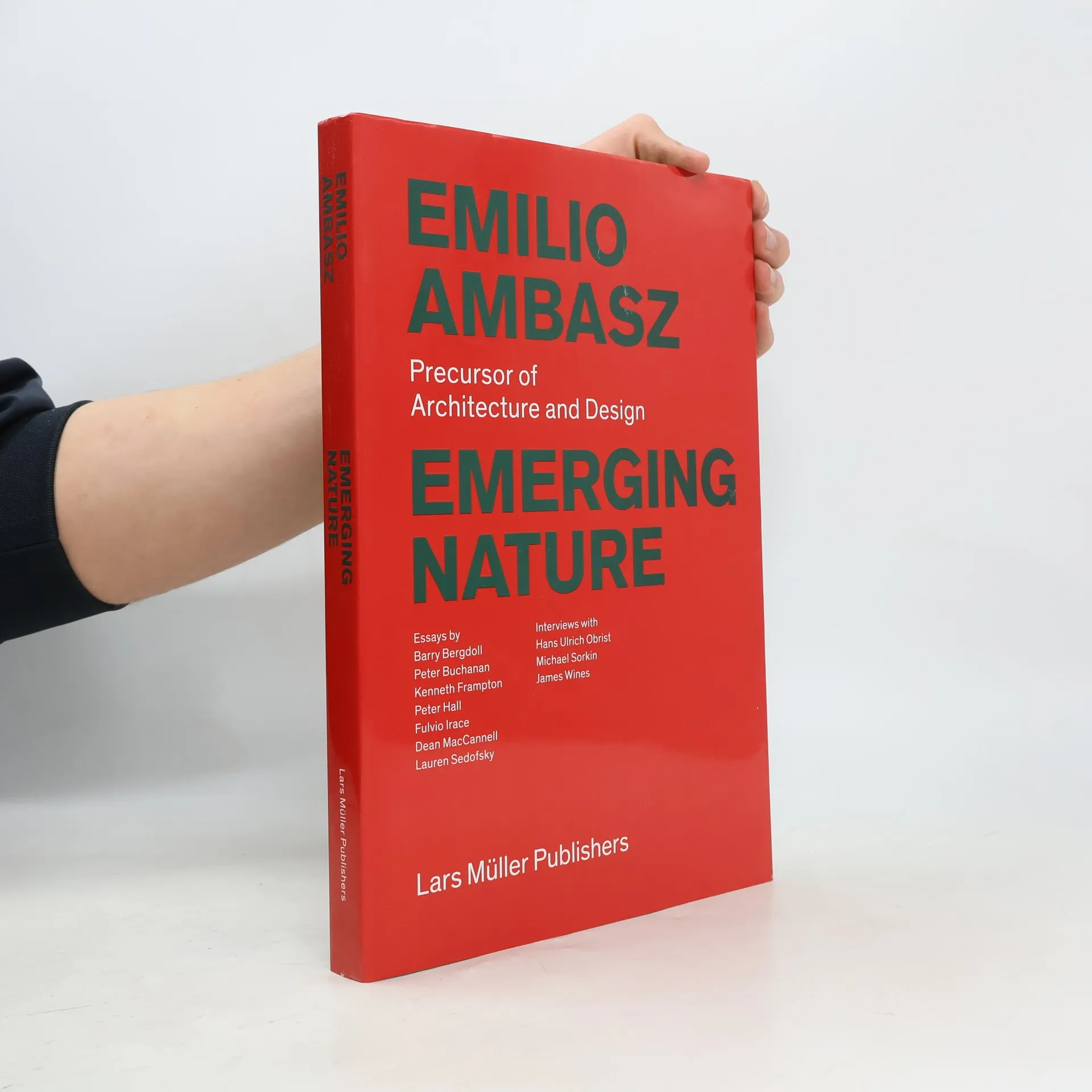
This comprehensive volume documents the work of the Argentine architect, graphic designer, and industrial designer Emilio Ambasz. Ambasz's main concern is to integrate nature and construction into architectural design, which is why he is regarded as one of the most important pioneers of Green Architecture. In his work a combination of landscape and architecture emerges, in which his respect for the environment and ecological sustainability becomes clear. A prime example of this is the Fukuoka Prefectural International Hall in Japan: a building that houses more than 100,000 m2 of exhibition spaces, theaters, and offices is also an open green area in the form of a hanging garden. In addition to the documentation of Ambasz's architectural, graphic, industrial, and exhibition design, this publication contains essays by Barry Bergdoll, Kenneth Frampton, and Peter Buchanan, as well as three interviews with Emilio Ambasz, conducted by Michael Sorkin, James Wines, and Hans Ulrich Obrist.
Shows and describes apartments, houses, a gymnasium, store, school, museum, and bank designed by the two Swiss architects and discusses their approach to architecture
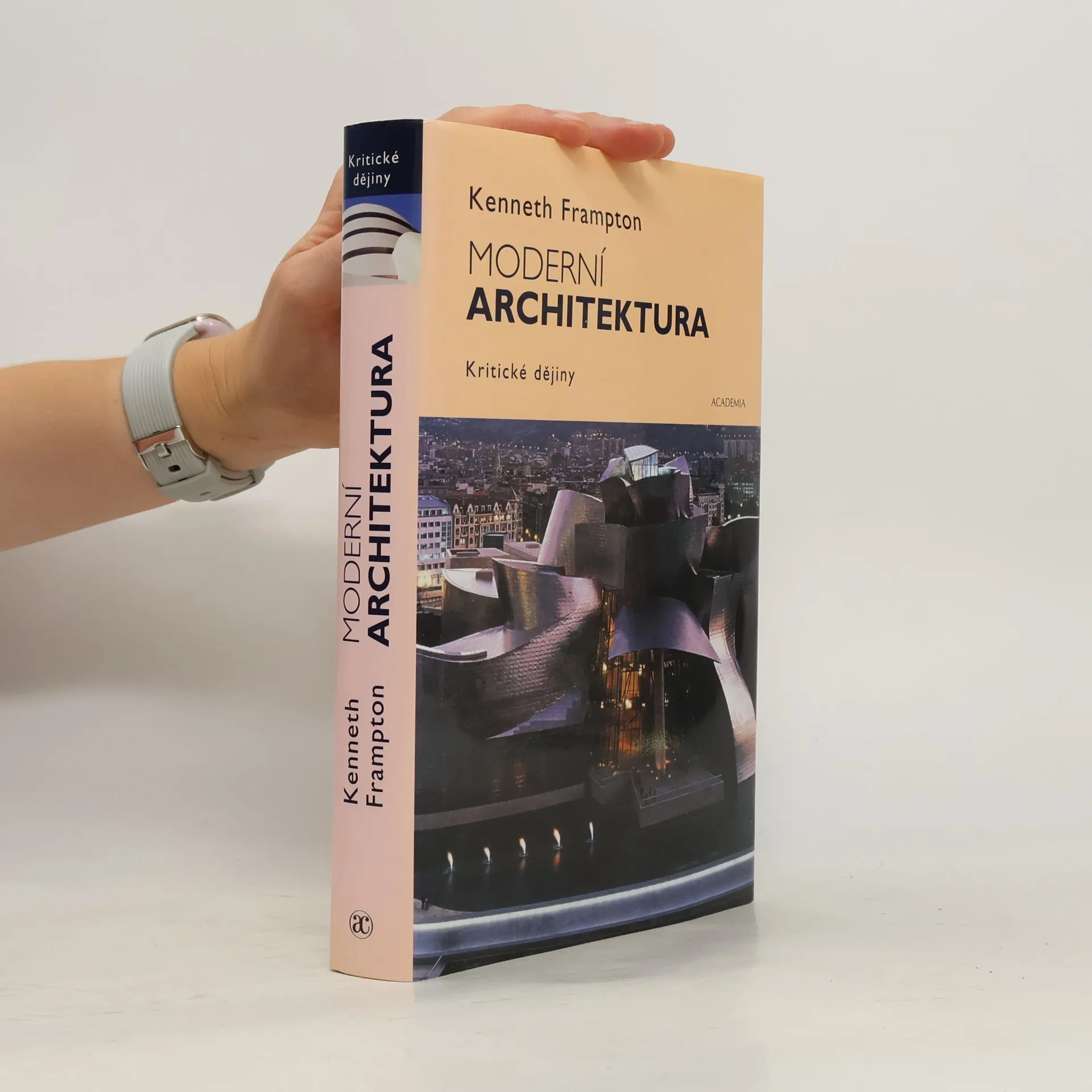
Britský historik a kritik architektury Kenneth Frampton (nar. 1930) je v současnosti jedním z nejrespektovanějších znalců a teoretiků moderní architektury. Dlouhodobě působí jako profesor na Graduate School of Architecture, Planning and Preservation Kolumbijské univerzity v New Yorku, přednášel v řadě předních institucí v tomto oboru, v roce 1996 měl přednášky také v Praze a v Brně. Napsal řadu knih a studií, které nedávno shrnul ve sborníku statí Práce, dílo a architektura (Labour, Work and Architecture, 2002). Jednoznačně největší úspěch zaznamenaly jeho „kritické dějiny“ moderní architektury. Kniha opakovaně vychází anglicky i v překladech do mnoha jazyků, přičemž autor ji od prvního vydání přepracoval a doplnil, a v současnosti je považována za nejpronikavější výklad vývoje moderní architektury.
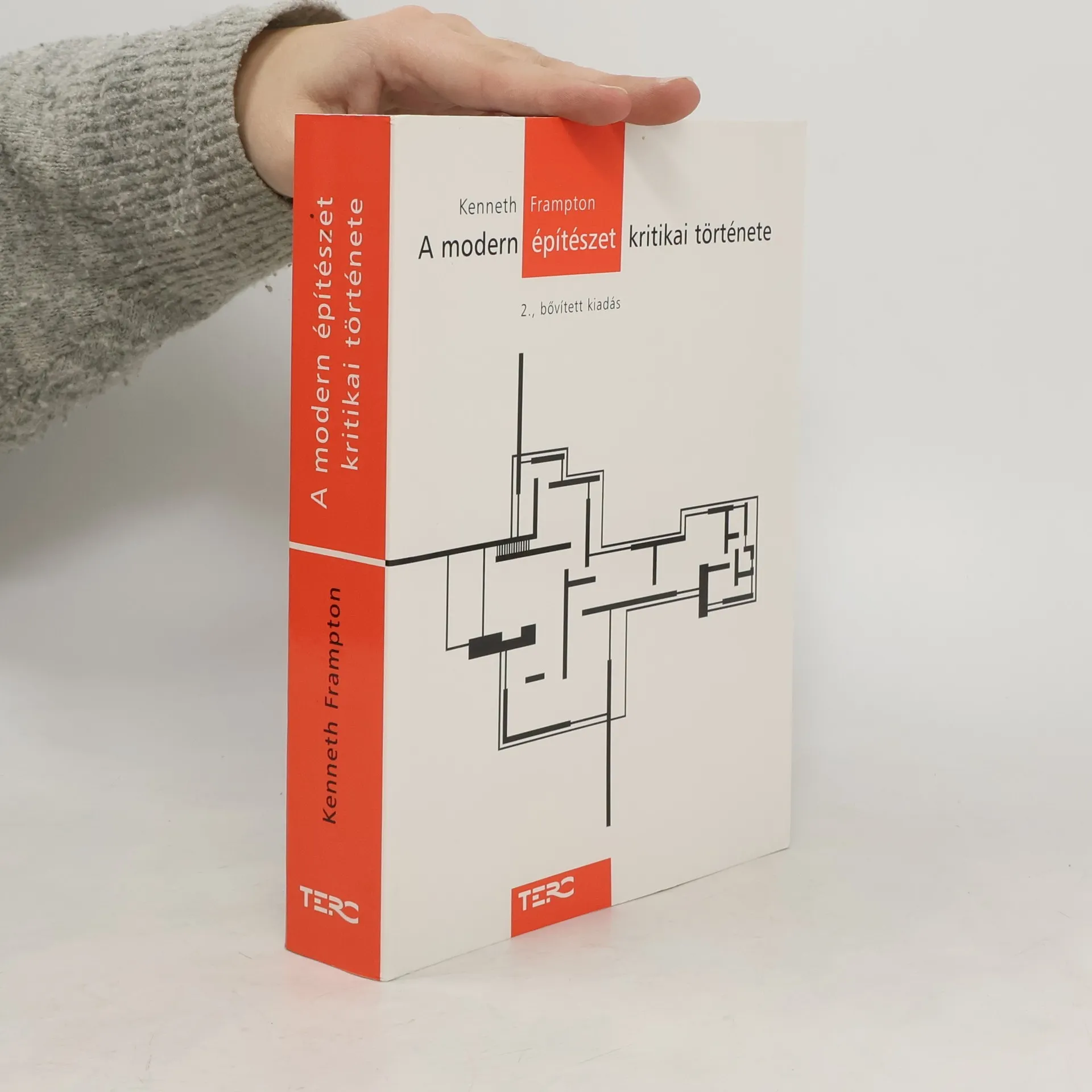
A modern építészet kritikai története
- 566 páginas
- 20 horas de lectura
Adolf Loos. Architektur
- 180 páginas
- 7 horas de lectura
Die Entwicklung der Architektur im 20. Jahrhundert
- 159 páginas
- 6 horas de lectura
Kenneth Frampton – Grandseigneur der Architekturgeschichte – legt hiermit eine Genealogie der Architekturstile des 20. Jahrhunderts vor. Sein Zugang ist von bestechender Klarheit: vier Entwicklungslinien, an denen sich die Triebfedern der Erneuerung innerhalb der Architektur abzeichnen. Er strukturiert seine Betrachtung, fokussiert auf die relevanten Zeiträume, in 1. Avantgarde (1887–1986); 2. Organische Architektur (1910–1998); 3. Moderne und Nationalstile (1935–1998) und 4. Industrialisierung und Vorfertigung (1927–1990). Seine Übersicht ist, wie schon der Titel sagt, keine lexikalische Ansammlung chronologischer Abläufe. Die Einsichten gehen zugunsten eines souveränen Überblicks über Geschichte, Theorie und Motive der Architektur und – nicht zuletzt – auch der Wege der großen Architekten des 20. Jahrhunderts.