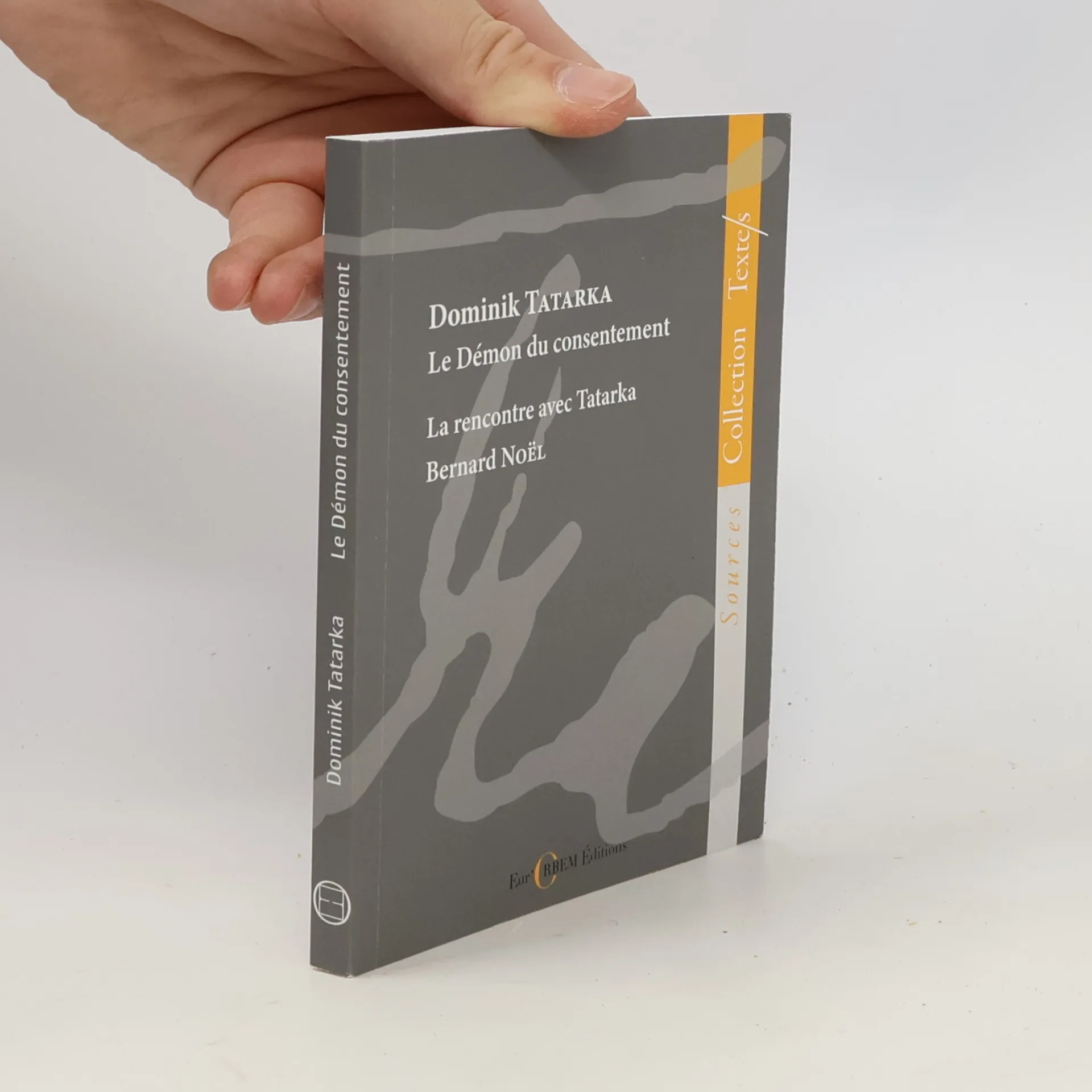
Collection Textes / Sources: Le démon du consentement
Et autres textes ; La rencontre avec Tatarka
- 186 páginas
- 7 horas de lectura


Bernard Noël es un escritor y poeta francés cuya obra profundiza en las profundidades de la existencia humana. Su escritura se caracteriza por una intensa introspección y un lenguaje poético que revela las complejidades de las emociones y los pensamientos. Noël explora temas como la memoria, el tiempo y la efimeridad, con un estilo a menudo descrito como evocador y sugerente. Su trabajo ofrece a los lectores una perspectiva única sobre la condición humana y los desafíos que enfrentamos.

Et autres textes ; La rencontre avec Tatarka
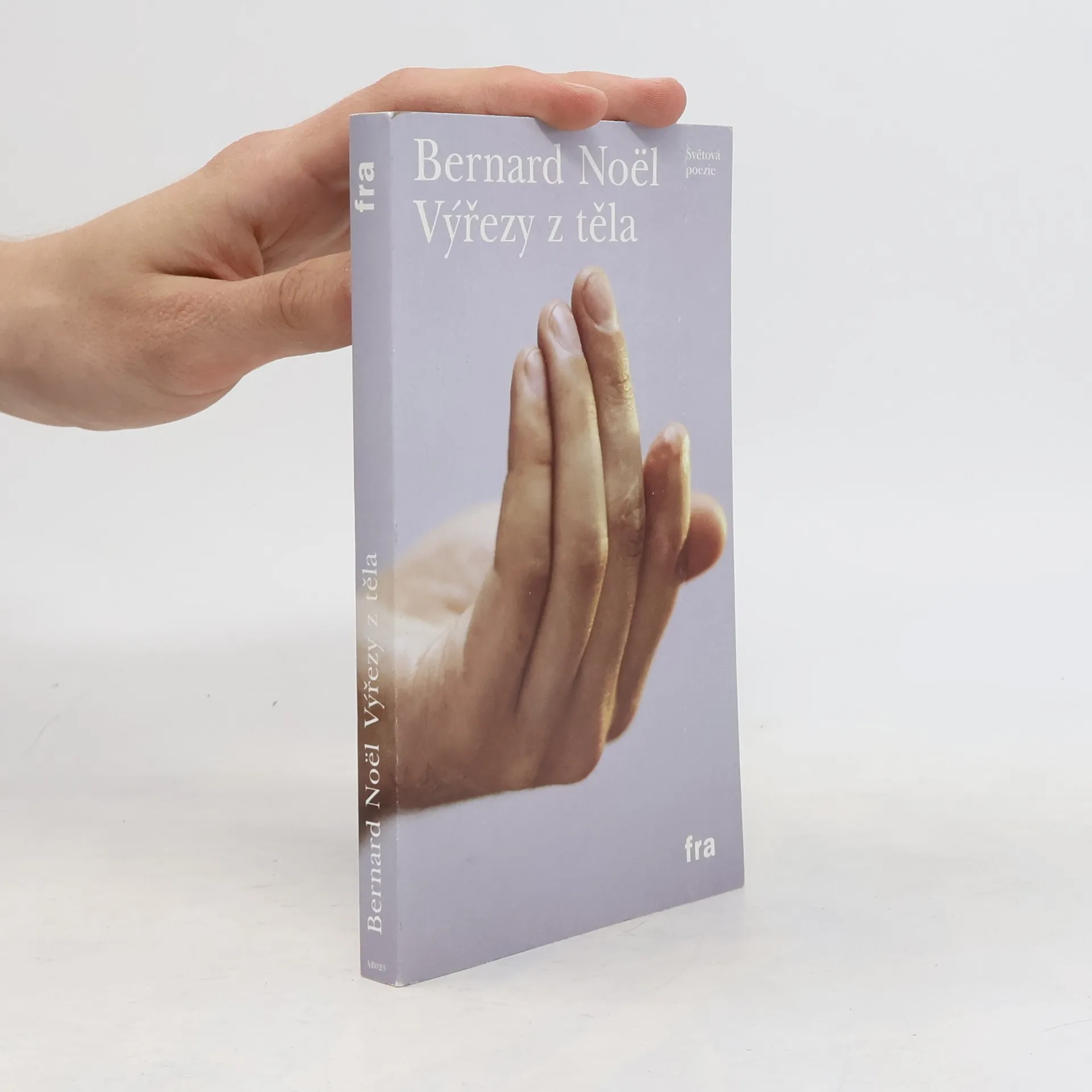
Co udělá tělo, když jím prošlehne ničivý milostný cit? A co udělá, když jím proběhne elektrický výboj při mučení? Zkroutí se do oblouku, který se klene mezi první a jednou z posledních sbírek Bernarda Noëla (1930). Od Výřezů z těla po Sonety smrti vystavuje tělo i slovo krajním situacím, ohledává, zbavuje podstaty. Mezi elektrickými póly jiskří básnická řeč, zařezává se do kůže a její světlo je někdy bolestivě oslepující. Kdo udrží oči otevřené, zvykne si na tu násilnou záři a dočte až do konce, pozná, že Noëlova poezie je především navýsost lidská.
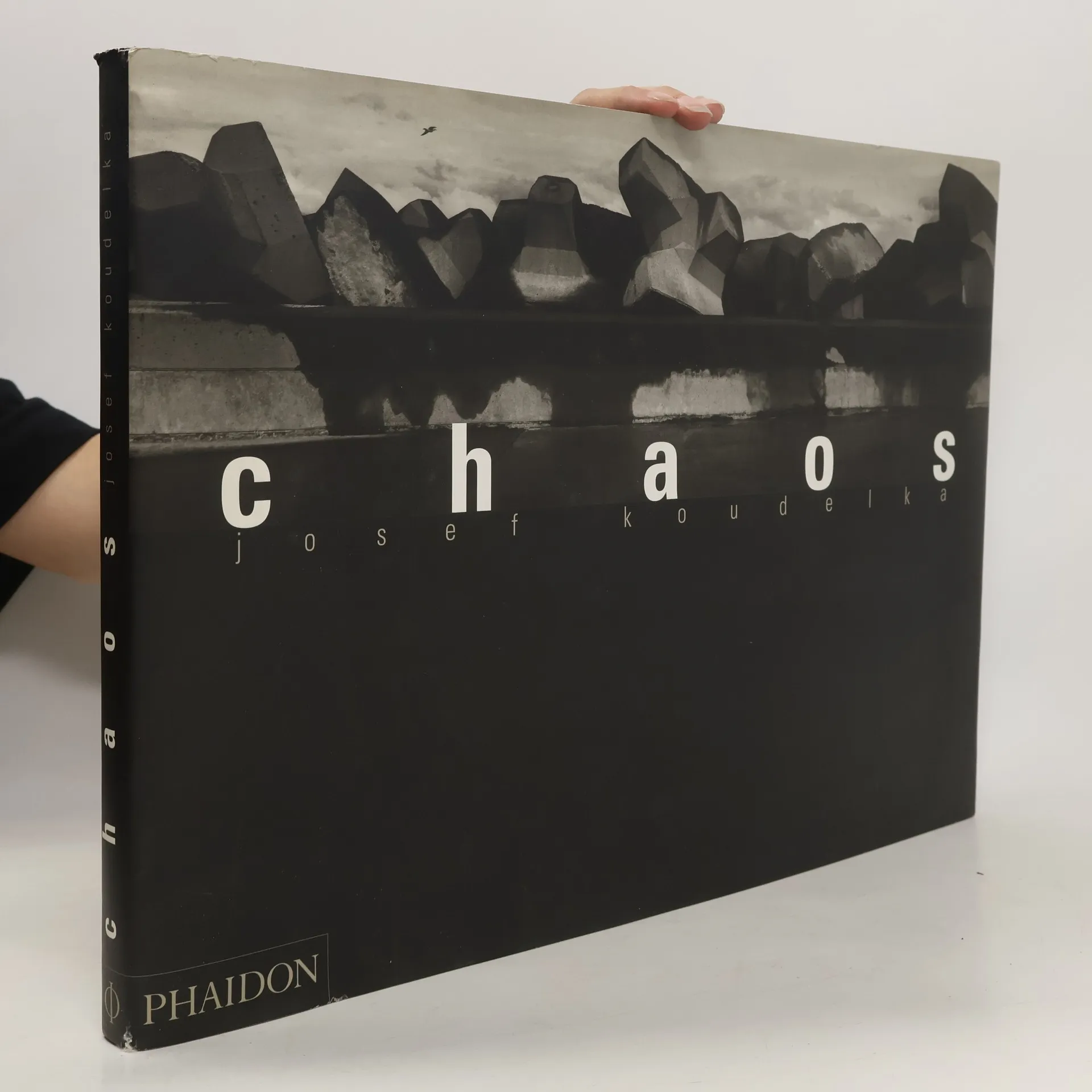
A collection of dramatic panoramic landscapes by a leading Magnum photographer.
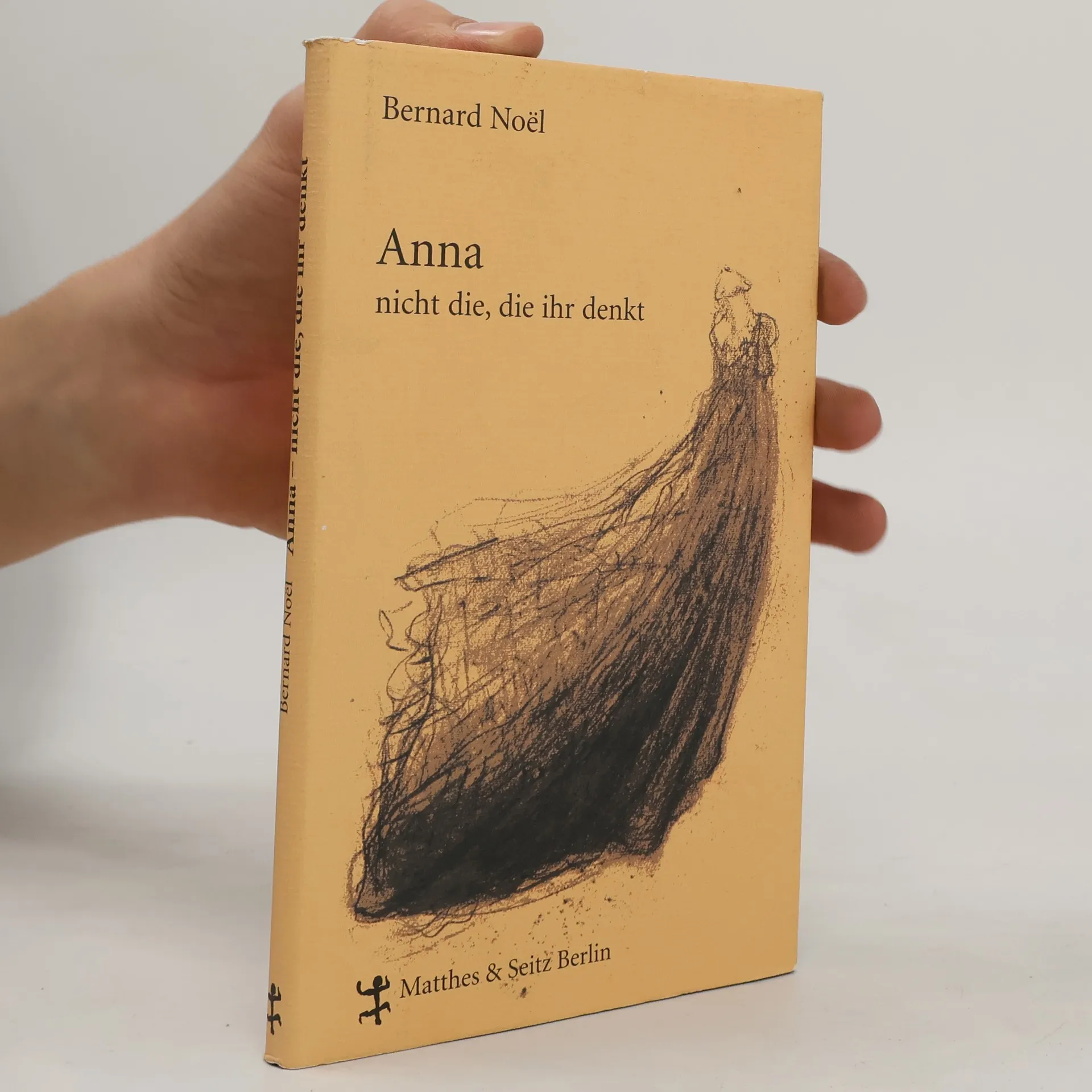
Bernard Noël erweckt in diesem fiktiven Monolog die Gedankenwelt der italienischen Schauspielerin Anna Magnani (1908-1973) zum Leben. Der Text von hoher poetischer Dichte und Intensität ist eine unablässige Selbstbefragung der Schauspielerin vor ihrem Tod. Anna spricht. Ein letztes Mal. Sie träumt, erinnert sich. Läßt den Bilderreigen ihres Lebens vor dem inneren Auge vorüberziehen. Sie reißt sich die Masken vom Gesicht und vertreibt so all ihre Doppelgängerinnen, die sie auf der Bühne und vor der Kamera verkörpert hat. Was hat der Ruhm aus ihr gemacht? Eine Diva? Eine Hydra? Ein Tausendschön? Noël entwirft kein biographisch-historisches Porträt der Schauspielerin, er streut nur vereinzelt Details über die Epoche des Neorealismus und ihre italienischen Regisseure in den Monolog ein. Es entsteht ein raffiniertes Geflecht aus Passagen zwischen Wirklichkeit und Fiktion, zwischen Erlebnis, Erinnerung und Phantasie, in dem sich das Konstrukt des menschlichen Ichs unendlich vervielfacht.
En 1969, Bernard Noël, sous le pseudonyme d'Urbain de Orlhaku, publie une œuvre qui devient l'un des textes majeurs de la littérature érotique française. L'histoire se déroule sur une île mystérieuse, où le protagoniste traverse un long parcours d'initiation sexuelle en tant qu'amant de la Lune, vivant une expédition dantesque de souffrance et d'extase. Le point culminant est un rituel de purification sexuelle au Château de la victime, décrit dans un langage poétique à la fois magique et vulgaire. L'intensité de l'œuvre reflète les circonstances de sa création, l'auteur ayant écrit le livre en trois semaines en réaction à la situation politique en France à la fin des années soixante, ce qui lui a valu un procès pour atteinte aux bonnes mœurs. Le livre inclut également des fragments d'une suite projetée et un essai intitulé "La Profanation des mots", où l'auteur réfléchit sur les tentatives infructueuses du gouvernement français de censurer son œuvre et explore la relation entre littérature et censure. Il s'interroge sur la signification de l'inacceptable et souligne que l'écriture a été pour lui un moment de joie et de liberté. Aujourd'hui, il se demande si son livre, jadis jugé pour atteinte aux mœurs, est devenu inoffensif ou si la censure a simplement changé de stratégie, en niant la valeur des excès de l'imaginaire et des valeurs rationnelles, nous privant ainsi de leur plaisir.
Henri Matisse is often regarded as one of the greatest painters of the twentieth century and a master of color. This oversized, lavishly illustrated volume provides an accessible introduction to his life and work. Nicholas Watkins chronicles Matisse's artistic journey, from the Fauvist paintings at the 1907 Salon d'Automne to his final paper cut-outs, culminating in the Vence Chapel. He explores the full spectrum of Matisse's creations, including paintings, sculpture, and illustrations, with visual sensitivity and a warm writing style. Watkins offers insightful analysis of specific masterpieces such as The Dinner Table, Le Bonheur de vivre, and Luce, calme et volupe, highlighting their complexity. He also examines Matisse's responses to the artistic, political, and social climate of his time, spanning movements from Cubism to the World Wars. The book features 225 illustrations, nearly 100 in color, showcasing the richness of Matisse's oeuvre while balancing key works with lesser-known pieces. Additionally, it includes illustrations of works by artists who influenced Matisse. Nicholas Watkins, a Senior Lecturer in the History of Art at Coventry Polytechnic, regularly contributes to leading art journals.
Book by Centre national de la photographie (France)
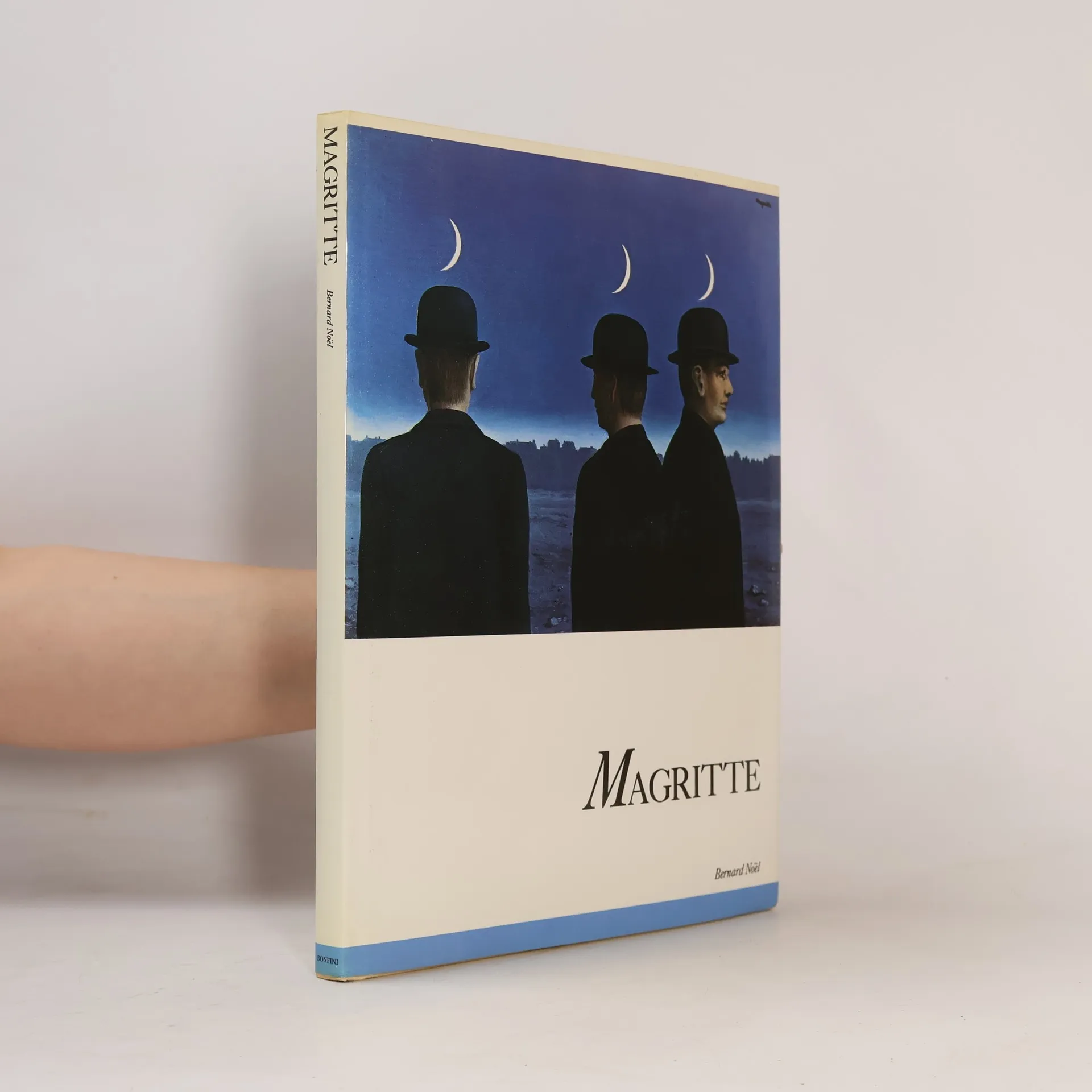
This installation of the Modern Master series surveys the work of Rene Magritte, one of the most enigmatic artists of the 20th century and an important figure in the surrealist movement. He combined the commonplace with the fantastic to become the master of "magic realism." Cloud-filled skies, bowler-hatted men, and oversized household objects are in abundance in the more than 60 full-color reproductions included in this volume.