
Bookbot

Elkhonon Goldberg

    1 de enero de 1946

    Elkhonon Goldberg es un autor distinguido cuyo trabajo se adentra en los intrincados reinos de la neuropsicología y la neurociencia cognitiva. Su investigación explora significativamente la especialización hemisférica y la teoría de la 'novedad-rutinización'. El enfoque de Goldberg para comprender el cerebro está moldeado por sus extensos estudios y práctica clínica, ofreciendo a los lectores una perspectiva única sobre las complejidades de la cognición humana. Sus escritos son valorados por su profundidad intelectual y su capacidad para iluminar cómo el cerebro procesa la información y responde a nuevos estímulos.

    Elkhonon Goldberg
    Die Weisheits-Formel
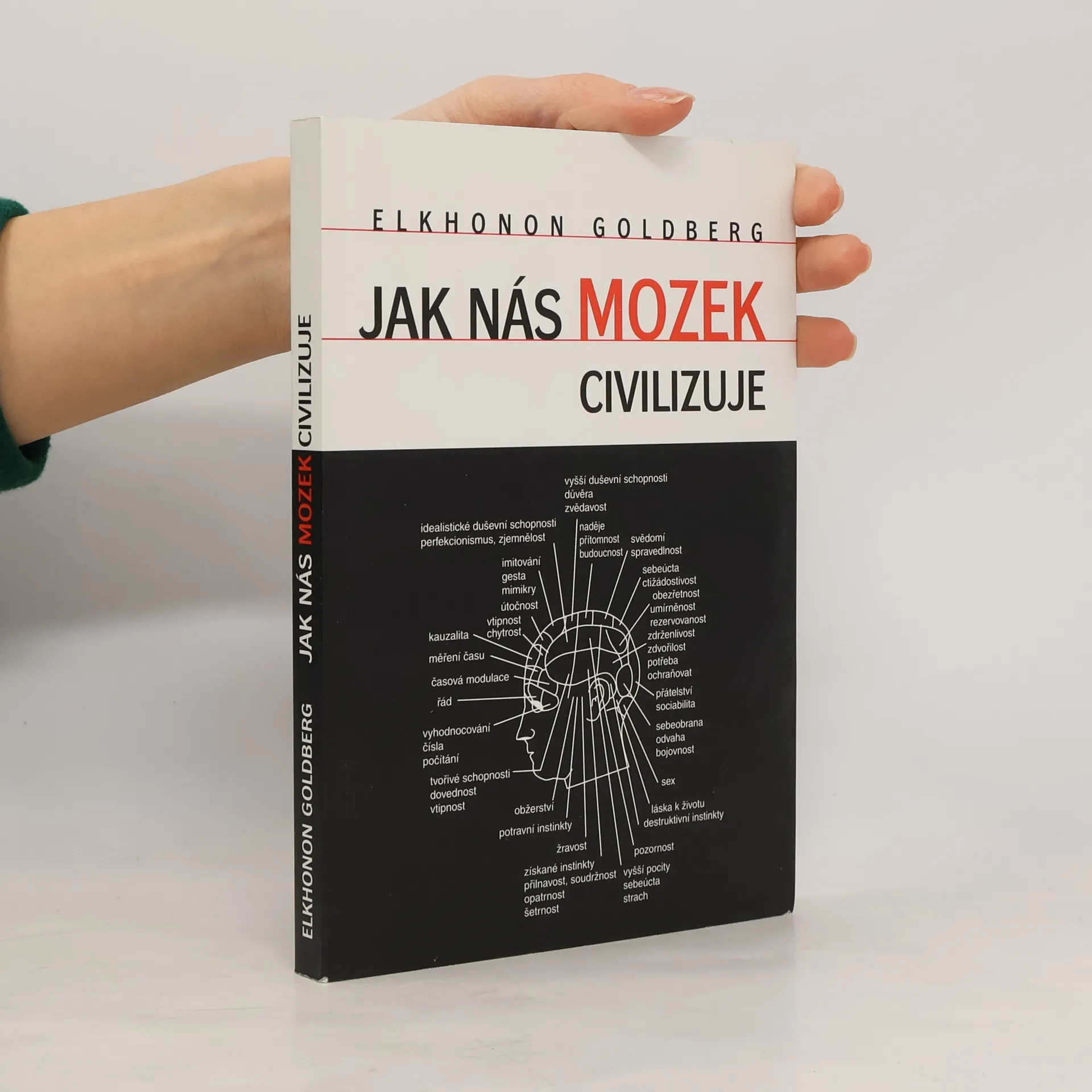
    Jak nás mozek civilizuje : čelní laloky a řídící funkce mozku
    Paradox moudrosti: Jak být duševně výkonnější, přestože mozek stárne
    The Wisdom Paradox
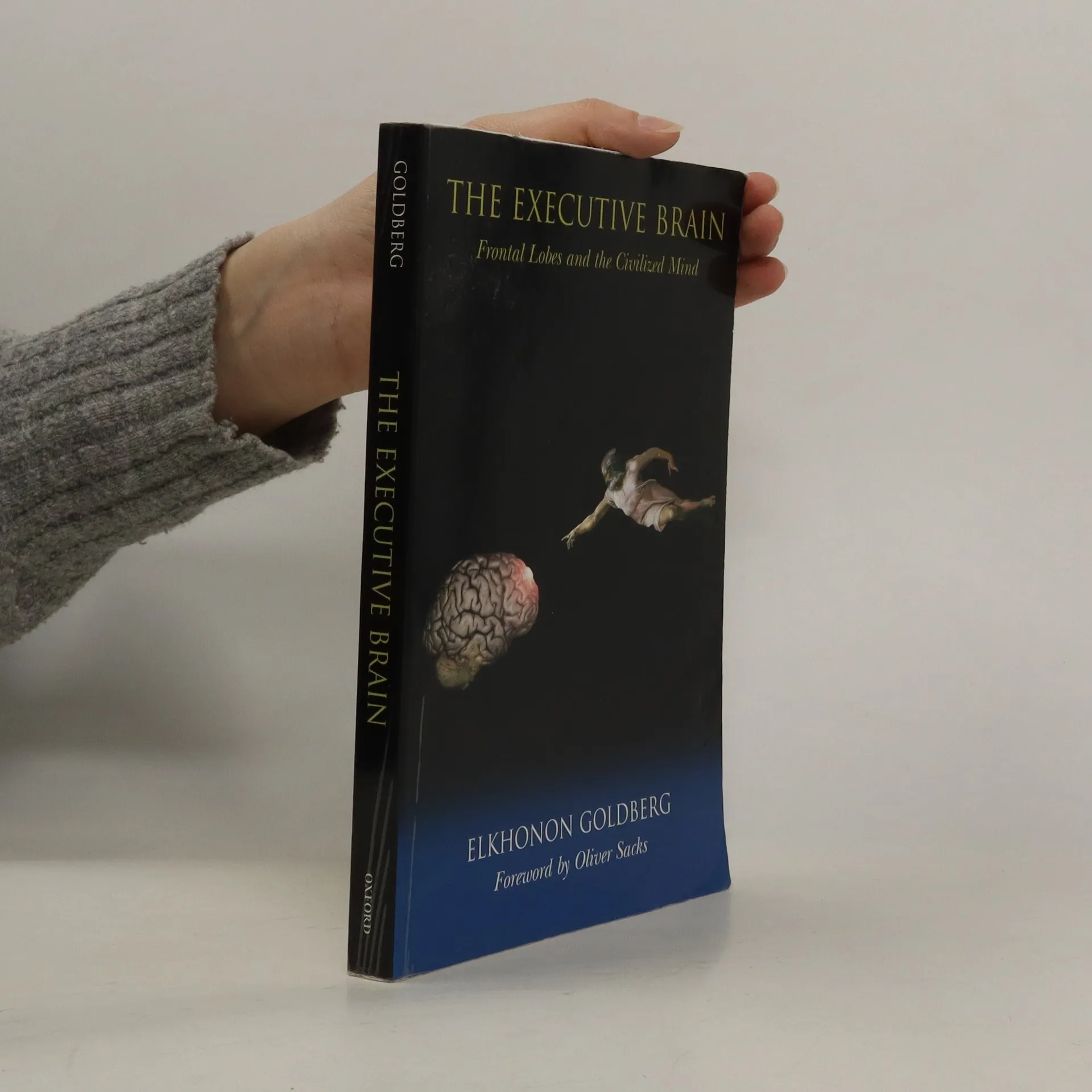
    The Executive Brain
    The new executive brain. Frontal lobes in a complex world
    • 2010

      De wijsheidsparadox

      Hoe het verstand groeit terwijl de hersenen ouder worden - druk 2

      • 352 páginas
      • 13 horas de lectura

      Populair-wetenschappelijke beschrijving van de werking van de hersenen, met name bij het ouder worden, waarin ervoor wordt gepleit dat de hersenen dan eerder verbeteren dan verslechteren.

      De wijsheidsparadox
    • 2009

      Elkhonon Goldberg's new book presents innovative ideas about the brain-mind relationship, expanding on his earlier work. He offers a broad overview of contemporary cognitive neuroscience and neuropsychology, moving beyond just the frontal lobes. By integrating the latest discoveries with compelling case studies and anecdotes, Goldberg examines complex decision-making, handling novelty and ambiguity, and moral choices, while challenging established beliefs. For instance, while the left hemisphere is traditionally viewed as the center of language, Goldberg posits that language may not be its primary function, noting that apes, which lack language, still exhibit asymmetric hemispheric development. He also highlights the intricate interplay between the frontal lobes and the amygdala, illustrating how this dynamic influences emotions as conscious thoughts confront automatic impulses. A personal anecdote about his struggle to pick up a harmless baby alligator exemplifies this interaction. Through this work, Goldberg solidifies his reputation as a leading scientist, delivering clear writing and transformative ideas that invite readers to rethink their understanding of the brain.
      The new executive brain. Frontal lobes in a complex world
    • 2007

      Monika Niehaus-Osterloh, Diplom in Biologie, Promotion in Neuro- und Sinnesphysiologie, ist freiberuflich als Autorin, Journalistin und naturwissenschaftliche Übersetzerin (englisch/französisch) tätig. 2021 wurde sie mit dem Martin-Wieland-Übersetzerpreises ausgezeichnet.

      Die Weisheits-Formel
    • 2006

      Publikace určená odborníkům i širší veřejnosti pojednává o tom, že stárnutí mozku nemusí nutně znamenat pokles mentální výkonnosti. Tomuto problému se věnuje v řadě rovin - historické, kulturní, psychologické a neurologické a doplňuje je příklady ze života historických osobností. Zabývá se funkcemi obou hemisfér a oproti dosavadnímu tvrzení zdůrazňuje nový vědecký poznatek, že i mozkové buňky se obnovují. V závěru přináší kniha nápady, s jejichž pomocí lze stárnutí mozku zpomalit či dokonce potlačit.

      Paradox moudrosti: Jak být duševně výkonnější, přestože mozek stárne
    • 2005

      The Wisdom Paradox

      How Your Mind Can Grow Stronger as Your Brain Grows Older

      • 352 páginas
      • 13 horas de lectura

      Focusing on the aging mind, this book presents a positive view of mental decline, emphasizing the growth of "wisdom" as individuals age. Neuropsychologist Elkhonon Goldberg reveals that while singular memory diminishes, generic memory thrives, allowing older adults to leverage accumulated knowledge and experience for effective decision-making. He explores the neurobiology behind wisdom and highlights historical figures whose most significant contributions occurred later in life, challenging the stigma around cognitive aging.

      The Wisdom Paradox
    • 2004

      Kniha amerického neuropsychologa, žáka Alexandra Luriji, se věnuje řídicím funkcím lidského mozku. Po stručném popisu základní stavby a funkcí mozku se autor zabývá významem správného fungování čelních laloků a charakterizuje následky jejich poškození pro lidské chování. Velmi čtivé a srozumitelné podání výkladu, ilustrovaného řadou příkladů, zpřístupňuje tuto problematiku i laickému čtenáři. (čelní laloky a řídící funkce mozku)

      Jak nás mozek civilizuje : čelní laloky a řídící funkce mozku
    • 2002

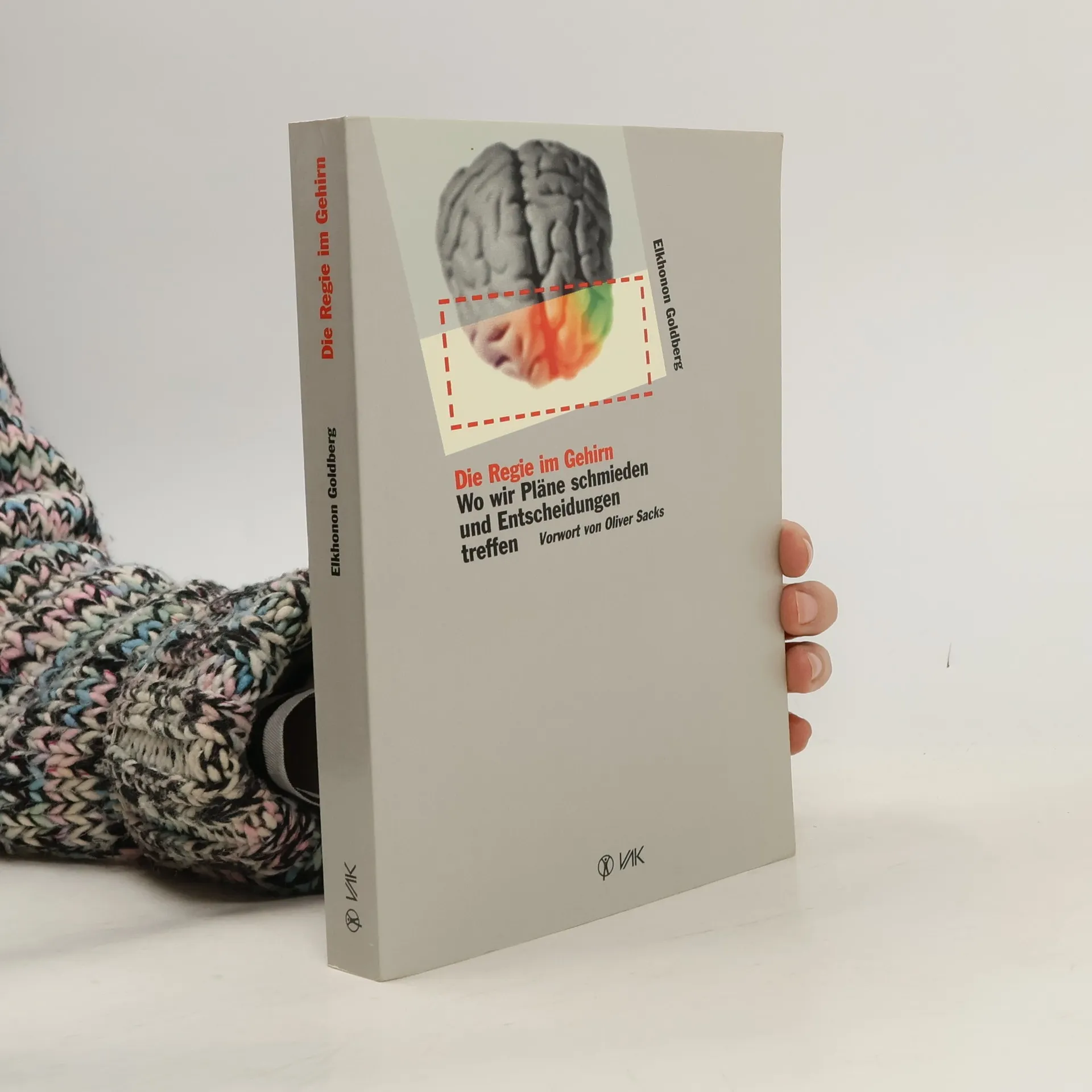
      Pläne schmieden, Strategien entwickeln, Hindernisse einkalkulieren und mit klug ausgewählten Mitteln aufs Ziel zugehen: Ohne die Frontallappen wäre der Mensch dazu nicht fähig. Als einziges Lebewesen verfügt er über diese großartige Gehirnstruktur, die all seine Handlungen koordiniert. Die vielfältigen Aufgaben der Frontallappen sind mit denen eines Regisseurs vergleichbar. Elkhonon Goldberg vergleicht sie in diesem Buch auch mit einem Dirigenten, der das „Orchester des Gehirns“ zum harmonischen Zusammenspiel bringen muss. Ein international anerkannter Experte unternimmt hier den Versuch, in allgemein verständlicher Form über die Funktionen des Gehirns und insbesondere über die der Frontallappen zu informieren. Mit anregenden Anekdoten und spannenden Fallbeispielen erklärt Goldberg aktuelle Erkenntnisse aus der Gehirn- und Kognitionsforschung. Selbst seinen eigenen Lebensweg nimmt er als Beispiel, um die Bedeutung der Frontallappen für unser Tun und Denken aufzuzeigen.

      Die Regie im Gehirn
    • 2001

      The Executive Brain

      Frontal Lobes and the Civilized Mind

      • 276 páginas
      • 10 horas de lectura

      Made up of fascinating histories and anecdotes, Goldberg's book offers a panorama of state-of-the-art ideas and advances in cognitive neuroscience to show the importance of the human brain's frontal lobes. 3 halftones. Illustrations & graphs.

      The Executive Brain