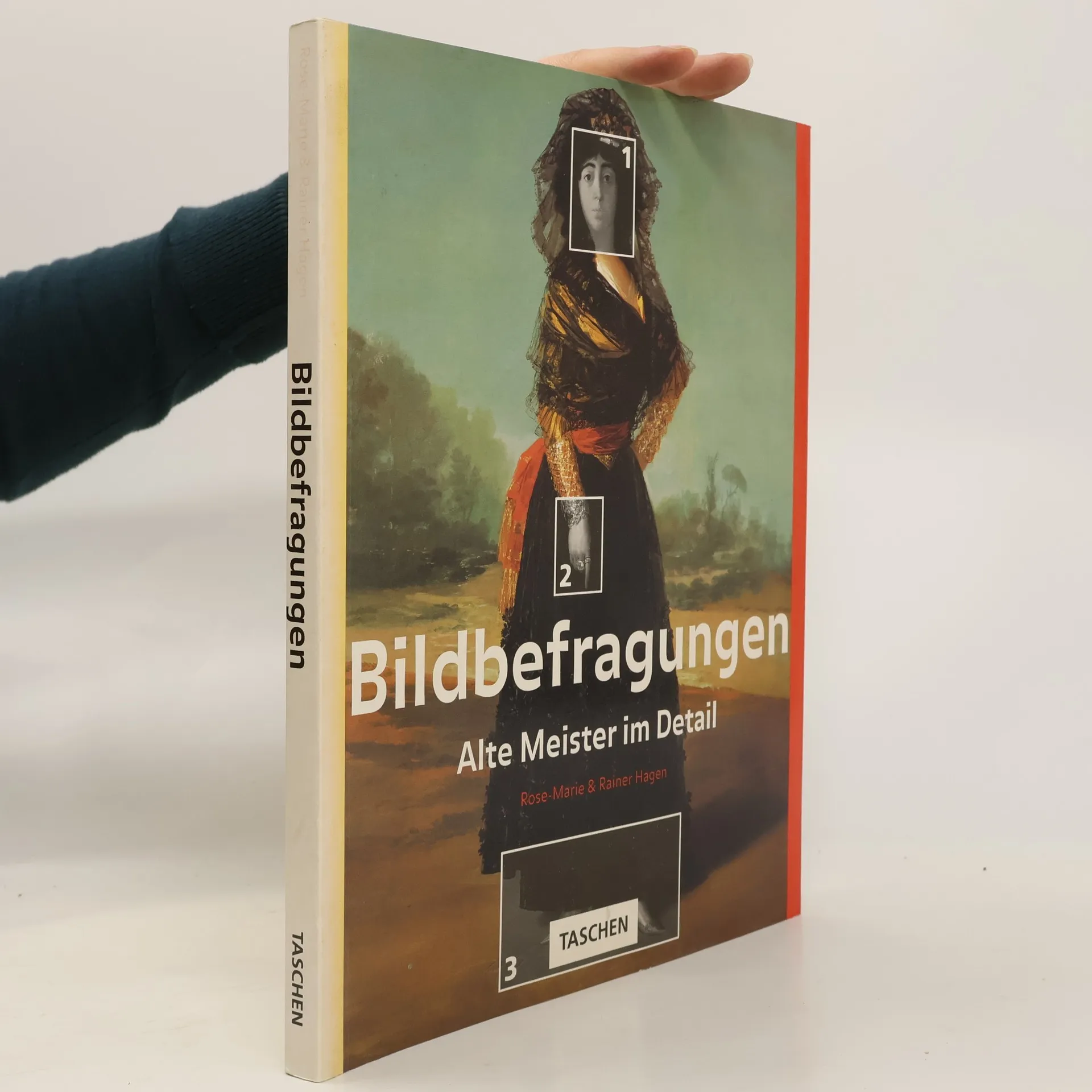
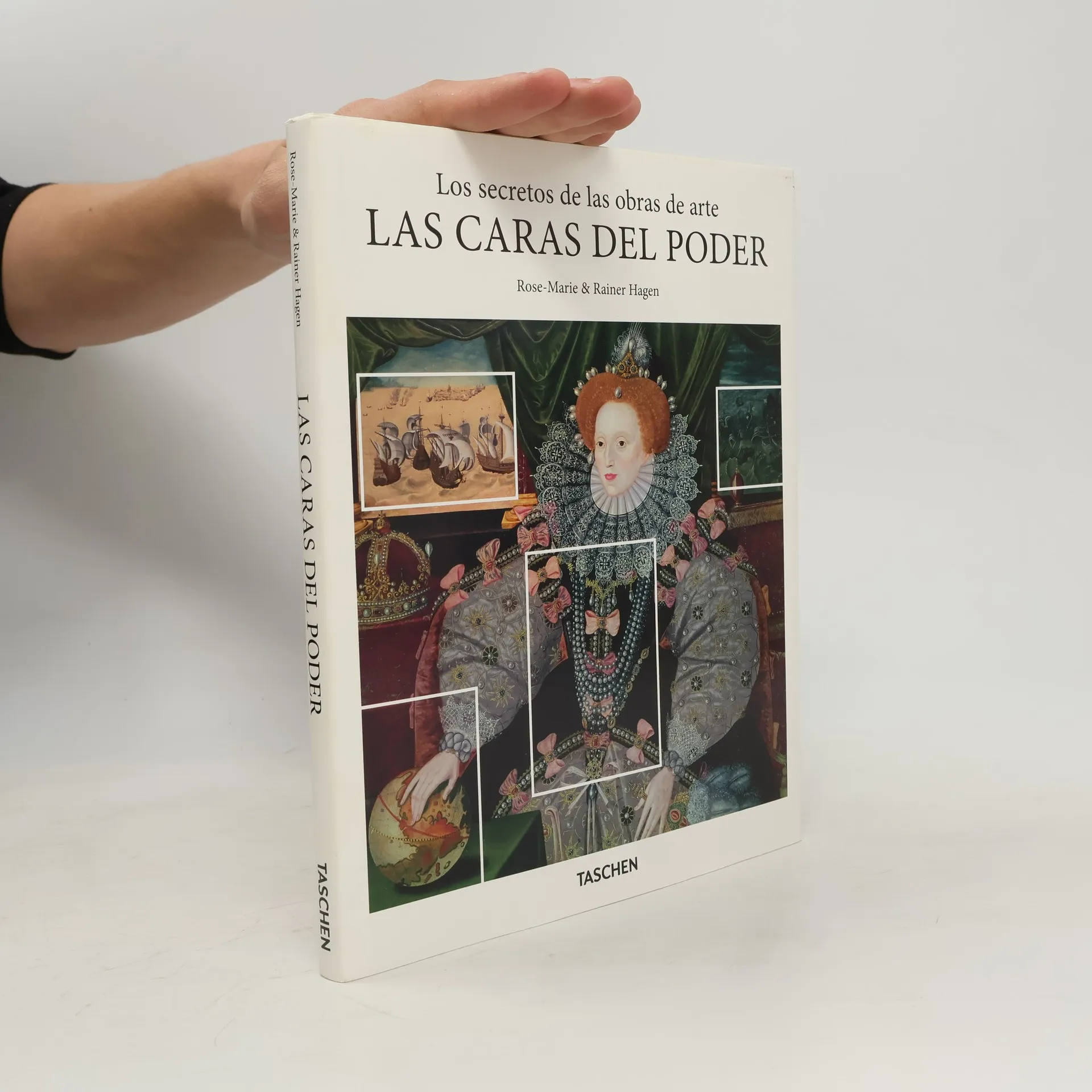
Detrás de la Máscara La intriga, el drama y los mensajes encubiertos ocultos en los rostros de hombres y mujeres poderosos: emperatrices bizantinas, revolucionarios franceses y generales españoles. Las figuras más impresionantes de la historia miran audazmente desde los lienzos en esta colección de pinturas formidables. Cada individuo representado en estas imágenes irradia fuerza y esplendor; ya sea una viuda aristocrática de luto, un político asesinado o un grupo jovial de rebeldes ucranianos. Los autores Rose-Marie y Rainer Hagen desentrañan las historias y secretos de 13 obras maestras de artistas como Goya, Tiziano, Velázquez e Ilya Repin. Regios, sagrados y sabios, los hombres y mujeres en estas obras te inspirarán con sus conquistas y resiliencia. Este libro es una investigación histórica única en homenaje a los protagonistas del pasado.
Rose Marie Hagen Libros
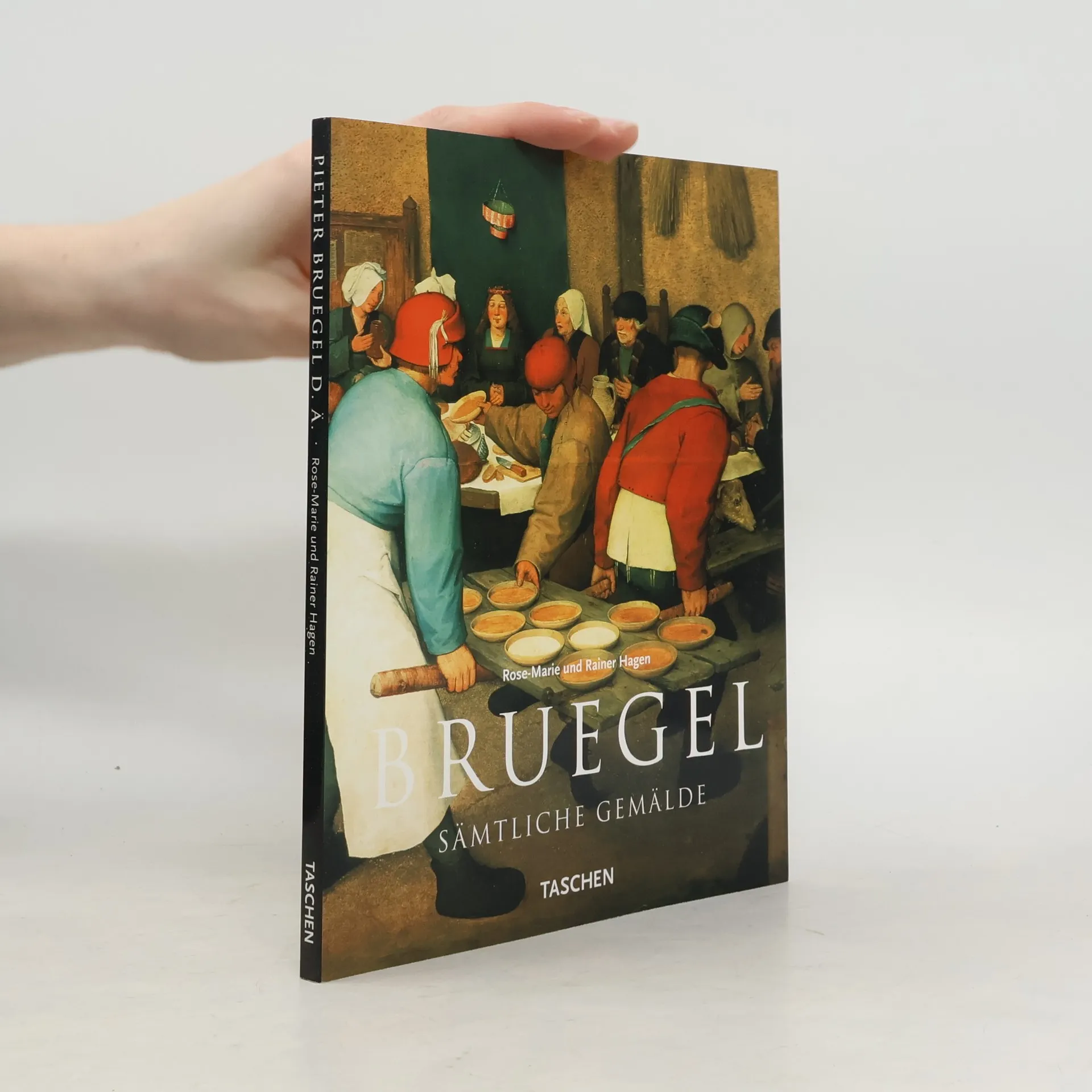
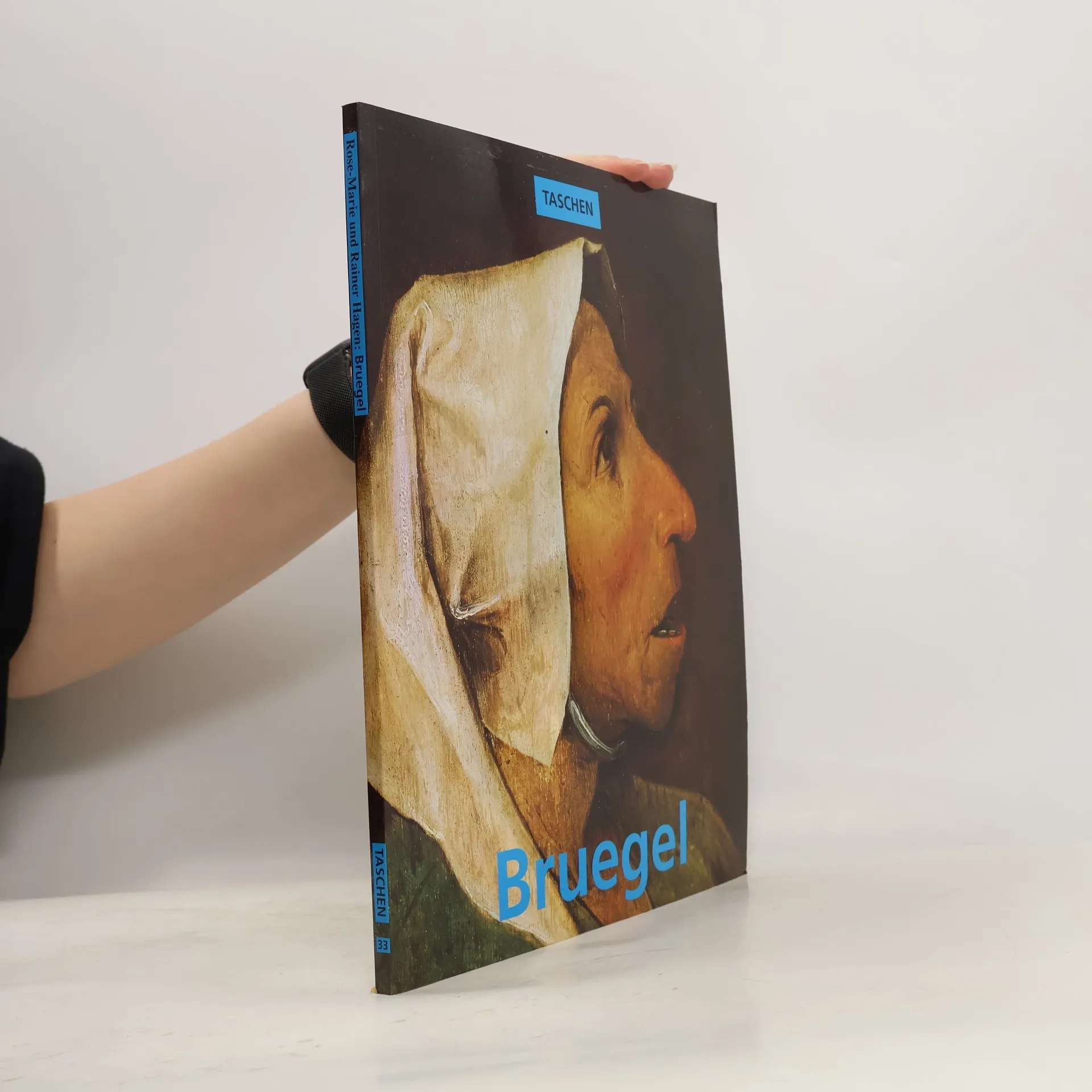
Bruegel
- 96 páginas
- 4 horas de lectura
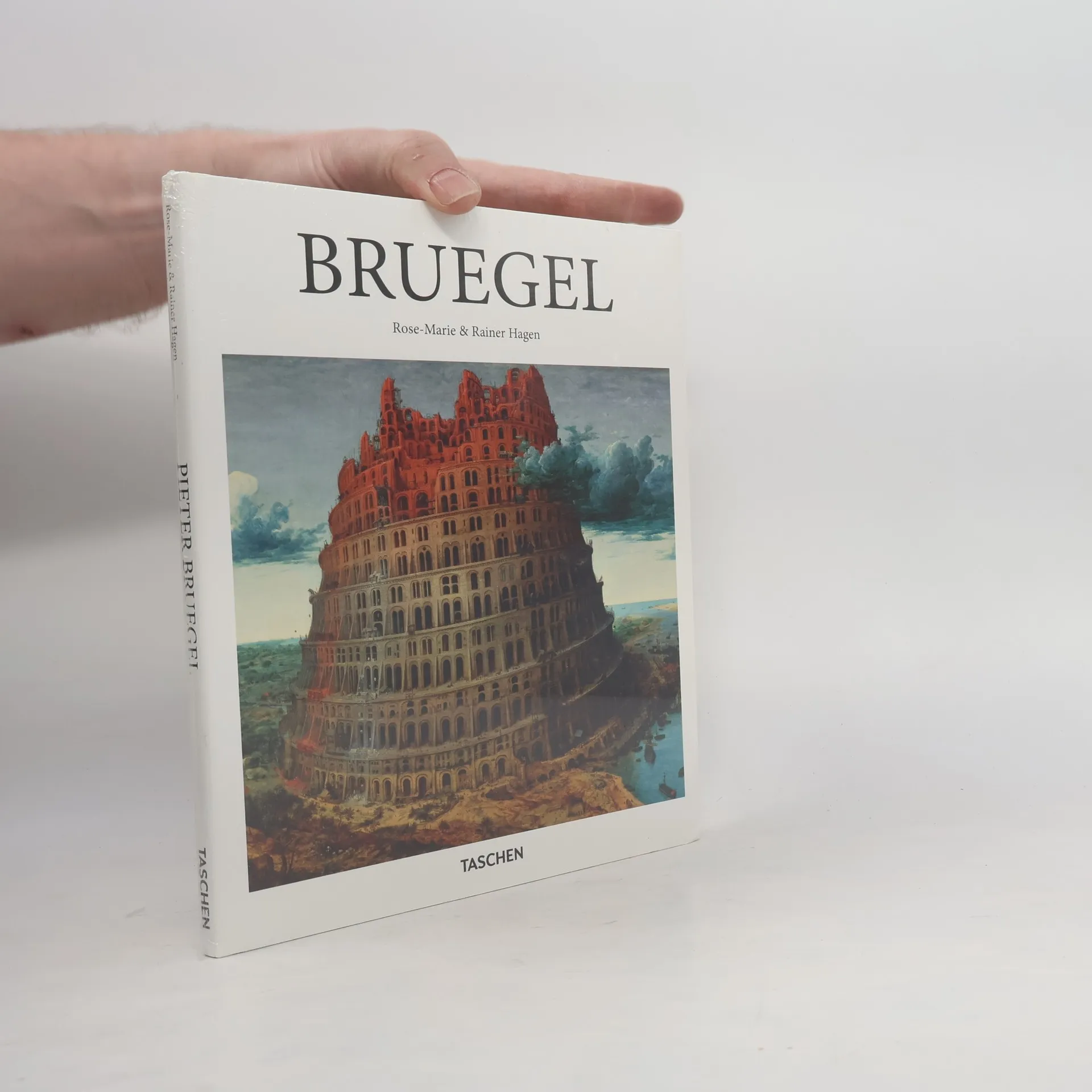
With an acute sense of observation and subjects ranging from the biblical tower of Babel to the small-town festivals of peasant life, the master draftsman Pieter Bruegel the Elder provides a unique witness to both the religious mores and the close-knit folk culture of his time.
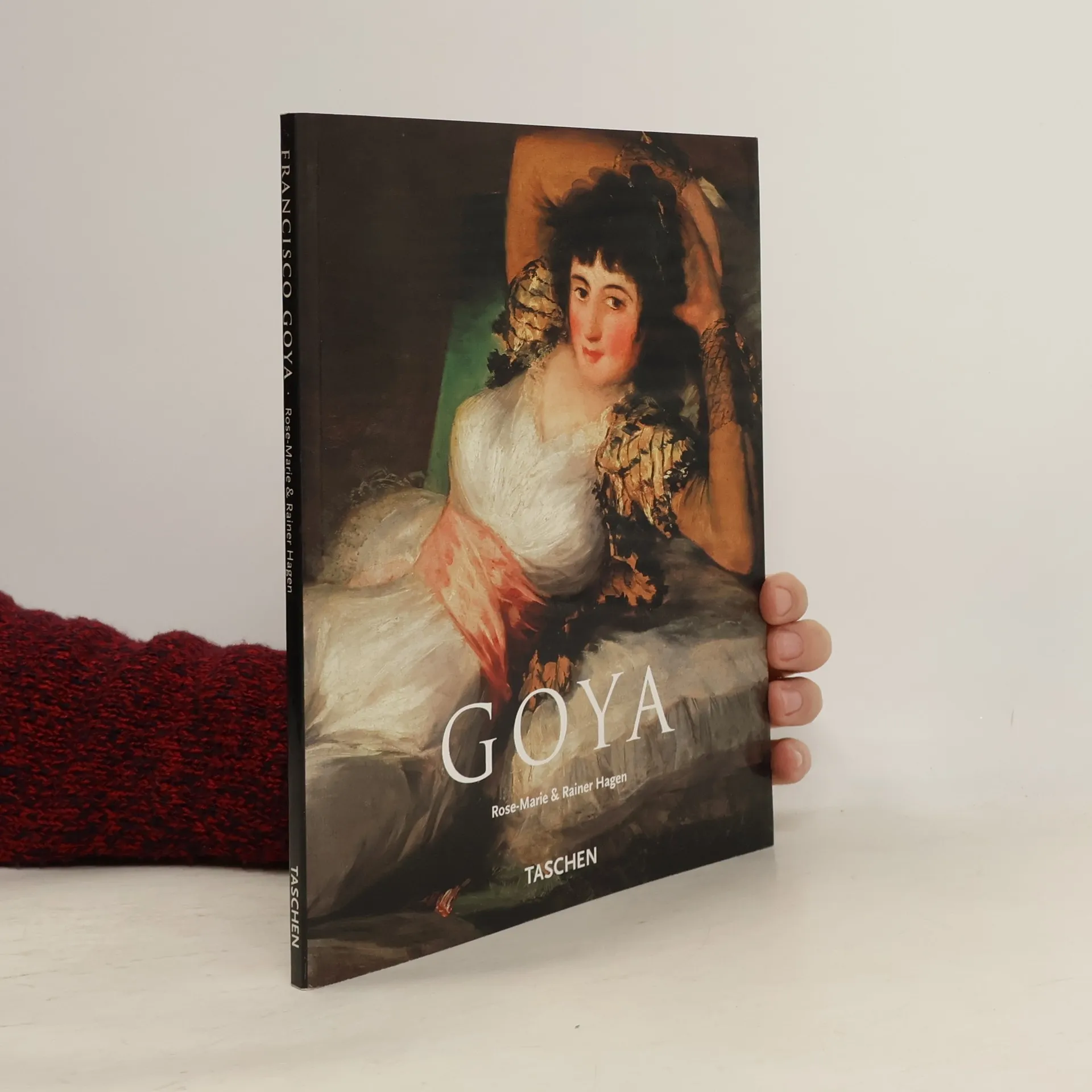
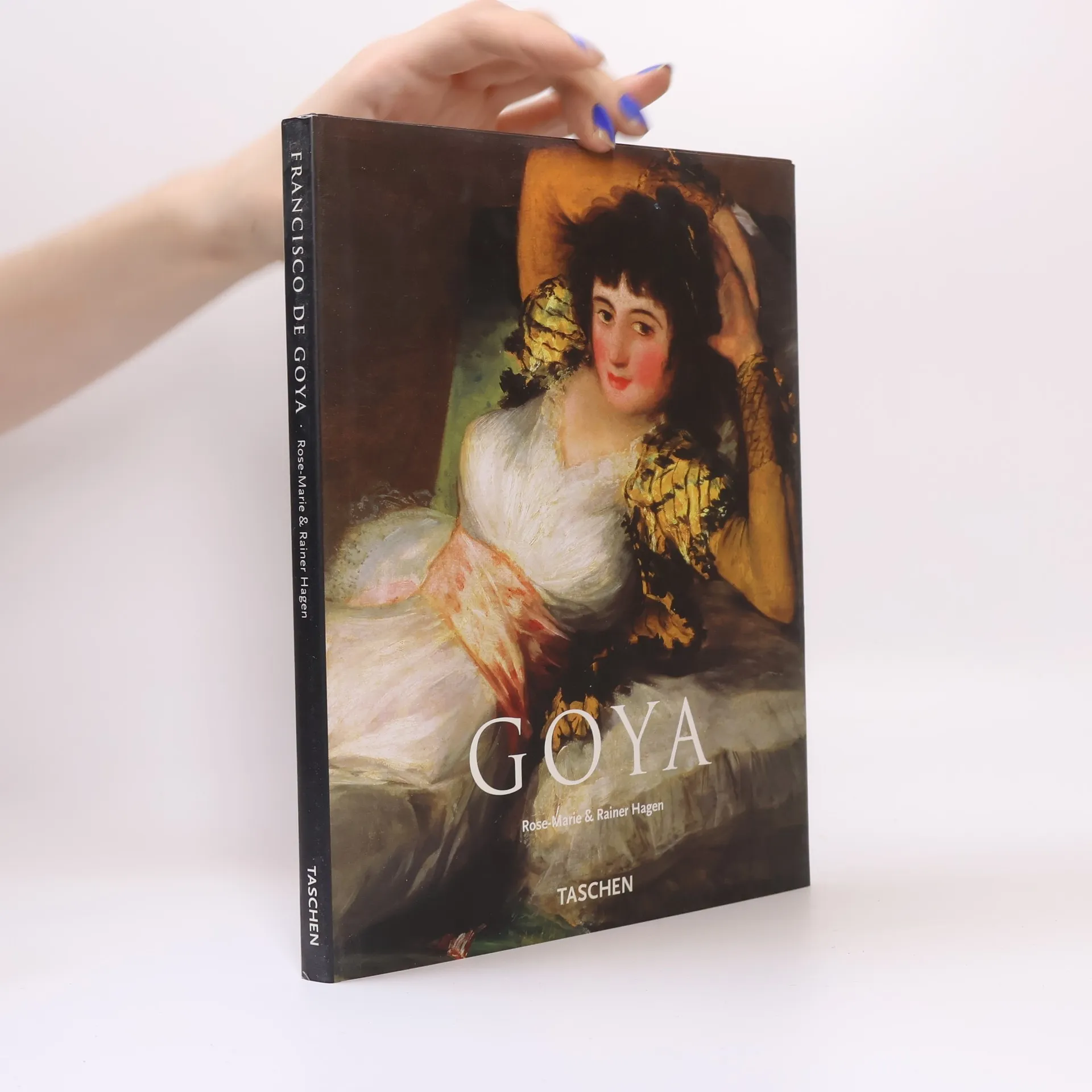
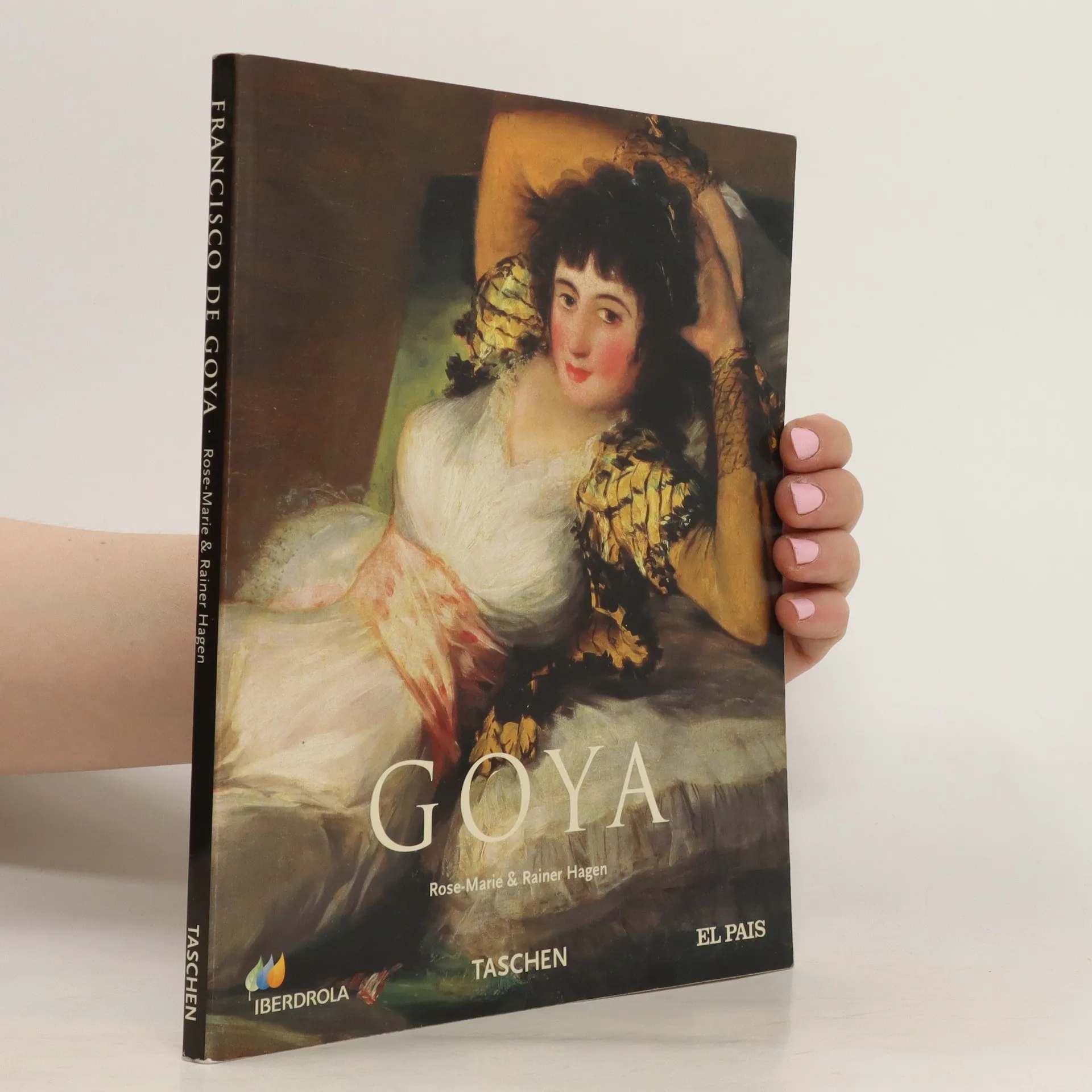
Goya
- 96 páginas
- 4 horas de lectura
Retratos de nobles y reyes españoles, caricaturas críticas de la sociedad, una "Maja Desnuda" que lo llevó ante la Inquisición y representaciones de horribles atrocidades de guerra muestran la versatilidad de Francisco José de Goya y Lucientes (1746–1828). Como retratista en la corte de los ricos y poderosos, ganó una perspectiva más crítica del mundo tras una grave enfermedad, lo que le trajo tanto amigos como enemigos. Se dedicó a caricaturas críticas del clero y a oscuras grabados y dibujos, situados en un reino de pesadilla lleno de brujas y criaturas fantásticas. Sin embargo, Goya logró su efecto más duradero a través de sus escalofriantes imágenes de la guerra. Los Desastres de la Guerra, creados entre 1810 y 1820, documentan las atrocidades cometidas durante la lucha de los españoles contra las tropas de Napoleón y muestran el sadismo y la crueldad del ser humano en su forma más extrema. Este guía introductoria ilumina el recorrido de la notable carrera de Goya, desde elegante pintor de corte hasta observador frío del sufrimiento y las injusticias sociales.
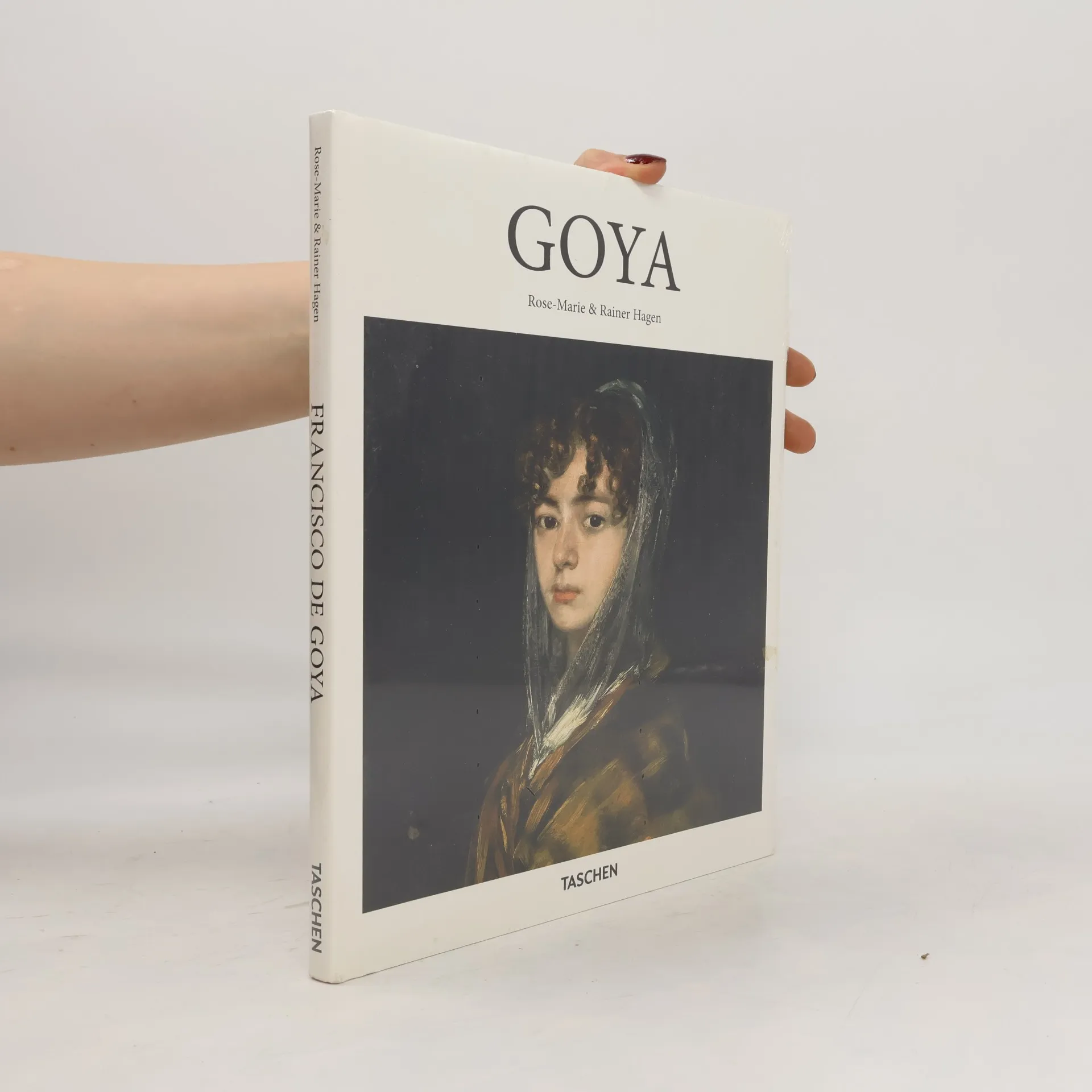
Basic Art: Goya
- 96 páginas
- 4 horas de lectura
Francisco José de Goya y Lucientes (1746–1828) stands out as one of Spain’s most revered and controversial artists, renowned for his court portraits and haunting depictions of conflict. Born in Fuendetodos, Goya became an apprentice to the Spanish royal family in 1774, creating etchings and tapestry cartoons for royal residences. His expressive style evolved as he painted commissioned portraits of the aristocracy. Following a serious illness, Goya's work took a darker turn, introducing nightmarish themes of witches and fantastical creatures. His most impactful works, created between 1810 and 1820, include The Disasters of War, which vividly portrays the atrocities of the Spanish struggle for independence from the French, revealing the depths of human cruelty. Goya's use of bleak tones, agitated brushstrokes, and dramatic contrasts draws inspiration from masters like Velázquez and Rembrandt, yet his subject matter remains unprecedented in its brutality. This introductory exploration of Goya’s career traces his evolution from a court painter to a seer of suffering, featuring notable works such as Don Manuel Osorio Manrique de Zúñiga, the Naked Maja, and The 3rd of May 1808 in Madrid, a powerful image of war. The Basic Art series, launched in 1985, offers a detailed overview of artists' lives and works, highlighting their cultural significance through concise biographies and approximately 100 illustrations with captions.
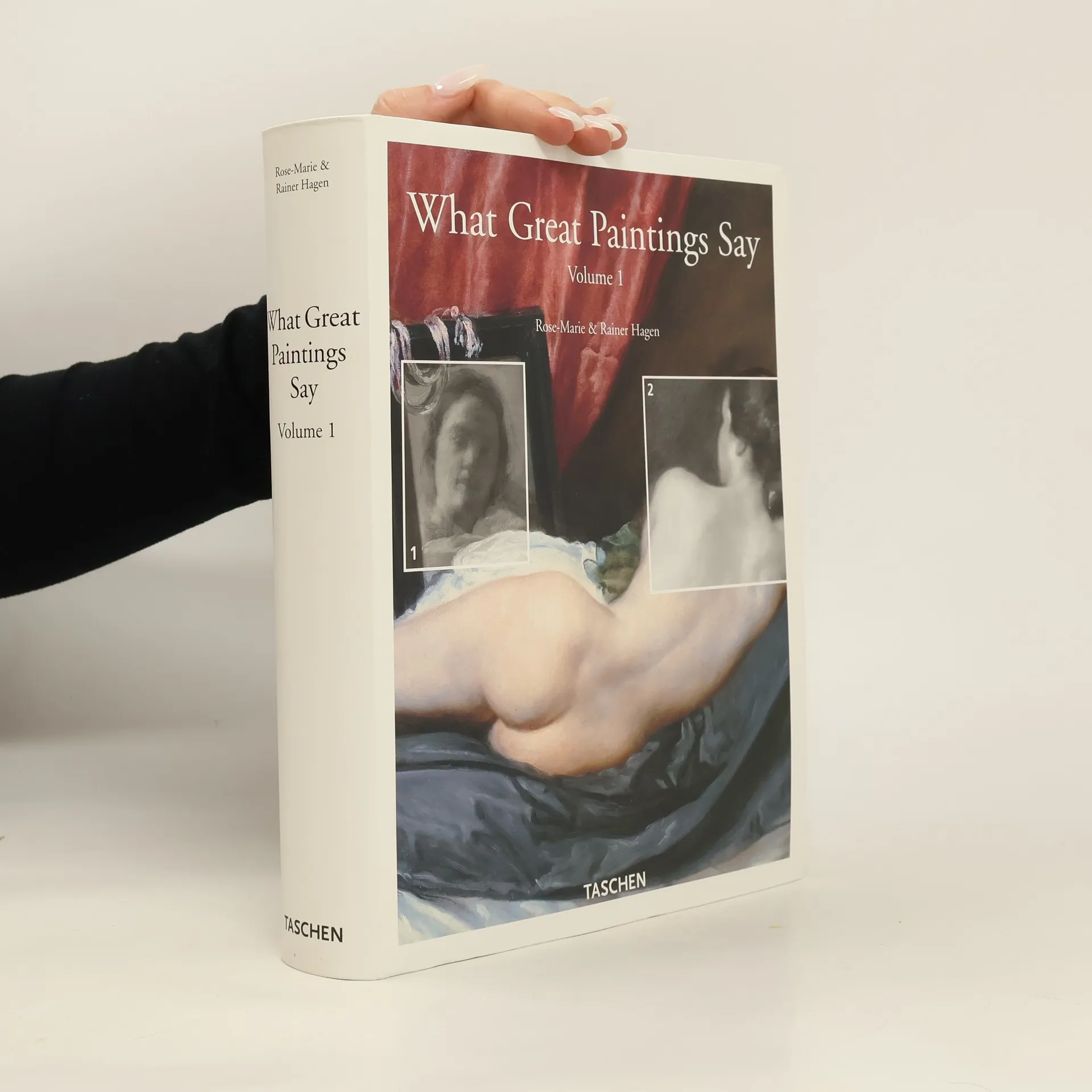
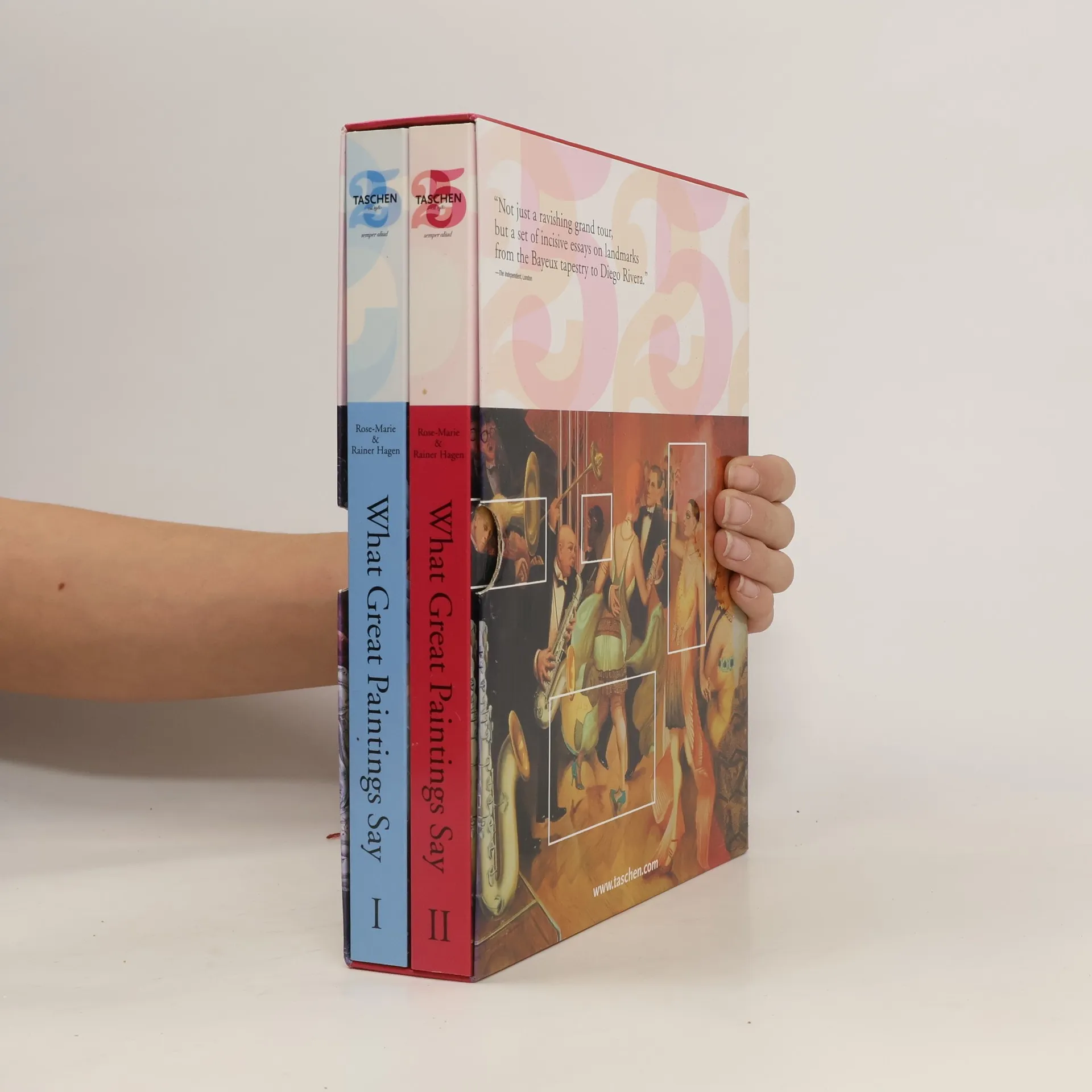
What Great Paintings Say I-II
- 2 volúmenes
- 720 páginas
- 26 horas de lectura
Masterpieces under the microscope: from ancient Egyptian papyrus scrolls to 20th century works Did the Greek gods play tennis? What is the ambassador from the land of Alchemy telling us? What secrets are being told on the shores of the Island of Venus? What is a monk doing on the Ship of Fools? What Great Paintings Say has the answers to these and many other burning questions asked about the most important and famous paintings of all time. In two volumes, a selection of history's greatest masterpieces is presented chronologically, including works by Botticelli, Breughel, Chagall, Courbet, Degas, Delacroix, D?rer, Goya, Monet, Raphael, Rembrandt, Renoir, Rubens, Tiepolo, Titian, and many others. Each chapter focuses on one painting, with enlarged details and in-depth texts describing their significance. Taking apart each painting and then reassembling it again like a huge jigsaw puzzle, the authors reveal the history of art as a lively panorama of forgotten worlds.
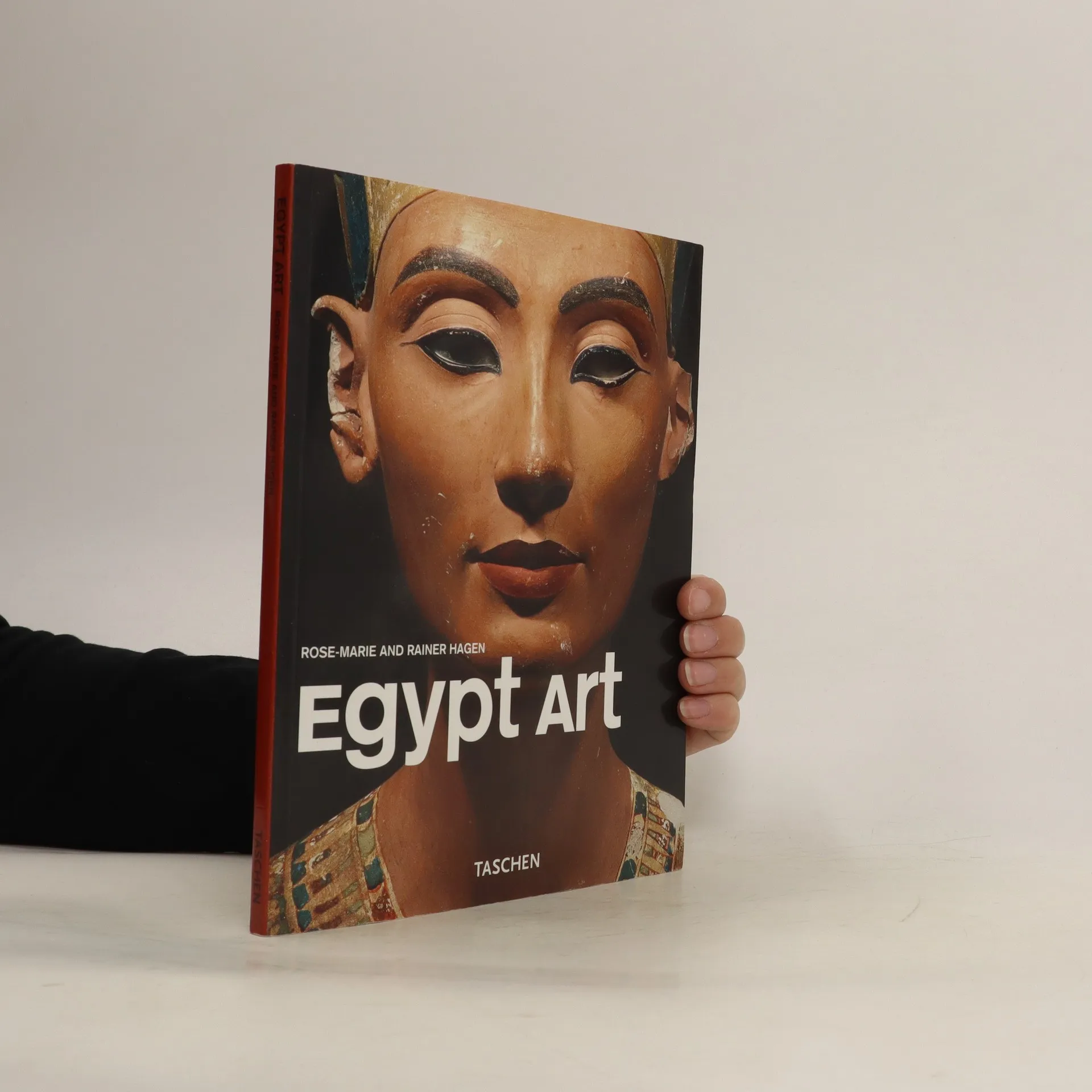
Europe's fascination with the art and culture of ancient Egypt has a long tradition. During Roman times, obelisks, statues, and reliefs from pharaonic tombs and temples were transported across the Mediterranean. With the rediscovery of Egypt in modern times, early excavations by Egyptologists, and the rise of Egyptomania in the 19th century, many treasures found their way into European museums and private collections. Today, the Egyptian Museum in Cairo holds the largest collection of ancient Egyptian art in the world. Significant works from this era are also housed in the Louvre in Paris, the British Museum in London, the Egyptian Museum in Berlin, and the Metropolitan Museum in New York. This volume presents notable artifacts including a statue of Djoser, a wooden relief of the high official Hesi-Re, a relief from the sarcophagus of Queen Ashait, the Sphinx of Sesostris III, a statue of Cherihotep, reliefs from the Karnak temple, the sarcophagus of Queen Hatshepsut, wall paintings from Thebes, a statue of the goddess Sekhmet, a statue of Queen Tiye, busts of Akhenaten and Nefertiti, as well as the golden death mask of Tutankhamun and many other precious artifacts.
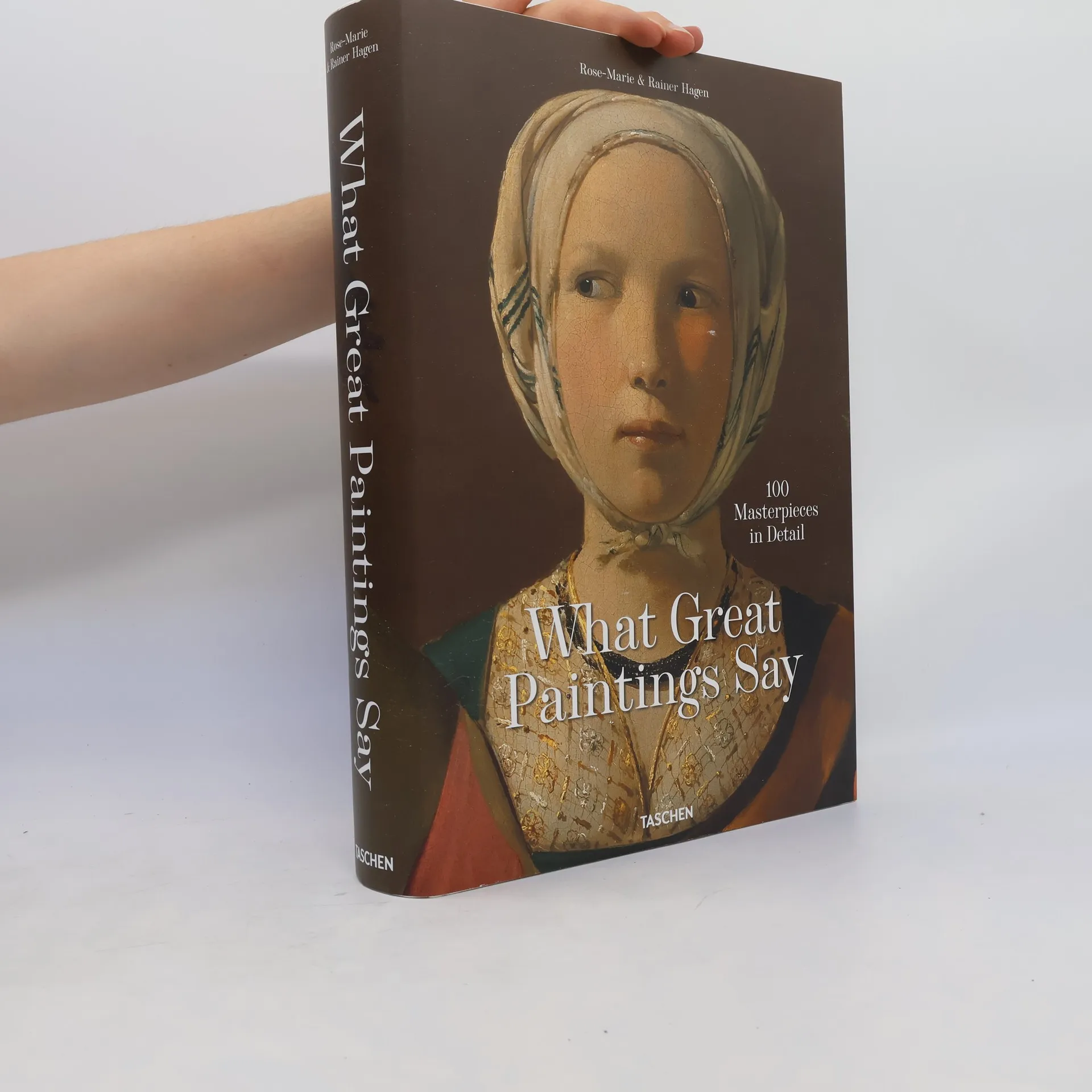
What Great Paintings Say. 100 Masterpieces in Detail
- 762 páginas
- 27 horas de lectura
If you thought these paintings were familiar, look again, and look closer. Part art history, part detective work, this fascinating collection explores 100 world-famous works of art through enlarged details, revealing the fashions and lifestyles, the loves and intrigues, politics and people that truly make a masterpiece.
What Great Paintings Say I
- 496 páginas
- 18 horas de lectura
Light wear to cover, some marking to page edges. Shipped from the U.K. All orders received before 3pm sent that weekday.
What Great Paintings Say
Old Masters in Detail Volume 1
Why should a banker, two actresses and a seamstress meet at a riverside restaurant? What was the Impressionist who painted them trying to capture? And did he have enough money to pay for his lunch? These are the kinds of questions applied to the masterpieces collected in this book. The result is an unusual account of trends and lifestyles of times past as reflected in great works of art.
The present volume brings together some of the most important paintings of the 16th century. They offer insights into long-gone worlds, into the sphere of the rich and powerful and into the daily lives of peasants and craftsmen. They uncover the stories and myths that preoccupied them, and their religious and material desires. The authors discuss what we are seeing and provide background information that makes the pictures more accessible. They see each painting not just as a work of art, but also as a document of its day.
Francisco Goya, 1746-1828
- 96 páginas
- 4 horas de lectura
An informative introduction to one of Spain's most renowned artists. Goya (1746-1828) was the most original artist of his time and this work touches upon his versatility in differing media and portayal of emotions.
What Great Paintings Say. Italian Renaissance
- 96 páginas
- 4 horas de lectura
Awe-inspiring classics become accessible, captivating stories thanks to this investigation into the covert world of Renaissance masterpieces. From Botticelli to Michelangelo, delve into the works of Italian masters like never before. Rose-Marie and Rainer Hagen meticulously dissect 12 key pieces alongside analytical essays and enlarged details...
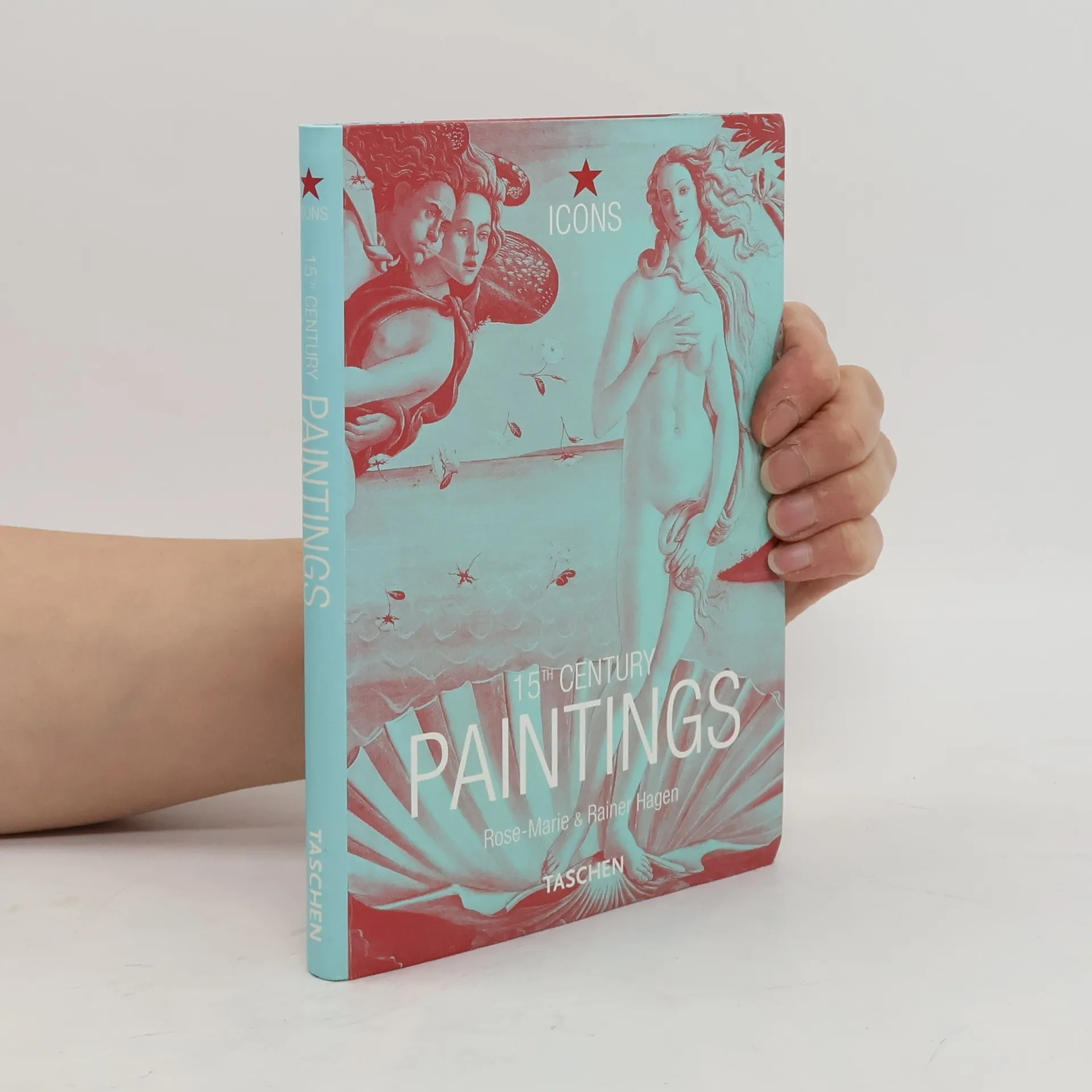
TASCHEN Icons Series: 15th Century Paintings
- 192 páginas
- 7 horas de lectura
The majority of paintings from the 15th century portray figures from the Bible and the world of mythology, but they also tell us much about the era in which they arose - about the conflicts between ruling forces, about the hopes of the poor, about everyday life, and about the meaning and symbolism that were attached to the past. The masterpieces selected for this volume are intended not to teach art history, but to focus our attention in each case on a specific image. The authors discuss what we are seeing and provide background information that makes the pictures more accessible. They see each painting not just as a work of art, but also as a document of its day.
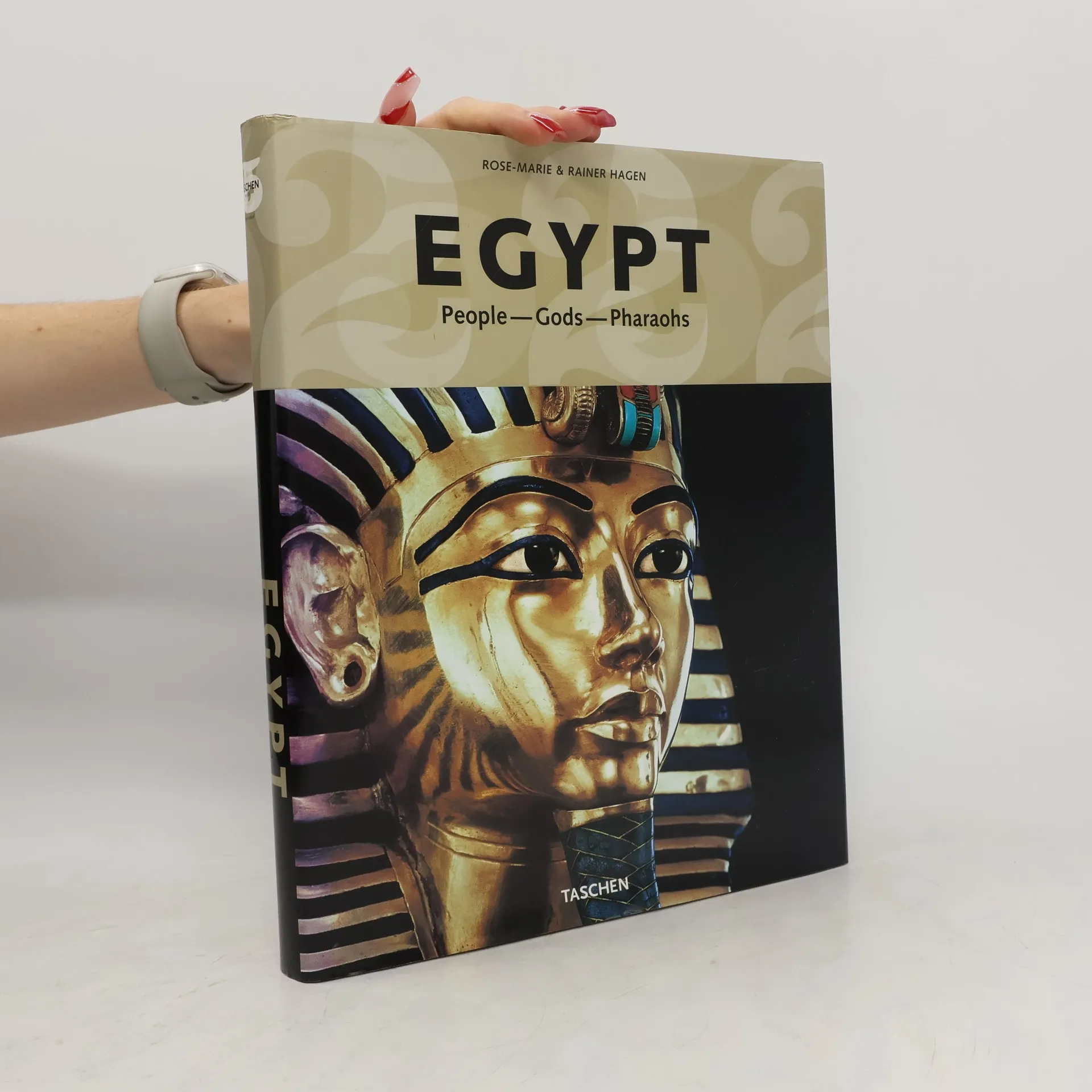
Egypt : People, Gods, Pharaohs
- 240 páginas
- 9 horas de lectura
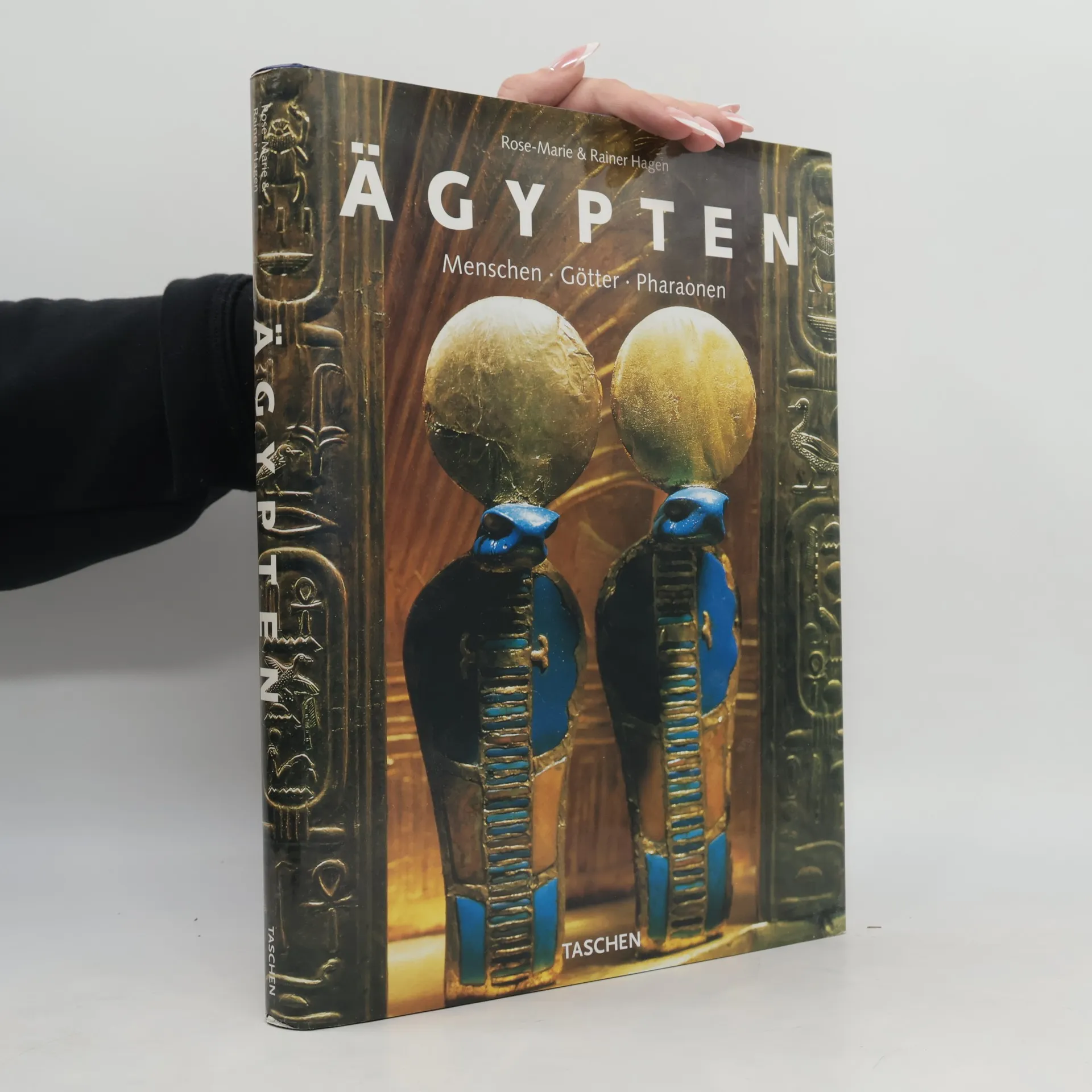
What do we really know about our ancestors? Not about the rulers and generals, but about laborers, farmers, soldiers and families. Egypt is a perfect case in point, almost a blank slate for most of us as it regards details of their everyday life. This useful and informative book attempts to set the record straight by offering a distinctive take on that most mythologized of epochs. Who would have guessed, for example, that the first strike in recorded history took place in 1152 BC during work on the necropolis in the Valley of the Kings, a protest by construction workers against delayed deliveries of oil and flour? Two fairly banal commodities maybe, but essential: oil protected the skin against the savage desert climate, whilst flour was the base ingredient for thirty different kinds of nutritional cake. It is this detailed examination of the evidence that distinguishes this volume, with chapters on
Der Autor: Rose-Marie Hagen, geboren in der Schweiz, studierte Geschichte und Romanistik in Lausanne. Nach längeren Studienaufent-halten in Paris und Florenz übernahm sie verschiedene Lehrtätigkeiten, u. a. an der American University in Washington D. C. Rainer Hagen, geboren in Hamburg, studierte Literatur- und Theaterwissenschaften in München, arbeitete nach seiner Promotion für Rundfunk und Fernsehen, zuletzt als Redaktionsleiter im III. Fernsehprogramm des Norddeutschen Rundfunks. Gemeinsam haben beide Autoren im TASCHEN Verlag mehrere Bücher veröffentlicht, u. a. Meisterwerke im Detail sowie eine Monographie über Francisco de Goya.
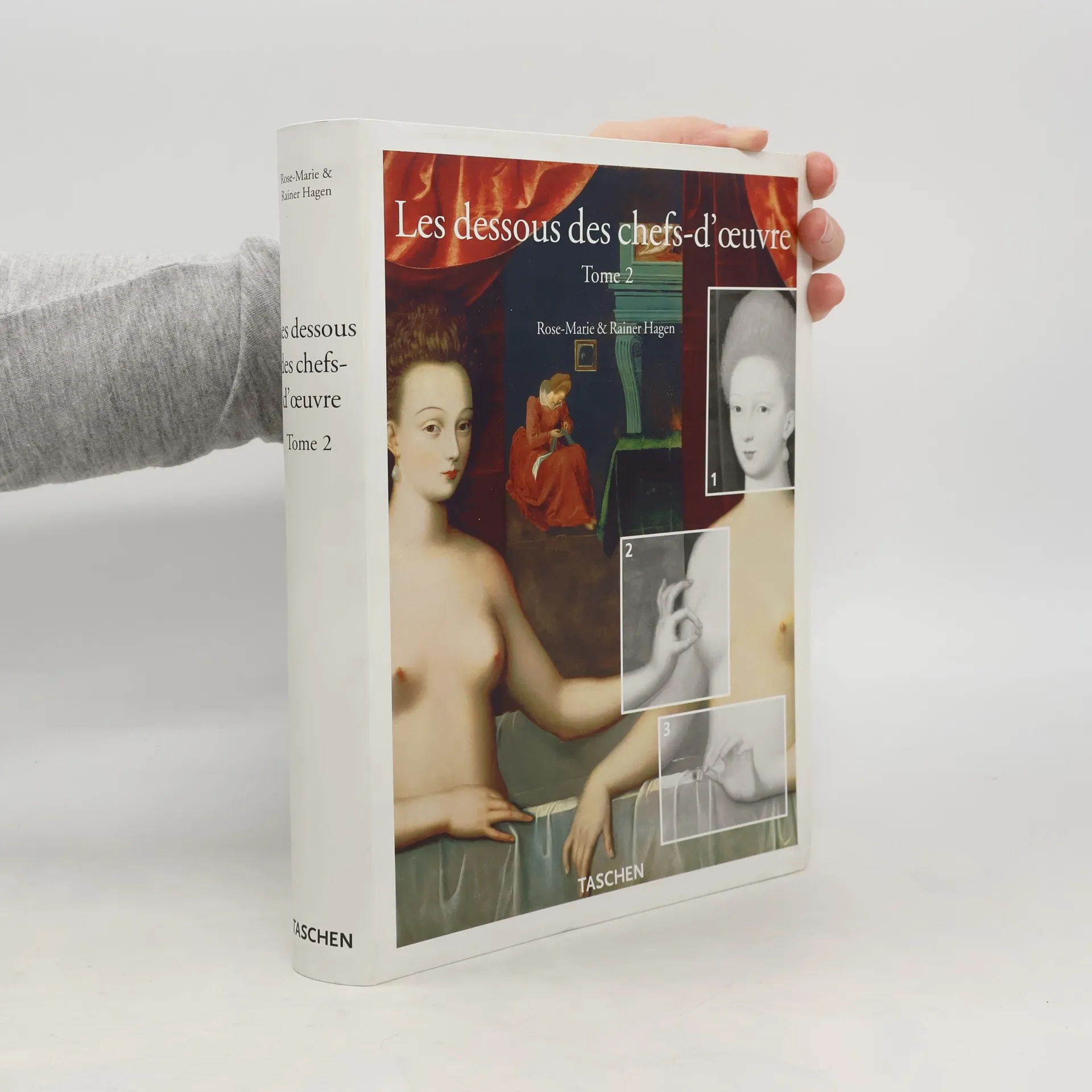
Les dessous des chefs-d'œuvre
- 432 páginas
- 16 horas de lectura
Deux spécialistes expliquent et analysent le secret de la peinture, en offrant deux points de vue différents.
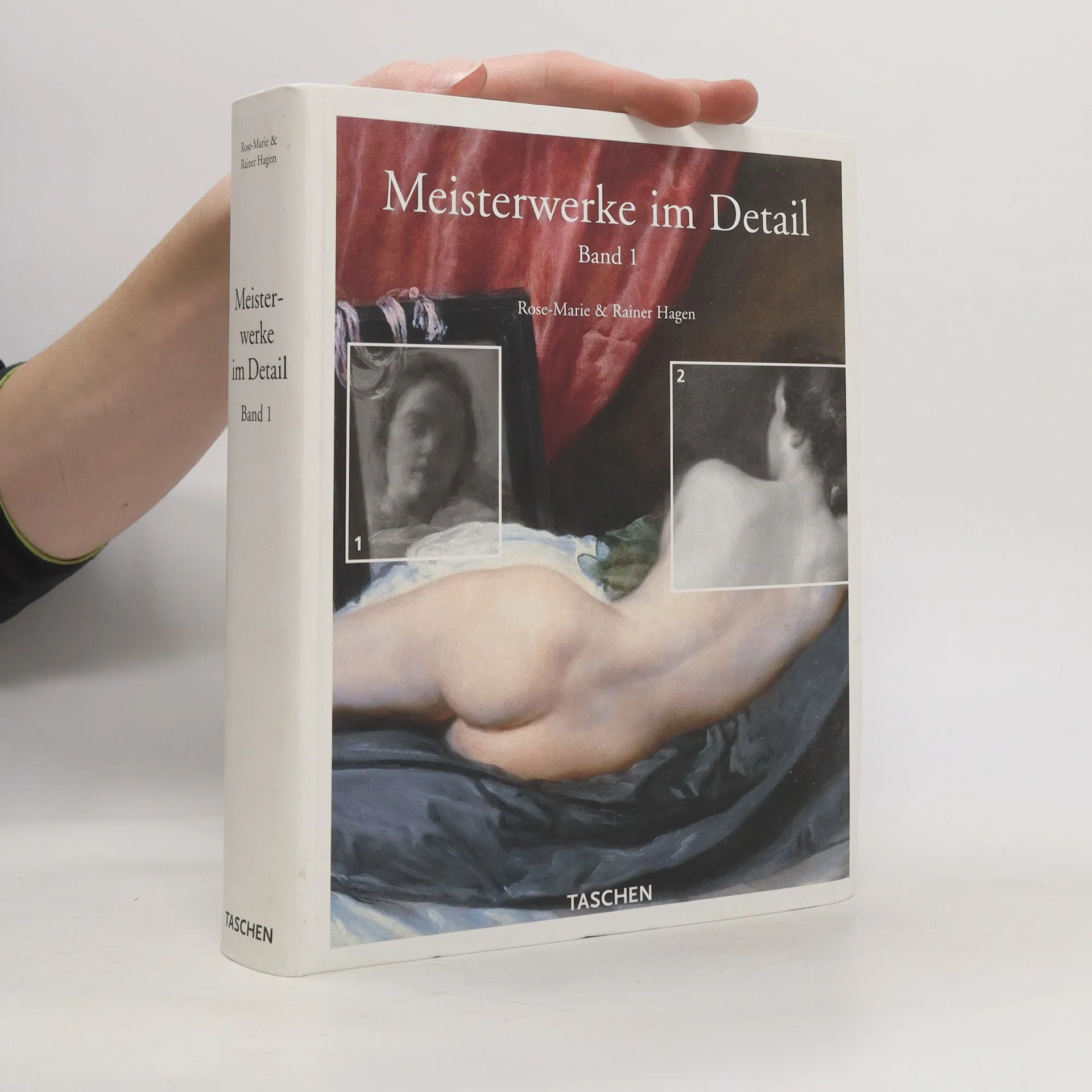
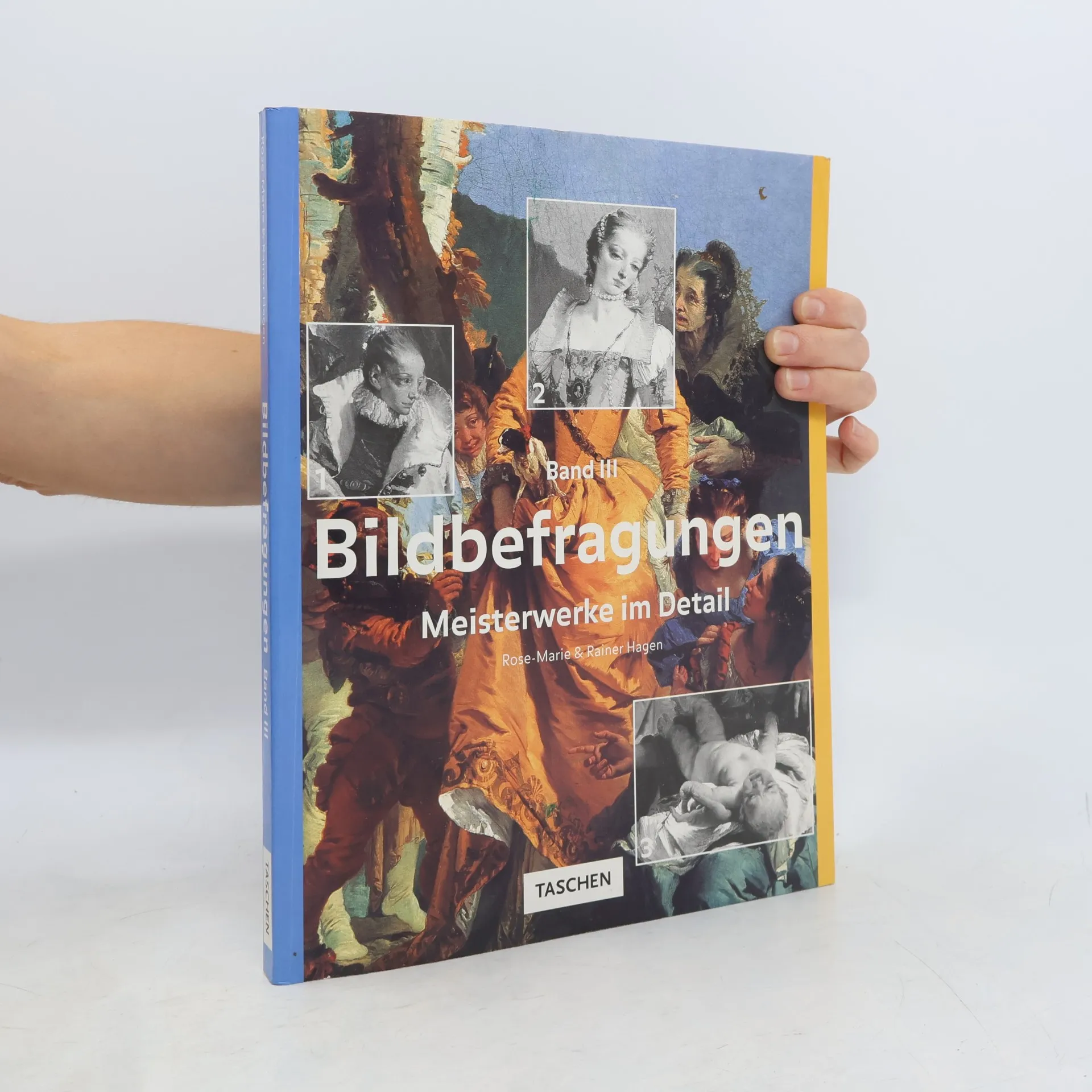
Meisterwerke im Detail. 1
- 512 páginas
- 18 horas de lectura
Bildanalysen - von von den Papyrusrollen bis zu den Werken des 20. Jahrhunderts
Bildbefragungen
- 200 páginas
- 7 horas de lectura
Reich illustrierter Sammelband mit schon in der Zeitschrift art veröffentlichten Interpretationen bekannter Meisterwerke - vom Teppich von Bayeux bis zu Chagall.
Bildbefragungen : Alte Meister - neu erzählt
- 175 páginas
- 7 horas de lectura
Warum sollten ein Banker, zwei Schauspielerinnen und eine Schneiderin in einem Restaurant am Fluss zusammentreffen? Was wollte der Impressionist, der sie malte, einfangen? Und hatte er genug Geld, um sein Mittagessen zu bezahlen? Diese Fragen werden auf die Meisterwerke angewendet, die in diesem Buch gesammelt sind. Das Ergebnis ist ein ungewöhnlicher Bericht über Trends und Lebensstile vergangener Zeiten, wie sie in großen Kunstwerken reflektiert werden.
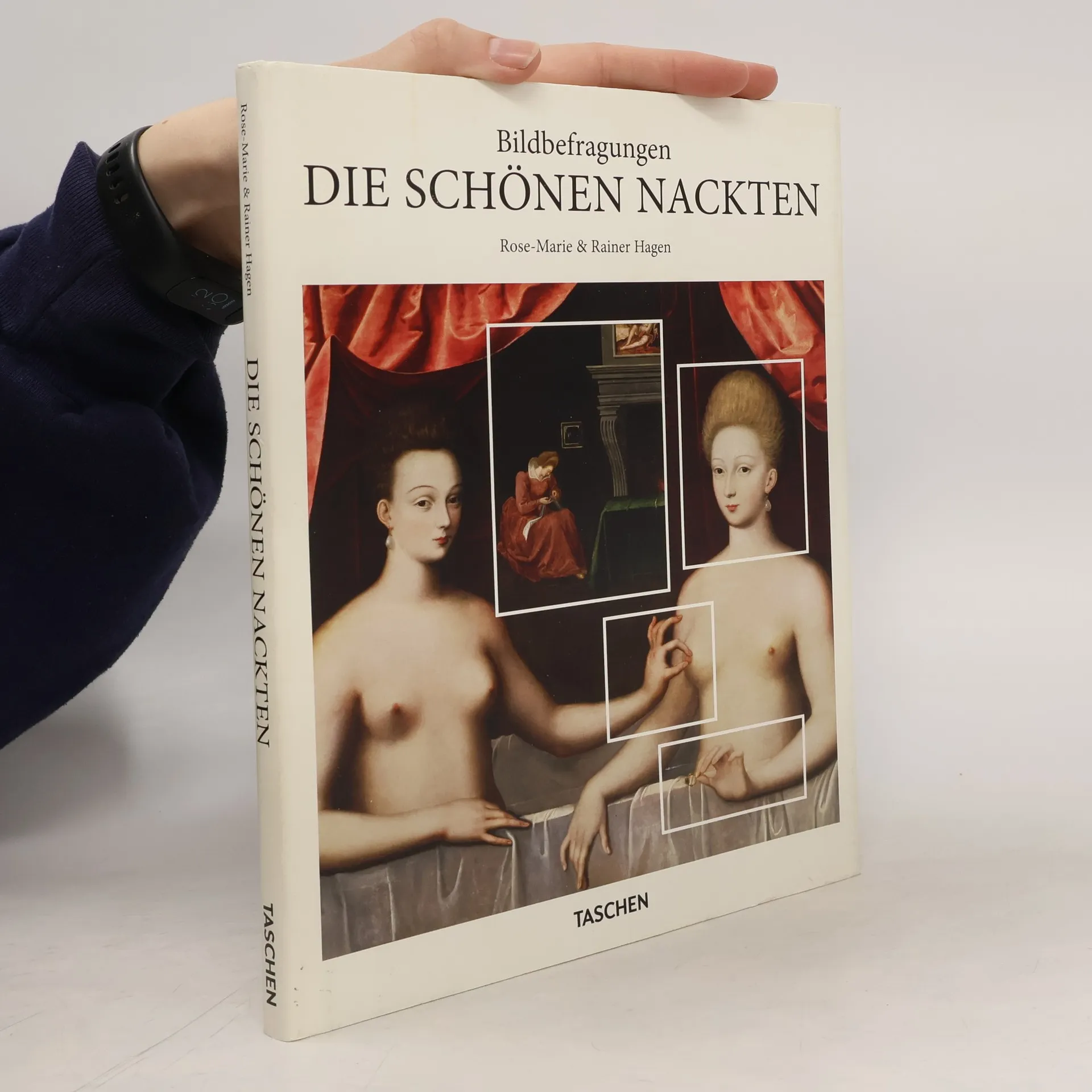
Bildbefragungen - die schönen Nackten
- 96 páginas
- 4 horas de lectura
Man könnte meinen, es gebe wenig, was uns klassische Aktgemälde an kunsthistorischen und geschichtlichen Details noch nicht offenbart hätten, doch ein Bild zeigt mehr, als das Auge sieht, und jede Kleinigkeit ist bedeutsam. In diesem Band unserer Reihe mit Bildbetrachtungen nehmen Rose-Marie und Rainer Hagen zwölf Aktbilder mit detektivischer Akribie unter die Lupe und erläutern, wie sich das Bildgenre des Aktes, traditionelle Projektionsfläche männlicher Fantasien, im Verlauf von fünfhundert Jahren gewandelt hat. Nachdem sich das körperfeindliche Christentum in der Malerei über Jahrhunderte lediglich mal eine entblößte Madonnenbrust oder eine schamhafte nackte Eva gegönnt hatte, kehrten mit der Renaissance und der Wiederentdeckung der antiken Schönheitsideale die Nackten zurück. Beginnend mit Botticellis Geburt der Venus, werden u. a. Tizians Venus von Urbino, Tintorettos Susanna im Bade, Bouchers Raub der Europa und Manets Frühstück im Grünen, das auf dem Pariser Salon von 1863 die noble Pariser Gesellschaft brüskierte, detailliert befragt. Jedes der Werke wird in exzellenten Reproduktionen mit zahlreichen Ausschnittvergrößerungen dargestellt und gibt Auskunft über den historischen Kontext, die Moden, Moralvorstellungen und sozialen Verhältnisse seiner Entstehungszeit.
Bauern, Narren und Dämonen
- 95 páginas
- 4 horas de lectura
Ägypten : Menschen, Götter, Pharaonen
- 240 páginas
- 9 horas de lectura
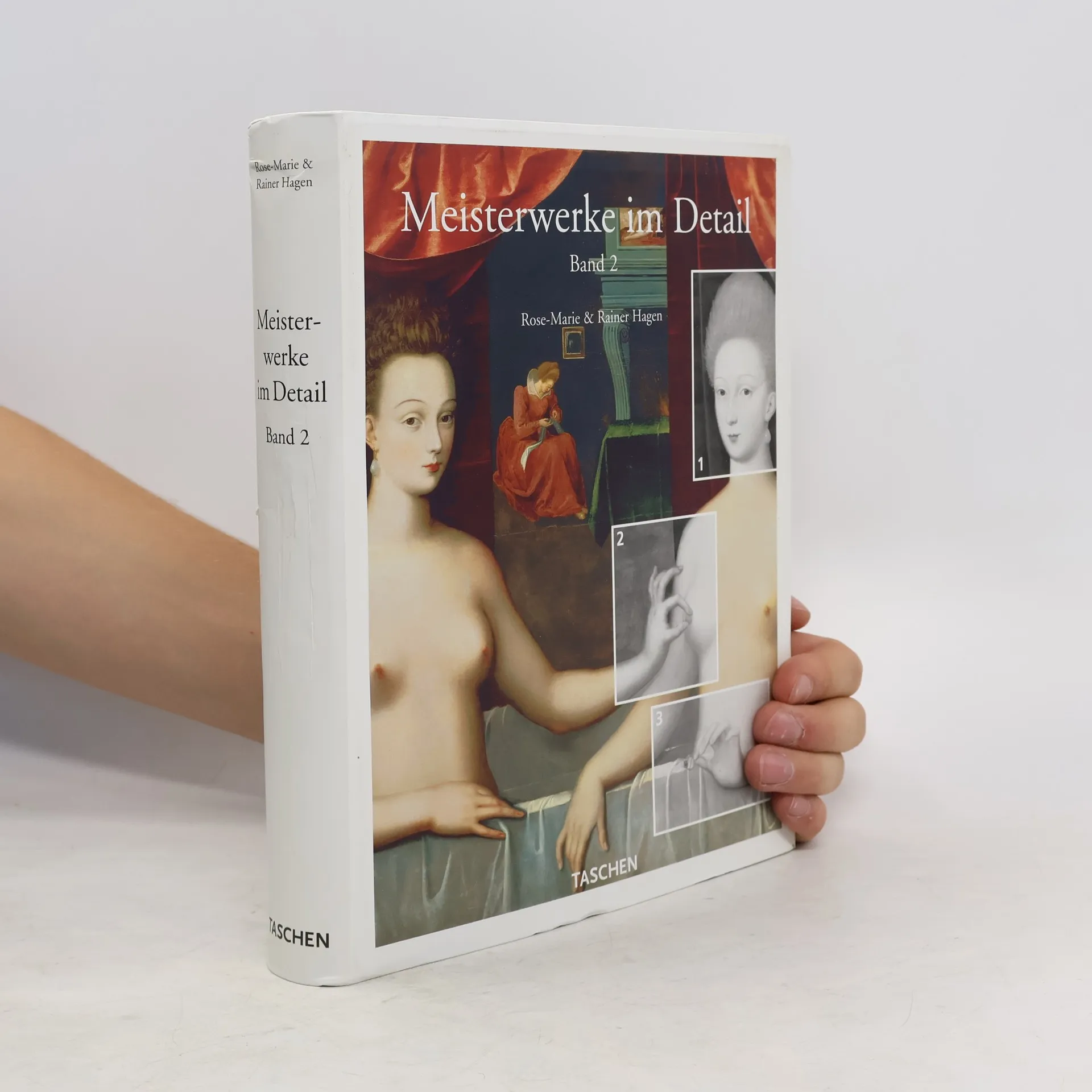
Meisterwerke im Detail.. 2
- 448 páginas
- 16 horas de lectura
Bilder bieten Abenteuer. Wenigsten demjenigen, der bereit ist, die vier Wände um sich herum zu verlassen und das, was das Kunstwerk ihm anbietet, zu entdecken, mit allen Sinnen, mit Verstand und immer auch mit dem Gepäck der eigenen Erfahrung auf dem Rücken. Rose-Marie und Rainer Hagen beantworten Fragen an weltberühmte Meisterwerke.
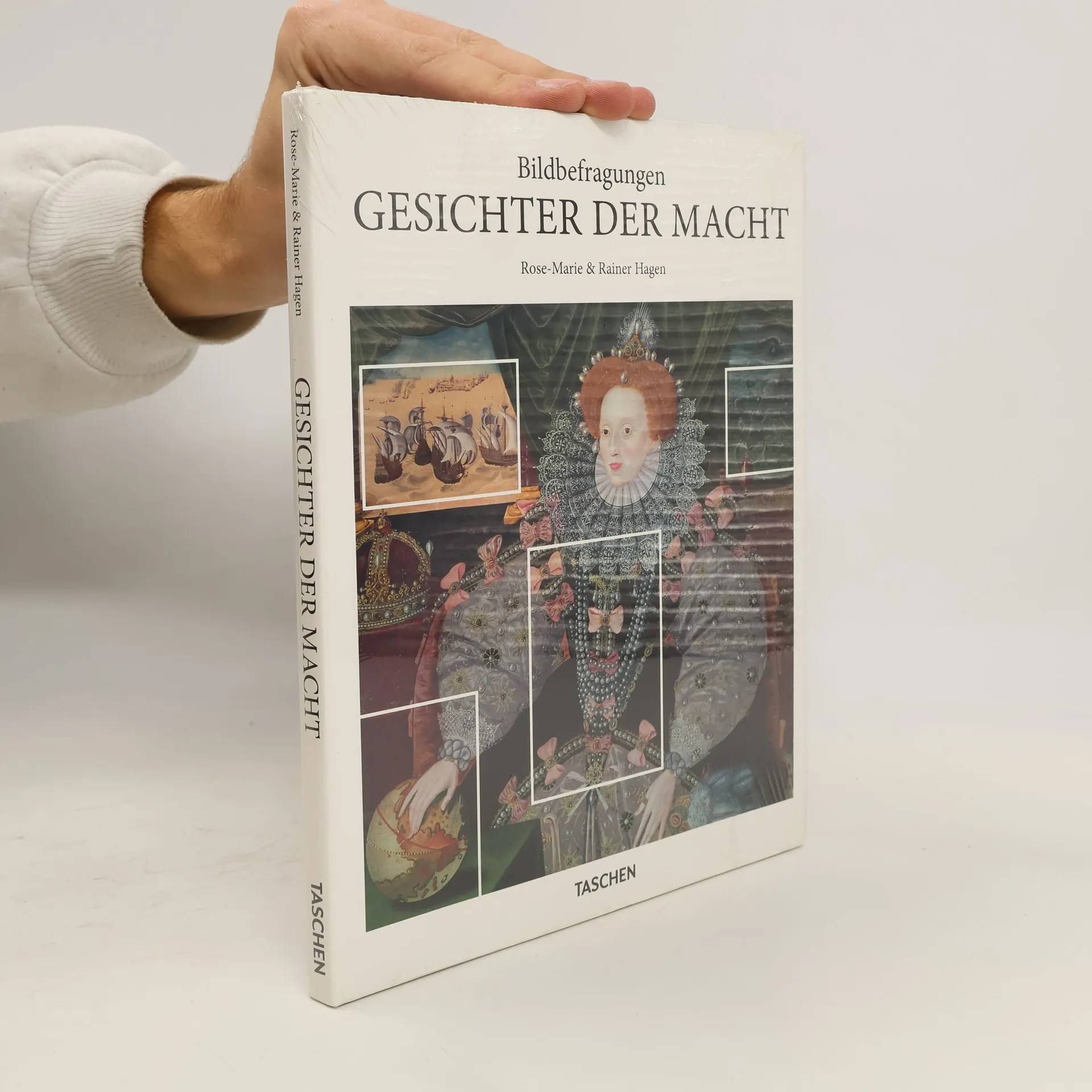
Bildbefragungen - Gesichter der Macht
- 96 páginas
- 4 horas de lectura
Eine Kaiserin, eine Queen, ein Kanzler, ein Papst, diverse Feldherren, Diplomaten, ein stolzer Patrizier, Frauen von Adel: Die Herrschaften, die uns in diesem Band entgegenblicken, sind die Mächtigen und Einflussreichen ihrer Zeit, Entscheidungsträger, Opinion Leader ihrer Peergroup und zeigen das auch gerne. Rose-Marie und Rainer Hagen analysieren auf dieser Etappe ihrer Reise durch die Kunstgeschichte Inszenierungen von Macht und Herrschaftsverhältnissen – aber auch, am Beispiel von Ilja Repins Historienbild Die Saporoger Kosaken schreiben dem türkischen Sultan einen Brief, wie diesen Machtansprüchen auf eine äußerst derbe Art der Finger gezeigt werden kann. Zu den diskutierten Werken zählen u. a. ein Kirchenmosaik, das die Kaiserin Theodora nebst Gefolge zeigt, Die Gesandten von Hans Holbein d. J., Tizians Papst Paul III. und seine Enkel, Velázquez’ Übergabe von Breda, Der ermordete Marat von Jacques-Louis David und Goyas Die Herzogin von Alba in Schwarz. Indem sie nicht nur den kunsthistorischen Stellenwert eines Gemäldes im Blick haben, sondern mit großem Sachverstand jedes noch so kleine Detail auf seine Bedeutung und historischen Kontext hin befragen, entlocken Rose-Marie und Rainer Hagen den untersuchten Bildern eine Fülle an verborgenen Geheimnissen über die Menschen und Politik, Liebschaften und Intrigen, Mode und Meinungen ihrer Entstehungszeit.
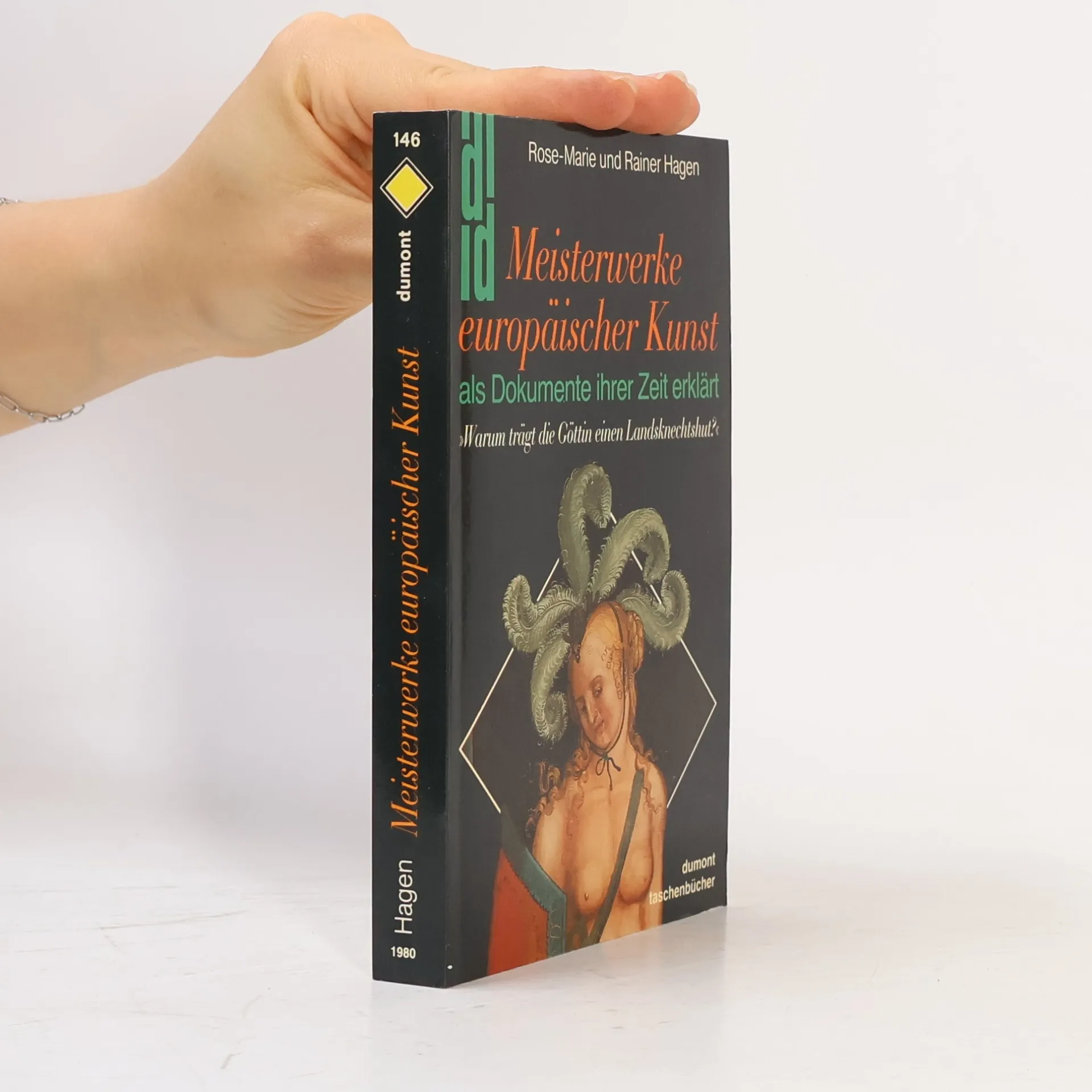
Meisterwerke europäischer Kunst als Dokumente ihrer Zeit erklärt
- 336 páginas
- 12 horas de lectura