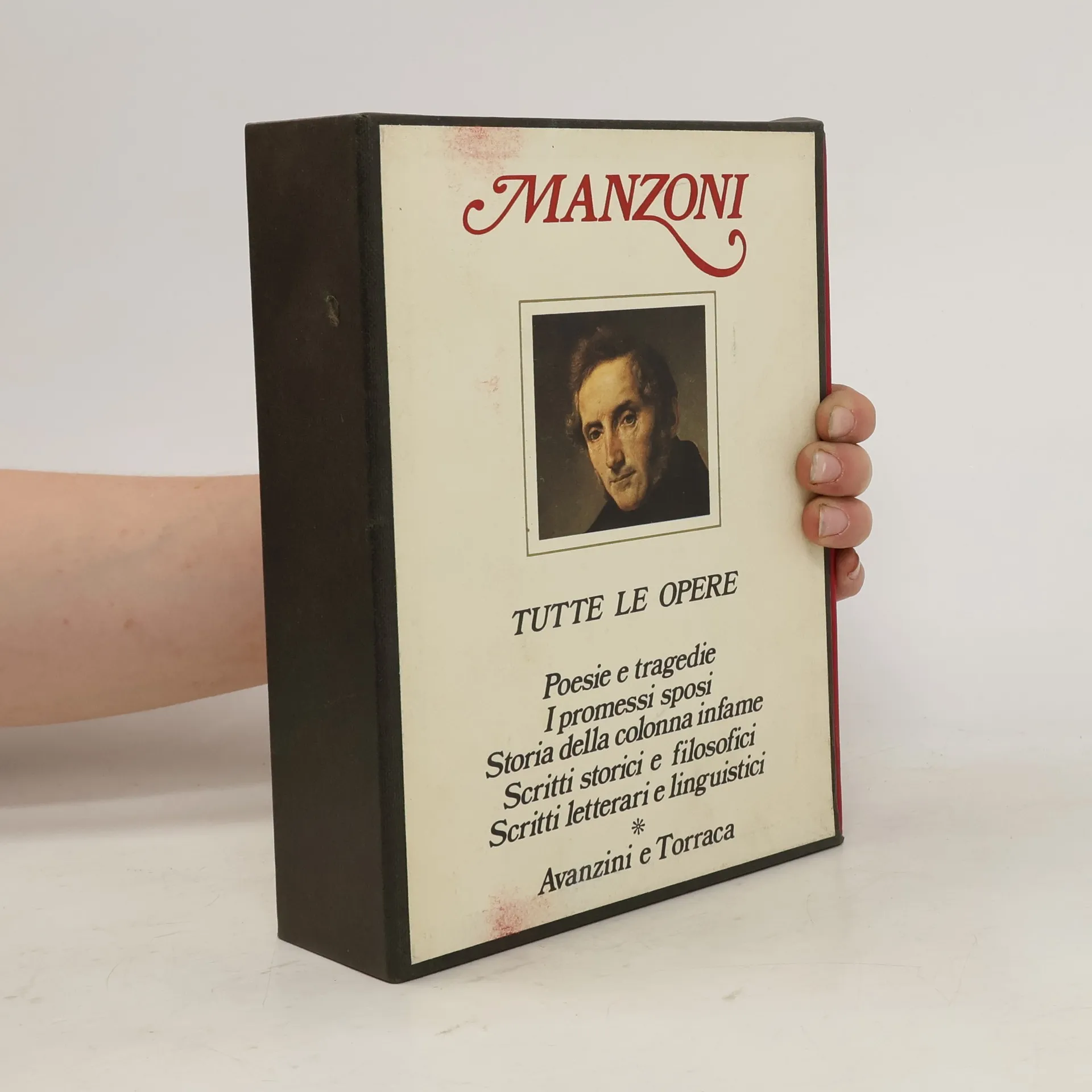
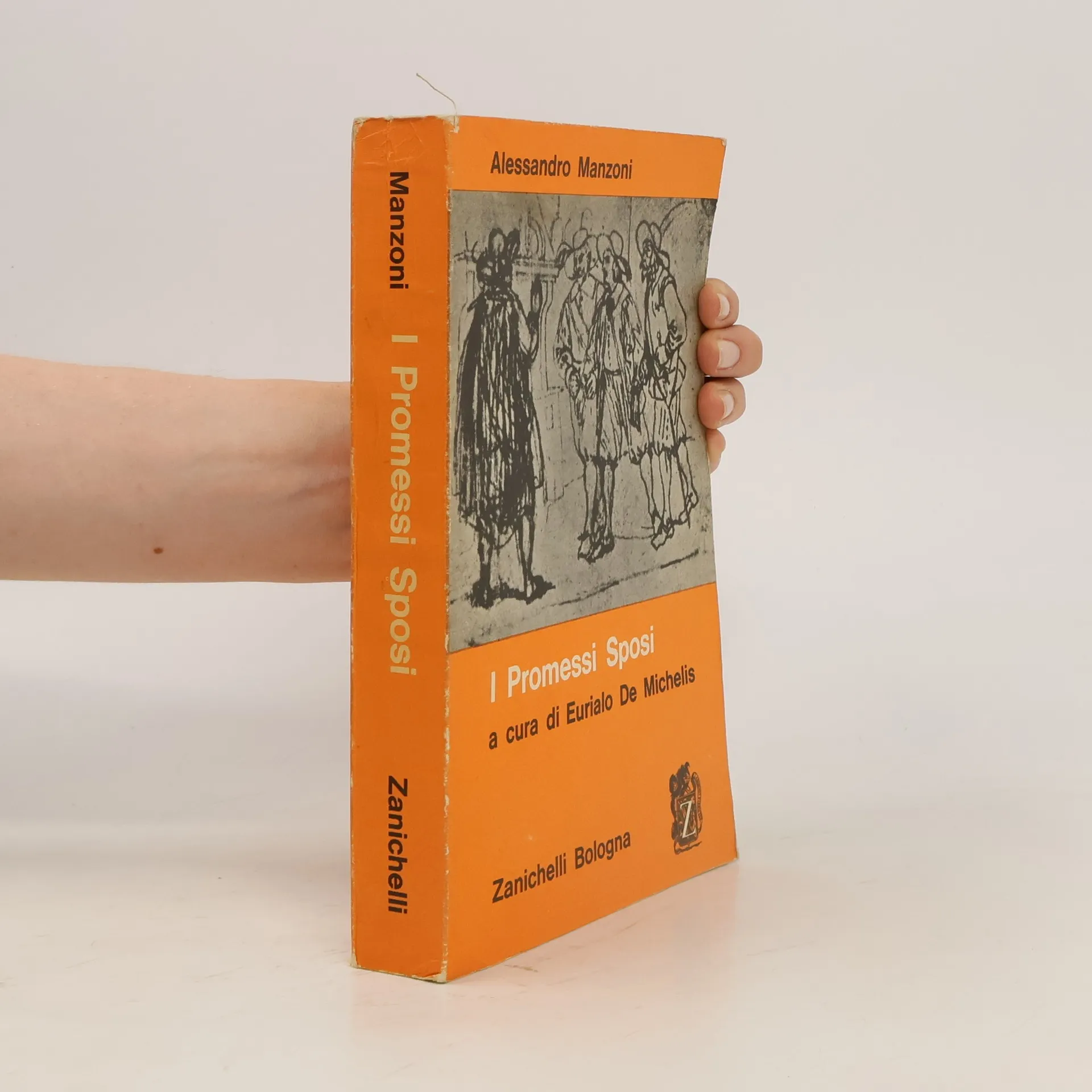
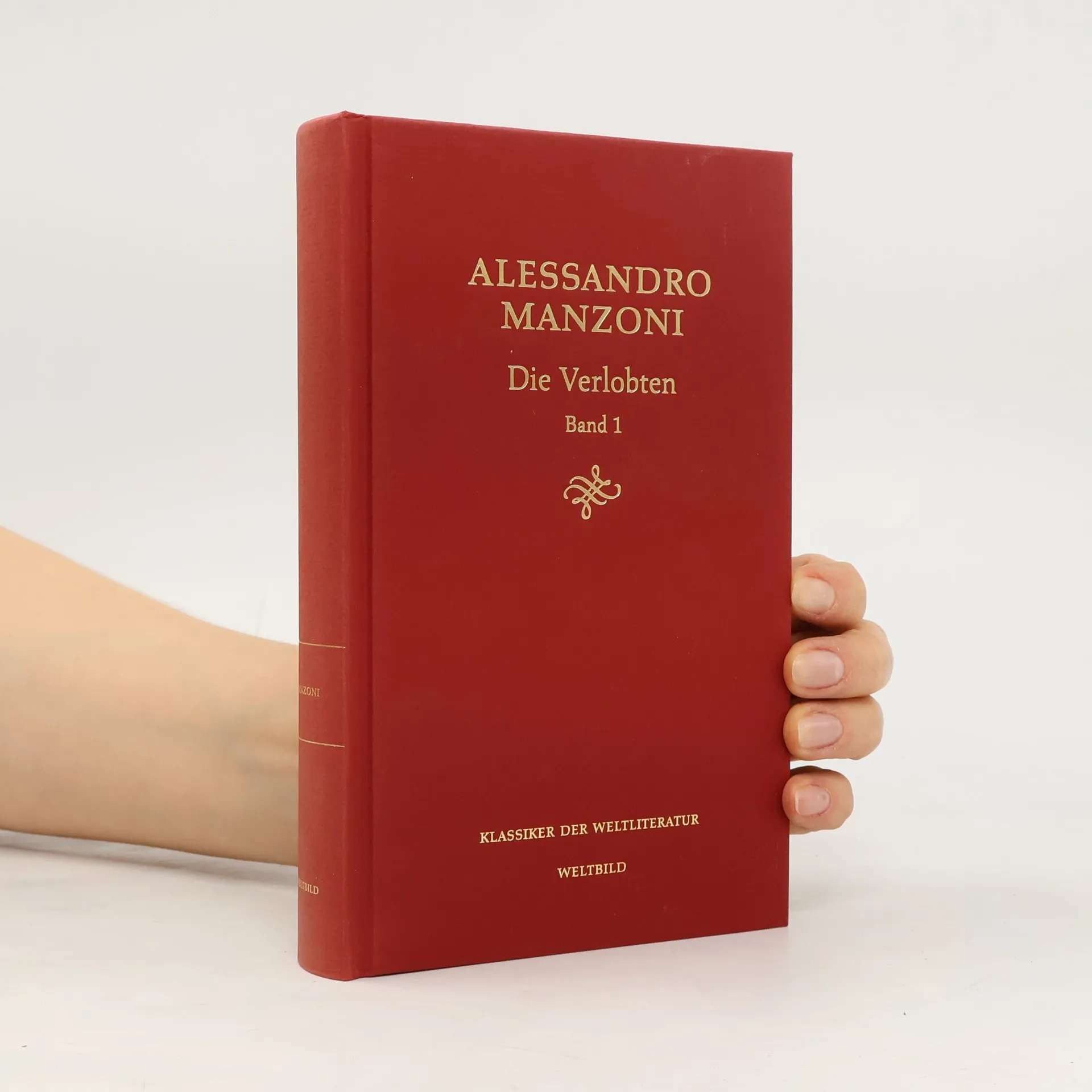
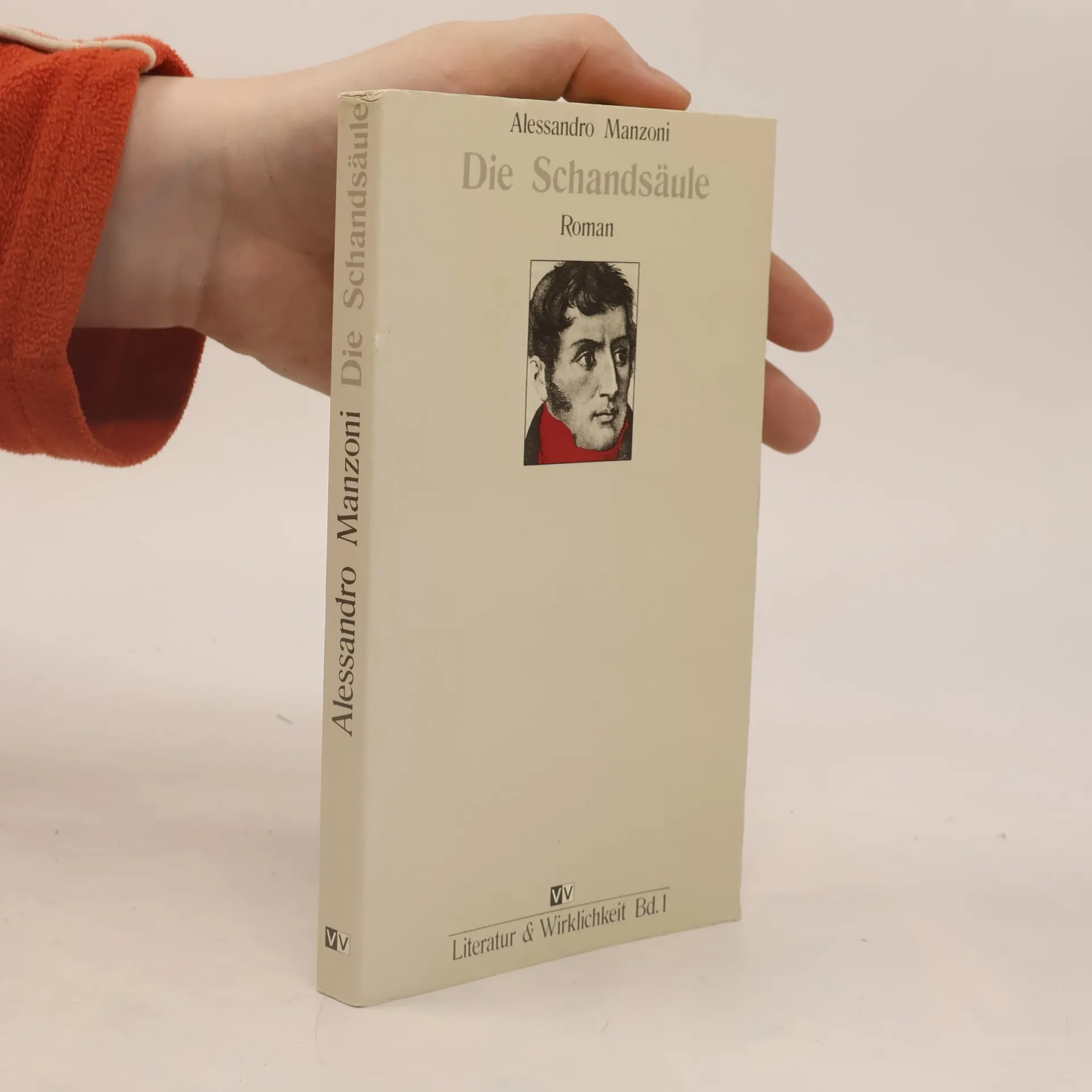
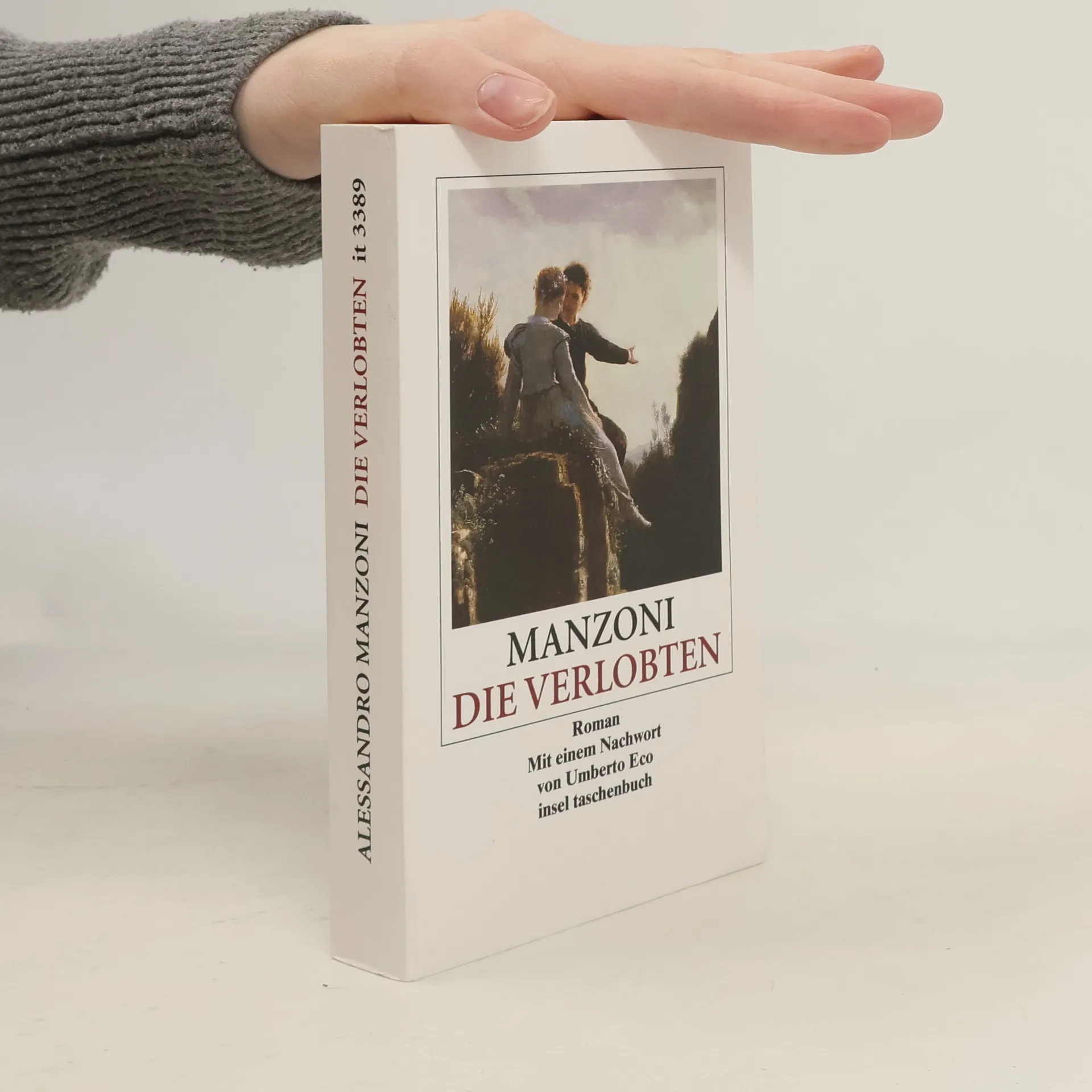
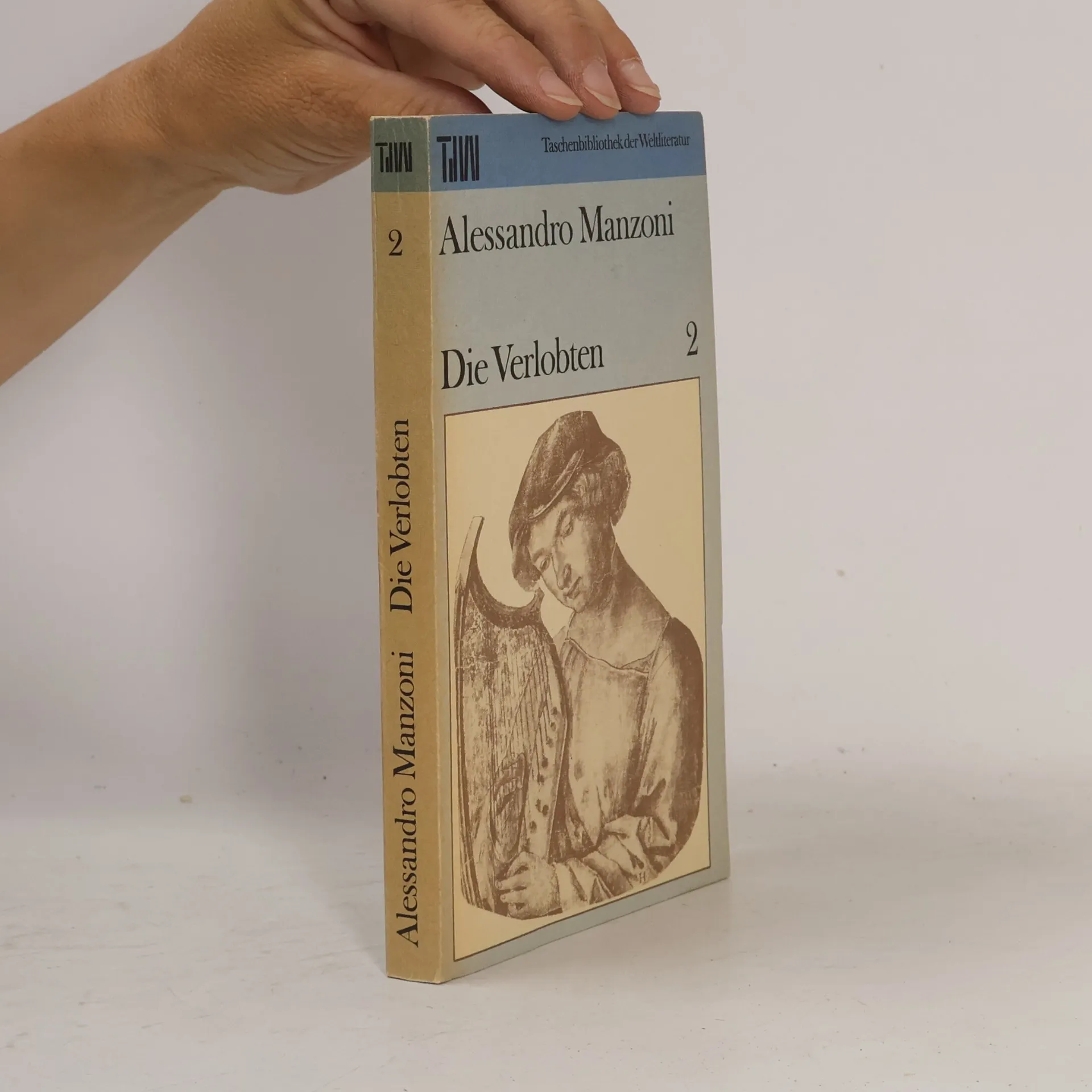
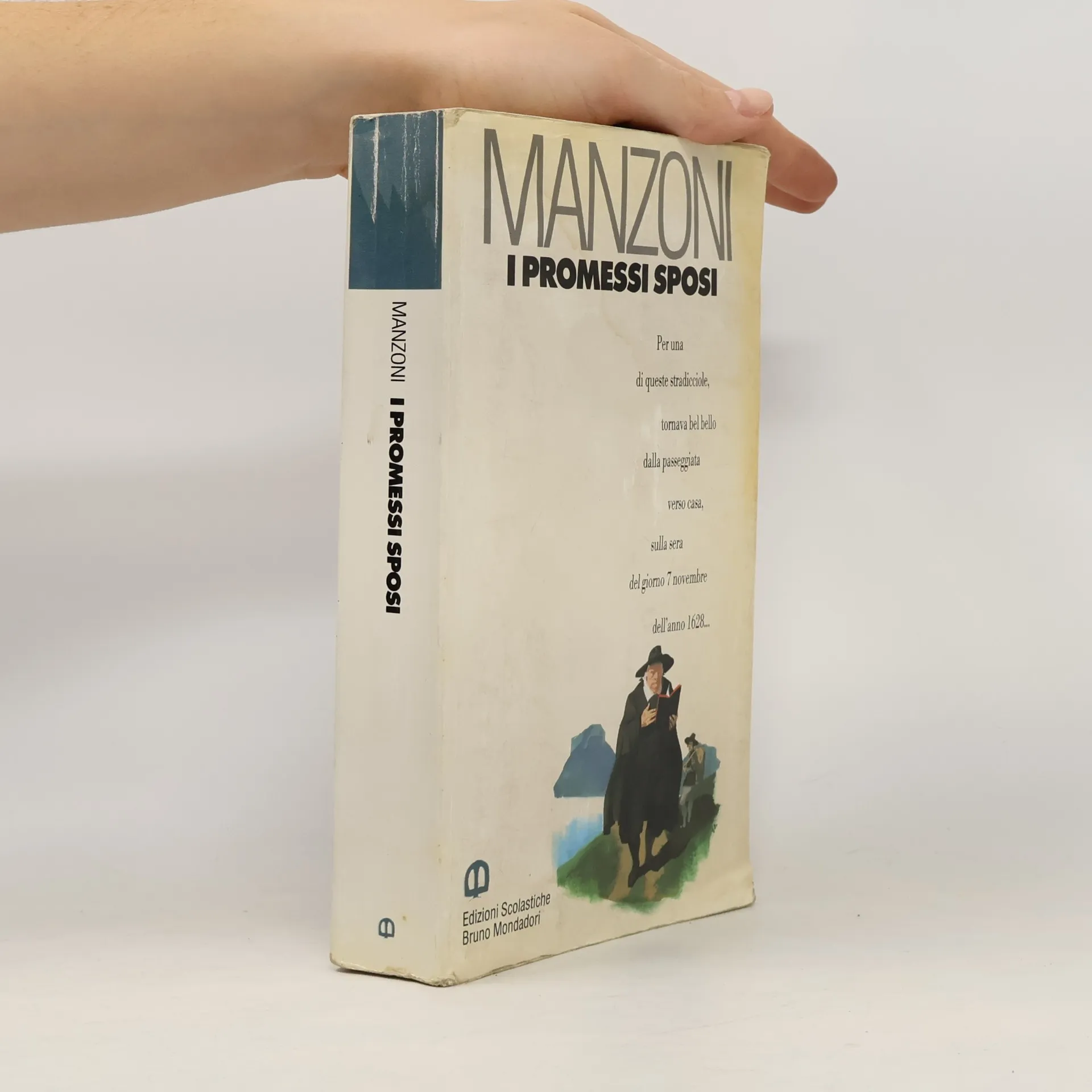
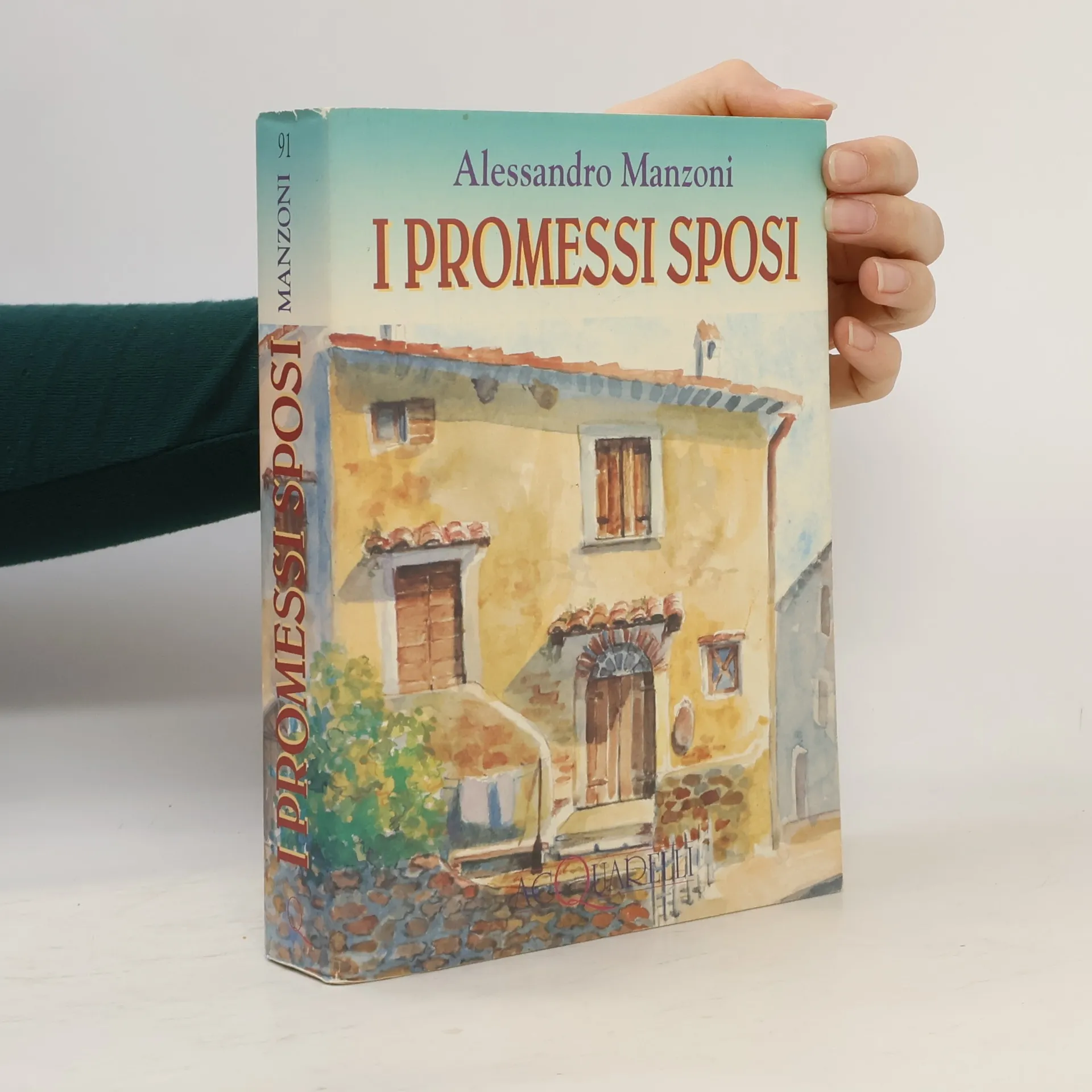
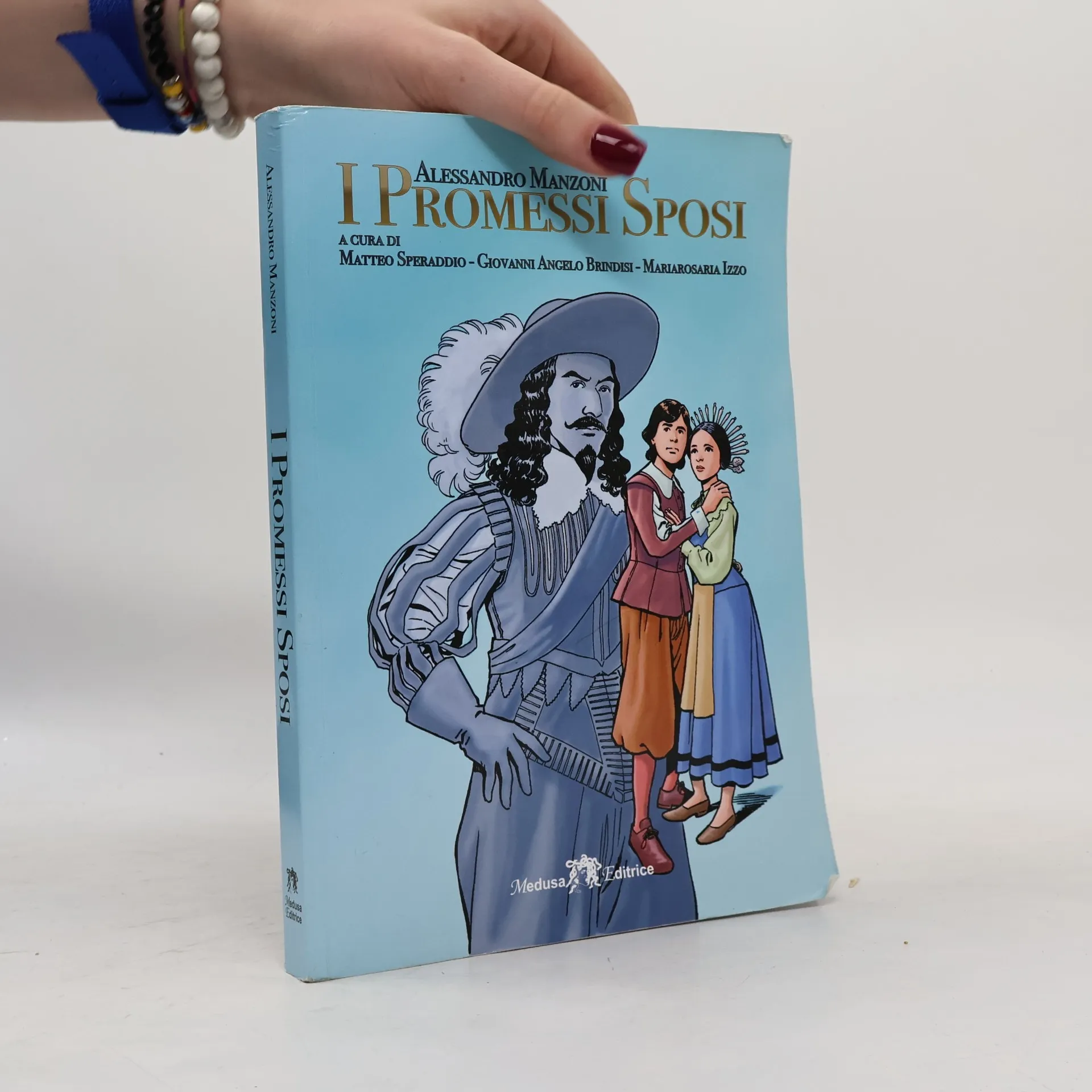
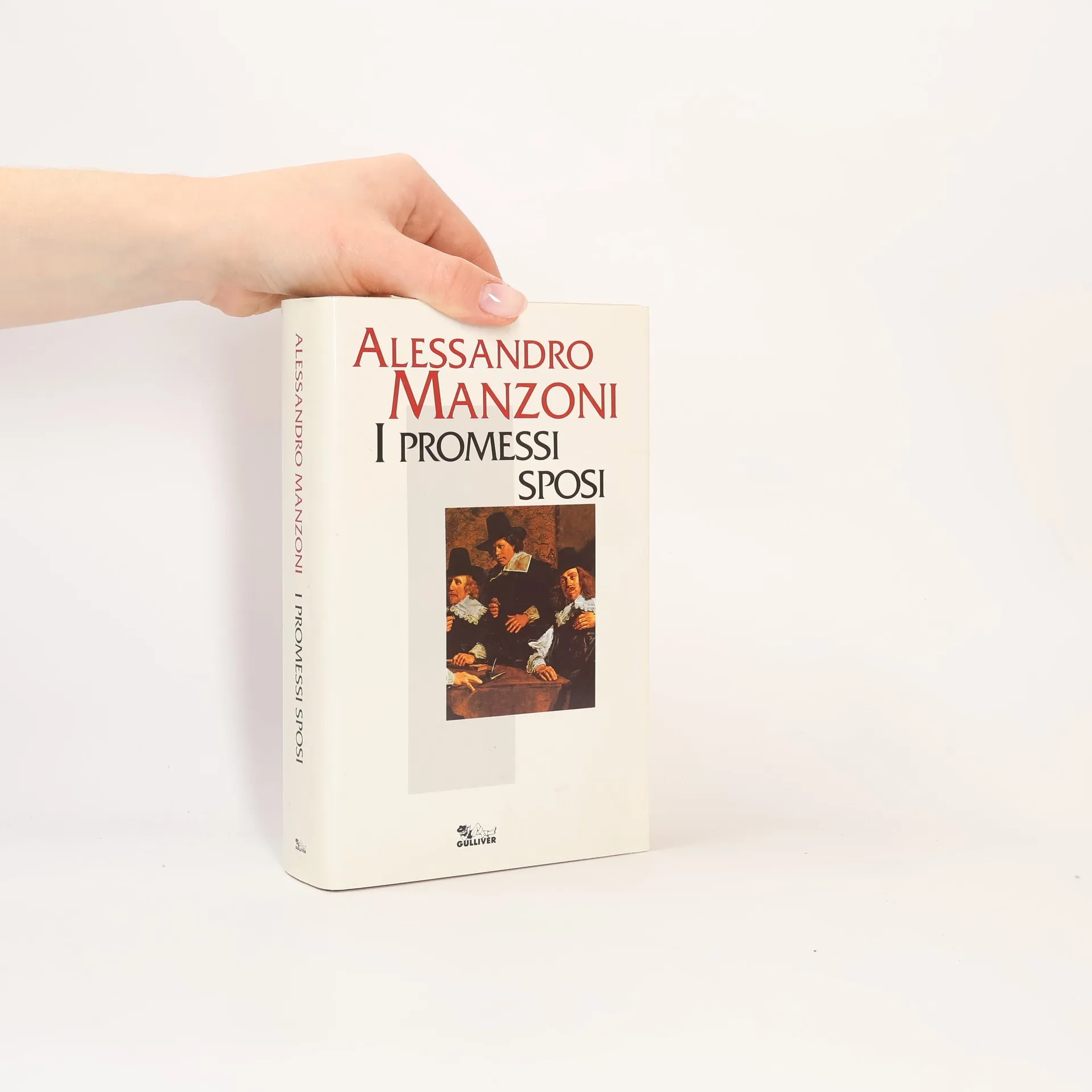
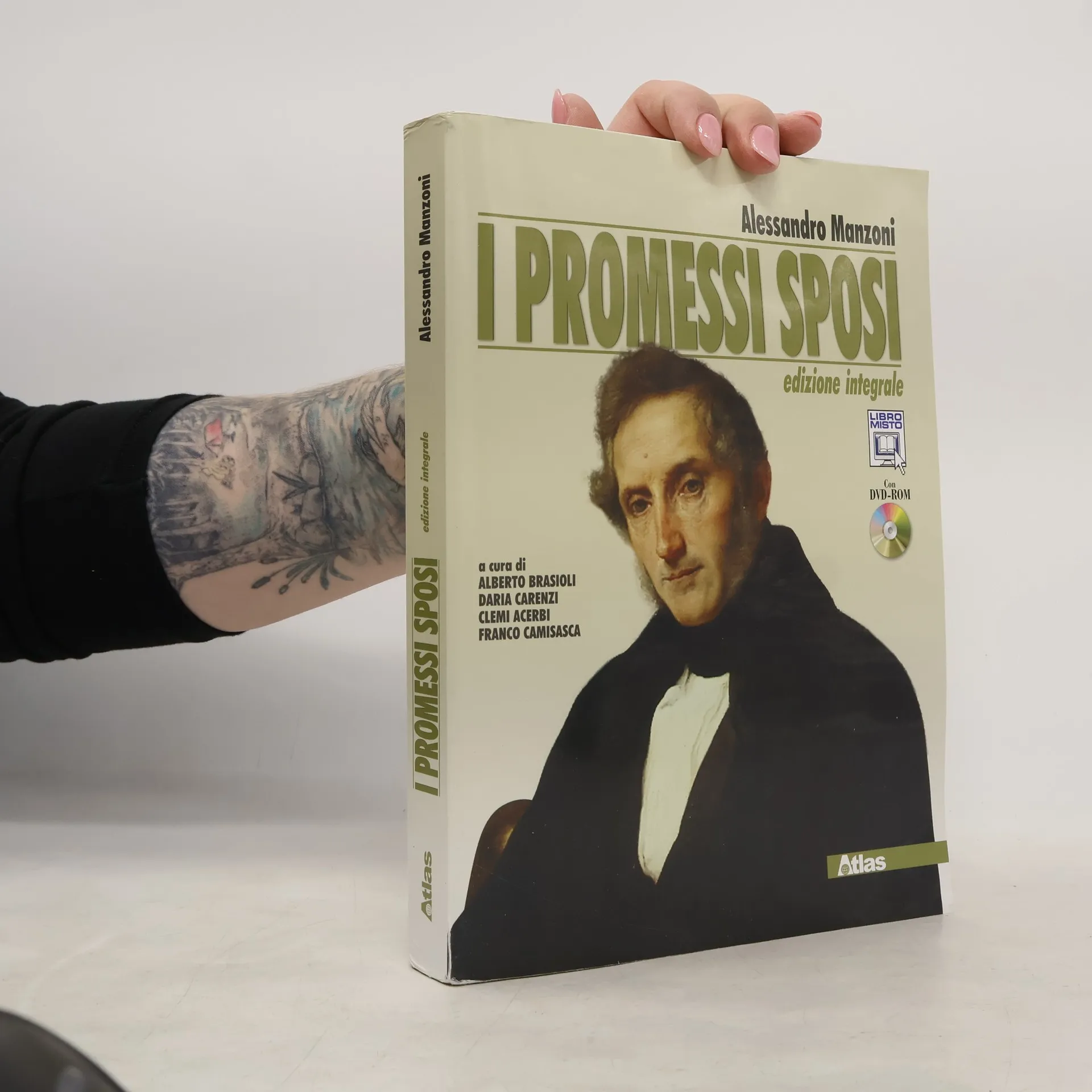
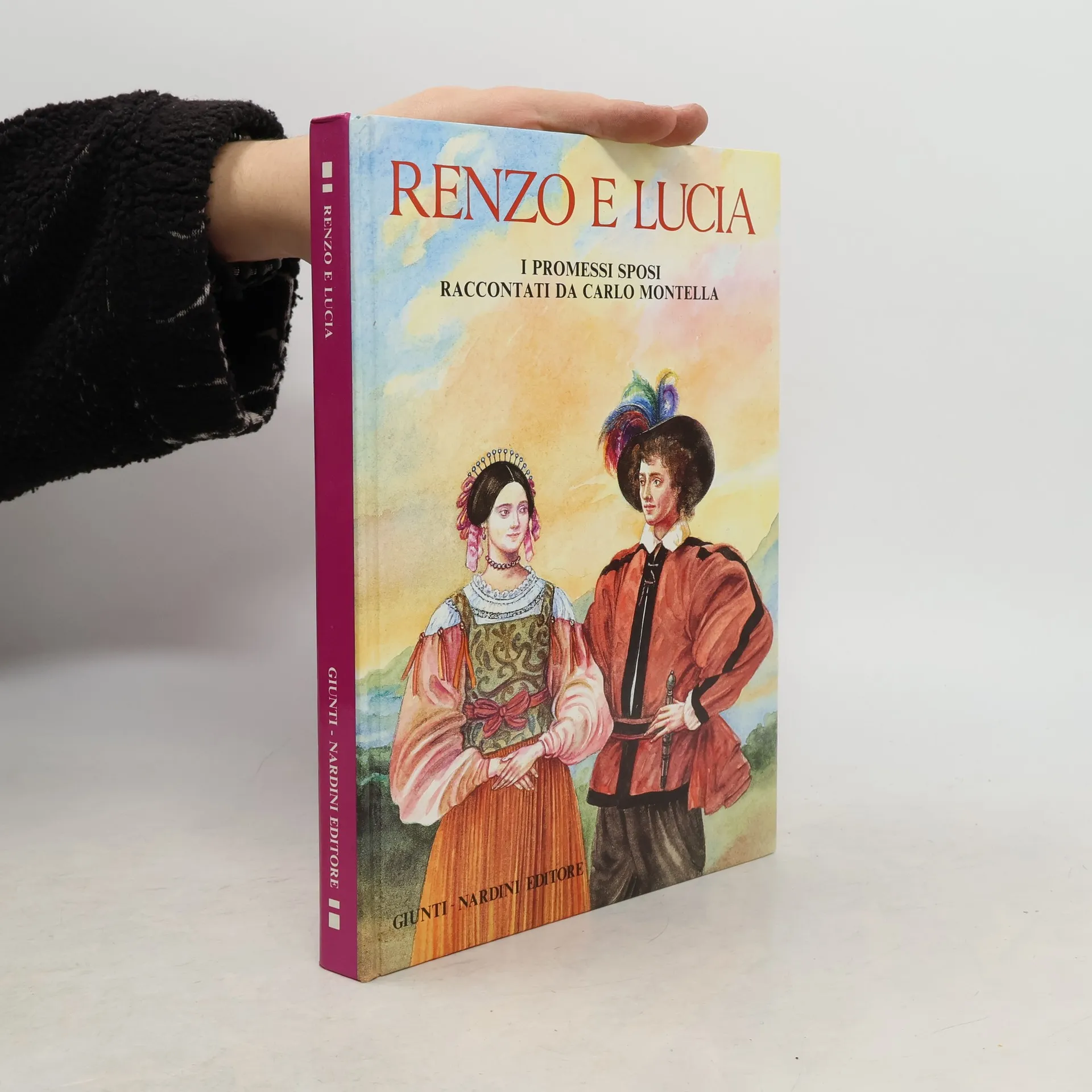
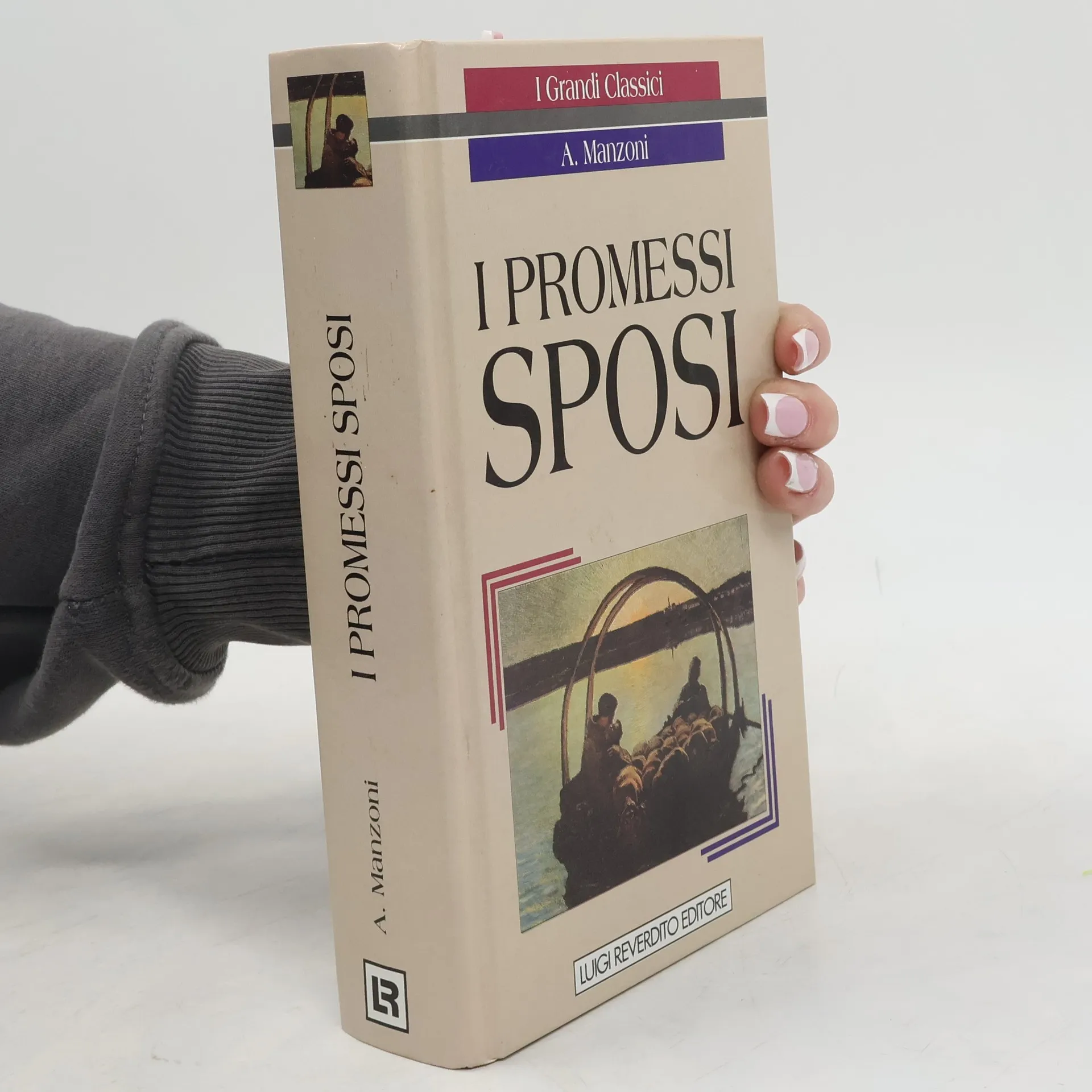
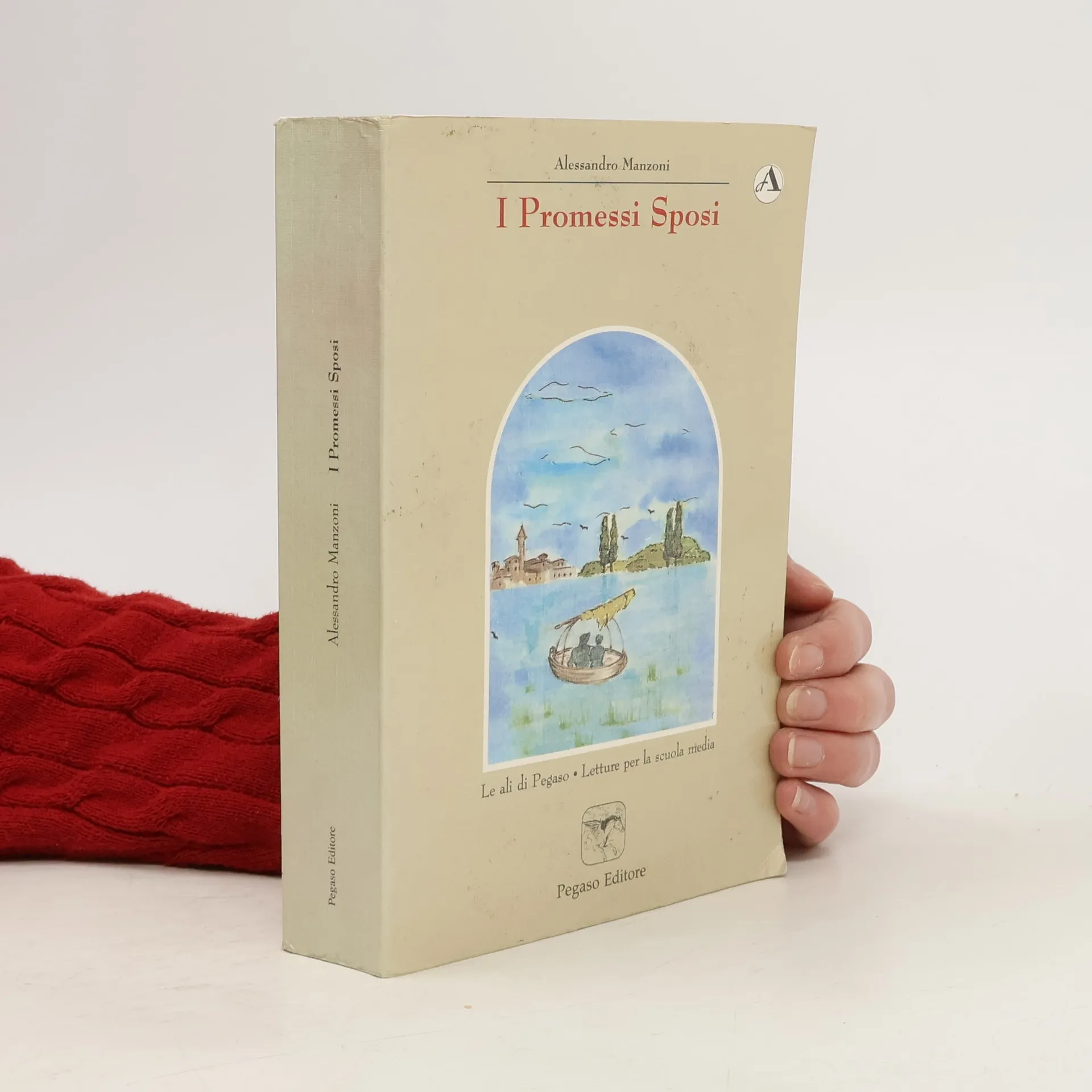
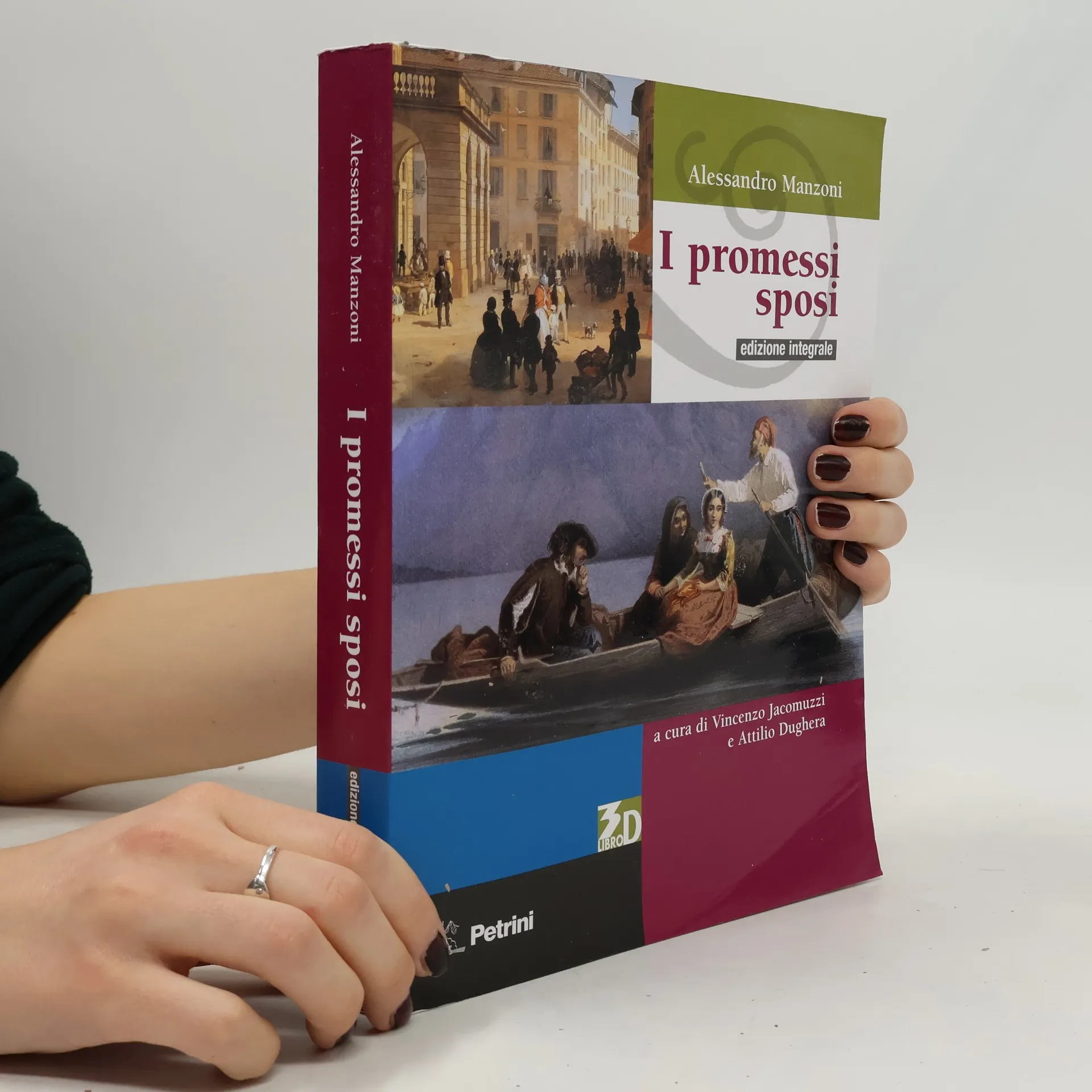
Alessandro Manzoni fue un poeta y novelista italiano cuya obra es considerada una obra maestra y un símbolo del Risorgimento italiano. Su novela representa un hito fundamental en el desarrollo de la lengua italiana moderna y unificada. Manzoni es celebrado por su estilo narrativo expansivo y su profunda visión de la condición humana.
Precursora de la novela de investigacion judicial, los hechos que analiza esta historia se remontan a 1630. Milan, entonces bajo dominio espanol, sufre una epidemia de peste. Una vieja chismosa lanza una acusacion contra el comisario de sanidad: lo habia visto untar las paredes del vecindario. Los acusados son brutalmente torturados y confiesan. La sentencia condena a los acusados a una muerte atroz."
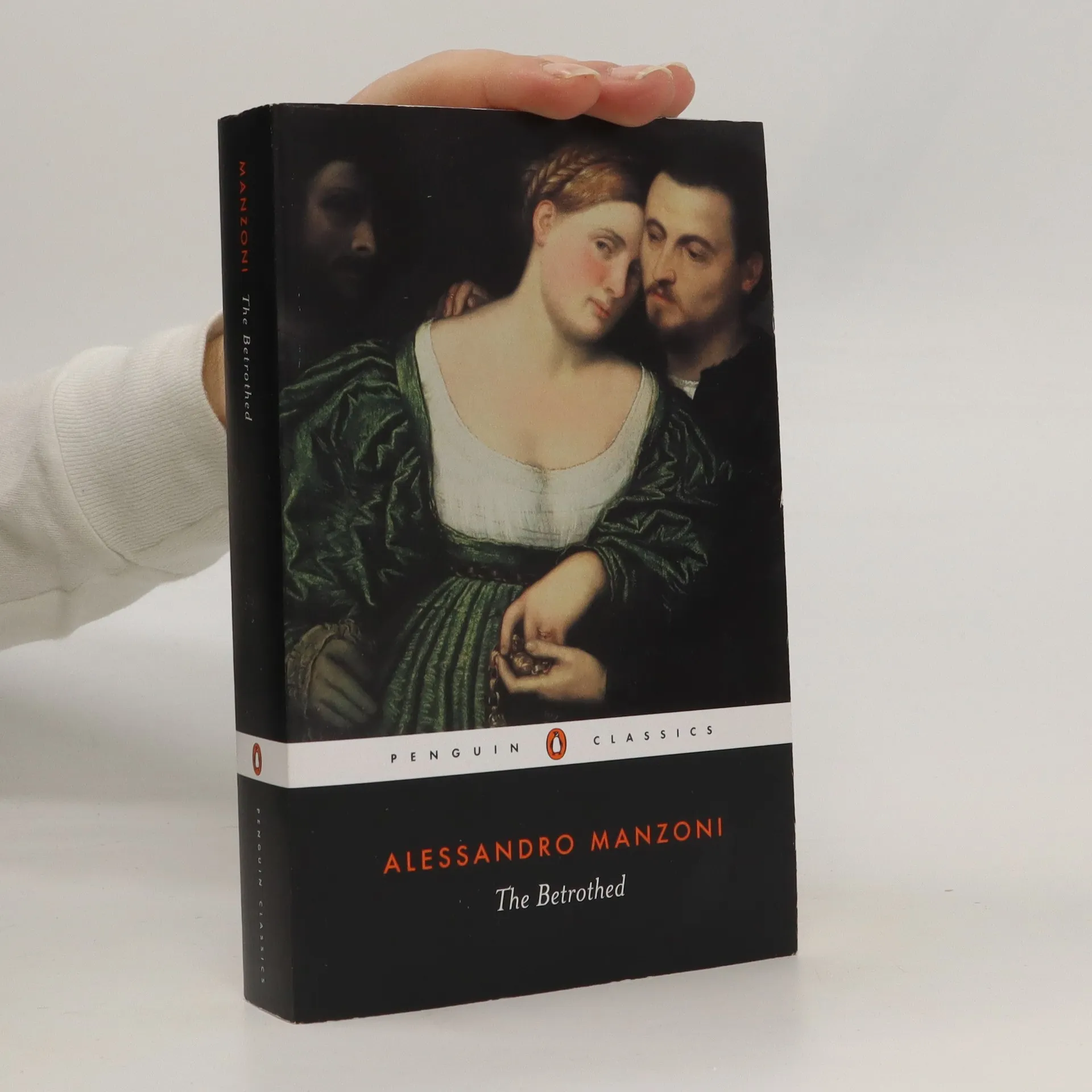
“The great plague novel.” —The New Yorker Set in Lombardy during the Spanish occupation of the late 1620s, The Betrothed tells the story of two young lovers, Renzo and Lucia, prevented from marrying by the petty tyrant Don Rodrigo, who desires Lucia for himself. Forced to flee, they are then cruelly separated, and must face many dangers including plague, famine and imprisonment, and confront a variety of strange characters—the mysterious Nun of Monza, the fiery Father Cristoforo and the sinister "Unnamed"—in their struggle to be reunited. A vigorous portrayal of enduring passion, The Betrothed's exploration of love, power, and faith presents a whirling panorama of seventeenth-century Italian life and is one of the greatest European historical novels. For more than seventy years, Penguin has been the leading publisher of classic literature in the English-speaking world. With more than 1,700 titles, Penguin Classics represents a global bookshelf of the best works throughout history and across genres and disciplines. Readers trust the series to provide authoritative texts enhanced by introductions and notes by distinguished scholars and contemporary authors, as well as up-to-date translations by award-winning translators.
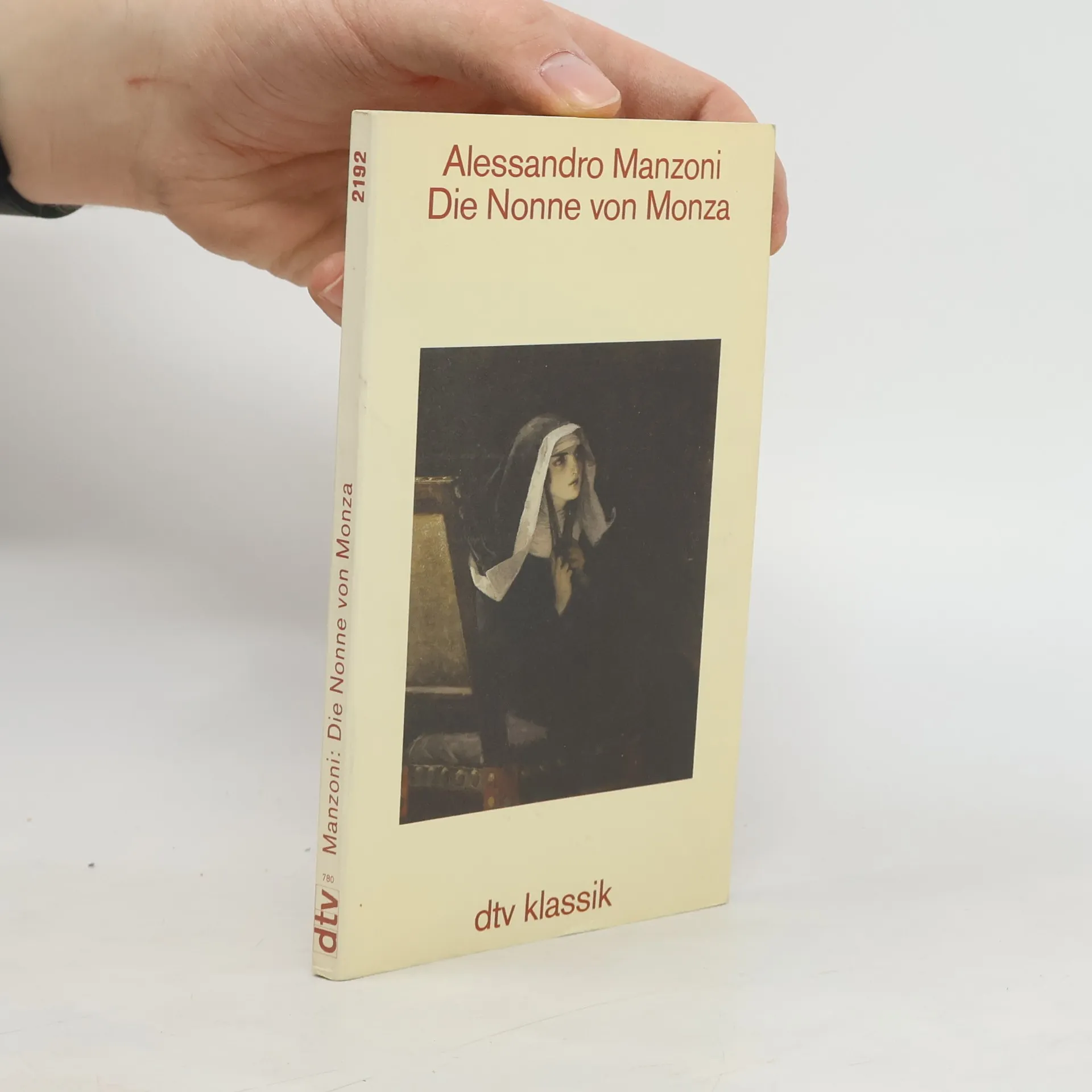
Die kleine Geltrude, Tochter eines reichen Herrn, muss Nonne werden. Aber die Liebe... Ein Klassiker der italienischen Literatur, eine leidenschaftliche wahre Geschichte aus dem 17. Jahrhundert, in einfachen Worten erzählt.
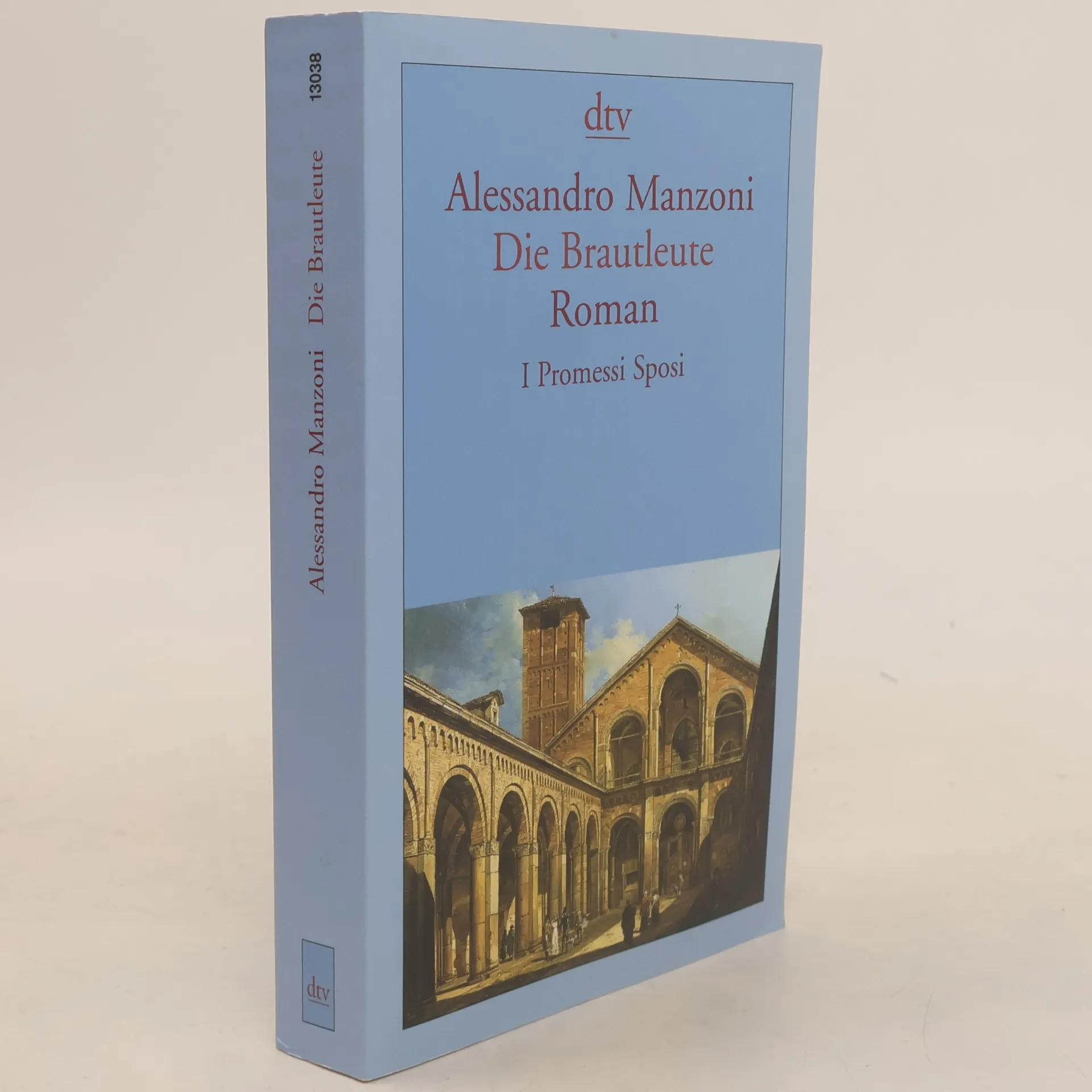
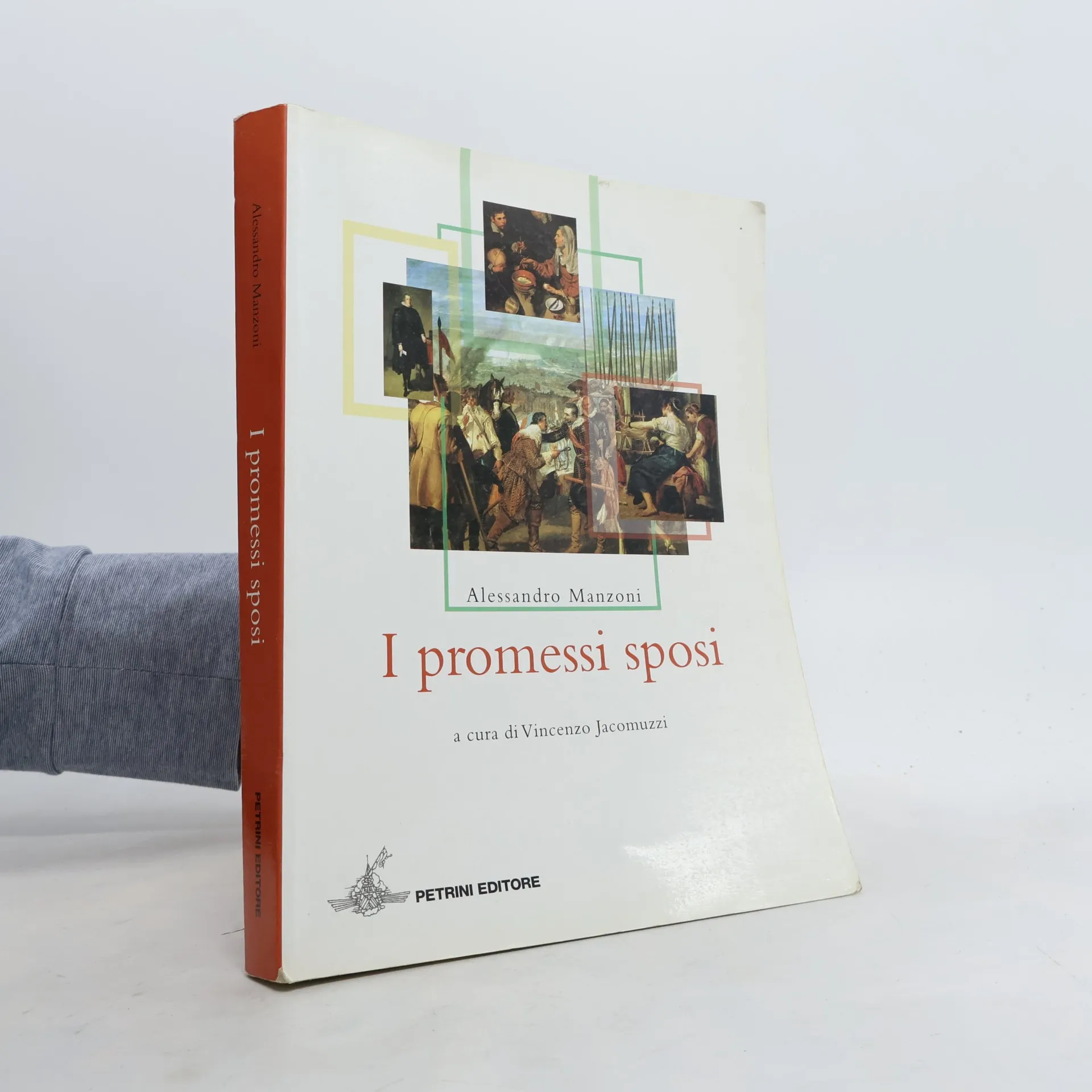
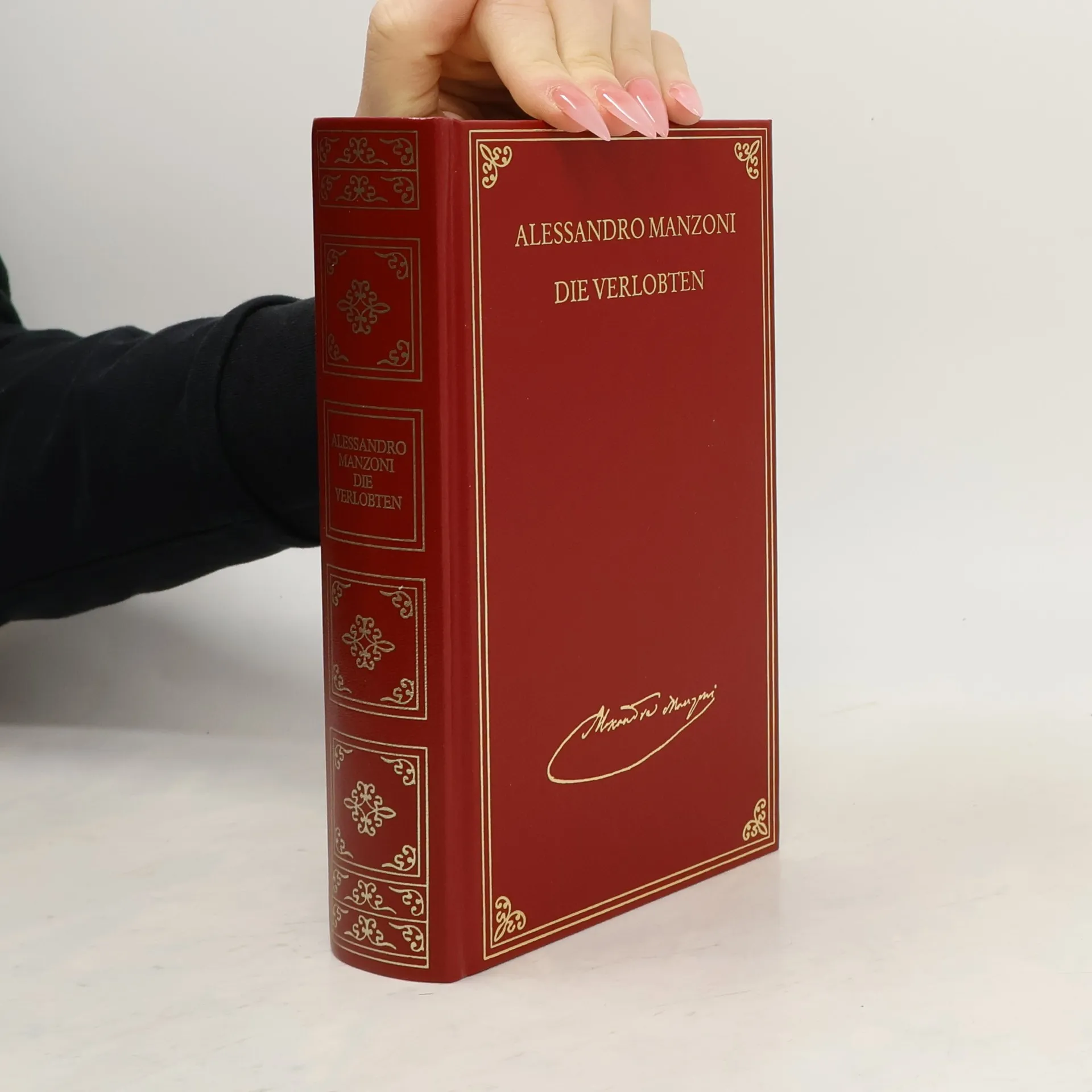
I Promessi Sposi Jetzt zum ersten Mal im Taschenbuch: Der berühmteste Roman Italiens in der hochgelobten Neuübersetzung von Burkhart Kroeber unter dem orignalgetreuen Titel Die Brautleute. Mit der Fiktion einer wiederentdeckten Chronik spielt der große italienische Romancier Allessandro Manzoni in seinem berühmten Werk I promessi sposi von 1827, das in dieser Neuübersetzung nicht mehr unter dem vertrauten Titel Die Verlobten, sondern unter dem orginalgetreuen Die Brautleute vorgelegt wird. Es geht um die Geschichte des jungen Brautpaars Renzo und Lucia, deren Hochzeit sich durch Intrigen, Gewalt und Schicksalsschläge schier unüberwindliche Hindernisse in den Weg stellen. Doch diese Liebesgeschichte ist eingebettet in ein großartiges Tableau: Unter Berufung auf historische Quellen aus dem 17. Jahrhundert läßt Manzoni, dieser unbestechliche Beobachter und glänzende Stilist, ein ganzes Zeitalter, seine Gesellschaft und seine politischen Ereignisse lebendig werden. Manzonis Mailänder Geschichte zählt zu den wichtigsten Romanen der Weltliteratur, seine Bewunderer reichen von Goethe bis Umberto Eco und diese Neuübersetzung wurde mit Kritikerlob geradezu überhäuft.
Questo ebook è un testo di pubblico dominio. Potete trovare il testo liberamente sul web. La presente edizione è stata realizzata per Amazon da Simplicissimus Book Farm per la distribuzione gratuita attraverso Kindle.
Oberitalien zur Zeit des Dreißigjährigen Krieges: Lucia und Renzo, zwei einfache junge Leute, stehen kurz vor der Hochzeit, als der brutale Feudalherr Don Rodrigo die Trauung verhindert. In ihrer Verzweiflung fliehen sie, werden jedoch getrennt und vom Strudel der Zeitgeschichte mitgerissen. Lucia gerät in die Fänge eines gefürchteten Feudalherrn, während Renzo als vermeintlicher Volksverhetzer im Gefängnis landet. Nach seiner Befreiung kämpft er darum, Lucia zu finden, doch die Pest bricht in Mailand aus, was ein Wiedersehen nahezu unmöglich erscheinen lässt.
Manzoni erzählt nicht nur die romantische Geschichte einer unbezwingbaren Liebe, sondern schafft auch ein bedeutendes historisches Epos. Seine Erzählweise ist einfühlsam und realistisch, durchzogen von feiner Ironie, und er beleuchtet die Schicksale der kleinen Leute im Angesicht großer historischer Umbrüche. Die komplexe Beziehung zwischen den Protagonisten und die gesellschaftlichen Herausforderungen ihrer Zeit werden eindrucksvoll dargestellt. Die Kritik an den Kräften, die die Menschen ihrer Würde berauben, wird durch die tief verwurzelte Frömmigkeit des Autors verstärkt.
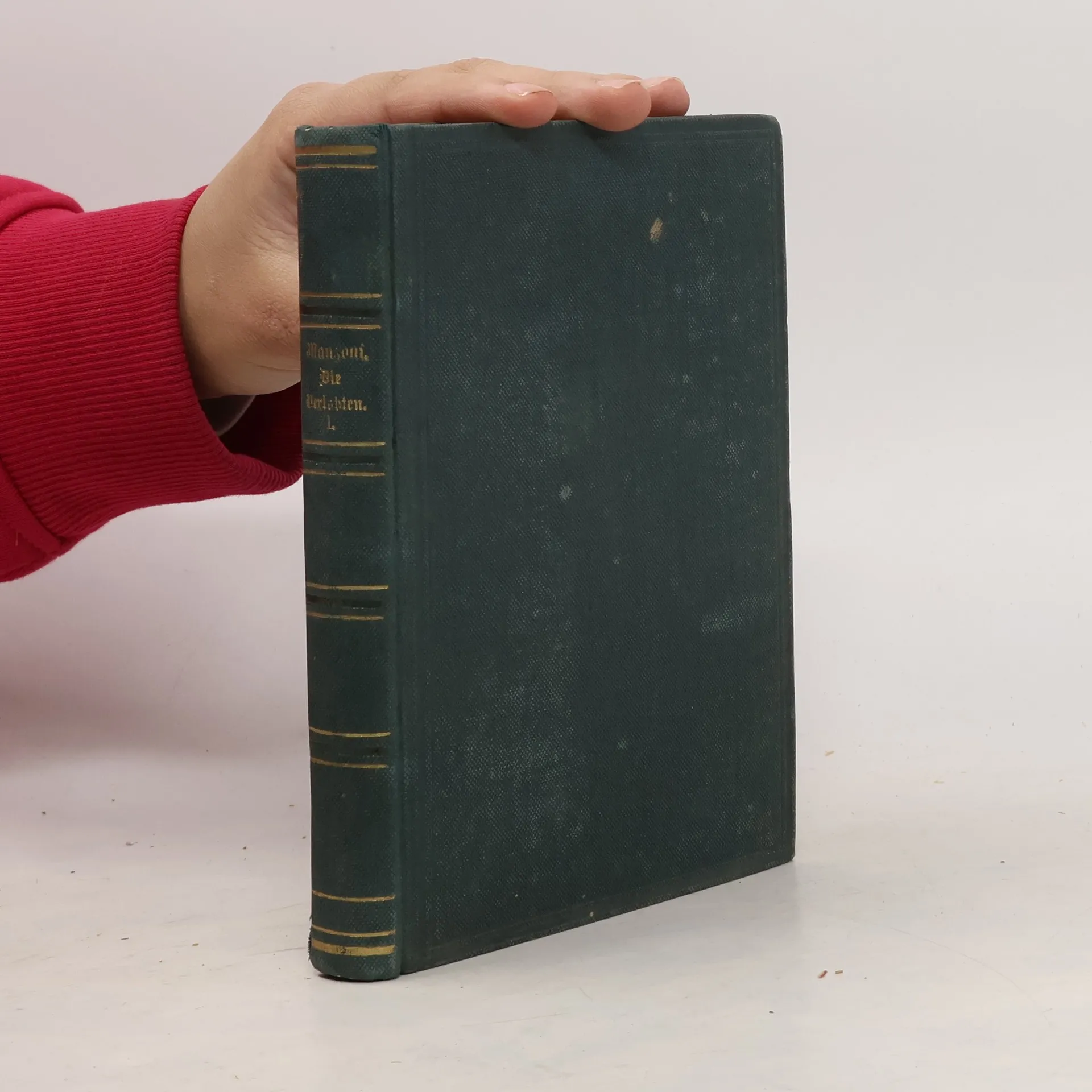
Die Übersetzung von Daniel Lessmann wird aufgrund ihrer zeitlichen Nähe zum Original von Hermann Tiemann empfohlen. Sie fängt den Stil Manzonis am besten ein und spiegelt die Sprache der Goethe-Zeit wider. Trotz anfänglicher Breite der Sprache wird ihre Schönheit schnell erfassbar. Die Rechtschreibung bleibt unverändert.
Die Übersetzung von Daniel Lessmann wird aufgrund ihrer zeitlichen Nähe zum Original von Hermann Tiemann empfohlen. Sie fängt den Stil Manzonis am besten ein und spiegelt die Sprache der Goethe-Zeit wider. Trotz anfänglicher Breite der Sprache wird ihre Schönheit schnell erfassbar. Die Rechtschreibung bleibt unverändert.
Eine Mailänder Geschichte aus dem Siebzehnten Jahrhundert. Eingeleitet und mit einem Nachwort versehen von Hermann Tiemann
366 páginas
13 horas de lectura
"Durch den ganzen Landstrich, welchen die Kriegsscharen durchzogen, hatten sich in Häusern und auf Straßen Leichname gefunden. Bald verrieten sich an diesem oder jenem Orte Krankheiten; einzelne wie ganze Familien starben an gewaltsamen, außerordentlichen Übeln, deren Zeichen dem größten Teile des lebenden Geschlechtes unbekannt waren." Der berühmteste Roman Italiens, hier in der vielgelesenen Übersetzung von Daniel Lessmann. Alessandro Manzoni. Die Verlobten. Eine Mailänder Geschichte aus dem Siebzehnten Jahrhundert. Übersetzt von Daniel Lessmann. Durchgesehener Neusatz, diese Ausgabe folgt: Gutenberg Verlag, Hamburg 1929. Nach der Übersetzung von Daniel Lessmann; hrsg., bearb. u. eingel. von Dr. Hermann Tiemann (inkl. Nachwort von Hermann Tiemann). Erstdruck des italienischen Originals: I Promessi Sposi. Storia milanese del secolo XVII, scoperta e rifatta da Alessandro Manzoni. Mailand 1825 – 1827. Neuausgabe, LIWI Verlag, Göttingen 2020. LIWI Literatur- und Wissenschaftsverlag
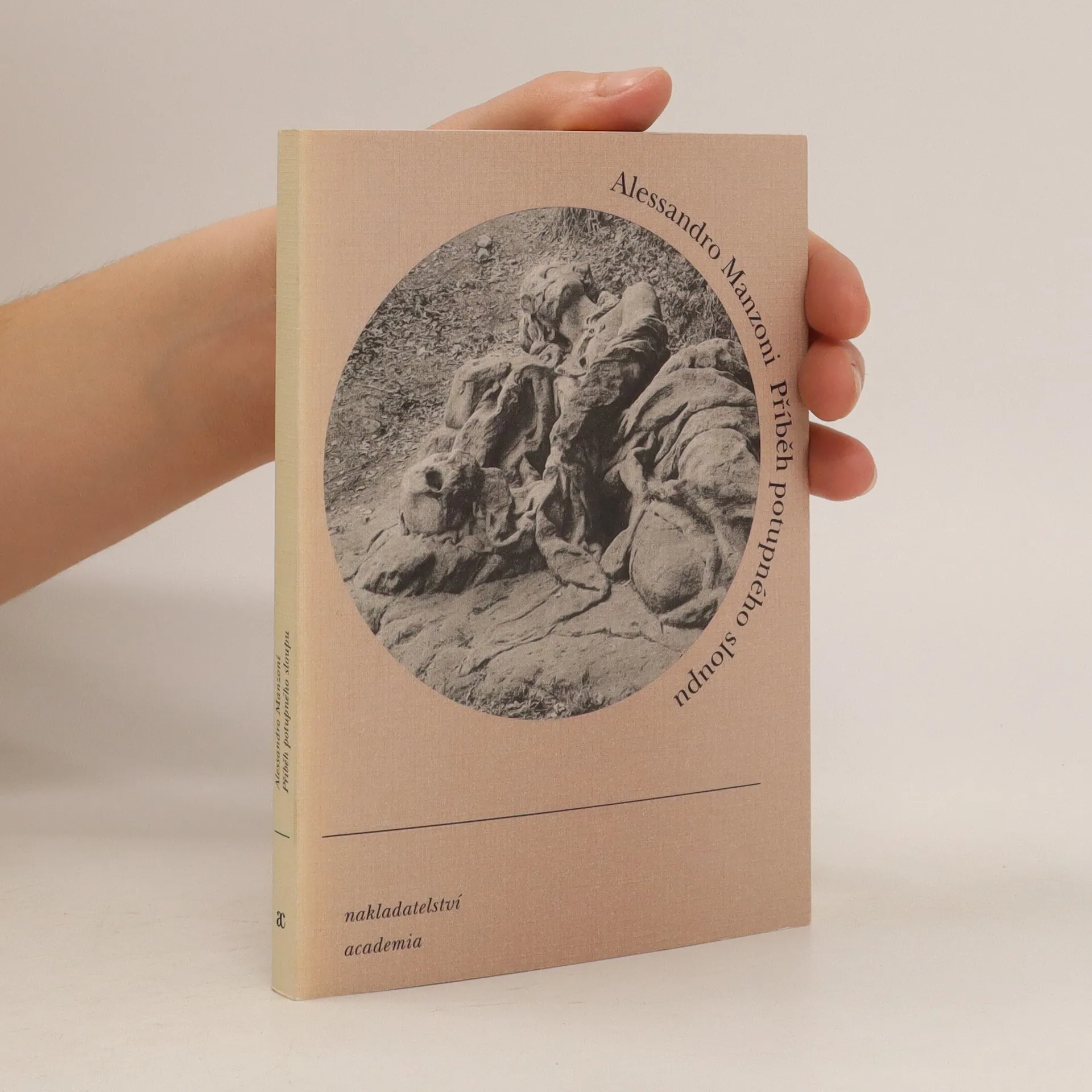
Filozoficky podbarvený traktát inspirovaný nespravedlivým procesem z doby velkého moru v Miláně v roce 1630 se opírá o studium historických pramenů.
V tragickém roce 1630 byli za morové epidemie v Miláně pod vlivem davové hysterie obviněni dva muži z rozšiřování nákazy a bez jakýchkoliv důkazů, pouze v zájmu uklidnění veřejného mínění, i popraveni. Autor, který pracoval s historickými materiály dlouhá léta, oživuje dobovou atmosféru i postavy obou obětí, aby ukázal na tomto jediném příkladu, že tragédii nezavinil náhodný souběh okolností, ale postoj mocných, kteří usoudili, že v zájmu klidu je třeba najít viníka epidemie za každou cenu.
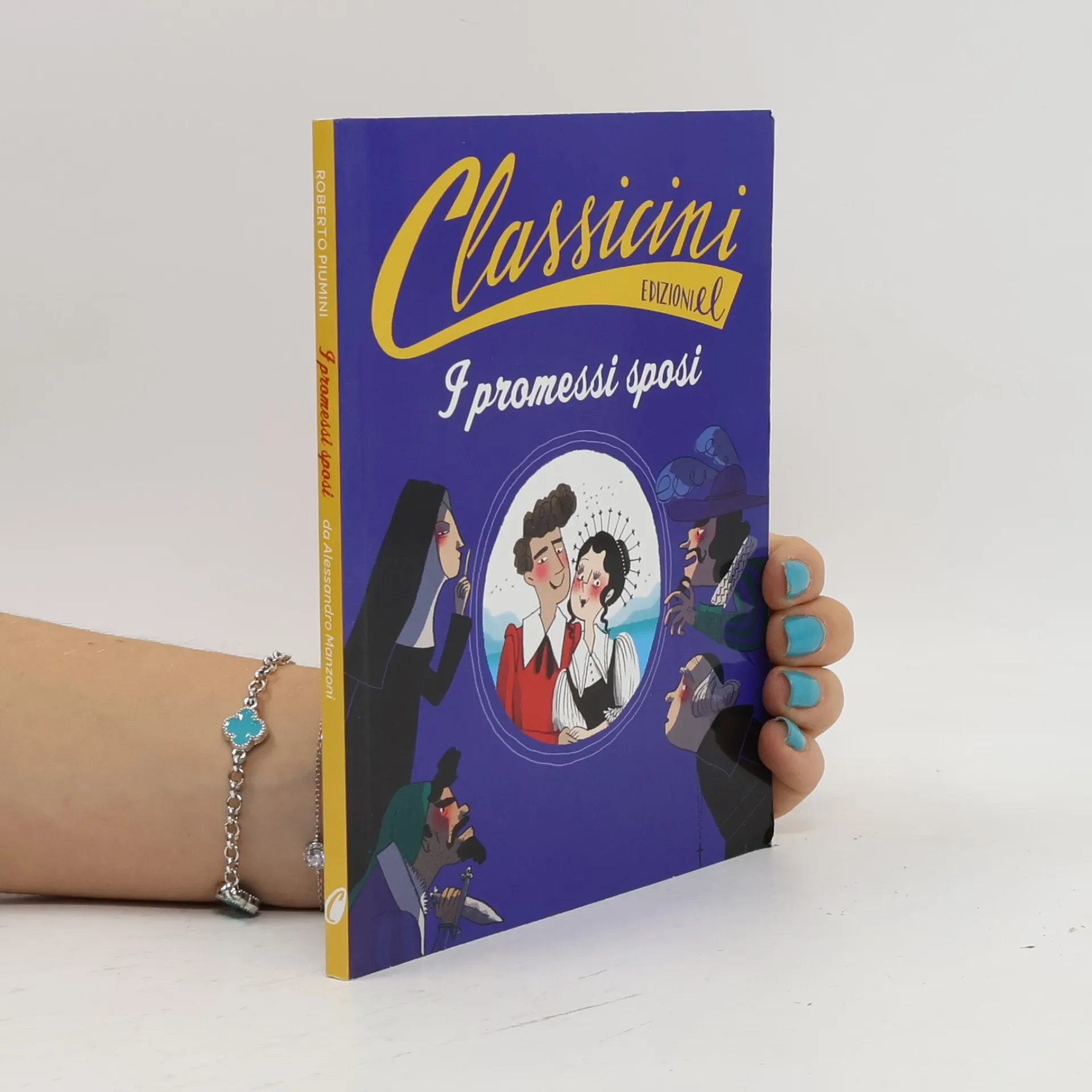
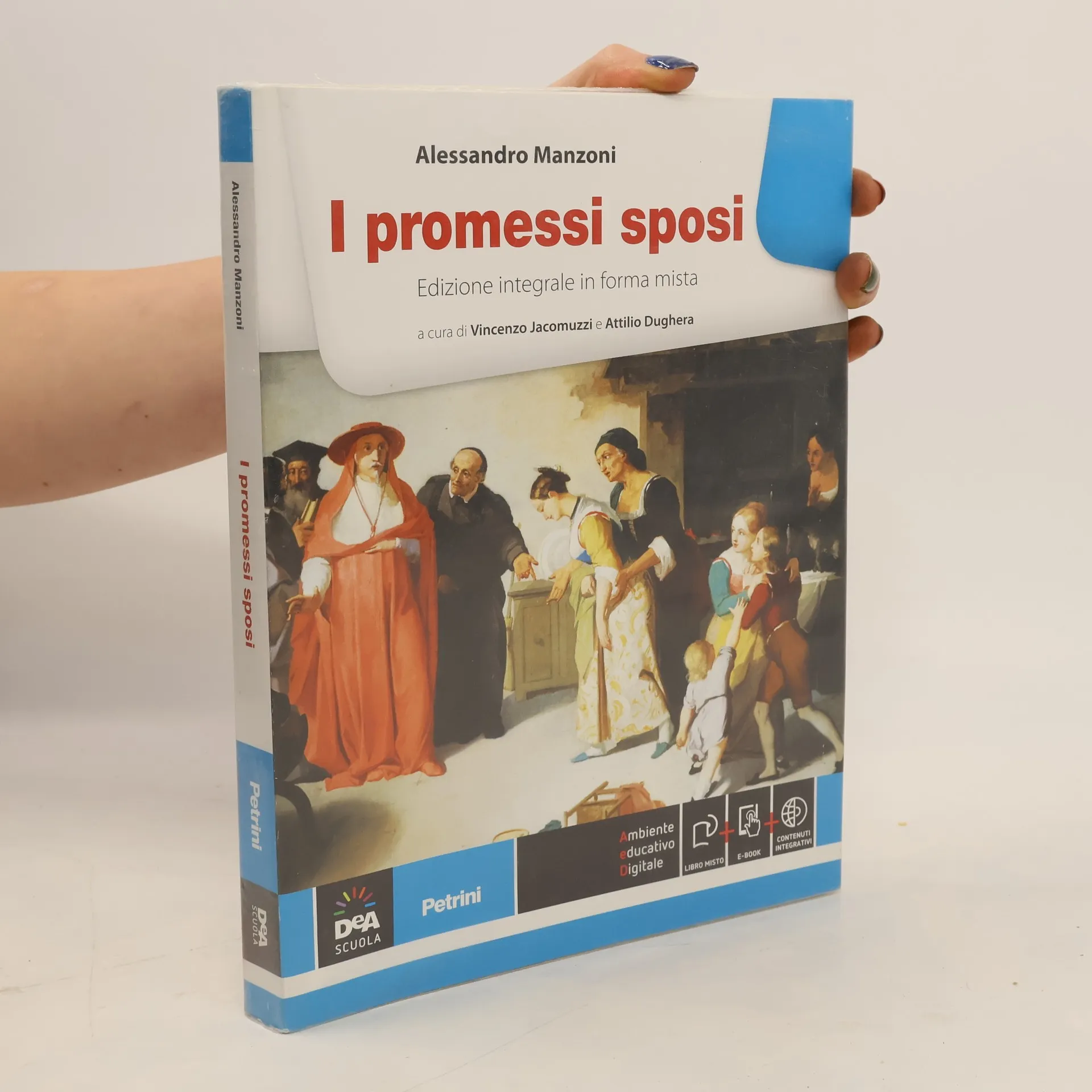
Una storia di intrighi e soprusi combattuti con la forza della libertà e dell'amore. La storia di Renzo e Lucia che si fa affresco epocale della società del Nord Italia durante la dominazione spagnola del Seicento. Il primo grande romanzo italiano, capolavoro di Alessandro Manzoni, qui riscritto da Roberto Piumini e illustrato da Sara Not. Età di lettura: da 7 anni.
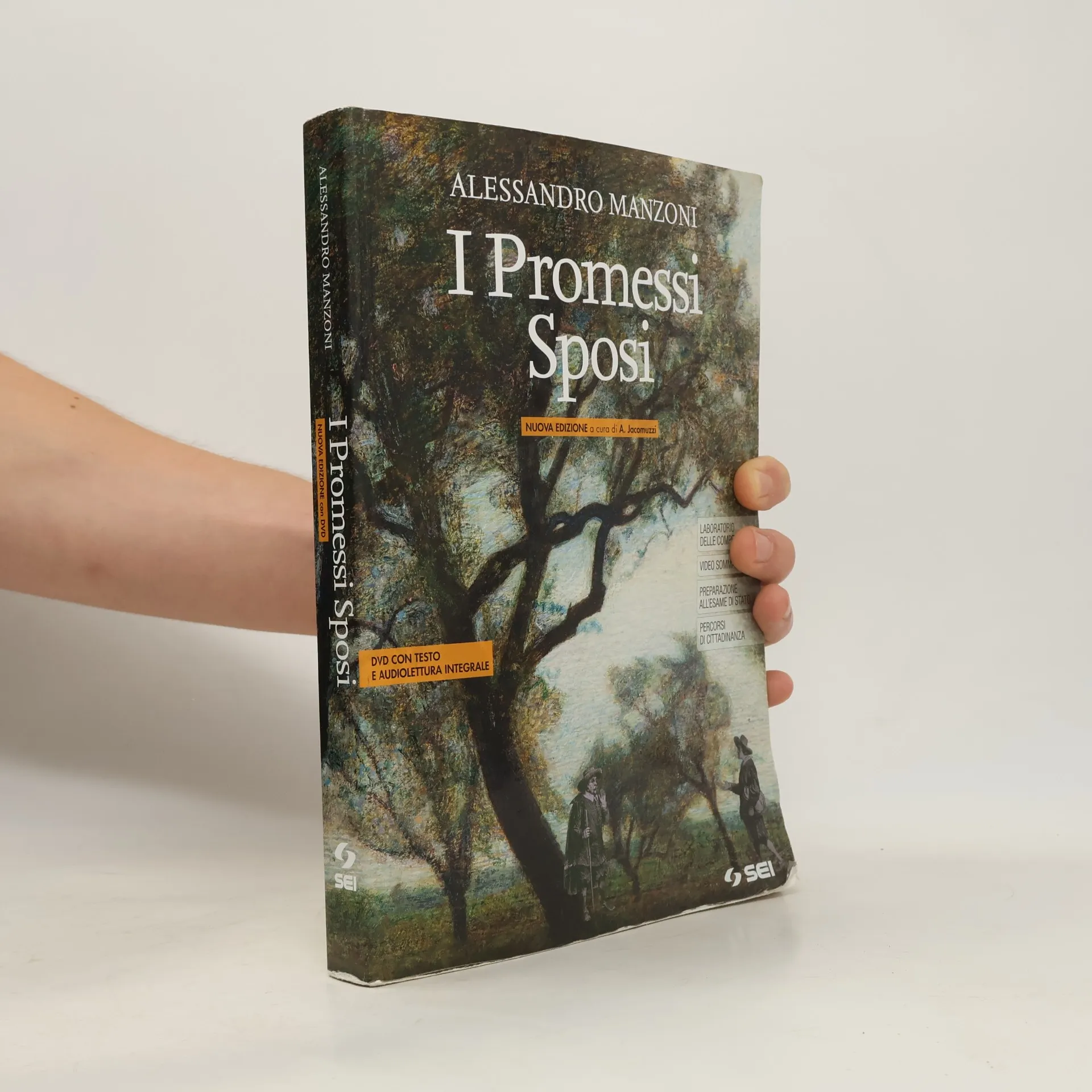
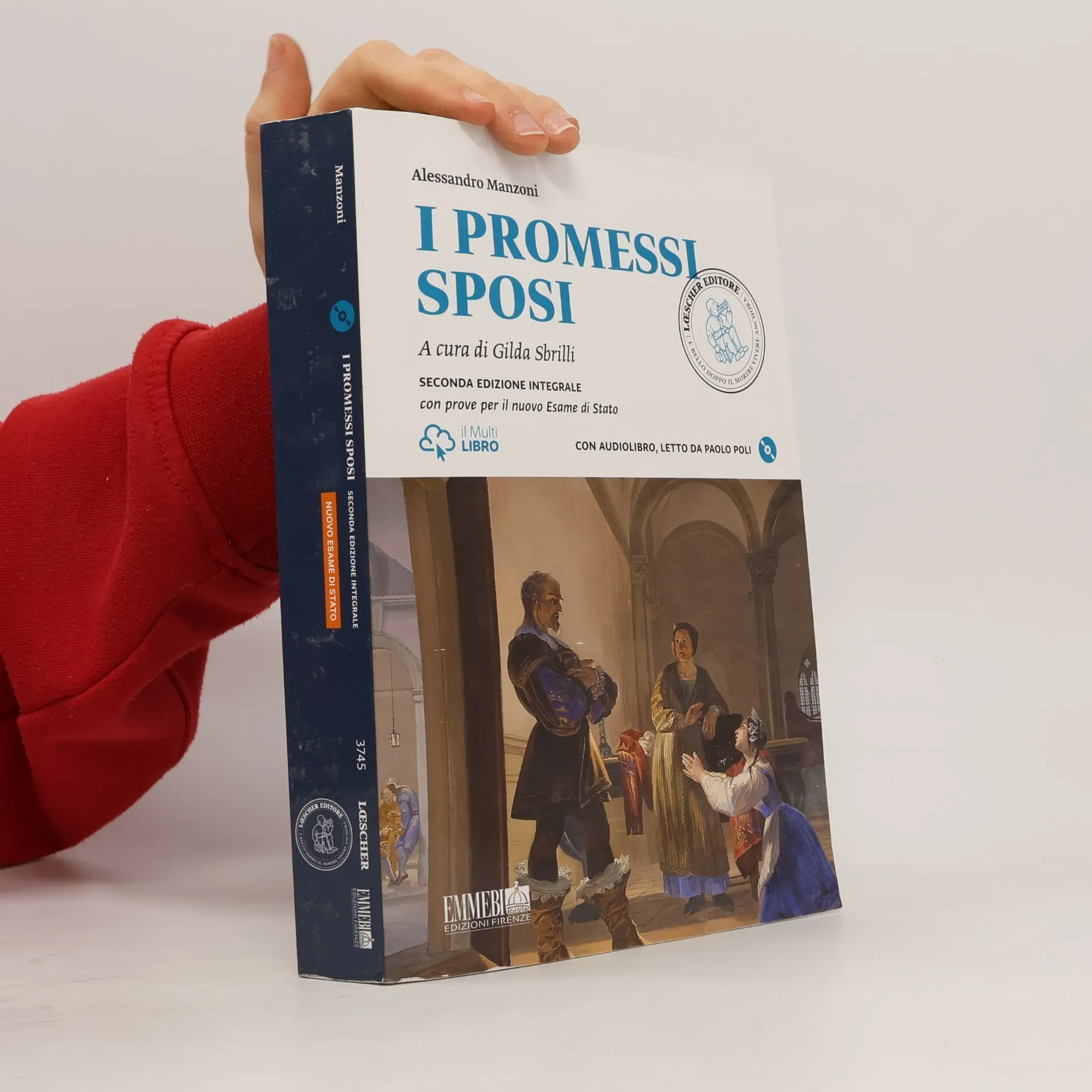
Un grande amore contrastato, la religione, la Storia, la vita e la morte. Il capolavoro della letteratura italiana. Biografia di Alessandro Manzoni | Dossier informativi sull’opera e il suo contesto storico | Glossario delle parole piu difficili | Attivita linguistiche | Esercizi stile CILS | test finale Temi: Amore | Societa | Storia | Avventura La storia si svolge in Lombardia, tra il 1628 e il 1630, durante la dominazione spagnola. Il crudele don Rodrigo impedisce a due giovani nnamorati, Renzo e Lucia, di sposarsi. I due giovani devono fuggire e separarsi e, da quel momento, le loro semplici vite devono confrontarsi con i grandi eventi della storia e con personaggi straordinari nella loro bonta o nella loro immoralita. Sillabo Pronomi relativi, Pronomi e aggettivi indefiniti, Complementi indiretti, Aggettivi e sostantivi alterati, Alcune espressioni idiomatiche, Locuzioni avverbiali, Locuzioni temporali e spaziali, Congiuntivo, condizionale, Imperfetto, trapassato prossimo, Imperativo affermativo e negativo, Futuro semplice ed anteriore, Infinito.
“The great plague novel.” — The New Yorker Set in Lombardy during the Spanish occupation of the late 1620s, The Betrothed tells the story of two young lovers, Renzo and Lucia, prevented from marrying by the petty tyrant Don Rodrigo, who desires Lucia for himself. Forced to flee, they are then cruelly separated, and must face many dangers including plague, famine and imprisonment, and confront a variety of strange characters—the mysterious Nun of Monza, the fiery Father Cristoforo and the sinister “Unnamed”—in their struggle to be reunited. A vigorous portrayal of enduring passion, The Betrothed‘s exploration of love, power, and faith presents a whirling panorama of seventeenth-century Italian life and is one of the greatest European historical novels. “The 19th-century Italian literary classic renowned for its vivid descriptions of the 1630 pestilence that gutted Milan.” — The New York Times “Compulsory reading for Italian high school students, The Betrothed gives a historically accurate account of the bubonic plague that wiped out a quarter of Milan’s population in 1629-1631.” — Politico “This is not just a book; it offers consolation to the whole of humanity.” — Giuseppe Verdi
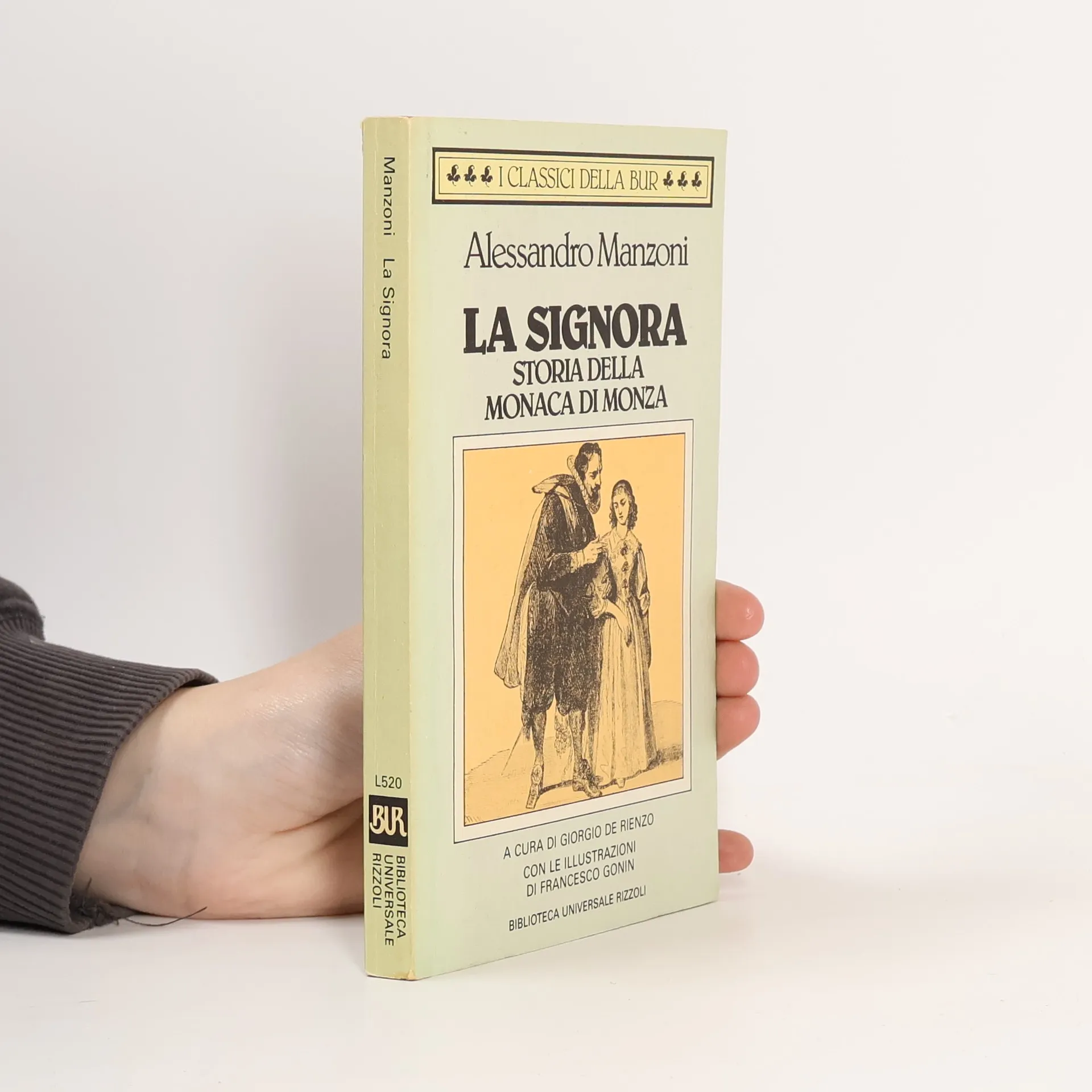
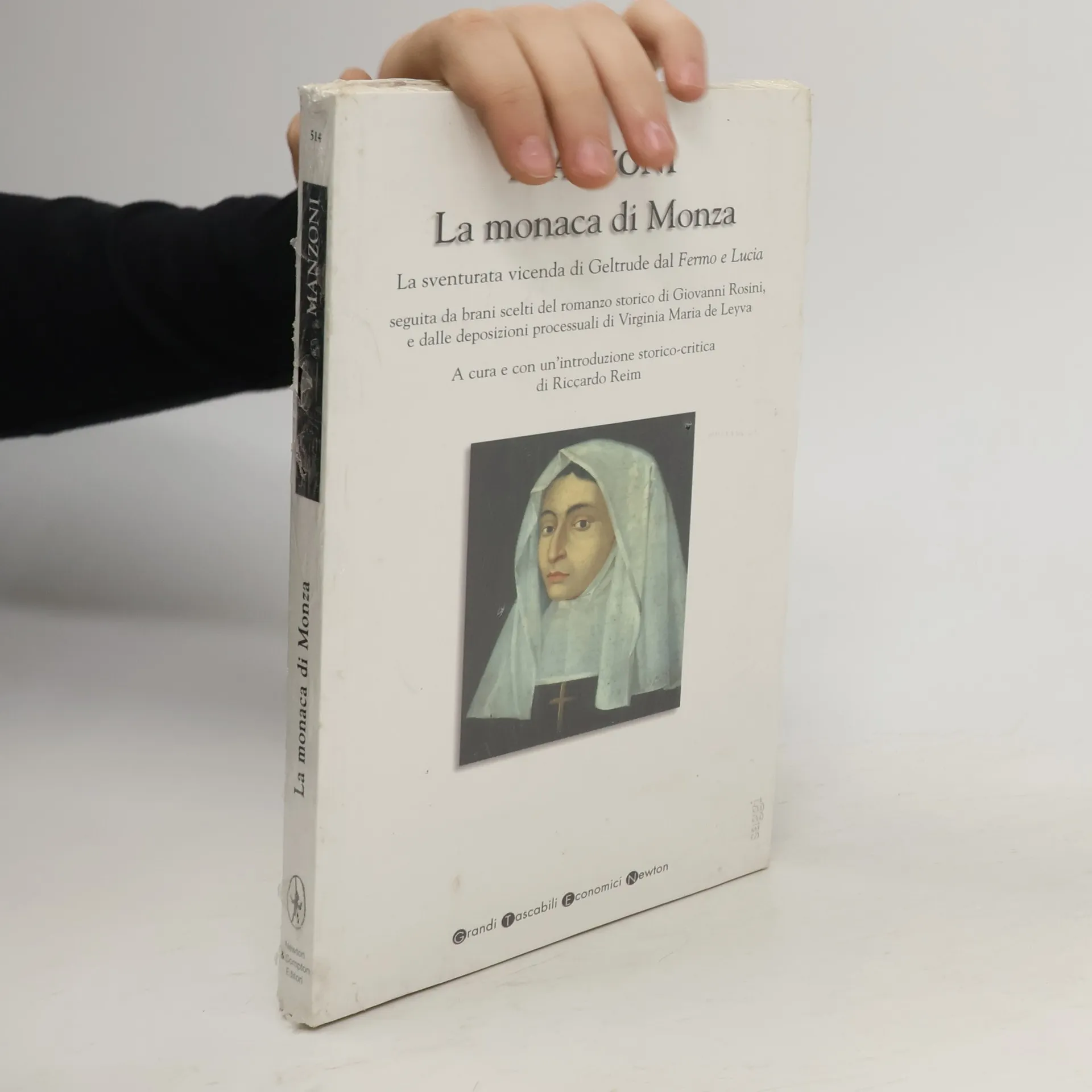
La vicenda della monaca di Monza è uno dei romanzi nel romanzo di Manzoni; in questo caso specifico, nella prima redazione de "I promessi sposi", intitolata "Fermo e Lucia" (1823). Alessandro Manzoni, ispirandosi alla storia di Virginia Maria de Leyva (di cui si riproducono qui in appendice i verbali del processo per omicidio in cui fu coinvolta nel 1608), ha scritto, tra storia e invenzione, queste pagine che costituiscono uno straordinario documento narrativo di uno dei massimi scrittori italiani.