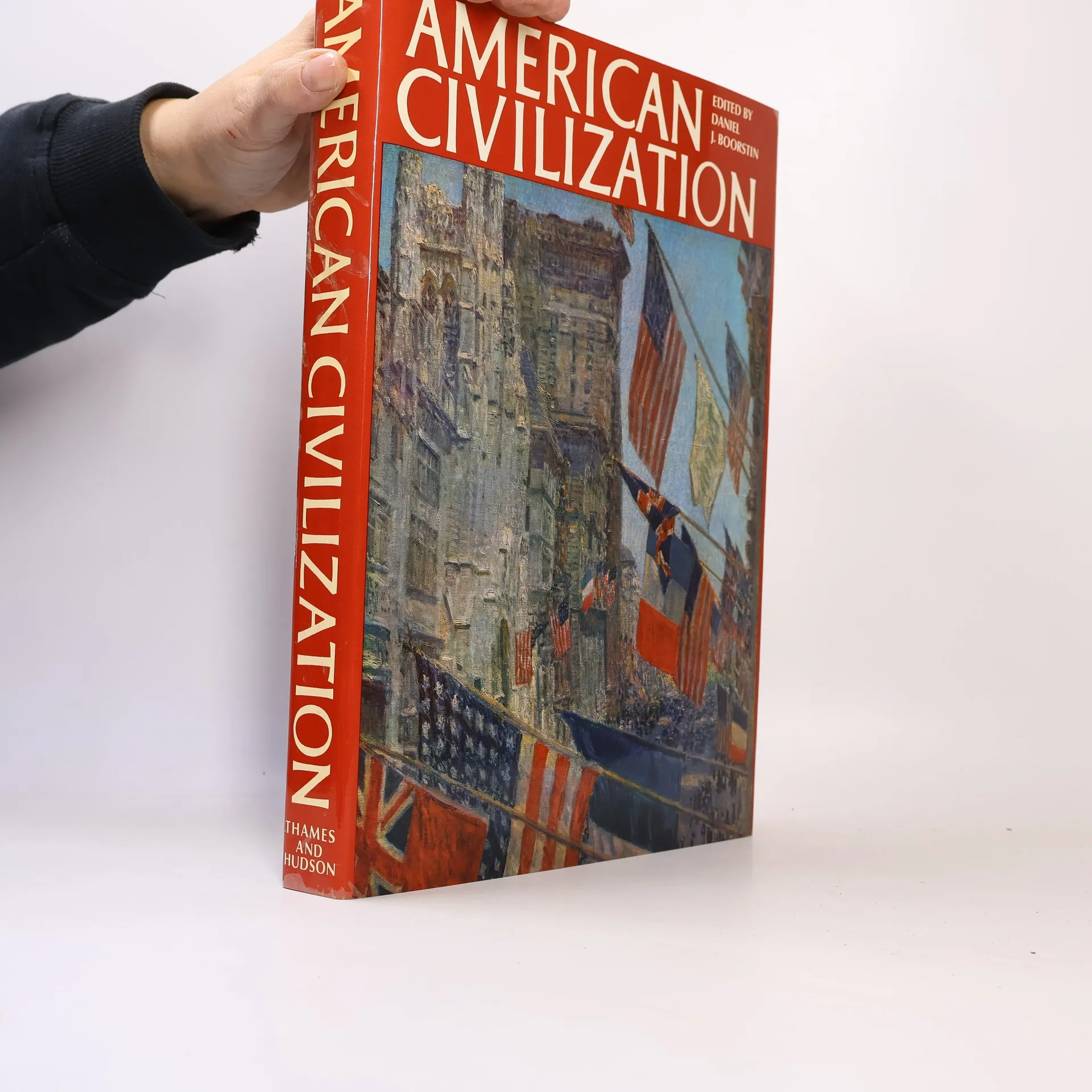
Los grandes descubrimientos
La Naturaleza


Daniel J. Boorstin fue un historiador centrado en la teoría social y la cultura estadounidense. Su obra examinó cómo la reproducción de eventos o su simulación se volvió más importante en la vida estadounidense que los eventos reales en sí mismos. Boorstin describió este fenómeno como un "pseudo-evento", que a menudo surge de la publicidad. Sus escritos siguen siendo relevantes para comprender la sociedad y la cultura mediática estadounidenses contemporáneas.

La Naturaleza
La sociedad (II)
Las vanguardias
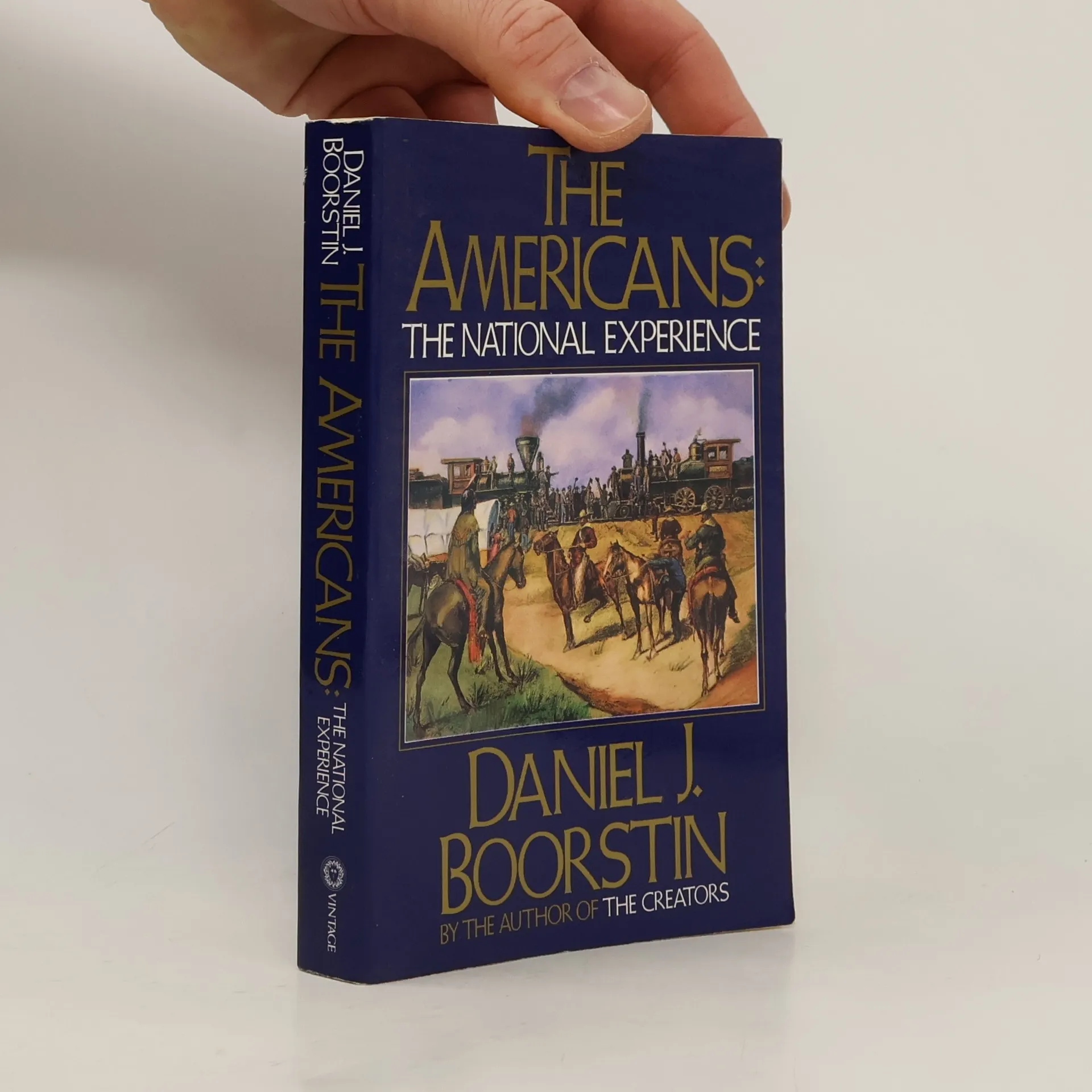
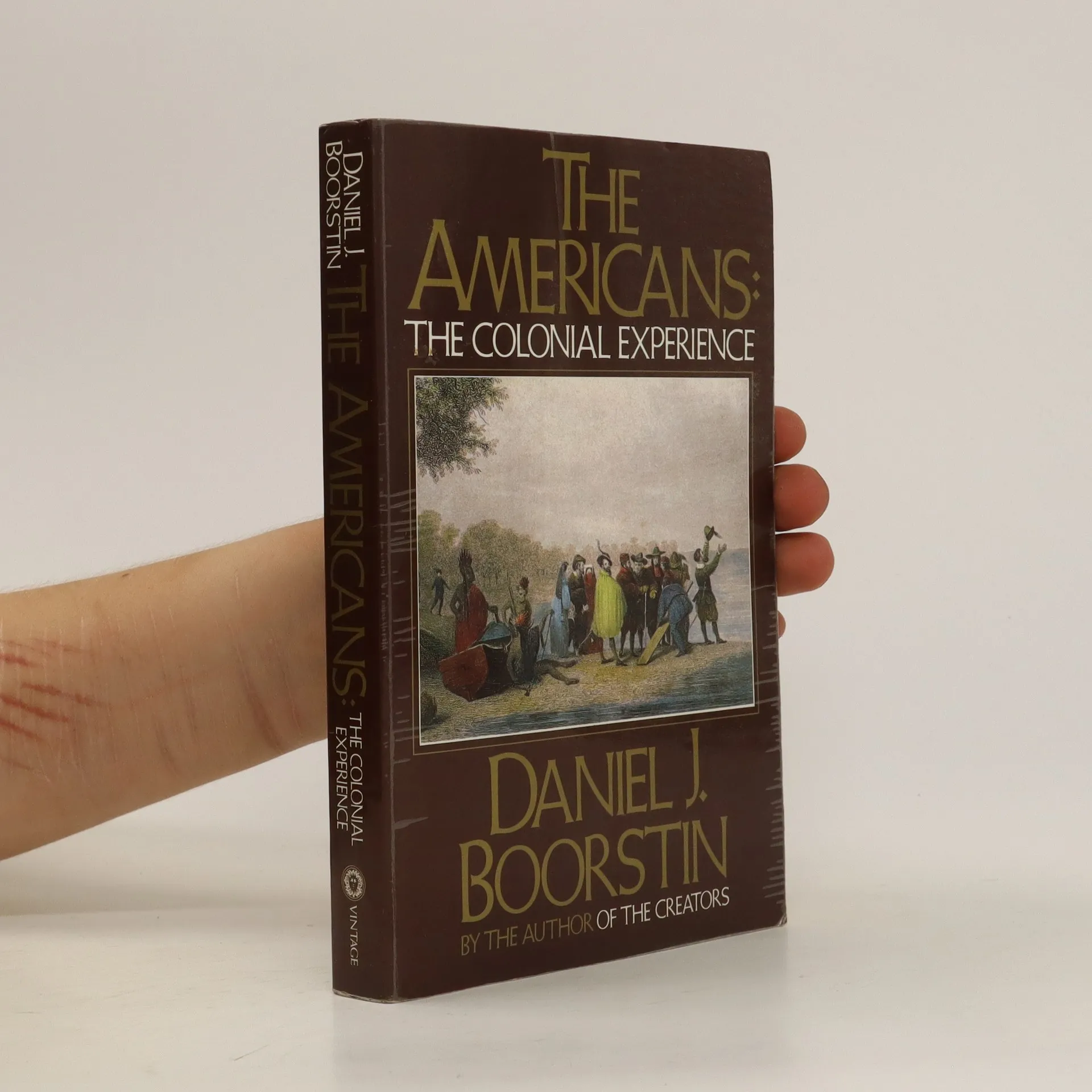
This second volume in "The Americans" trilogy deals with the crucial period of American history from the Revolution to the Civil War. Here we meet the people who shaped, and were shaped by, the American experience—the versatile New Englanders, the Transients and the Boosters. Winner of the Francis Parkman Prize.
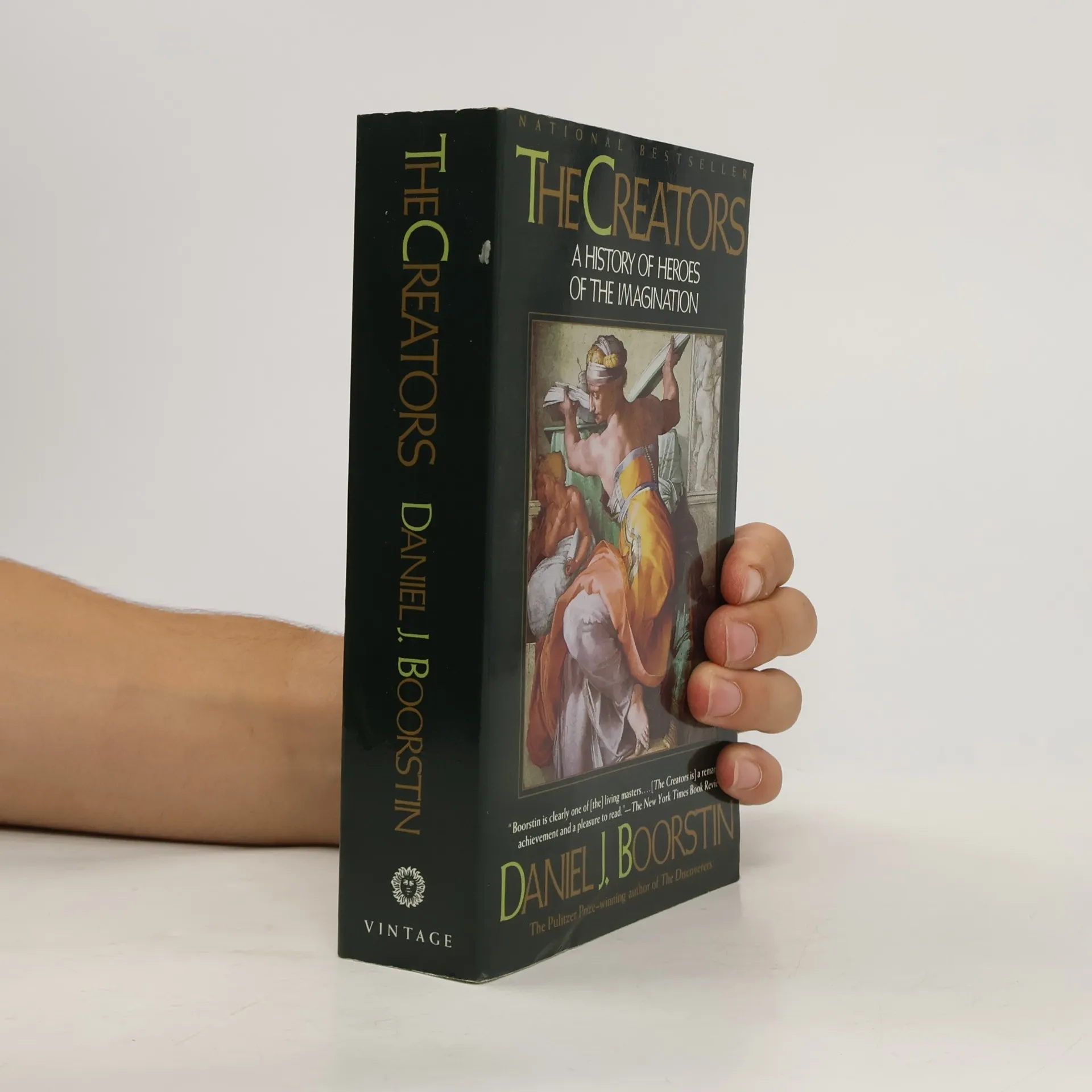
By piecing the lives of selected individuals into a grand mosaic, Pulitzer Prize-winning historian Daniel J. Boorstin explores the development of artistic innovation over 3,000 years. A hugely ambitious chronicle of the arts that Boorstin delivers with the scope that made his Discoverers a national bestseller. Even as he tells the stories of such individual creators as Homer, Joyce, Giotto, Picasso, Handel, Wagner, and Virginia Woolf, Boorstin assembles them into a grand mosaic of aesthetic and intellectual invention. In the process he tells us not only how great art (and great architecture and philosophy) is created, but where it comes from and how it has shaped and mirrored societies from Vedic India to the twentieth-century United States.
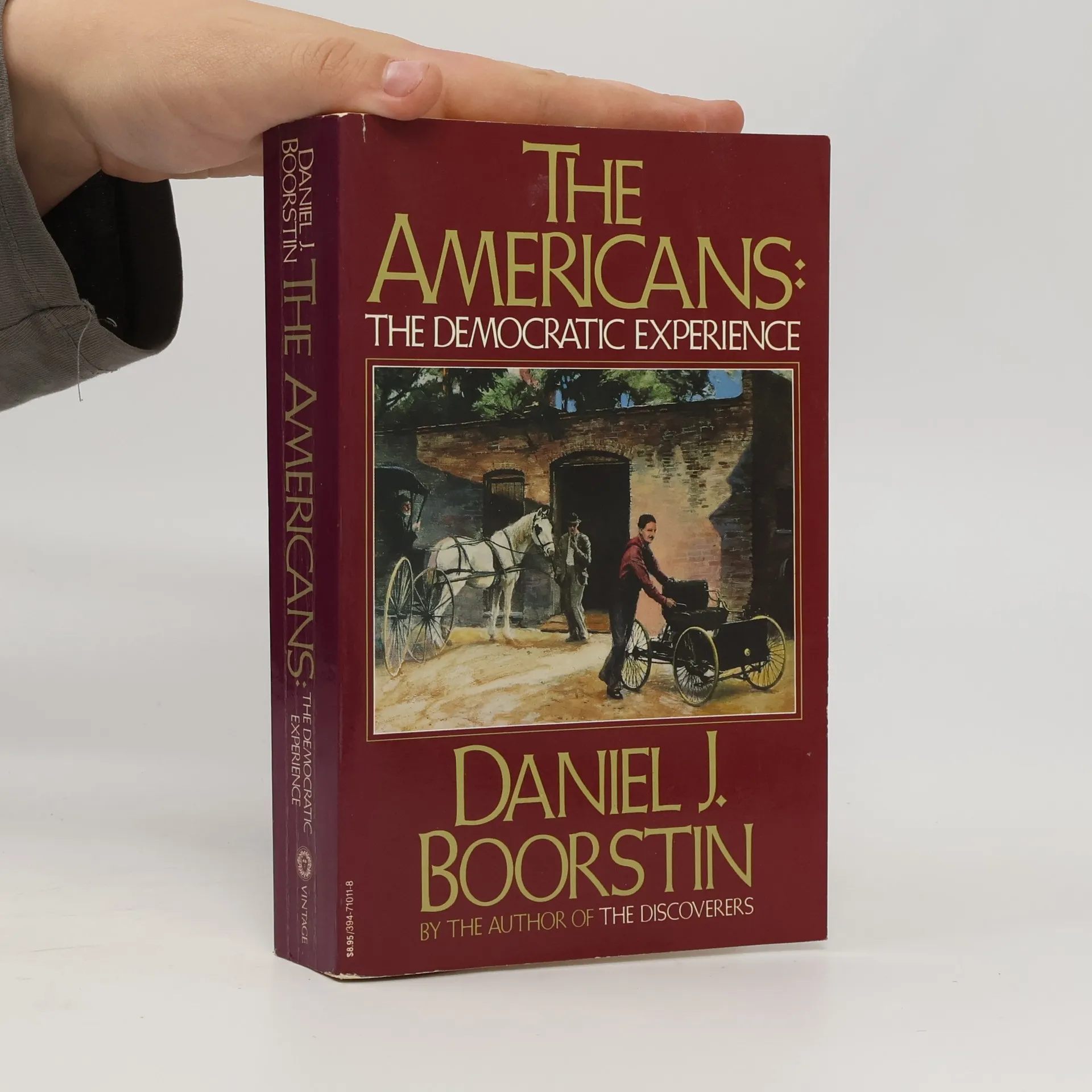
Winner of the Pulitzer Prize. A study of the last 100 years of American history.
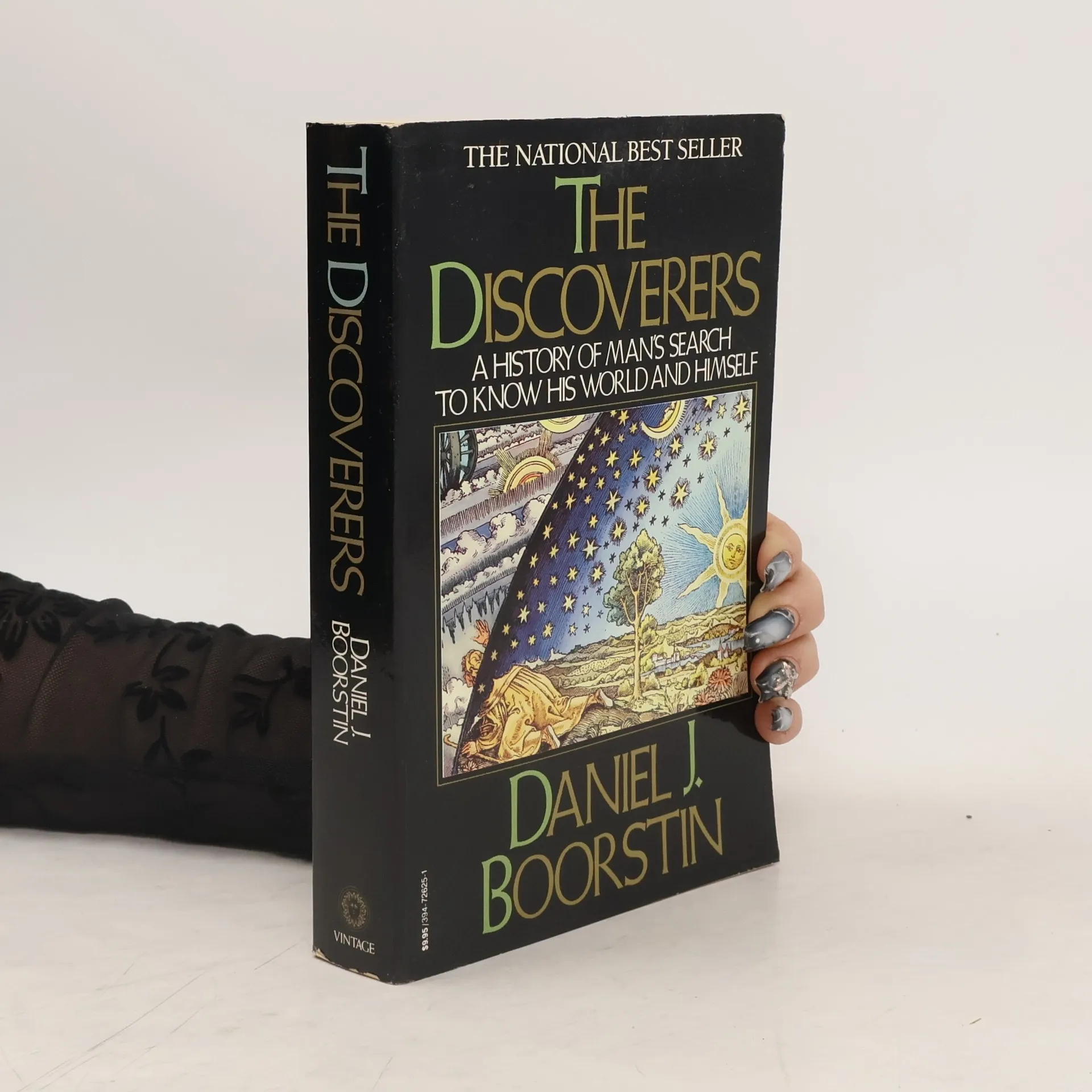
An original history of man's greatest adventure: his search to discover the world around him. In the compendious history, Boorstin not only traces man's insatiable need to know, but also the obstacles to discovery and the illusion that knowledge can also put in our way. Covering time, the earth and the seas, nature and society, he gathers and analyzes stories of the man's profound quest to understand his world and the cosmos.
First published in 1962, this wonderfully provocative book introduced the notion of “pseudo-events”—events such as press conferences and presidential debates, which are manufactured solely in order to be reported—and the contemporary definition of celebrity as “a person who is known for his well-knownness.” Since then Daniel J. Boorstin’s prophetic vision of an America inundated by its own illusions has become an essential resource for any reader who wants to distinguish the manifold deceptions of our culture from its few enduring truths.Cover design by Matt Dorfman.
Winner of the Bancroft Prize. "A superb panorama of life in America from the first settlements on through the white hot days of the Revolution." - Bruce Lancaster, Saturday Review
Who did what when from 4500 B.C. to the present day.
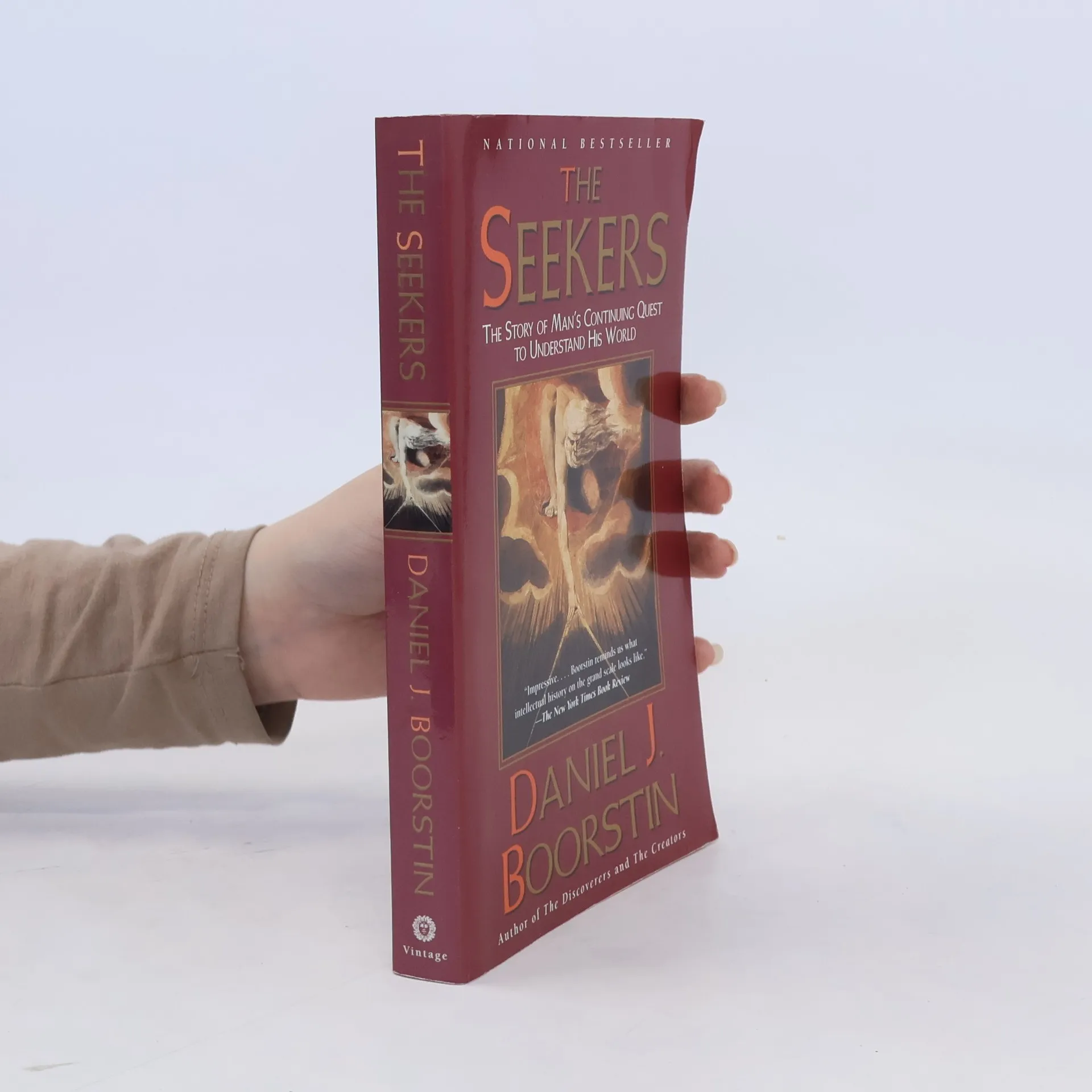
A New York Times Notable Book of the Year From the author of The Discoverers and The Creators, an incomparable history of man's essential questions: "Who are we?" and "Why are we here?" Daniel J. Boorstin, the bestselling and Pulitzer Prize-winning author of The Americans, introduces us to some of the great pioneering seekers whose faith and thought have for centuries led man's search for meaning. Moses sought truth in God above while Sophocles looked to reason. Thomas More and Machiavelli pursued truth through social change. And in the modern age, Marx and Einstein found meaning in the sciences. In this epic intellectual adventure story, Boorstin follows the great seekers from the heroic age of prophets and philosophers to the present age of skepticism as they grapple with the great questions that have always challenged man.
The 83 most important documents of the American past are presented with commentary by Arthur Schlesinger, Jr., Henry Steele Commager, and other distinguished historians. The selections span the spectrum of American history as it was made, and as it was lived.
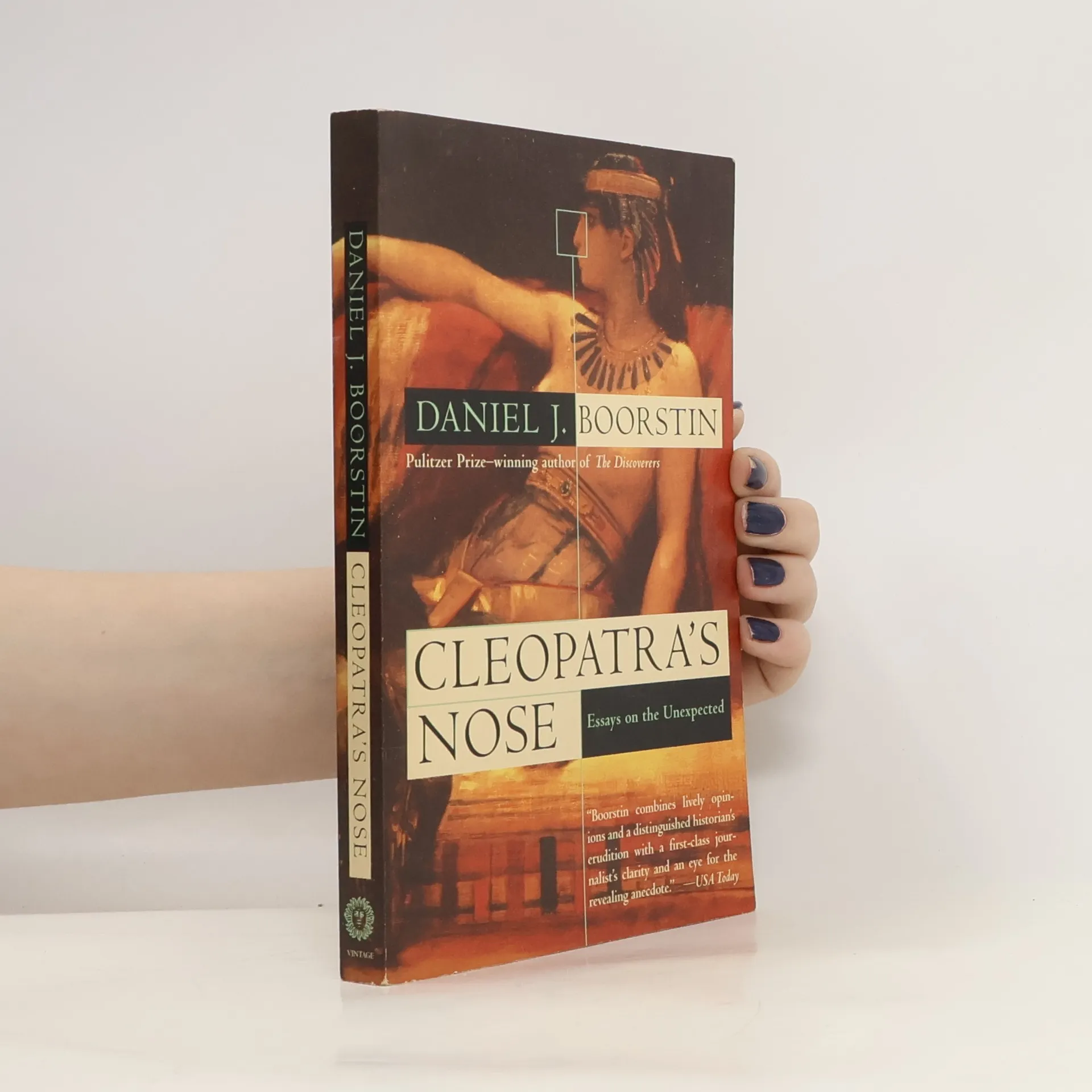
The Pulitzer Prize-winning author of The Discoverers demonstrates the truth behind the aphorism that if Cleopatra's nose had been shorter, the face of the world would have been changed. Boorstin goes on to uncover the elements of accident, improvisation and contradiction at the core of American institutions and beliefs.
V díle, svým záběrem monumentálním, se můžeme seznámit s nejvýznamějšími objeviteli všech dob i kontinentů. Autor nejprve probírá problematiku měření času a vznik příslušných přístrojů. Pak přichází na řadu cestování po souši, sestavování map, mořeplavectví a objevování nových světů se všemi důsledky pro život tehdejšího západního světa. V kapitolách o dějinách poznání přírody se seznamujeme s nejvýznamějšími astronomy, přírodovědci, lékaři, matematiky, fyziky i se vznikem vědeckých společností a počátky mezinárodní vědecké spolupráce. Závěrečný díl věnovaný společnosti začíná pamětí a knihtiskem. Kniha má encyklopedický charakter a čtenář v ní nalezne množství faktů a myšlenek z nejrůznějších oborů.
Klaus Harpprecht, geb. 1927, hat als Journalist unter anderem für RIAS, SFB und ZDF gearbeitet. Von 1966 bis 1969 war er Leiter des S. Fischer Verlags und von 1972 bis 1974 Chef der Schreibstube und Berater von Willy Brandt. Lebte zuletzt als freier Schriftsteller in Frankreich. Er starb am 21. September 2016. Publikationen u. a.: «Georg Forster oder Die Liebe zur Welt» (1990), «Thomas Mann. Eine Biographie» (1995), «Im Kanzleramt. Tagebuch der Jahre mit Willy Brandt» (2000), «Harald Poelchau – Ein Leben im Widerstand» (2004).