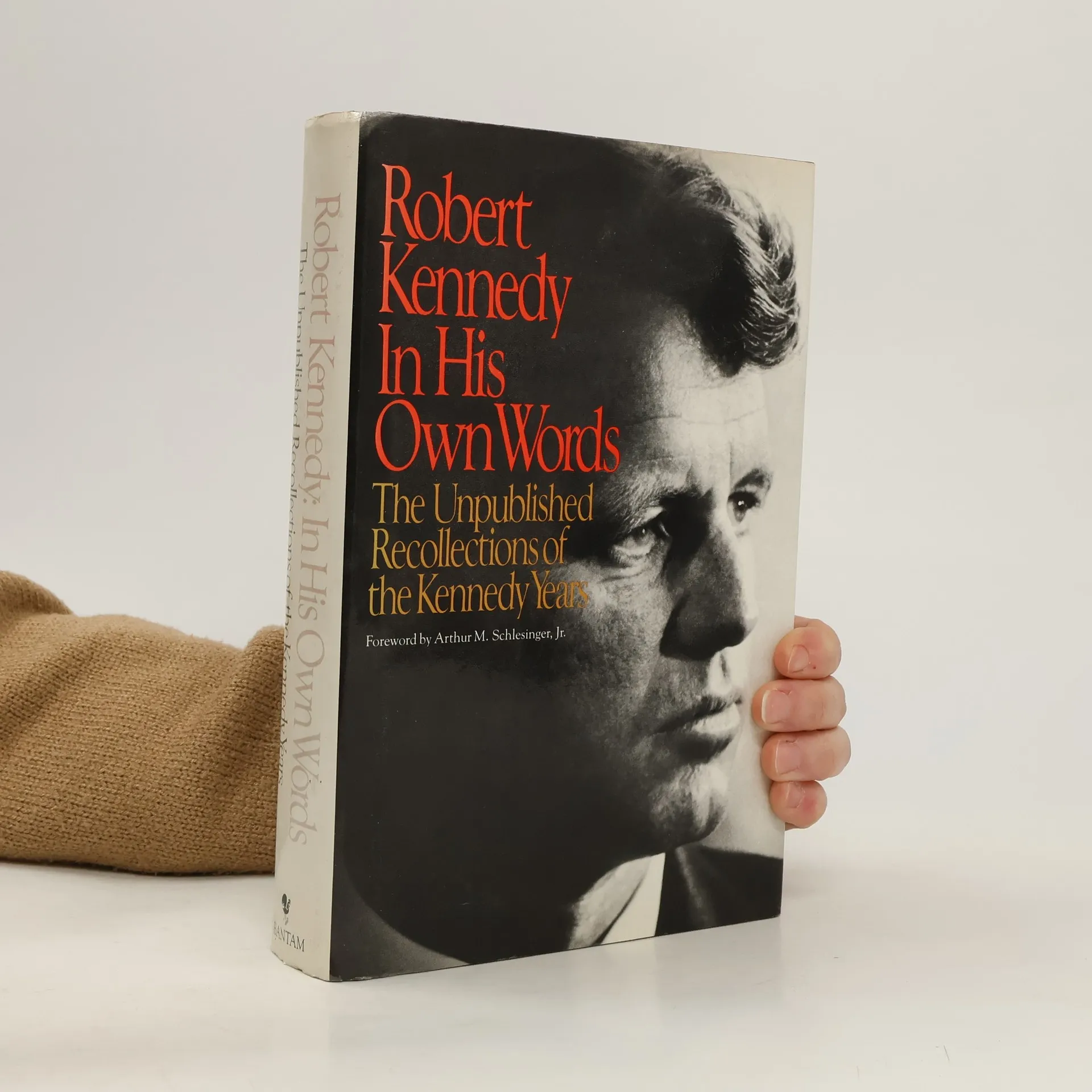
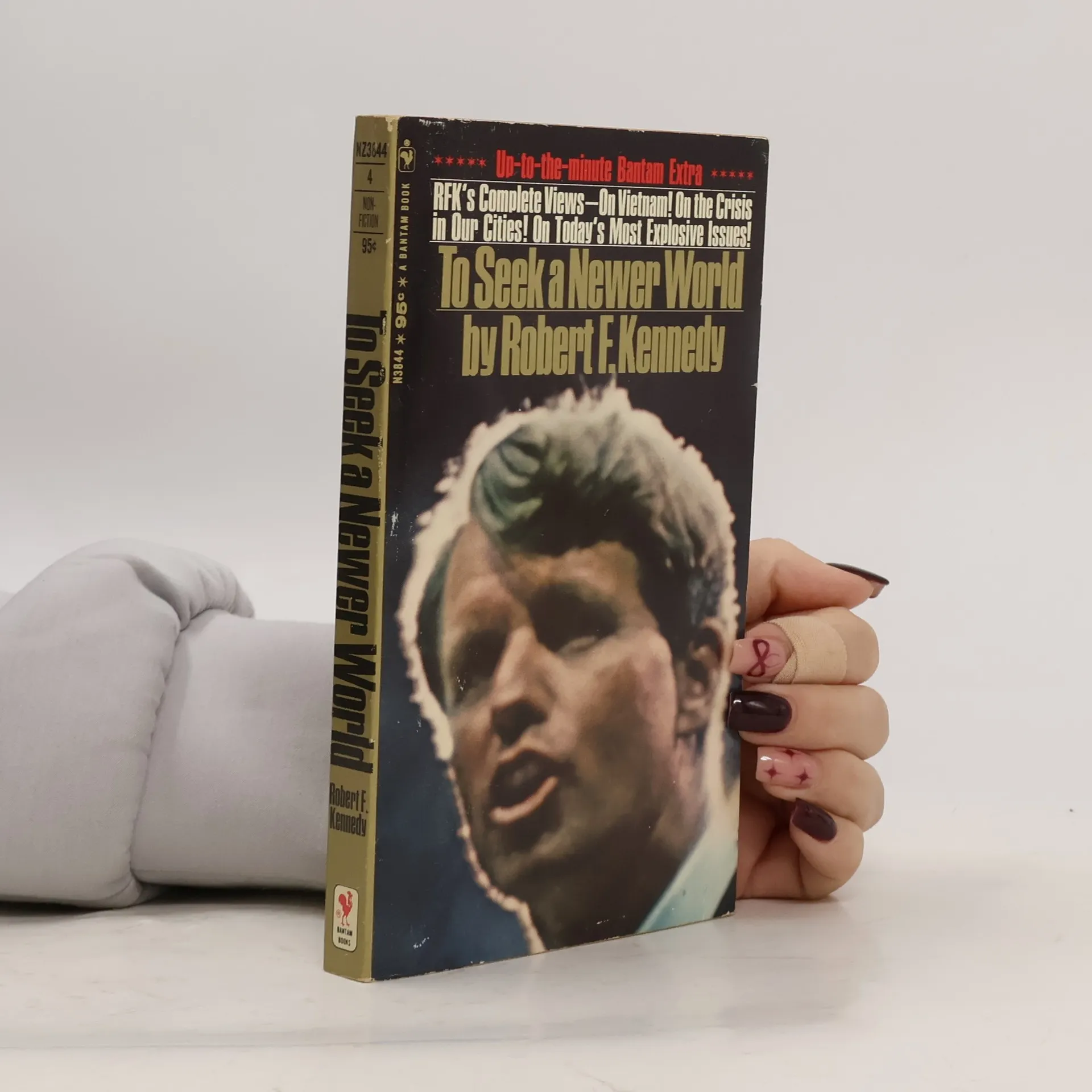
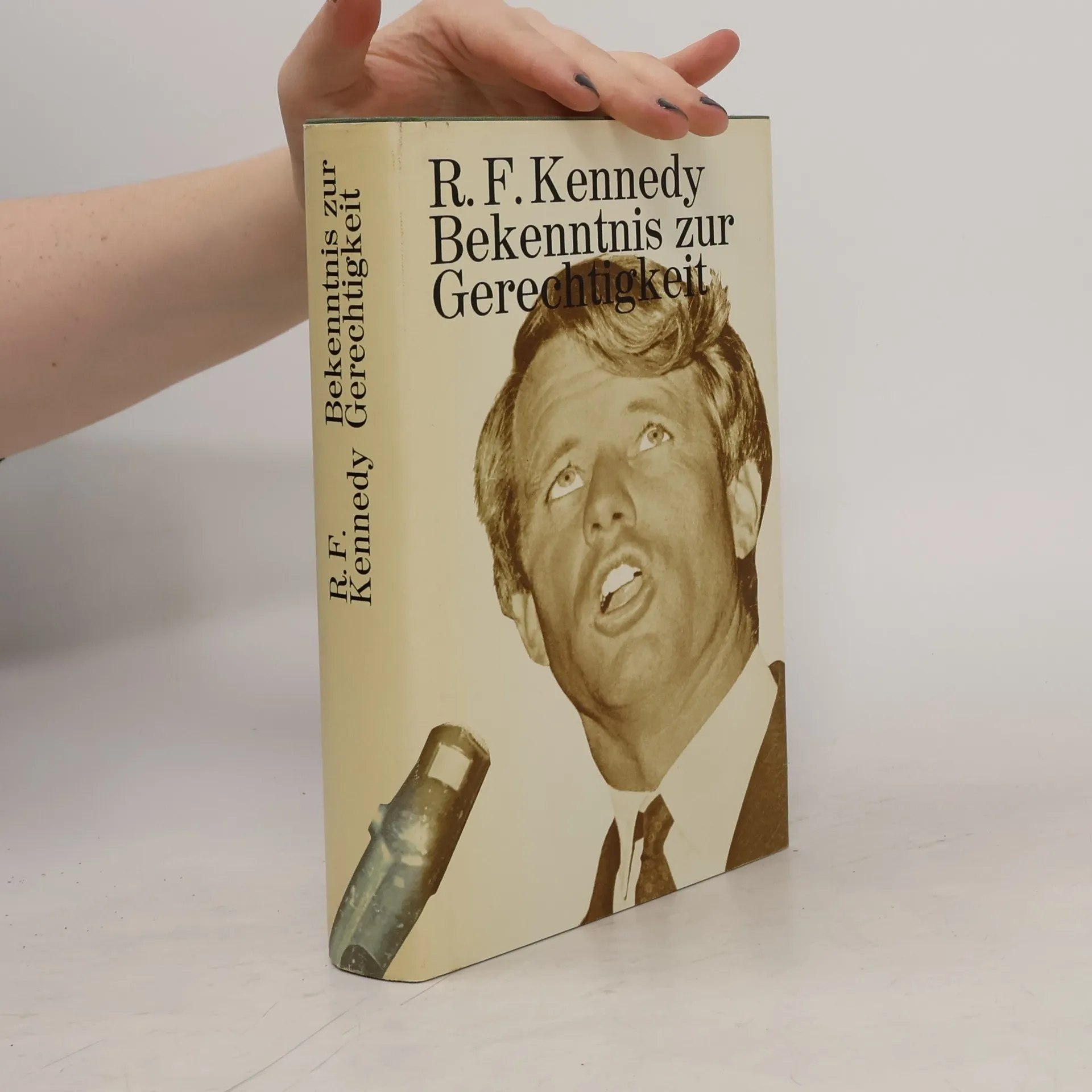
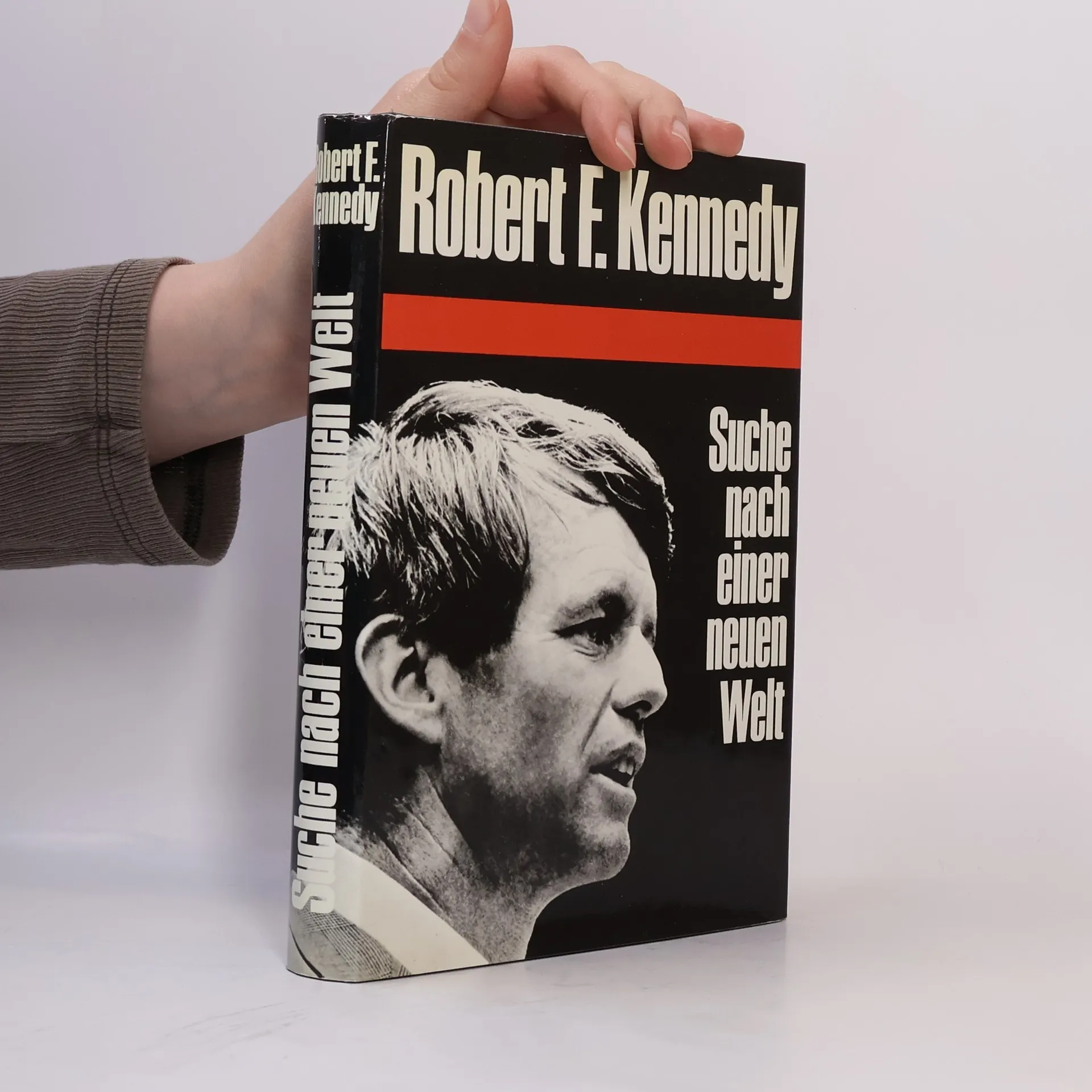
Robert F. Kennedy fue una figura central en la política estadounidense, sirviendo como Fiscal General y más tarde como Senador por Nueva York. Su carrera política estuvo profundamente entrelazada con el Movimiento por los Derechos Civiles y las crisis internacionales, donde actuó como un asesor de confianza de su hermano. Kennedy se caracterizó por su compromiso inquebrantable con la justicia y la igualdad, lo que lo convirtió en una figura inspiradora para muchos. Su búsqueda de cambio y su trágico final dejaron una marca indeleble en la historia estadounidense.
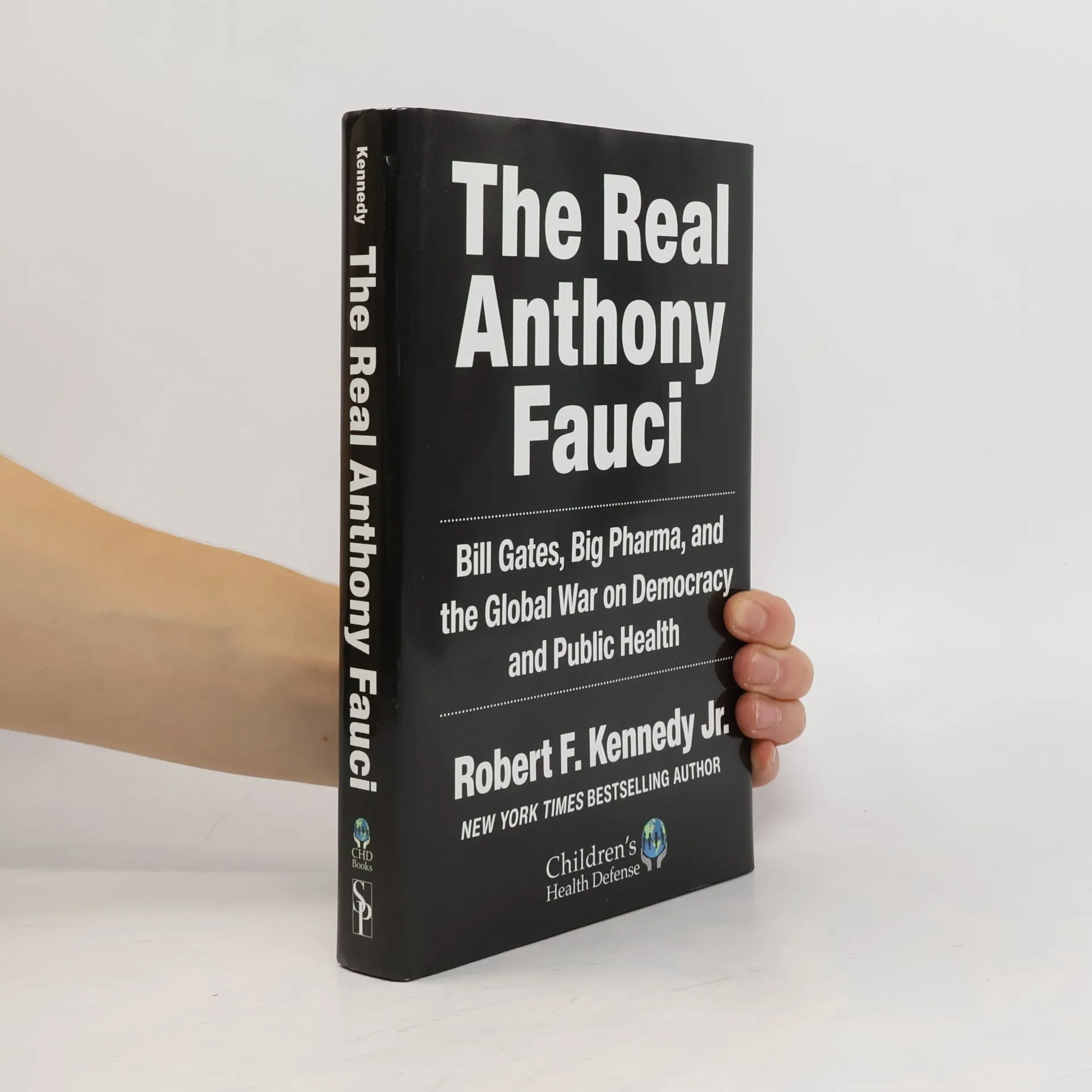
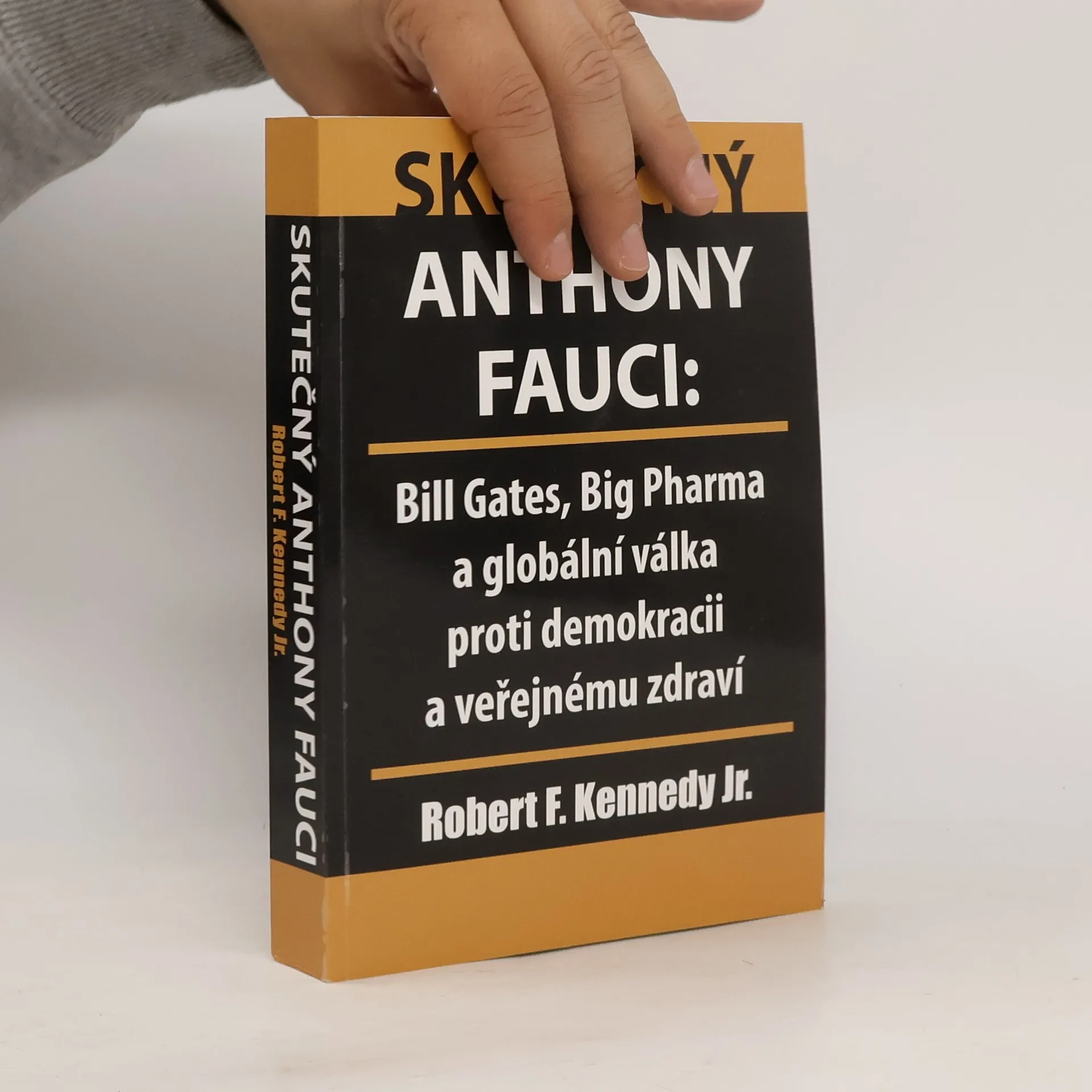
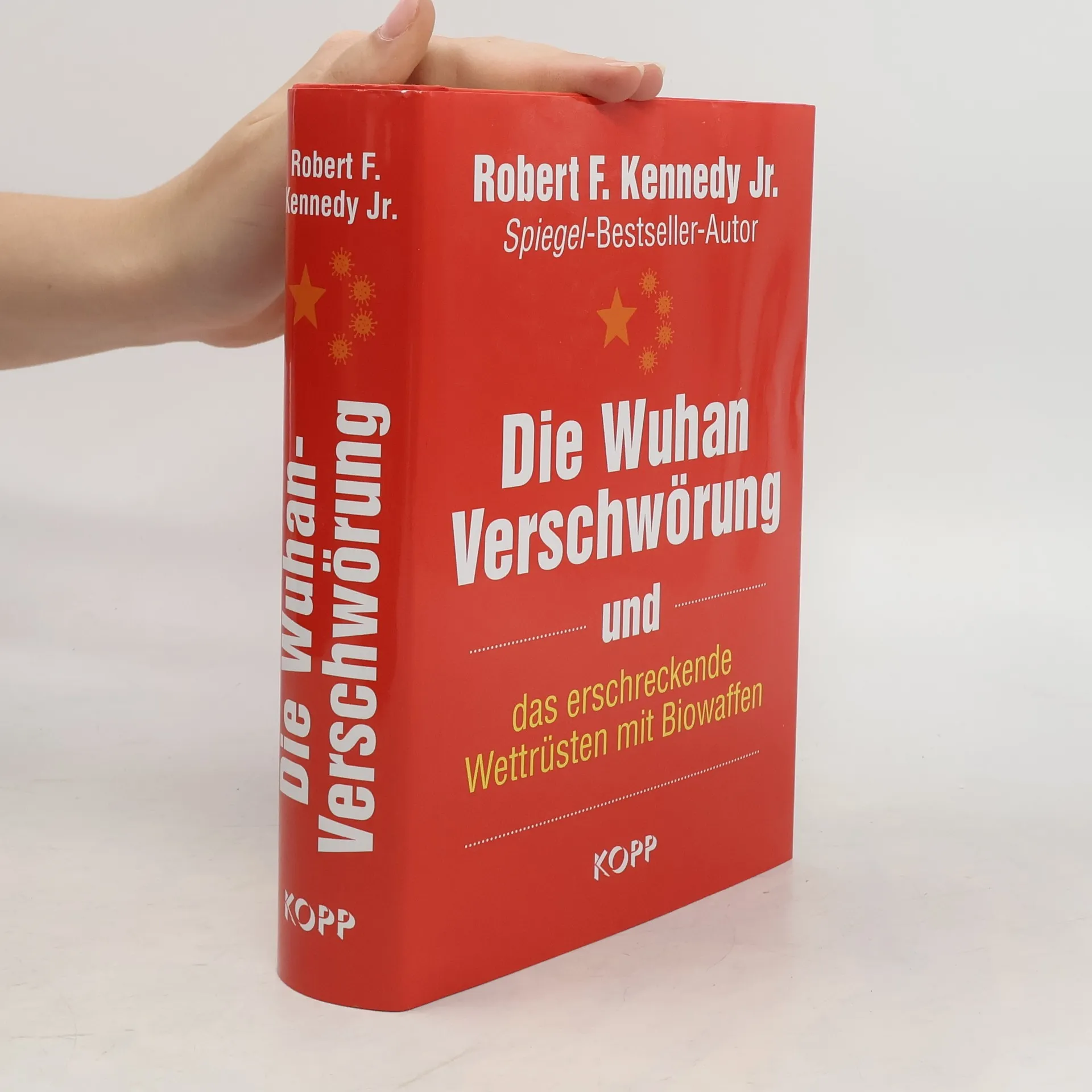
"The Real Anthony Fauci details how Fauci, Gates, and their cohorts use their control of media outlets, scientific journals, key government and quasi-governmental agencies, global intelligence agencies, and influential scientists and physicians to flood the public with fearful propaganda about COVID-19 virulence and pathogenesis, and to muzzle debate and ruthlessly censor dissent"-- Provided by publisher
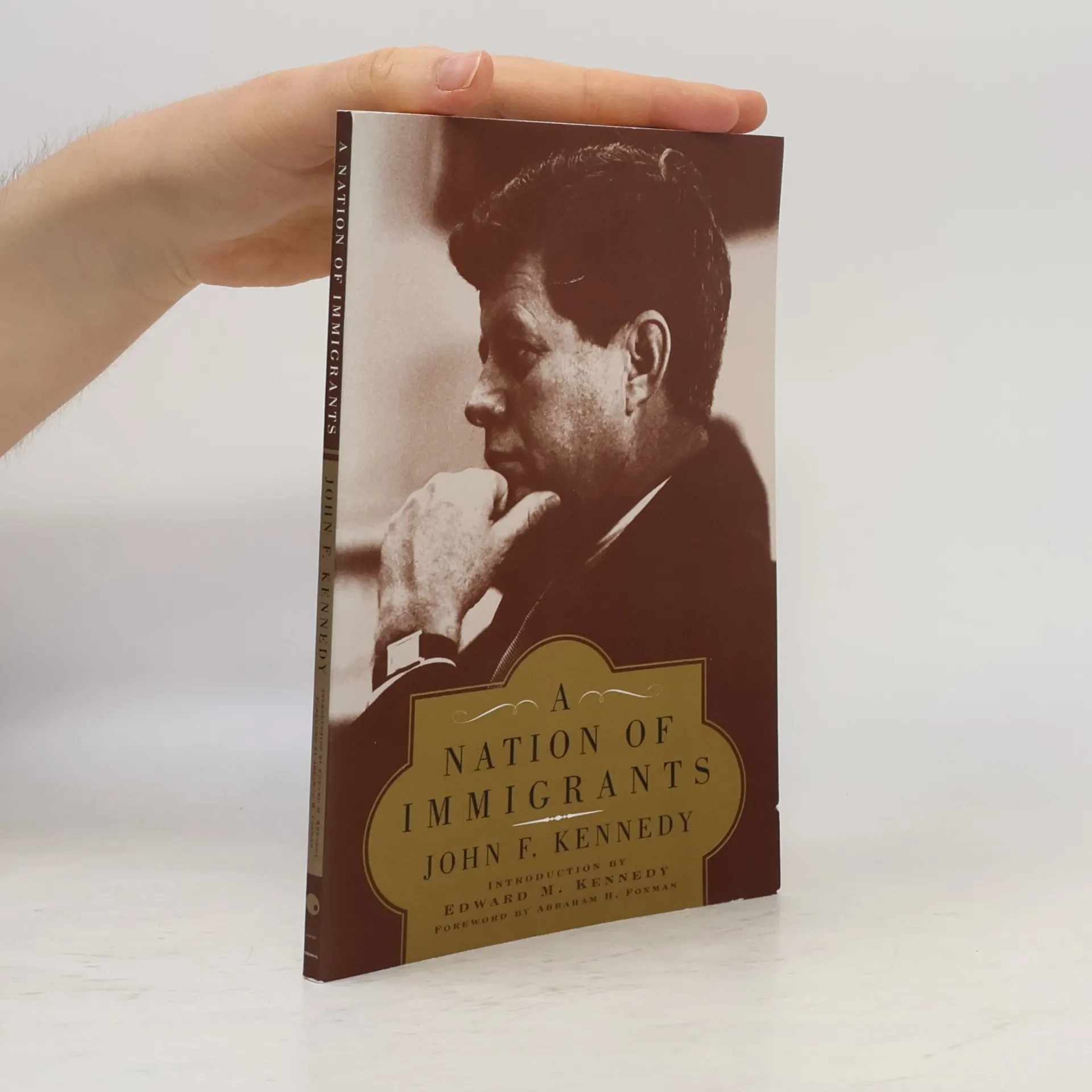
This modern edition of John F. Kennedy's posthumous work highlights his passion for immigration reform, emphasizing America's values of tradition and new beginnings. With a new introduction by Senator Edward M. Kennedy, it presents inspiring policy suggestions and a chronology of key immigration events, making it relevant to current debates.
Based on over sixty studies in the peer-reviewed literature that consider
vaccinated versus unvaccinated populations. Each of these studies is analyzed
and put in context of the difference in health outcomes.
Robert Kennedy is one of three Jesuits in the world who answer to both the titles "Father" and "Roshi," or venerable Zen teacher. In 1991, after ten years of practicing Zen meditation, he was installed as a Zen teacher at the recommendation of his teacher, Glassman Roshi, and of Glassman Roshi's teacher, Maezumi Roshi. Today, he directs a dozen groups of people from many religious persuasions--even atheists and agnostics--who sit weekly in Zen meditation throughout the greater New York metropolitan area. This book is specifically addressed to the Christian practitioners of Zen meditation or those who are curious about it. It is structured around ten well-known ox-herding pictures that have been a consistent source of inspiration to Zen students for centuries.Each picture represents a specific Zen insight to life, and these insights, says Kennedy, are not only fully compatible with Christianity but can help Christians achieve the spiritual goals enshrined in a Christian classic. For example, "The Cloud of Unknowing:" to be silent and attentive, to be wholly present to life, to be able to separate one's true self from one's false self, the self-seeking part of the personality that so often brings on pain.
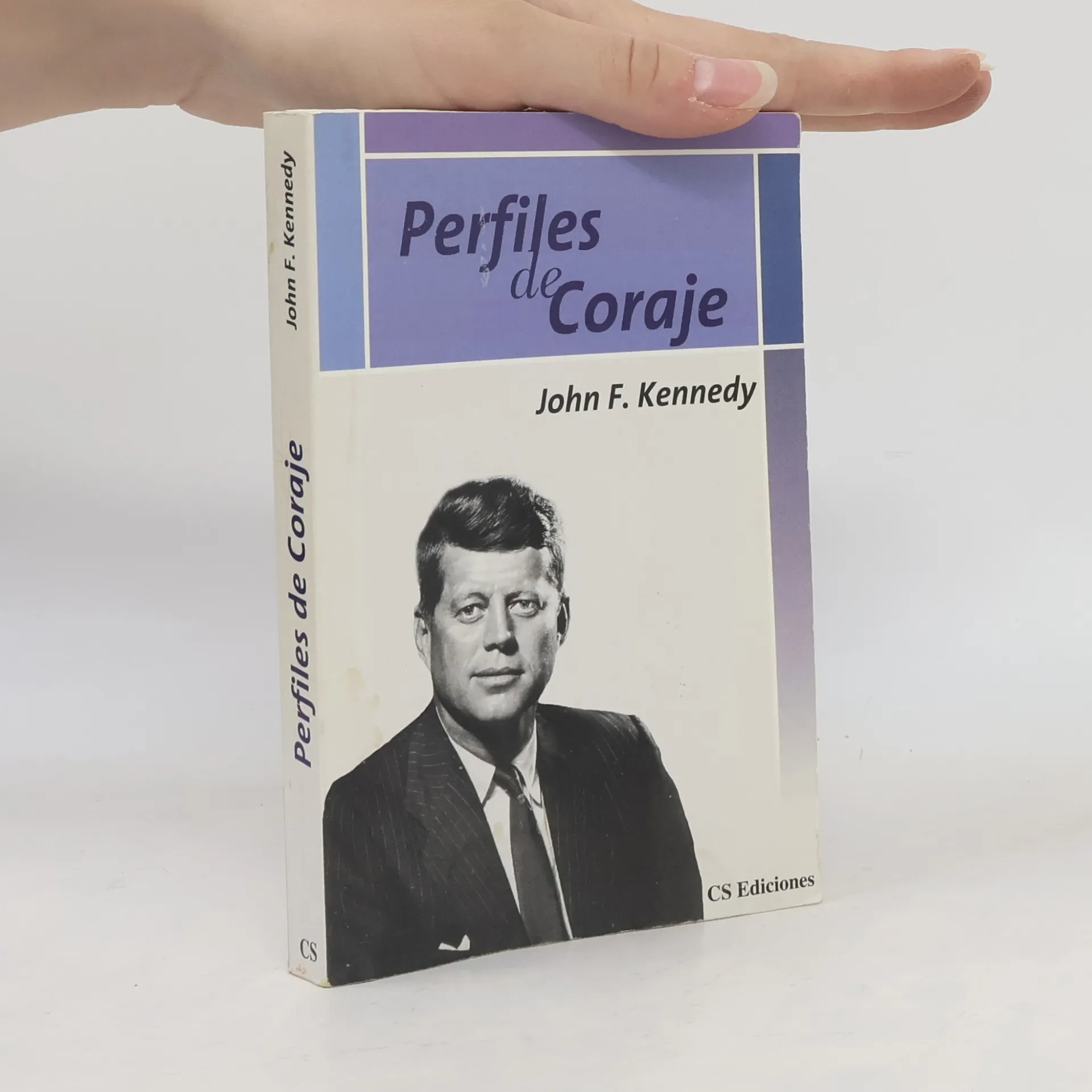
This Pulitzer Prize-winning classic by John F. Kennedy, with an introduction by Caroline Kennedy and a foreword by Robert F. Kennedy, was written in 1955 when Kennedy was a junior senator from Massachusetts. In this work, he profiles eight historical figures who demonstrated remarkable integrity in the face of significant opposition, including John Quincy Adams, Daniel Webster, Thomas Hart Benton, and Robert A. Taft. Even after half a century, the book remains a powerful testament to the enduring national spirit and a celebration of noble virtues. It offers timeless lessons about courage and serves as a reminder of the strength of the human spirit. As Robert Kennedy notes in the foreword, it is “not just stories of the past but a book of hope and confidence for the future,” emphasizing that the fate of the country and the world relies on how we honor the legacies left by others. The edition includes vintage photographs, an extensive author biography, Kennedy's correspondence regarding the writing project, contemporary reviews, a letter from Ernest Hemingway, and two inspiring speeches from recipients of the Profile in Courage Award.
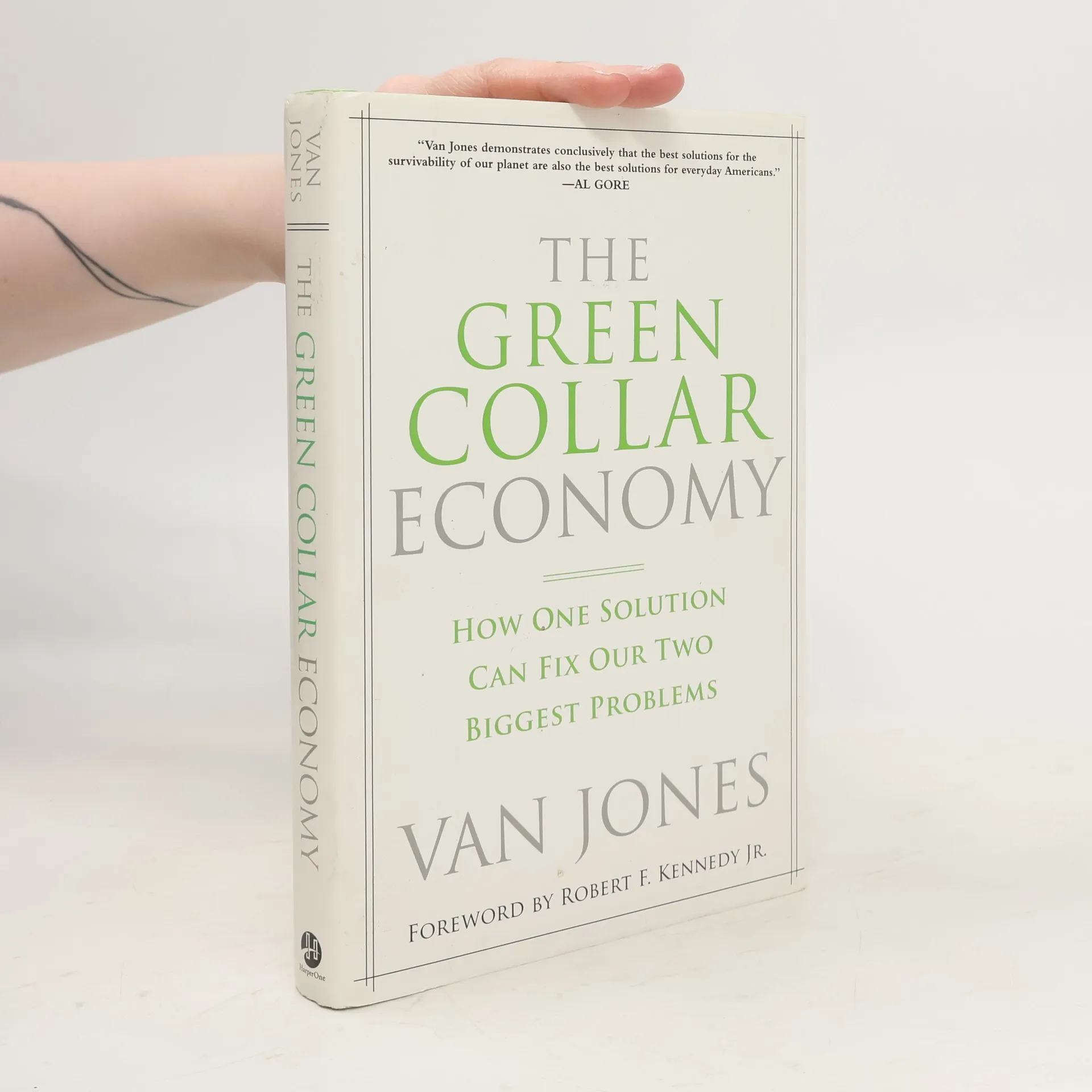
Presents a plan for alleviating environmental degradation and boosting the economy by moving away from the use of fossil fuels and toward a path of invention and investment intended to provide cheap, clean energy and generate new jobs.
V Americe umíralo po očkování neobvyklé množství černošských celebrit, zatímco v Africe vzbuzovali politickí vůdci odpor vůči vakcínám. Epidemie předčasných úmrtí afrických vůdců a lékařů, kteří kritizovali politiku Billa Gatese a COVAX, vedla k vlně konspiračních teorií o možných vraždách za účelem umlčení dissentu. Tento jev byl tak výrazný, že agentura Reuters a British Medical Journal (BMJ) publikovaly články, které se snažily vysvětlit tento znepokojivý trend. Spekulace o atentátech vzrostly po podivné vraždě haitského prezidenta Jovenela Moise, který byl odpůrcem očkovacího programu WHO. Mezi africkými představiteli, kteří zemřeli po kritice očkovací politiky, byli prezident John Magufuli z Tanzanie, premiér Hamed Bakayoko z Pobřeží slonoviny, prezident Pierre Nkurunziza z Burundi a exprezident Madagaskaru Didier Ignace Ratsiraka. Také oblíbený keňský lékař Stephen Karanja, kritik WHO, zemřel v roce 2021. Článek BMJ "Why have so many African leaders died of COVID" uvádí sedmnáct afrických vůdců, kteří zemřeli během dvanácti měsíců od února 2020 do února 2021, a poukazuje na dramatické změny v národních zdravotnických politikách směrem k podpoře očkování. Celková úmrtnost mezi africkými volenými představiteli na COVID byla sedmkrát vyšší než u běžné populace.
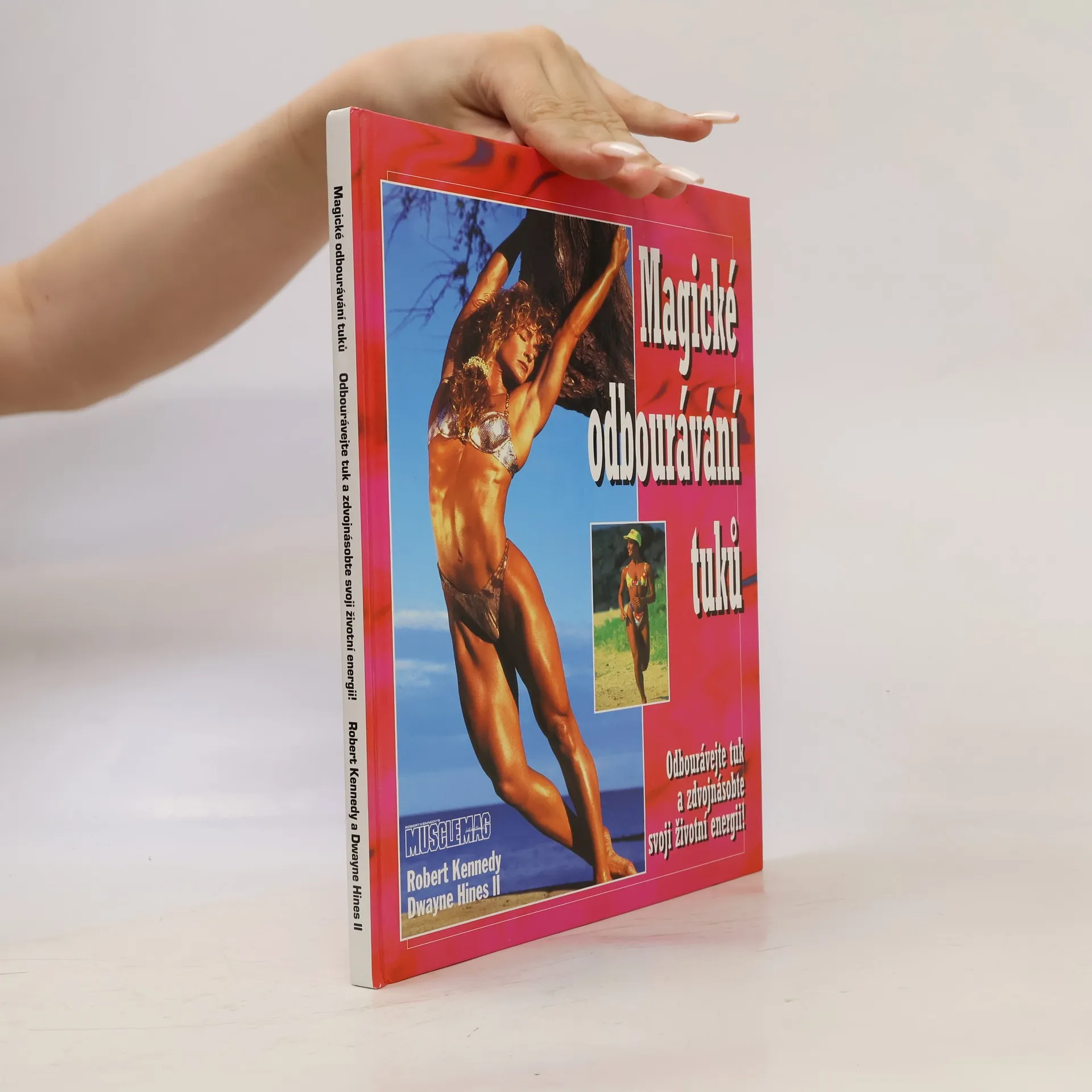
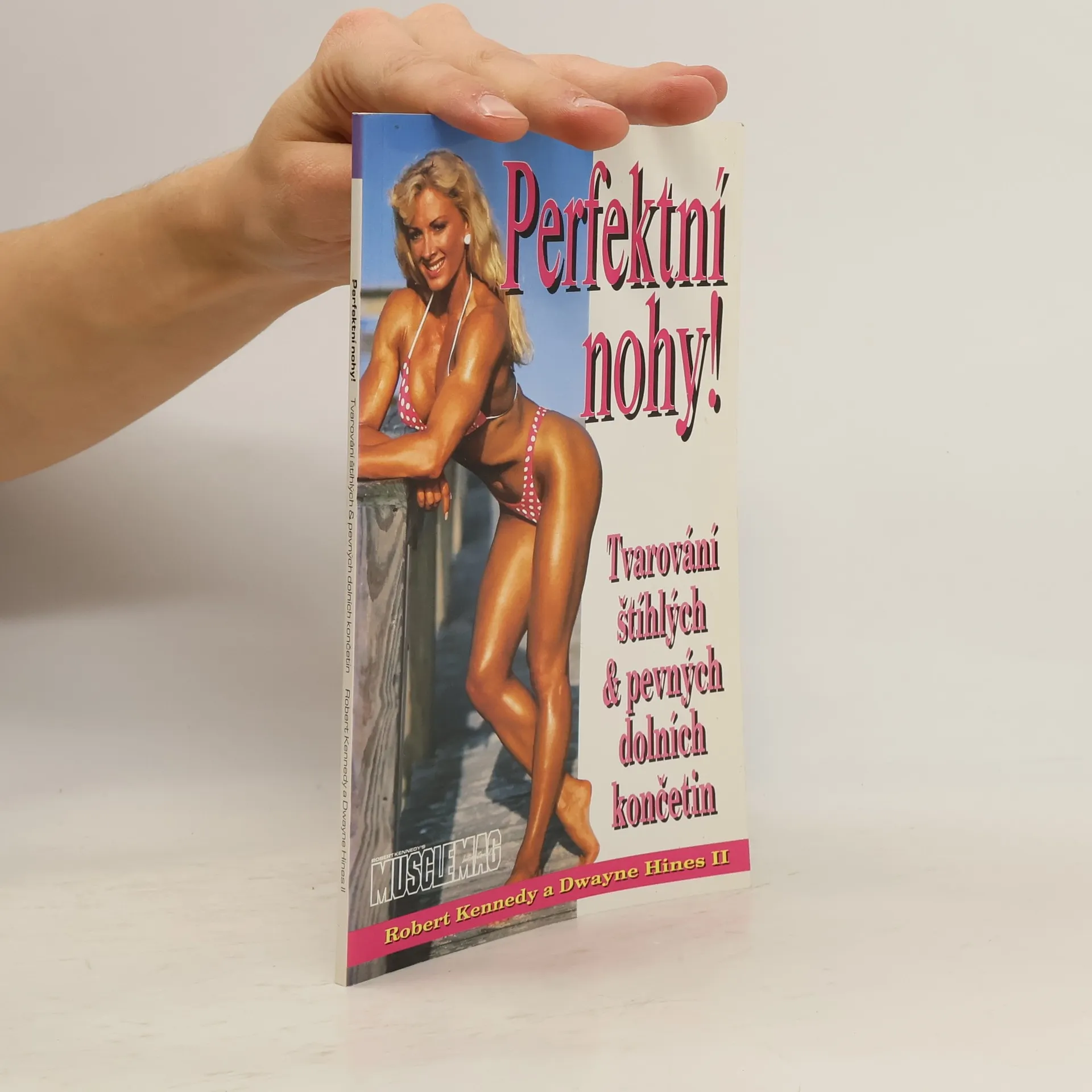
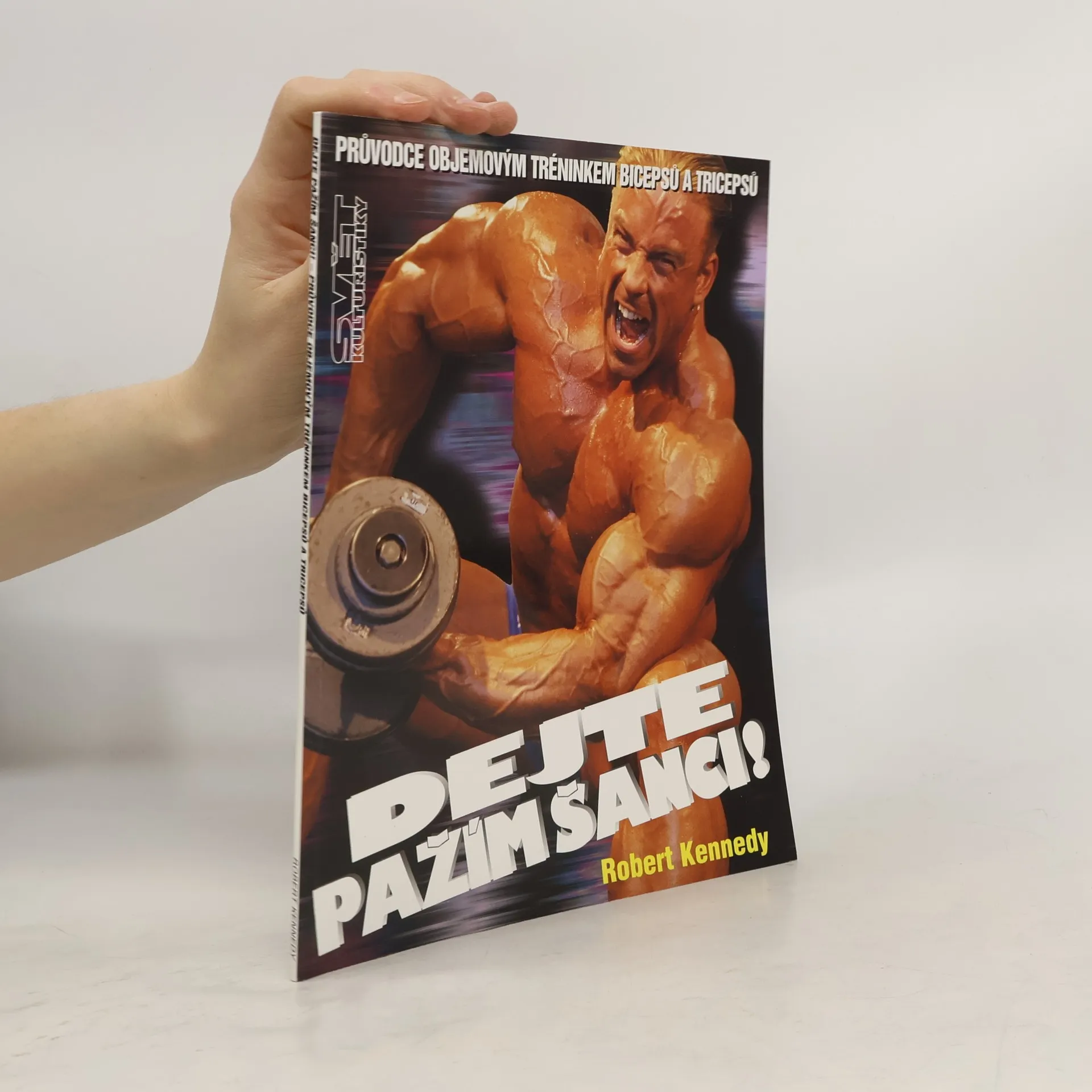
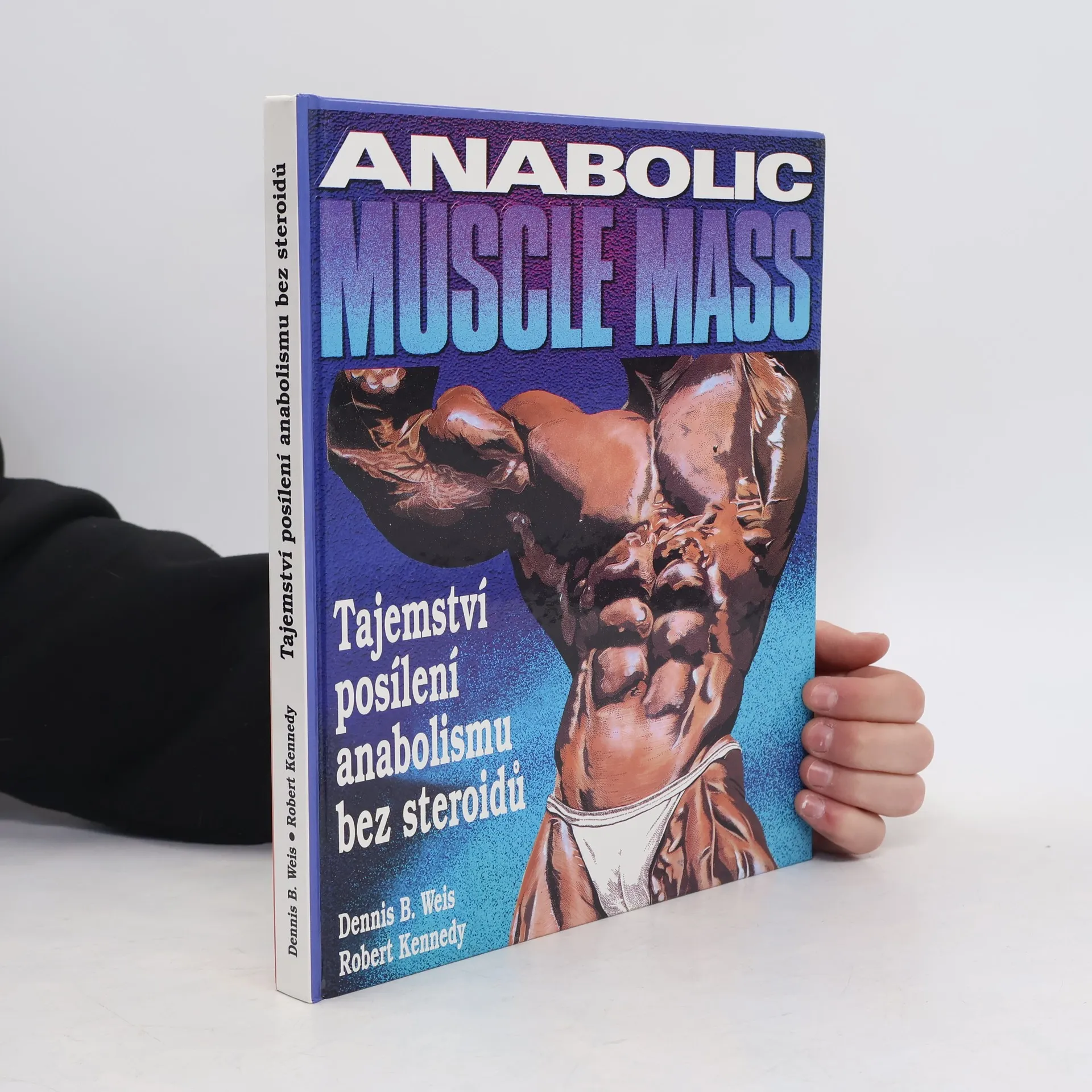
Magické odbourávání tuků - pod titulem této zajímavé knihy je Odbourávejte tuk a zdvojnásobte svoji životní energii. Publikace je zaměřena zejména na ženy, jejichž cílem je zbavit se nevzhledných tukových polštářů.Seznámíte se s nejefektivnějšími tréninkovými metodami, zaměřenými na využití tuku jako zdroje energie. (odbourávejte tuk a zdvojnásobte svoji životní energii!)
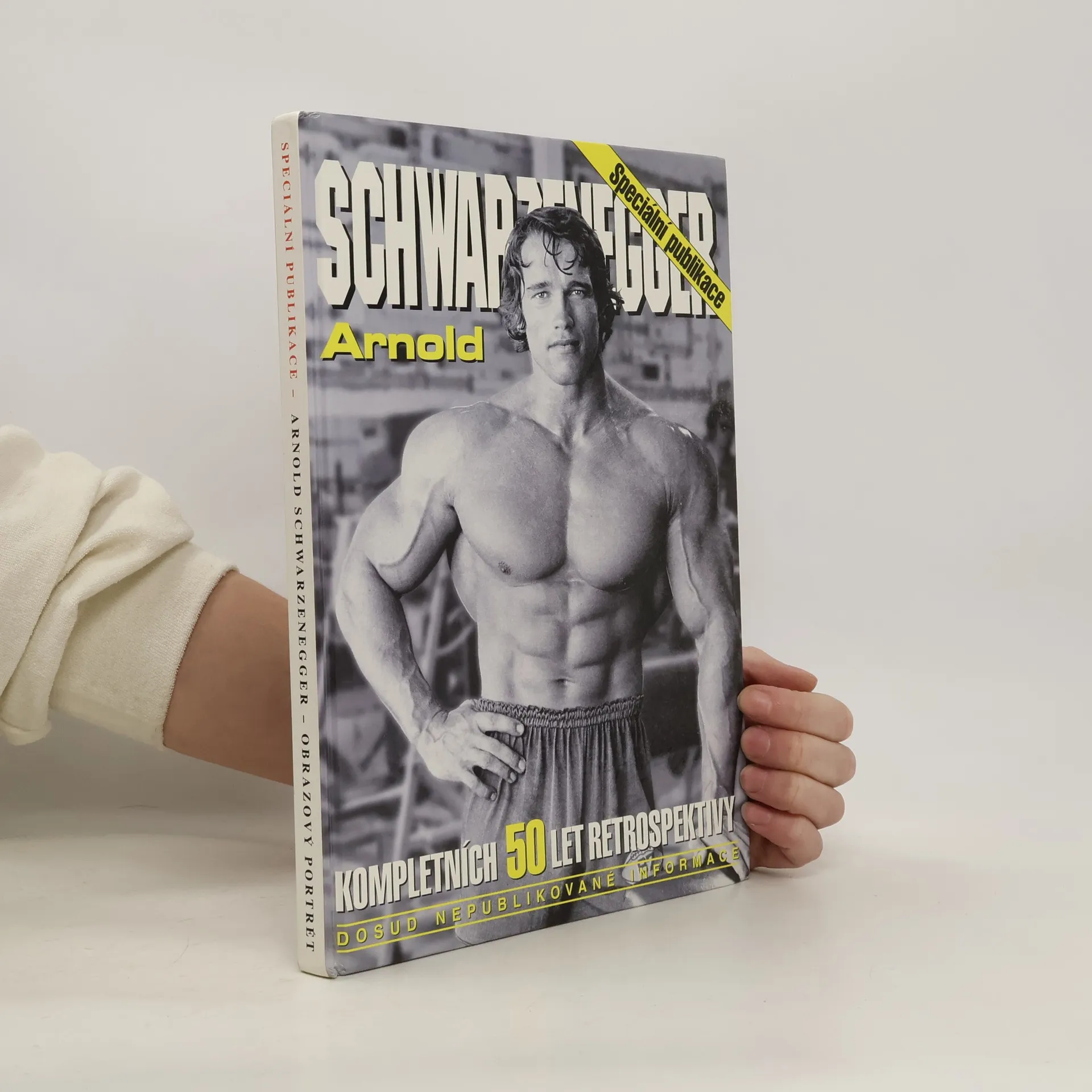
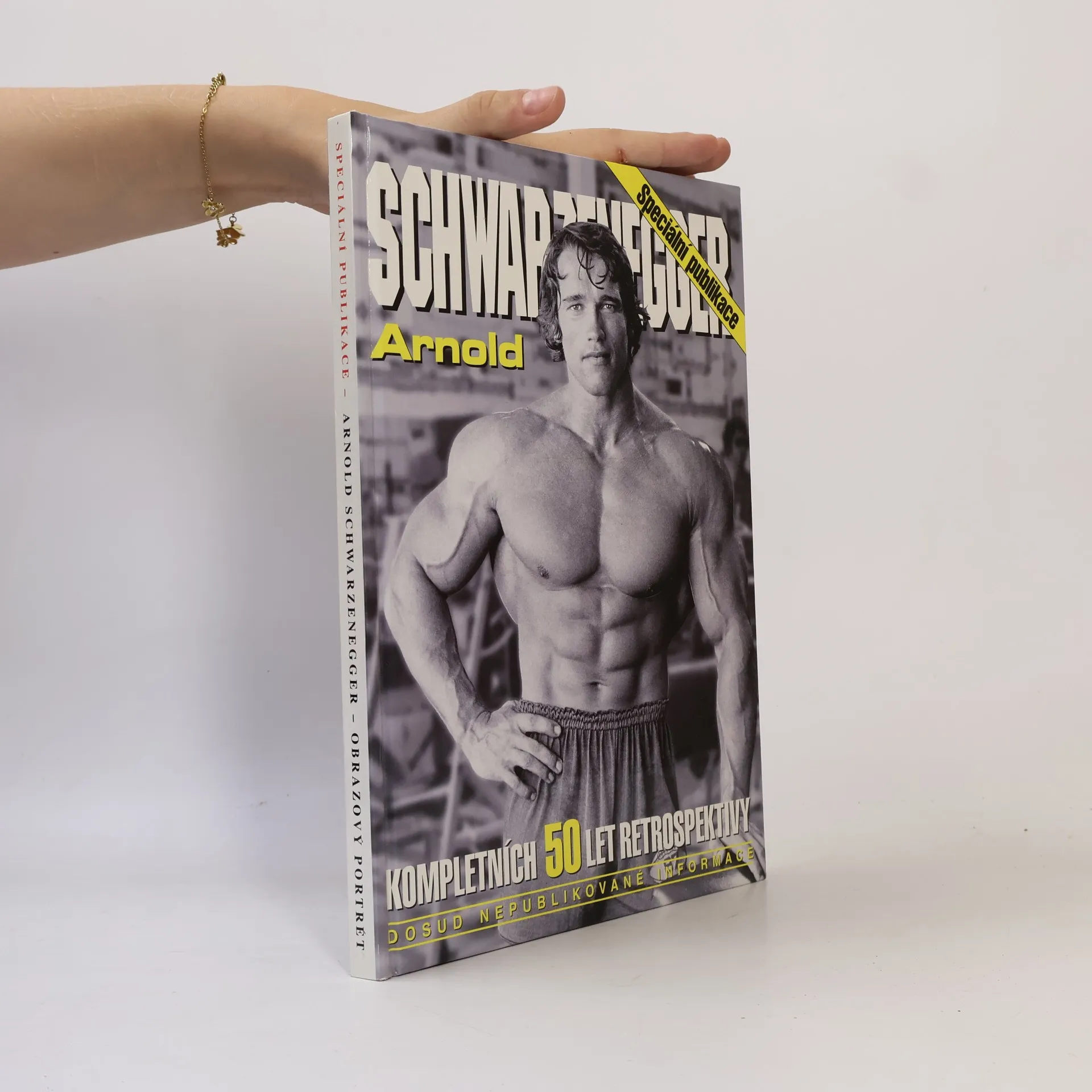
Čtení o životě a úspěších Arnolda Schwarzeneggera, nejznámějšího kulturisty, herce a obchodníka. Kniha obsahuje informace o jeho tréninku, zážitcích z kulturistického i filmového prostředí, názory jeho nejbližších přátel a spolupracovníků.
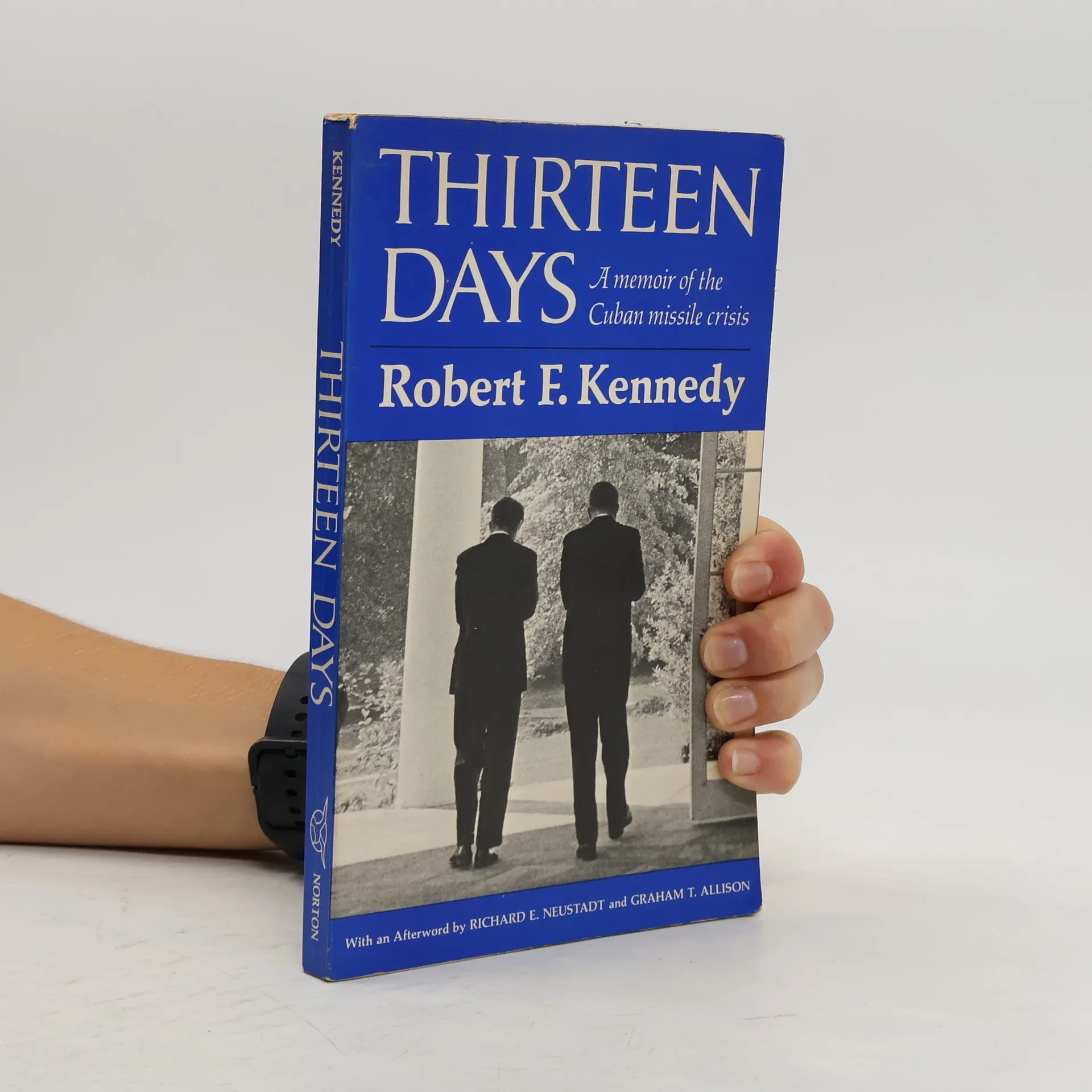
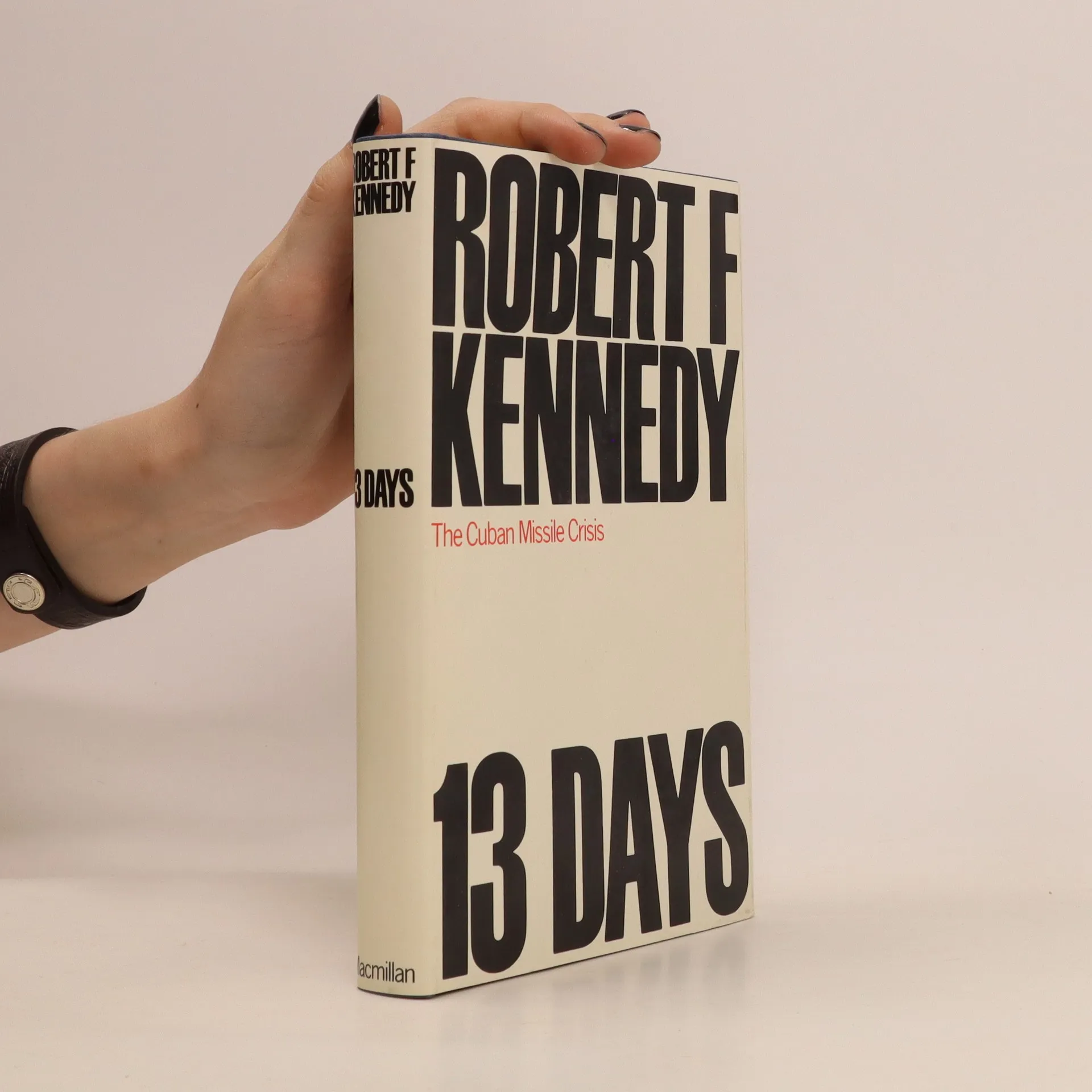
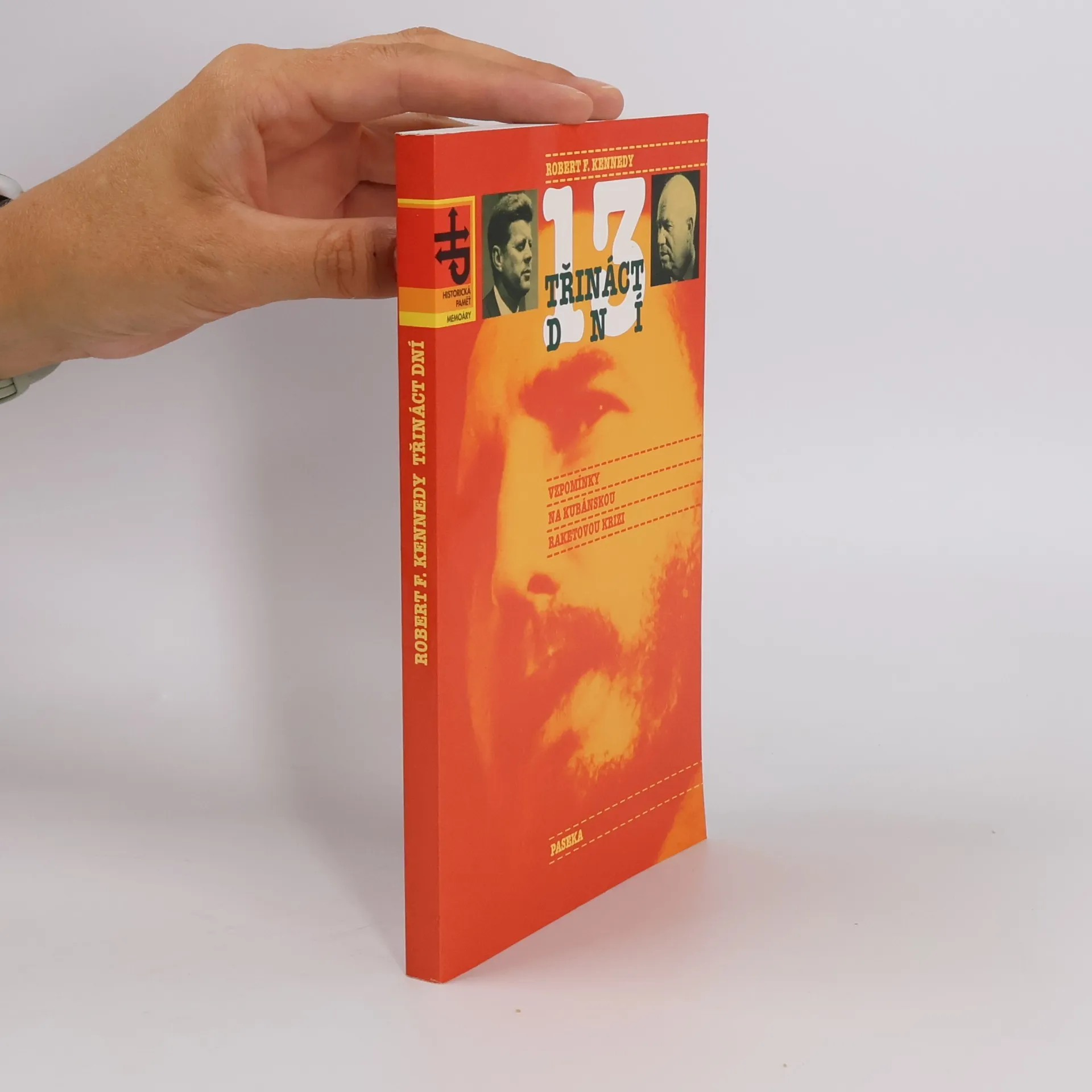
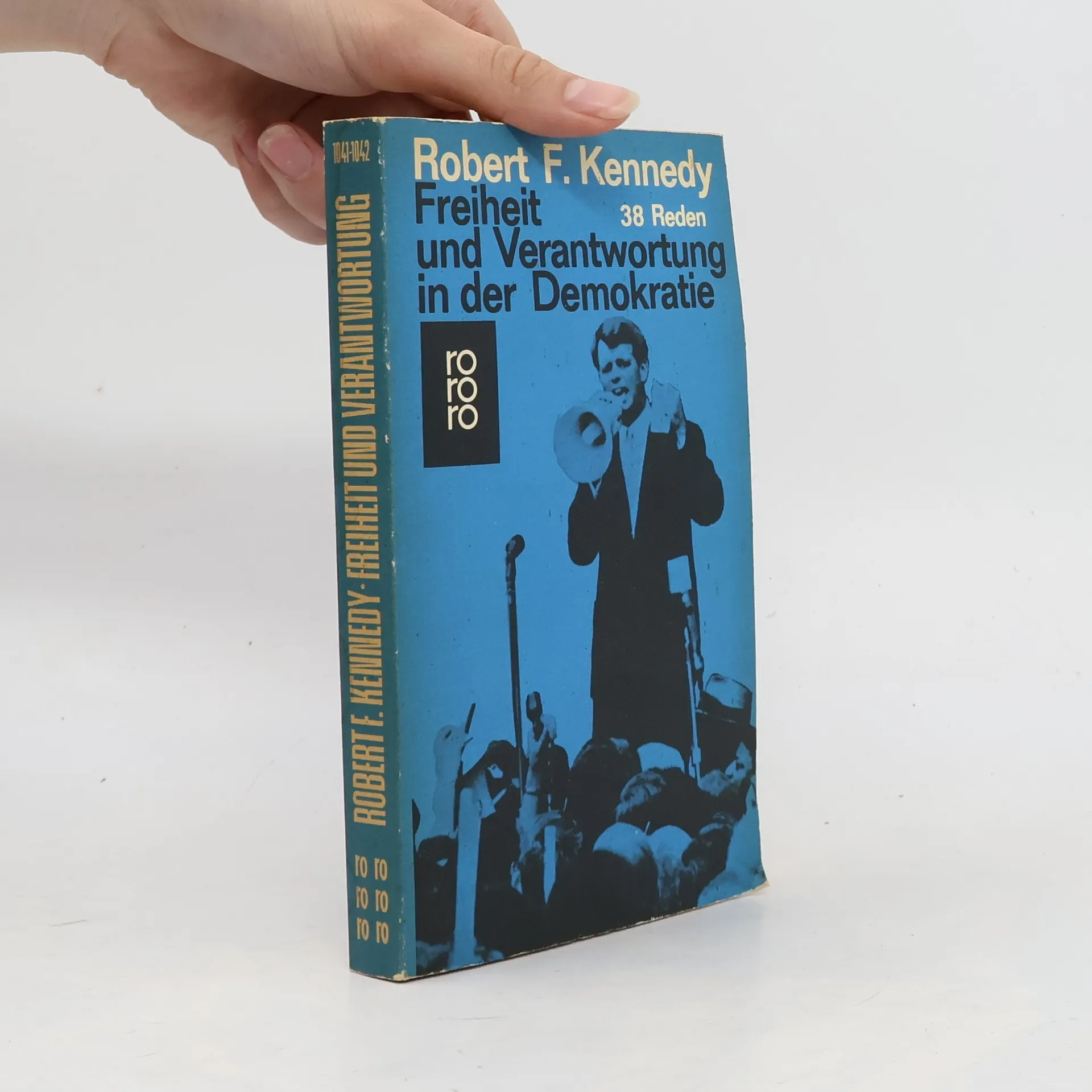
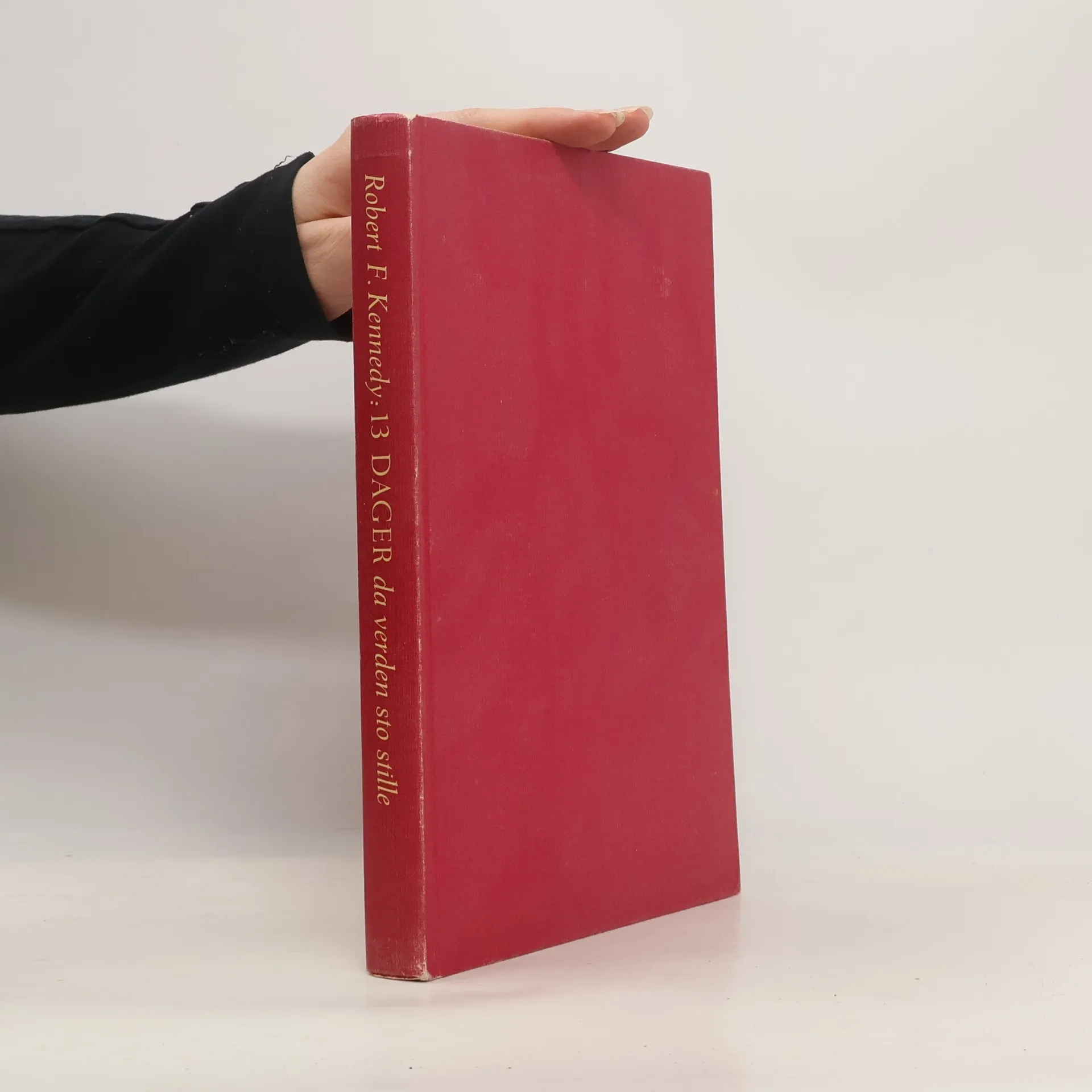
Poutavé vylíčení myšlení a jednání prezidenta J. F. Kennedyho a celé americké vlády během říjnové karibské krize v podání prezidentova bratra Roberta.
Publikace je sestavena na základě deníkových záznamů a zachycuje období od 16. října, kdy byly ve Washingtonu odhaleny nezvratné důkazy o rozmístění ruských jaderných raket na Kubě, do 28.října, kdy přišla zpráva o Chruščovově souhlasu s americkými podmínkami.
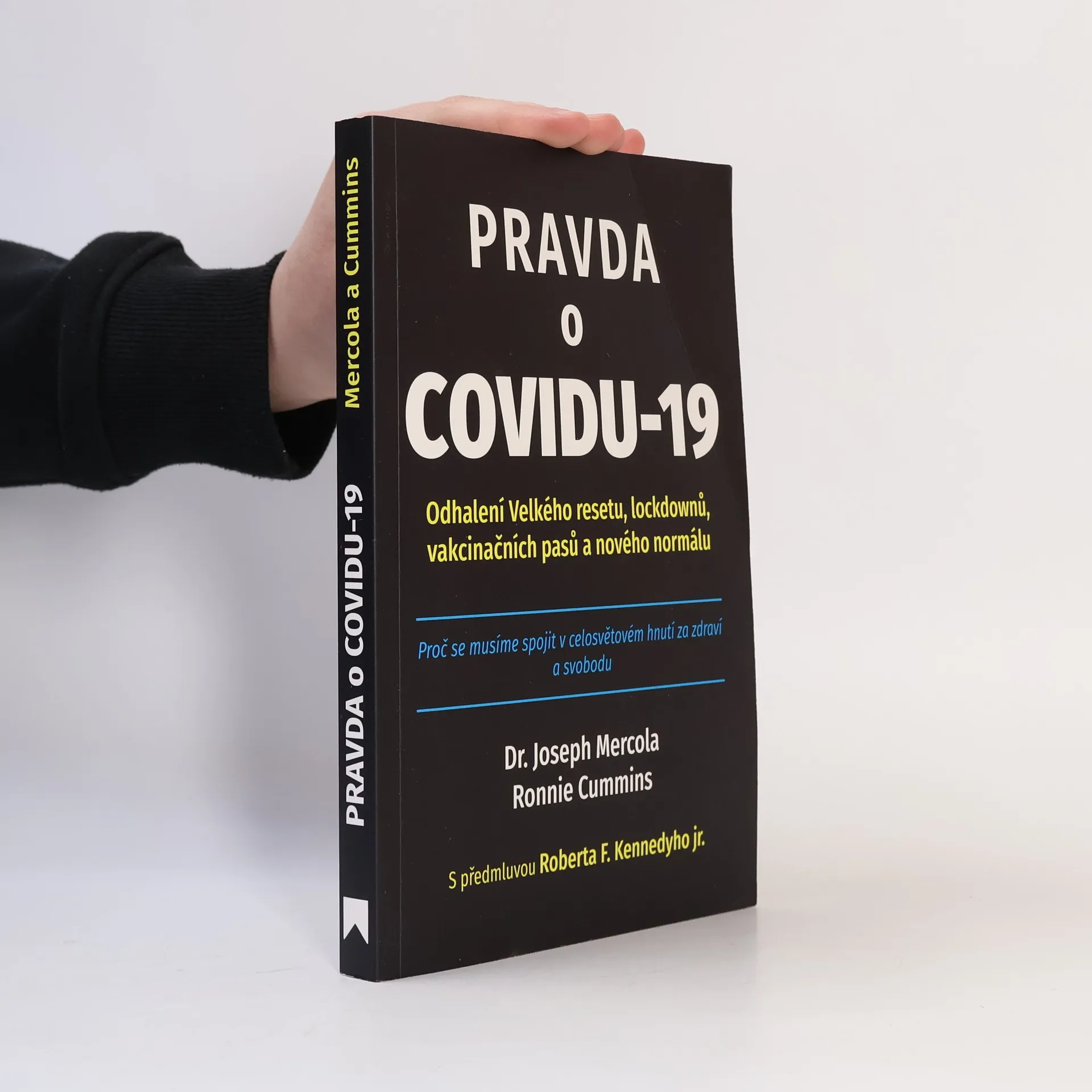
Odhalení Velkého resetu, lockdownů, vakcinačních pasů a nového normálu
Prostřednictvím intenzivního výzkumu autoři odhalují skutečnost, že nyní nastal čas na globální probuzení. Je čas se spojit, požadovat pravdu a převzít kontrolu nad svým zdravím. Pravda o covidu-19 je pro vás pozvánkou, abyste se připojili k dr. Mercolovi a Cumminsovi, kteří vzdělávají veřejnost a angažují se ve jménu zdravé, spravedlivé, demokratické a regenerativní budoucnosti.
Autoři knihy, která se objevuje na žebříčku bestsellerů New York Times, dr. Joseph Mercola a Ronnie Cummins se spojili, aby čtenářům nabídli ucelený pohled na problematiku současné krize v podobě pandemie covidu-19. Ne každý s nimi musí plně souhlasit. Přesto má smysl se s jejich úhlem pohledu blíže seznámit. Celá řada informací bude totiž pro čtenáře nová a možná i překvapivá. Kniha obsahuje také nebývalé množství odkazů na informační zdroje, kterými se autoři snaží svá tvrzení podepřít.