Compra 10 libros por 10 € aquí!
Bookbot

Mark Galeotti

    15 de octubre de 1965
    Mark Galeotti
    Russia's Five-Day War
    The Panjshir Valley 1980-86
    Russian Political War
    Gran Meccanismo
    Combat Vehicles of Russia's Special Forces
    Storm-333
    • Storm-333

      • 80 páginas
      • 3 horas de lectura

      Storm-333, the operation to seize Kabul and assassinate Afghan leader Hafizullah Amin, was at once a textbook success and the start of a terrible blunder. It heralded the Soviet invasion of Afghanistan, an operation intended to be a short, largely symbolic show of force, yet which quickly devolved into a gritty ten-year counter-insurgency that Moscow was never able to win. Nonetheless, Storm-333 was a striking success, and despite initial concerns that it would be an impossible achievement, it saw a relative handful of Soviet special forces drawn from the KGB and the military seize the heavily defended presidential palace, neutralise the city's communications and defences, and open Kabul to occupation. The lessons learned then are still valid today, and have been incorporated into modern Russian military practice, visible most recently in the seizure of Crimea in 2014. Written by a recognised expert on the Soviet security forces, drawing extensively on Russian sources, and fully illustrated with commissioned artwork, this is the most detailed and compelling study of this fascinating operation available in English. -- Provided by publisher
      Storm-333
    • Mark Galeotti's new study of both the combat vehicles of Russia's legendary Spetsnaz special forces and the whole range of unique and modified vehicles that Russia's elite units use, from combat snowmobiles to the world's biggest water-cannon.

      Combat Vehicles of Russia's Special Forces
    • Gran Meccanismo

      • 208 páginas
      • 8 horas de lectura

      It is the Year of Our Lord 1510, and one has to wonder how differently history could have played out if Niccolò Machiavelli, the military commissioner of the Republic of Florence, had not understood the true scale of Leonardo da Vinci's genius. In such a world, the visionary might simply have wasted his time painting portraits of women and doodling in a sketchbook. Instead, he unleashed a technological revolution where primitive computers, decorated with delicately painted cupids, run on water clocks; spring-powered tanks whir across the battlefield, cannons thundering from their flanks; and gliders flit across perfectly blue Tuscan skies.Gran Meccanismo is a roleplaying game of swashbuckling adventure in a Renaissance Italy where Florence's winding alleys play host to spies, scholars, and sell-swords alike. Players are nobles, mercenaries, inventors, and artisans who may find themselves crossing wits with Machiavelli, avoiding the dangerous charms of Lucretia Borgia, or hearing Christopher Columbus telling tales of the new world he has discovered...

      Gran Meccanismo
    • This book cuts through the misunderstandings about Russia's geopolitical challenge to the West, presenting this not as 'hybrid war' but 'political war.' Russia seeks to antagonise: its diplomats castigate Western 'Russophobia' and cultivate populist sentiment abroad, while its media sells Russia as a peaceable neighbour and a bastion of traditional social values. Its spies snoop, and even kill, and its hackers and trolls mount a 24/7 onslaught on Western systems and discourses. This is generally characterised as 'hybrid war, ' but this is a misunderstanding of Russian strategy. Drawing extensively not just on their writings but also decades of interactions with Russian military, security and government officials, this study demonstrates that the Kremlin has updated traditional forms of non-military 'political war' for the modern world. Aware that the West, if united, is vastly richer and stronger, Putin is seeking to divide, and distract, in the hope it will either accept his claim to Russia's great-power status - or at least be unable to prevent him. In the process, Russia may be foreshadowing how the very nature of war is changing: political war may be the future. This book will be of much interest to students of strategic studies, war studies, Russian politics and security studies.

      Russian Political War
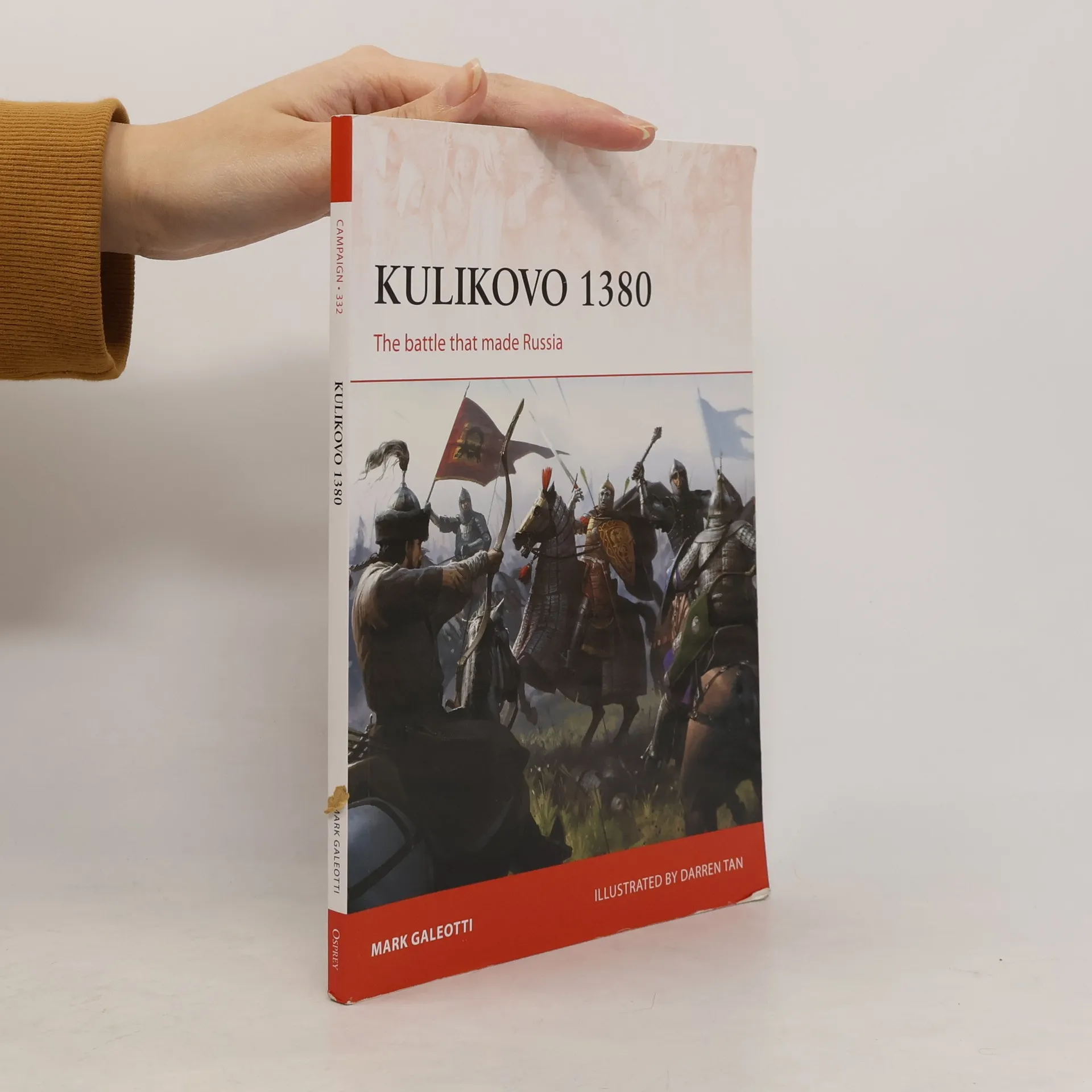
    • An in-depth look at the struggle between the charismatic rebel commander Ahmad Shah Massoud, 'The Lion of Panjshir', and the Soviet forces who fought to control the Panjshir Valley in Afghanistan

      The Panjshir Valley 1980-86
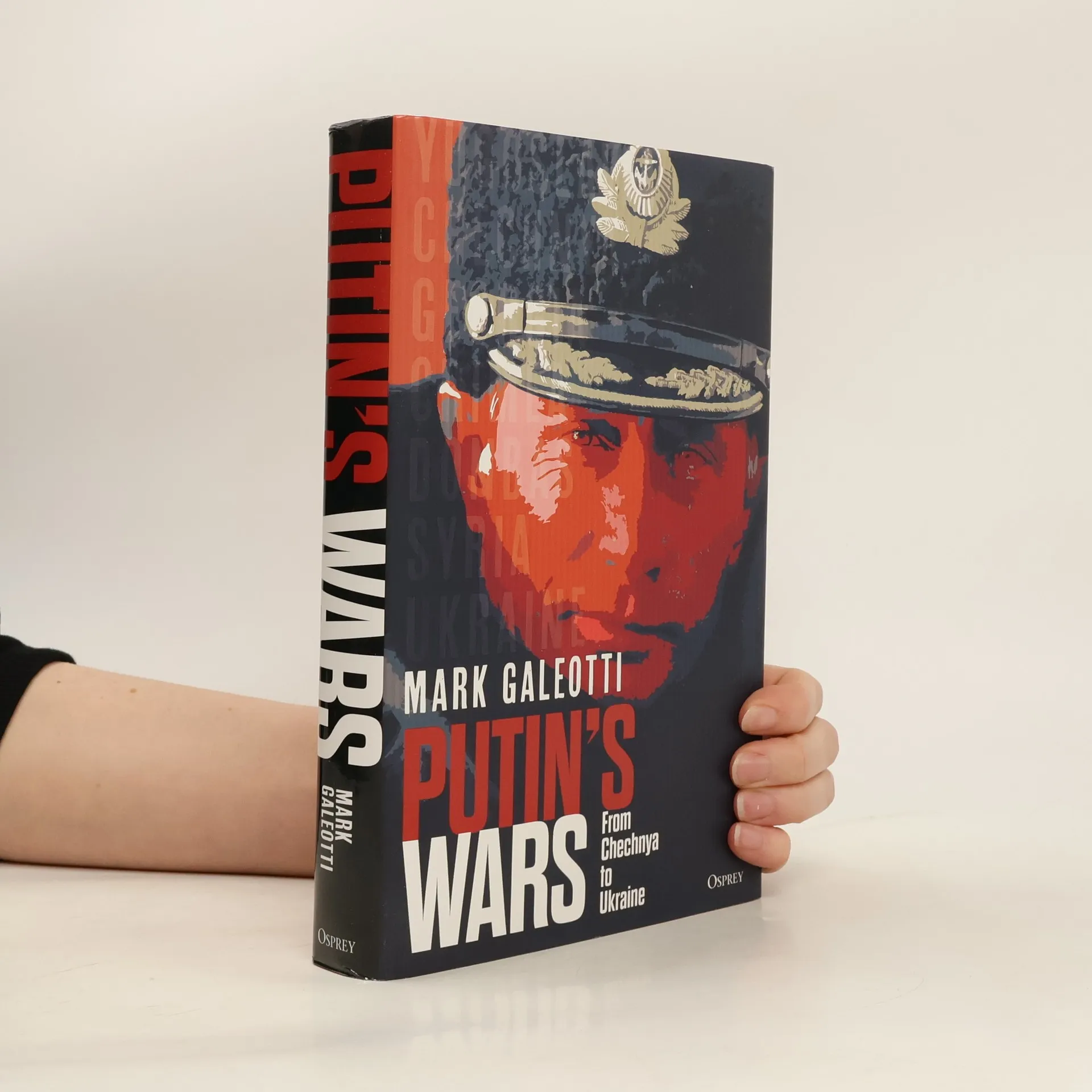
    • Putin's Wars

      • 320 páginas
      • 12 horas de lectura

      "Putin's Wars is a timely overview of the conflicts in which Russia has been involved since Vladimir Putin became prime minister and then president of Russia, from the First Chechen War to the two military incursions into Georgia, the annexation of Crimea and the eventual invasion of Ukraine itself. But it also looks more broadly at Putin's recreation of Russian military power and its expansion to include a range of new capabilities, from mercenaries to operatives in a relentless information war against Western powers. This is an engrossing strategic overview of a rejuvenated Russian military and the successes and failures on the battlefield"-- Provided by publisher

      Putin's Wars
    • A detailed study of the tumultuous history of the Moscow Kremlin, a metaphor for Russia, a symbol for its government and an enduring icon of the country. A fortified complex covering 70 acres at the heart of Moscow, behind walls up to 18m high and watched over by 20 towers, the Kremlin houses everything from Russia's seat of political power to glittering churches. This is a fortress that has evolved over time, from the original wooden guard tower built in the 11th century to the current stone and brick complex, over the years having been built, burnt, besieged, and rebuilt. Starting with the initial building of a wooden watch tower on the banks of the Moskva river in the 11th century, this book follows the Kremlin's tumultuous history through rises and falls and various iterations to today. In the process, it tells a story of Russia, and also unveils a range of mysteries around the fortress, from the 14th-century underground tunnels built to permit spies to enter and leave it covertly through to today's invisible defenses such as it GPS spoofing field (switch on your phone inside the walls and it may well tell you you're at Vnukovo airport, 30km away) and drone jammers.

      The Moscow Kremlin
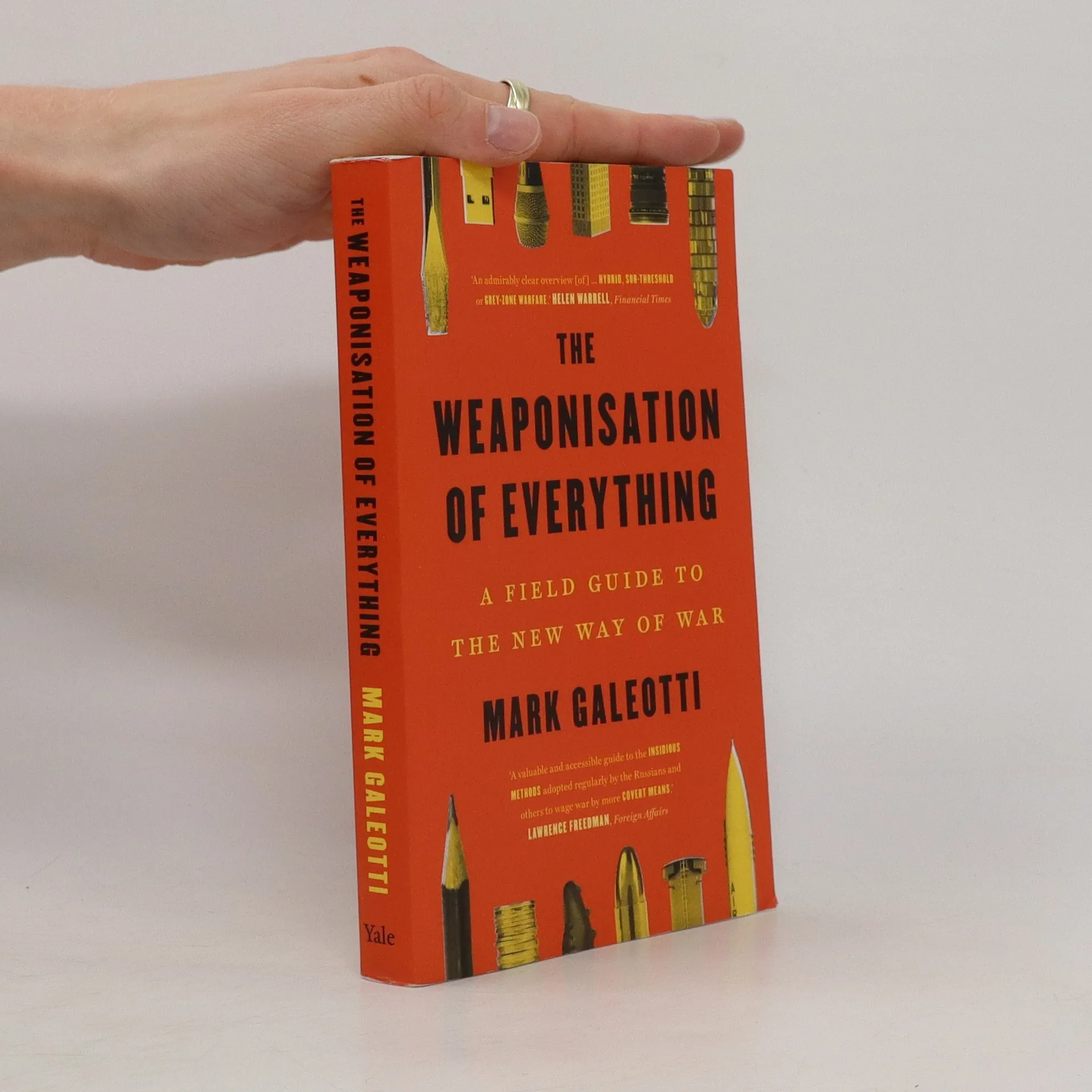
    • An engaging guide to the various ways in which war is now waged--and how to adapt to this new reality "This brisk everyman's guide--straight-talking and free of jargon--is a useful tasting menu to a fast moving, constantly evolving set of problems. . . . A lively reminder that war adapts to technology, that civilians are part of modern conflict whether they like it or not."--Roger Boyes, The Times "Galeotti's field guide is an admirably clear overview (in his words, 'quick and opinionated') of a form of conflict which is vague and hard to grasp. Variously described as hybrid, sub-threshold or grey-zone warfare, this is the no man's land between peaceful relations and formal combat."--Helen Warrell, Financial Times Hybrid War, Grey Zone Warfare, Unrestricted War: today, traditional conflict--fought with guns, bombs, and drones--has become too expensive to wage, too unpopular at home, and too difficult to manage. In an age when America threatens Europe with sanctions, and when China spends billions buying influence abroad, the world is heading for a new era of permanent low-level conflict, often unnoticed, undeclared, and unending. As conflict once again returns to Europe, transnational crime expert Mark Galeotti provides a comprehensive and ground-breaking survey of the new way of war. Ranging across the globe, Galeotti shows how today's conflicts are fought with everything from disinformation and espionage to crime and subversion, leading to instability within countries and a legitimacy crisis across the globe. But rather than suggest that we hope for a return to a bygone era of "stable" warfare, Galeotti details ways of surviving, adapting, and taking advantage of the opportunities presented by this new reality.

      The Weaponisation of Everything