
Compra 10 libros por 10 € aquí!
Bookbot

Stefan Chwin

    11 de abril de 1949

    Stefan Chwin es un novelista, crítico literario e historiador de la literatura polaco cuya vida y obra están intrínsecamente ligadas a su ciudad natal, Gdańsk. Ejerce como profesor de literatura, y sus intereses académicos se centran en el período del Romanticismo. La escritura de Chwin a menudo se adentra en la historia y la memoria, explorando las intrincadas conexiones entre los individuos y sus paisajes urbanos. Sus novelas son aclamadas por su profundidad atmosférica y sus profundas perspectivas sobre la condición humana.

    Stefan Chwin
    Żona prezydenta
    Wolność pisana po Jałcie
    Die Gouvernante
    Der goldene Pelikan
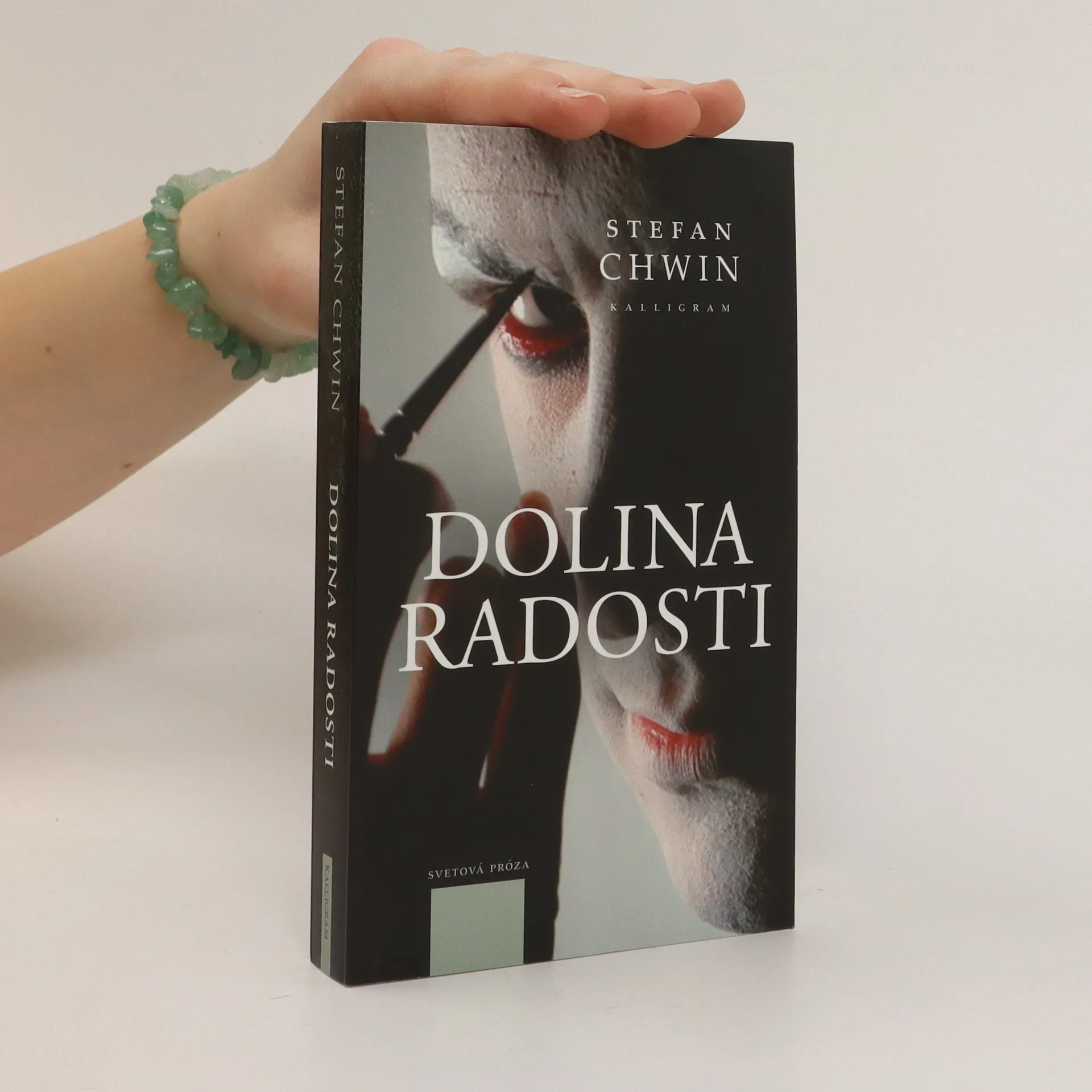
    Dolina radosti
    Death In Danzig
    • A moving portrait of people in transition - between old and new, life and death. Germans flee the besieged city of Danzig in 1945. Poles driven out of eastern regions by the Russians move into the homes hastily abandoned by their previous inhabitants. In an area of the city graced with beech trees and a stately cathedral, the stories of old and new residents intertwine: Hanemann, a German and a former professor of anatomy, who chooses to stay in Danzig after the mysterious death of his lover; the Polish family of the narrator, driven out of Warsaw; and a young Carpathian woman who no longer has a country, her cheerful nature concealing deep wounds. Through his brilliantly defined characters, stunning evocation of place, and memorable description of remnants of a world that was German but survives in Polish households, Chwin has created a reality that is beyond destruction.
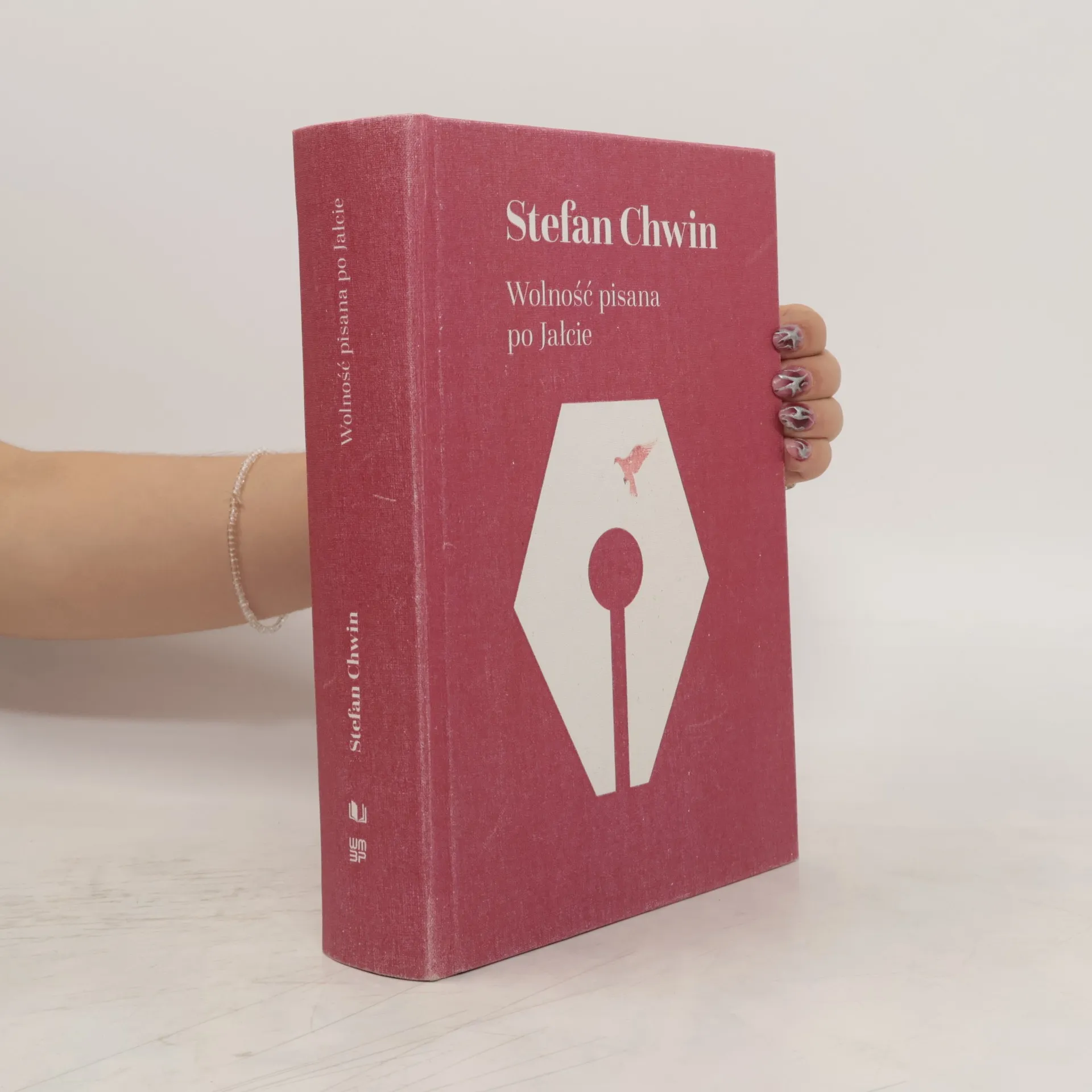
      Death In Danzig
    • Dolina radosti

      • 480 páginas
      • 17 horas de lectura

      Hlavný hrdina románu, Erik Stamelmann, tajomný maskér filmových hviezd a politikov – trochu klamár, trochu zločinec, trochu mág – spoznáva vďaka svojej profesii slávne osobnosti ako Marlene Dietrichovú, Hitlera či Stalina, mení identitu a počas fascinujúcej, grotesknej i hrôzostrašnej cesty takmer celým minulým storočím ustavične rozmýšľa nad tajomstvami krásy, vernosti a zrady, dobra a zla. Autor knihy, Stefan Chwin (1949), patrí medzi najvýraznejšie osobnosti súčasnej poľskej literatúry.

      Dolina radosti
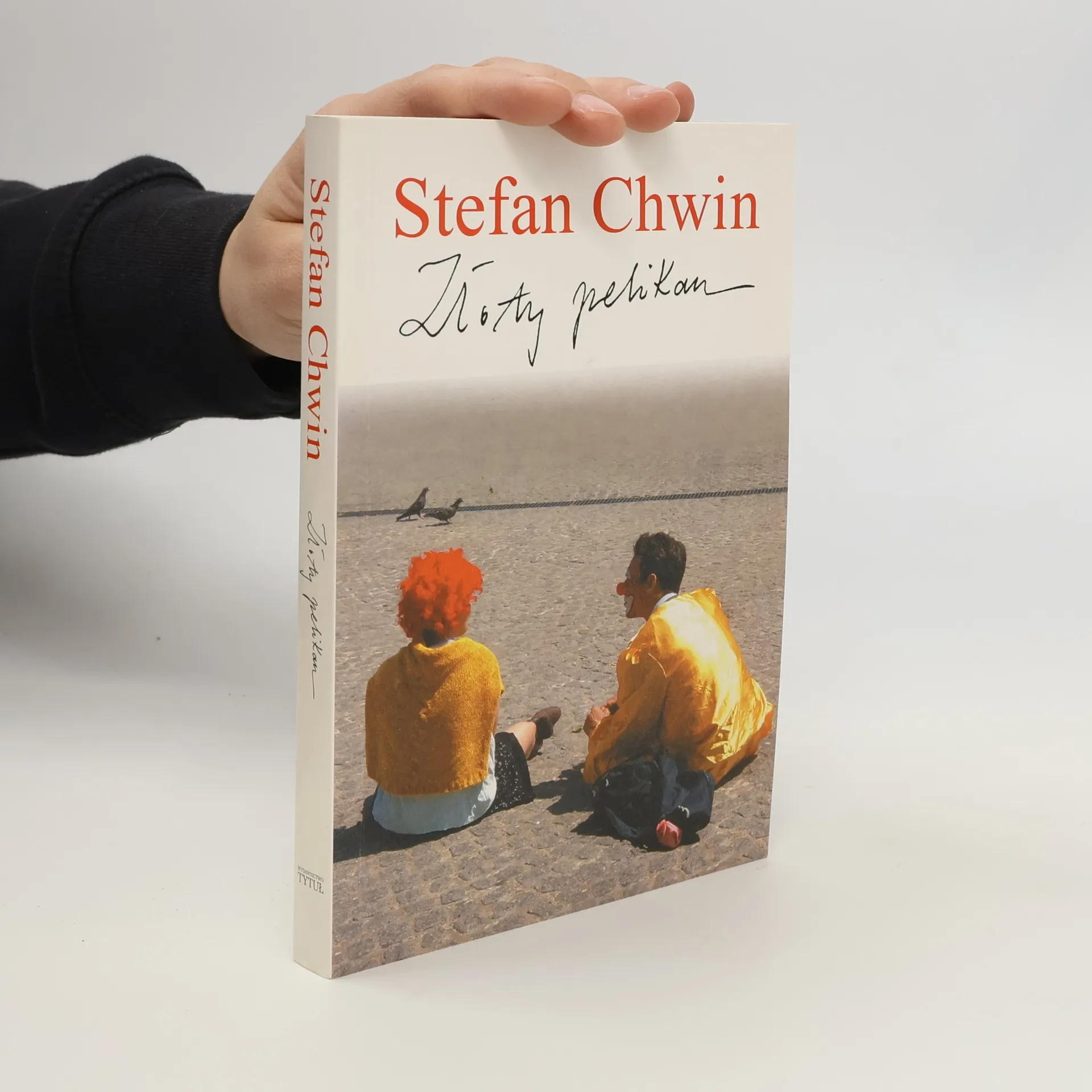
    • 'Stefan Chwins #155; Goldener Pelikan #139; ist gewiß traurig und beklemmend, zugleich aber ein faszinierender, schöner, wunderbarer Roman: polnische Literatur als moderne Weltliteratur.' Gerhard Schulz in der #155; FAZ #139; Jakub ist Juraprofessor an der Danziger Universität: gutaussehend, selbstbewusst, wohlsituiert. Über Recht und Gerechtigkeit weiß er Bescheid. Mit seinem goldenen Pelikanfüller sitzt er über seine Studenten zu Gericht. Als eine junge Frau sich beschwert, sie sei zu Unrecht durch die Prüfung gefallen, läßt er sie hochmütig stehen. Und vergisst sie. Eines Tages allerdings hört er zufällig, die Abgewiesene habe sich das Leben genommen. Da beginnt ihn sein Gewissen zu plagen, und sein Leben nimmt eine radikale Wendung. In seinem fesselnden zeitgenössischen Roman beleuchtet Stefan Chwin die Frage nach Gut und Böse, Verbrechen und Strafe, Verdammnis und Erlösung neu.

      Der goldene Pelikan
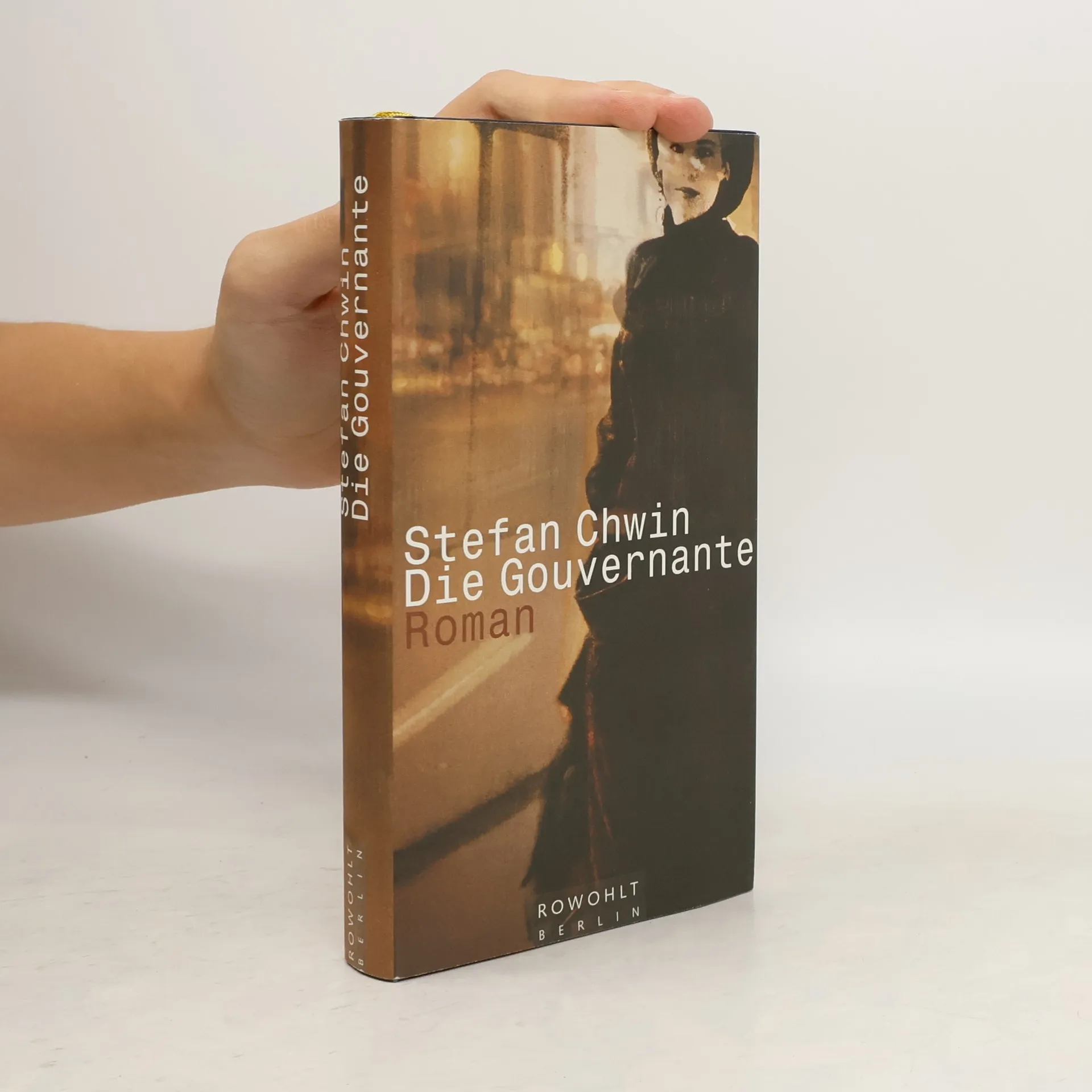
    • Die Gouvernante

      • 320 páginas
      • 12 horas de lectura

      Man kann Stefan Chwin als poetischen Chronisten der deutsch-polnischen Geschichte bezeichnen. Sein neuer Roman beginnt um 1900 in Warschau. Dort unterrichtet "Fräulein Esther" den 12-jährigen Andrzej Celinski in Fremdsprachen. Esther gelingt es, die ganze Familie Celinski in ihren Bann zu ziehen, aber Andrzej und sein älterer Bruder Aleksander sind ihre heftigsten Bewunderer. Doch die Gouvernante verschwindet plötzlich. Als Erinnerung bleiben nur ein paar Bilder von ihr und ihrer Heimatstadt Danzig. Bilder, die gut vier Jahrzehnte später wieder auftauchen und Andrzej das Leben retten.

      Die Gouvernante
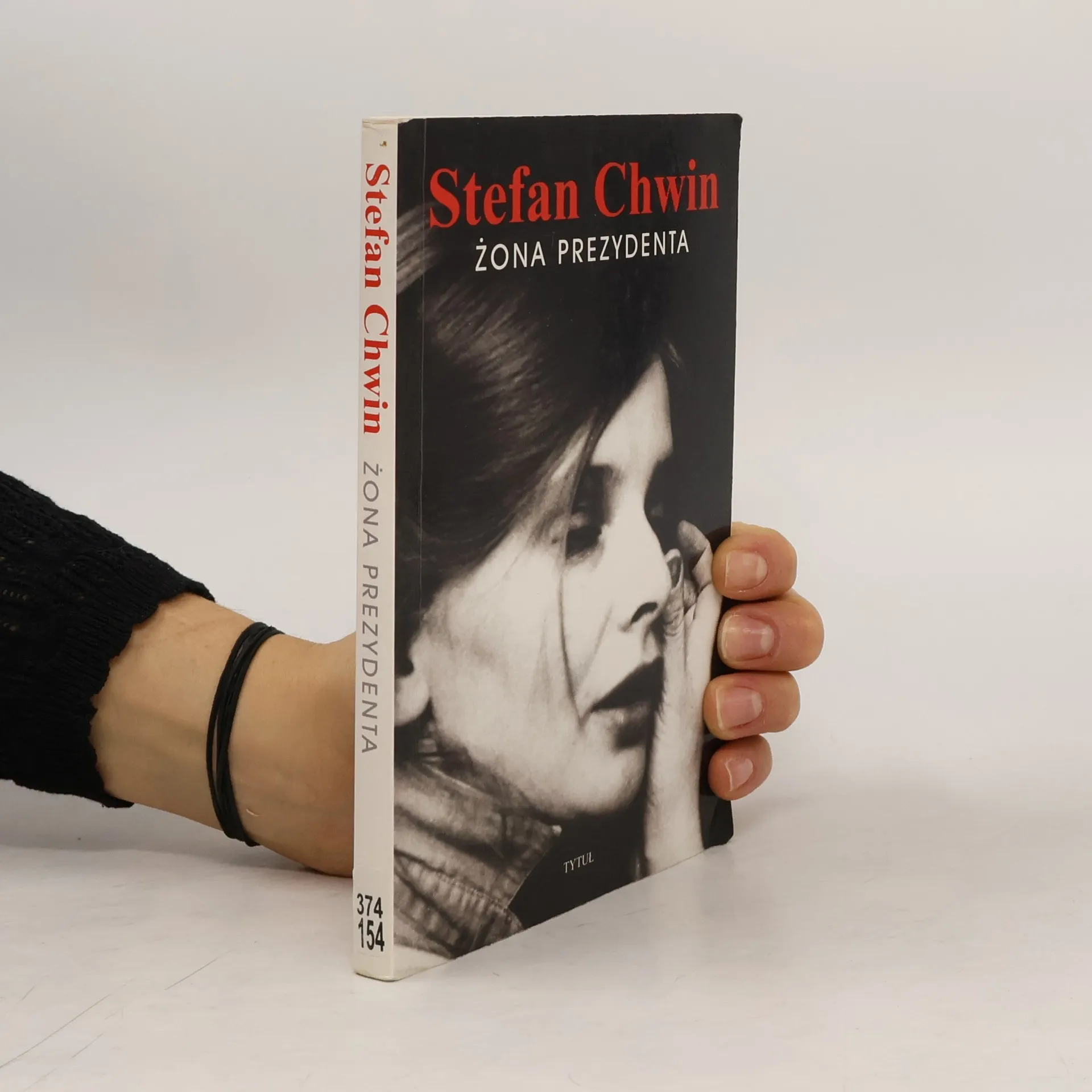
    • Żona prezydenta

      • 192 páginas
      • 7 horas de lectura

      Nick Karpinsky, pacjent zamknięty w szpitalu psychiatrycznym, opowiada prawdziwą, jak twierdzi, historię życia żony prezydenta Polski. Czy jego opowieść, przerywana wybuchami agresji i gwałtownymi monologami filozoficzno-moralnymi, jest świadectwem obsesji typowych dla początku naszego wieku, poruszającym obrazem mentalności spiskowej, brawurową political fiction, czy czymś więcej?

      Żona prezydenta