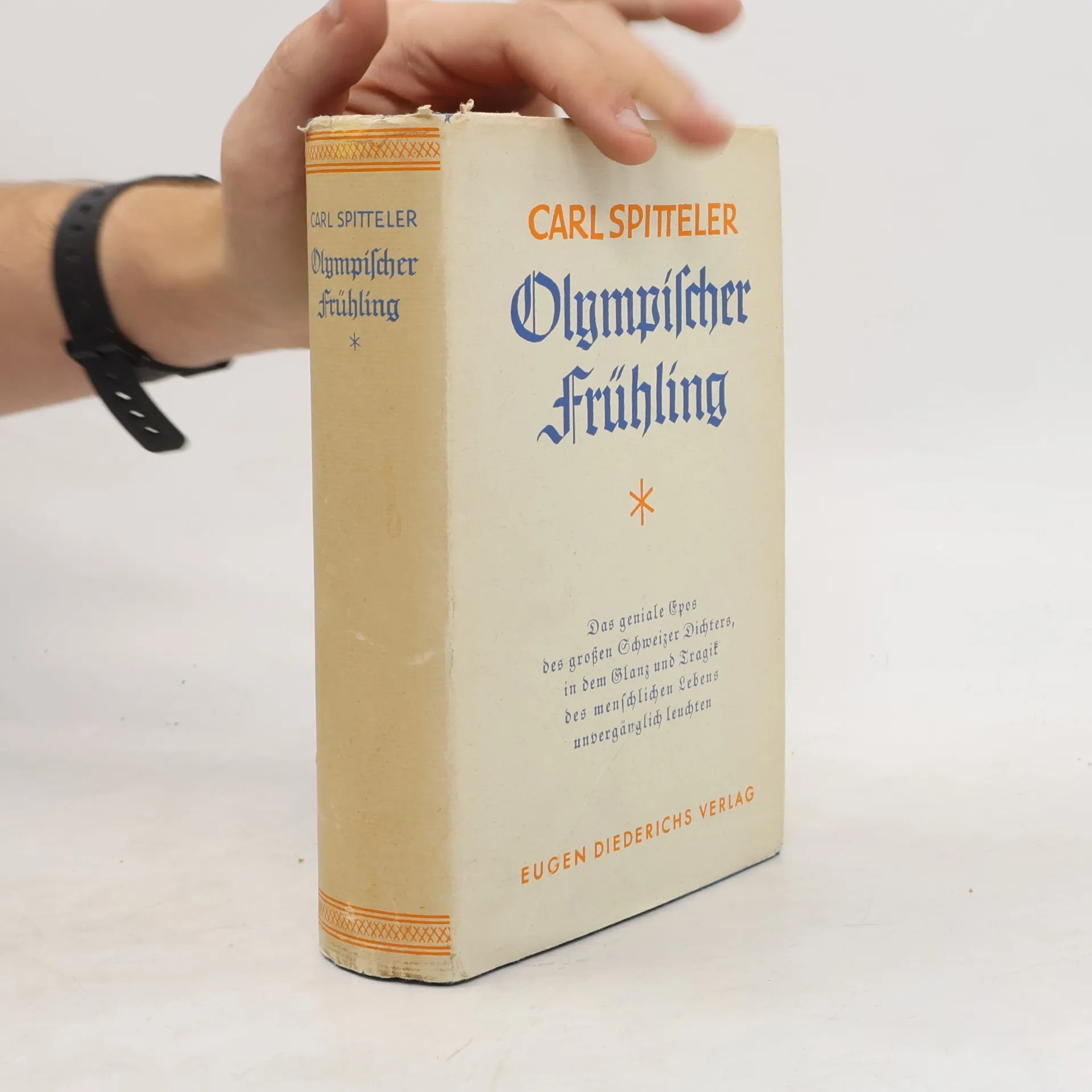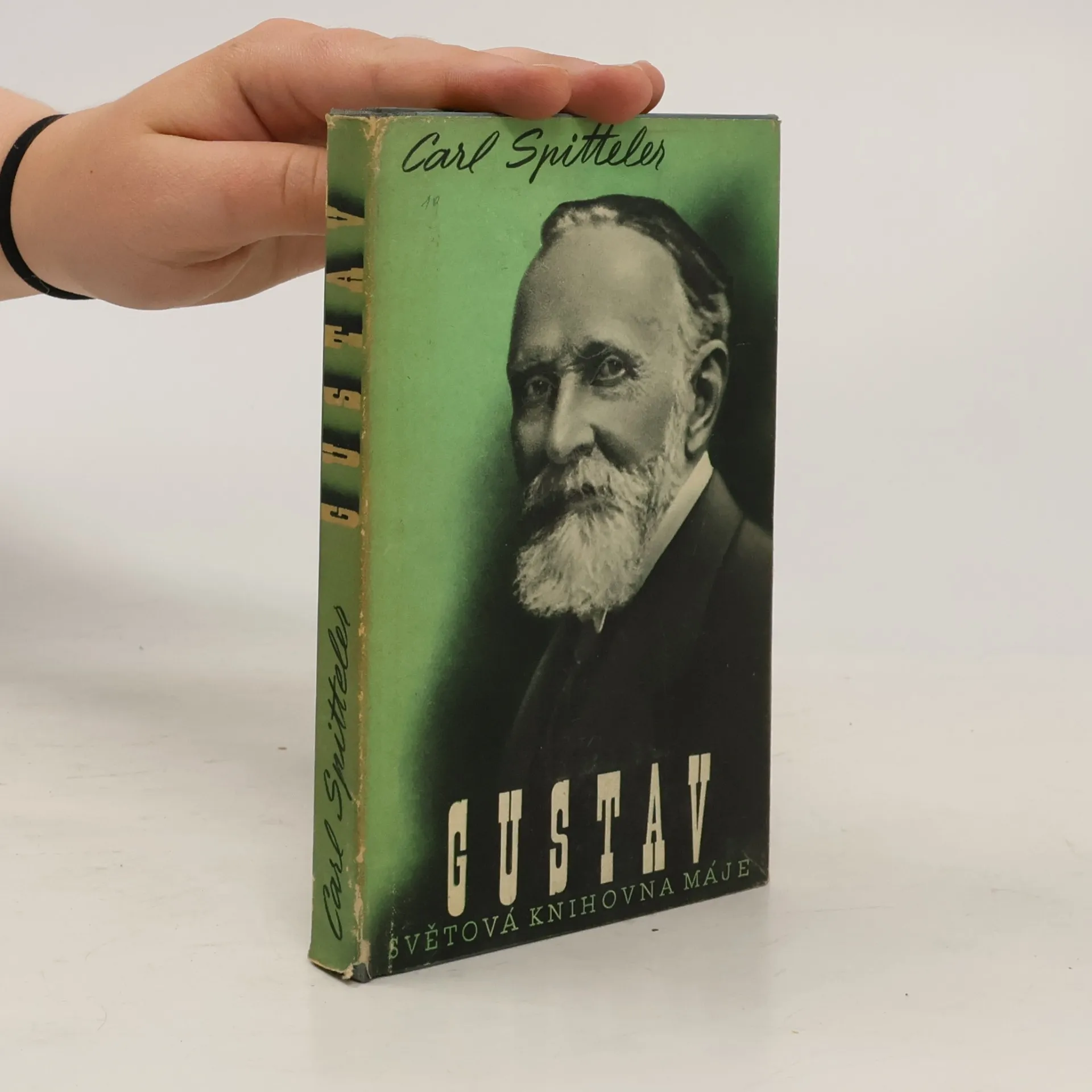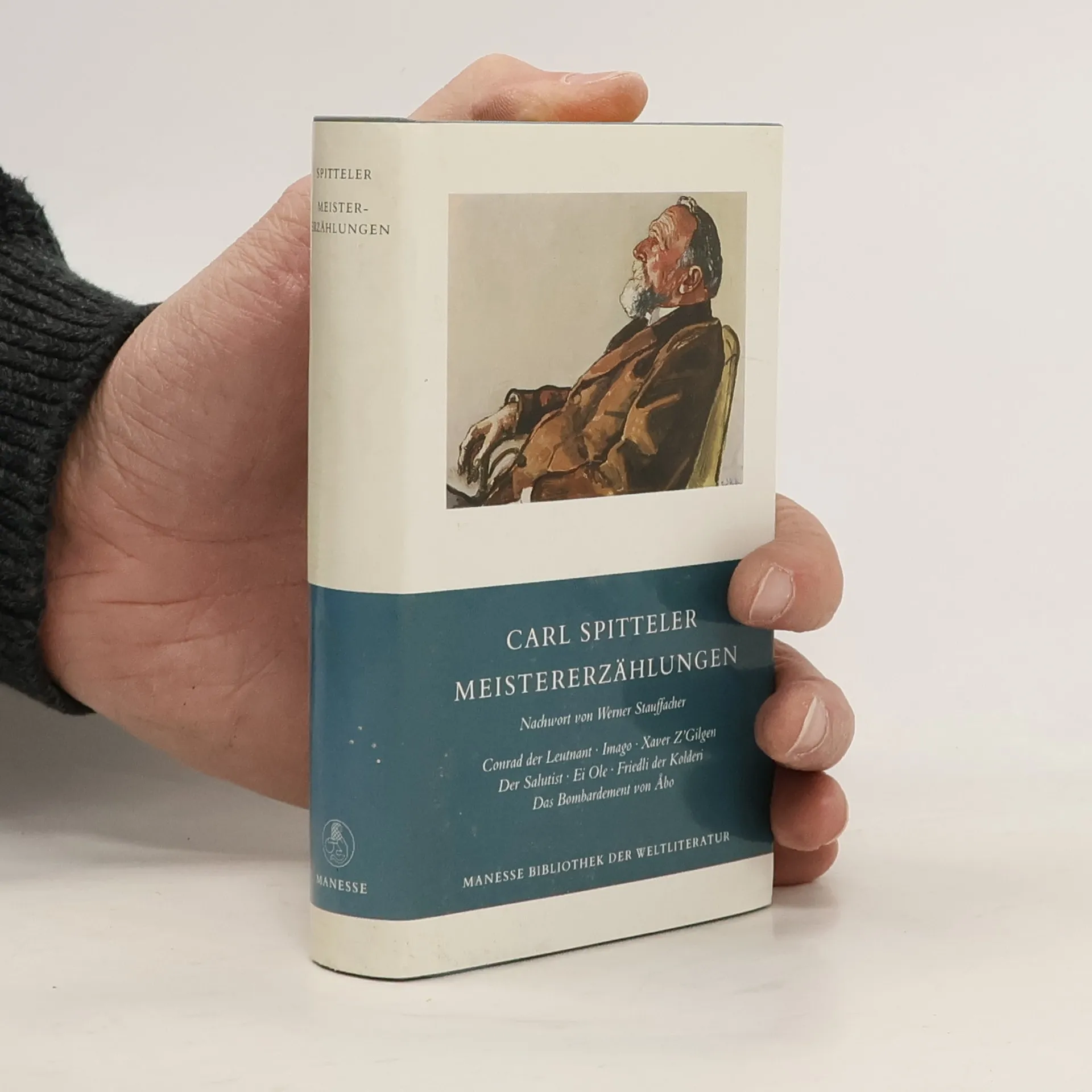

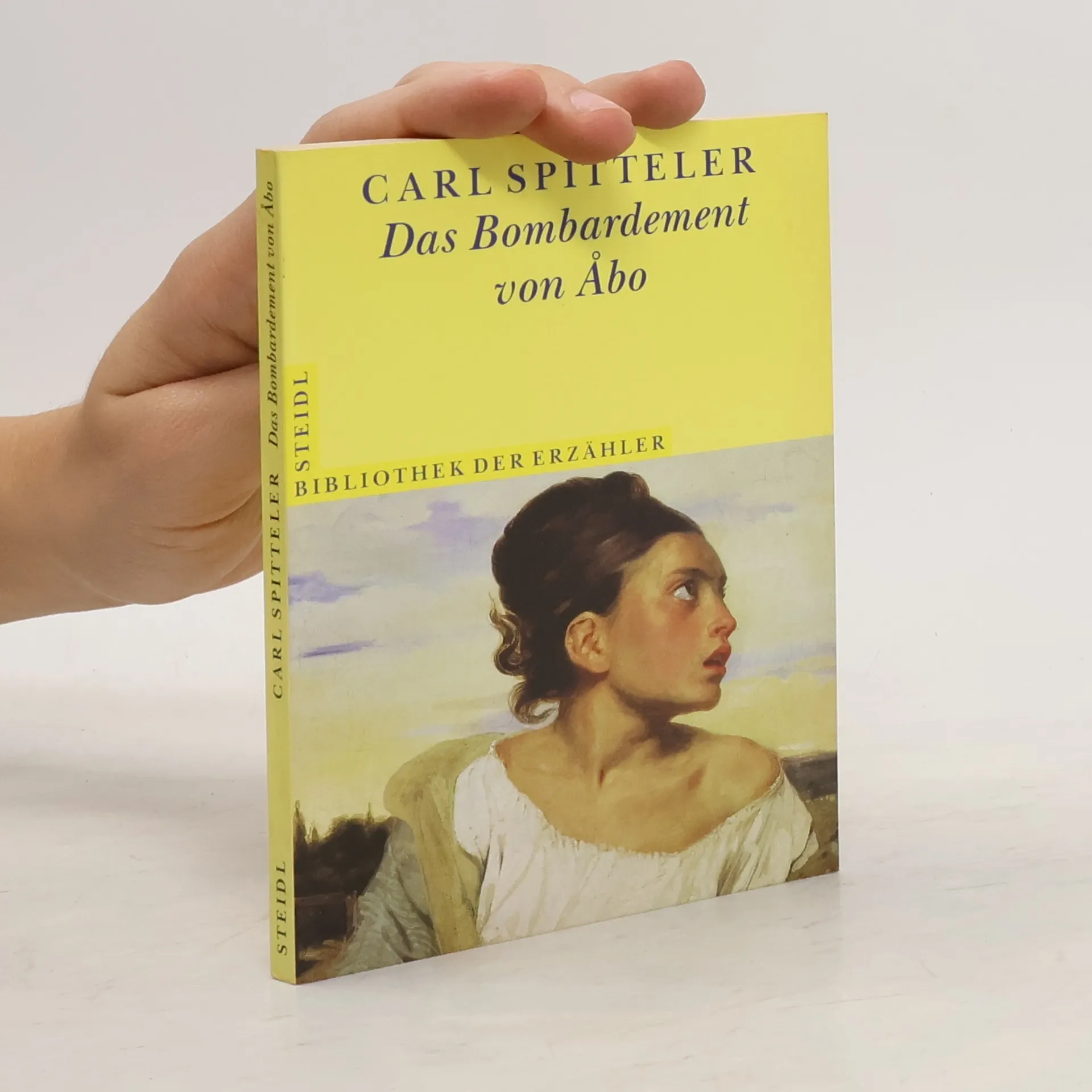
This farcical tale tells how the British bombing of a Finnish port city changes the life of the Russian governor, his wife, their cook, and the cook's Finnish fiancé. The story takes place during a Nordic offshoot of the Crimean conflict, known as the Åland War, in which a British-French naval force attacked military and civilian facilities on the coast of the Grand Duchy of Finland in 1854–1856. The location of the novella is Åbo, today's Turku, where soldiers in the Russian garrison enjoy life, Cossacks dance and drink, and the governor's wife is preoccupied about her cook's marriage to a local lad, against which the governor and the English admiral devise a plot... After studies in Swiss and German universities, Carl Spitteler worked in Russia between 1871 and 1879 as the private tutor in the family of a Finnish general. In the process he came to know Finnish and Baltic noble families in Saint Petersburg and Finland. He published this story in 1889, and went on to become, in 1919, the first Swiss winner of the Nobel Prize for literature. The Bombardment of Åbo is an ironic Western gaze on life and culture in the Tsarist Empire. Spitteler's deeply held pacifism breaks through his otherwise sarcastic description of the characters and episodes in the novella.
Carl Spitteler Libros
Carl Spitteler fue un poeta suizo cuya obra navegó entre el pesimismo y el heroísmo. Se hizo famoso por su visión poética épica, explorando a menudo el choque entre ideales y dogmas, y la relación de la humanidad con el universo. Sus escritos profundizan en la psique humana, empleando frecuentemente alegorías y figuras mitológicas para explorar temas complejos. El distintivo estilo de Spitteler combina lo fantástico, lo naturalista y lo mitológico, lo que le valió un importante reconocimiento literario.


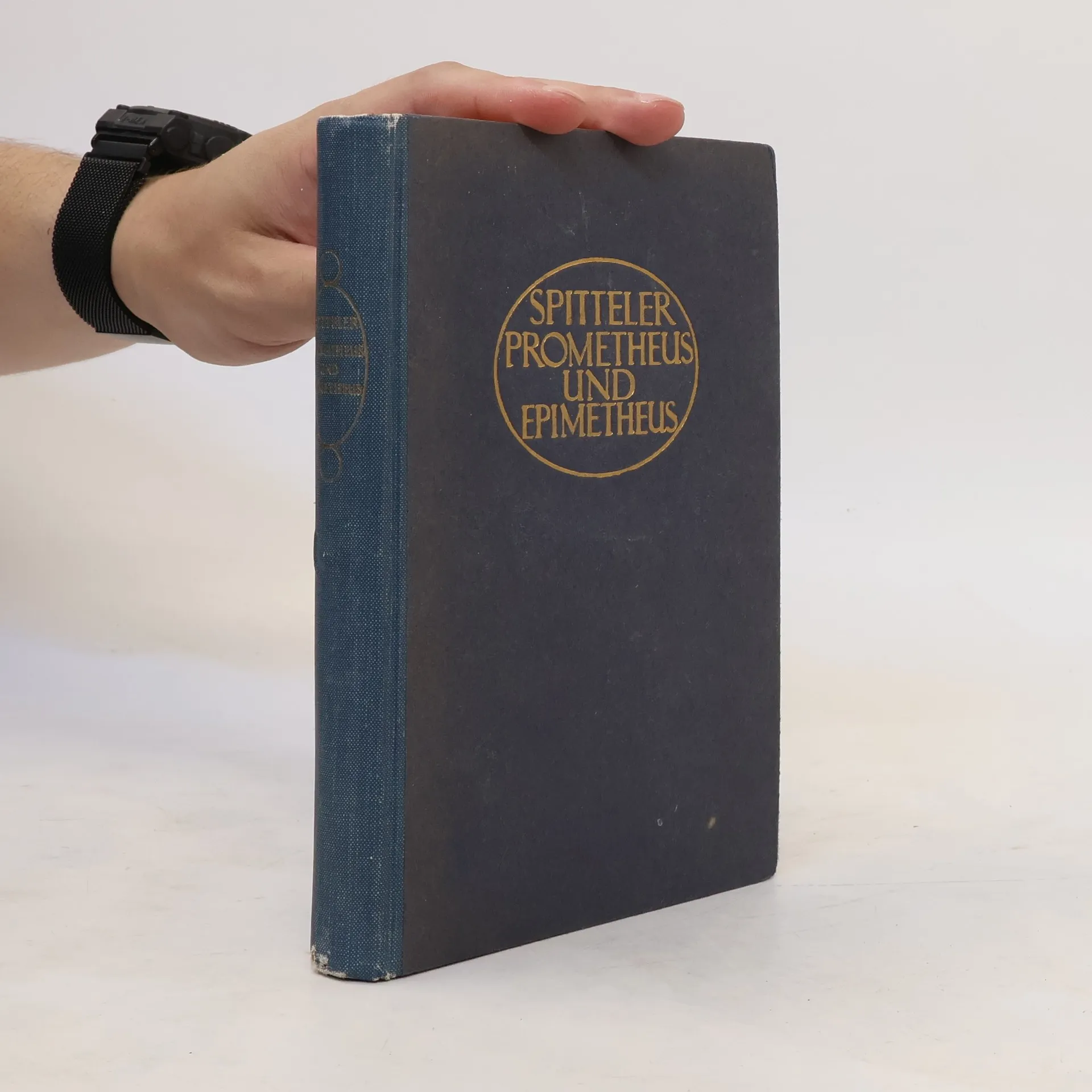
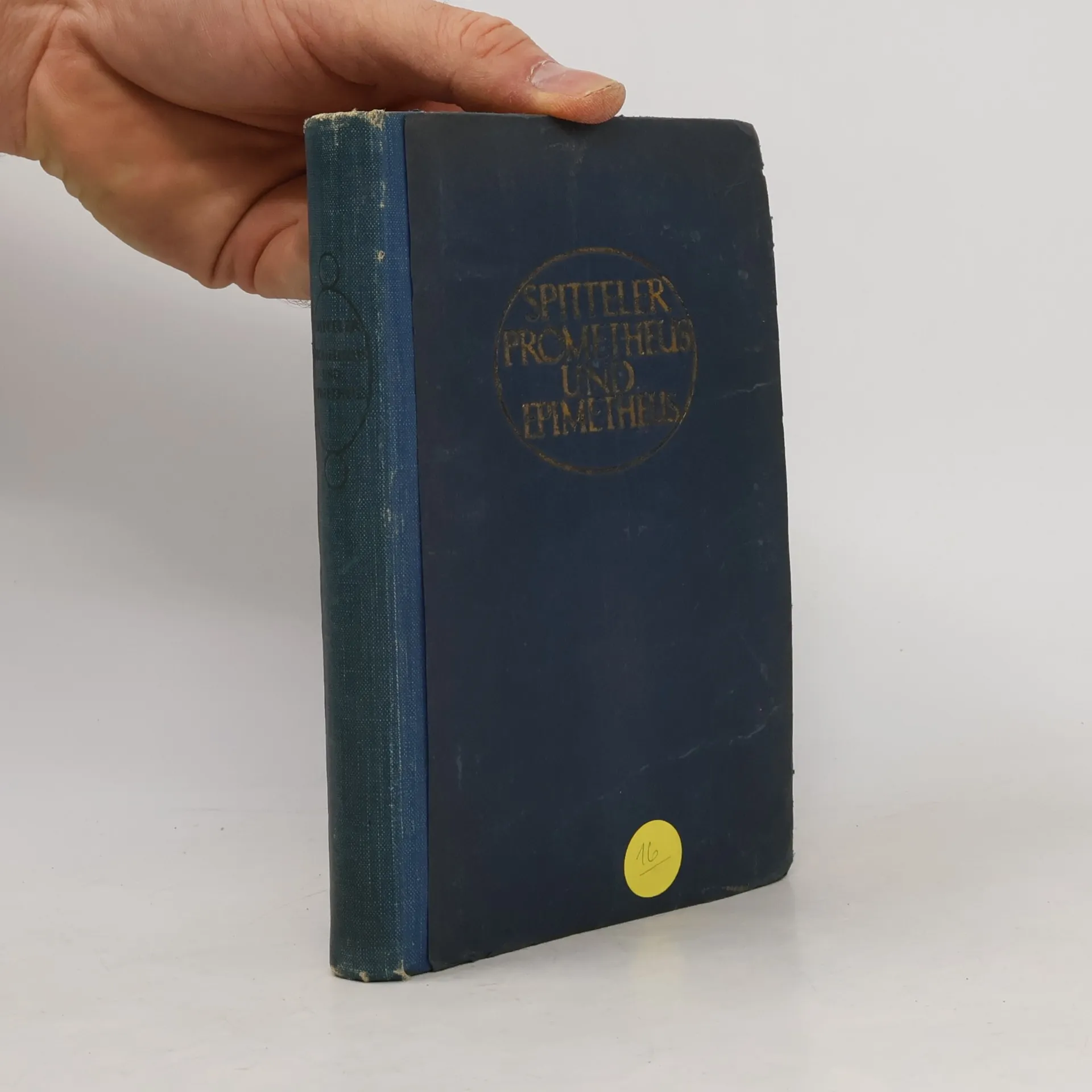
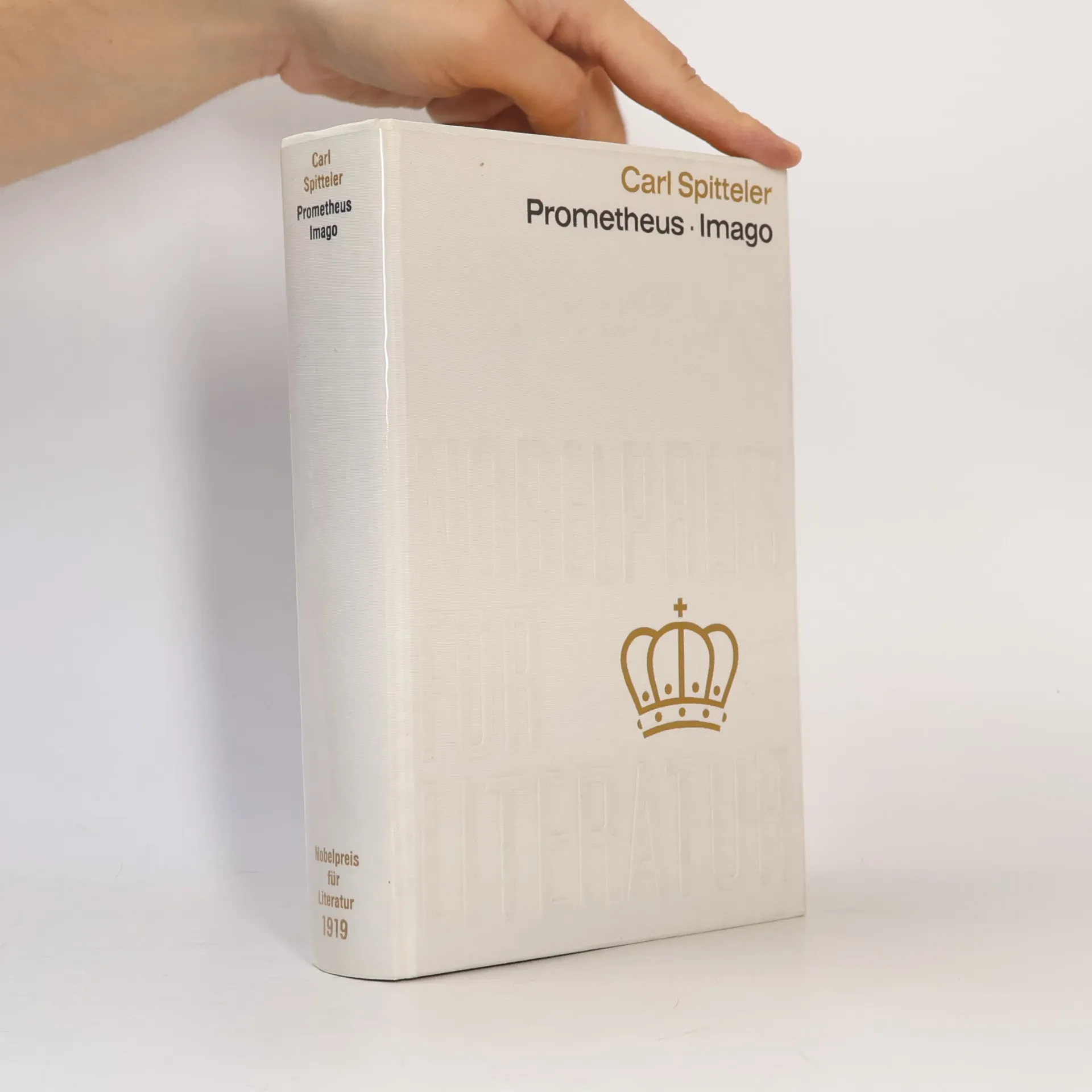
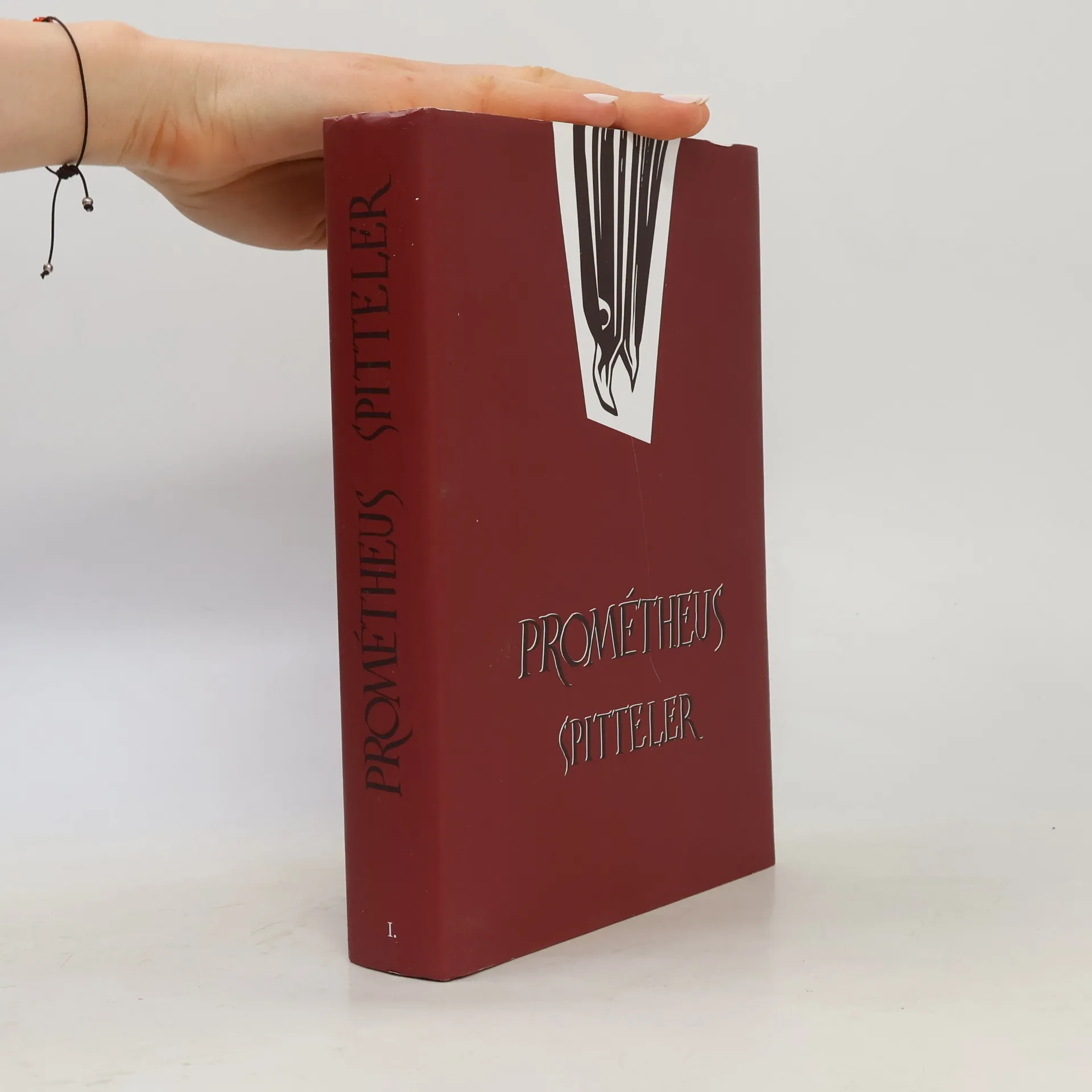
In "Prometheus und Epimetheus" entfaltet Carl Spitteler ein eindringliches Gleichnis über die menschliche Existenz und die duale Natur des Schicksals. Durch die Figuren des Prometheus, der für Schöpfung und Fortschritt steht, und des Epimetheus, der für Nachsicht und Reflexion steht, thematisiert der Autor die Spannungen zwischen Idealismus und Realität. Das Werk lädt zur Reflexion über die Verantwortung des Menschen gegenüber seiner Schöpfung und den Konsequenzen seiner Entscheidungen ein, während es gleichzeitig philosophische und mythologische Elemente miteinander verwebt.
Das Buch ist eine Nachdruckausgabe des Originals aus dem Jahr 1908 und bietet einen Einblick in die damalige Zeit sowie die Themen und Perspektiven, die in der Literatur dieser Epoche präsent waren. Leser können sich auf einen authentischen Zugang zu historischen Inhalten freuen, der die gesellschaftlichen und kulturellen Gegebenheiten des frühen 20. Jahrhunderts widerspiegelt. Die Wiederveröffentlichung ermöglicht es, die Relevanz und den Einfluss des Werkes auf die literarische Entwicklung nachzuvollziehen.