
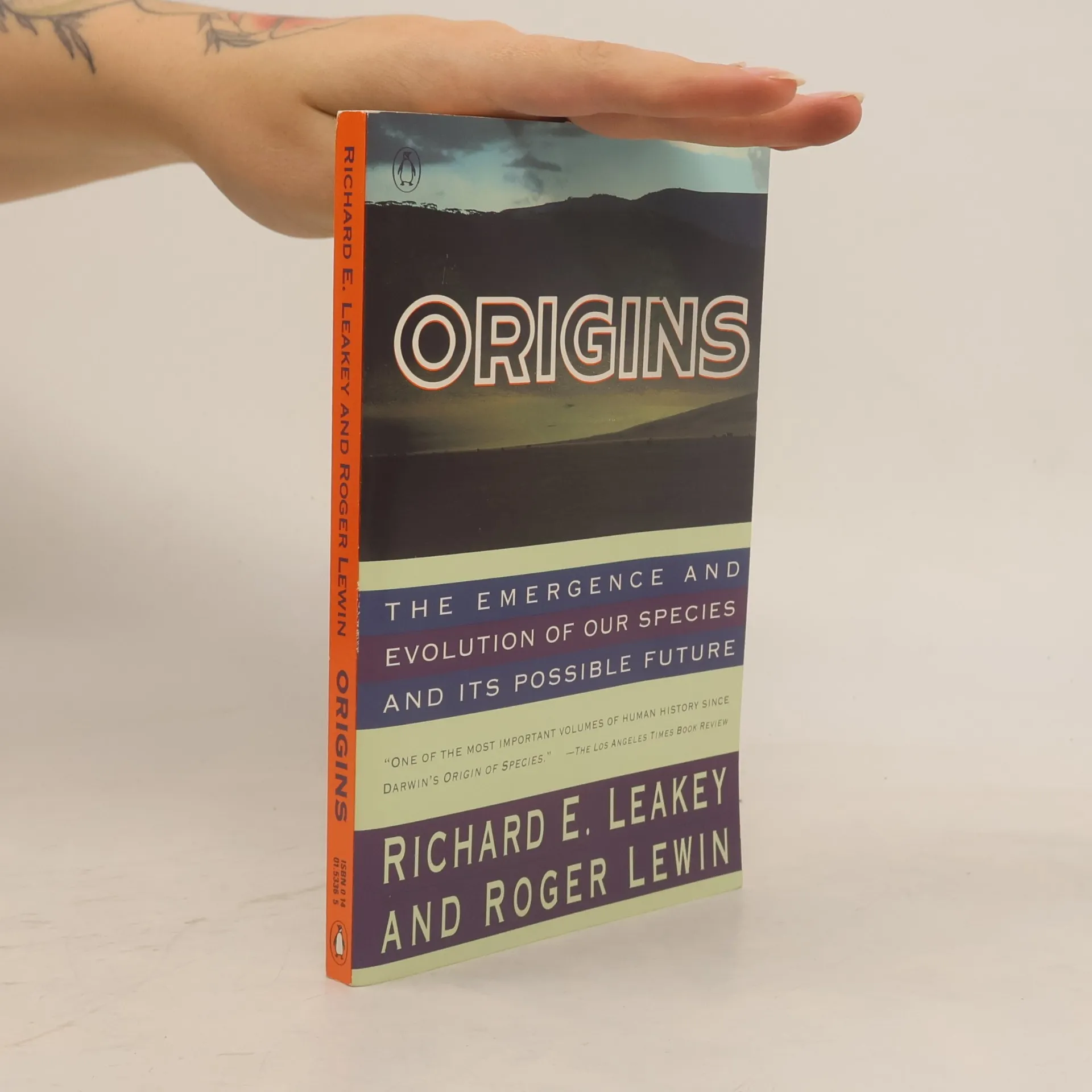


The Origin of Modern Humans
- 204 páginas
- 8 horas de lectura
Where and when did modern humans first emerge? Who were our closest evolutionary ancestors? These questions have captivated both scientists and the public since the mid-nineteenth century, following the discovery of Neanderthal Man and the publication of Darwin's Origin of Species. New findings and reevaluations have continually refined our understanding of modern human origins, yet controversy persists. The incomplete fossil record and advancements in genetic techniques have led to competing theories about our evolutionary path. Are we the product of a single lineage, or do species like Neanderthals represent evolutionary offshoots that went extinct? Did modern humans arise simultaneously across different regions or from a single species in one location? Additionally, what biological, linguistic, artistic, and technological traits set Homo sapiens apart from other species? This debate touches on the very essence of what it means to be human, both biologically and culturally. In this engaging narrative, award-winning science author Roger Lewin explores the significant discoveries, intellectual disputes, and conflicting interpretations that have shaped the discussion on our origins. Readers will encounter remarkable findings, provocative theories, and even a notorious hoax, all while witnessing the evolution of paleoanthropology as it integrates molecular biology, genetics, and population studies.