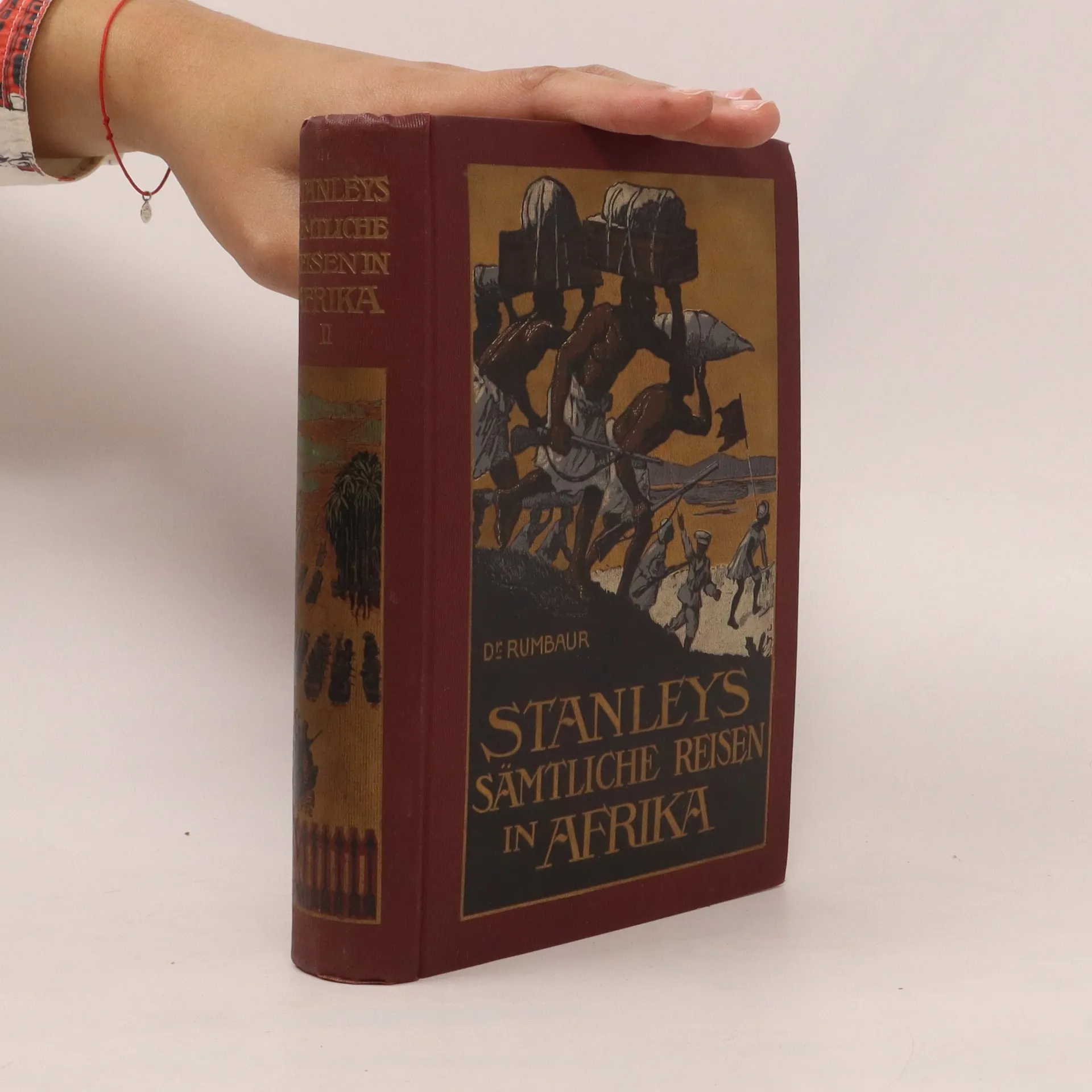
Compra 10 libros por 10 € aquí!
Bookbot

Henry Morton Stanley

    28 de enero de 1841 – 10 de mayo de 1904

    Este periodista y explorador de África central es conocido por sus expediciones y descubrimientos. Su trabajo en el corazón de África y sus asociaciones con figuras históricas importantes moldearon su legado literario. A través de sus viajes y publicaciones, contribuyó a la comprensión del continente africano y sus culturas.

    Henry Morton Stanley
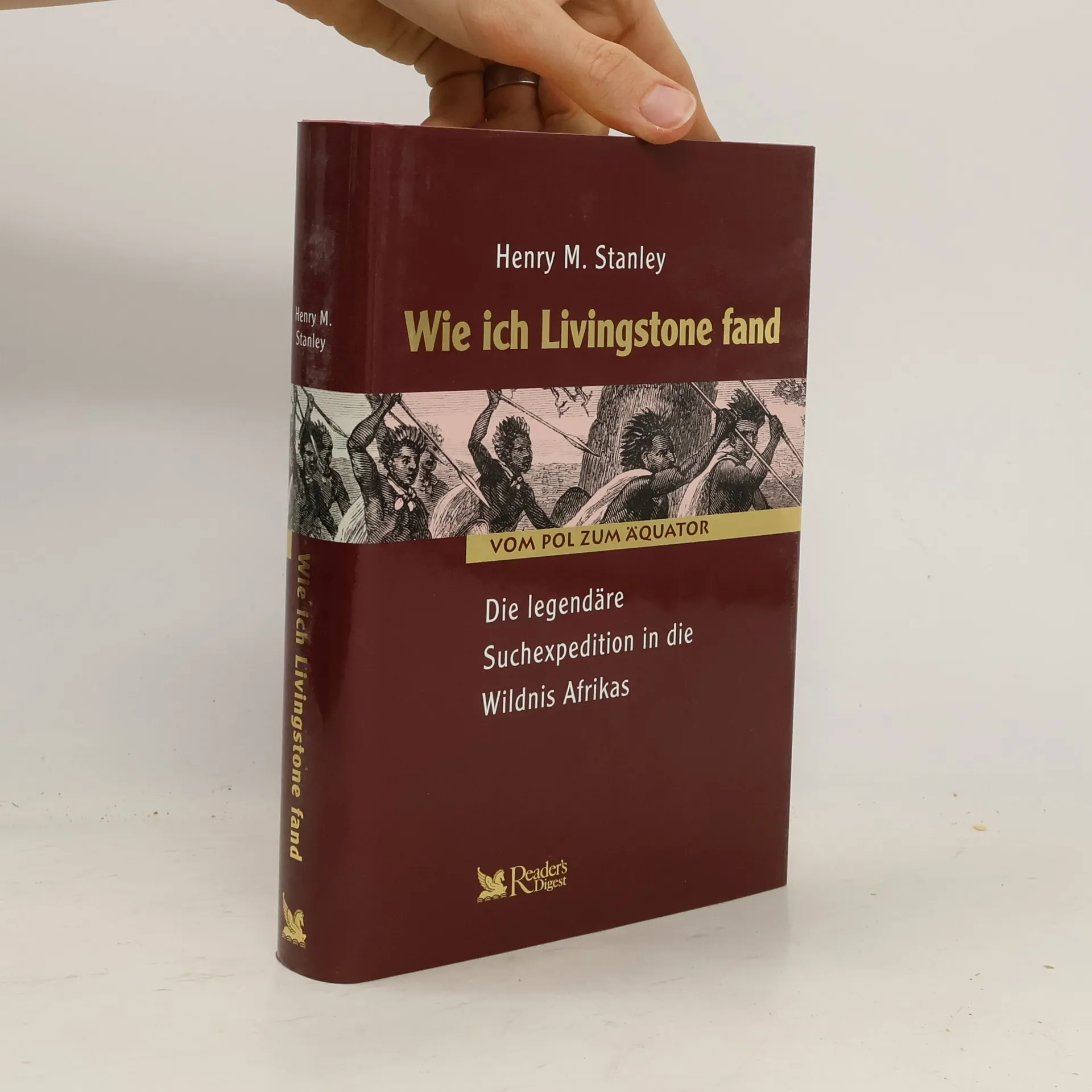
    Wie ich Livingstone fand
    How I Found Livingstone; Travels, adventures, and discoveres in Central Africa, including an account of four months' residence with Dr. Livingstone, by Henry M. Stanley
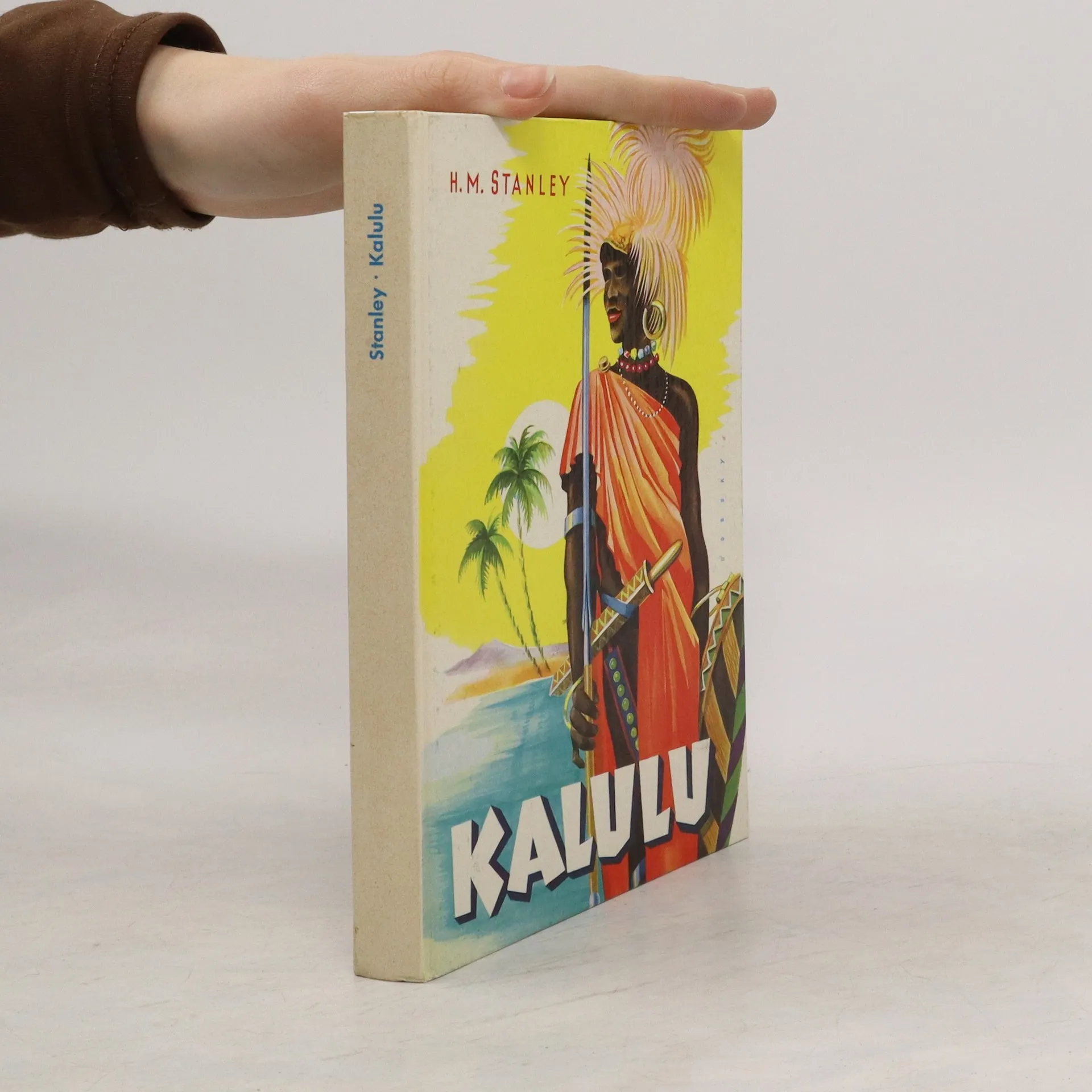
    My Kalulu, Prince, King and Slave
    Through South Africa His Visit to Rhodesia, the Transvaal, Cape Colony, Natal
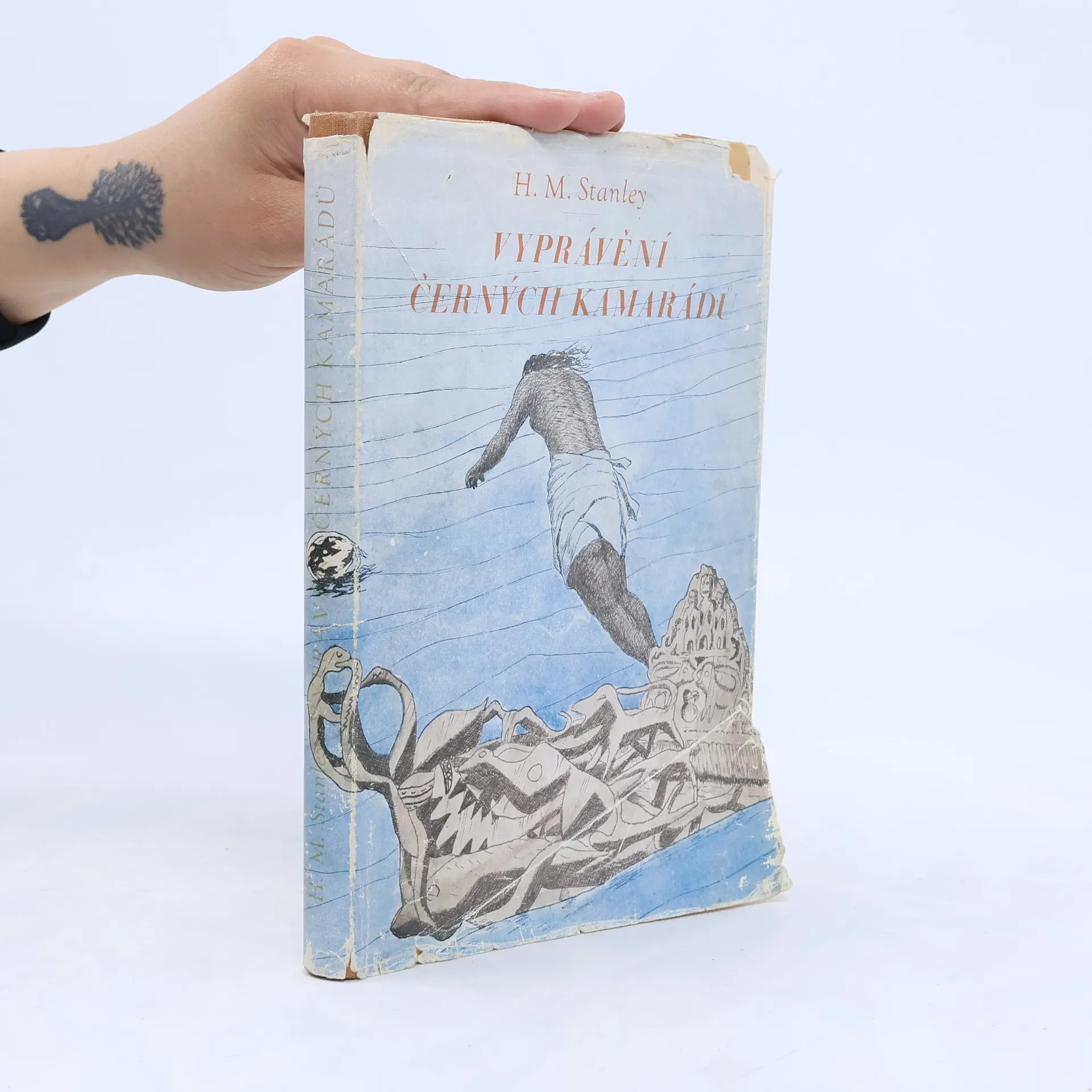
    My Dark Companions and Their Strange Stories
    How I Found Livingstone
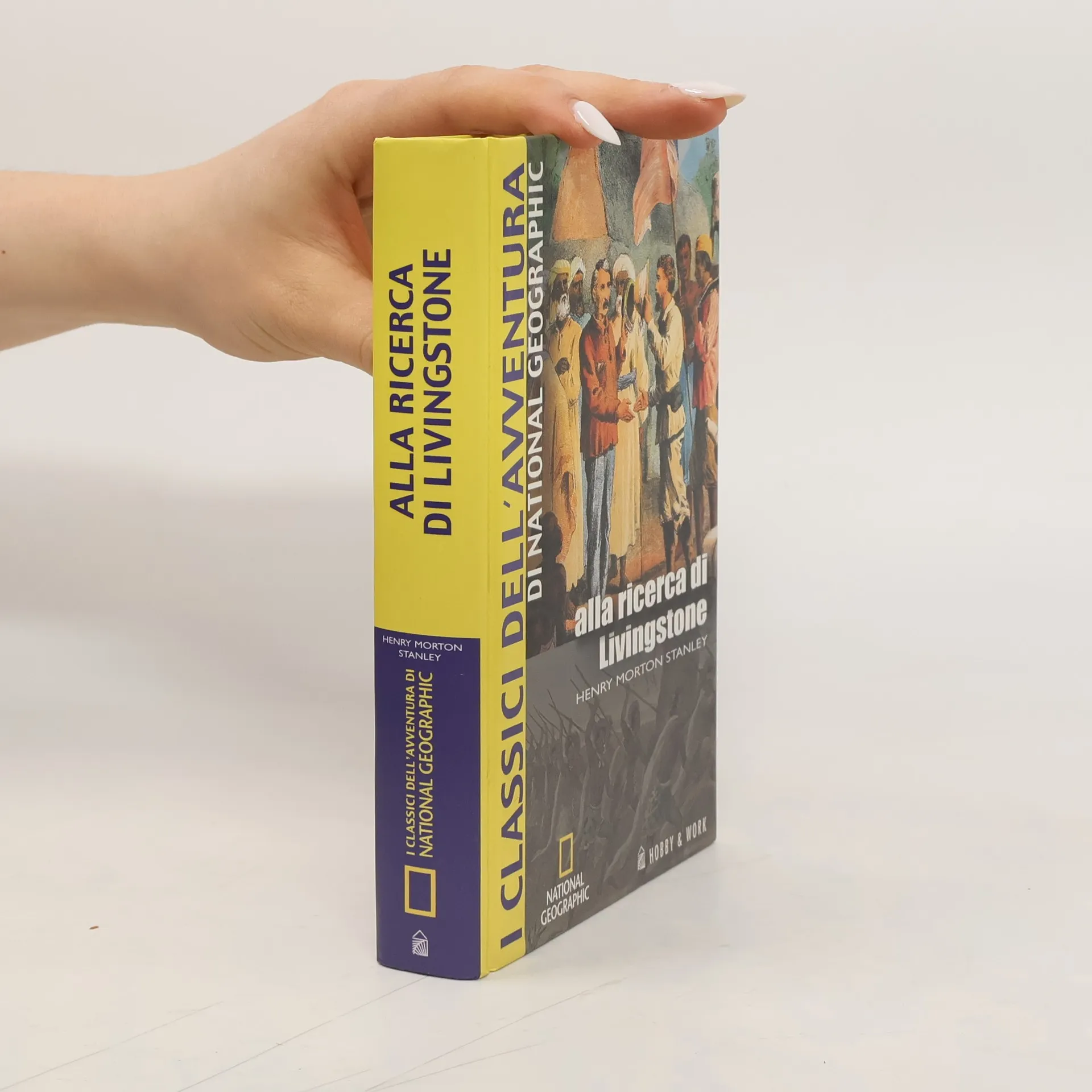
    • How I Found Livingstone

      • 260 páginas
      • 10 horas de lectura

      This edition of Henry Morton Stanley's epic account of travels through Africa in search of Professor Livingstone includes the original sketches and illustrations of the journey. In the late 1860s, journalist and explorer Henry Morton Stanley was given an assignment to find and relieve the explorer Dr. David Livingstone. The respected doctor had not been in contact with civilization since departing to the wilderness of Africa in 1866, in a quest to discover the source of the River Nile. Henry M. Stanley set off on what became a more than two year trek to find Livingstone. He and his travelling company sojourned over seven hundred miles through the exotic landscapes and forests of rural Africa. The intense, tropical environment claimed the lives of many accompanying porters, while Stanley's horse perished after a deadly bite from a tsetse fly.
      How I Found Livingstone
    • My Dark Companions and Their Strange Stories

      • 166 páginas
      • 6 horas de lectura

      This classical work, significant throughout history, has been carefully republished by Alpha Editions to ensure its preservation for future generations. The book has been reformatted, retyped, and designed for clarity, providing a modern reading experience without relying on scanned copies of the original.

      My Dark Companions and Their Strange Stories
    • This classical work offers a detailed account of a journey through South Africa, including regions like Rhodesia, the Transvaal, Cape Colony, and Natal. Recognized for its historical significance, the book has been meticulously reformatted and retyped by Alpha Editions to ensure clarity and readability for contemporary readers. By republishing it in a modern format, the aim is to preserve its legacy for future generations, ensuring that the insights and experiences captured within are not lost to time.

      Through South Africa His Visit to Rhodesia, the Transvaal, Cape Colony, Natal
    • My Kalulu, Prince, King and Slave

      A Story of Central Africa

      • 276 páginas
      • 10 horas de lectura

      Set in Central Africa, this classical work explores themes of identity and power through the lens of a character's journey as a prince, king, and slave. The narrative offers a profound look into the historical context of the region, emphasizing the importance of preserving cultural heritage. Alpha Editions has republished this text in a modern format, ensuring clarity and readability for contemporary readers while honoring its historical significance.

      My Kalulu, Prince, King and Slave
    • This publication focuses on making historical works accessible by offering them in large print, catering specifically to individuals with impaired vision. The initiative by the publishing house Megali aims to enhance readability and preserve important texts for a wider audience.

      How I Found Livingstone; Travels, adventures, and discoveres in Central Africa, including an account of four months' residence with Dr. Livingstone, by Henry M. Stanley
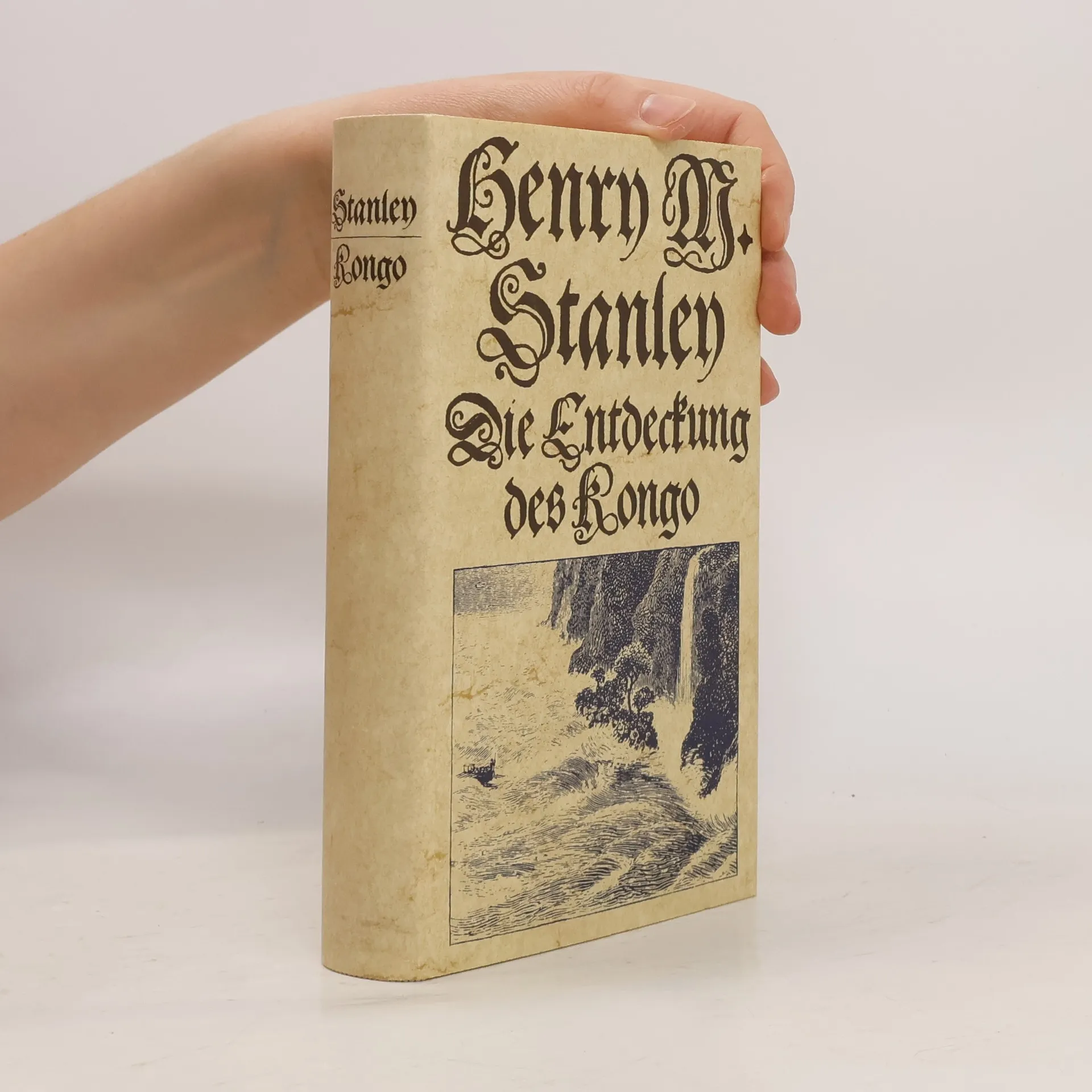
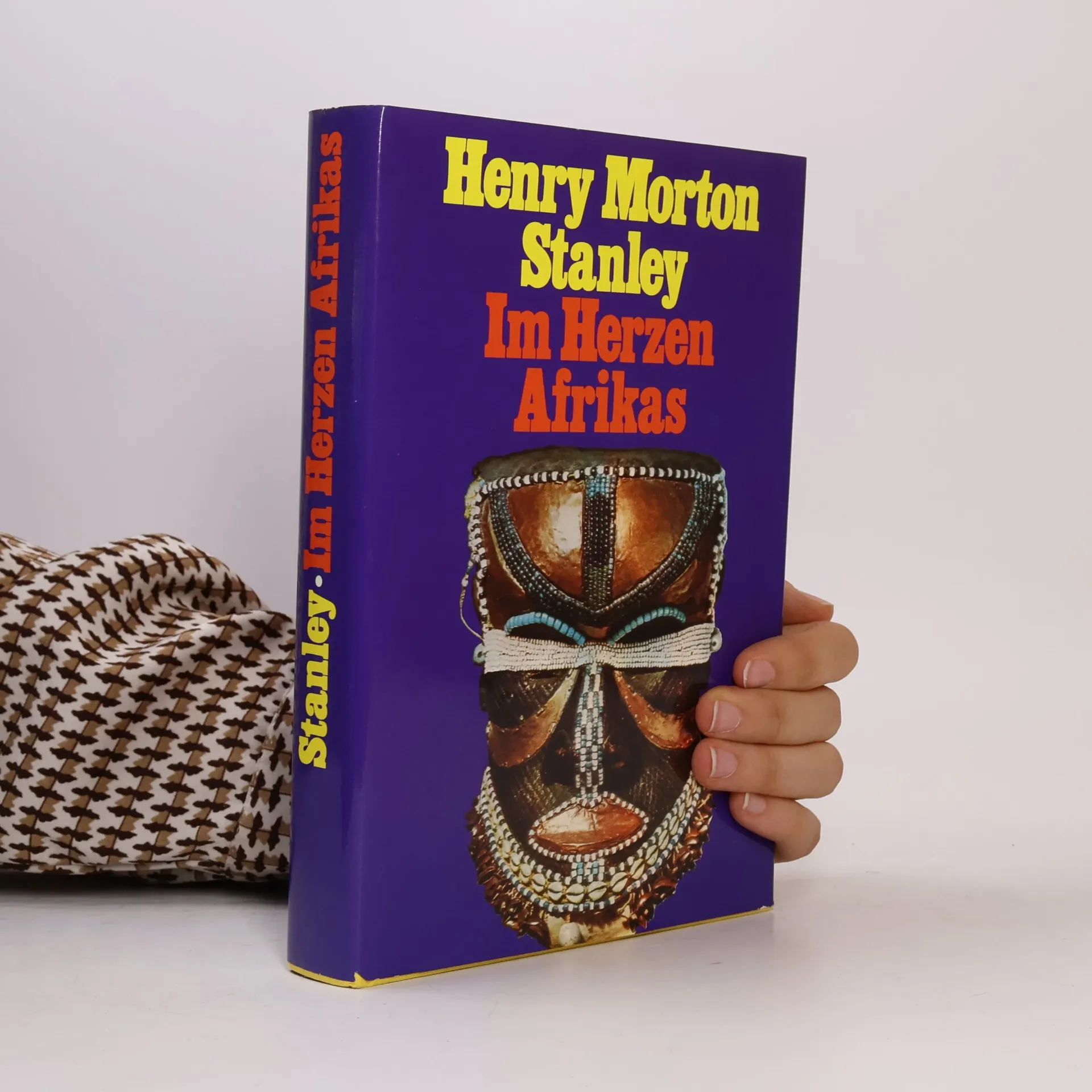
    • "Dr. Livingstone, wie ich vermute?" - fünf Wörter, die dem Angesprochenen das Leben retteten und zum geflügelten Wort nicht nur der abendländischen Entdeckerliteratur wurden. Mit diesen Worten begrüsst der junge ambitionierte Reporter Henry Morton Stanley den bis dato verschollenen Afrikaforscher David Livingstone am 10. November 1871 in einem kleinen Dorf am Tanganjikasee. Acht strapaziöse und mitunter lebensgefährliche Monate war Stanley im Auftrag seines exzentrischen Verlegers auf der Suche nach dem berühmten Afrikaforscher durch den "Schwarzen Kontinent" gezogen, hatte unzählige Männer durch Krankheit und Erschöpfung verloren, bis er schliesslich dem Totgeglaubten gegenübersteht, ihm die Rettung vor dem sicheren Tod bringt und unter seinem Einfluss schliesslich sogar selbst zum renommierten Afrikaforscher wird. Henry Morton Stanley (1841 als John Rowlands in Wales geboren-1904) war ein britisch-amerikanischer Journalist, Autor und Afrikaforscher. Mit fünfzehn Jahren wanderte er nach Amerika aus. Nachdem er im amerikanischen Bürgerkrieg erste Erfahrungen als Journalist gesammelt hatte, heuerte ihn der Verleger James Gordon Bennett Jr. für den New York Herald an. Seine Reiseberichte aus Afrika, vor allem Die Entdeckung des Kongo, dienten wahrscheinlich als Quelle für Joseph Conrads Heart of Darkness. Dr. Heinrich Pleticha (1924-2010) ist u.a. Herausgeber von Mungo Parks Reisen ins innerste Afrika.

      Wie ich Livingstone fand
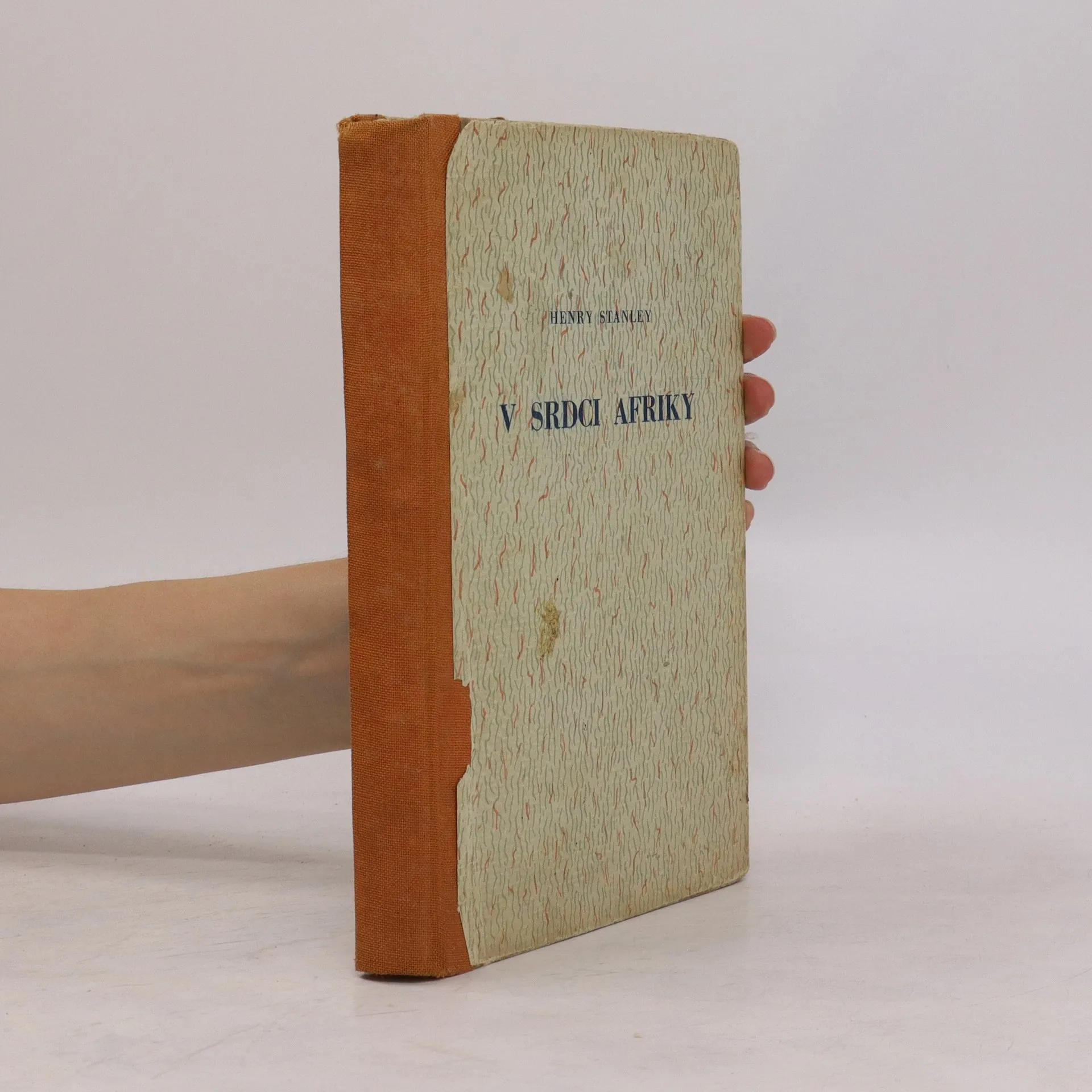
    • Cestopis amerického novináře líčí osudy výpravy do nitra Afriky, jejímž cílem bylo nalézt slavného skotského cestovatele Davida Livingstona, pátrajícího po pramenech Nilu. Podle H. M. Stanleyho vypráví Donát Šajner.

      Jak jsem našel Livingstona