

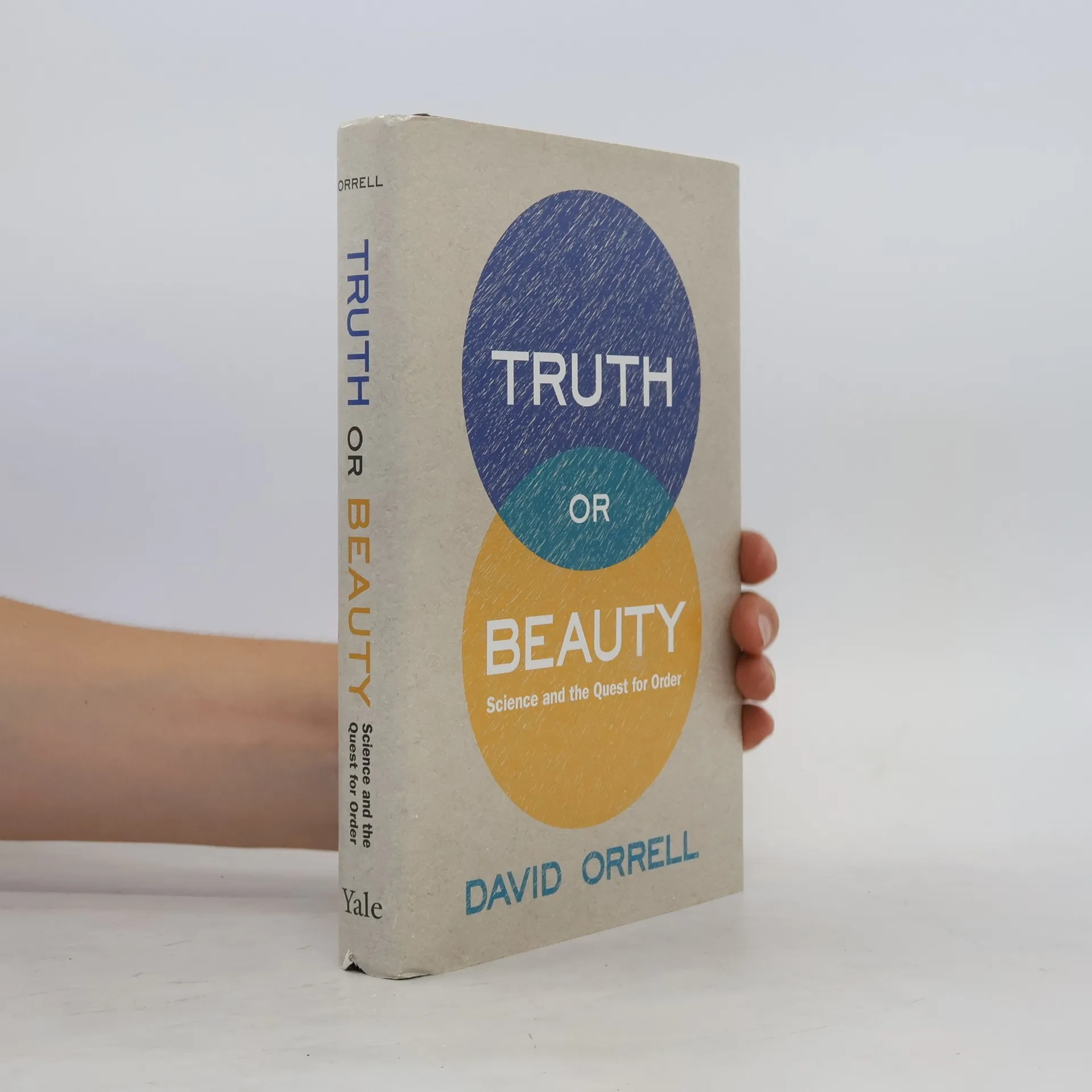
In this sweeping book, applied mathematician and popular author David Orrell questions the promises and pitfalls of associating beauty with truth, showing how ideas of mathematical elegance have inspired—and have sometimes misled—scientists attempting to understand nature. Orrell shows how the ancient Greeks constructed a concept of the world based on musical harmony; later thinkers replaced this model with a program, based on Newton’s “rational mechanics,” to reduce the universe to a few simple equations. He then turns to current physical theories, such as supersymmetric string theory—again influenced by deep aesthetic principles. The book sheds new light on historical investigations and also recent research, including the examinations ongoing at the Large Hadron Collider. Finally, broadening his discussion to other fields of research, including economics, architecture, and health, Orrell questions whether these aesthetic principles reflect an accurate way to explain and understand the structure of our world.
David Orrell Libros
David Orrell es un científico y autor cuyo trabajo profundiza en sistemas complejos y modelado matemático. Su investigación abarca diversos campos, desde la predicción del tiempo hasta la biología del cáncer, ofreciendo una perspectiva única sobre las complejidades del mundo moderno. Orrell explora nuevas teorías económicas y la ciencia de la predicción, guiando a los lectores a través de la desafiante tarea de la previsión. Su enfoque es tanto analítico como accesible, lo que lo convierte en un narrador convincente de temas complejos.



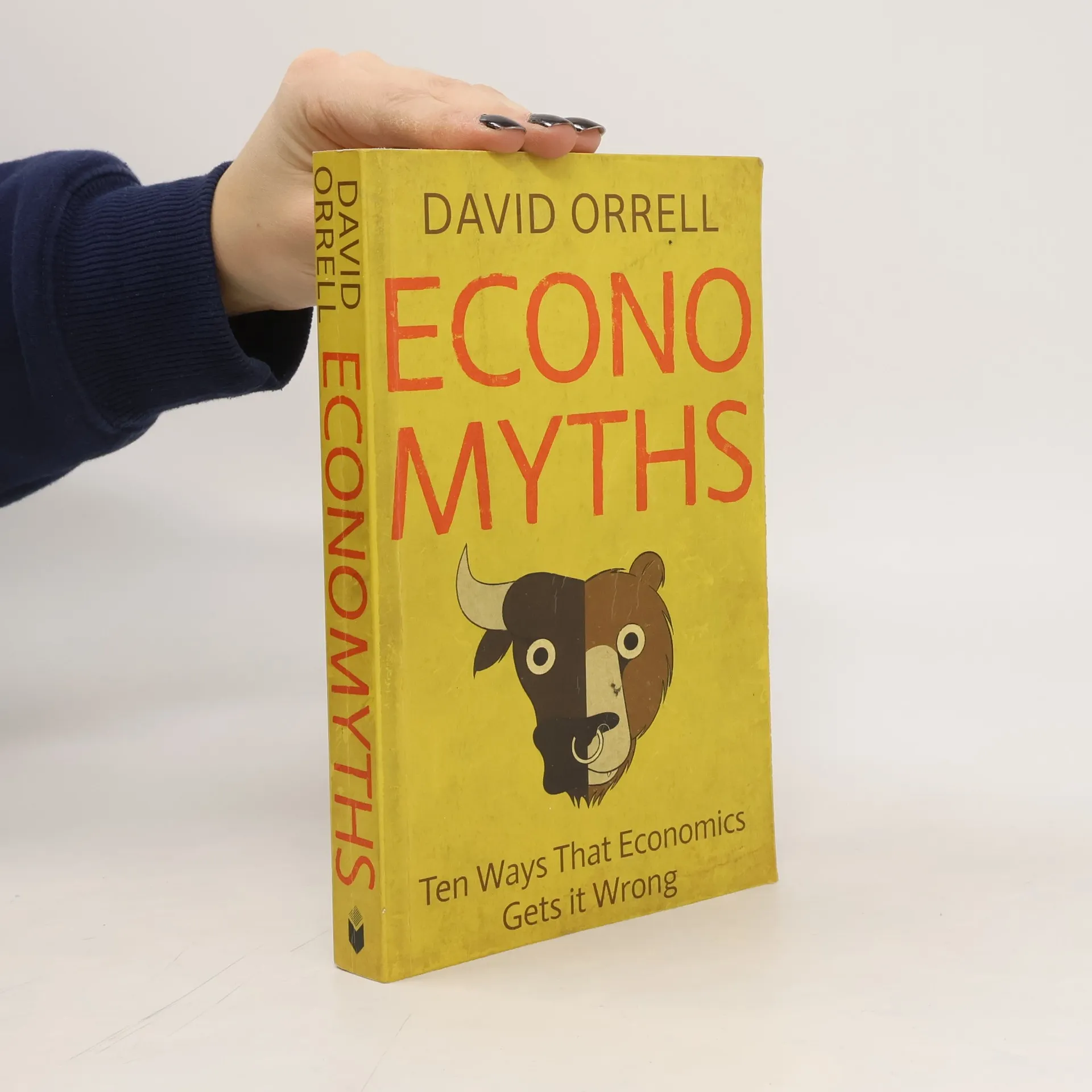
Economyths
- 256 páginas
- 9 horas de lectura
This book is written from the perspective of the applied mathematician, David Orrell. He states that economics is a mathematical model of human behaviour and the economy is dangerously unstable and unbalanced, and the risk models are unreliable.--[From introduction]
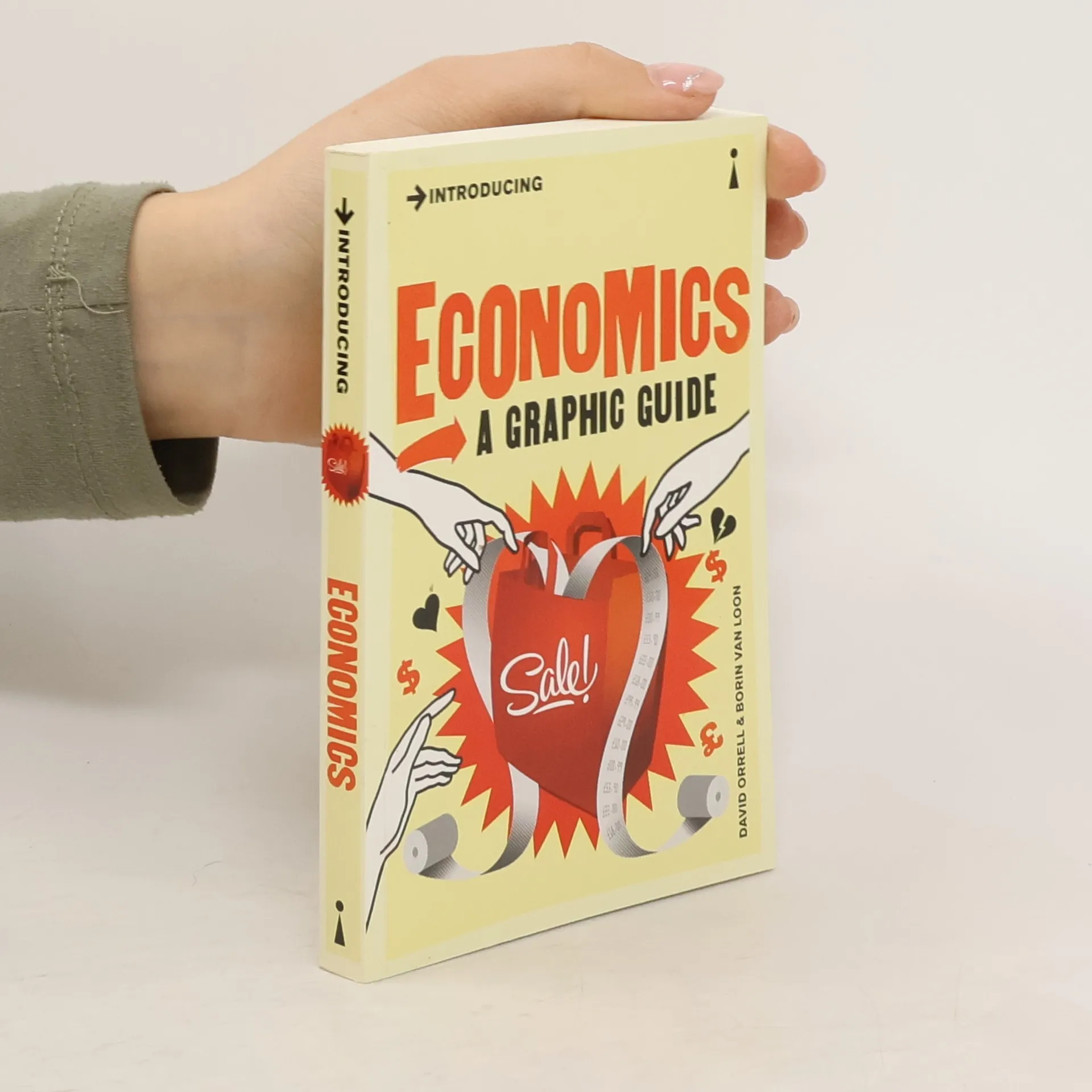
Brand-new INTRODUCING guide to the subject that makes the world go round
Soumrak homo economicus navazuje na úspěšnou Sedláčkovu prvotinu Ekonomie dobra a zla, přičemž se snaží vrátit ekonomii lidský rozměr a víru v ni. Rozhovor Romana Chlupatého, natočený v létě 2011 v Oxfordu, přináší svěží a srozumitelné zamyšlení nad složitými tématy. Sedláček a Orrell, s inspirativními paralelami z fyziky, biologie či literatury, analyzují základy systému, podněcují k zamyšlení a nabízejí řešení, aniž by je vnucovali. Zároveň dokážou čtenáře pobavit. Tomáš Sedláček, člen Národní ekonomické rady vlády a bývalý poradce Václava Havla, se tentokrát prezentuje jako diskutér, který prostřednictvím otázek a odpovědí zkoumá současnou finanční, politickou a společenskou krizi. Jeho partnerem v diskusi je kanadský matematik a ekonom David Orrell, který sdílí přesvědčení, že skutečné ozdravení vyžaduje odvahu vykročit do neznáma. Sedláček, známý svými nekonvenčními názory, se prosadil i na mezinárodní scéně, jeho kniha byla přeložena do 11 jazyků. Orrell, autor knihy Economyths, kritizuje chybná východiska mainstreamové ekonomie, jež přispívají k probíhající krizi. Roman Chlupatý, novinář a publicista, dlouhodobě spolupracuje s předními ekonomickými tituly a věnuje se tématům mezinárodní ekonomiky a politiky.
Mit seinem Buch „Die Ökonomie von Gut und Böse“ machte Tomas Sedlacek Furore – in Deutschland, aber auch international. In seinem neuen Buch liest der „Kobold unter den farblosen Ökonomen“ seiner Zunft die Leviten: Zusammen mit dem Mathematiker David Orrell kritisiert er den blinden Glauben vieler Ökonomen an mathematische Modelle, die offensichtlich nichts taugen und uns ins Verderben geführt haben: Statt mehr Sicherheit zu bringen, haben sie unsere Welt riskanter gemacht. Nun werden wir erdrückt von Schulden – und daran werden auch die immer hektischer aufgespannten Rettungsschirme nichts ändern. Sedlacek fordert etwas Unzeitgemäßes und gerade deshalb sehr Aktuelles: mehr Bescheidenheit.