The biography of Franz Stangl, commandant of the Treblinka extermination camp, is a compelling study of evil. Only four men led Nazi extermination camps, and Stangl was one of them, found guilty of co-responsibility for the deaths of at least 900,000 people. Gitta Sereny’s investigation delves into his psyche and the influences that shaped him. Through extensive conversations with Stangl and thorough research, she presents his self-perception and how he was viewed by others, including his wife. While horror is a natural outcome, Sereny’s aim is to understand how individuals can become instruments of such profound evil. Sereny, of Hungarian-Austrian descent, was trilingual and became a social worker during World War II, caring for war-damaged children in France. After the war, she worked as a Child Welfare Officer in UNRRA displaced persons' camps in Germany. In 1949, she married American photographer Don Honeyman and settled in London, where she raised a family and began her journalism career. Her work, particularly focused on the Third Reich and troubled children, appeared in various prominent publications. Sereny authored several books, including a novel and critical examinations of child exploitation and notable figures from the Nazi regime. She passed away in June 2012.

Gitta Sereny Libros
Gitta Sereny, periodista, biógrafa e historiadora nacida en Austria, se hizo famosa por sus penetrantes exploraciones sobre la naturaleza del mal y el trauma infantil. Sus propias experiencias tempranas con el nazismo en Europa Central a principios del siglo XX moldearon profundamente su fascinación de por vida por comprender los aspectos más oscuros de la naturaleza humana. A través de una investigación meticulosa y entrevistas, Sereny profundizó en la psique de personas involucradas en atrocidades históricas, desde funcionarios nazis hasta supervivientes. Su trabajo, marcado por una profunda empatía y una búsqueda inquebrantable de la verdad, ofrece escalofriantes perspectivas sobre cómo los individuos pueden perpetrar o soportar actos horribles.


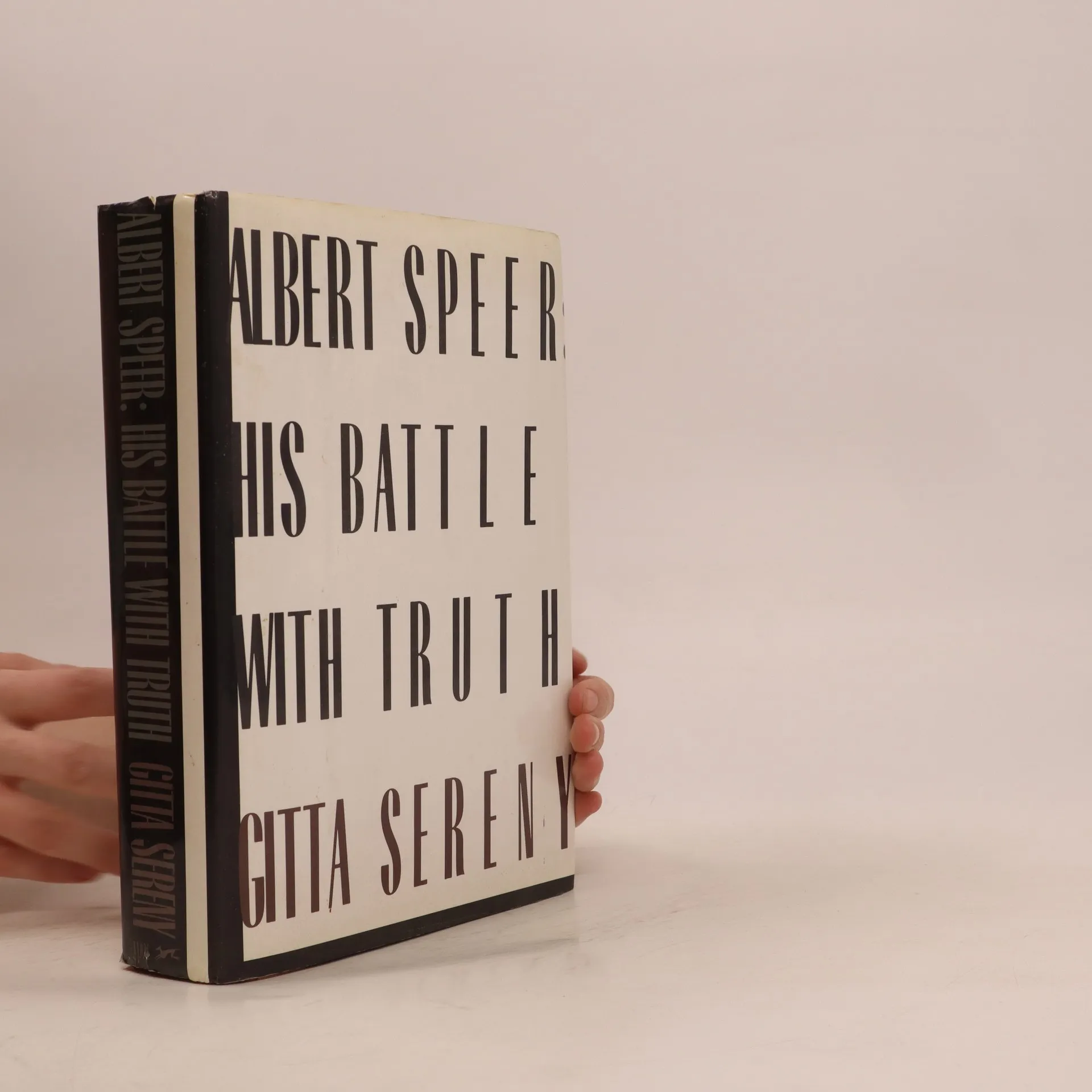
Gitta Sereny first saw Albert Speer on trial at Nuremberg. Over the last years of his life she came to know him - through hundreds of hours of conversations - as no other biographer has known a Nazi leader. She interviewed as well the people around him - the celebrated, the notorious and the ordinary. Speer gave Sereny, for her use, a number of unpublished manuscripts, and after his death she obtained access to many of his papers. Out of her probings a huge, and hugely alive, portrait emerges. Sereny takes us through the emotional desert of Speer's childhood and marriage, through his embrace (basically, she demonstrates, for nonideological reasons) of the Nazi Party and his service as Minister of Armaments and Munitions, during which his brutal use of slave labor extended a lost war. She superbly portrays the circles in which Speer functioned: the ambivalent General Staff and the infinitely peculiar and nightmarish upper echelons of Nazism
The German trauma
- 352 páginas
- 13 horas de lectura
Machine generated contents note: I Beginnings I -- 2 My Friend, a Heroine of France I 5 -- 3 Stolen Children z5 -- 4 Generation without a Past 53 -- 5 Colloquy with a Conscience 87 -- 6 Men Who Whitewash Hitler 135 -- 7 The Hitler Wave 147 -- 8 Fakes and Hoaxes: The Hitler Diaries 162 -- 9 The Great Globocnik Hunt 194 -- 10 Private Lives 216 -- 11 The Three Sins of Syberberg 220 -- 12 'The Truth Is, I Loved Hitler' 227 -- 13 Leni 234 -- 14 Kurt Waldheim's Mental Block 247 -- 15 The Man Who Said 'No' 262 -- 16 Albert Speer 266 -- 17 Children of the Reich 286 -- 18 The Case of John Demjanjuk 309 -- 19 The Right to Say 'No' 358 -- 20 Final Reflections: July 2000 36
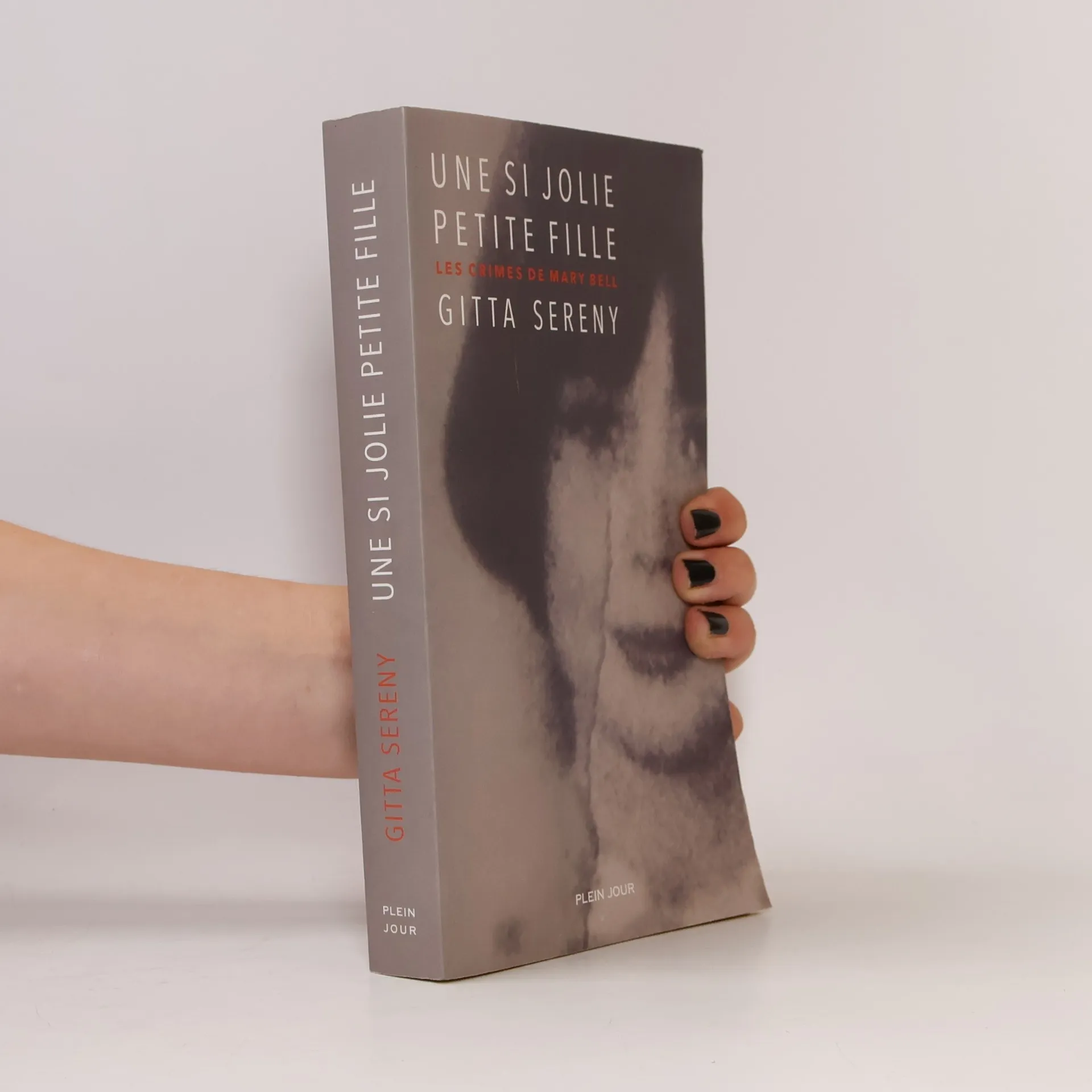
The Case Of Mary Bell
- 336 páginas
- 12 horas de lectura
In December 1968 two girls who lived next door to each other - Mary, aged eleven, and Norma, thirteen - stood before a criminal court in Newcastle, accused of strangling two little boys;
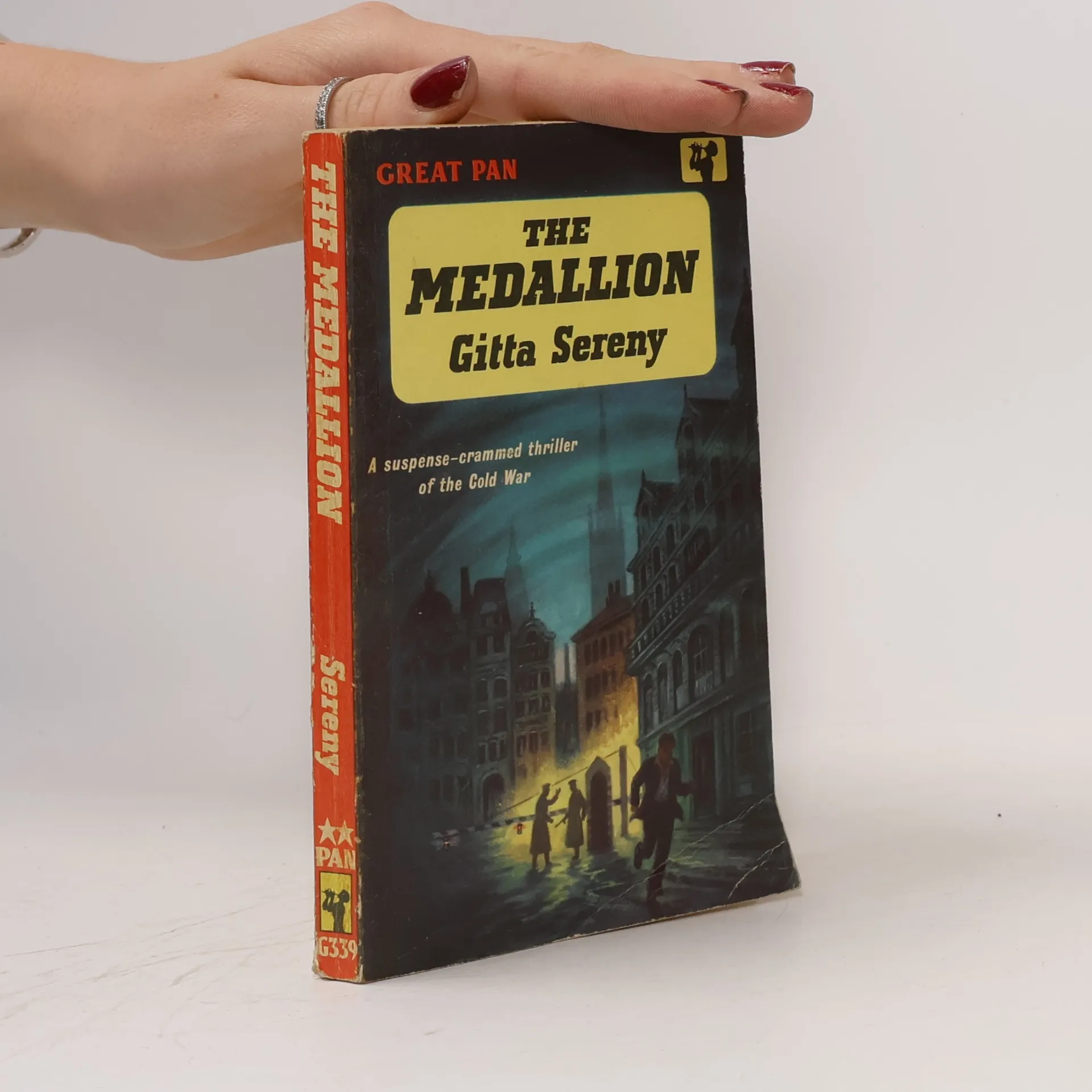
The Medallion
A suspense-crammed thriller of the Cold War
Looks at the effects of Nazism and the Holocaust on present-day Germany and its people.
En 1968, à Newcastle, une fillette de 11 ans assassine deux jeunes enfants. Considérée comme démoniaque, elle est jugée comme une adulte et emprisonnée. Près de trente ans plus tard, sortie de prison, Mary, désormais mère, tente de reconstruire sa vie. Gitta Sereny la retrouve et l'incite à revisiter son passé criminel. Pendant des mois, Sereny l'interroge, recoupe les témoignages et mène sa propre enquête pour découvrir la vérité derrière les souvenirs de Mary. Cette dernière revit sa vie, explorant les semaines ayant précédé la tragédie et ses années d'incarcération. Elle raconte une histoire qu'elle peine à comprendre, marquée par une lente reconstruction et une confrontation avec l'horreur de ses actes, ainsi que l'influence néfaste de sa mère. Les questions de monstruosité, de pardon et de nature humaine émergent alors que Sereny confronte Mary Bell adulte à l'enfant meurtrière qu'elle a été. Ce récit soulève des interrogations sur la culpabilité, le traumatisme et la pitié envers ceux qui, poussés par la cruauté des adultes, commettent l'irréparable. Gitta Sereny, journaliste de renom, explore ainsi les profondeurs du mal et de la rédemption, offrant une réflexion saisissante sur la vérité et ses implications.
Der Fall Mary Bell
- 340 páginas
- 12 horas de lectura