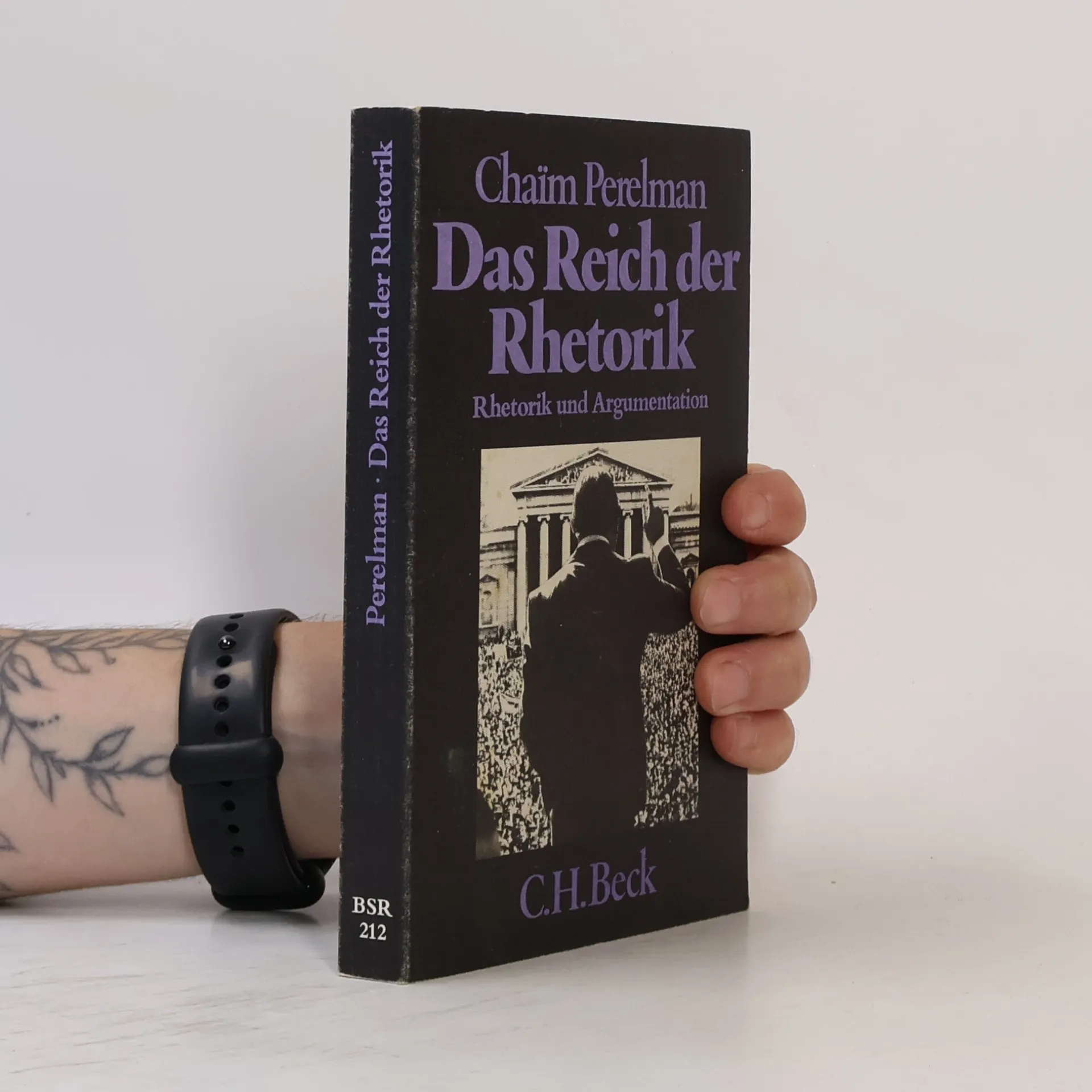
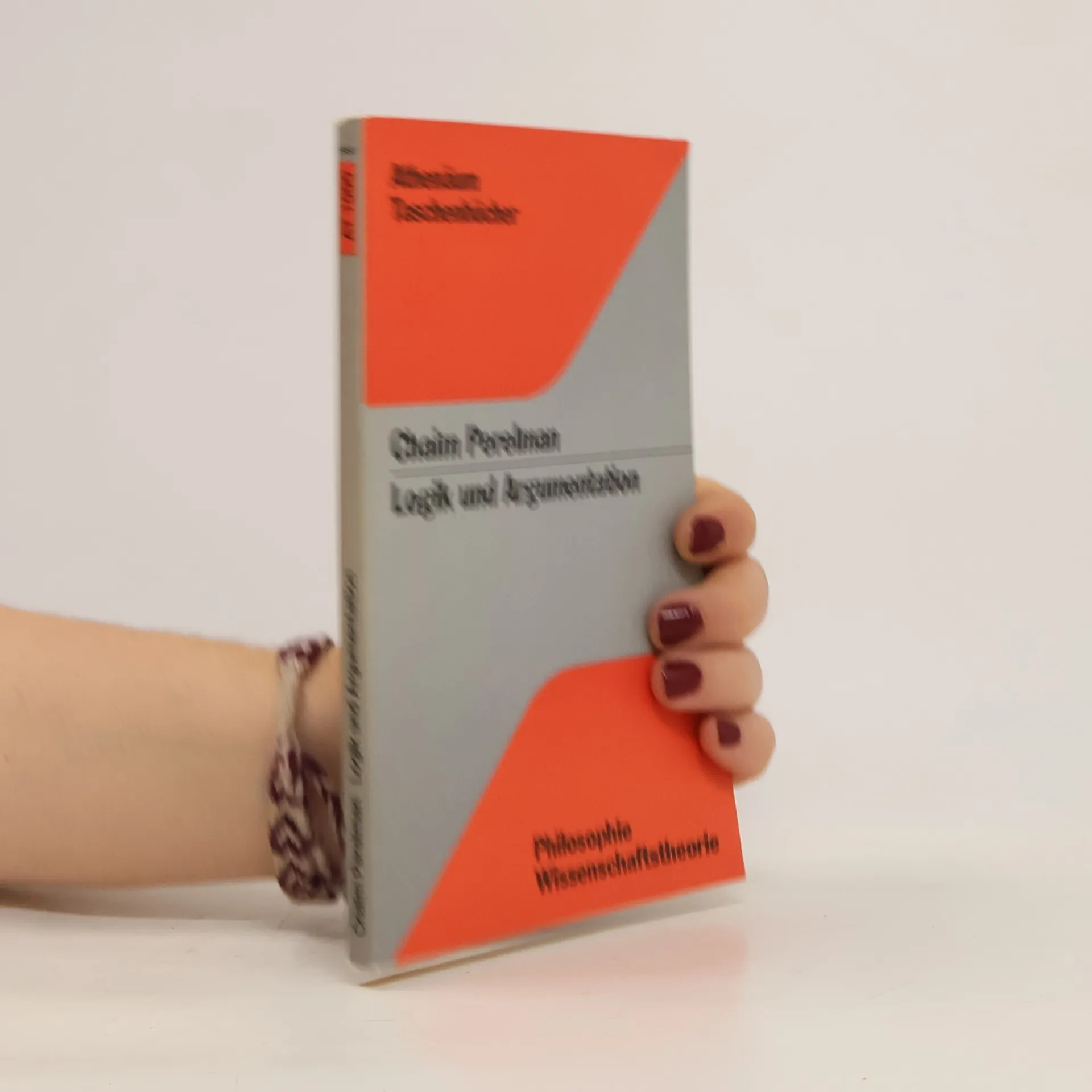
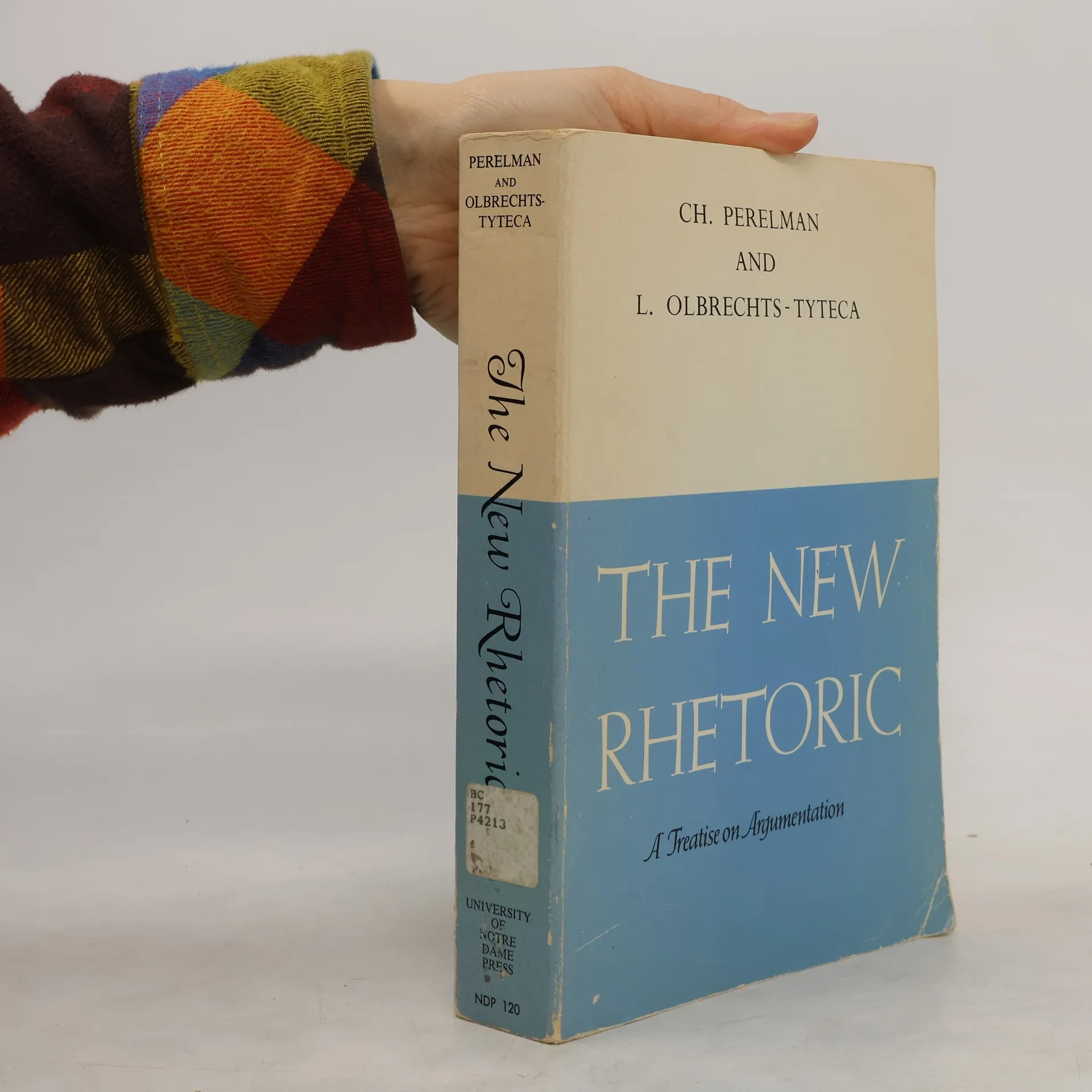
Chaïm Perelman, filósofo del derecho nacido en Polonia, dedicó gran parte de su vida al estudio y la enseñanza en Bruselas. Se erige como uno de los teóricos de la argumentación más significativos del siglo XX. Su obra seminal explora las complejidades de cómo funcionan la persuasión y la argumentación en diversos dominios. La contribución de Perelman ofrece una profunda comprensión de la interacción humana, estableciendo la nueva retórica como una herramienta vital para el análisis y la perspicacia.
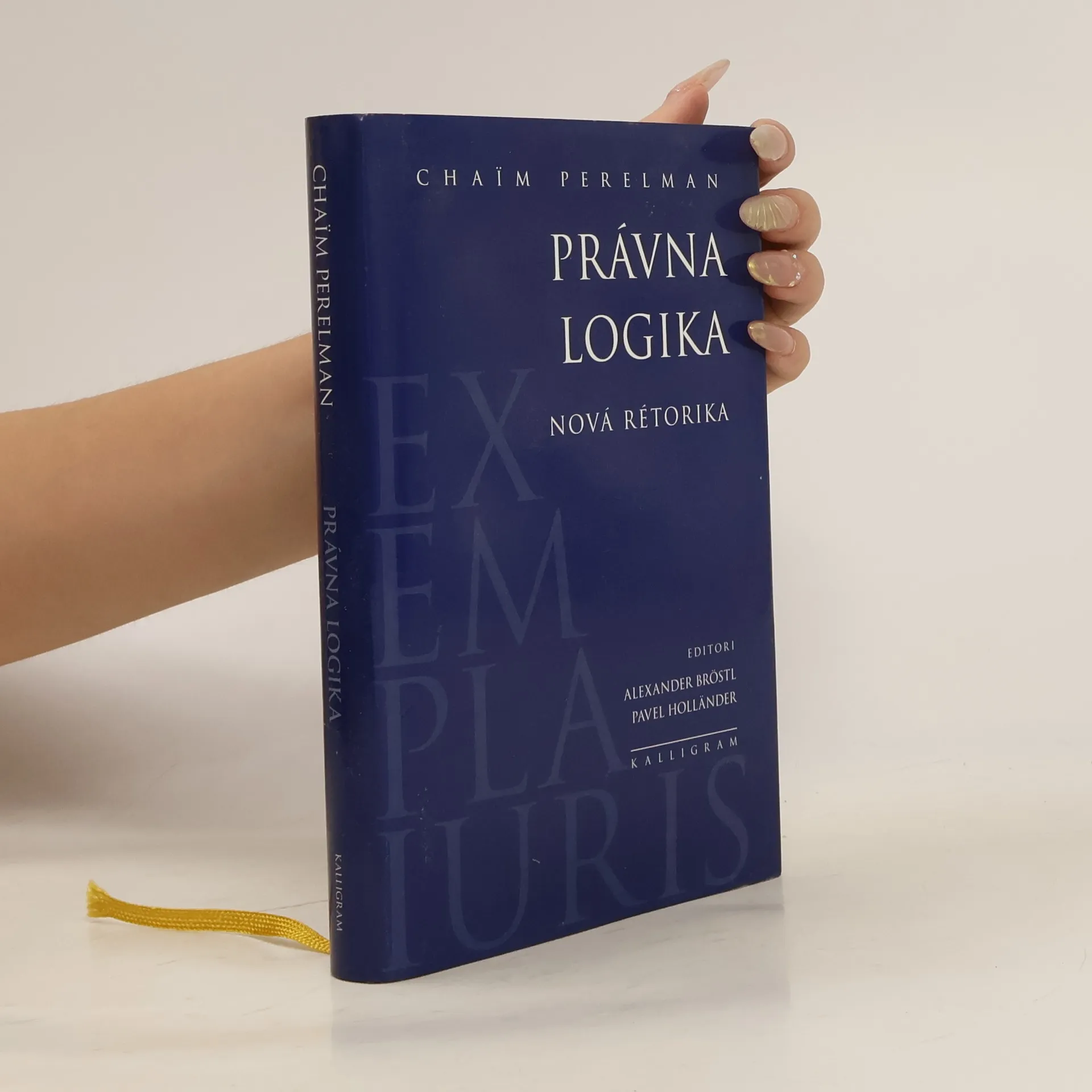
Vďaka výbornému prekladu Miroslava Marcelliho sprístupňujeme v edícii Exempla iuris slávne Perelmanove dielo Právna logika. Právna logika skúma teórie právneho usudzovania a právnu argumentáciu od čias Napoleonovho zákonníka až po súčasnosť. Zaoberá sa antinómiami v práve a poukazuje na špecifiká právneho usudzovania. Autor sa tiež zameriava na problematiku rozhodovania sudcov, obzvlášť na odôvodnenia súdnych rozhodnutí. V tomto kontexte sa vynára stále aktuálna otázka: majú sa súdne rozhodnutia prispôsobovať iba zákonu alebo majú vyhovovať aj našej potrebe spravodlivosti?
Commence en 1945, son oeuvre de philosophie juridique se poursuit pendant quarante ans. Elle s'labore dans de nombreux articles que Perelman rdite dans Justice et raison (1963), Le champ de l'argumentation (1970), Droit, morale et philosophie (1976) et Le raisonnable et le draisonnable en droit (1984). A partir des grandes classifications de Perelman lui-mme, nous avons souhait offrir aujourd'hui un ouvrage de synthse qui restitue ses diffrentes contributions. Les thmes de la justice, des rapports du droit et de la morale sont ainsi abords dans la premire partie. Quant la seconde, elle porte sur la rationalit juridique nouvelle dveloppe par Perelman, sur ses consquences pratiques sur le raisonnement juridique et sur les lieux o s'exprime l'argumentation dans le droit. Le titre Ethique et droit ouvre cette double proccupation perelmanienne de servir la philosophie morale par une rflexion sur le droit et de montrer comment le droit s'ajuste dans la ralit sur les valeurs morales.
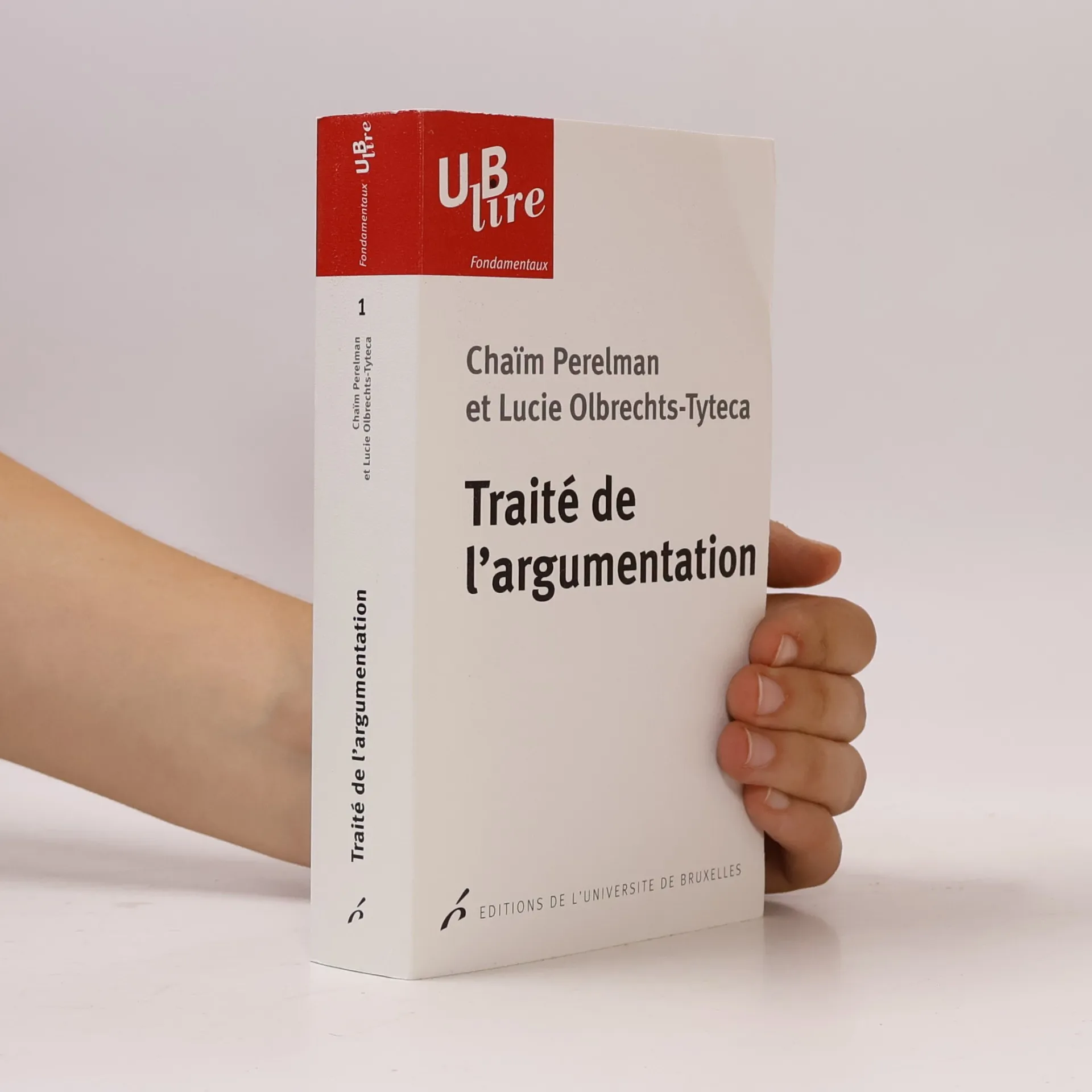
Ce Traité se rattache aux préoccupations de la Renaissance et, par-delà, à celles des auteurs grecs et latins qui ont étudié l'art de convaincre et les techniques de la discussion. Il passe largement les bornes de la rhétorique traditionnelle et envisage surtout les textes imprimés et les moyens discursifs d'obtenir l'assentiment. Les diverses espèces de discours, leur variation en fonction des disciplines et des auditoires, la manière dont les notions se modifient et s'organisent, l'histoire de ces transformations, les systèmes auxquels a pu donner naissance l'adaptation d'ensembles notionnels à des problèmes de connaissance fournissent ici un terrain de recherches d'une richesse incomparable. Les auteurs accordent une particulière importance à l'analyse des argumentations philosophiques, justement parce qu'elles sont censées s'adresser à des lecteurs sur lesquels ont peu de prise la suggestion, la passion ou l'intérêt. Parce qu'il décompose les raisonnements présentés aussi bien par les publicistes dans leurs journaux ou les politiciens dans leurs discours, que par les avocats dans leurs plaidoiries, les juges dans leurs attendus, les métaphysiciens dans leurs exposés, ce Traité de l'argumentation s'adresse non seulement aux logiciens et philosophes, mais aussi à tous ceux qui ont pris pour tâche de convaincre, à quelque titre que ce soit.
Since the time of Descartes, demonstrative sciences have been considered the realm of rationality, while everything that is not demonstrable has been relegated to the realm of the irrational. Thus, ethics, sociology, law, psychology, and rhetoric have remained excluded from strict logic. The theory of argumentation aims to reintroduce rationality into the human sciences that operate with non-demonstrative means of proof. The issues related to argumentation concern various disciplines: from literature to sociology, from law to psychology. The theory of argumentation addresses them from its own perspective as the logic of non-demonstrative sciences.