Paul Rand was one of the world's leading graphic designers. Here he describes his work with the same precision, economy and passion that he displays in his graphic designs, seeking to help us to understand the nature of his relationships with his clients, his audience and his art.
Paul Rand Libros
Paul Rand fue un diseñador gráfico estadounidense, célebre por sus diseños de logotipos corporativos. Es reconocido como un pionero del Estilo Suizo del diseño gráfico. El trabajo de Rand se caracteriza por una estética minimalista, una inteligencia visual lúdica y un enfoque en el lenguaje visual universal. Su filosofía de diseño se centró en crear obras que fueran comprensibles, memorables y funcionales.



Trademark Designs of the World
- 160 páginas
- 6 horas de lectura
A lavish collection of nearly 700 trademarks from around the world. Includes the work of John Buckland Wright, Raymond Loewy Associates, Paul Klee, Joseph Binder, and hundreds of others. Preface. Bibliography. 699 trademarks.
Deception
- 544 páginas
- 20 horas de lectura
Senator Rand Paul was on to Anthony Fauci from the start. Wielding previously unimaginable power, Fauci misled the country about the origins of the Covid pandemic and shut down scientific dissent.One of the few leaders who dared to challenge "America’s Doctor" was Senator Rand Paul, himself a physician. Deception is his indictment of the catastrophic failures of the public health bureaucracy during the pandemic.Senator Paul presents the evidence Why? Hundreds of millions of dollars of grants and unreported royalties were at stake, and heads would roll if the truth got out.It almost worked. At Fauci’s insistence, the government imposed needlessly extreme lockdowns on Americans at the cost of immense personal and economic destruction.Covid-19 was deadly, but the real killer was the coverup, led by America’s most durable medical bureaucrat—a man for whom the truth was too often expendable.Senator Paul makes a powerful case that funding dangerous bioengineering in a totalitarian country is madness. If we don’t heed this warning, the next pandemic could be far worse.
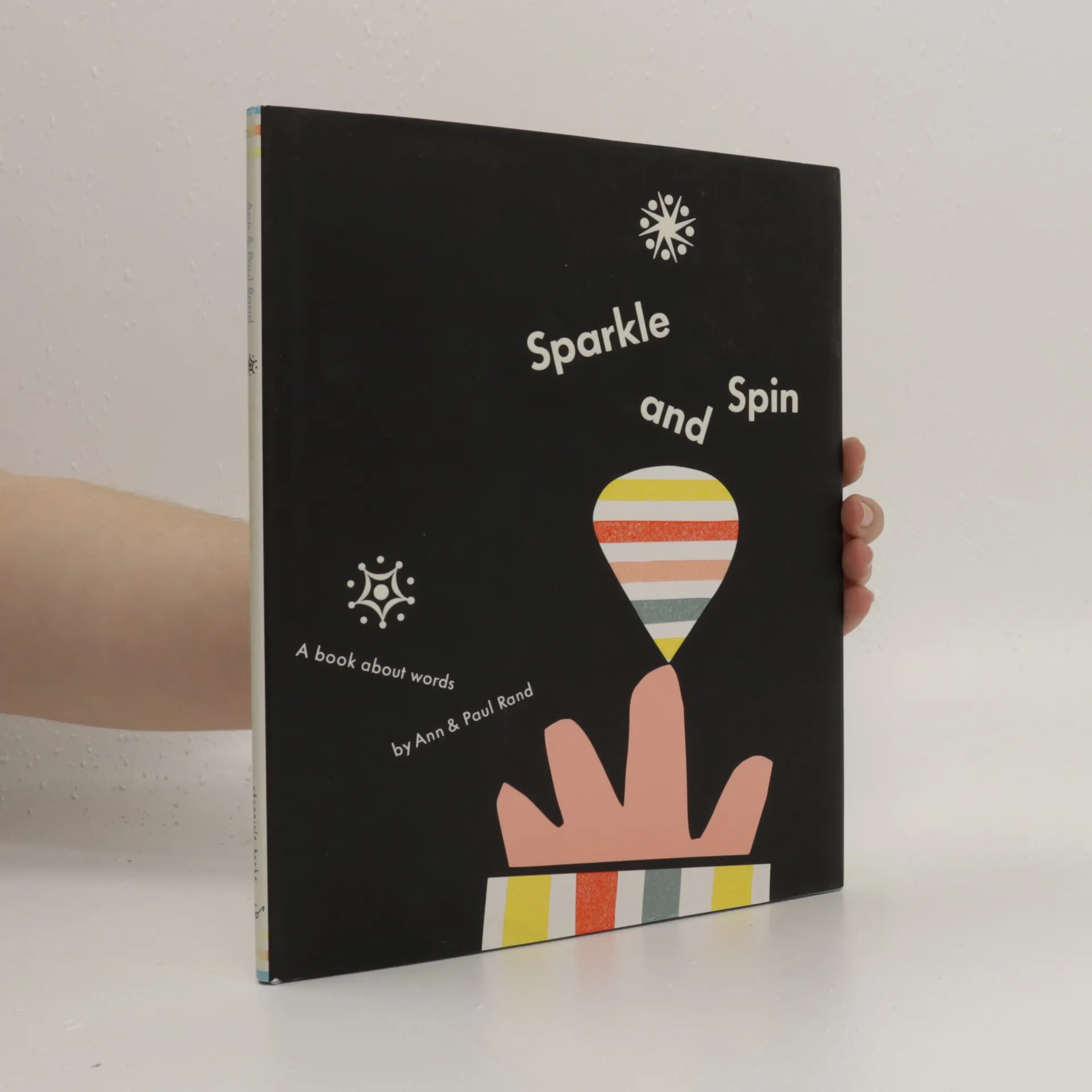
Lyrical text explores what words are and how they are used, highlighting such characteristics as that some words are spoken softly, some are shouted, some sound like their meaning, and some evoke certain feelings.
Love Against Hate
- 320 páginas
- 12 horas de lectura
One of America's leading psychiatrists analyzes the war of the emotions within each of us and shows how the power of love can shape our instinctual aggressiveness to the service of human happiness. Index.
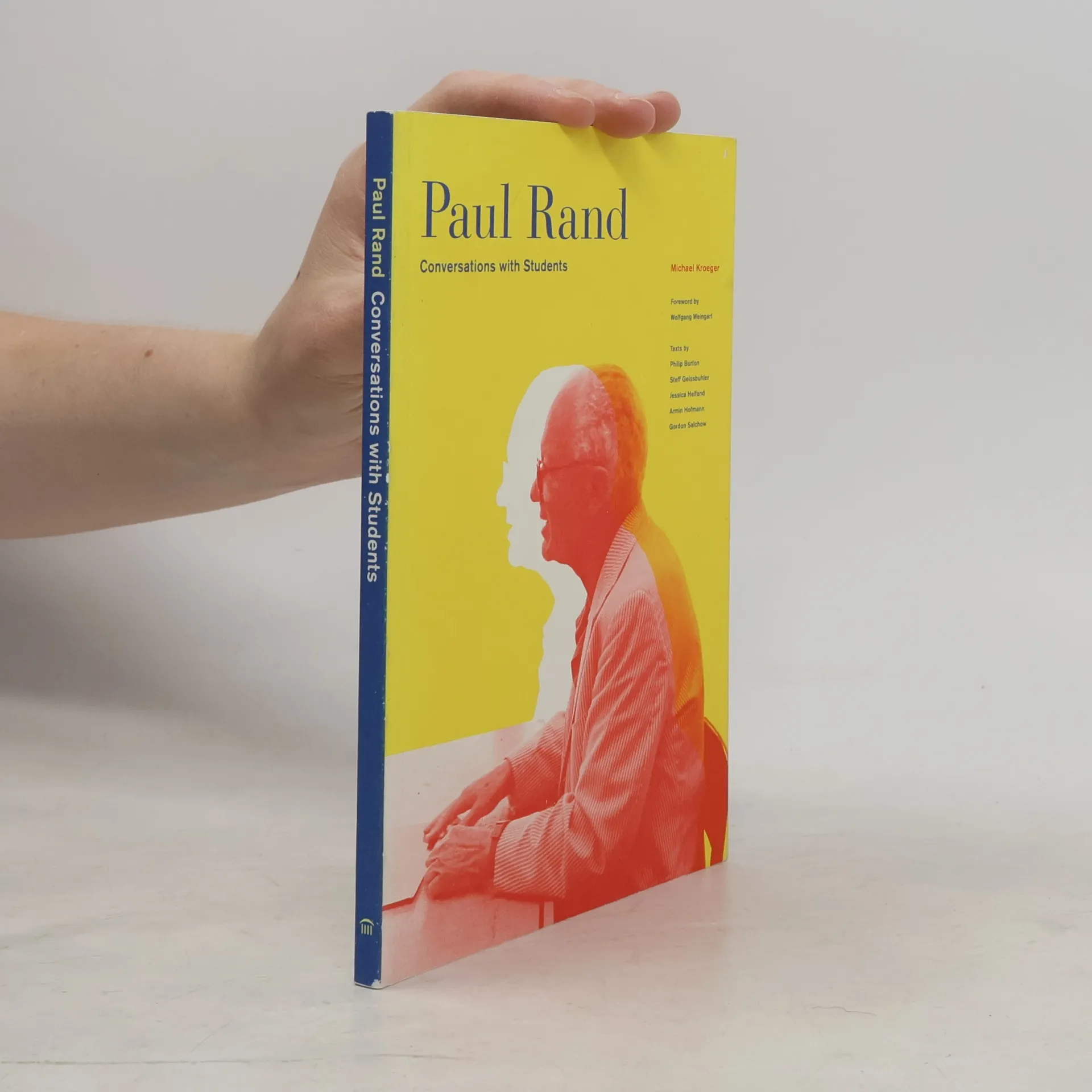
As one of the most influential and inspirational graphic designers of the twentieth century, Paul Rand defined modern American graphic design. His iconic logo designs for IBM, UPS, and the ABC television network distilled the essences of modernity for his corporate patrons. His body of work includes advertising, poster, magazine, and book designscharacterized by simplicity and a wit uniquely his own. His ability to discuss design with insight and humor made him one of the most revered design educators of our time. This latest volume of the popular Conversations with Students series presents Rand's last interview, recorded at Arizona State University one year before his death in 1996. Beginners and seasoned design professionals alike will be informed by Rand's words and thoughts on varied topics ranging from design philosophy to design education.
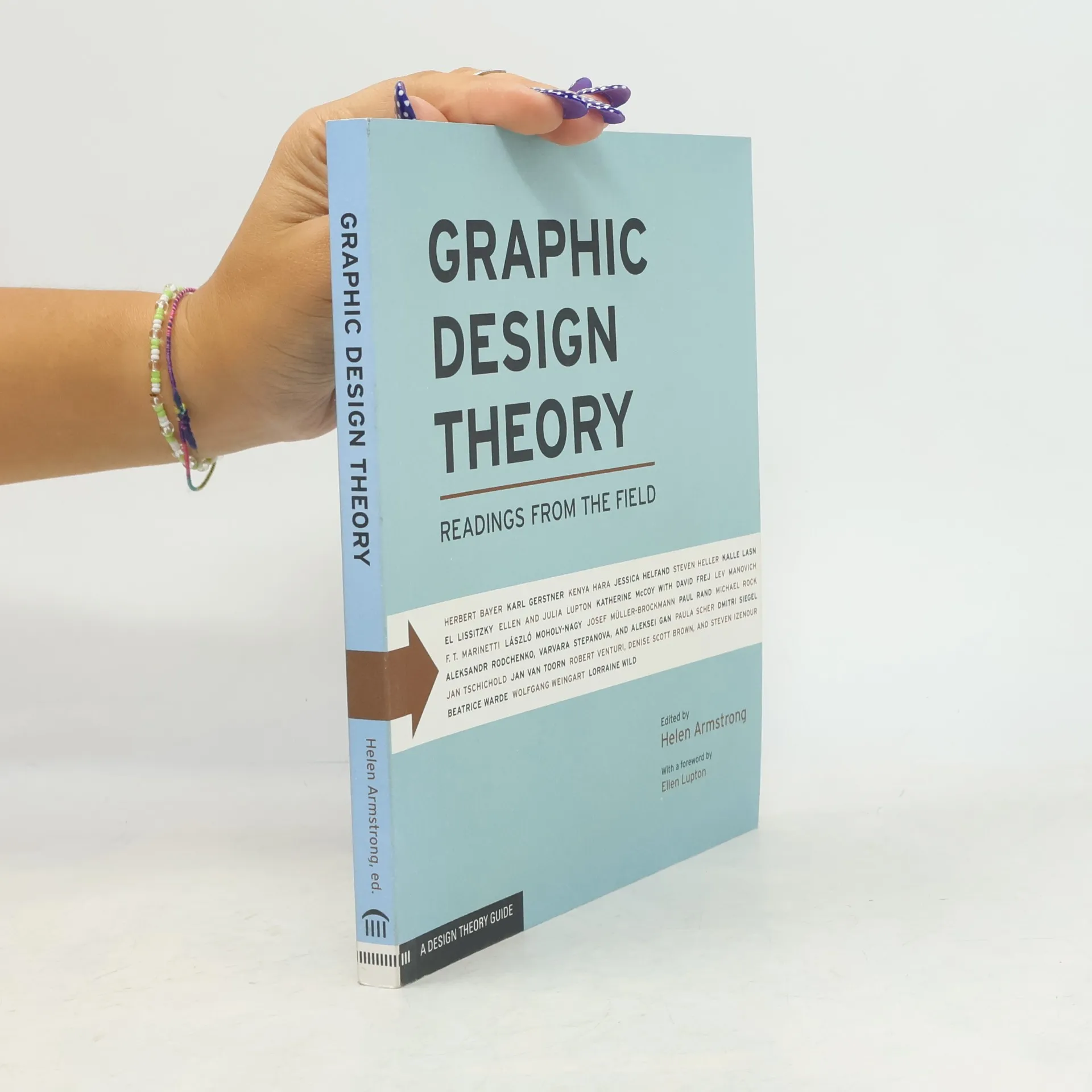
Graphic Design Theory
- 151 páginas
- 6 horas de lectura
Graphic Design Theory presents groundbreaking, primary texts from the most important historical and contemporary design thinkers. From Aleksandr Rodchenko’s "Who We Are: Manifesto of the Constructivist Group" to Kenya Hara’s "Computer Technology and Design," this essential volume provides the necessary foundation for contemporary critical vocabulary and thought. Graphic Design Theory is organized in three sections: "Creating the Field" traces the evolution of graphic design over the course of the early 1900s, including influential avant-garde ideas of futurism, constructivism, and the Bauhaus; "Building on Success" covers the mid- to late twentieth century and considers the International Style, modernism, and postmodernism; and "Mapping the Future" opens at the end of the last century and includes current discussions on legibility, social responsibility, and new media. Striking color images illustrate each of the movements discussed and demonstrate the ongoing relationship between theory and practice. A brief commentary prefaces each text, providing a cultural and historical framework through which the work can be evaluated.
Von Lascaux bis Brooklyn
- 187 páginas
- 7 horas de lectura
Dank Paul Rands Pionierarbeit im Bereich Werbegrafik und Typografie hat sich die 'kommerzielle Kunst' zu einer der schönen Künste gemausert. In diesem abwechslungsreichen und visuell packenden Buch gelingt es Rand, die Leserschaft an die Erfahrungen der Höhlenmalereien von Lascaux heranzuführen, an die Erkenntnis zum Beispiel, dass die Kunst eine intuitive, unabhängige und zeitlose Tätigkeit ist. Der Schiefe Turm von Pisa, ein Gemälde von Cézanne, eine afrikanische Skulptur, Fischerbojen, ein Park in Brooklyn – all diesen Dinge wohnt unabhängig von Ort, Zeit, Zweck, Stil und Gattung eine ästhetische Qualität inne. Rand diskutiert unter anderem die Beziehung zwischen Kunst und Geschäft, die Präsentation von Gestaltungsentwürfen und Skizzen bei zukünftigen Kunden und führt eine Debatte um typografischen Stil und die Ästhetik kombinatorischer, im Raster angewandter Geometrie. Rands Erfahrungen basieren auf seiner Arbeit als Art Director für Zeitschriften, Werbeagenturen, im Typografie-, Verpackungs- und Illustrationsbereich, auf seiner Malerei und Lehrtätigkeit. 1987 erhielt er den Florenz-Preis für Visuelle Kommunikation.