Compra 10 libros por 10 € aquí!
Bookbot

Hugh Thomas

    21 de octubre de 1931 – 7 de mayo de 2017
    Hugh Thomas
    La guerra civil española 4
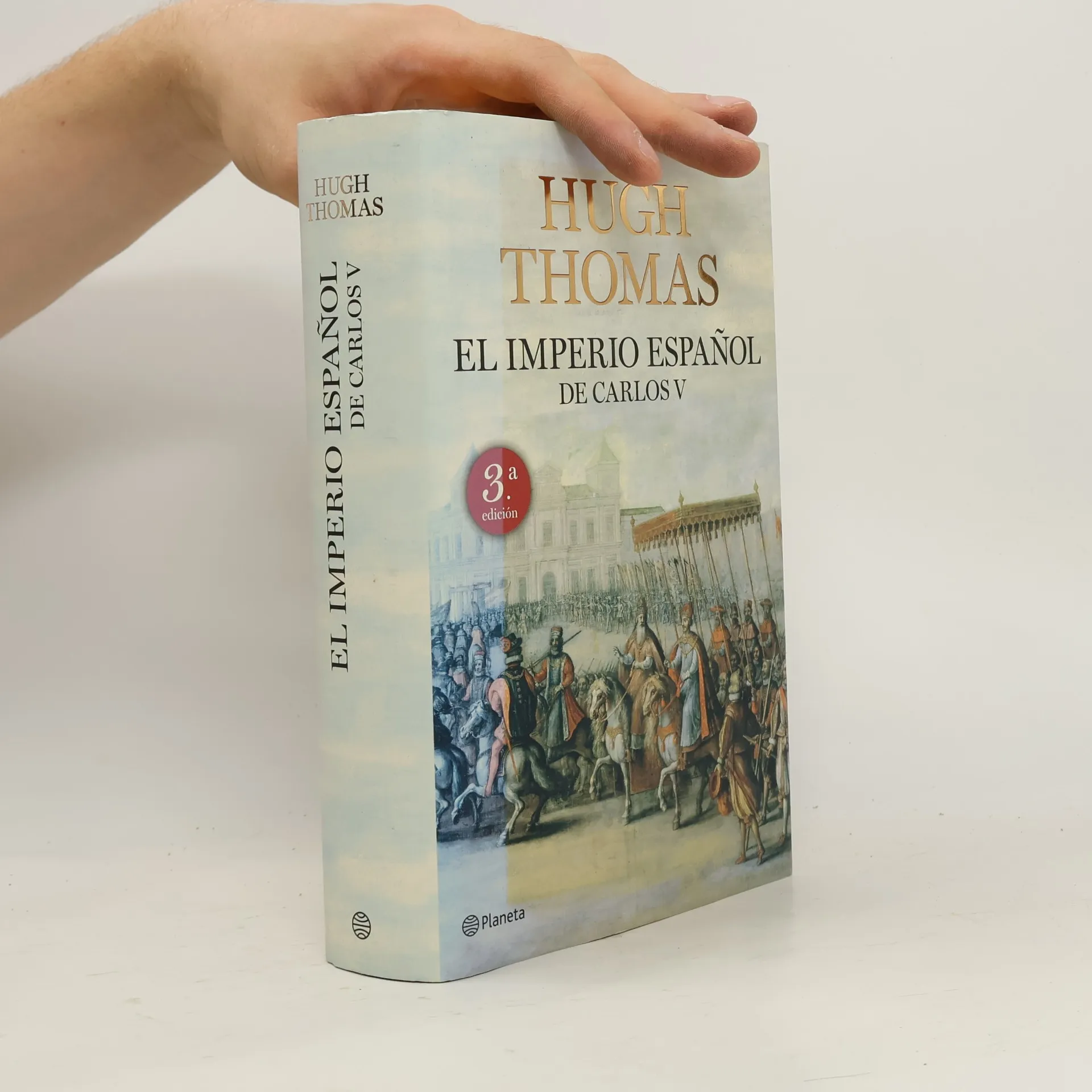
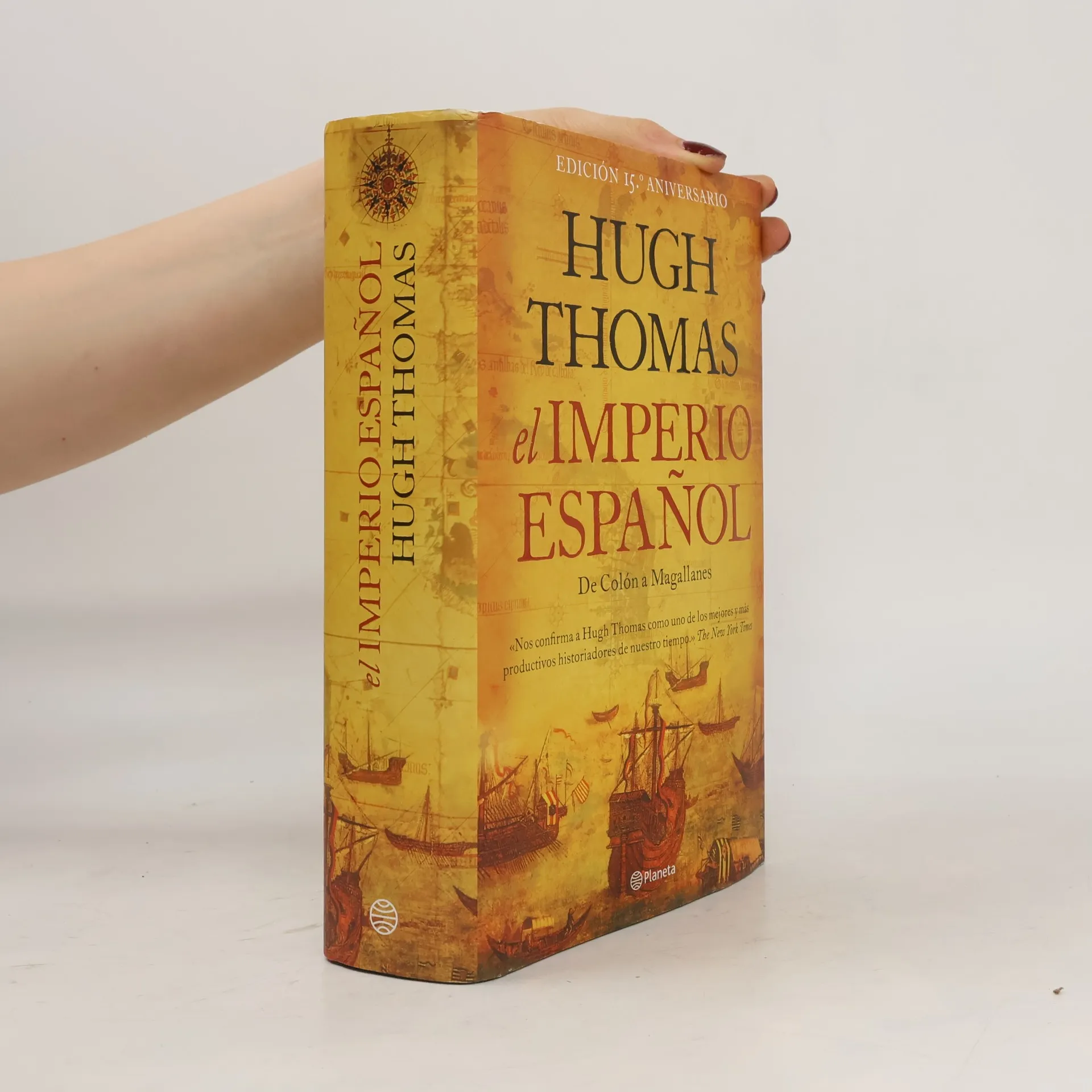
    El imperio español
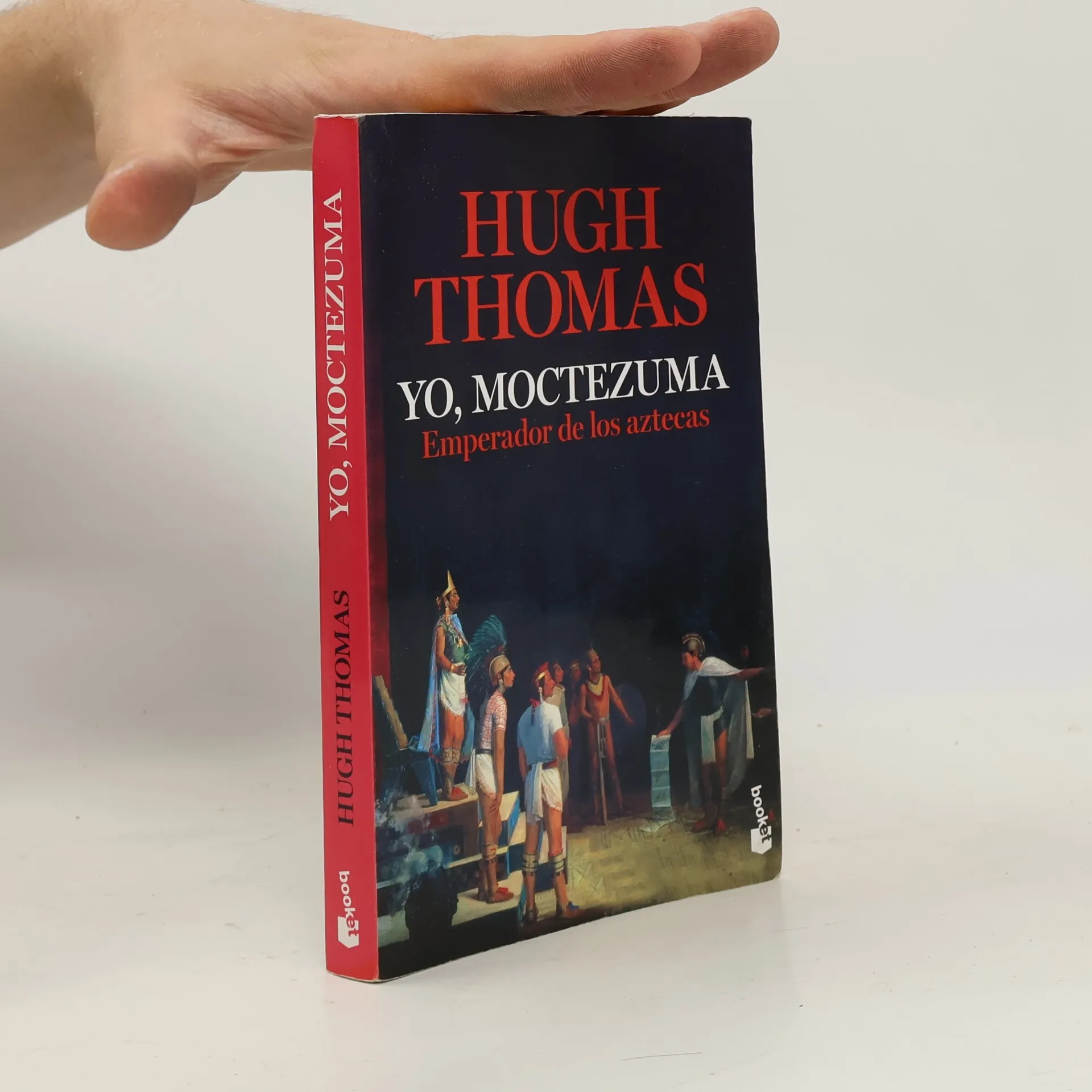
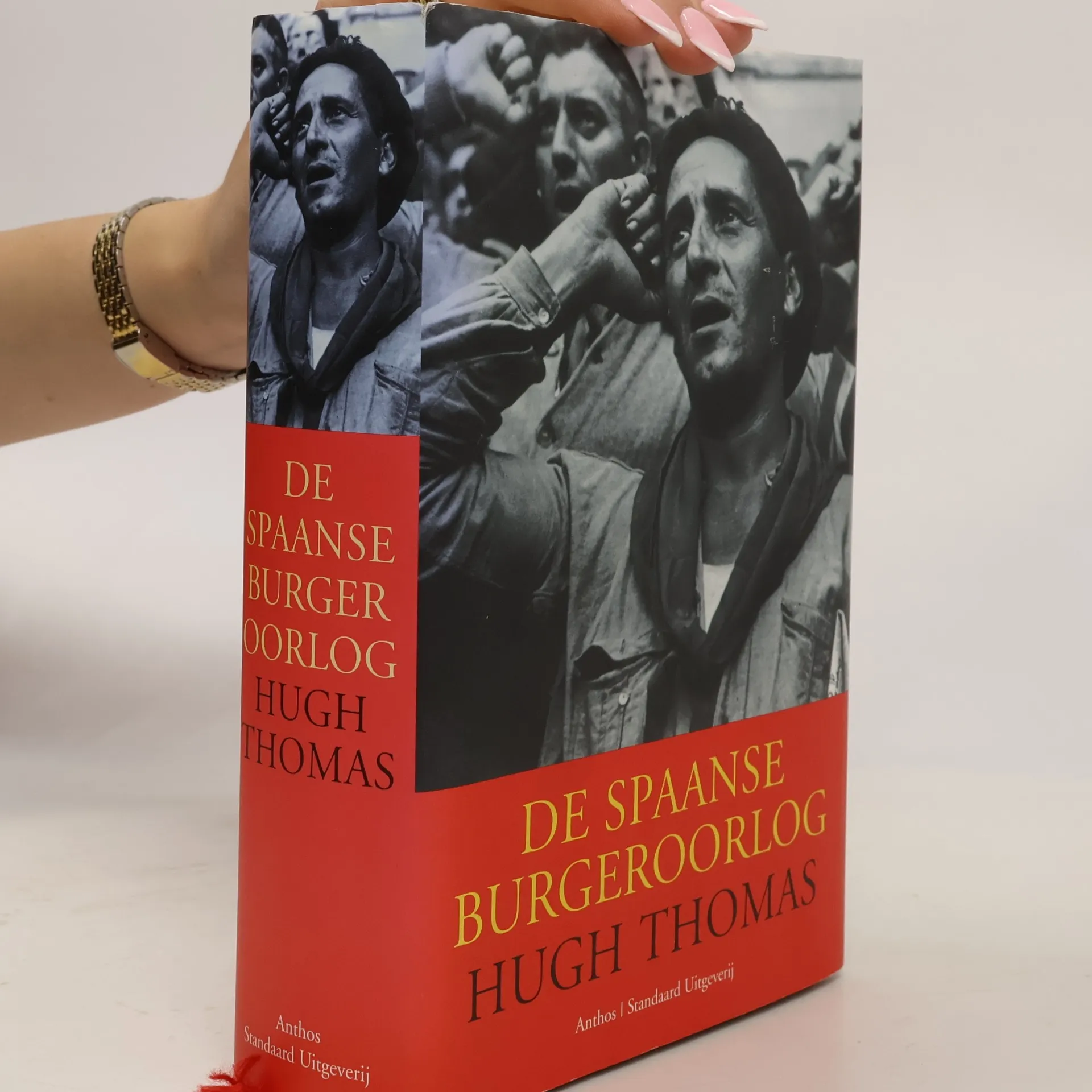
    La Guerra civil española
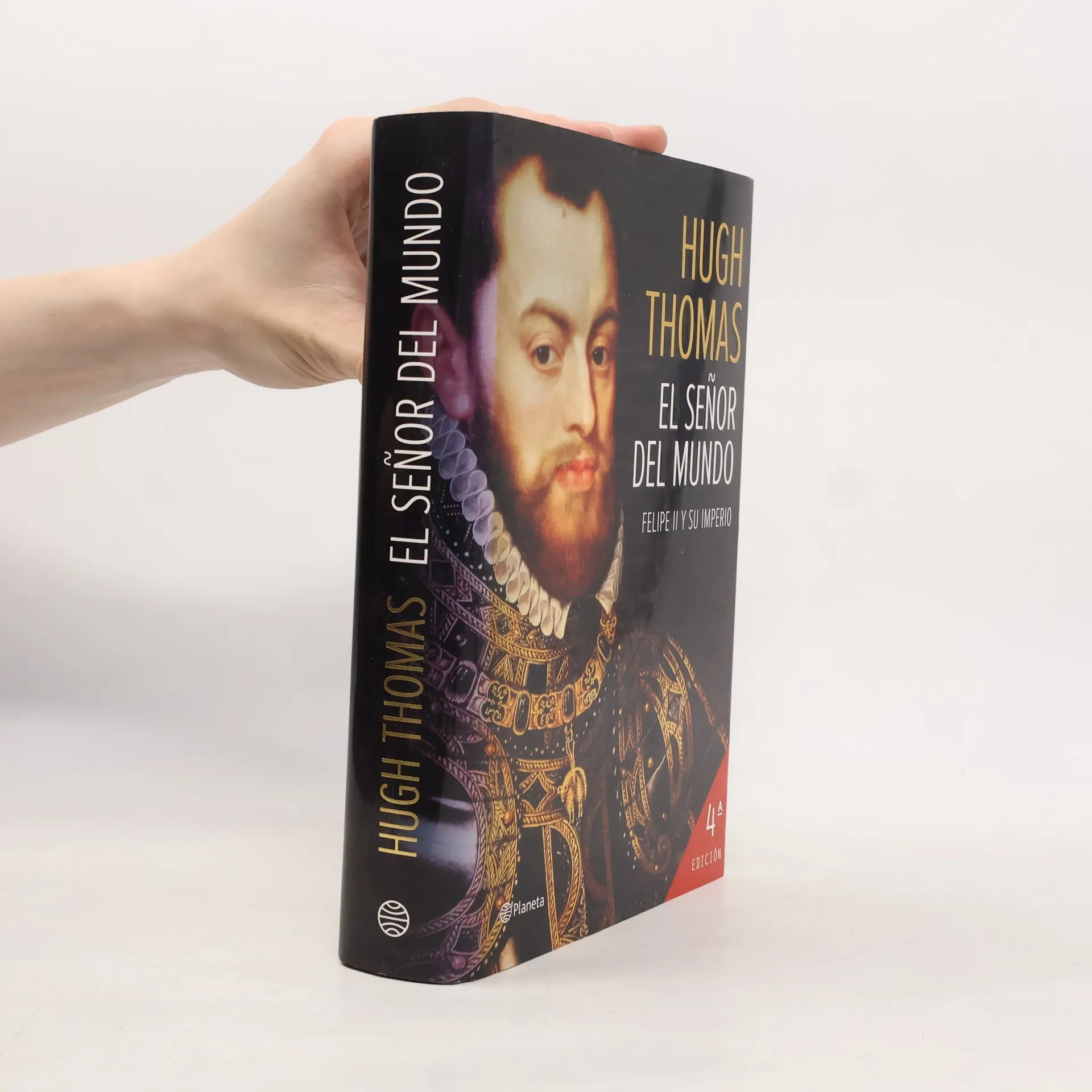
    El señor del mundo (Felipe II y su imperio)
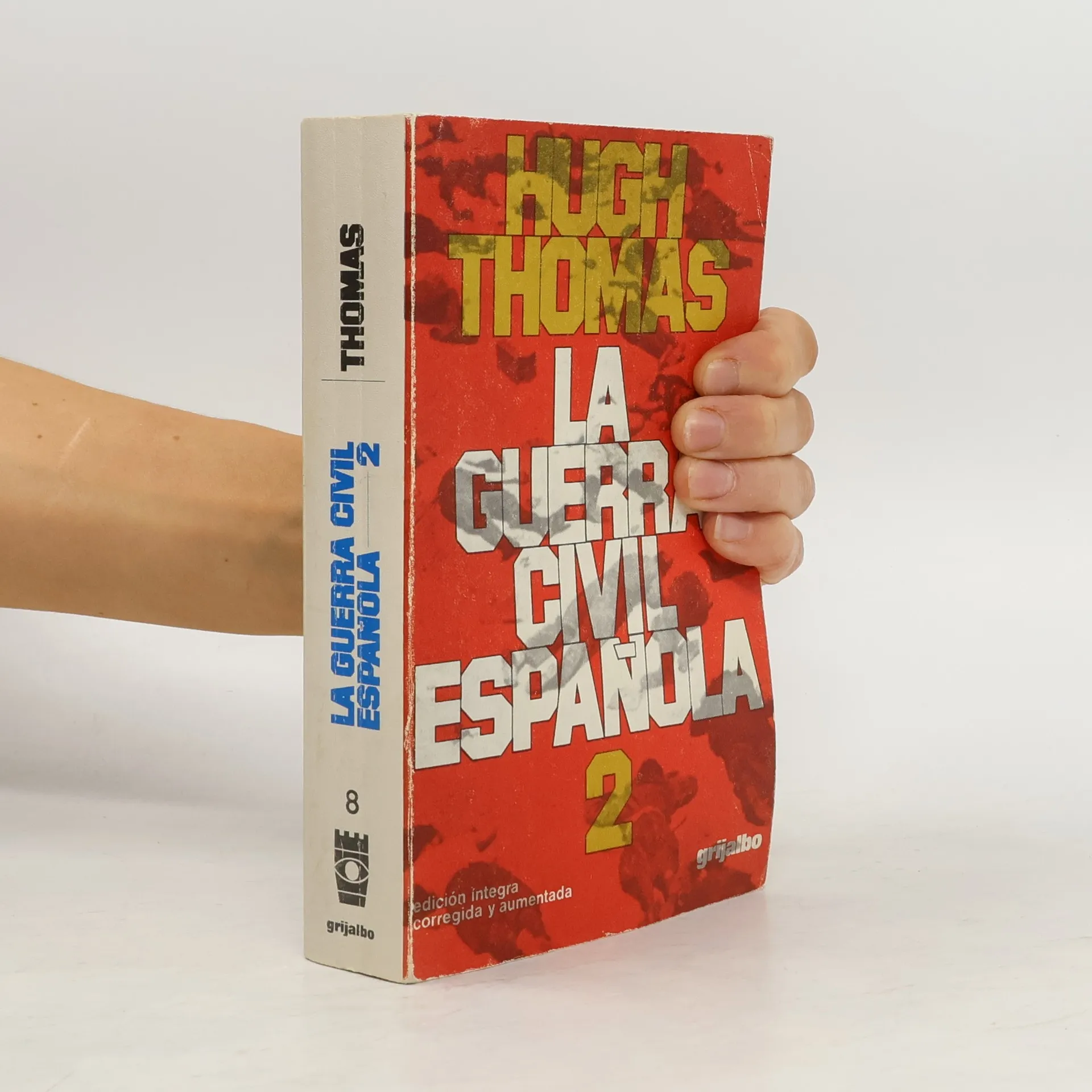
    La guerra civil española 2
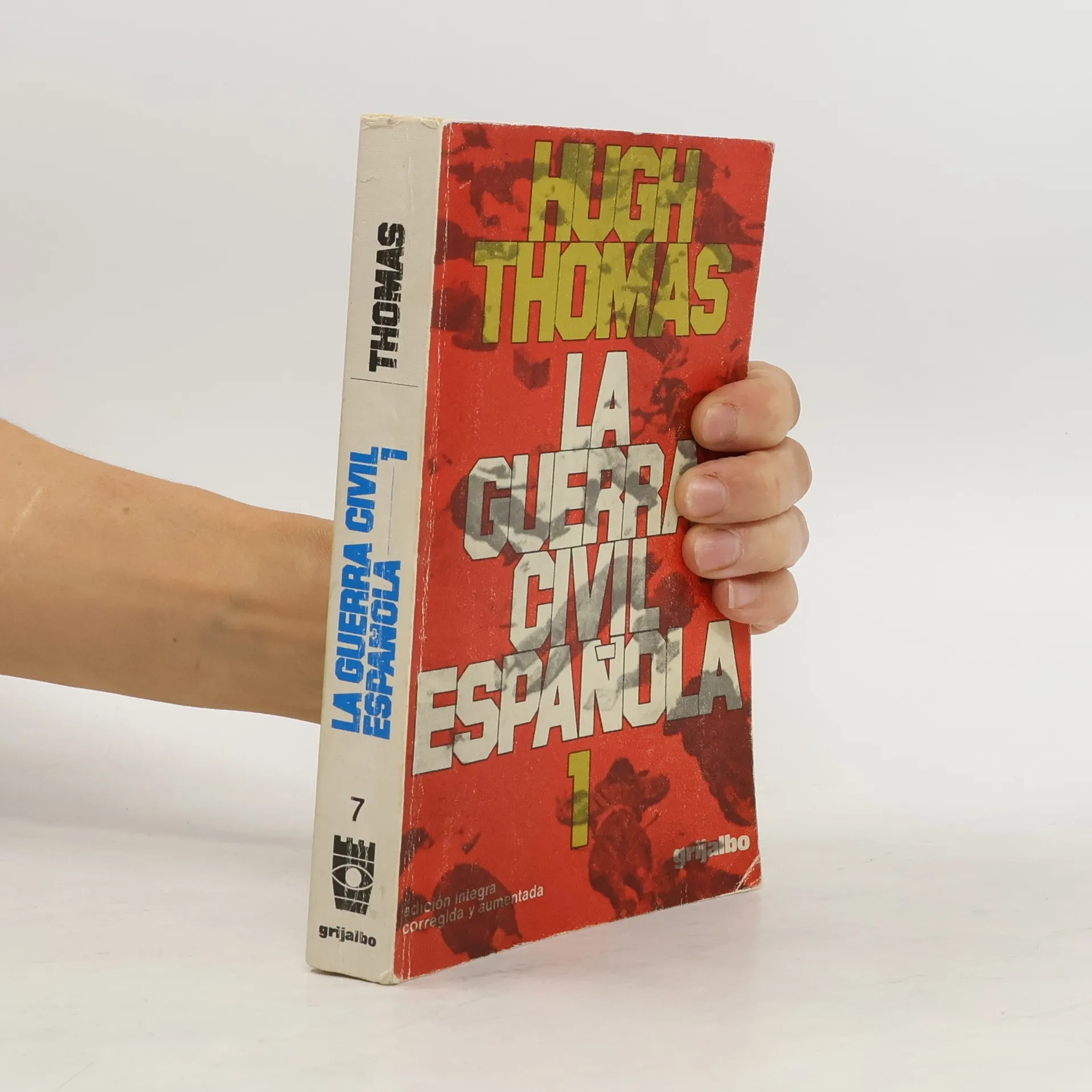
    La Guerra Civil Espaňola 1936-1939. Volume 1
    • 2022

      Hungary 1956: Two Worlds Apart

      • 250 páginas
      • 9 horas de lectura

      My Dad had an extraordinary life. Born in Hungary in 1933, his early childhood was idyllic in many ways, Hungary being an independent nation at that point. He then experienced the Nazi occupation during WW2 which was immediately followed by another even more brutal regime under the Russians. In 1956 he became involved in the Hungarian uprising as a freedom fighter against the might of Russia and became an unintentional hero when he assisted many people to escape Hungary, probably saving many lives in the process, before reaching the safety of England as an almost fatally wounded refugee. The intention of this introduction is to outline how this book came about.

      Hungary 1956: Two Worlds Apart
    • 2022

      INNOVATION IN CHINA

      A STRATEGIC MANAGEMENT CASEBOOK

      • 460 páginas
      • 17 horas de lectura

      The book explores China's historical journey of innovation, highlighting its early advancements and the failure to industrialize in the 19th century. It examines the Communist Party's efforts to revitalize the economy in the 20th century, leading to a robust intellectual property system today. The narrative emphasizes the crucial role of state planning in major projects like high-speed rail, while also showcasing the significant contributions of the private sector and the importance of collaboration between foreign multinational corporations and government policies in fostering innovation.

      INNOVATION IN CHINA
    • 2015

      Este volumen completa la trilogía sobre el Imperio español que el gran historiador Hugh Thomas inició en 2003 con El Imperio español: de Colón a Magallanes y continuó en 2010 con El Imperio español de Carlos V. La obra termina en 1598, con la muerte del rey Felipe II, cuando colonos, clérigos, marineros, soldados y funcionarios de la corona hacían cuanto podían por controlar y administrar el gigantesco imperio político y ya no se dedicaban a expandirlo. La vasta empresa duraría otros doscientos años en el caso de América del Sur y trescientos más en el caso de Cuba, Puerto Rico y las islas Filipinas, pero por lo general en 1600 los hombres del imperio ya habían pasado de ser conquistadores a ser guardianes. El historiador cierra así lo que podría considerarse la última cruzada, porque, sin duda, el papel de la Iglesia católica fue tan importante como el que había desempeñado en las grandes campañas anteriores de la cristiandad que recibieron ese nombre. Con su incomparable estilo literario, Hugh Thomas logra, una vez más, que los personajes se hagan reales a los ojos del lector y que la gran hazaña que fue la conquista de un continente desconocido se convierta en una apasionante novela de aventuras.

      El señor del mundo (Felipe II y su imperio)
    • 2012

      Beginning with the return of the remnants of Magellan's circumnavigation in 1522 and ending with Charles' death in 1558, the author brings to life the periods of the Renaissance, revealing how the Spaniards were able to conquer Guatemala, Yucatan, Columbia, Venezuela, Peru and Chile and why Cabeza de Vaca walked from Florida to Mexico.

      The Golden Age - The Spanish Empire of Charles V
    • 2005

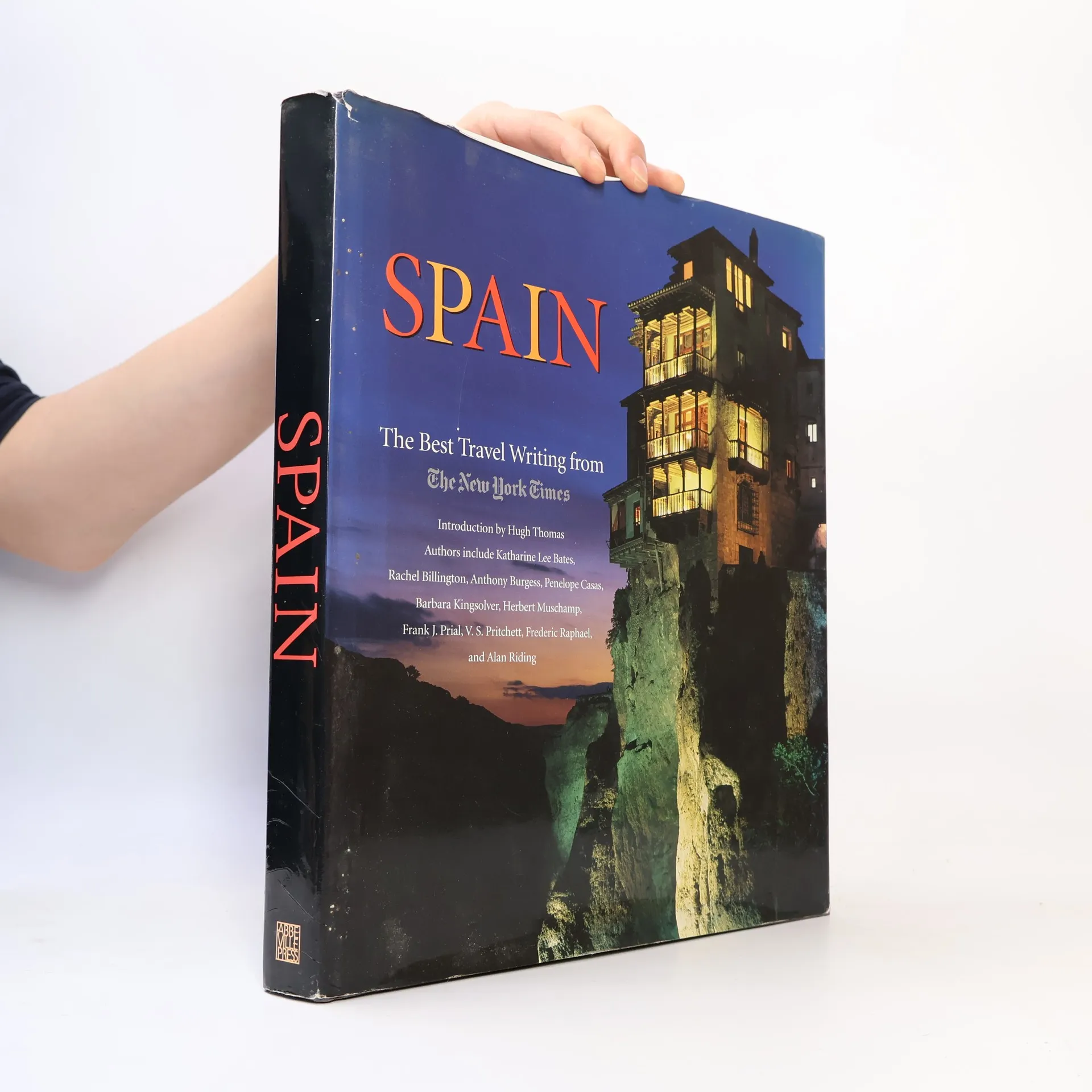
      A traveller's companion to Madrid

      • 422 páginas
      • 15 horas de lectura

      The Earl of Clarendon describes 17th century bullfights; Salvador Dali plays a surrealist joke on a snooty barman at the Ritz; Rubens visits the Alc�zar; Manet is at the Prado; generals and anarchists meet in the Puerta del Sol. Hugh Thomas has chosen these and other vivid snapshots of Madrid's history from diaries, letters, memoirs and novels across five centuries to evoke the city's drama and life.

      A traveller's companion to Madrid
    • 2004

      El imperio español fue una de las más grandes creaciones políticas europeas. Concebido a principios del siglo xvi, perduró trescientos años en la América continental y casi otros setenta en el Caribe y Filipinas. Hugh Thomas, con el estilo que le ha granjeado tantos lectores, emprende un estudio completo de la génesis de este imperio, mostrándonos las hazañas de las dos primeras generaciones de exploradores, colonizadores, gobernadores y misioneros que abrieron el camino al imperio americano de España. De la caída de Granada al viaje de Magallanes, pasando por el descubrimiento de Colón o la coronación de Carlos V, Hugh Thomas se embarca en la narración épica de una de las más grandes aventuras de la humanidad.

      El imperio español
    • 1999

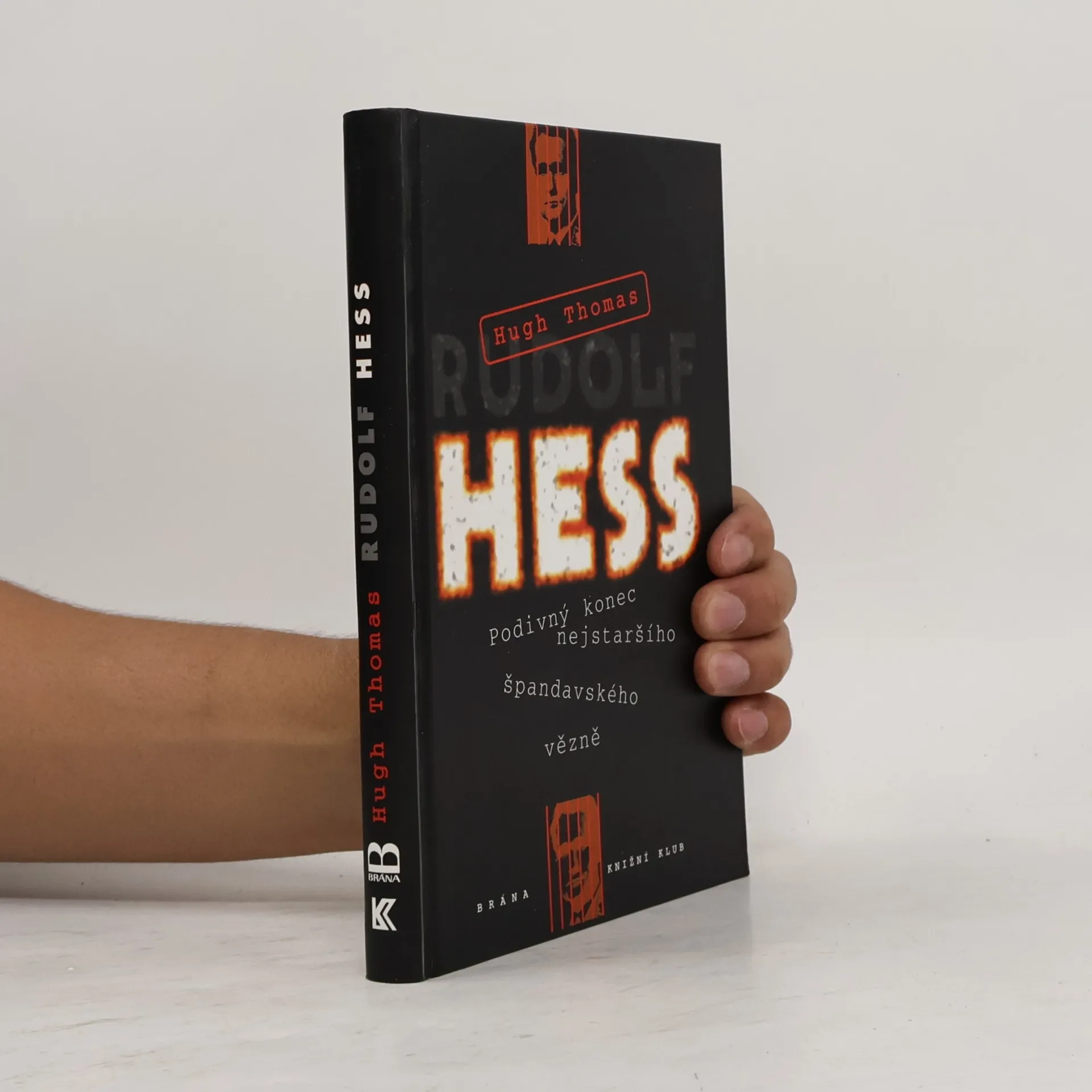
      Rok po smrti posledního nacistického vězně ve španělské káznici (17. 8. 1987) se na knižních pultech ve Velké Británii objevila publikace s názvem HESS: Případ dvou vražd. Jeji autor, Angličan Hugh Thomas, který byl počátkem sedmdesátých let vyslán do Berlína jako expertní lékař britské vojenské nemocnice, vzbudil rozruch už prvním vydáním svého rukopisu, tehdy ještě nazvaného Vražda Rudolfa Hesse. Knížka totiž zpochybňuje fakt, že významný pohlavár třetí říše, Hitleruv zástupce a osobní přítel Rudolf Hess (psáno také Heß), který v roce 1941 tajně a sám odletěl do Velké Británie, je totožný s člověkem, jenž byl po ztroskotání letadla zajat, po válce odsouzen v Norimberku na doživotí a za záhadných okolnosti zemřel jako poslední španělský vězeň. Otázek kolem osudu Rudolfa Hesse je dodnes mnoho. Detailní znalost prostředí i aktéru děje umožnila autorovi této knihy dát jasnou odpověď alespoň na některé z nich.

      Rudolf Hess: Podivný konec nejstaršího Špandavského vězně
    • 1998

      Dies ist die erste große Darstellung der Eroberung Mexikos seit über 150 Jahren. Hugh Thomas entwirft ein imposantes und farbenprächtiges Gemälde der Begegnung zwischen zwei Kulturen, Denkweisen und Mentalitäten. Er läßt das alte Aztekenreich mit seiner Hauptstadt Tenochtitlán wiedererstehen und schildert in spannender Weise die militärischen Aktionen, die den Untergang des Weltreichs besiegelten. Vor allem jedoch porträtiert er die handelnden Personen mit dem bewährten, klaren Blick des Angelsachen für Charaktere und ihre Eigenheiten - vor allen anderen die beiden Protagonisten Cortés und Montezuma.

      Die Eroberung Mexikos
    • 1997

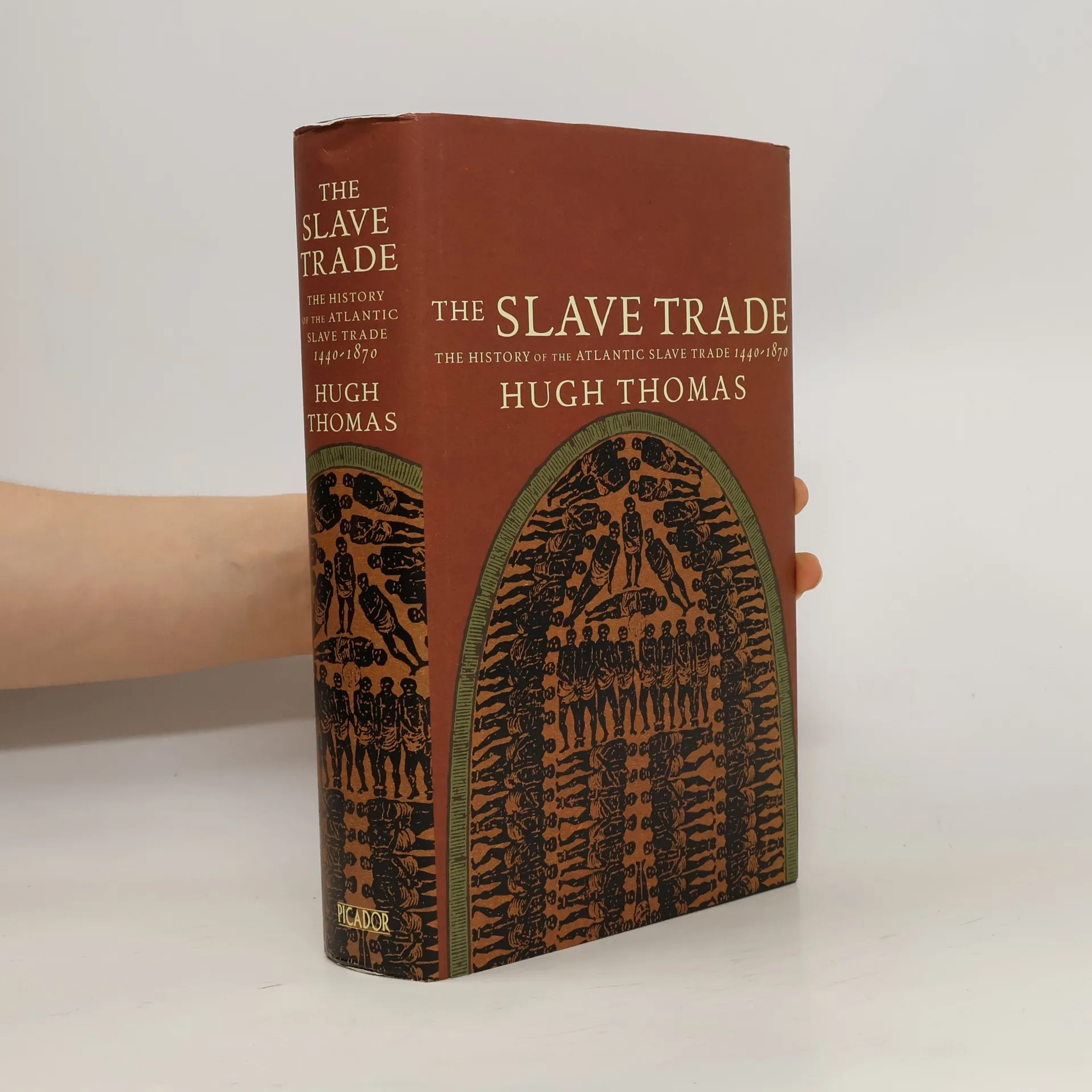
      The Slave Trade

      The History of the Atlantic Slave Trade, 1440-1870

      After many years of research, award-winning historian Hugh Thomas portrays, in a balanced account, the complete history of the slave trade. Beginning with the first Portuguese slaving expeditions, he describes and analyzes the rise of one of the largest and most elaborate maritime and commercial ventures in all of history. Between 1492 and 1870, approximately eleven million black slaves were carried from Africa to the Americas to work on plantations, in mines, or as servants in houses. "The Slave Trade" is alive with villains and heroes and illuminated by eyewitness accounts. Hugh Thomas's achievement is not only to present a compelling history of the time but to answer as well such controversial questions as who the traders were, the extent of the profits, and why so many African rulers and peoples willingly collaborated. Thomas also movingly describes such accounts as are available from the slaves themselves.

      The Slave Trade
    • 1997

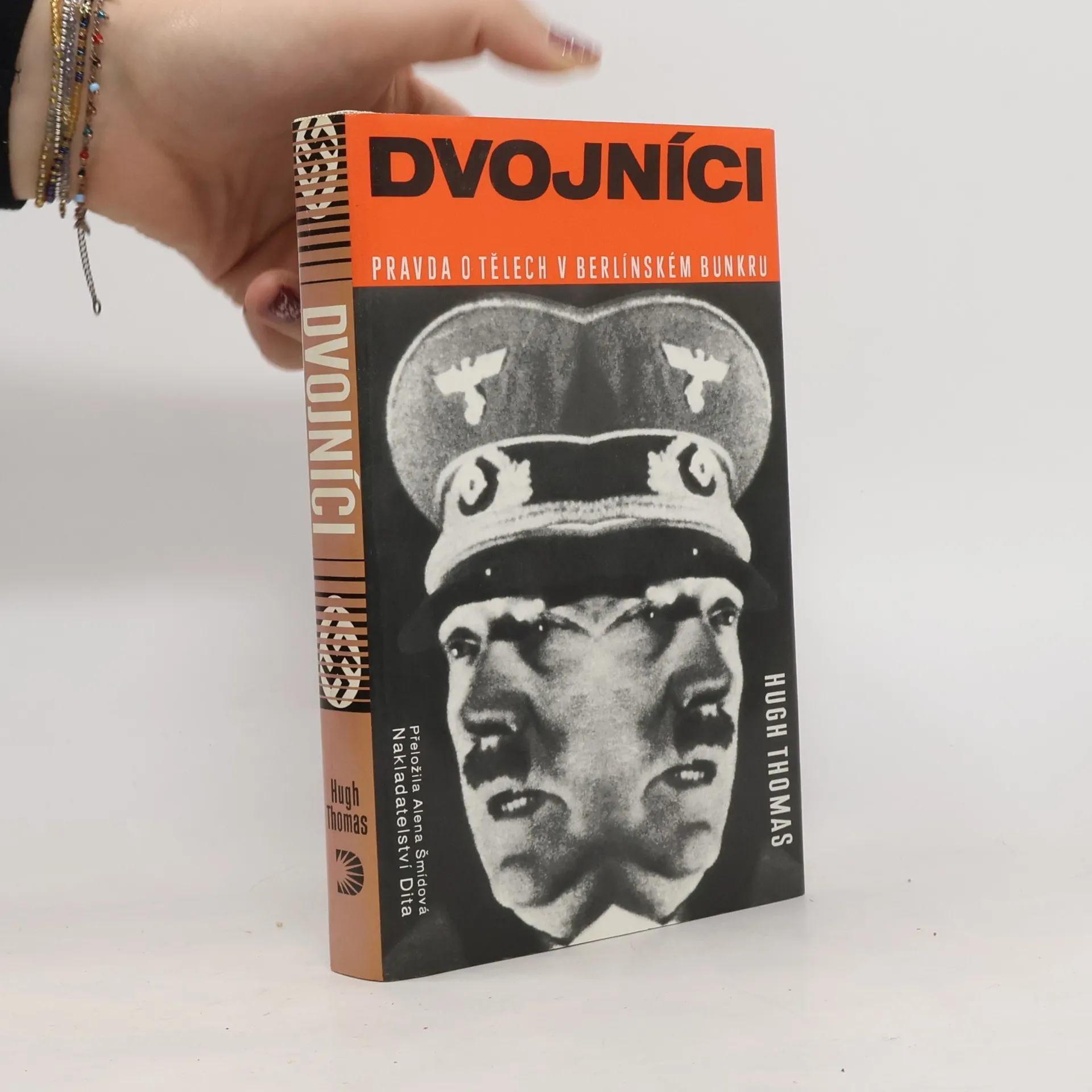
      Dvojníci

      Pravda o tělech v berlínském bunkru

      • 365 páginas
      • 13 horas de lectura

      Autor ukazuje, co se opravdu událo v Hitlerově protileteckém bunkru, co se skutečně stalo se samotným Hitlerem, s Goebbelsem, jeho ženou a dětmi, s Martinem Bormannem a dalšími.

      Dvojníci