

Edward Cartwright Libros

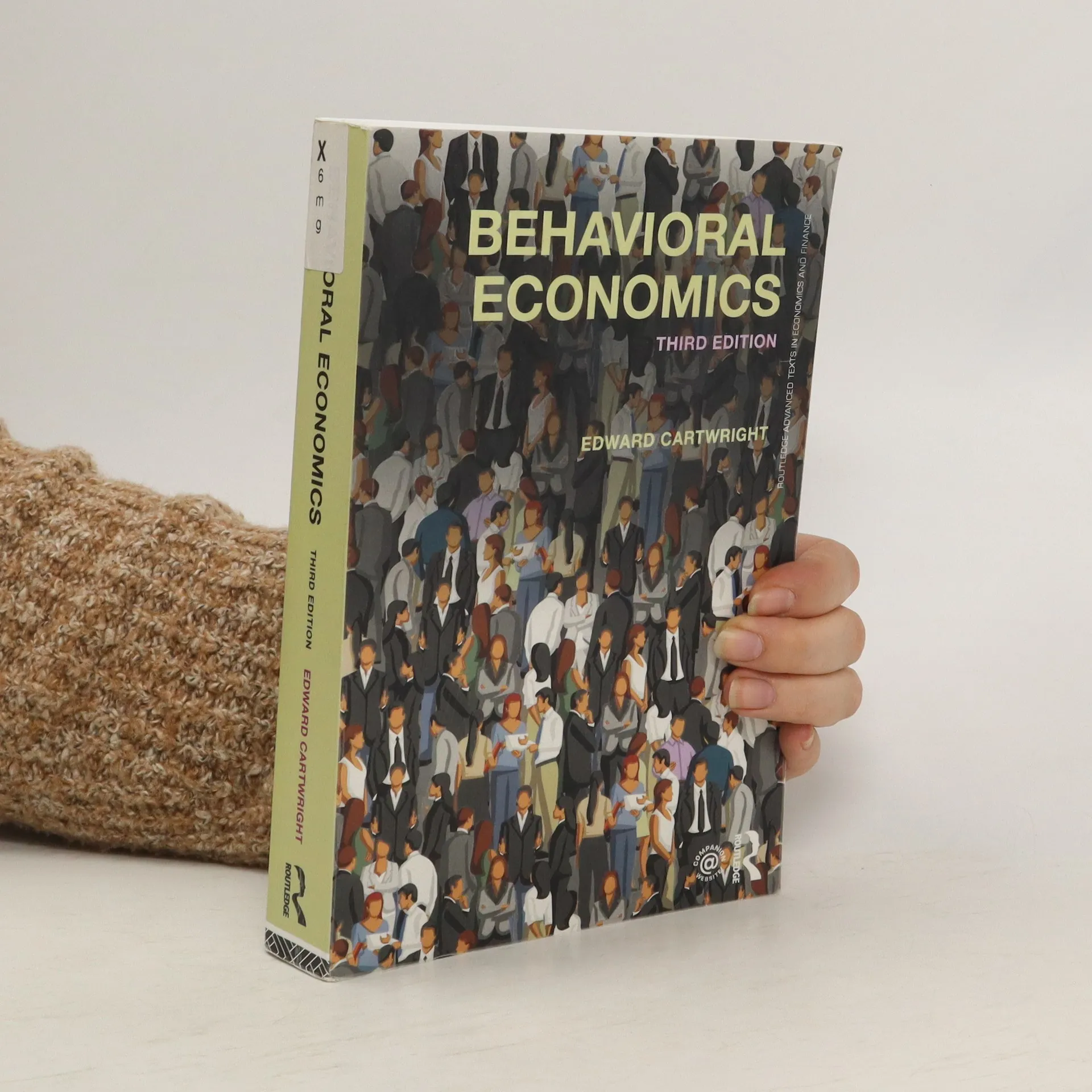
Behavioral Economics
- 586 páginas
- 21 horas de lectura
Introduction -- An introduction to behavioral economics -- Economic behavior -- Simple heuristics for complex choices -- Choice with risk -- Choosing when to act -- Learning from new information -- Interacting with others -- Social preferences -- Origins of behavior -- Evolution and culture -- Neuroeconomics -- Welfare and policy -- Happiness and utility -- Policy and behavior
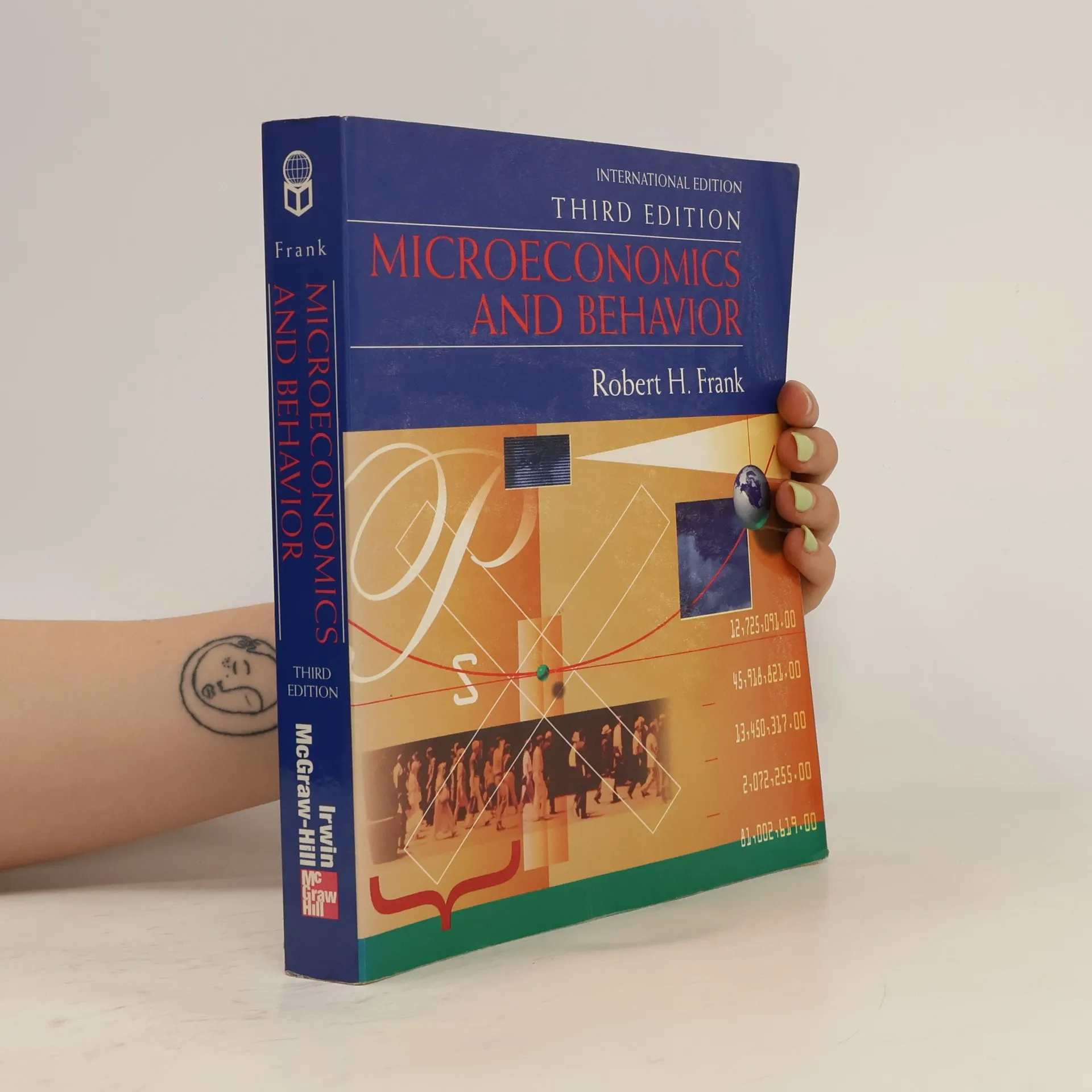
Microeconomics and Behavior: International Edition, Third Edition
- 784 páginas
- 28 horas de lectura
Exploring the relationship between human behavior and economic analysis, Microeconomics and Behavior establishes the fundamentals of intermediate microeconomics in a clear and narrative style and develops economic intuition about the world around us. The text continually encourages the reader to think like an economist through the development of core analytical tools and economic naturalist examples.
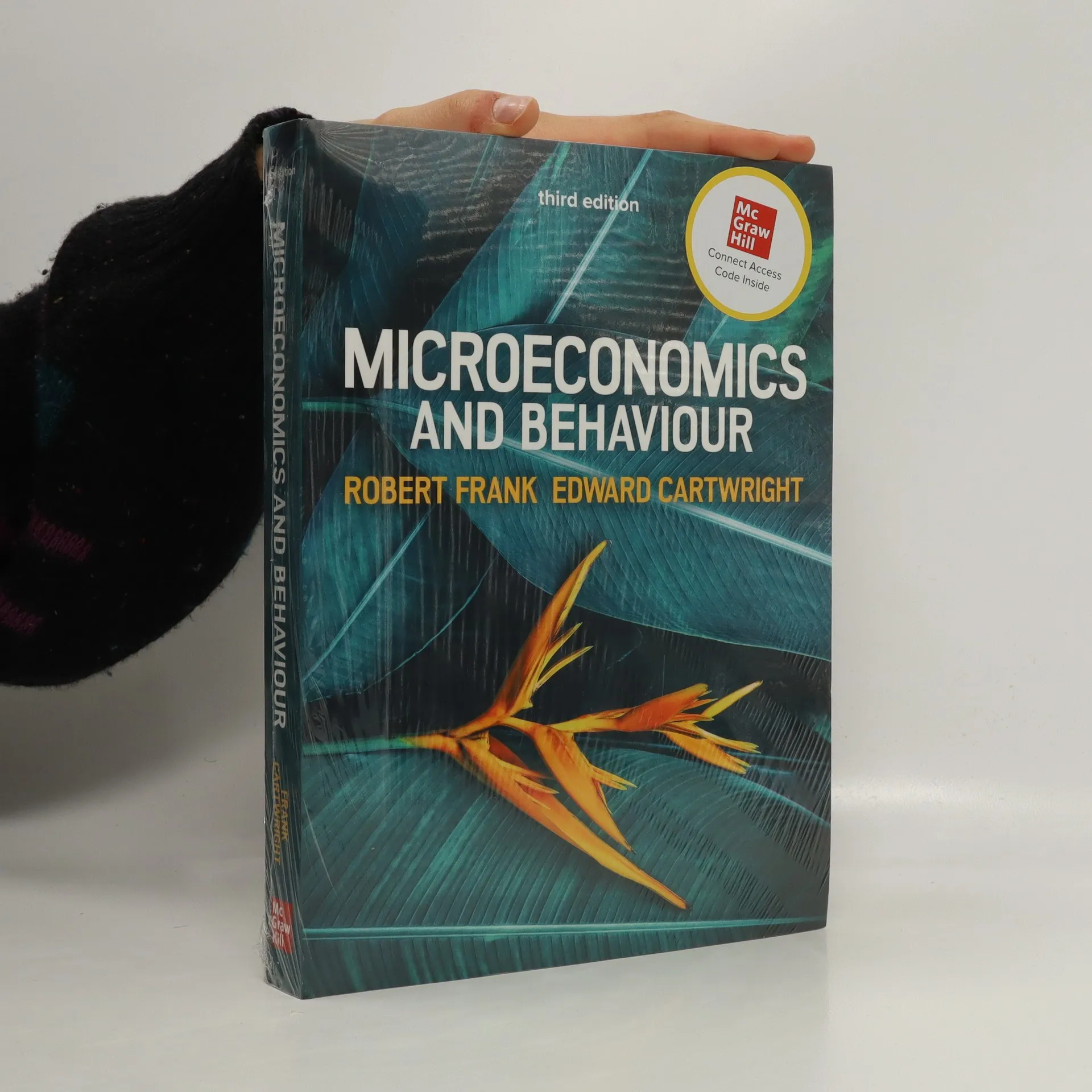
Microeconomics and Behaviour, third edition
- 649 páginas
- 23 horas de lectura
Microeconomics and Behaviour, third edition, is an accessible yet intellectually challenging and engaging textbook for students. It develops core analytical and technical tools and embeds them in a collection of real-world examples and applications to illuminate the power and versatility of the economic way of thinking. With this approach, students develop economic intuition and are stimulated to think more deeply about the technical tools they learn, and to find more interesting ways to apply them. This enables students to not just understand microeconomics, but to think like economists themselves, and to develop a lasting interest in the discipline. Key Features * Fully updated chapters, including new and expanded material on international labour markets, the gig economy, behavioural game theory and nudge theory. * Extensive pedagogical features such as examples, key terms and definitions, in-chapter exercises, chapter summaries, and review questions and problems. * Economic Naturalist examples that show how economic principles can be used to explain experiences and observations of everyday life. New examples include: "Why do firms benefit from the gig economy?", "Why is self-checkout becoming the norm in shops?", and "Why do online retailers have flagship stores?"
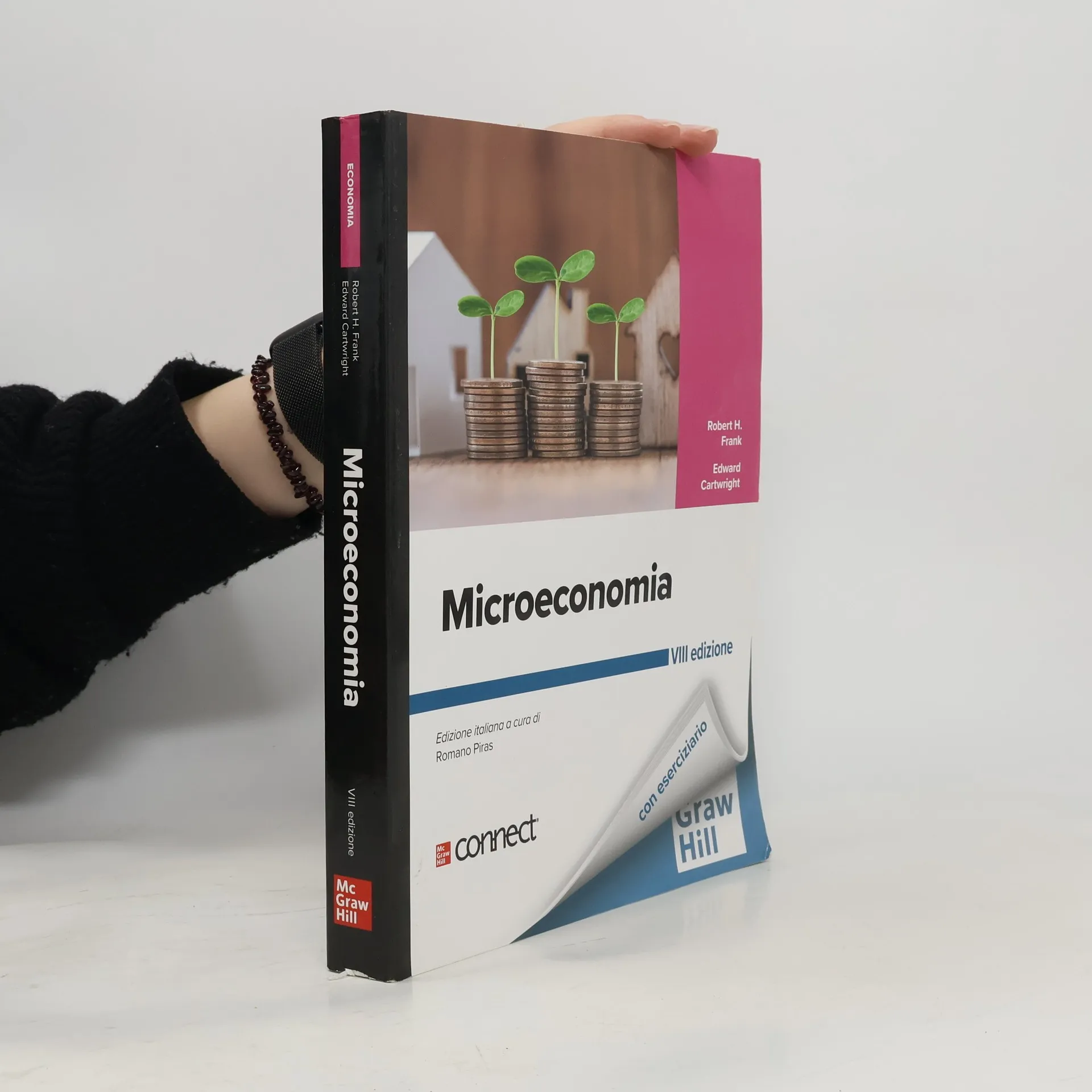
Microeconomia. Con connect (Economia e discipline aziendali)
- 683 páginas
- 24 horas de lectura