

Bookbot

Tom Carter

    Tom Carter es un narrador visual que navega magistralmente entre la fotografía y la prosa. Sus extensos viajes y su profunda inmersión en la cultura china se reflejan en su obra, que captura la esencia de la China moderna con notable honestidad y objetividad. Las fotografías y escritos de Carter ofrecen penetrantes perspectivas sobre la vida de las personas y los paisajes, a menudo con una perspectiva humorística pero siempre con una profunda comprensión. Su trabajo celebra la experiencia del forastero, revelando las complejidades de la vida en una tierra extraña e invitando a los lectores a un cautivador viaje lleno de agudas observaciones y descubrimientos inesperados.

    Das Phantom
    National Geographic Countries of the World
    Unsavory Elements
    My House of Memories
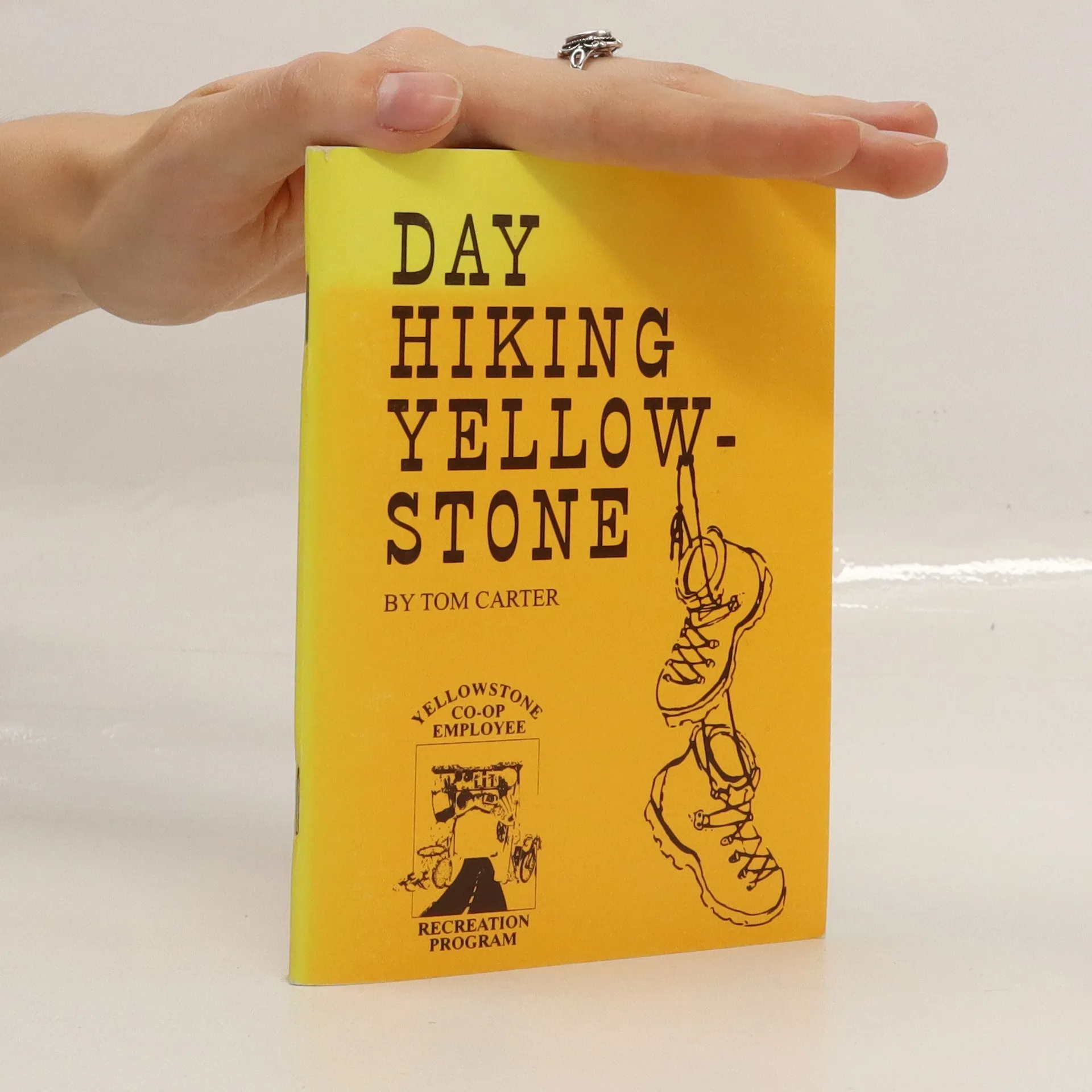
    Day Hiking Yellowstone
    • Unsavory Elements

      • 304 páginas
      • 11 horas de lectura

      Original stories by Dan Washburn, Jonathan Watts, Simon Winchester, Nury Vittachi, Michael Meyer, Matt Muller, Alan Paul, Matthew Polly, Derek Sandhaus, Jonathan Campbell, Tom Carter, Mark Kitto, Pete Spurrier, Graham Earnshaw, Deborah Fallows, Susie Gordon and others.

      Unsavory Elements2020
      3,6
    • My House of Memories

      • 260 páginas
      • 10 horas de lectura

      In this riveting personal story, award-winning,bestselling country musicrecording artist Merle Haggard takesyou on a tour through his house ofmemories, offering a fascinating lookinside his turbulent yet successful life.Merle reveals the true stories about hisbirth and troubled upbringing in a convertedrailroad boxcar.

      My House of Memories2010
      4,1
    • National Geographic Countries of the World

      Canada

      • 64 páginas
      • 3 horas de lectura

      National Geographic invites young readers to look North—to the world's second largest country. Learn how Canada boasts more lakes than any other country, and why its geological, climatic, and ecological variety make it a geographer's wonderland. Look back to a time when timber, minerals, and fresh water reserves initially attracted settlers to this great wilderness. Learn the background of Canada's formation in 1867 when three British colonies united to create a partially independent state of four provinces.Read how Canada achieved full independence in 1931. Experience a modern country self-sufficient in fossil fuels, whose rivers supply hydroelectric power to the big cities of Toronto, Montreal, and Vancouver. It's here that you'll meet most Canadians, with three-quarters of the population now living in such metropolitan areas. Within these cities, immigrants from all over the Earth have etched out their own communities, making Canadian society a modern mosaic of assimilated cultures.National Geographic supports K-12 educators with ELA Common Core Resources.

      National Geographic Countries of the World2007