

In this companion volume to his bestselling Ancient What Do We Know and How Do We Know It? Lester L. Grabbe provides the background history of the main ancient Near Eastern peoples and Babylonia, Assyria, Urartu, Hittites, Amorites, Egyptians.Grabbe's focus is on Palestine/Canaan and covers the early second millennium, including the Middle Bronze Age and the Second Intermediate Period and Hyksos rule of Egypt. Grabbe also addresses the question of a 'patriarchal period'. The main focus of the book is on the second half of the second Late Bronze and early Iron Age, the Egyptian New Kingdom, the Amarna letters, the Sea Peoples, the question of 'the exodus', the early settlements in the hill country of Palestine, and the first mention of Israel in the Merenptah inscription. Archaeology and the contribution of the social sciences both feature heavily, as does inscriptional and iconographic material. As such this volume provides a fascinating portrayal of ancient Israel and this definitive work by one of the world's leading biblical historians will be of interest to all students and scholars of biblical history.
Lester L. Grabbe Libros
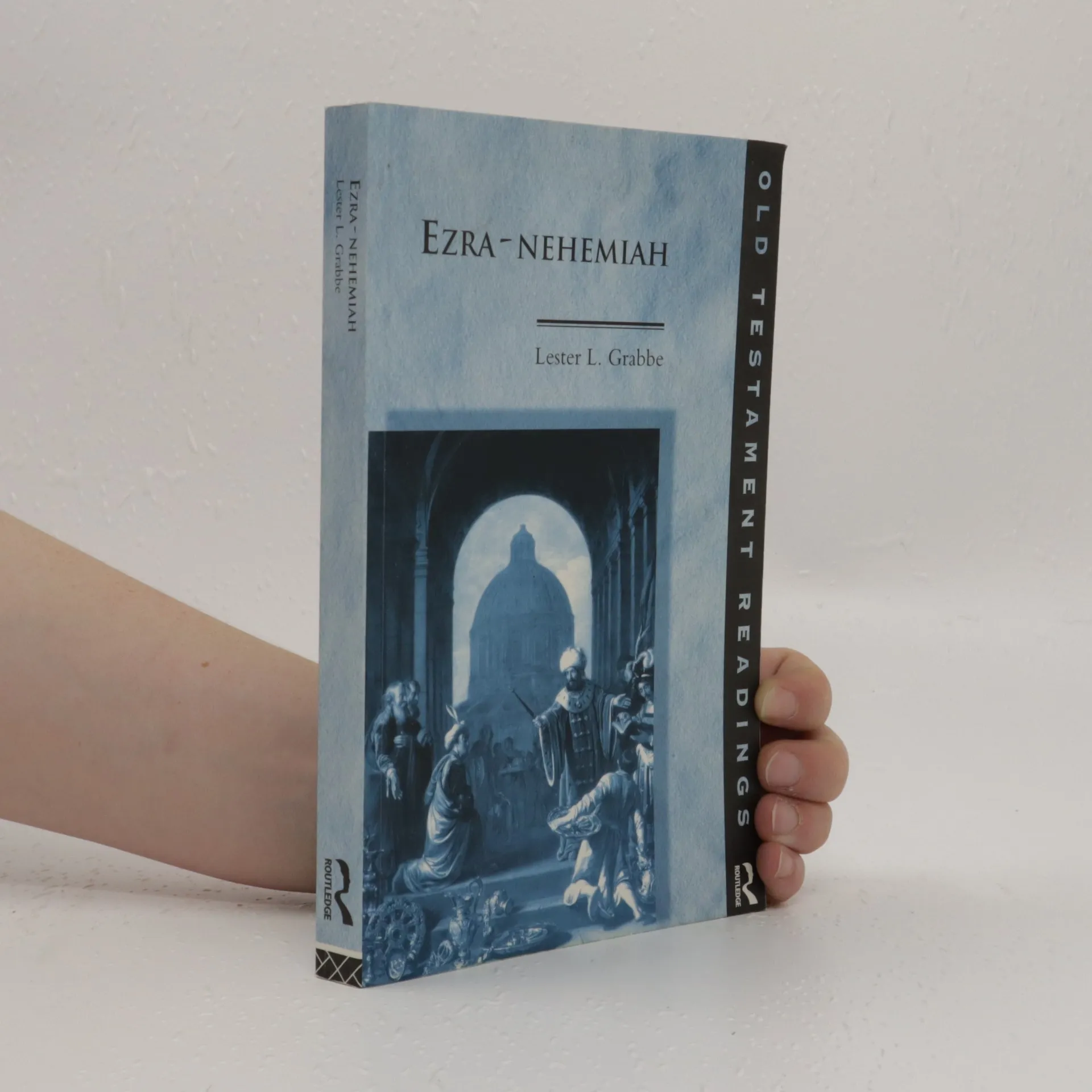

Ezra-Nehemiah
- 224 páginas
- 8 horas de lectura
This book presents a unique approach to Ezra-Nehemiah in the combination of two approaches - the literary and the historical. It challenges commonly held assumptions not from radical theory, but from careful attention to the text itself.In this provocative study, Lester Grabbe presents a unique approach to Ezra-Nehemiah with the combination of a literary and historical approach. Lester Grabbe challenges commonly held assumptions about Joshua and Zerubbabel, the initial resettlement of land after the exile, the figure of Ezra and the activities of Nehemiah. Controversially, the challenge comes, not from radical theory but from paying careful attention to the text of the Bible itself.
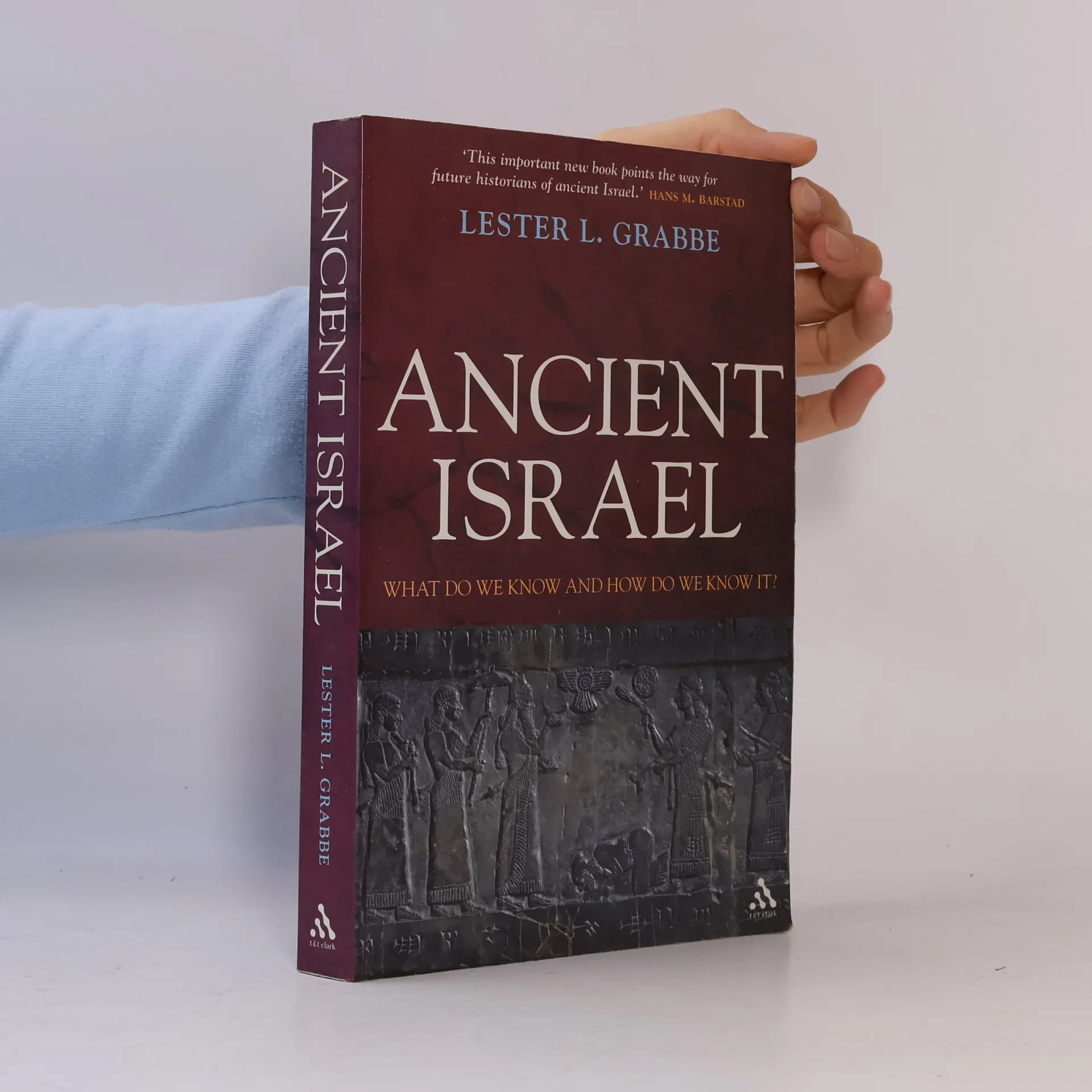
A number of 'histories of Israel' have emerged in recent decades, yet fundamental methodological questions remain: how do we write such a history, and how can we know anything about it? In this work, Lester L. Grabbe aims to summarize our knowledge through a survey of sources while discussing methodology and evaluating evidence. Rather than presenting a traditional history, he collects and analyzes materials necessary for constructing one, allowing readers to draw their own conclusions using the diverse evidence provided. The central inquiry—how do we know what we know—leads to essential questions about the sources for Israel's history and their evaluation. Grabbe emphasizes original sources, including inscriptions, papyri, and archaeological findings, while addressing the challenges of historical methodology and the use of biblical texts in this context. This work contributes uniquely to the field and offers an insightful overview and critique of current scholarly debates. It serves as a valuable 'handbook' or reference for those seeking a catalog of original sources, scholarship, and secondary studies. Its accessible structure and Grabbe's clear writing style make it suitable for students of biblical studies and ancient history, as well as interested lay readers.
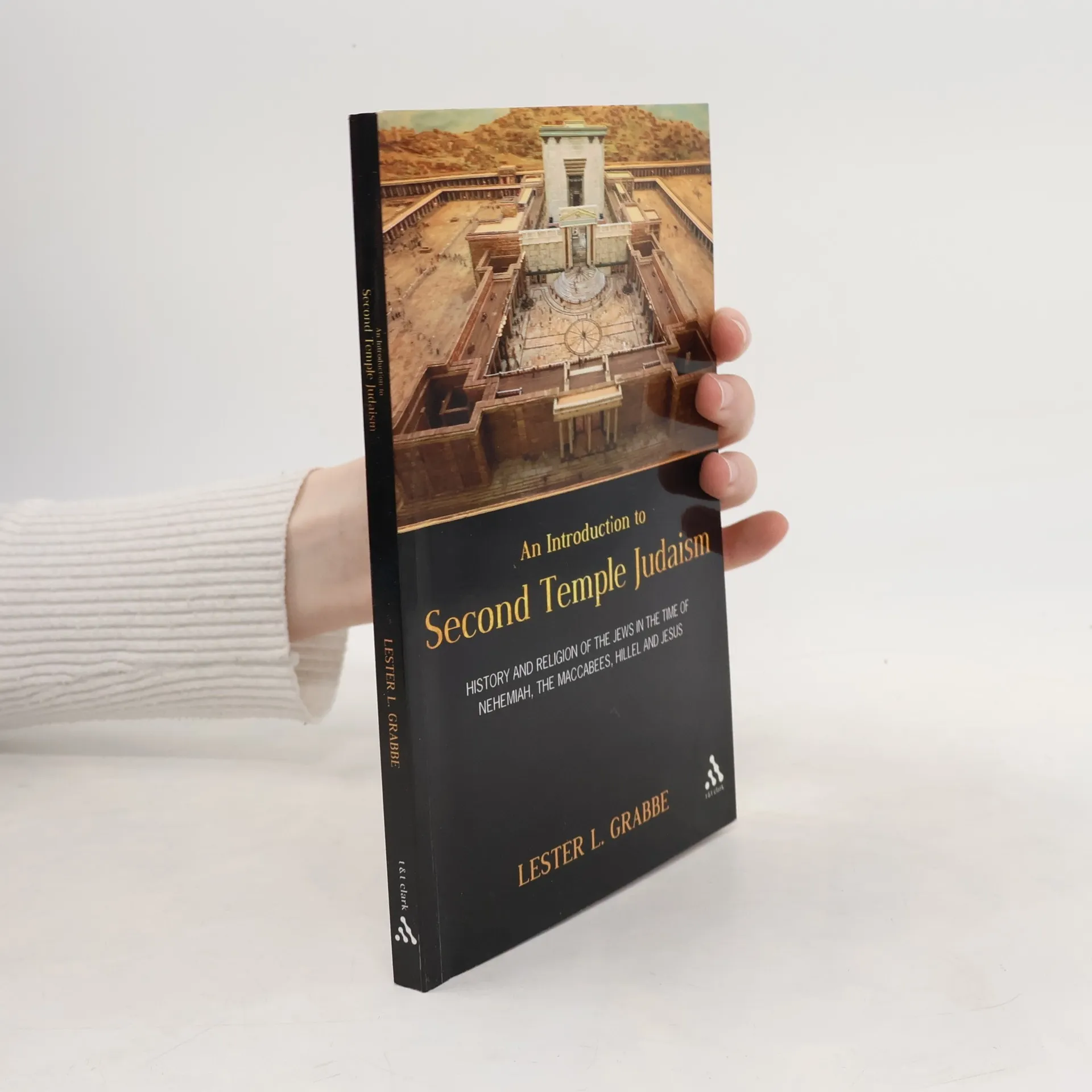
An Introduction to Second Temple Judaism
History and Religion of the Jews in the Time of Nehemiah, the Maccabees, Hillel, and Jesus
- 176 páginas
- 7 horas de lectura
An internationally respected expert on the Second Temple period provides a fully up-to-date introduction to this crucial area of Biblical Studies. This introduction, by a world leader in the field, provides the perfect guide to the Second Temple Period, its history, literature, and religious setting. Lester Grabbe magisterially guides the reader through the period providing a careful overview of the most studied sources, the history surrounding them and the various currents within Judaism at the time. This book will be a core text for courses on the Apocrypha and Pseudepigrapha, as well as Qumran, Intertestamental Literature and Early Judaism.