

As a study guide, this handbook really stands out. It explains the principles very clearly in a logical order and it uses a lot of examples and cases for students to practise the new techniques. The chapters start with a story to show the reallife relevance of the concepts, which is clearly appreciated by the students. Highly recommended for teaching first-year students! Dr Catherine Schaumans, University of Tilburg, The Netherlands
David Besanko Libros

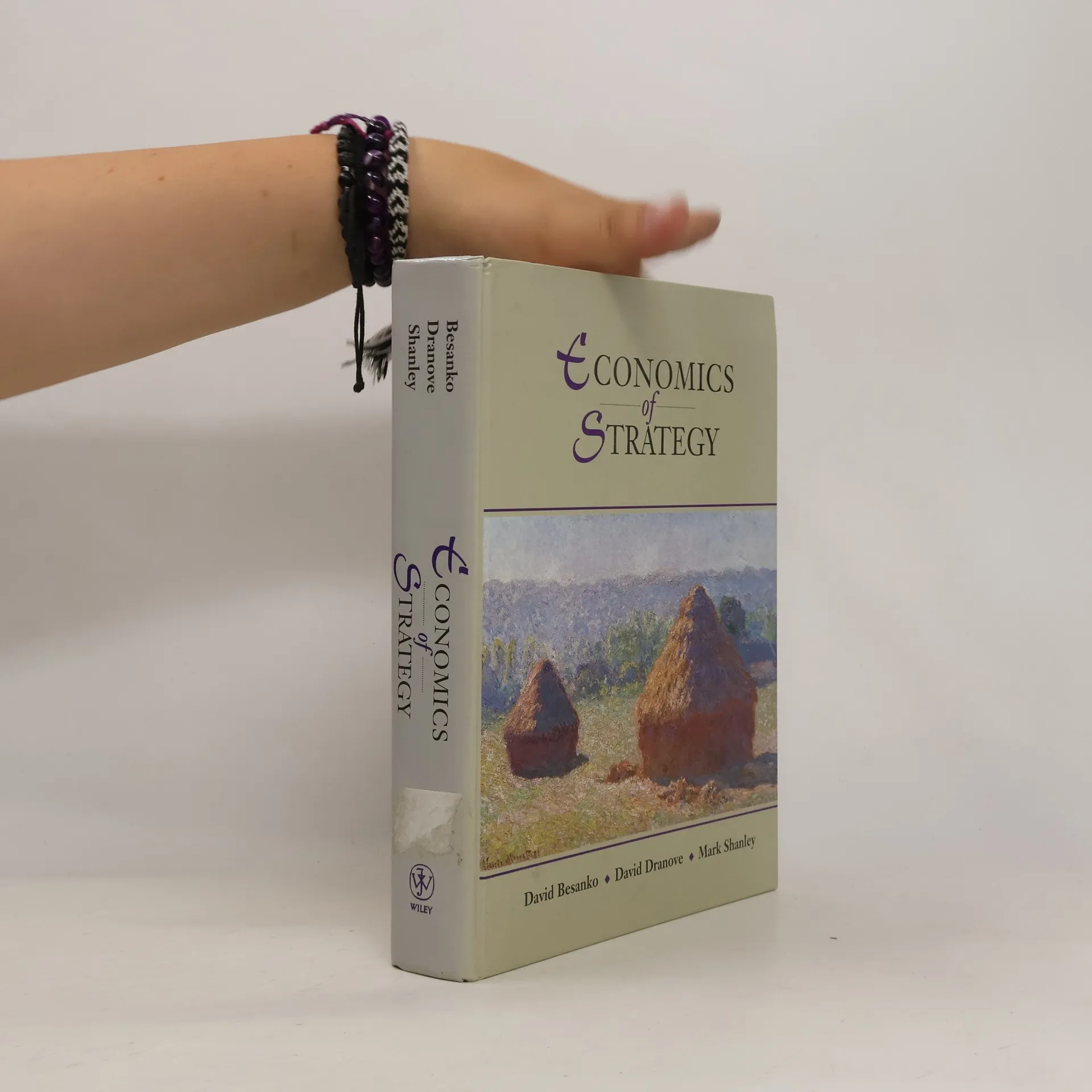
The Economics of Strategy
- 769 páginas
- 27 horas de lectura
This textbook has been designed for use on MBA courses in managerial economics, business policy, competitive strategy or strategic management. It covers the economics of the firm, industrial organization economics, strategic positioning and topics associated with internal organization.
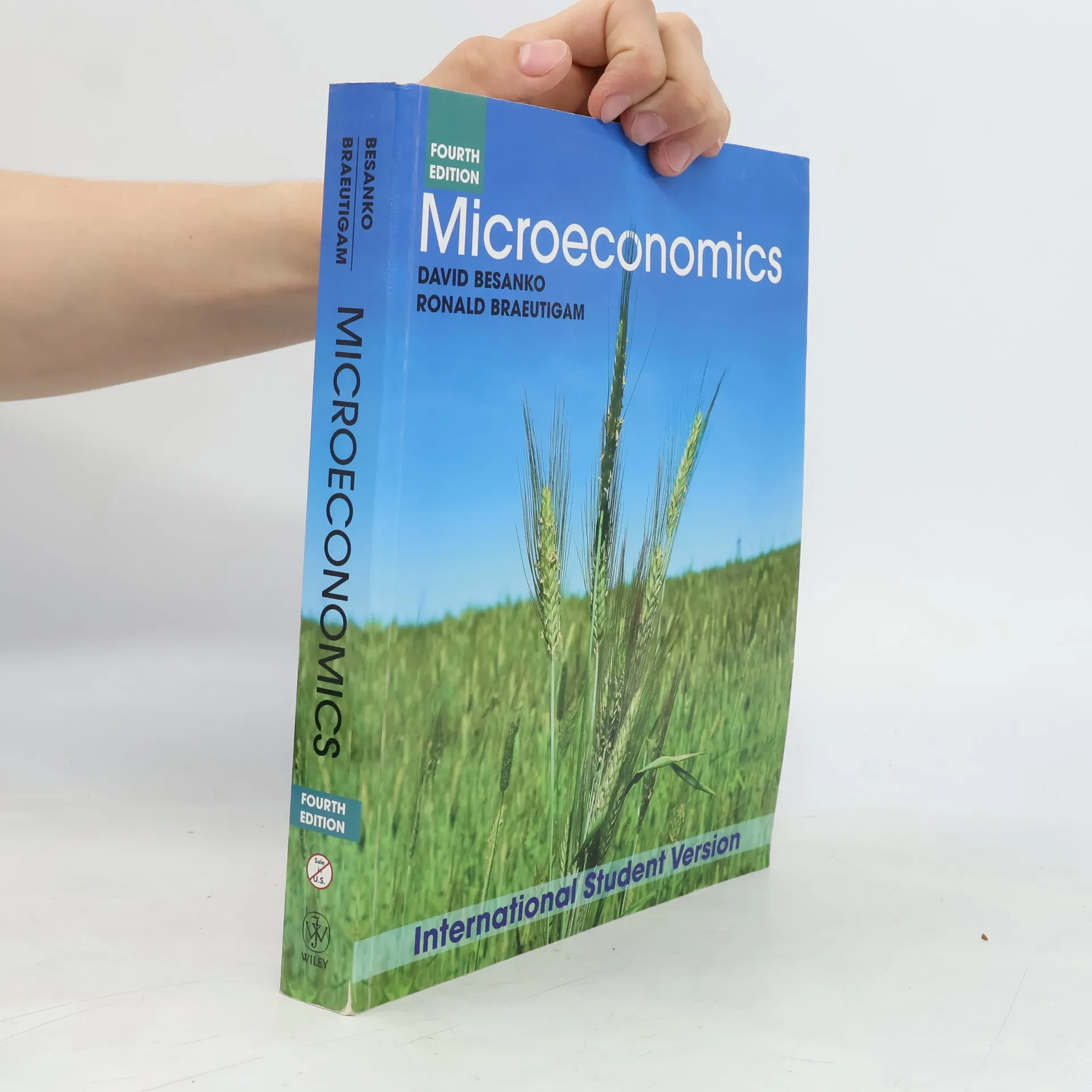
Mikroökonomie
- 974 páginas
- 35 horas de lectura
Als Teilgebiet der Volkswirtschaftslehre beschäftigt sich die Mikroökonomie mit dem wirtschaftlichen Verhalten einzelner Wirtschaftssubjekte (Haushalte und Unternehmen). Neben den Marktakteuren werden auch die Marktstrukturen (Monopol, Oligopol, Polypol) und die jeweiligen institutionellen Rahmenbedingungen berücksichtigt. Das Lehrbuch von Besanko und Braeutigam erklärt Mikroökonomie leicht verständlich und praxisnah. Es enthält viele spannende und aktuelle Anwendungen von wirtschaftspolitischem Interesse (z.B. Klimapolitik und sinnvolle industrieökonomische Beispiele). Verhaltensökonomische Argumente werden eingestreut, ohne dass die traditionelle Theorie vernachlässigt wird. Learning-by-Doing Aufgaben und mathematische Daten in Verbindung mit Graphiken ermöglichen dem Leser, wichtige Konzepte und Strukturen zu verstehen. Die didaktische Aufbereitung der einzelnen Kapitel ermöglicht es den Studierenden auch, sich wesentliche Inhalte im Selbststudium zu erschließen.