


Bookbot

Marc Levinson

    1 de enero de 1953
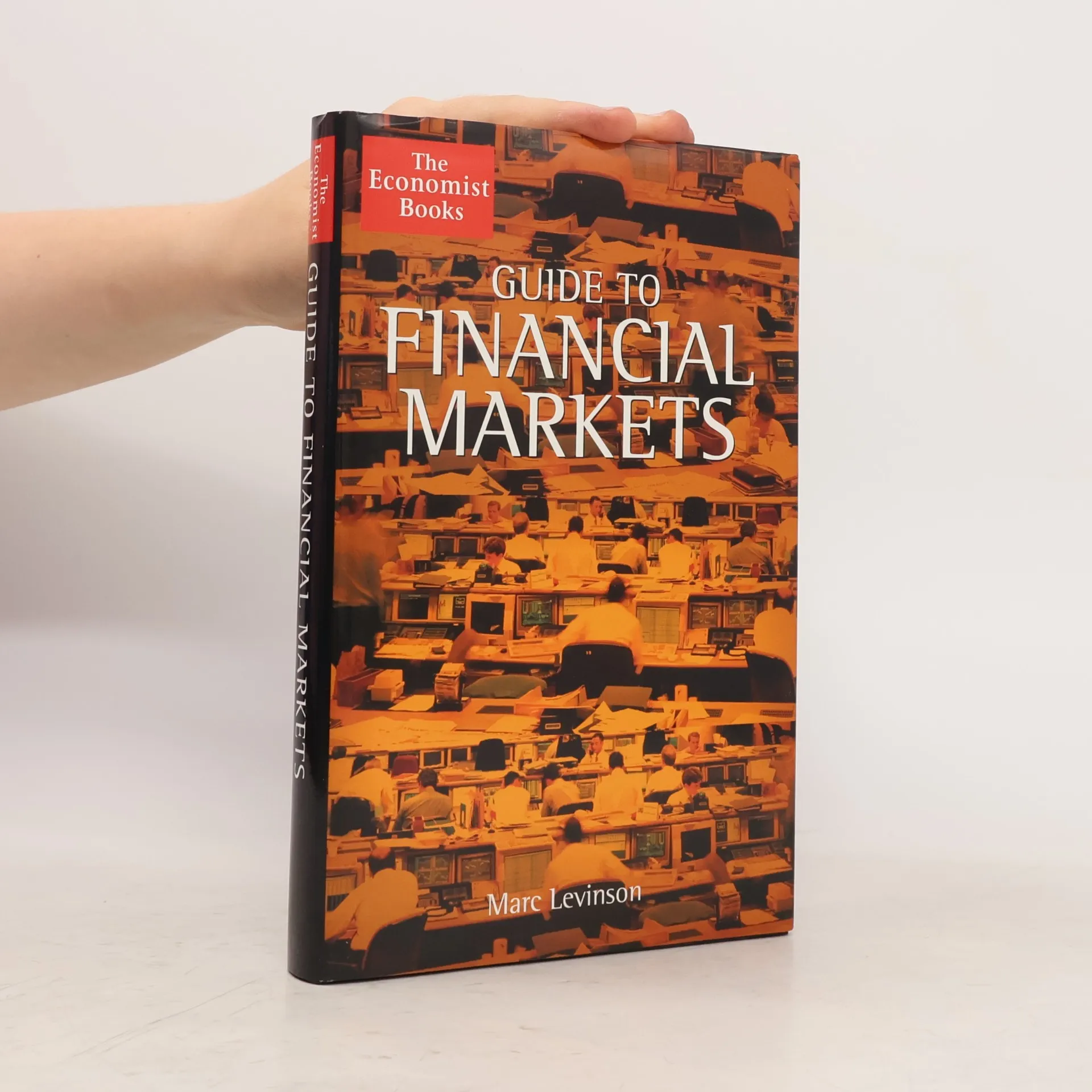
    The Economist Books: Guide to Financial Markets 6th Edition
    Box
    Outside the Box
    • Outside the Box

      • 288 páginas
      • 11 horas de lectura

      The author offers a brief history of globalization through the stories of the people and companies that built global supply chains. The two spheres - the private sector and government - did not go global in tandem, and many developments in one sphere were far more impactful in the other than imagined at the time. The book narrates the development of global supply chains in response to trends in both, telling stories ranging from a Prussian-born trader in New Jersey in the 1760s who dreamed of building a vertically-integrated metals empire, to new megaships too big to call on most of the world's ports leaving half empty, as globalization entered a new stage in its history around 2006. Bringing the story up to the early 2020s, the author illustrates how we're not experiencing the end of globalization, only its transformation. As one type of globalization is declining, a new one is on the rise. --

      Outside the Box2020
      3,9
    • Box

      • 544 páginas
      • 20 horas de lectura

      In April 1956, a refitted oil tanker carried fifty-eight shipping containers from Newark to Houston. From that modest beginning, container shipping developed into a huge industry that reshaped manufacturing. But the container didn't just happen. Its adoption required huge sums of money, years of high-stakes bargaining, and delicate negotiation on standards. Now with a new chapter, The Box tells the dramatic story of how the drive and imagination of an iconoclastic entrepreneur turned containerization from an impractical idea into a phenomenon that transformed economic geography, slashed transportation costs, and made the boom in global trade possible. -- from back cover.

      Box2006
      3,8
    • Extensively revised to reflect the dramatic shifts and consolidation of the financial markets, the seventh edition of this highly regarded book provides a clear and incisive guide to a complex world that even those who work in it often find hard to understand. With chapters on the markets that deal with money, foreign exchange, equities, bonds, commodities, financial futures, options and other derivatives, it looks at why these markets exist, how they work and who trades in them, and it gives a run-down of the factors that affect prices and rates. Business history is littered with disasters that occurred because people involved their firms with financial instruments they didn't properly understand. If they had had this book they might have avoided their mistakes. For anyone wishing to understand financial markets, there is no better guide.

      The Economist Books: Guide to Financial Markets 6th Edition1999
      3,5