
Bookbot

Dominik Jerábek

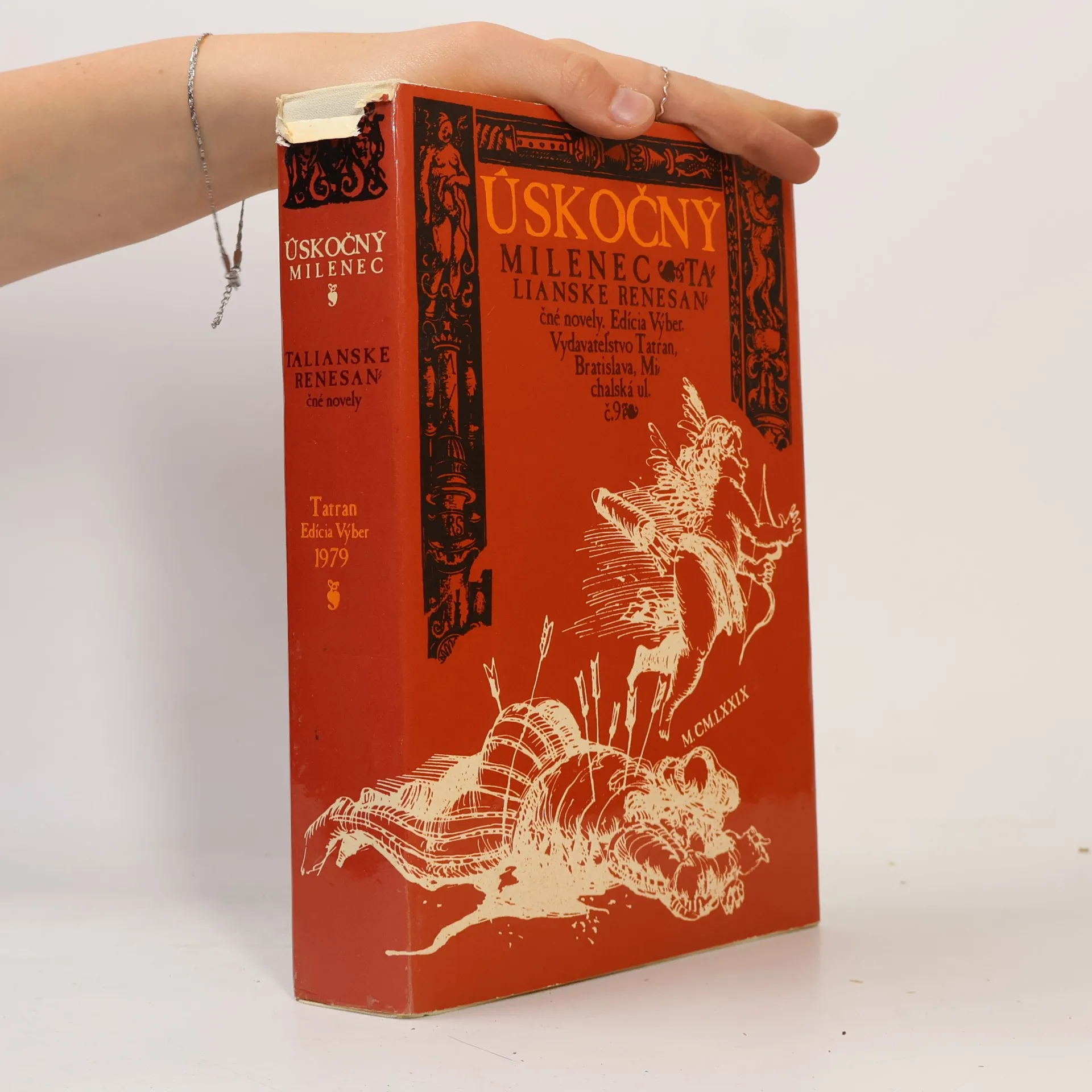
    Úskočný milenec. Talianské renesančné novely
    Mladé rampy
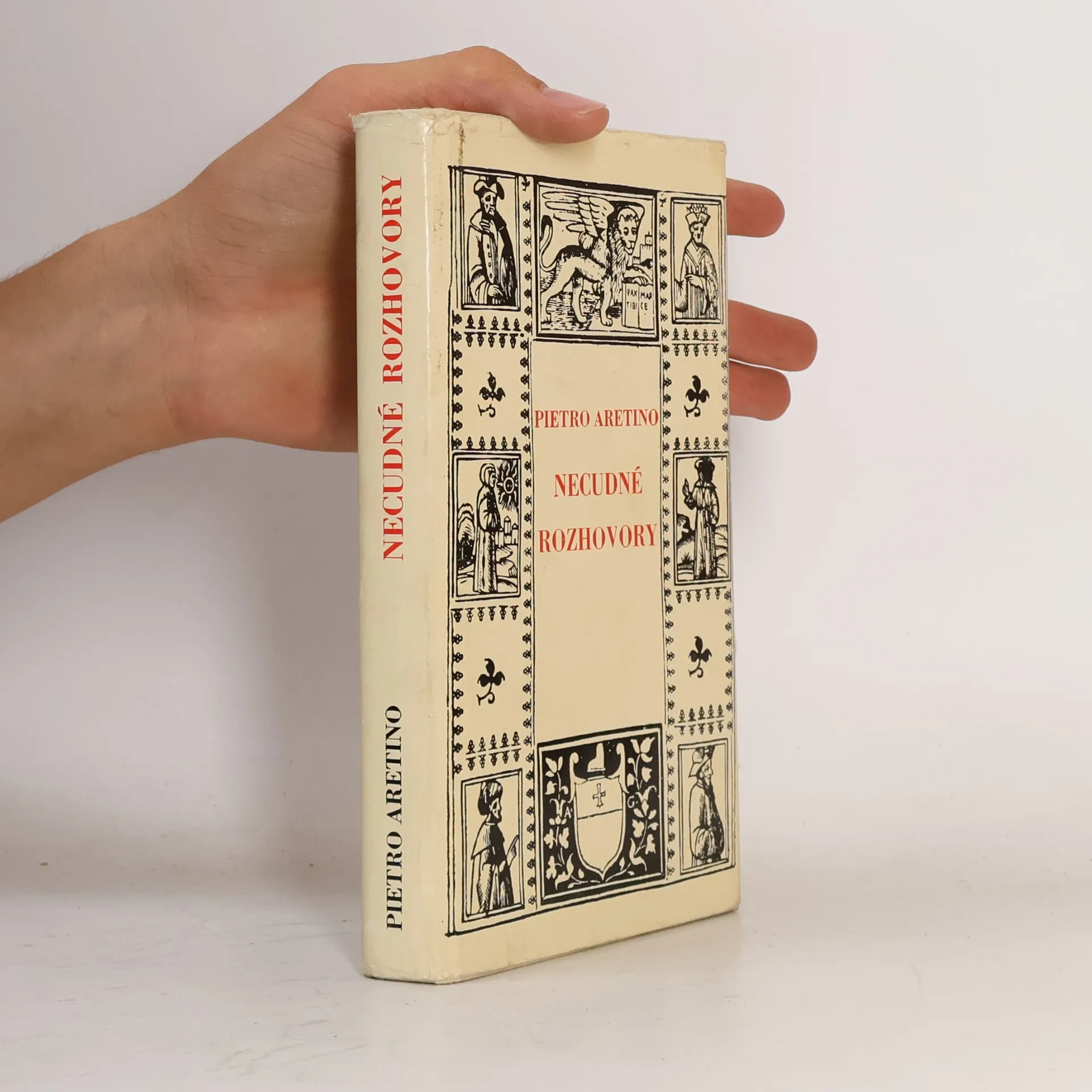
    Necudné rozhovory
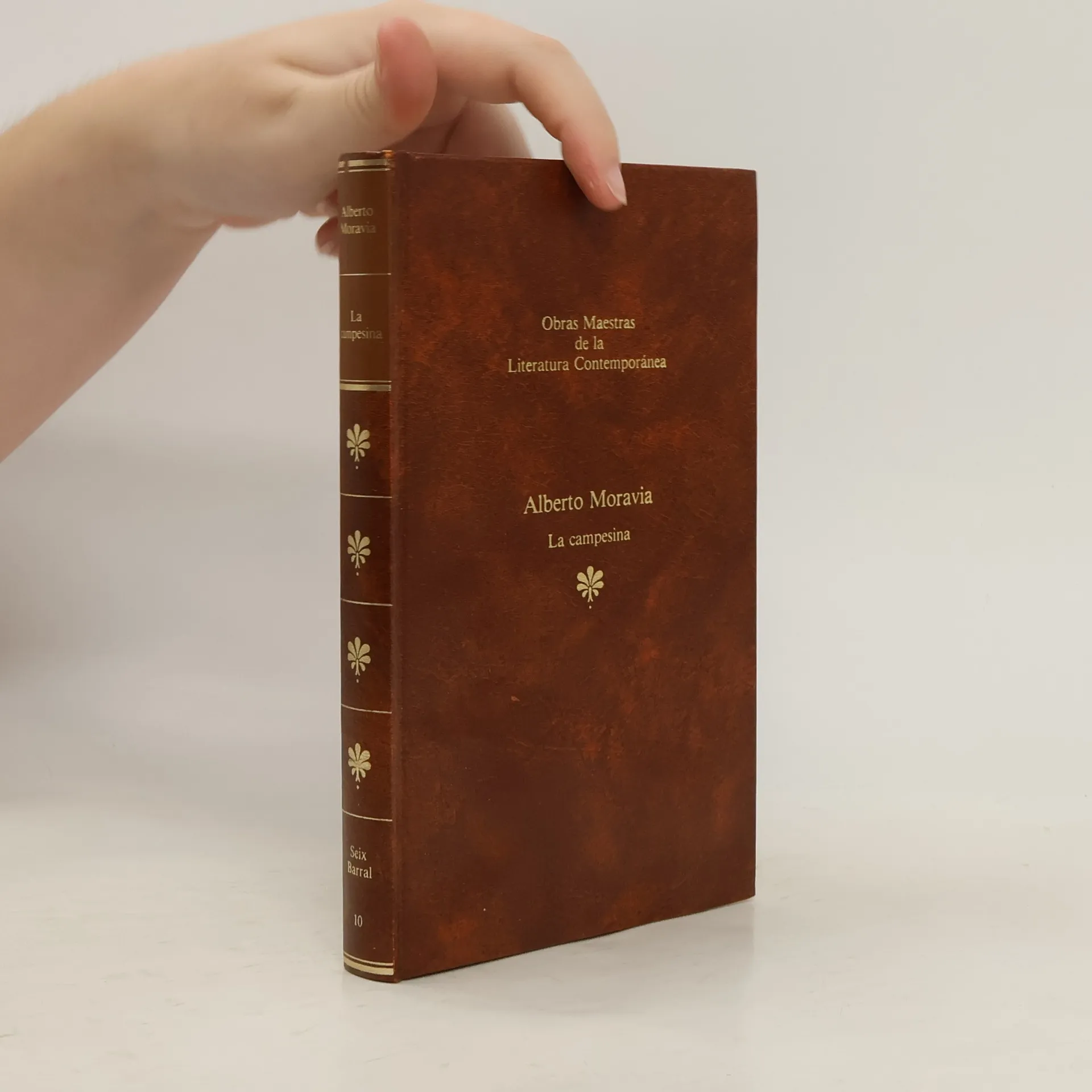
    La campesina
    V mene synovom
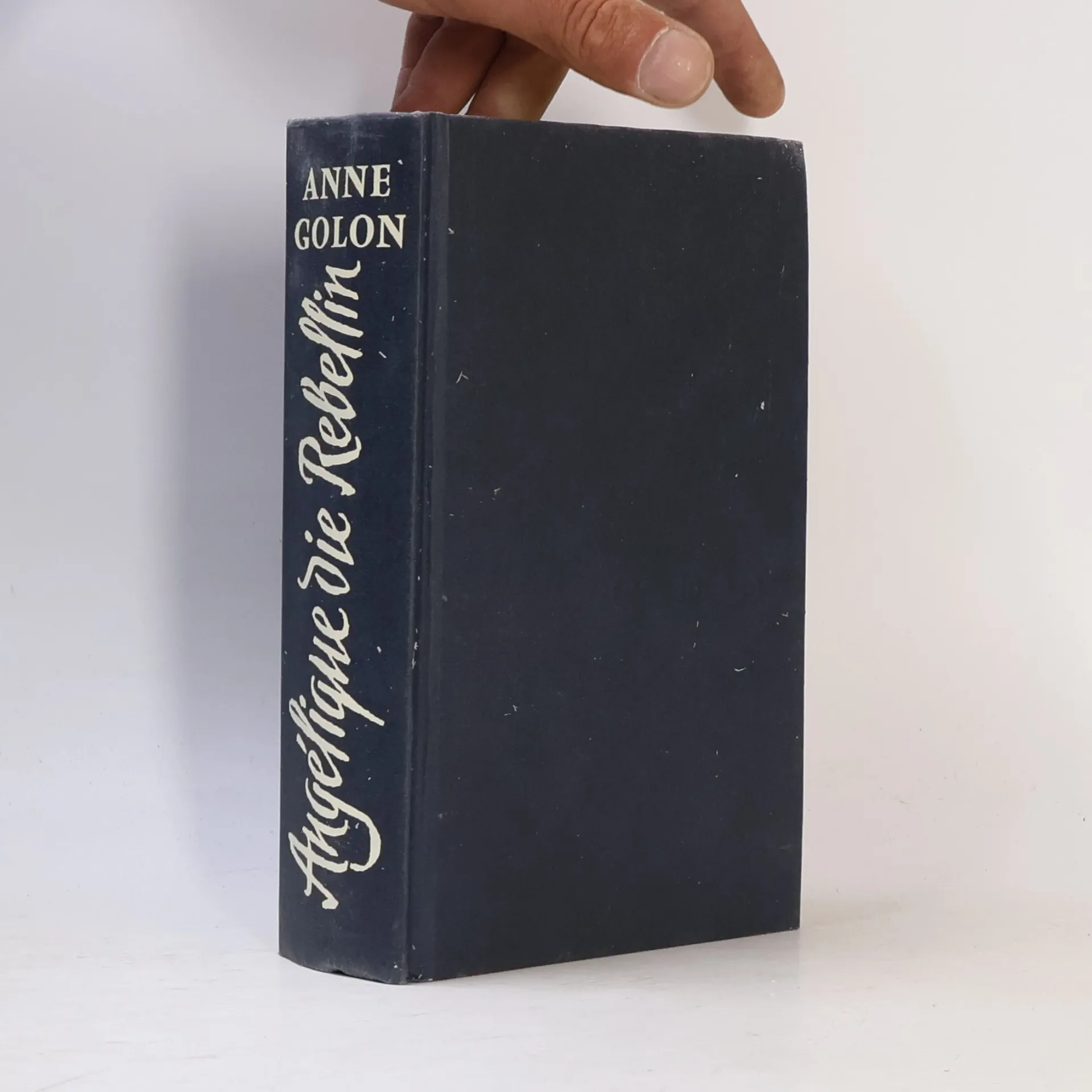
    Angélique, die Rebellin
    • La campesina

      • 284 páginas
      • 10 horas de lectura

      FIRST PUBLISHED in English in 1958, Two Women is a compassionate yet forthright narrative of simple people struggling to survive in war. The two women are Cesira, a widowed Roman shopkeeper, and her daughter Rosetta, a naive teenager of haunting beauty and devout faith. When the German occupation of Rome becomes imminent, Cesira packs a few provisions, sews her life savings into the seams of her dress, and flees with Rosetta to her native province of Ciociara, a poor, mountainous region south of Rome. Cesira's currency soon loses its value, and a vicious barter economy, fraught with shifty traffickers and thieves, emerges among the mountain peasants and refugees. Mother and daughter endure nine months of hunger, cold, and filth as they await the arrival of the Allied forces. Cesira scarcely cares who wins the war, so long as victory comes soon and brings with it a return to her quiet shopkeeper's life. Instead, the Liberation brings tragedy. While heading back to Rome the pair are attacked by a group of Allied Moroccan soldiers, who rape Rosetta and beat Cesira unconscious. This act of violence and its resulting loss of innocence so embitters Rosetta that she falls numbly into a life of prostitution. Throughout these hardships Moravia offers up an intimate portrayal of the anguish and destruction wrought by war, both on the battlefield and upon those far from the fray.
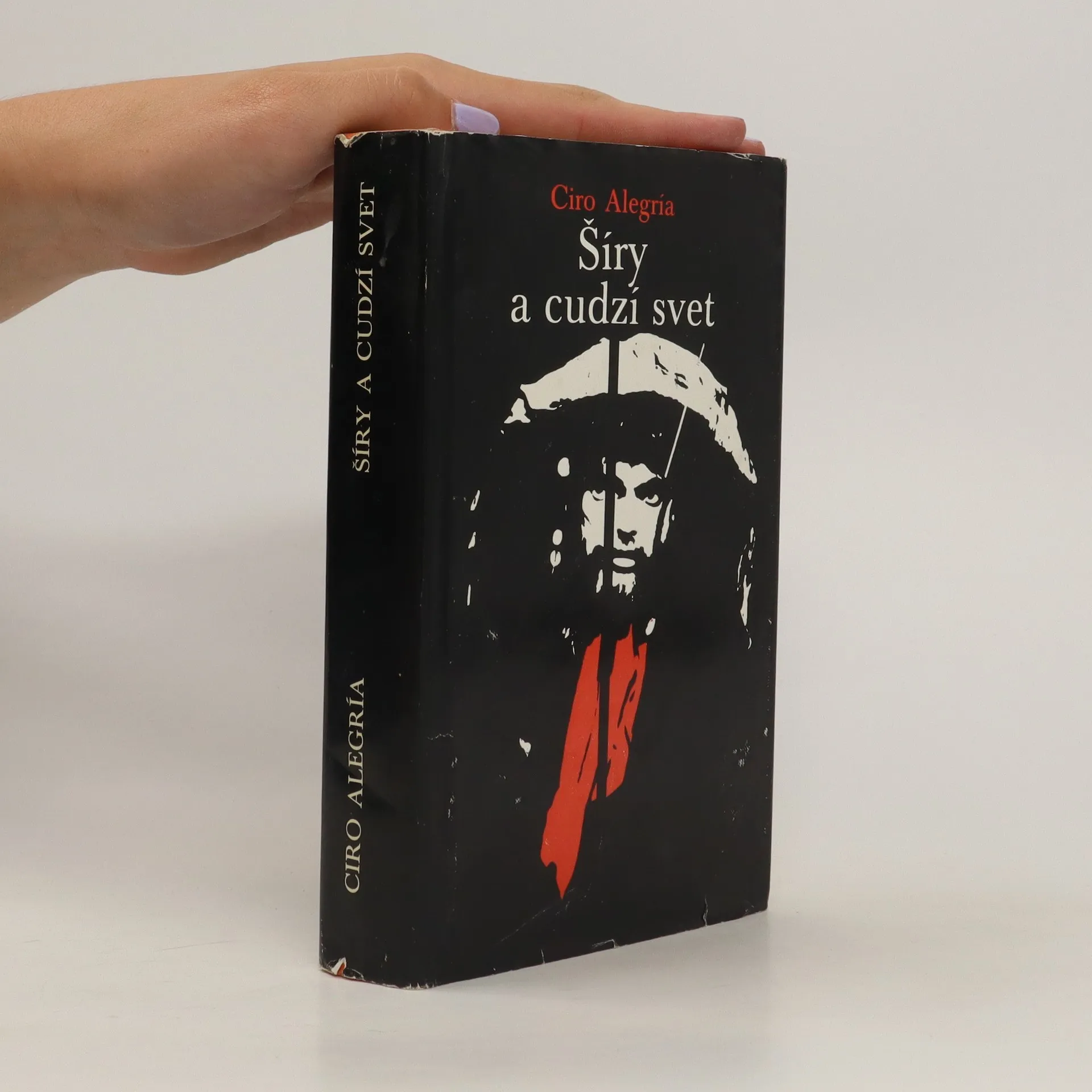
      La campesina1992
      4,2
    • Román je preniknutý láskou syna k nevlastnému otcovi, ktorý mu bol opravdivým otcom. Lebo "otcom nie je ten, koho uvádza zákon, ale koho uznal za svojho otca syn". Nie povinnosť diktovaná zákonom, lež zákon diktovaný srdcom.

      V mene synovom1979
      3,0
    • Milý prior, hovorí Florenťan Berto Folchi, ktorého práve drsne vyušili pri ľúbostnom dobrodružstve, "porozprávam vám najkrajšiu novinku, akú ste kedy počuli." A tu sa novela definuje sama. Niečo sa stalo, priamo medzi nami, v našom strede v dedine pri Florencii, niečo celkom všedné: dvaja sa milujú vo vinici, okoloidúci pocestný má smäd a chce si ukradnúť trochu hrozna, pri skoku cez múrik narazí na chrbát milencovi, zlodej sa vydesí, rozkričí, zburcuje sa dedina krikom i zvonením - slovom, dosť látky na "novelu", ktorú treba len dorozprávať.

      Úskočný milenec. Talianské renesančné novely1979
    • Nach unglaublichen Abenteuern im Mittelmeer gelangt Angélique in den Harem des Mulej Ismaels, aus dem es kein Entkommen gibt. Doch sie überwindet auch dieses Hindernis und kehrt zusammen mit dem König der Sklaven, Colin Patwel, nach einem mühsamen Marsch durch die Wüste nach Frankreich zurück. Es ist jedoch keine glückliche Rückkehr. Sie erwartet ein Hausarrest auf ihrem eigenen Gut, aus dem es nur zwei Auswege gibt. Entweder unterwirft sie sich dem König, den sie durch ihre Flucht verletzt und beleidigt hat, oder sie riskiert das Gefängnis. Sie wählt jedoch eine dritte Lösung, die ihrem stolzen Wesen entspricht – sie erhebt sich gegen das ganze Land. Sie hat Frankreich und den König aufgegeben. Man hat ihr alles genommen: ihren geliebten Ehemann, ihren Sohn, ihren Bruder Gontran, den Maler, der die Freiheit so liebte und das Unrecht so sehr hasste. Wird Angélique aus diesem Kampf siegreich hervorgehen, oder wird der französische König die Frau, nach der er sich so sehnt, zu Boden zwingen?

      Angélique, die Rebellin1972
      4,2
    • Sú to tri rozhovory odohrávajúce sa v 16. storočí: prvý rozpráva o živote mníšok, druhý o vydatých ženách a tretí o živote neviestok.

      Necudné rozhovory1971
      3,1