A comprehensive history of German society in this period, providing a broad survey of its development. The volume is thematically organized and designed to give easy access to the major topics and issues of the Bismarkian and Wilhelmine eras. The statistical appendix contains a wide range of social, economic and political data. Written with the English-speaking student in mind, this book is likely to become a widely used text for this period, incorporating as it does twenty years of further research on the German Empire since the appearance of Hans-Ulrich Wehler's classic work.
Volker R. Volker Rolf Berghahn Libros
15 de febrero de 1938

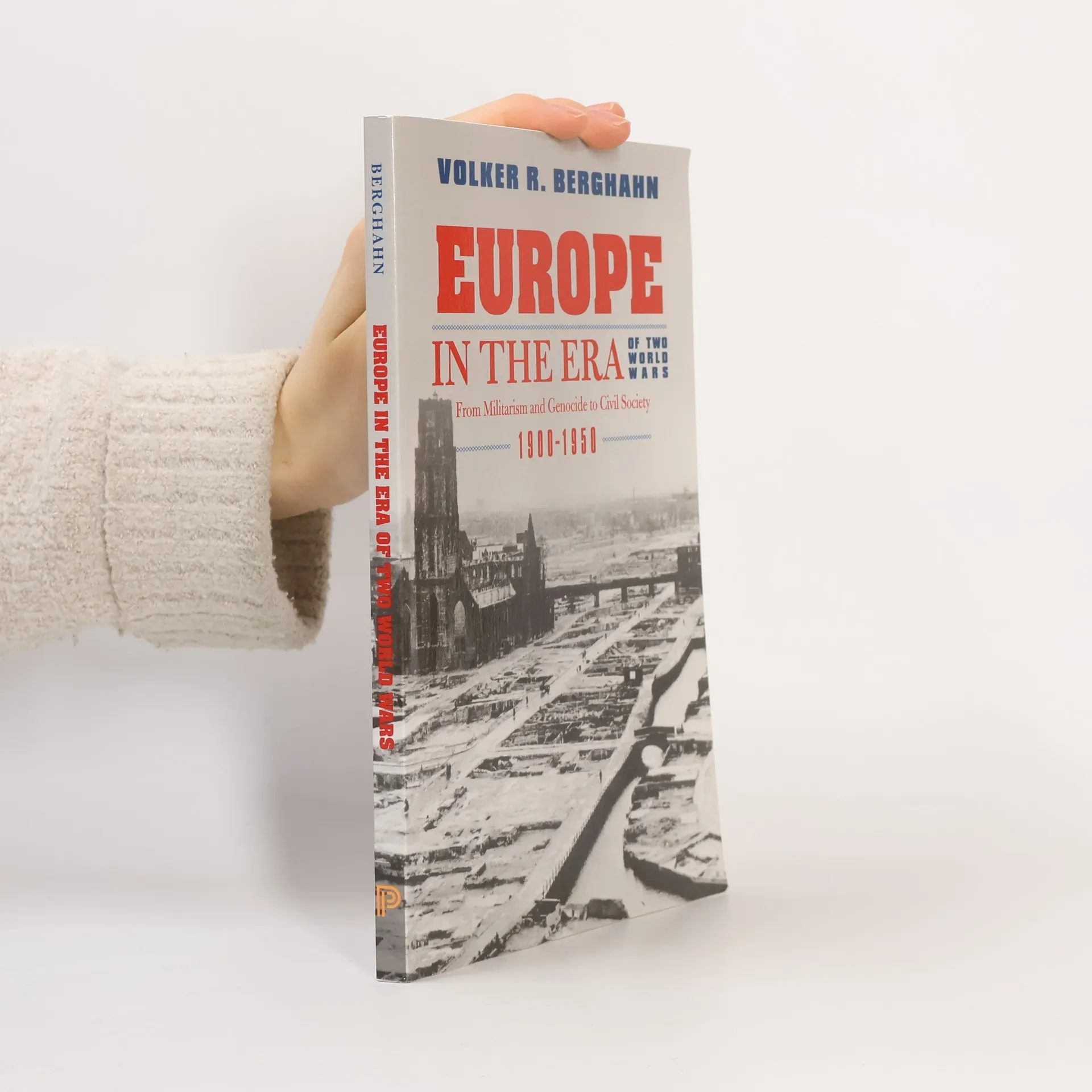
Europe in the Era of Two World Wars
From Militarism and Genocide to Civil Society, 1900-1950
- 163 páginas
- 6 horas de lectura
How and why did Europe spawn dictatorships and violence in the first half of the 20th century, and then, after 1945 in the west and after 1989 in the east, create successful civilian societies? This book explains the rise and fall of the men of violence whose wars and civil wars twice devastated large areas of the European continent and Russia.
The Making of the Twentieth Century: Germany and the Approach of War in 1914
Second Edition
- 265 páginas
- 10 horas de lectura
Slightly stained on top edge textblock. A very nice copy. All our books are individually inspected, rated and described. Never EX-LIB unless specifically listed as such
Modern Germany
Society, Economy and Politics in the Twentieth Century - Second Edition
- 341 páginas
- 12 horas de lectura
A comprehensive updated and expanded overview and interpretation of the development of Germany in the twentieth century, a country whose history has decisively shaped the map and the politics of modern Europe and the world in which we live.
International Political Curren: The Quest for Economic Empire
European Strategies of German Big Business in the Twentieth Century
- 224 páginas
- 8 horas de lectura
German unification evoked ambivalent reactions outside its borders: it revived disquietingmemories of attempts by German big business during the two world wars to build an economic empire in Europe in conjunction with the military and the government bureaucracy. But thereare also high hopes that German finance and industry will serve as the engine of reconstruction in eastern Europe, just as it played this role in the postwar unification of western Europe.
Am 28. Juni 1914 werden der österreichische Thronfolger Franz Ferdinand und seine Frau in Sarajewo ermordet. Im Mittelpunkt des Buches steht der darauf folgende Zusammenbruch der Großmachtbalance des 19. Jahrhunderts, der Beginn und Verlauf des Ersten Weltkriegs, die internationale Neuordnung und die Entwicklung der neuen Mächtekonstellation. Das Buch ist Teil der Reihe „20 Tage im 20. Jahrhundert“, mit der anhand 20 ausgewählter Tage die Geschichte des letzten Jahrhunderts dargestellt wird. Die 20 Tagesereignisse sind Ausgangspunkt für eine umfassende Darstellung der internationalen, gesellschaftlichen, wirtschaftlichen und kulturellen Entwicklung des letzten Jahrhunderts des zweiten Jahrtausends. Das Ergebnis: eine Bilanz des 20. Jahrhunderts.
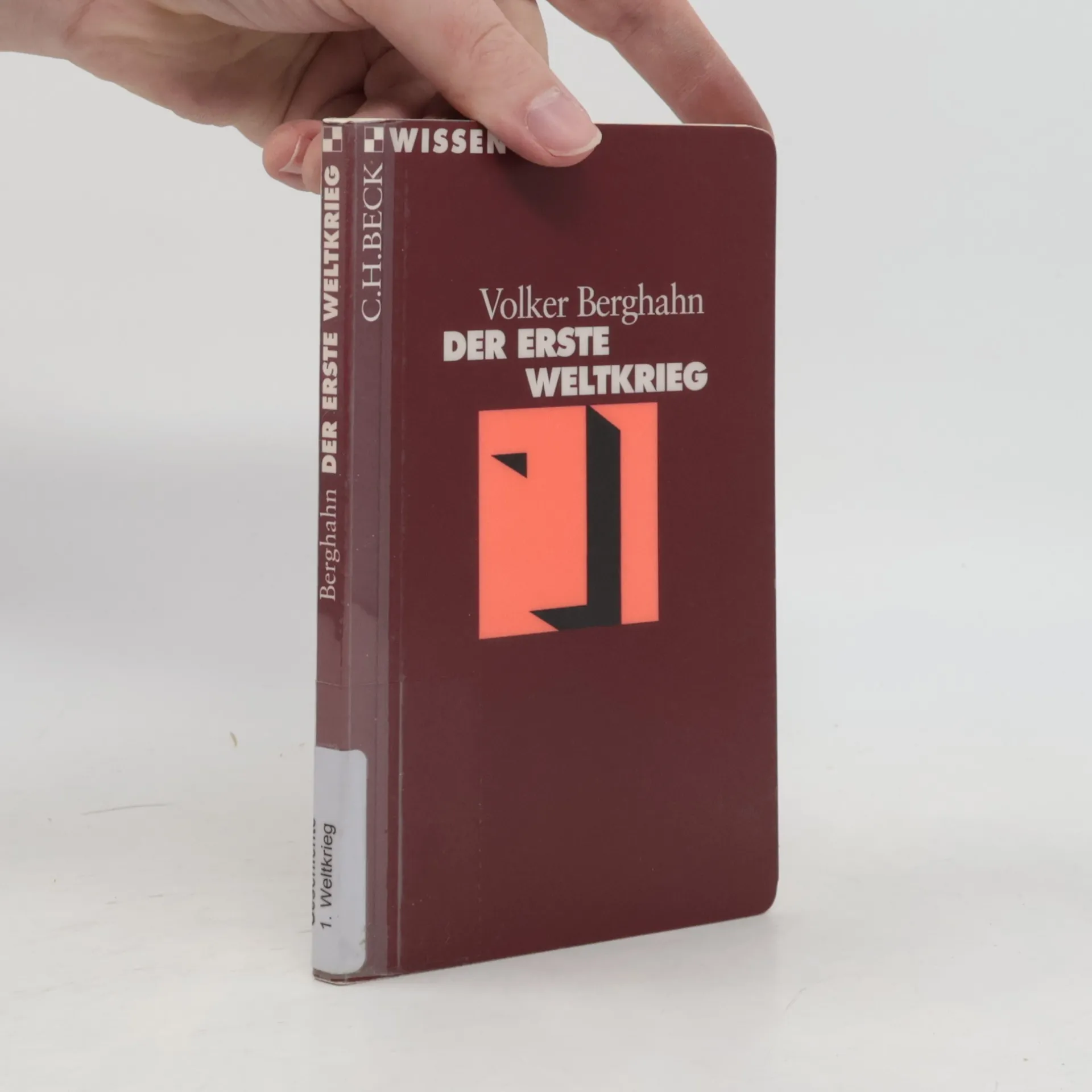
Der Erste Weltkrieg
- 120 páginas
- 5 horas de lectura
Knapp und anschaulich stellt dieser Band die Geschichte des Ersten Weltkriegs dar. Volker Berghahn erläutert darin nicht nur die Militär- und Politikgeschichte des Krieges, sondern auch die Sozial- und Alltagsgeschichte an Front und Heimatfront. Ein Vorwort zur Neuauflage behandelt zunächst die neuesten Forschungen. Nach einer Erläuterung der Ursprünge des Krieges und der Julikrise von 1914 folgt dann eine Analyse des Krieges aus der Perspektive der politischen, militärischen und wirtschaftlichen Eliten, bevor in einem weiteren Kapitel von «unten» die Erfahrungen von Millionen von Soldaten an allen Fronten sowie der in der Heimat zurückgebliebenen Frauen und Kinder geschildert werden. Das Buch endet mit einer Darstellung des Zusammenbruchs erst des russischen Zarenreichs 1917 und der beiden mitteleuropäischen Monarchien ein Jahr später.
Englands Brexit und Abschied von der Welt
Zu den Ursachen des Niedergangs der britischen Weltmacht im 20. und 21. Jahrhundert
- 280 páginas
- 10 horas de lectura
Als sich 2016 die knappe Mehrheit der Briten in einem Volksentscheid fÜr den Austritt aus der EU entschied, schÜttelten nicht nur die BÜrger der europäischen Nachbarländer den Kopf. Warum glaubte eine Nation im Zeitalter der internationalen Verflechtungen ihrer Wirtschaft und Politik, im Alleingang durch Erlangung nationaler Souveränität einen erneuten Aufstieg in den Kreis der Großmächte erreichen zu können? Volker Berghahn stellt den Brexit in eine langfristige historische Entwicklung, ohne die die Traditionen und Emotionen, die in der heftig gefÜhrten Debatte der letzten vier Jahren an die Oberfläche kamen, nicht zu verstehen sind. Er zeigt, dass die Wurzeln des Brexit in den beiden von Deutschland ausgelösten Weltkriegen und des dadurch verursachten wirtschaftlichen und politischen Niedergangs Großbritanniens im 20. Jahrhundert liegen.
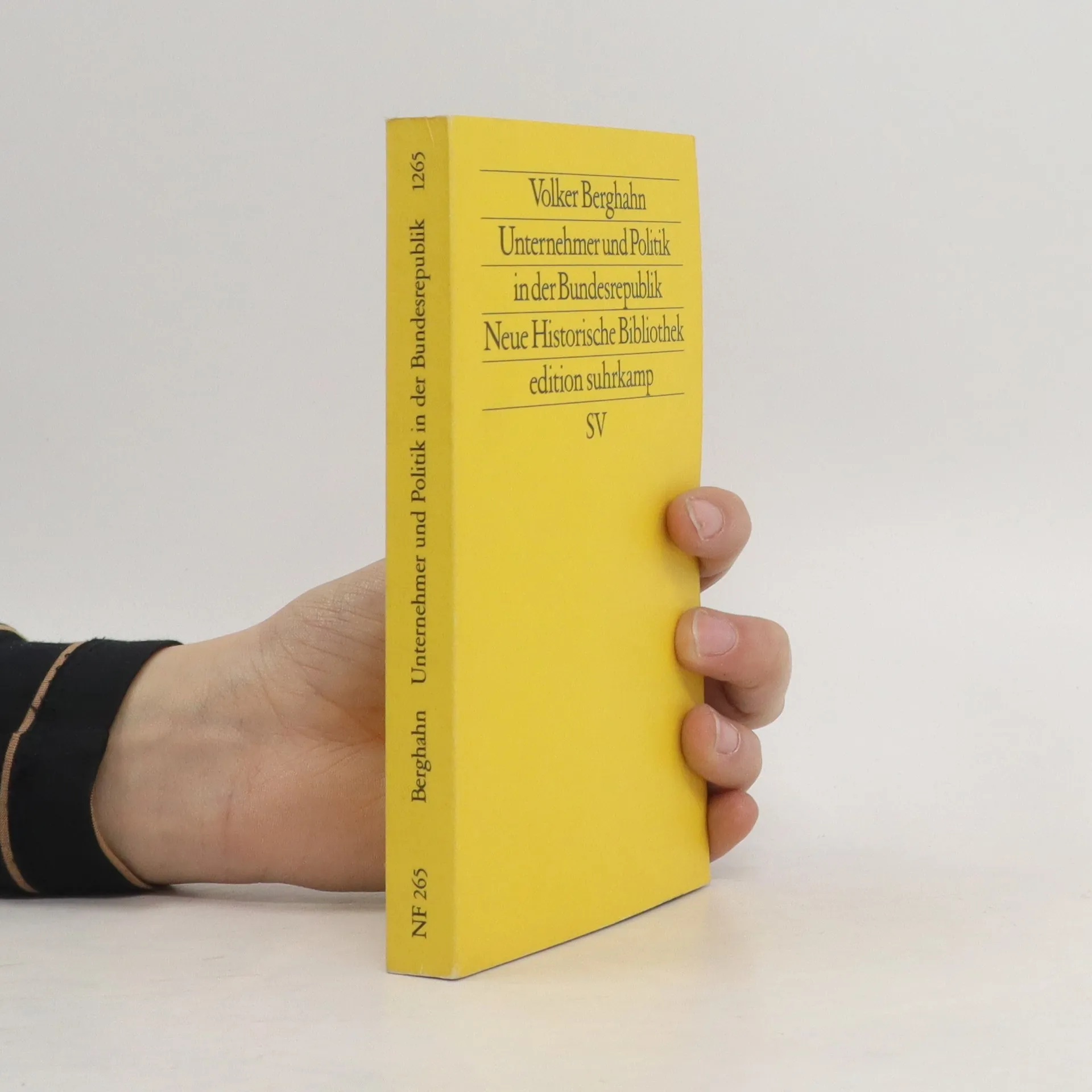
Unternehmer und Politik in der Bundesrepublik
- 363 páginas
- 13 horas de lectura
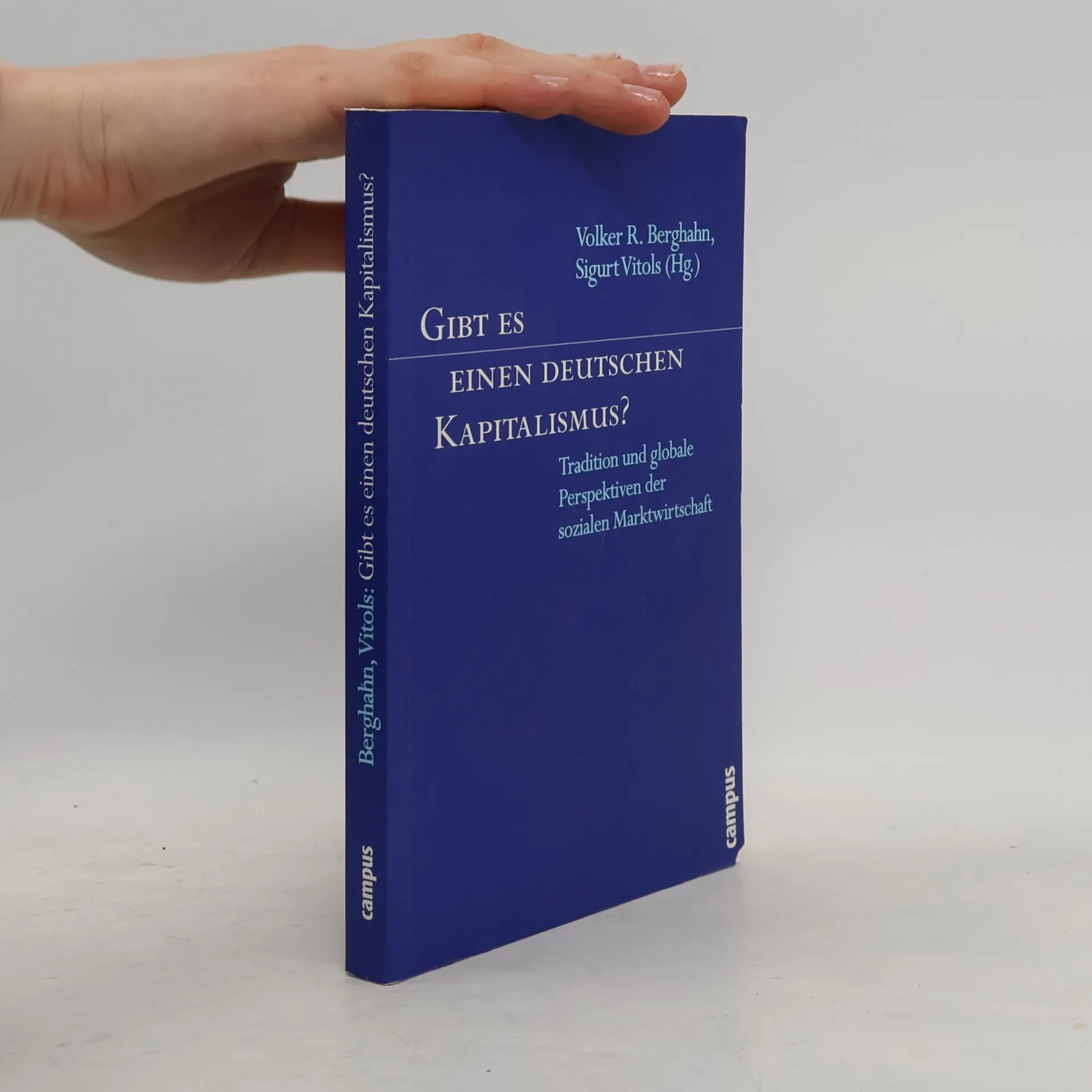
Gibt es einen deutschen Kapitalismus?
Tradition und globale Perspektiven der sozialen Marktwirtschaft
- 229 páginas
- 9 horas de lectura
Politik und Wissenschaft haben in den vergangenen Jahren die Debatte über die verschiedenen Varianten des Kapitalismus neu angestoßen. In diesem Band diskutieren Sozialwissenschaftler und Ökonomen, Wirtschaftshistoriker und Konsumforscher die Frage, was den deutschen Kapitalismus historisch und aktuell von anderen Ausprägungen der freien Marktwirtschaft unterscheidet. Ihr Fazit: Der Druck der USA und ihrer neoliberalen Wirtschaftspolitik wird sich weiter auf Europa und damit auch auf Deutschland auswirken. Dabei ist es wichtig, eine soziale Marktwirtschaft zu erhalten, die sich im Rahmen der Weltwirtschaft zu behaupten vermag, ohne die wirtschaftlichen und sozialen Traditionen des deutschen Kapitalismus aufzugeben. Mit Beiträgen von Werner Abelshauser, Volker R. Berghahn, Christoph Deutschmann, Anke Hassel, Christian Kleinschmidt, Jürgen Kocka, Gerhard Lehmbruch, Reinhard Neebe, Mary Nolan, Michael Prinz, Sigrid Quack, David Soskice, Sigurt Vitols und Jonathan Wiesen
Hans-Günther Sohl als Stahlunternehmer und Präsident des Bundesverbandes der Deutschen Industrie 1906-1989
- 587 páginas
- 21 horas de lectura