A People's History Of Civilization
- 311 páginas
- 11 horas de lectura
Has civilization been a good idea? Zerzan doesn't think so. We may need this critical perspective, as the nature of civilization becomes clearer--and more frightening!


Este autor estadounidense es un anarquista, primitivista, filósofo y escritor cuya obra critica la civilización agrícola como intrínsecamente opresiva. Aboga por inspirarse en los modos de vida de los cazadores-recolectores para imaginar cómo podría ser una sociedad libre. Sus críticas abarcan temas como la domesticación, el lenguaje, el pensamiento simbólico (incluyendo las matemáticas y el arte) y el concepto de tiempo.
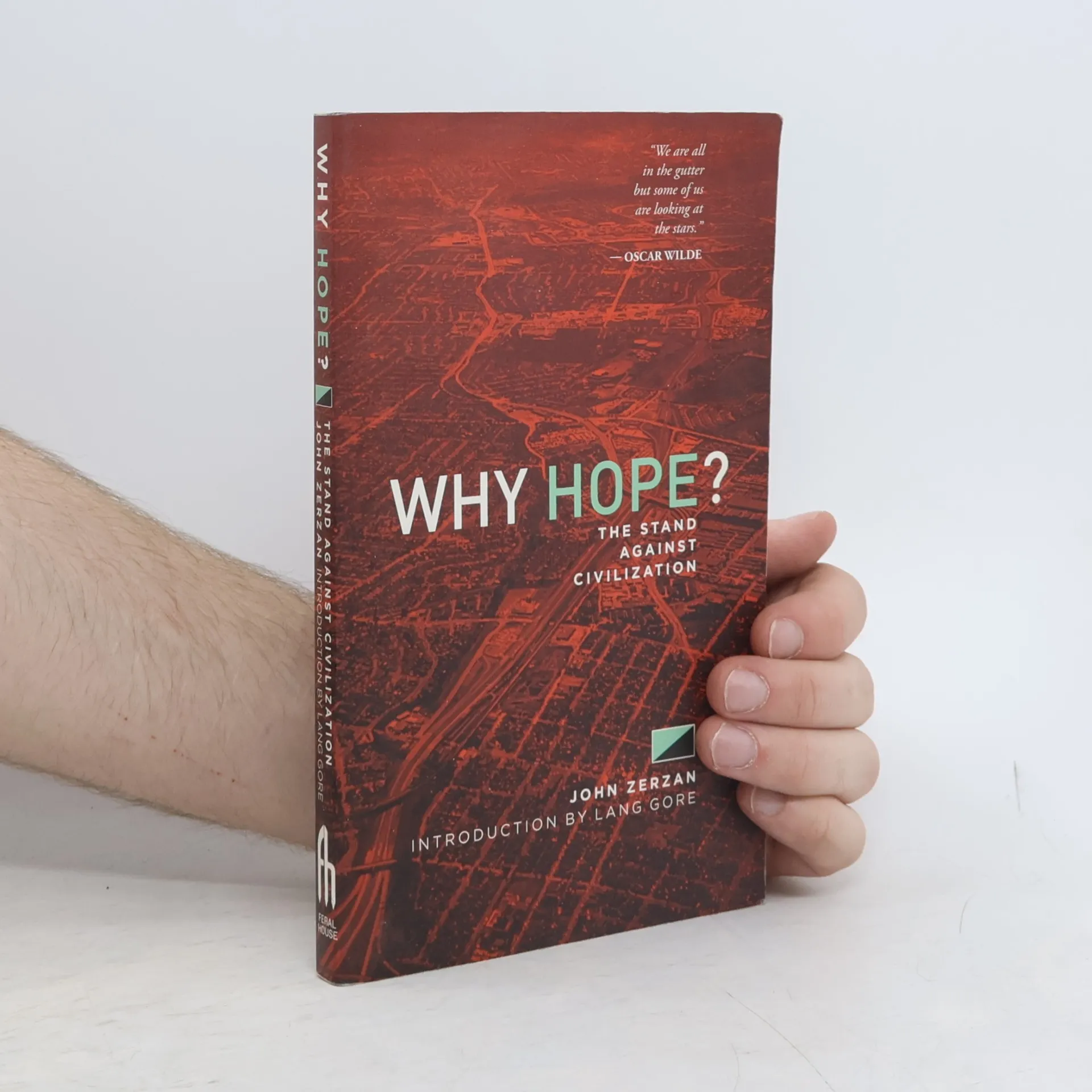
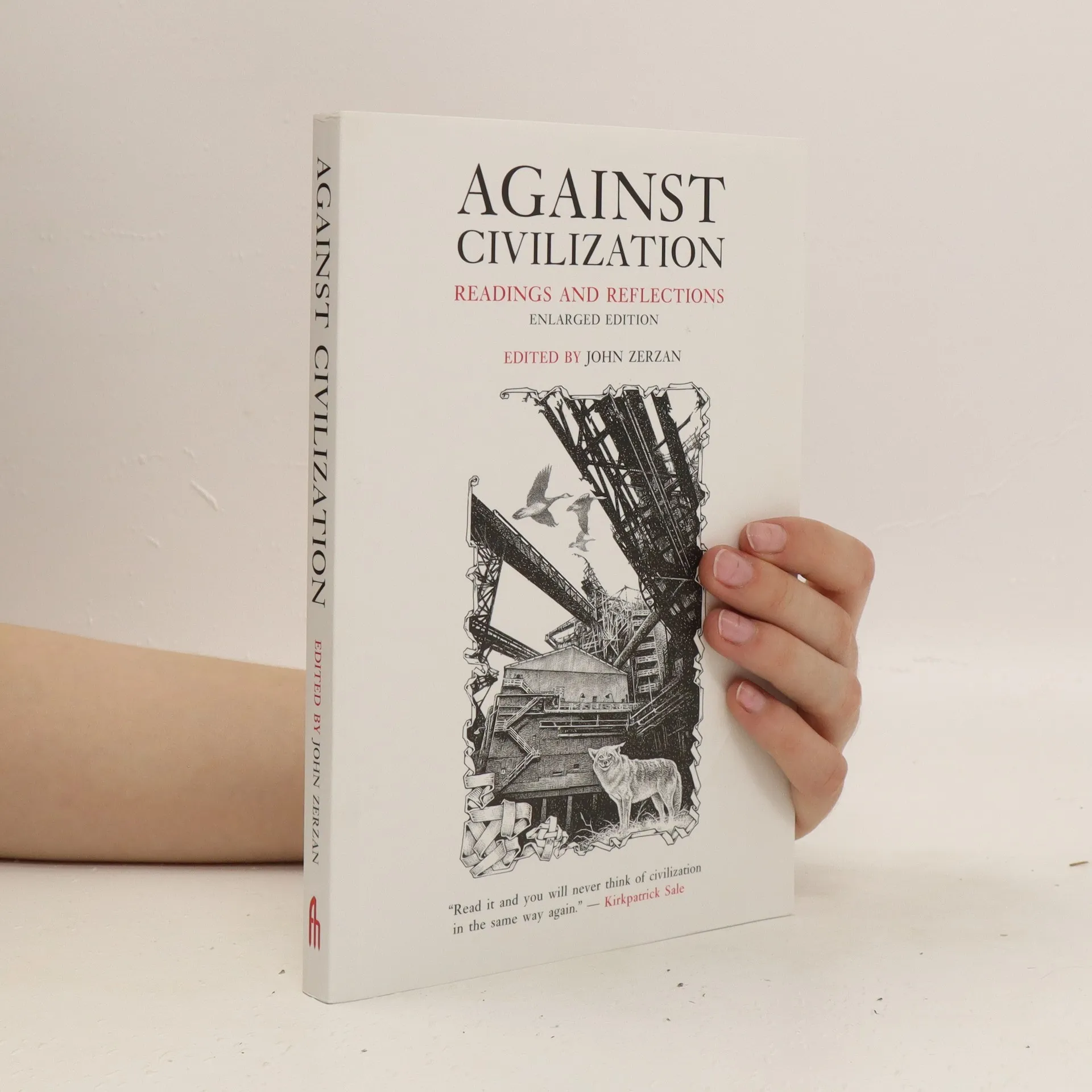

Has civilization been a good idea? Zerzan doesn't think so. We may need this critical perspective, as the nature of civilization becomes clearer--and more frightening!
“Read it and you will never think of civilization in the same way again.”—Kirkpatrick SaleThis anthology about "the pathology of civilization" offers insight into how progress and technology have led to emptiness and alienation.
The infamous eco-anarchist John Zerzan whose books have resulted in recent interviews by Vice and Believer magazines, checks in with further provocative articles about the chaotic results of civilization and technology. Says novelist Lang Gore in his "The present collection of essays continues the overarching thrust of John's scholarship, unveiling the post-apocalyptic nature of our times by noting the apocalypse was yesterday, several thousand years ago, to be precise, and that nothing produced by civilization can ever redeem the systematic attempt it has undertaken these (very) few millennia to destroy or alienate any human connection with the earth. "In fact, when civilized Europeans imposed themselves everywhere on Earth, they created a terminal crisis for themselves by their very contact with indigenous societies. Suddenly, those with eyes to see and ears to hear could recognize that patriarchy, property and authority, and certainly slavery, were neither necessary nor desirable, let alone determined by 'human nature.'"