

Věra Patočková Orden de los libros (cronológico)

Kultura v krajích České republiky
- 416 páginas
- 15 horas de lectura
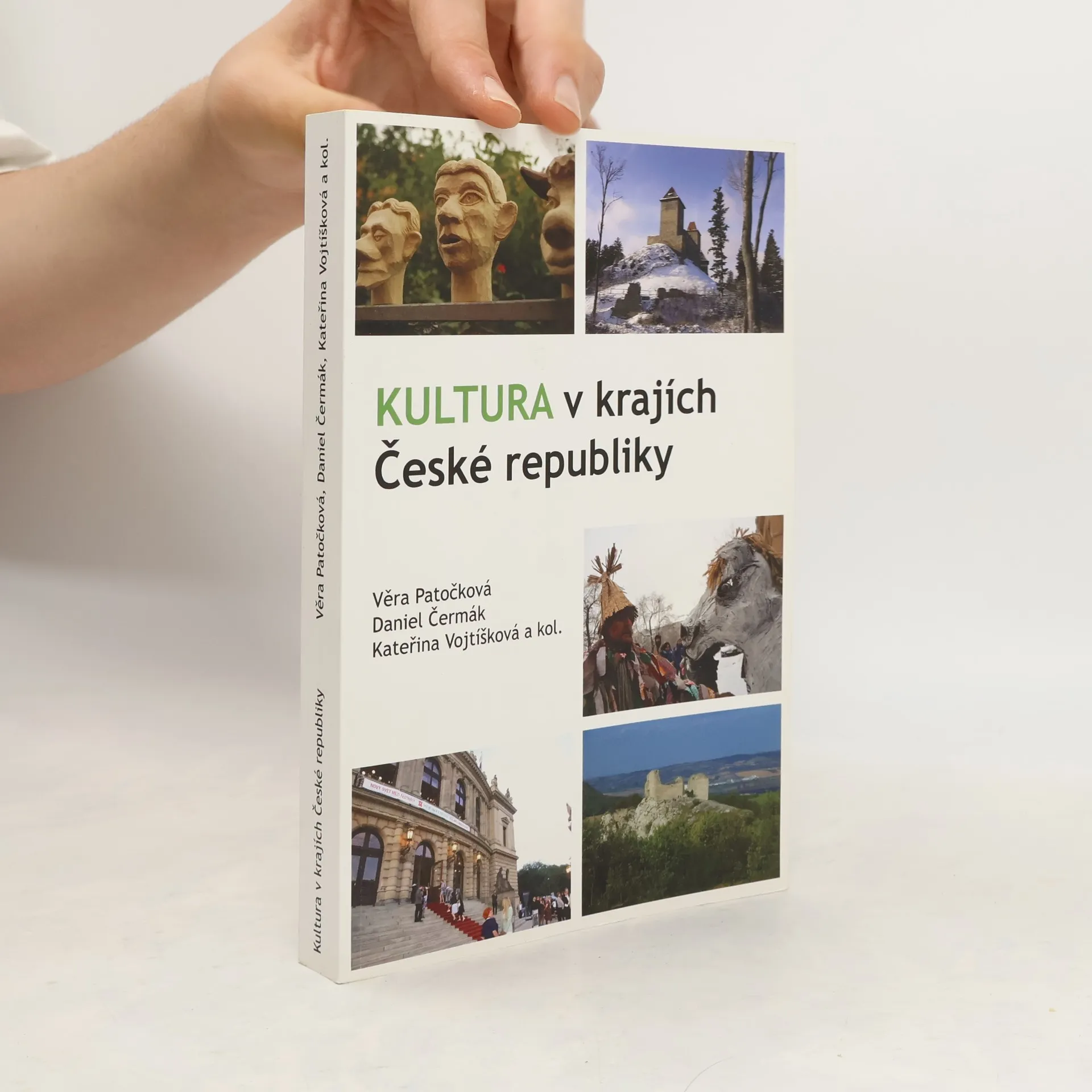
Monografie je rozdělená do tří částí. Po úvodní kapitole, která se věnuje vymezení pojmu kultura, přináší první část monografie přehled platné legislativy, analýzy koncepčních a strategických dokumentů vztahujících se ke kultuře, analýzy dostupných dat o kulturní infrastruktuře a představení dostupných finančních zdrojů pro oblast neprůmyslových kulturních odvětví. To vše charakterizuje prostředí a utváří podmínky pro rozvoj kulturních aktivit a uchování kulturního dědictví. Druhá část monografie seznamuje čtenáře s výsledky vlastního rozsáhlého dotazníkového šetření Kultura v regionech České republiky 2011, které je zaměřeno na oblast představ o kultuře a kulturním dědictví a zejména na kulturní participaci a faktory, jež ji ovlivňují.
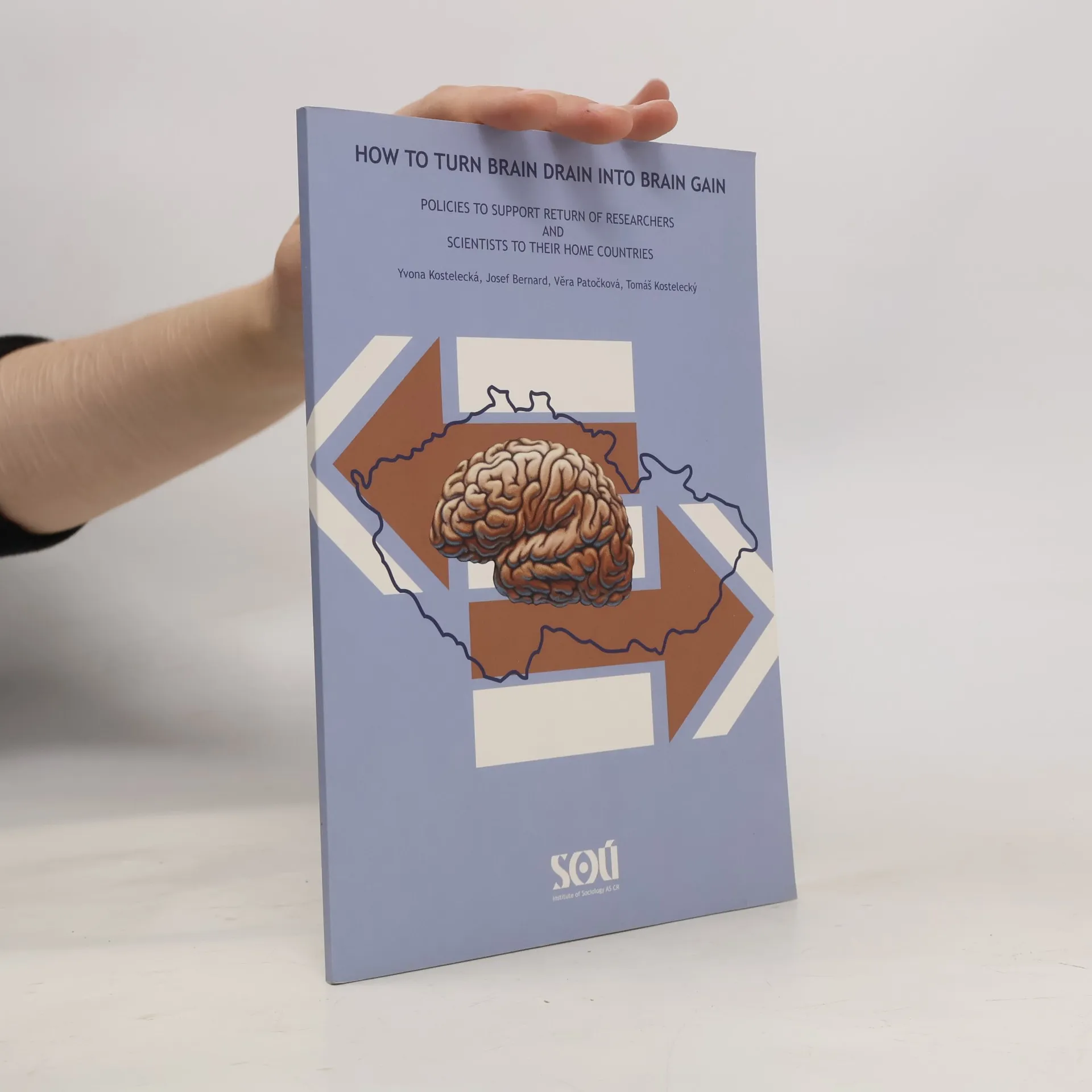
How To Turn Brain Drain Into Brain Gain
Policies To Support Return Of Researchers And Scientists To Their Home Countries
In order to compete in the global labor market of top-qualified workers, many states introduce various types of targeted policies to improve the migration balance of highly qualified workers. The book offers a systematic review of the policies used by different countries in an attempt to encourage scientists and researchers working abroad to return to their home country or in an effort at least to make it easier for information, know-how, and experiences acquired abroad to be passed on back home. This study is based on an analysis of scientific literature, texts published by institutions organizing various forms of return programs, websites with information for potential program participants, and personal correspondence and interviews with professionals working in this specific field. Experience with applying policies aimed at influencing the migration of highly qualified workers indicate that the best chance of success is enjoyed by those migration policies that employ a complex design, combining an individual approach, targeting an individual scientist, and a structural approach, aimed at changing the domestic science and research environment. Typically, the programs tend to be successful in middle income or high income countries that have a sufficiently strong domestic foundation in science, and have an economy that shows signs of stable growth.