Bookbot

Charles Johnston

    Charles Johnston estuvo inmerso en la sabiduría de las tradiciones orientales, una profunda inmersión evidente en sus traducciones de textos filosóficos clave. Su profundo conocimiento de la filosofía Vedanta le permitió desvelar el significado central de los sutras de Patanjali, explorando el nacimiento del Hombre Espiritual. El trabajo de Johnston se adentra principalmente en temas filosóficos y teosóficos, ofreciendo a los lectores una profunda visión de las tradiciones espirituales de Oriente. Su enfoque hace que los conceptos fundamentales de estas antiguas sabidurías sean accesibles y comprensibles.

    Taittiriya Upanishad and Commentary
    Katha Upanishad and Commentary
    Eugene Onegin
    Atma Bodha & Tattva Bodha
    Tao Teh Ching
    Tao Te Ching
    • In what may be the most faithful translation of the Tao Te Ching, the translators have captured the terse, enigmatic beauty of the original masterpiece without embellishing it with personal interpretation or bogging it down with explanatory notes. By stepping out of the way and letting the original text speak for itself, they deliver a powerfully direct experience of the Tao Te Ching that is a joy to come back to again and again. And for the first time in any translation of the Tao Te Ching, now you can interact with the text to experience for yourself the nuanced art of translating. In each of the eighty-one chapters, one significant line has been highlighted and alongside it are the original Chinese characters with their transliteration. You can then turn to the glossary and translate this line on your own, thereby deepening your understanding of the original text and of the myriad ways it can be translated into English. Complementing the text are twenty-three striking ink paintings brushed by Stephen Addiss and an introduction by the esteemed Asia scholar Burton Watson.

      Tao Te Ching
      4,5
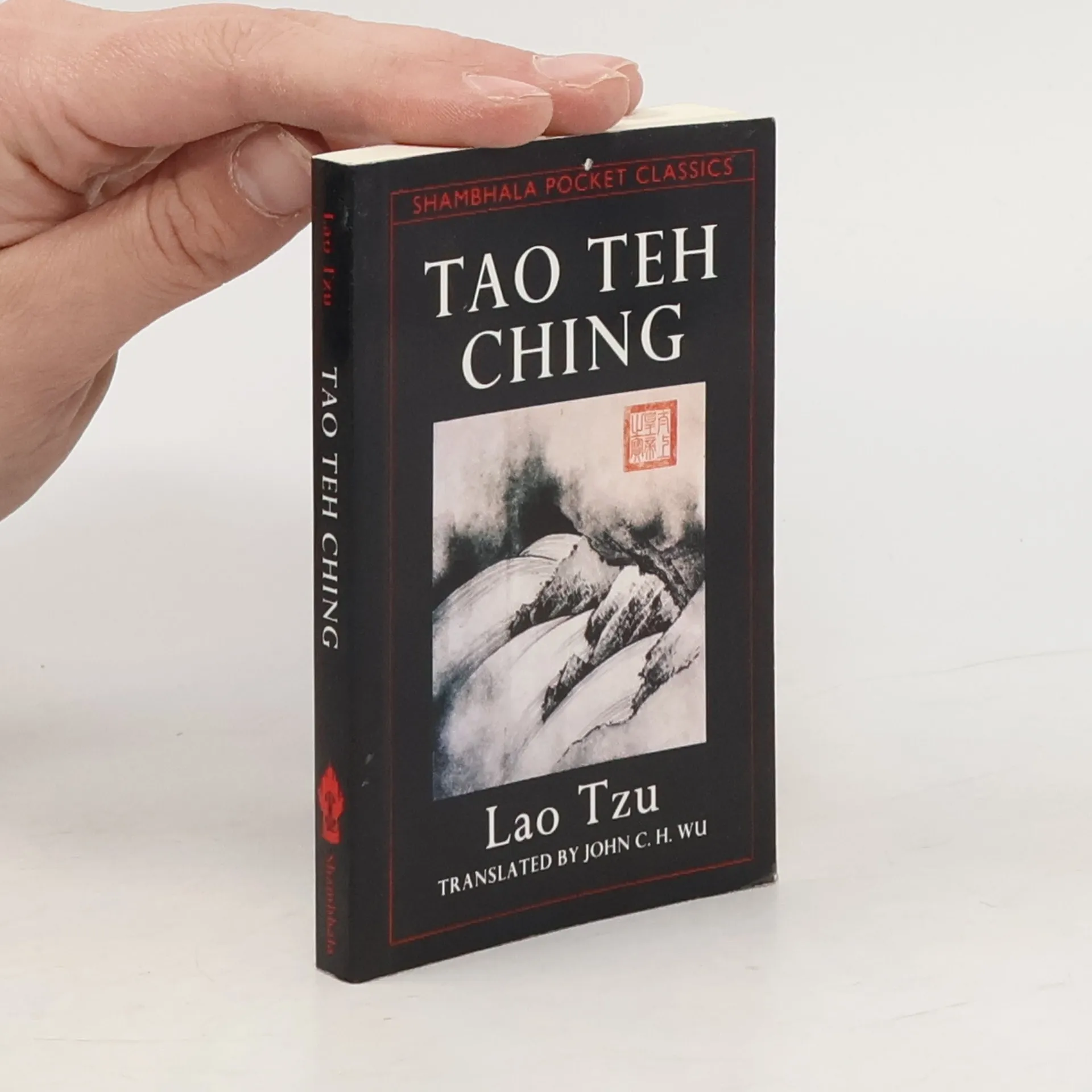
    • Tao Teh Ching

      • 116 páginas
      • 5 horas de lectura

      Contains the same material as the 1961 printing published by St. John's University Press with the exception that the Chinese version of the text has been removed.

      Tao Teh Ching
      4,4
    • Atma Bodha & Tattva Bodha

      Esoteric Classics: Eastern Studies

      • 54 páginas
      • 2 horas de lectura

      Focusing on the pursuit of Self-knowledge, this concise Sanskrit text by Adi Shankara outlines the journey towards understanding Atman, or the true self. It emphasizes the importance of self-awareness and the possession of knowledge regarding the soul and supreme spirit. Additionally, it serves as an introductory guide to Vedanta philosophy, encapsulating essential truths in a compact format.

      Atma Bodha & Tattva Bodha
      4,0
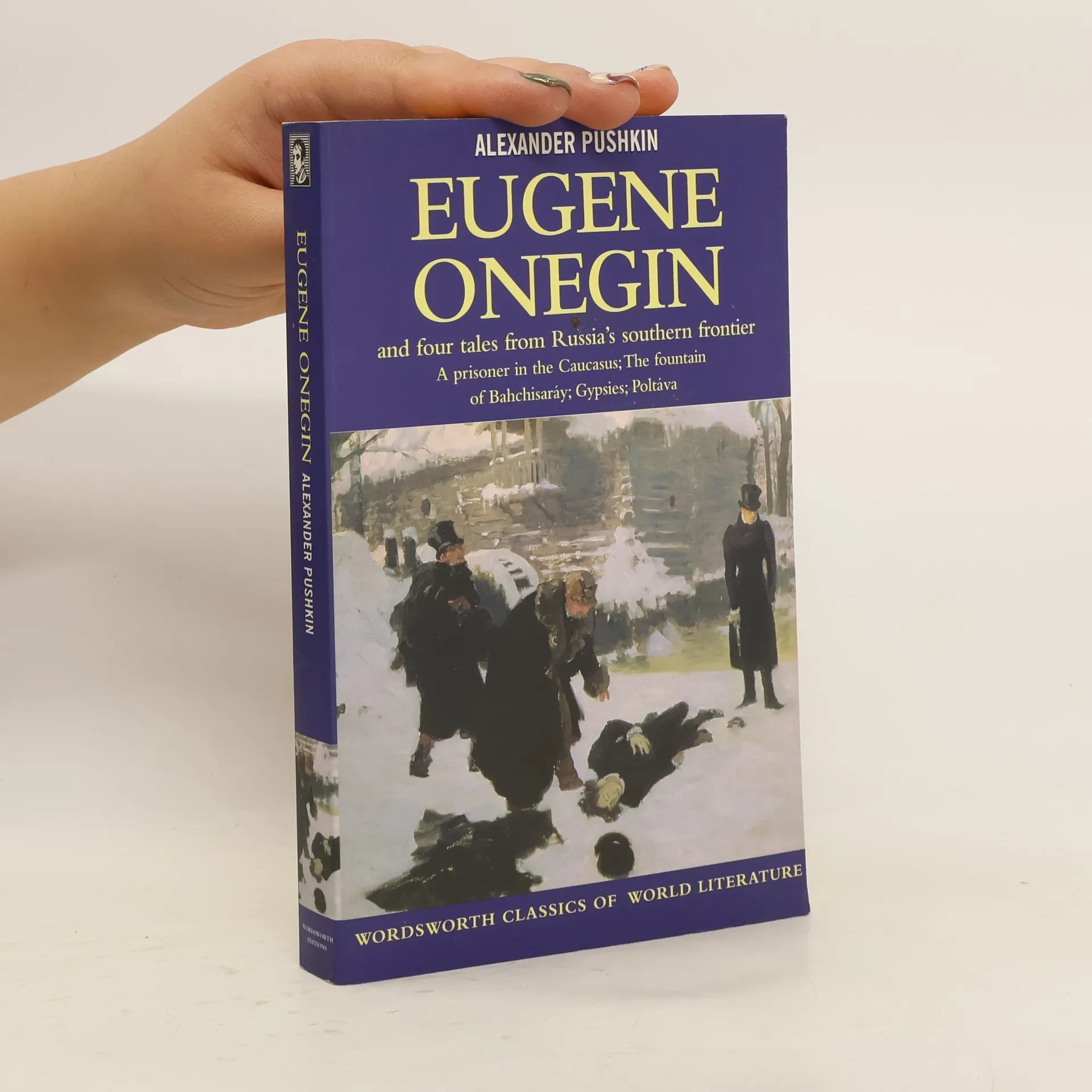
    • Eugene Onegin

      • 352 páginas
      • 13 horas de lectura

      Alexander Pushkin (1799-1837) is, for Russians, their greatest writer; Eugene Onegin is his greatest work. This prose version, for the first time, gives us a Eugene Onegin that is easy and enjoyable to read.

      Eugene Onegin
      4,2
    • Katha Upanishad and Commentary

      Esoteric Classics: Eastern Studies

      • 82 páginas
      • 3 horas de lectura

      The Katha Upanishad presents a profound dialogue between the young boy Nachiketa and Yama, the deity of death, exploring fundamental themes such as the nature of humanity, the essence of the self (Atman), and the concept of liberation (moksha). As one of the principal Upanishads, it delves into spiritual teachings that are central to Hindu philosophy, emphasizing the quest for knowledge and understanding of existence. This text remains a cornerstone of Vedic literature and continues to influence spiritual thought in Hinduism.

      Katha Upanishad and Commentary
      2,0
    • Taittiriya Upanishad and Commentary

      Esoteric Classics: Eastern Studies

      • 72 páginas
      • 3 horas de lectura

      Rooted in the Taittiriya school of the Yajurveda, this Upanishad comprises the seventh, eighth, and ninth chapters of the Taittiriya Aräyaka, known as Siksavalli, Anandavalli, and Bh guvalli. It is part of the "black" Yajurveda, characterized by its unarranged collection of verses, contrasting with the "white" Yajurveda. The text is significant within the Muktika canon of 108 Upanishads and reflects the teachings attributed to the pupils of sage Vaishampayana, offering insights into ancient Indian philosophy and spirituality.

      Taittiriya Upanishad and Commentary
    • Isha Upanishad and Commentary

      Esoteric Classics: Eastern Studies

      • 52 páginas
      • 2 horas de lectura

      Focusing on spiritual teachings, the Upanishads are revered texts within Hinduism that delve into profound philosophical concepts. Comprising around 108 texts, the earliest and most significant are known as the principal Upanishads, which form the foundation of Hindu thought. These late Vedic Sanskrit writings explore the nature of reality, the self, and the universe, making them central to understanding Hindu spirituality and philosophy.

      Isha Upanishad and Commentary
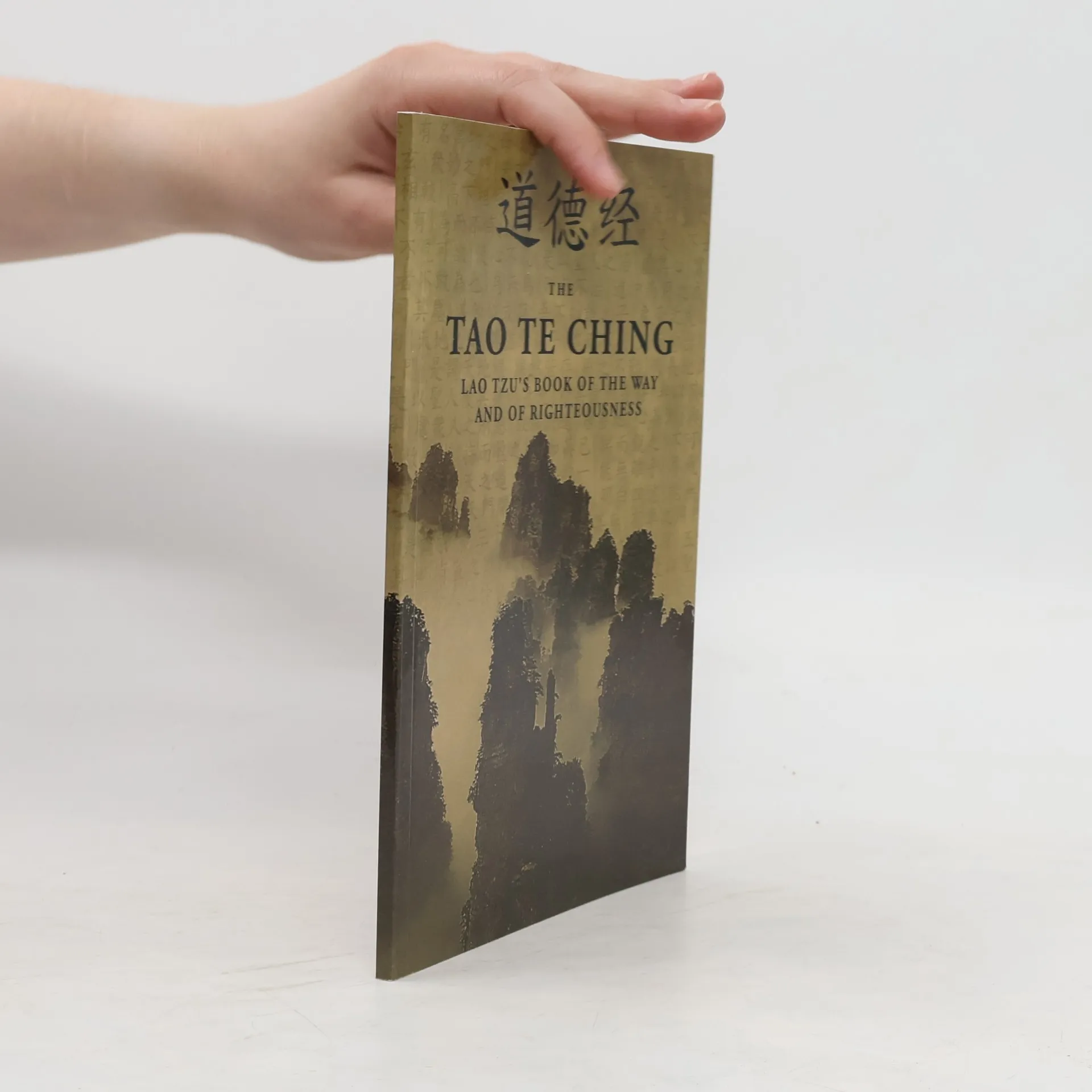
    • Tao Te Ching

      Esoteric Classics: Eastern Studies

      The book presents a translation of a foundational sixth-century B.C. text of Chinese Taoism by renowned translator Charles Johnston. It delves into Eastern spiritual and religious themes, providing readers with insights into the philosophical underpinnings of Taoism through Johnston's adept interpretation. This work serves as a bridge to understanding ancient wisdom and its relevance in contemporary spiritual practices.

      Tao Te Ching
    • Kena Upanishad and Commentary

      Esoteric Classics: Eastern Studies

      • 52 páginas
      • 2 horas de lectura

      Central to Hindu spirituality, the Upanishads are revered late Vedic texts that explore profound religious teachings and ideas. Among the approximately 108 known Upanishads, the earliest and most significant are termed the principal Upanishads. The Kena Upanishad stands out for its exploration of Brahman, both with and without attributes, and serves as a treatise on "purely conceptual knowledge," highlighting its philosophical depth and significance within the broader context of Hindu thought.

      Kena Upanishad and Commentary
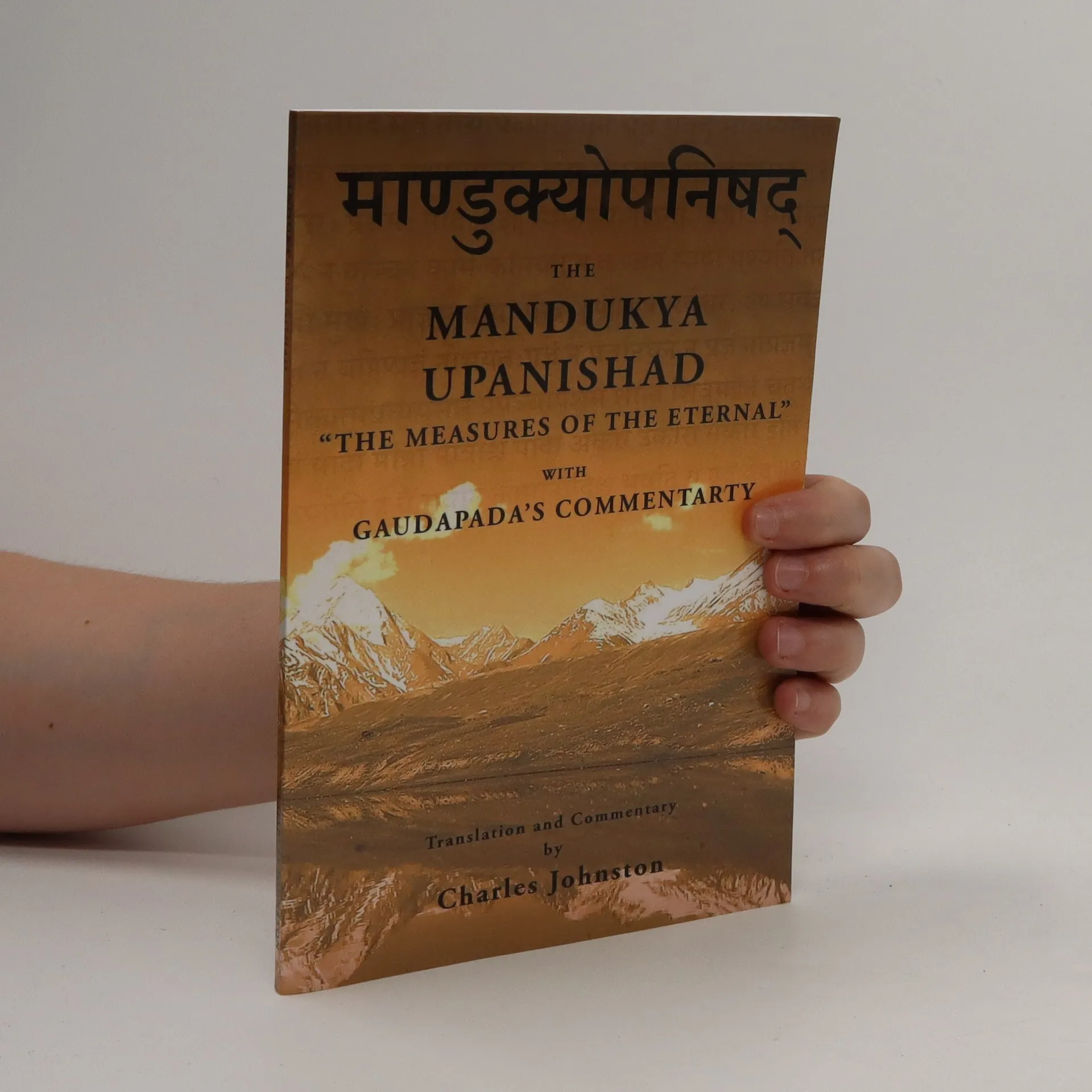
    • The Mandukya Upanishad

      • 104 páginas
      • 4 horas de lectura

      Charles Johnston's classic translation and commentary on one of the most profound of ancient sacred texts. The book also contains three introductory articles by Johnston, which shed much light on the Upanishads, their place in history, their influence and connection to other spiritual philosophies of the world. "The shortest of all the older Upanishads is the Mandukya. Yet in some ways it contains fuller and deeper teaching than any other of these wonderful treatises of the Mysteries. For the theme of the Mandukya is the four degrees of consciousness, the Natural, the Psychical, the Spiritual, and the Divine, which make up the whole range of life, both manifested and unmanifested. Every word of this Upanishad is brimful of history, brimful of thought. . . . "A single principle links together the great Upanishads and their diverse parts, like jewels strung on a golden thread: the oneness of the Soul and the Oversoul. When we have found the Soul, our inmost real Self, we have thereby found the Oversoul, the Supreme Self of all Being. This is the goal."-Charles Johnston

      The Mandukya Upanishad