Henry Hitchings es un autor cuyas obras profundizan en las complejidades del lenguaje y su historia. Sus escritos exploran cómo las palabras dan forma a nuestro pensamiento y cómo los significados evolucionan con el tiempo. El estilo de Hitchings se caracteriza por su profundidad y agudeza al desvelar las corrientes ocultas dentro de la lingüística. Su obra atrae a lectores fascinados por el poder y el matiz del lenguaje.
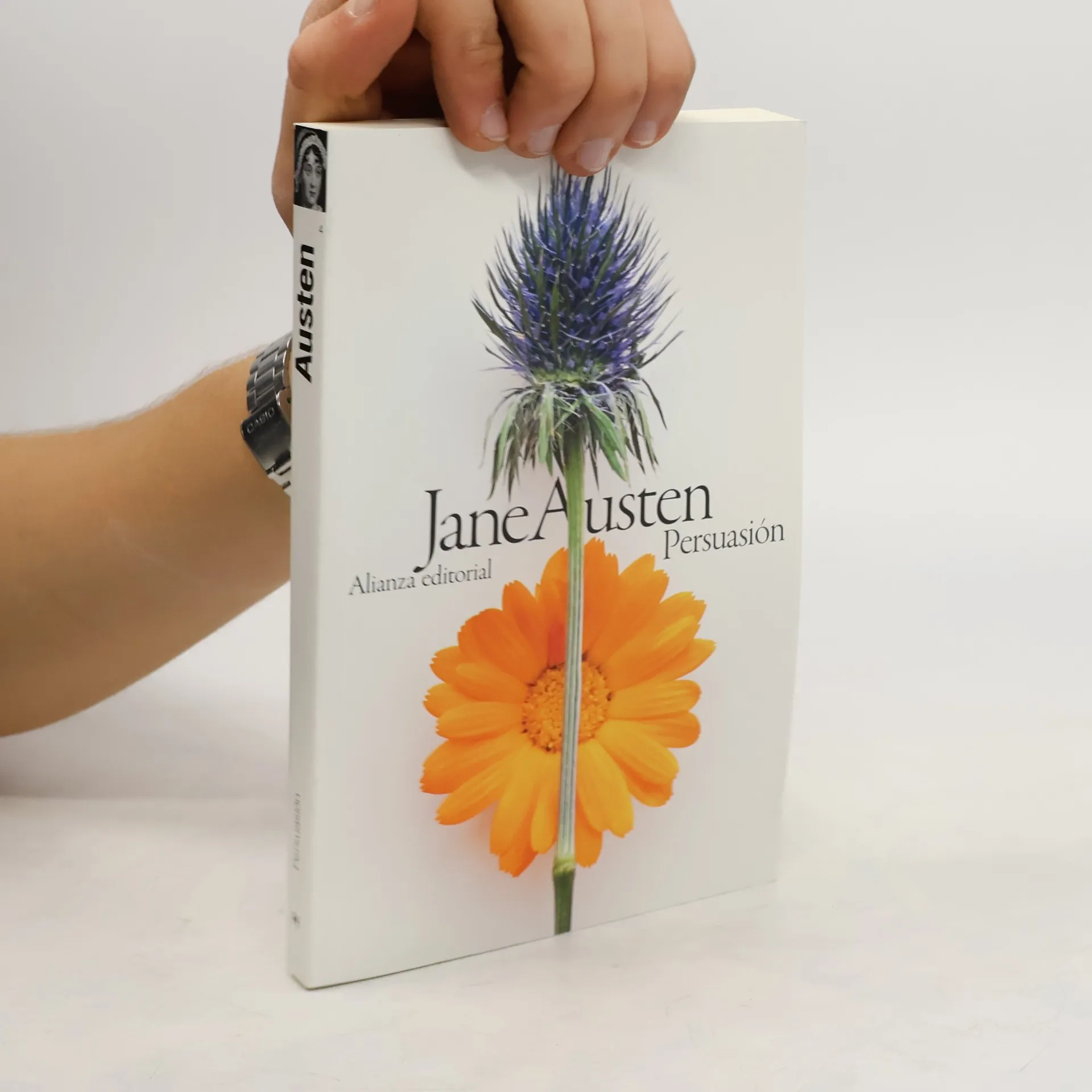
"Persuasión" es la última novela de Jane Austen, publicada póstumamente en 1818. Narra el reencuentro de Anne Elliot con su antiguo amor, Frederick Wentworth, tras un compromiso roto por presiones familiares. Austen explora el rol de la mujer en el siglo XIX con su característico estilo mordaz e irónico.
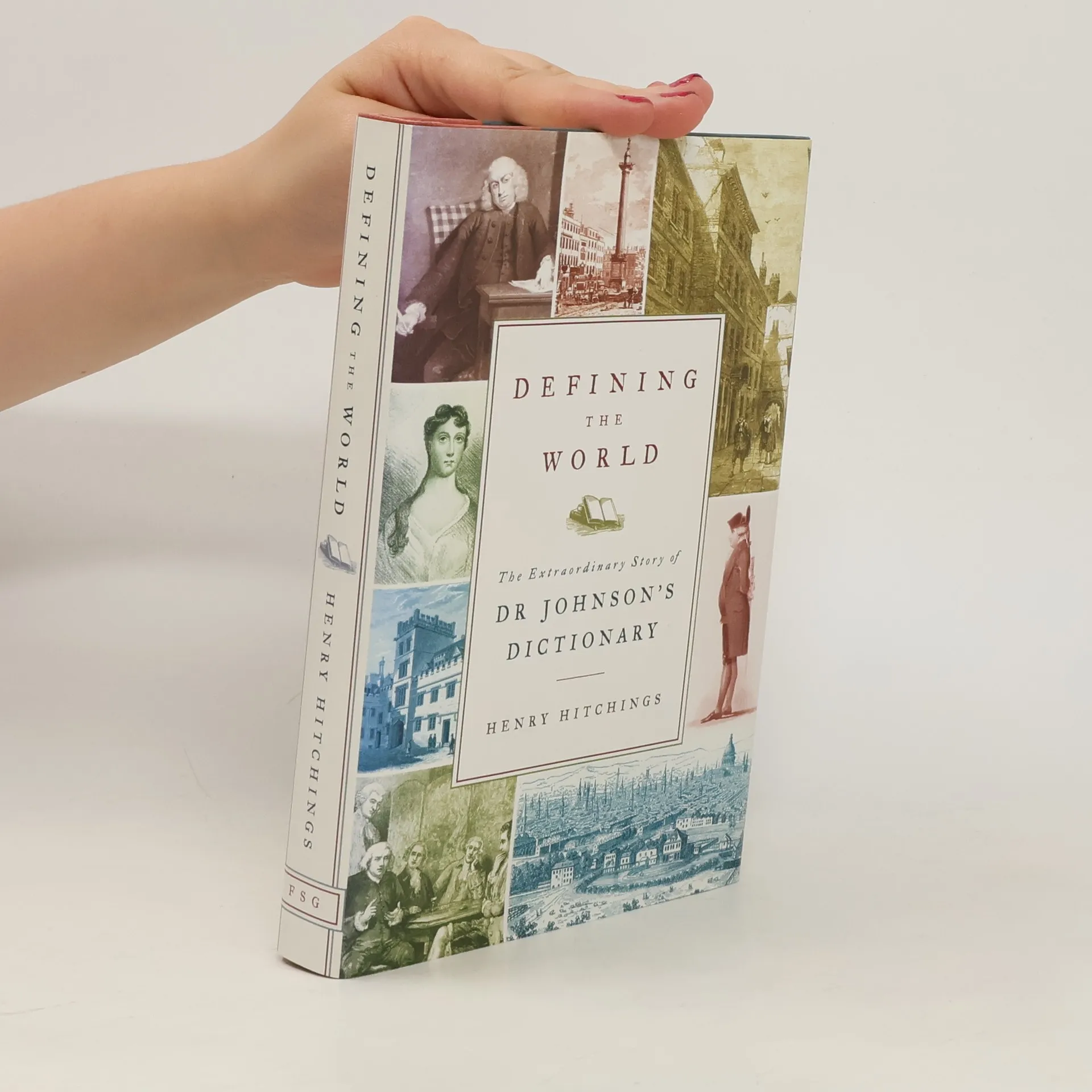
Recalling the story of the first great lexicon of English, the author reveals how Samuel Johnson arduously assembled his eighteenth-century dictionary--a task that ultimately helped make English into a major European language.
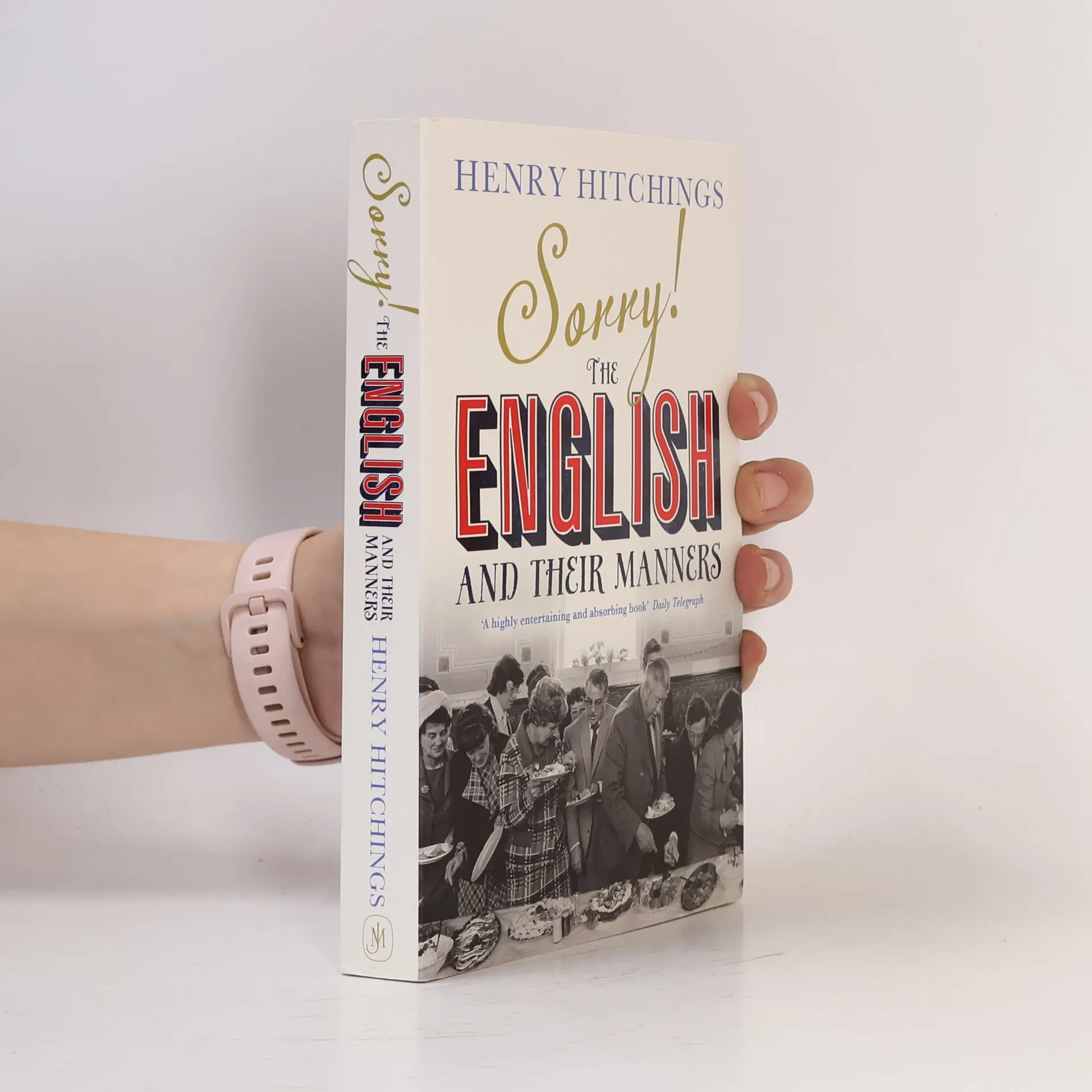
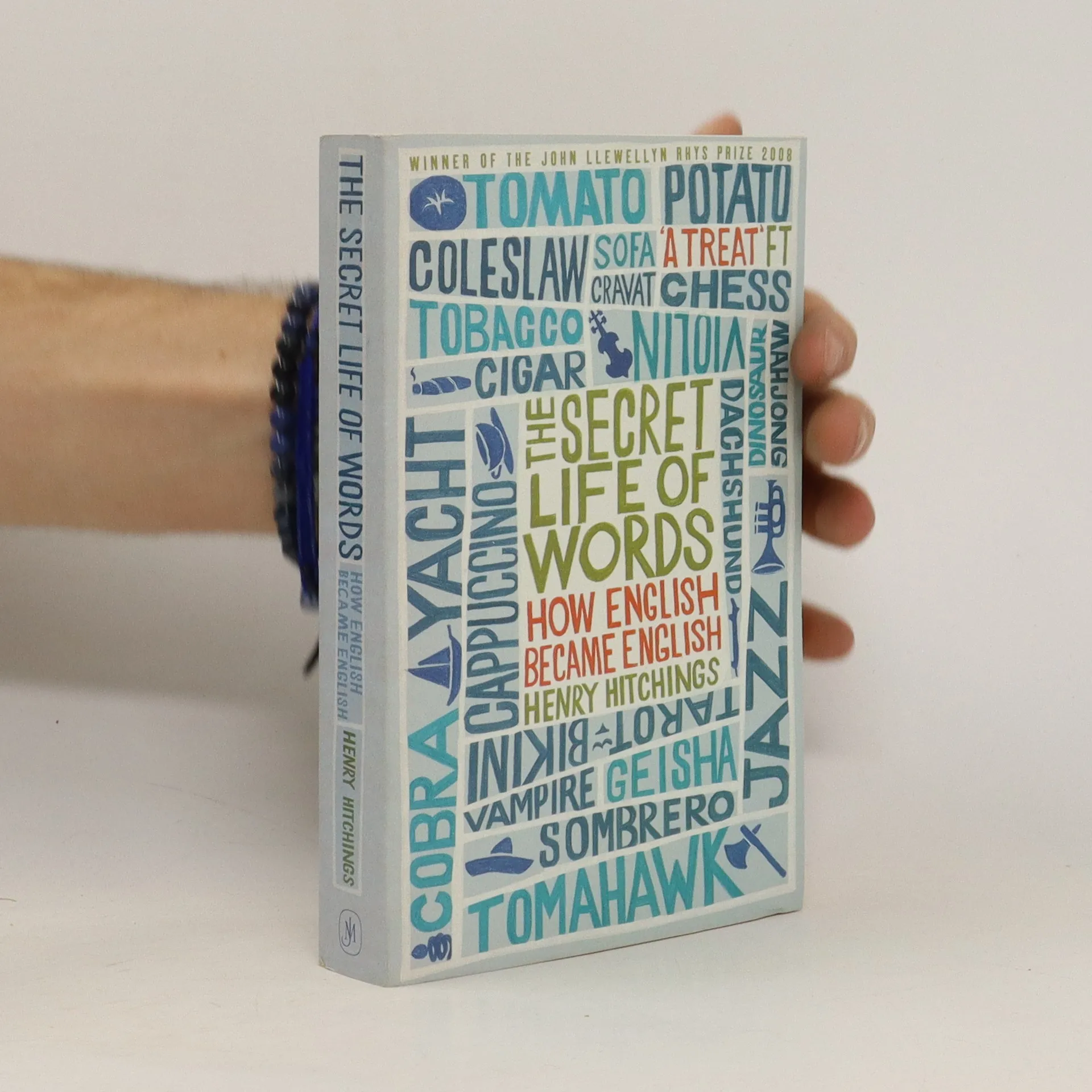
The English language is a battlefield. Since the age of Shakespeare, arguments over correct usage have been acrimonious, and those involved have always really been contesting values to do with morality, politics and class.
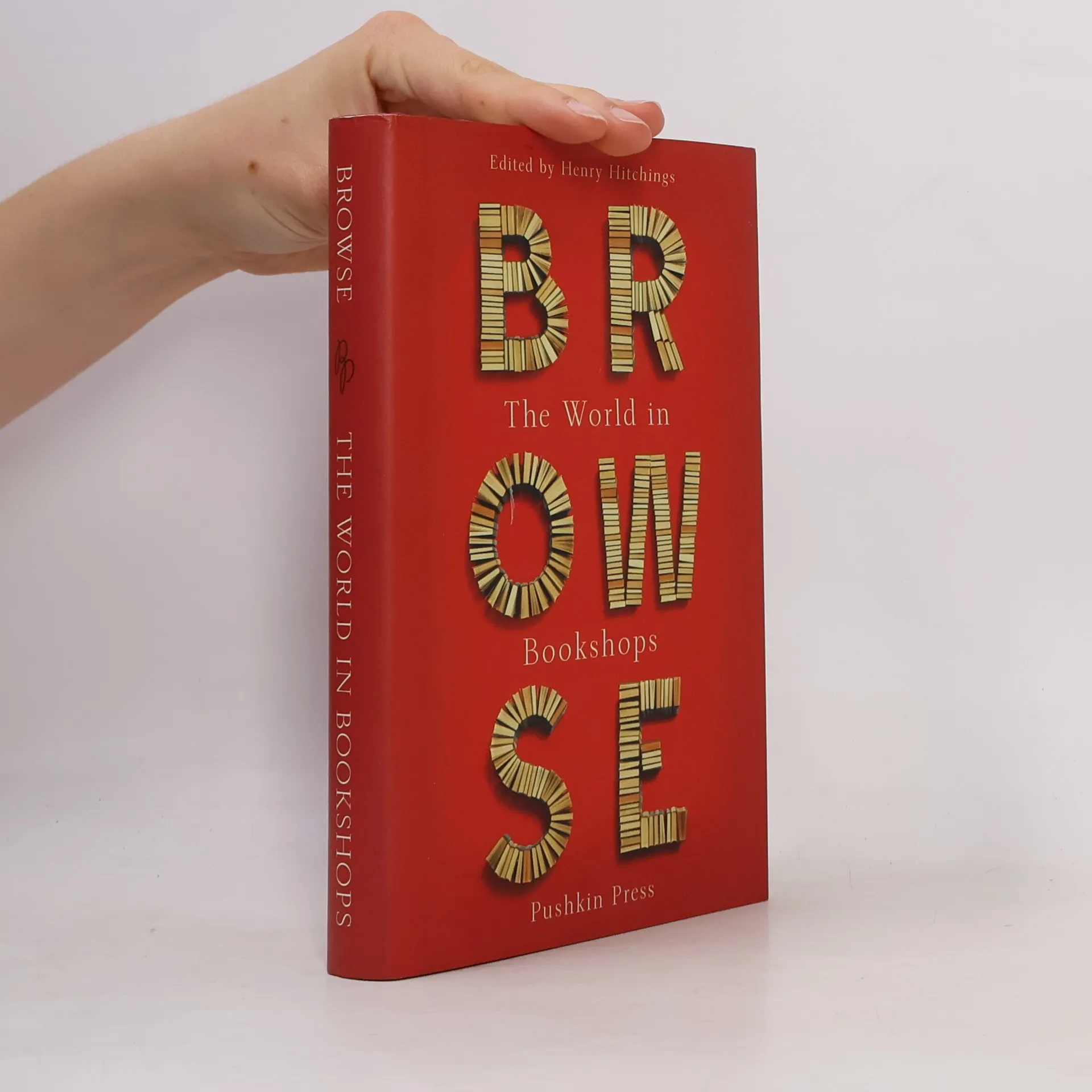
Edited and introduced by the writer and critic Henry Hitchings, these fearless, passionate, inquiring essays by award-winning international writers celebrate one of our most essential, but endangered, institutions: the bookshop. From Denmark to Egypt, from the USA to China, Browse brings together some of the world's leading authors to investigate bookshops both in general and in particular - the myriad pleasures, puzzles and possibilities they disclose. The fifteen essays reflect their authors' own inimitable style - romantic, elegant, bold, argumentative, poetic or whimsical - as they ask probing questions about the significance, the cultural and social (even political) function as well as the physical qualities of the institution, and examine our very personal relationship to it. Contributors include: Alaa Al Aswany (Egypt) Stefano Benni (Italy) Michael Dirda (USA) Daniel Kehlmann (Germany) Andrey Kurkov (Ukraine) Yiyun Li (China) Pankaj Mishra (India) Dorthe Nors (Denmark) Yvonne Adhiambo Owuor (Kenya) Elif Shafak (Turkey) Ian Sansom (UK) Iain Sinclair (UK) Ali Smith (UK) Saša Stanišic (Germany/Bosnia) Juan Gabriel Vásquez (Colombia)
Henry Hitchings presents an amusing, illuminating and quirky audit of English manners. Ranging from basic table manners to appropriate sexual conduct, via hospitality, chivalry, faux pas and online etiquette, he traces the history of our country's customs and courtesies. Putting under the microscope some of our most astute observers of humanity, including Jane Austen and Samuel Pepys, he uses their lives and writings to pry open the often downright peculiar secrets of English behaviour.