Jonathan Steinberg es un profesor de historia europea cuyo trabajo se dedica a la minuciosa investigación histórica. Su estilo se caracteriza por profundas perspectivas del pasado y un enfoque analítico. A través de sus escritos, examina las complejas fuerzas sociales y políticas que han dado forma a la historia europea. Su obra ofrece a los lectores perspectivas interesantes y esclarecedoras sobre eventos históricos cruciales.
A comprehensive new biography exploring the greatness and limits of the 'Iron Chancellor', Otto von Bismarck: a political genius who remade Europe and united Germany between 1862 and 1890 by the sheer power of his great personality.
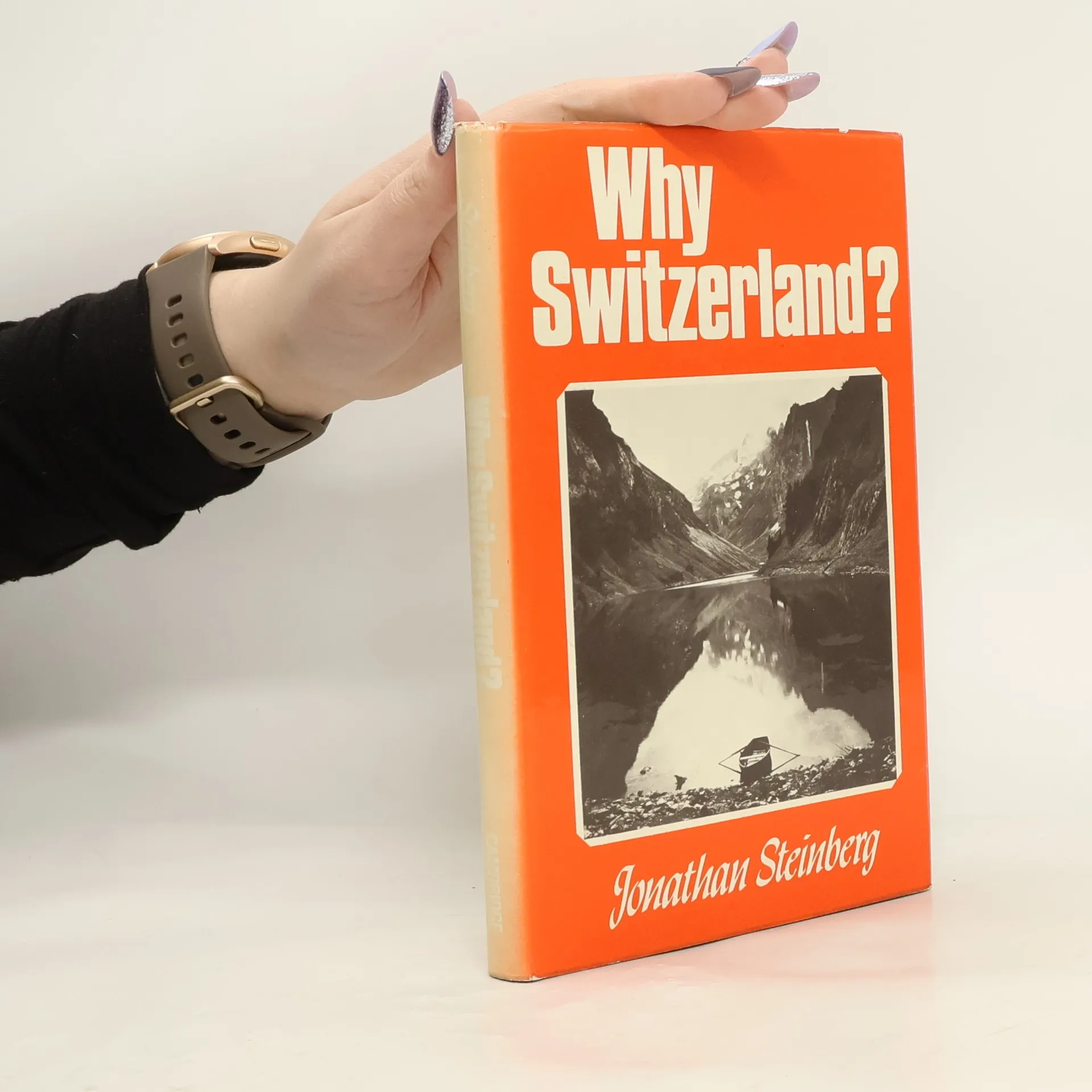
Why Switzerland?, first published in 1976, offers a unique analysis of the structures that make Switzerland work and provides a short, concise "working model" for the visitor or student. Linking an analysis of the microeconomy to the major features in politics, history, religion and language, it shows how a "bottom up" society has survived in a world of "top down" states. For this new edition Jonathan Steinberg has completely revised and extended his text, and a number of unusual and attractive illustrations have been added.