Akten der Internationalen Fachtagung vom 6.-8. November 1991 in Istanbul
62 páginas
3 horas de lectura
Werner Jobst, Raimund Kastler, Veronika Scheibelreiter (herausgeber) ; Mit Beiträgen Von Eugenia Bolognesi Recchi-franceschini ... [et Al.]. Includes Bibliographical References. Five Contributions In German, Two In English, And One In Turkish.
This collection explores the intersection of archaeology and military history, focusing on the material culture of conflict. It features contributions from various scholars examining Roman military equipment and the implications of destruction in different contexts. Key themes include the interpretations of destruction, the role of archaeology in reconstructing historical sieges, and the significance of militaria found in destruction layers.
Case studies highlight specific archaeological findings, such as evidence of late Republican sieges in Slovenia, new research on the Augustan battlefield at Kalkriese, and military artifacts from destruction layers in Palestine. Other contributions investigate the military equipment associated with the Batavian revolt, the location of the Batavian battle in 69 AD, and the presence of soldiers in the cities of Pompeii and Herculaneum.
The volume also addresses the implications of military finds from various sites, including a Roman naval camp in Cologne and the auxiliary fort at Carnuntum, as well as the destruction horizon from the Marcomannic Wars. Further studies delve into the deposition of military equipment during the siege of Dura-Europos and the interpretation of a late-third-century fire at South Shields. The findings underscore the complex relationship between military actions and archaeological evidence, revealing insights into the past.
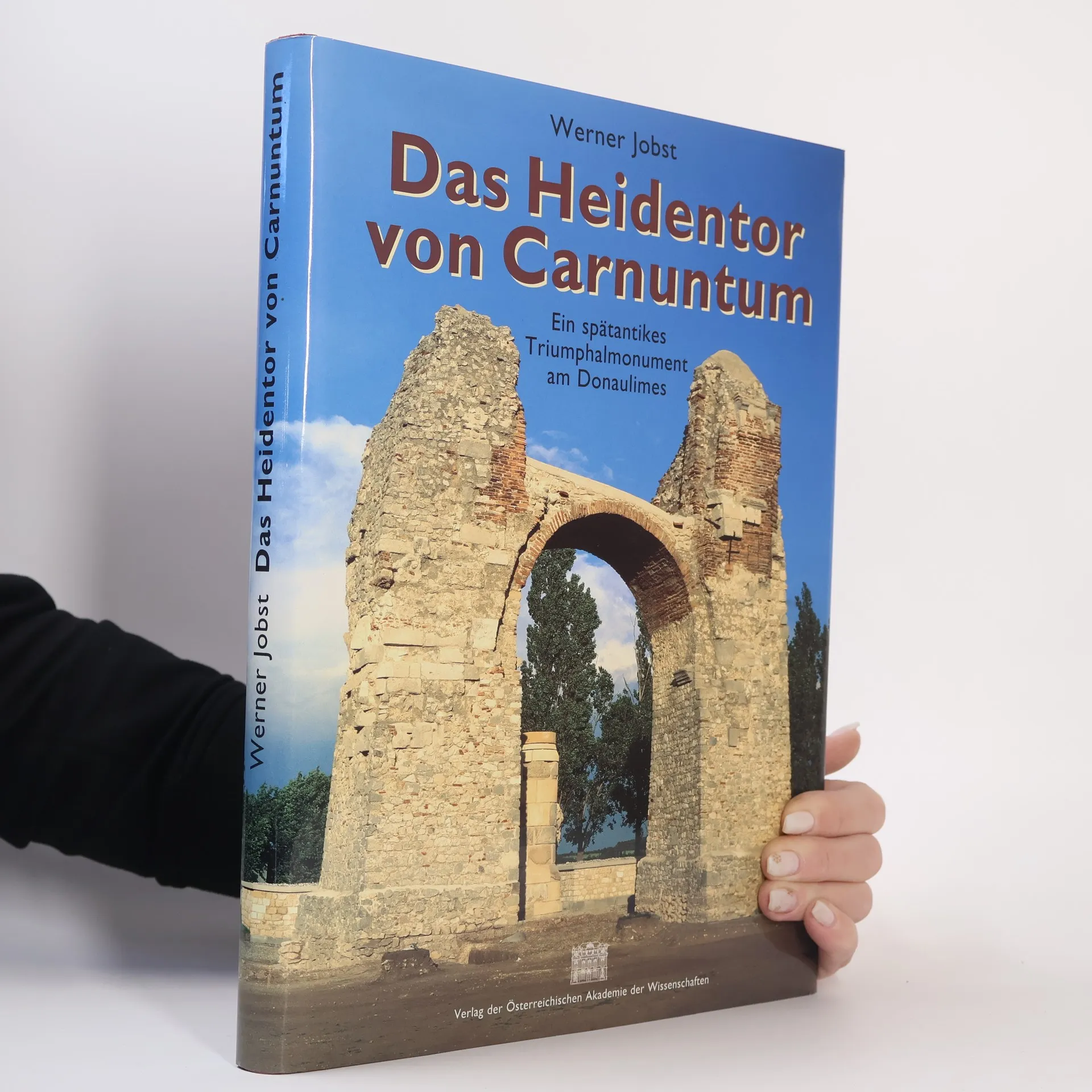
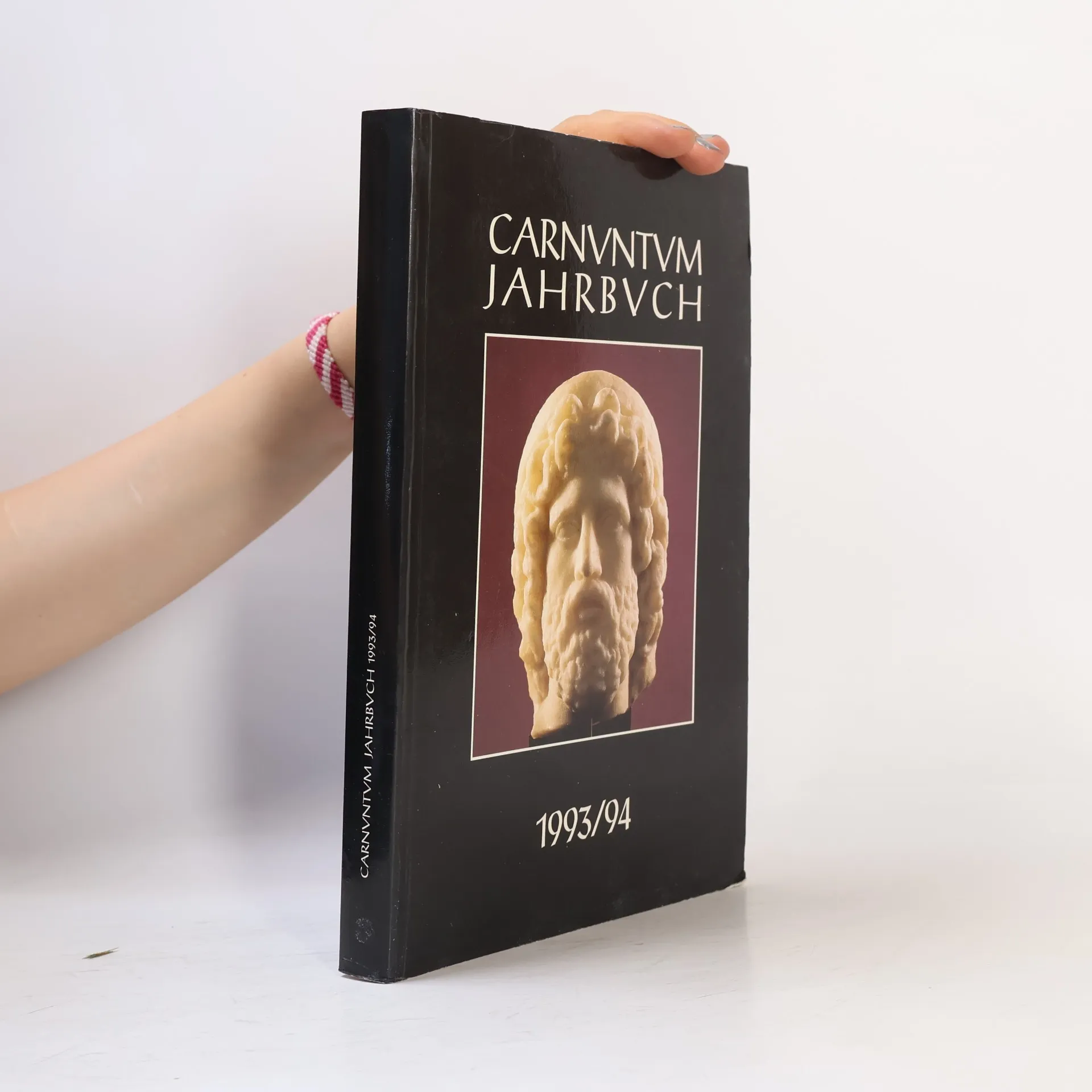
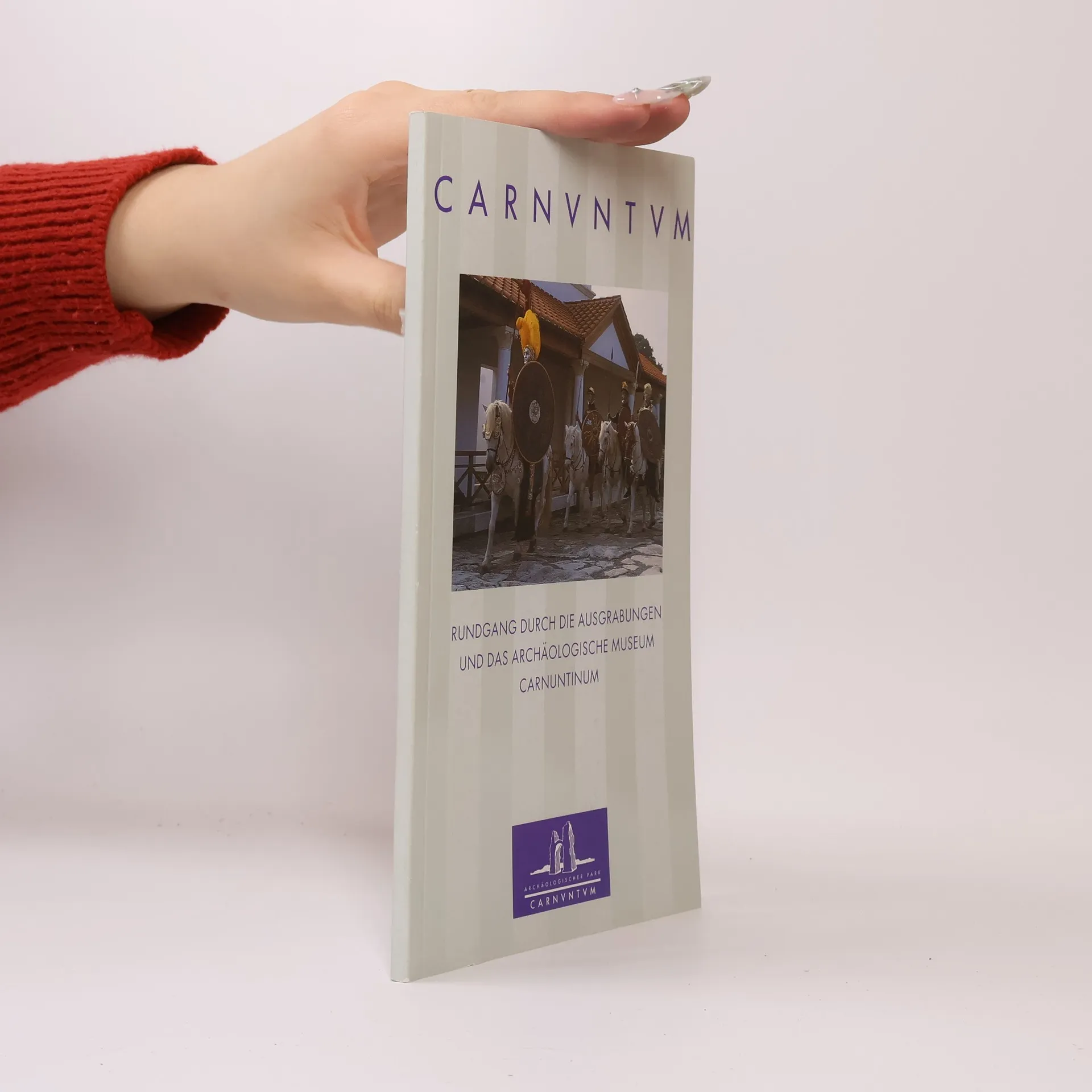
Neben der Venus von Willendorf hat kein antikes Denkmal so viel Bekanntheit erlangt wie das Heidentor von Carnuntum. Dieses Baudenkmal der römischen Antike birgt zahlreiche Rätsel und Geheimnisse. Das charakteristische Bild der Ruine als Torbogen ist das Ergebnis ihrer langen Verfallszeit. Seit der Renaissance haben Generationen versucht, das Geheimnis des Heidentores durch Quelleninterpretation, Bauuntersuchungen und Ausgrabungen zu entschlüsseln. Der Standort wurde von Bildungsreisenden, Gelehrten und Künstlern häufig besucht und in Beschreibungen, Zeichnungen, Aquarellen und Kupferstichen festgehalten. Heute wissen wir, dass das Heidentor nicht als Stadt- oder Triumphbogen betrachtet werden darf, sondern als antikes Quadrifrons oder Tetrapylum, ein Bauwerk auf vier Pfeilern mit vier Durchgängen. Ziel dieses Werkes ist es, eine vollständige Quellensammlung, einen kritischen Kommentar zum bisherigen Forschungsstand und die neuesten Forschungsergebnisse zum Heidentor vorzulegen. Es umfasst Ansichten, Beschreibungen, Legenden sowie Versuche zur Rekonstruktion und Erklärung des Denkmals.
This collection explores the intersection of military archaeology and conflict, focusing on various themes and case studies. Key contributions include discussions on Roman military equipment and the implications of destruction on Hadrian's Wall, as well as fundamental considerations regarding militaria from destruction horizons. Several case studies provide insights into specific historical events, such as the sieges conducted by Silla and evidence of a late Republican siege in Slovenia. Research on the battlefield at Kalkriese sheds light on Augustan conflicts, while analyses of military equipment from destruction layers in Palestine reveal the impact of warfare on material culture. Other studies examine artifacts from the Batavian revolt, the locations of significant battles, and the presence of soldiers in ancient cities like Pompeii and Herculaneum. Findings from various sites, including a Roman fleet camp and auxiliary forts, illustrate the effects of destruction during conflicts, including the Alamannic invasions and the final siege at Dura-Europos. This anthology emphasizes the importance of military artifacts in understanding the socio-political contexts of ancient warfare and the consequences of destruction on settlements.