
Bookbot

Will Grohmann Orden de los libros (cronológico)

    5 de diciembre de 1887 – 6 de mayo de 1968
    Klee
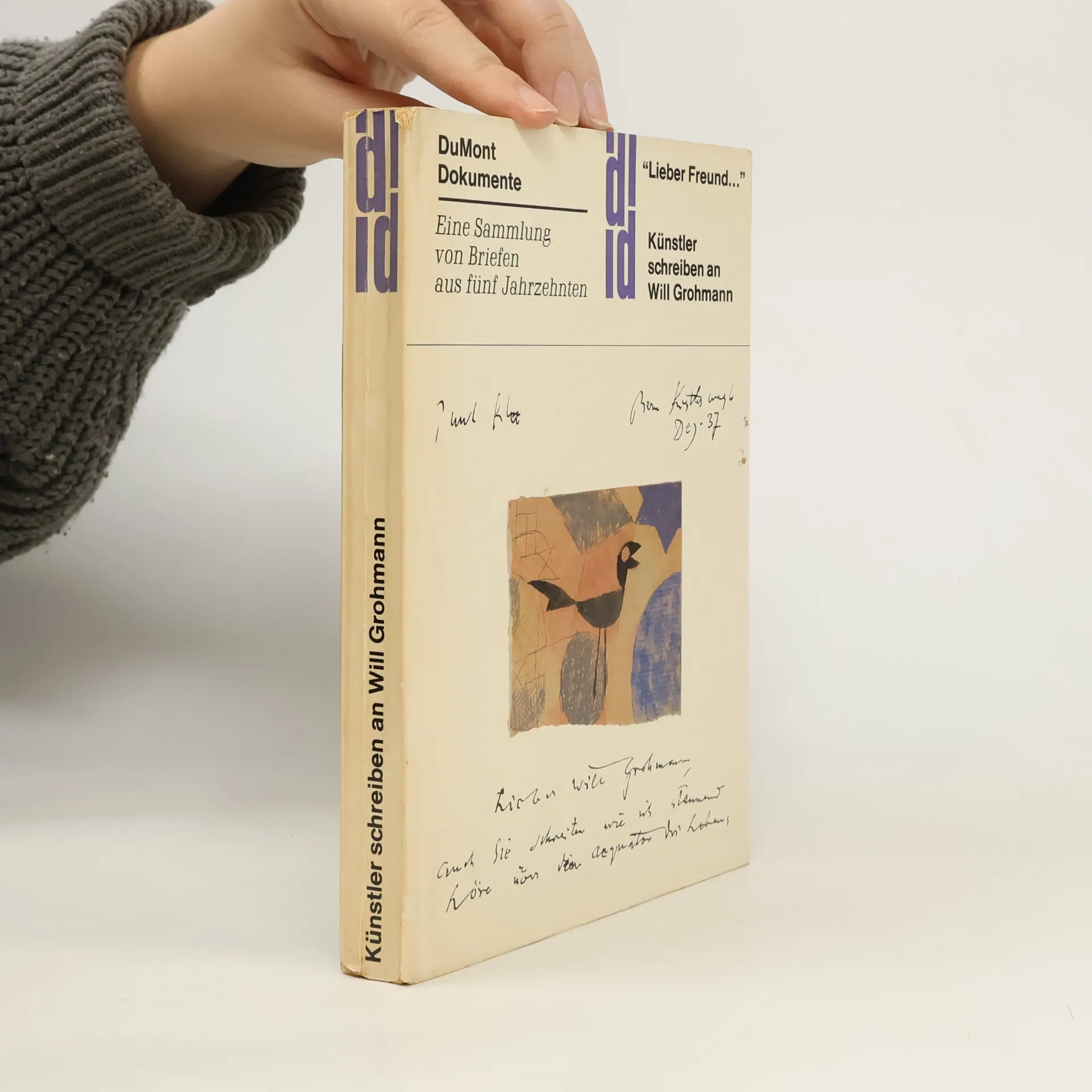
    "Lieber Freund..." Künstler schreiben an Will Grohmann
    Der Maler Paul Klee
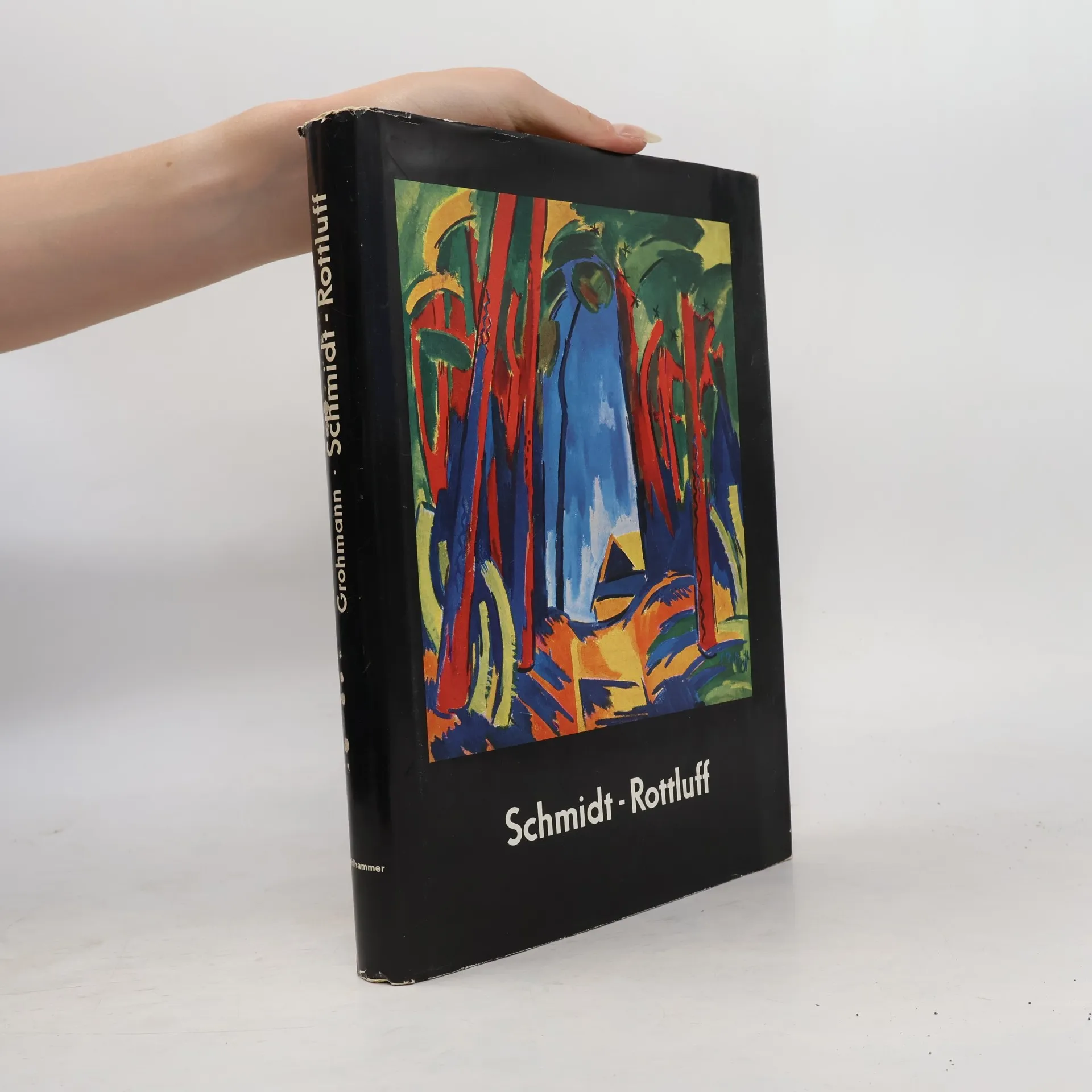
    Karl Schmidt- Rottluff
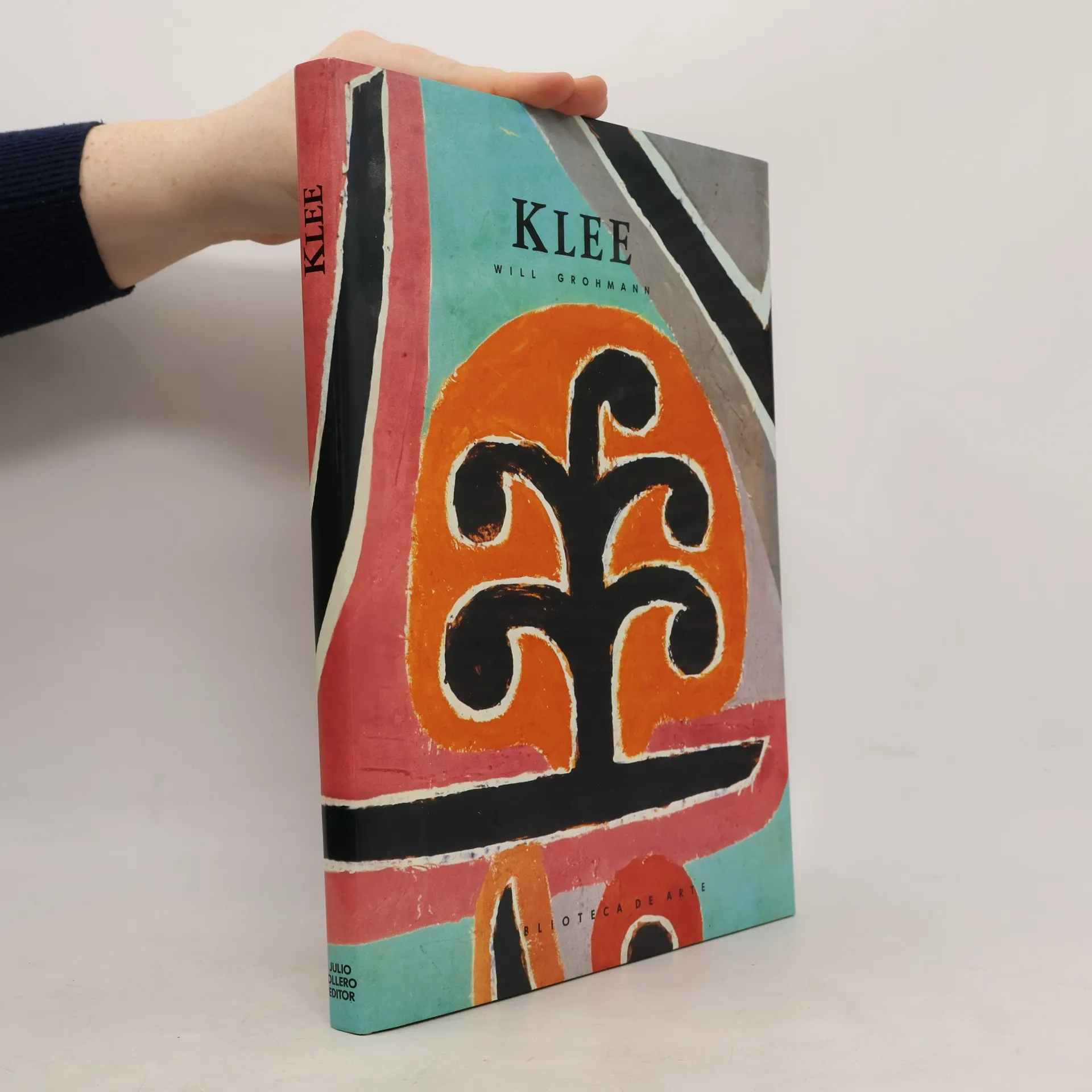
    Klee
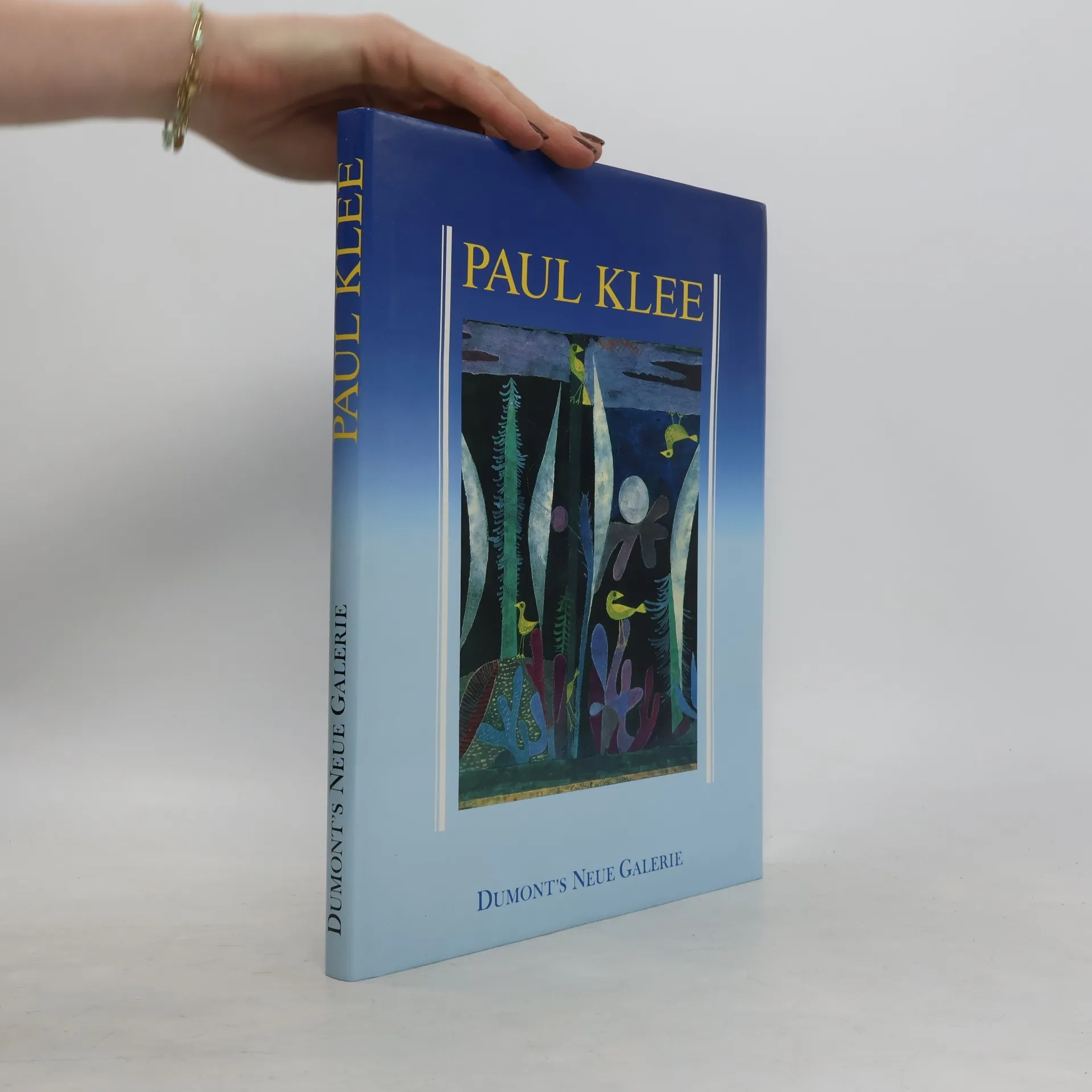
    Biblioteca de Arte: Paul Klee
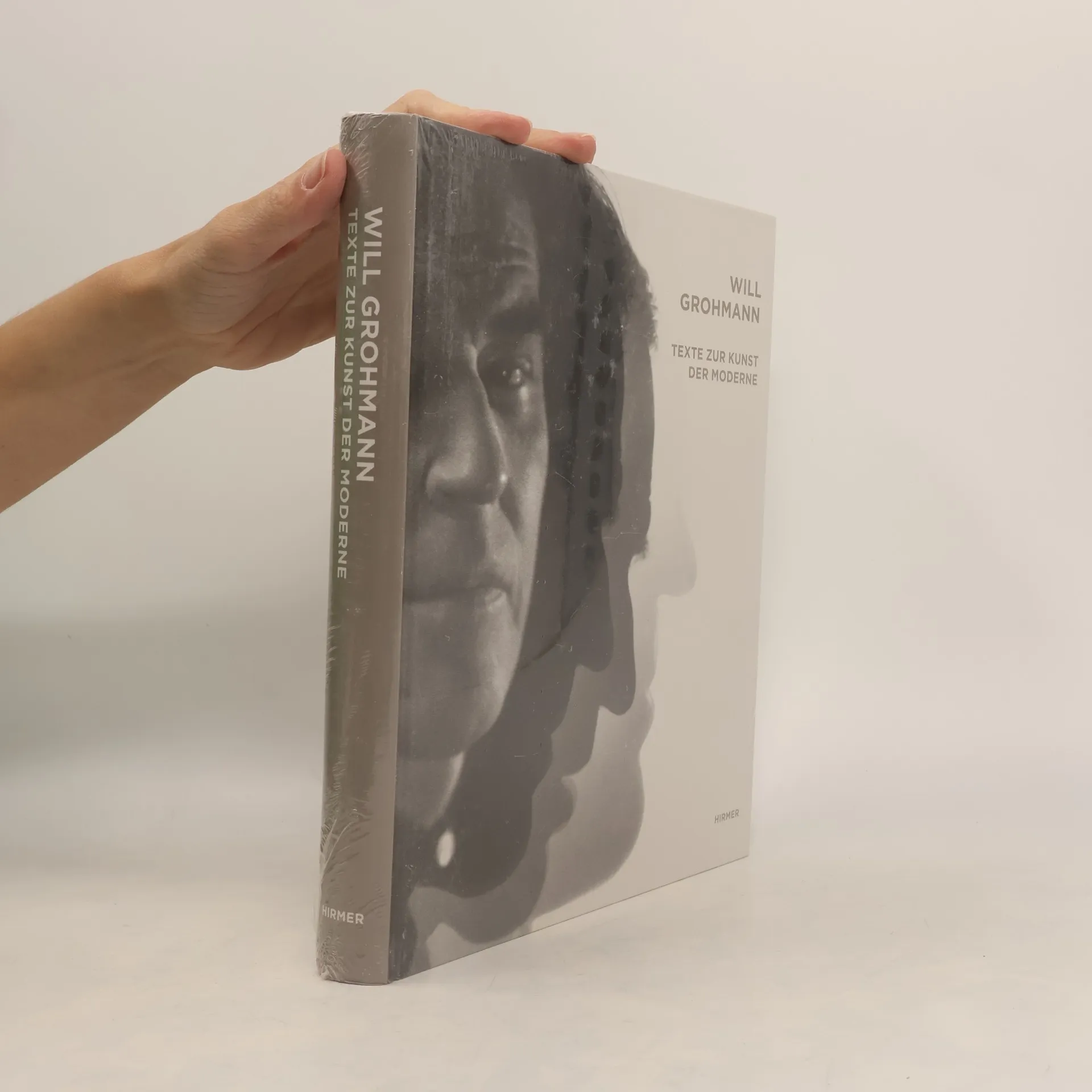
    • Texte zur Kunst der Moderne

      • 808 páginas
      • 29 horas de lectura

      Will Grohmann (1887-1968) hat das Verständnis der klassischen Moderne und die internationale Wahrnehmung der deutschen Kunst des 20. Jahrhunderts entscheidend geprägt. Nun präsentieren zweigrundlegende Bücher anlässlich einer Ausstellung in Dresden Werke in Bild und Schrift, die durch seine Förderung publiziert oder an Galerien und Museen vermittelt worden sind. Der Katalog erzählt die Geschichten hinter den Bildern, vermittelt die persönliche Beziehung des Kritikers zu den Künstlernund zeigt bis heute gültige Wirkungsmechanismen der Kunstkritik auf. Der Schriftenband umfasst erstmals eine repräsentative Edition seiner heute teils schwer zugänglichen Texte in Monografien, Katalogen, Nachschlagewerken, Zeitschriften und Zeitungen von der Weimarer Zeit bis in die 1950er und 1960er-Jahre.
      Texte zur Kunst der Moderne2012
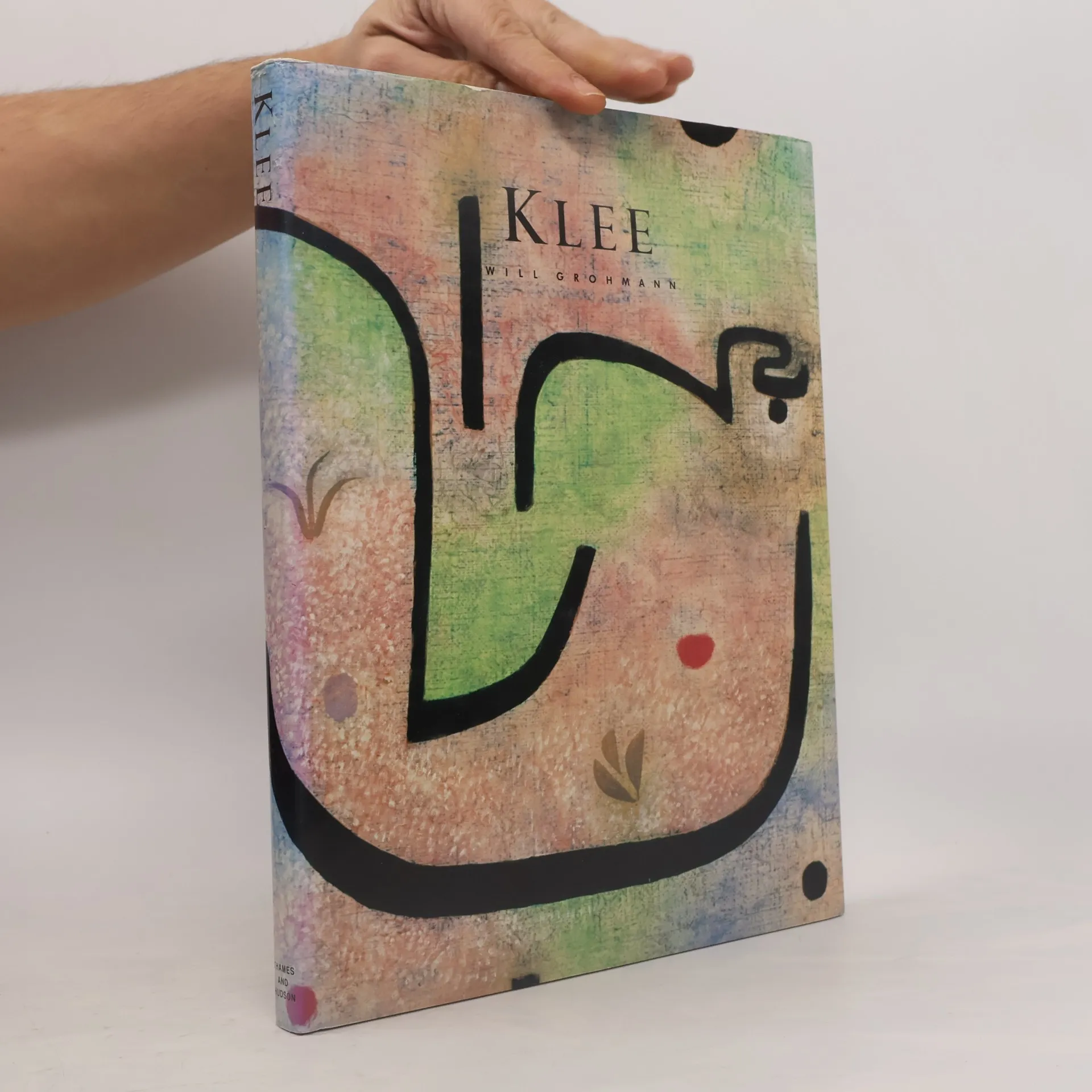
    • Klee

      • 128 páginas
      • 5 horas de lectura

      With meticulous theories and thousands of paintings, drawings, and watercolors, Paul Klee (1879–1940) stands out as a cerebral and prolific figure in 20th-century European art. His works, often small in scale, are distinguished by sophisticated thought and nuanced use of line, color, and tonality. Klee's artistic development was influenced by his early involvement with the German expressionist group Der Blaue Reiter and a transformative 1914 trip to Tunisia that reshaped his color palette. After World War I, he taught at the Bauhaus school, where his lectures emphasized the symbolic potential of shade, line, and geometry. His inspirations included Cubism, poetry, music, literature, language, and the raw power of children’s art. Known for his simple stick figures, Klee blended naïveté with rigorous composition and intellectual depth. This book presents a selection of key works to showcase his unique style and influence, featuring sun-drenched landscapes and enigmatic wordplay that reveal a world both simplistic and dazzlingly colorful. The Basic Art Series, established in 1985, has become a best-selling collection, providing detailed summaries of artists' lives and works, along with approximately 100 illustrations and explanatory captions.

      Klee1987
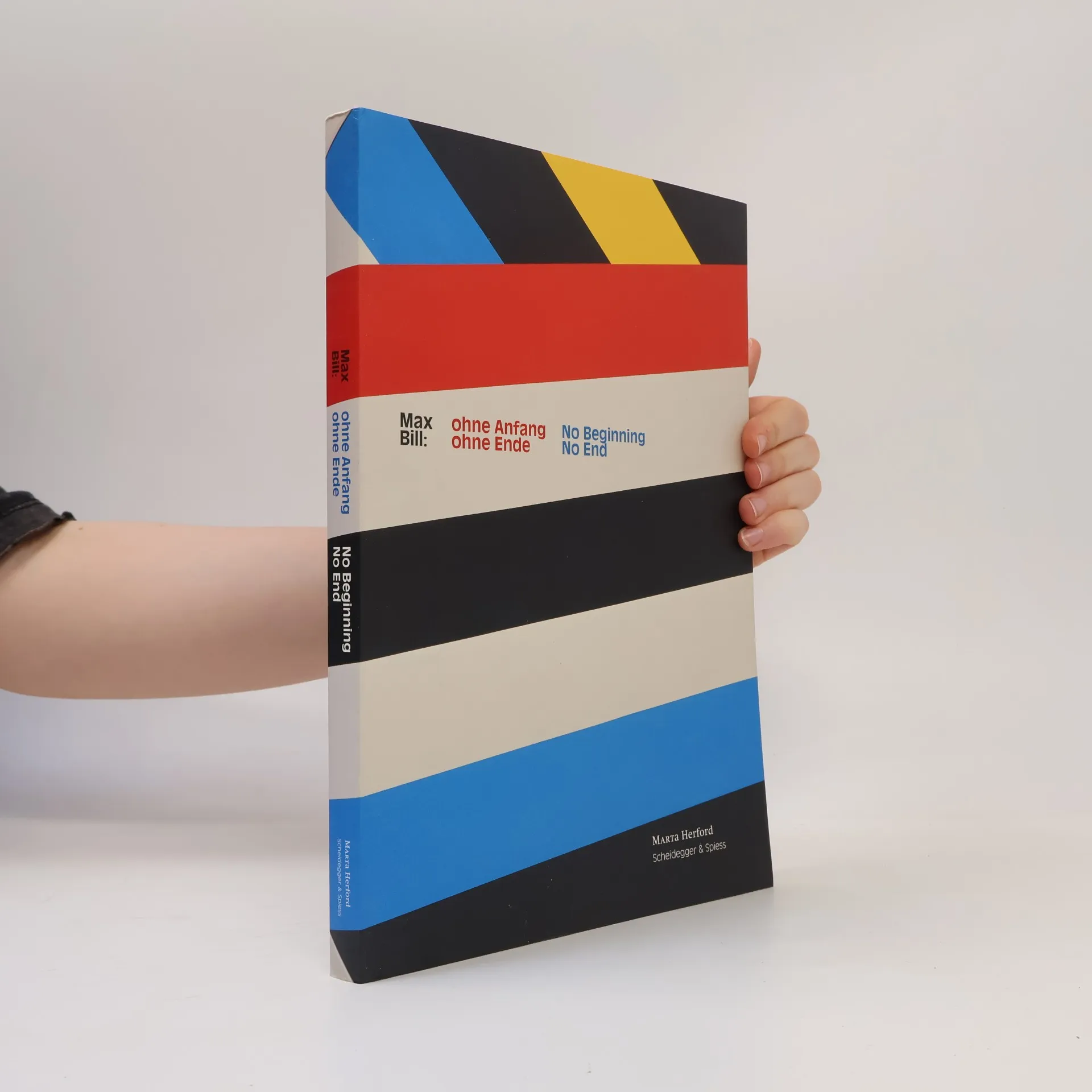
    • Max Bill

      Ohne Anfang, ohne Ende / No Beginning, No End

      • 200 páginas
      • 7 horas de lectura

      Swiss artist, architect, designer, typographer, and theorist Max Bill (1908–94) was one of the most important exponents of concrete and constructive art and a key figure in European applied arts and design history. Educated by such prominent teachers as Paul Klee, Wassily Kandisky, and Walter Gropius at the Bauhaus, at the start of his career in the 1930s. In the 1950s he teamed up with Inge Scholl and Otl Aicher to found the legendary Ulm College of Design in Ulm, Germany, of which he became the first director. In his work, Max Bill carried on the legacy of the Bauhaus, both as an artist and a teacher, and made a decisive and lasting contribution to twentieth-century cultural life.Max Bill accompanies an exhibition at the Museum MARTa Herford in Herford, Germany, held to mark the centenary of this exceptional artist. The exhibition displays Bill’s wide-ranging work, and it also sets him in the context of his cultural milieu by featuring works by his contemporaries, such as Kurt Schwitters, Wassily Kandinsky, and Donald Judd. Accompanying essays investigate Bill’s influence on other artists and the lasting importance of his oeuvre in the present.

      Max Bill1987
    • Sobre la vida de Paul Klee y sus pinturas. La autora escribe con mayor detalle sobre los años hasta e incluyendo la Primera Guerra Mundial. Imágenes de sus obras y notas complementarán su trabajo. Se incluyen varias citas de Klee.

      Klee1985
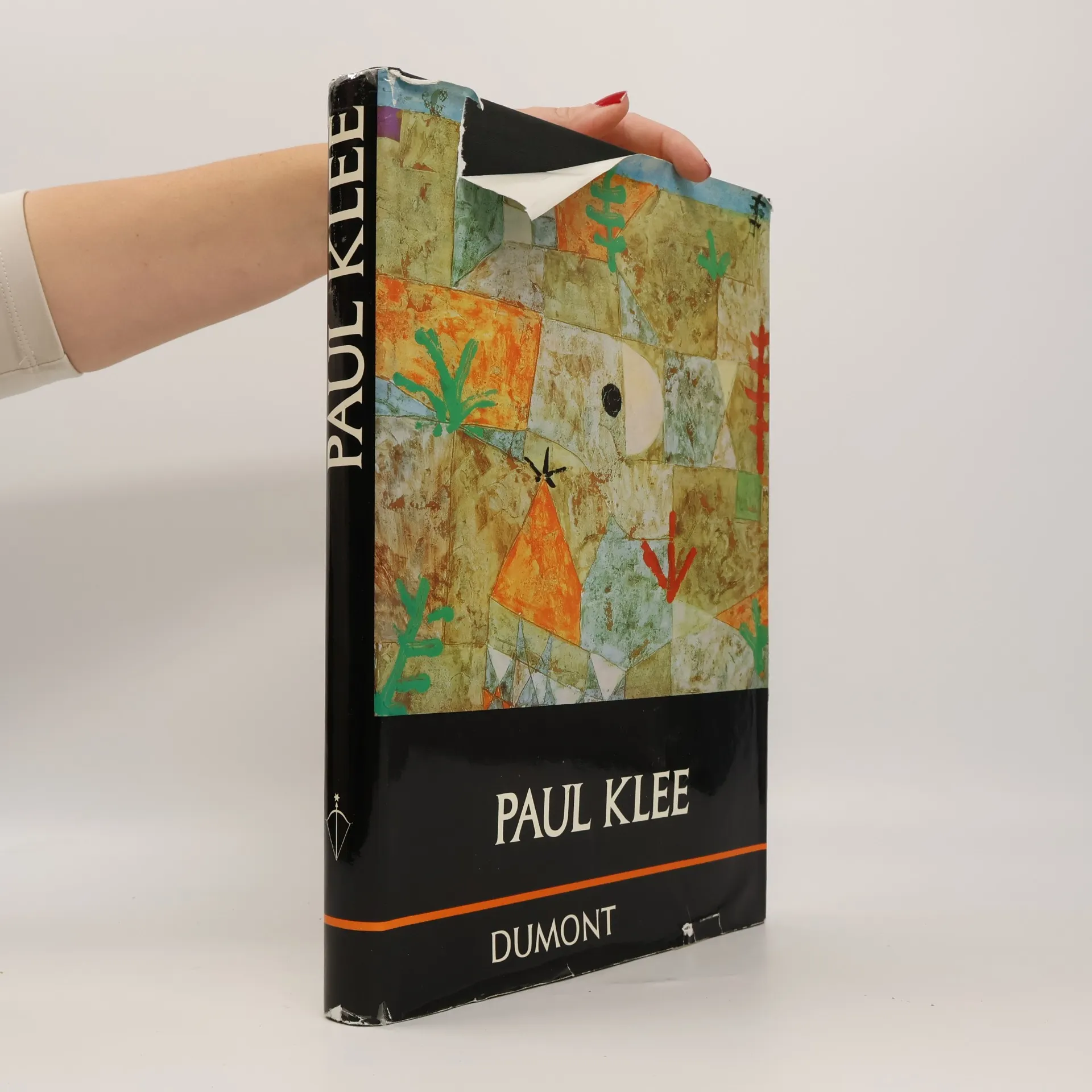
    • Die einzigartigen Werke des Malerphilosophen sind in diesem farbenprächtigen Band fesselnd kommentiert. Analytische Formen und leuchtende Farben: Paul Klee legte in seinen Bildern Wert auf die Komposition der gestalterischen Mittel; dem Betrachter jedoch überlässt er es, die menschlichen Hintergründe seiner Bilder zu interpretieren. Der vorliegende Band liefert eine prägnante Charakterisierung dieses einzigartigen Malers und Philosophen.

      Der Maler Paul Klee1966
      3,4