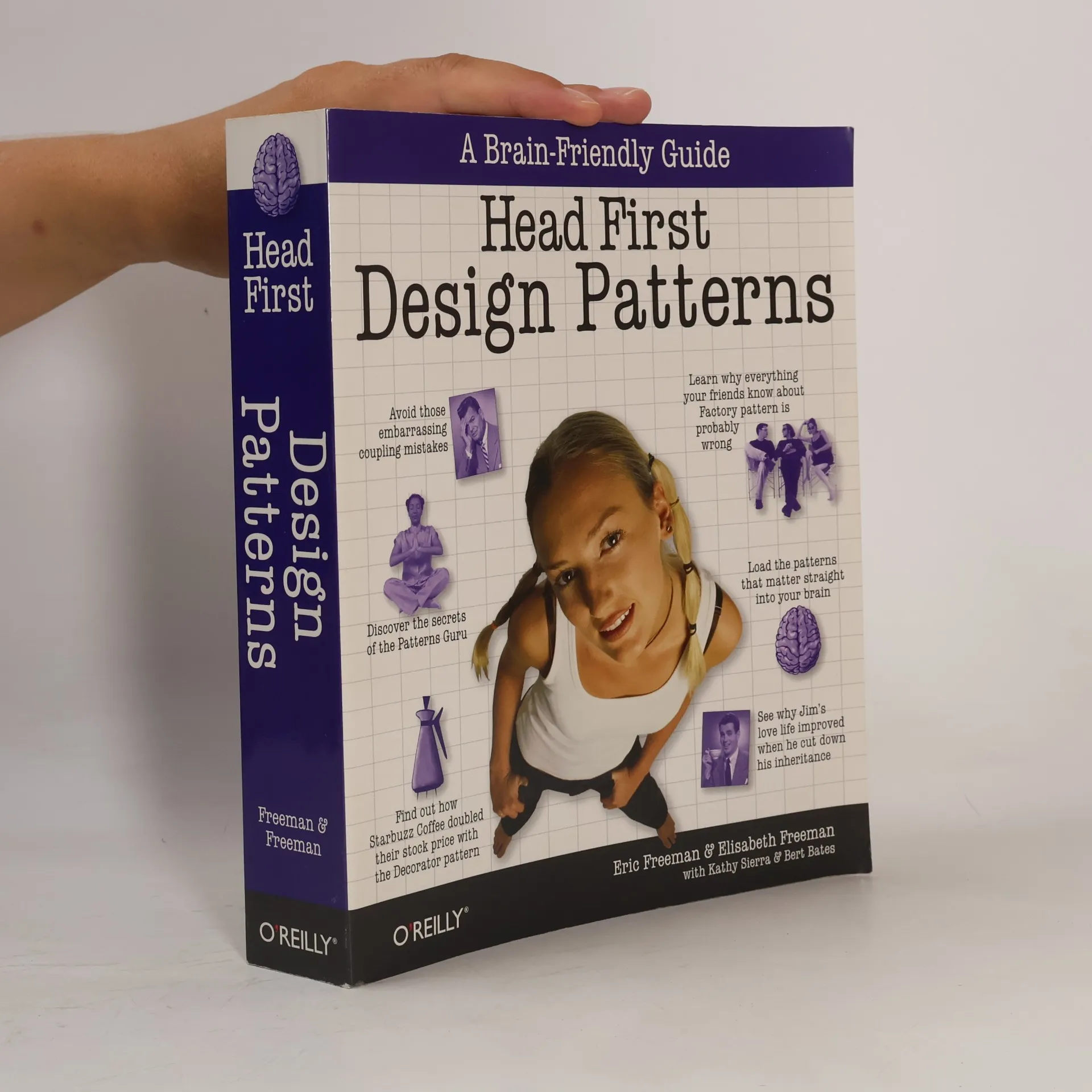
Using research in neurobiology, cognitive science and learning theory, this text loads patterns into your brain in a way that lets you put them to work immediately, makes you better at solving software design problems, and improves your ability to speak the language of patterns with others on your team
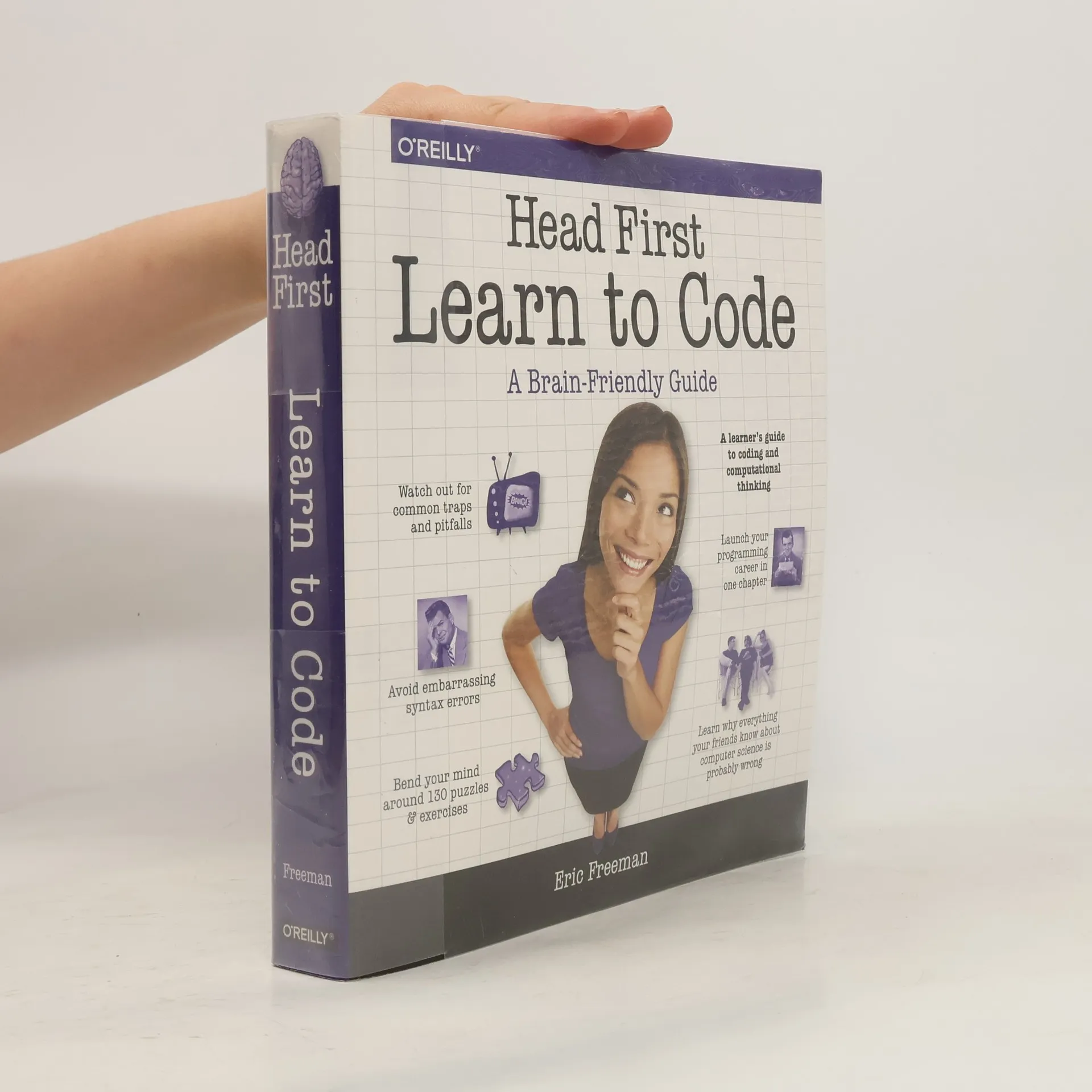
What will you learn from this book? It's no secret the world around you is becoming more connected, more configurable, more programmable, more computational. You can remain a passive participant, or you can learn to code. With Head First Learn to Code you'll learn how to think computationally and how to write code to make your computer, mobile device, or anything with a CPU do things for you. Using the Python programming language, you'll learn step by step the core concepts of programming as well as many fundamental topics from computer science, such as data structures, storage, abstraction, recursion, and modularity. Why does this book look so different? Based on the latest research in cognitive science and learning theory, Head First Learn to Code uses a visually rich format to engage your mind, rather than a text-heavy approach that puts you to sleep. Why waste your time struggling with new concepts? This multi-sensory learning experience is designed for the way your brain really works.
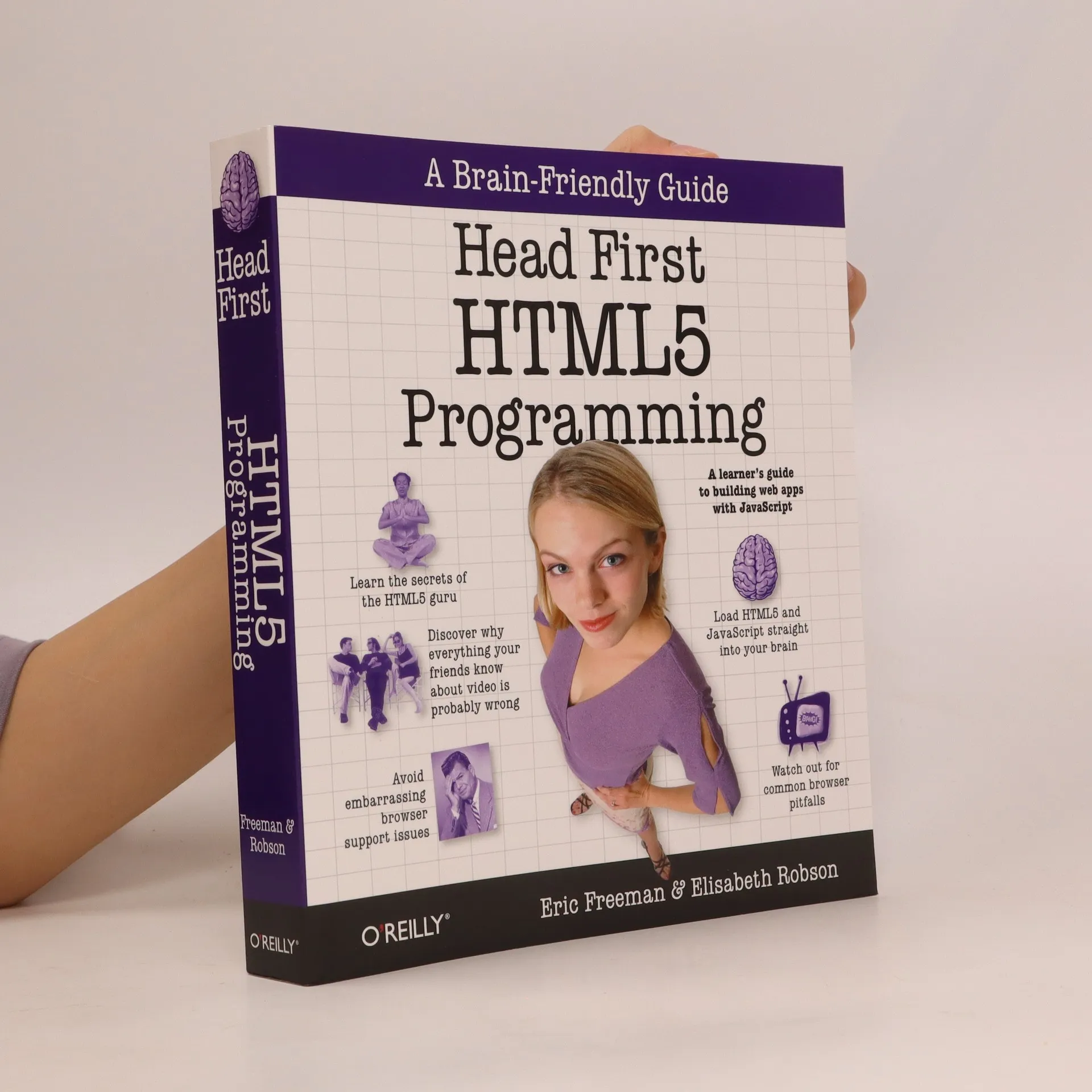
Head First HTML5 Programming introduces the key features -- including improved text elements, audio and video tags, geolocation, and the Canvas drawing surface -- and uses concrete examples and exercises to apply and reinforce these concepts.
Set in the 1890s, Edward Finlay's life journey unfolds on his family's Montana ranch, shaped by his father, a cattle rancher, his mother, who prioritizes his education, and his best friend from the Crow Indian Reservation. As Edward navigates the complexities of adolescence, including a forbidden romance with an older woman from the reservation, his mother intervenes by sending him to Stanford University, marking a pivotal turn in his life. The narrative explores themes of identity, cultural intersections, and the quest for personal freedom.
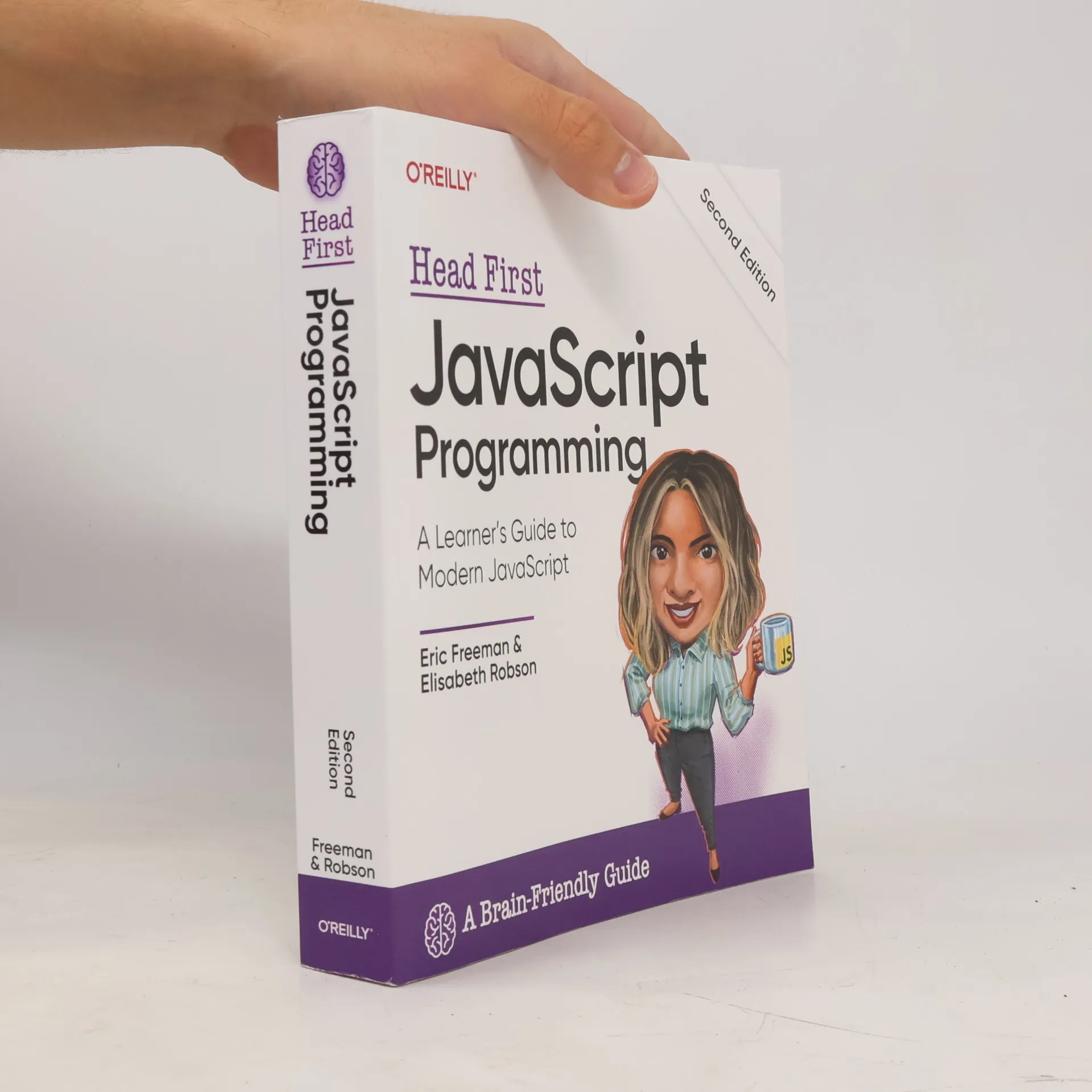
A Learner's Guide to Modern JavaScript - Second Edition
660 páginas
24 horas de lectura
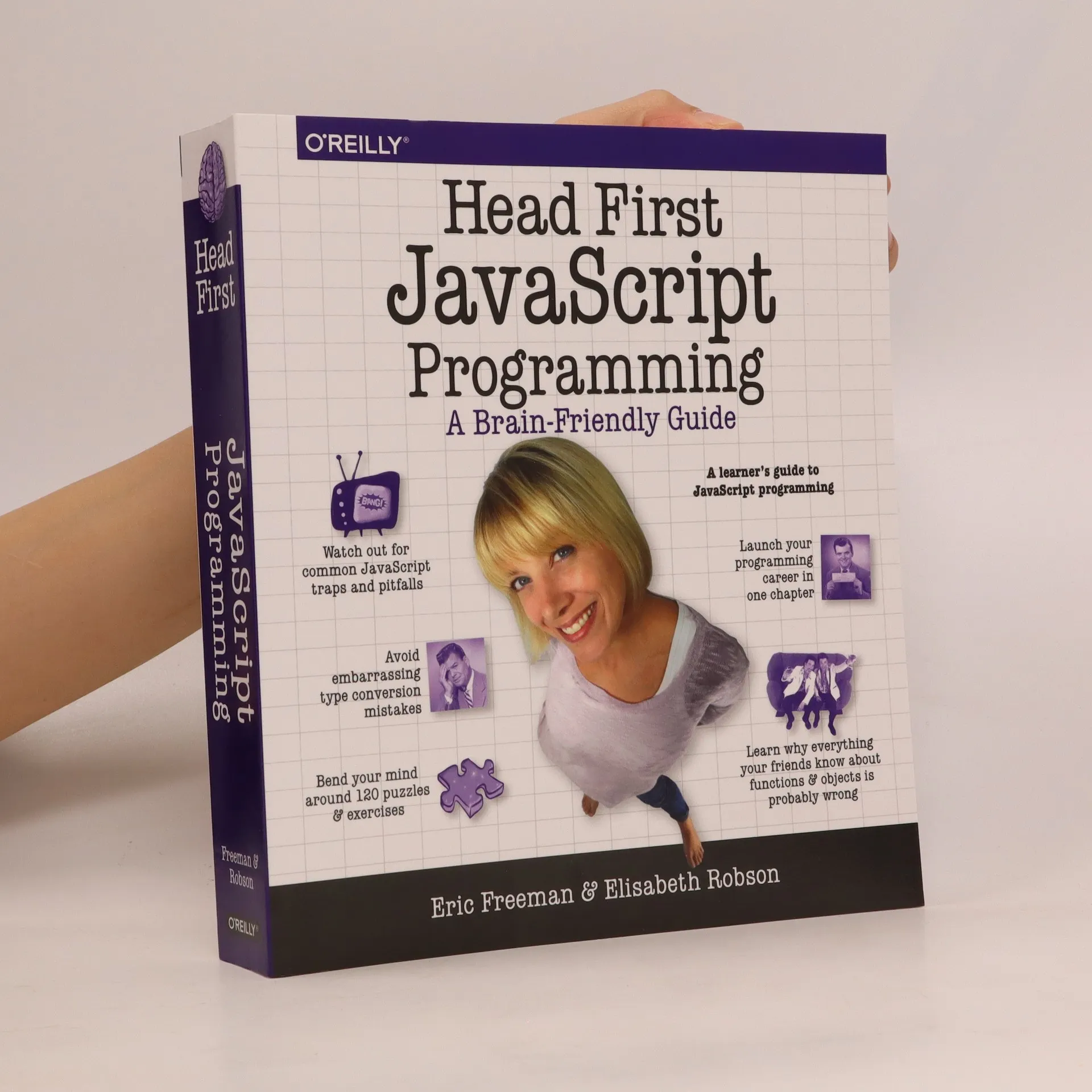
Engage with modern JavaScript through a brain-friendly, interactive approach that emphasizes hands-on learning. The book covers essential topics, including language fundamentals, types, functions, classes, objects, and closures, while also exploring the document object model (DOM). Readers will not only absorb concepts but also participate in games, puzzles, and real coding exercises to build applications. With a visually rich format, it promises an engaging multisensory experience that enhances understanding and retention.
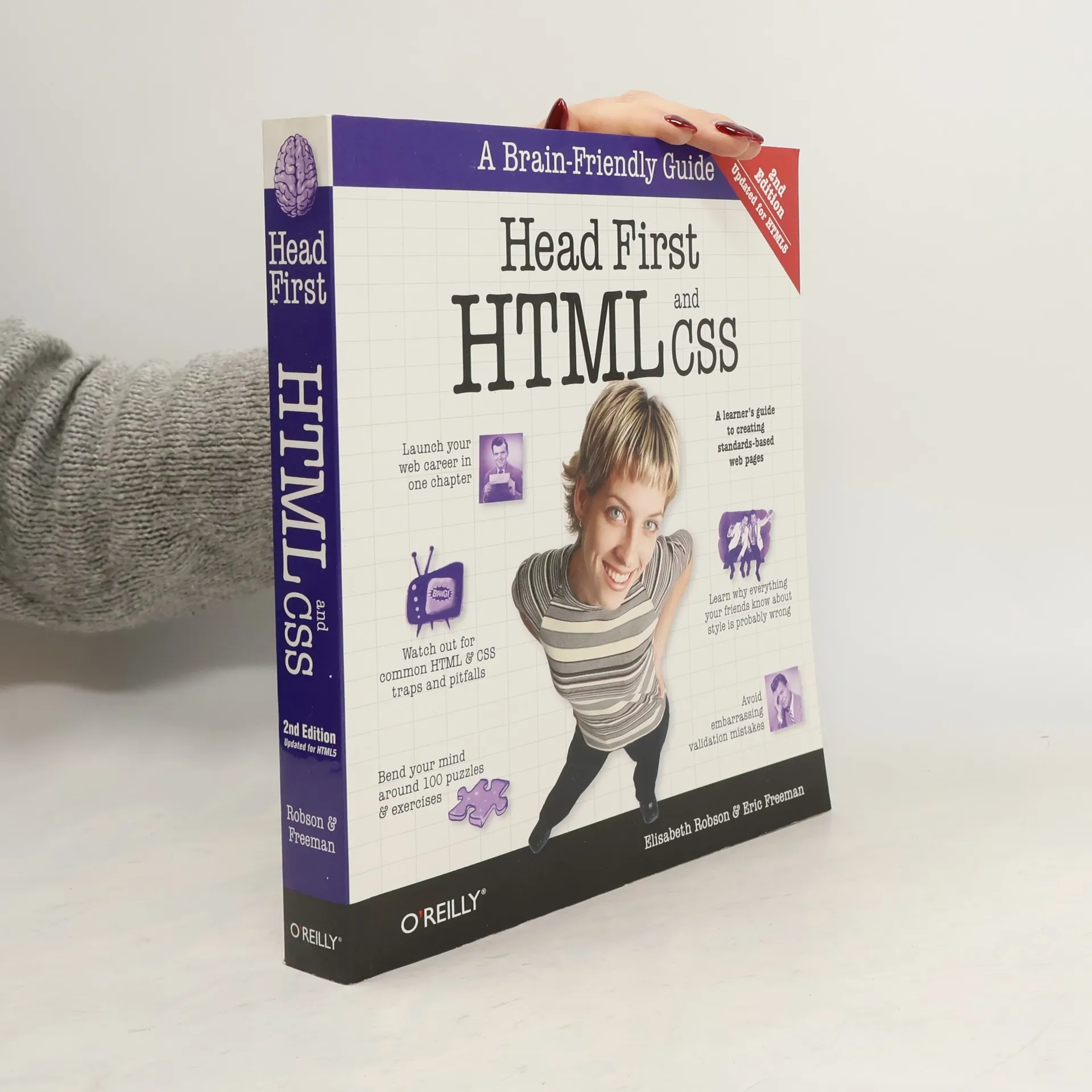
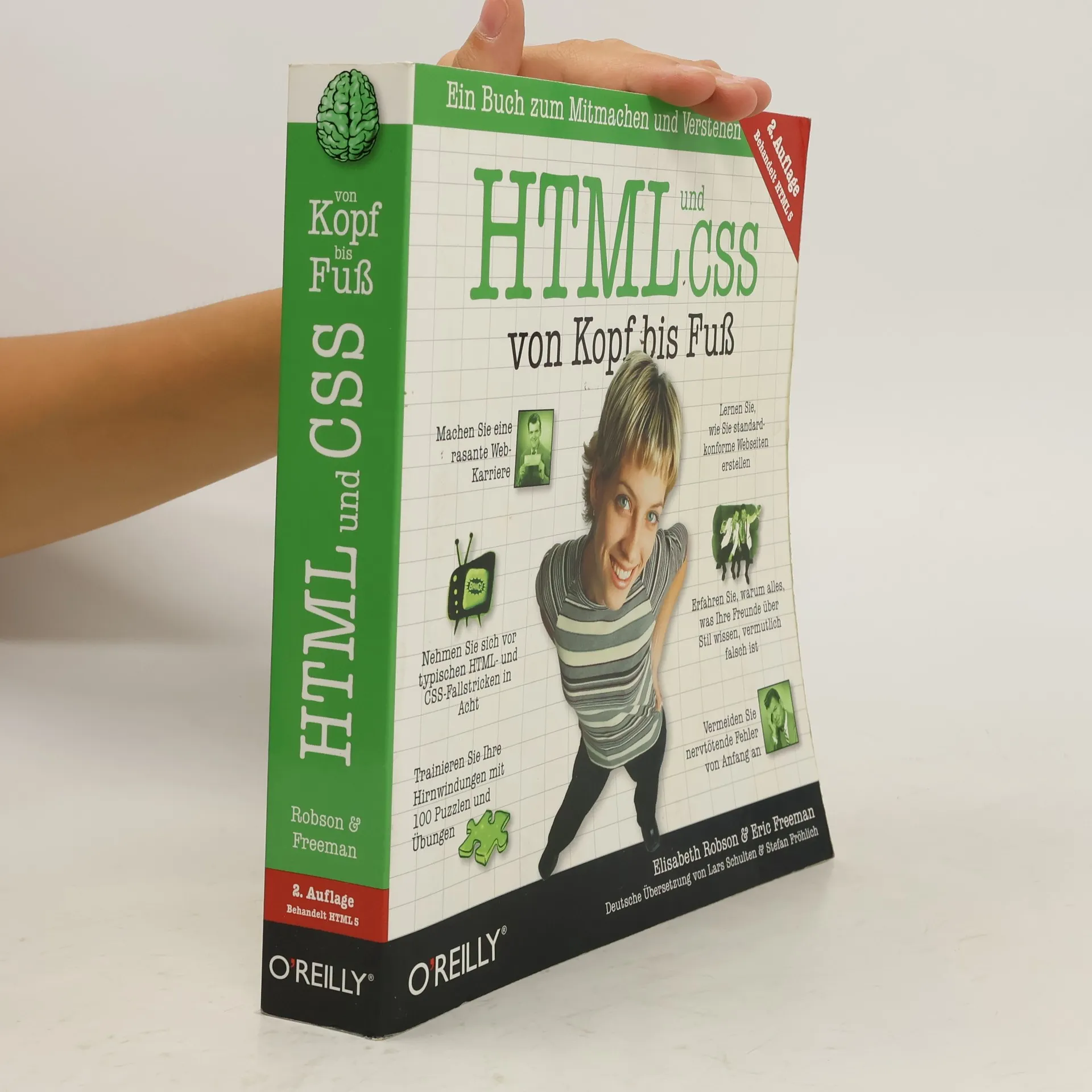
Mit HTML und CSS lassen sich geniale Webseiten erstellen: modern, interaktiv und voller Ideen. Warum nur sind die meisten Bucher, die sich mit den beiden Webtechnologien beschaftigen, so staubtrocken und verschnarcht? Dieses Buch ist der lebendige Beweis dafur, dass auch technische Themen kurzweilig sein konnen. Unter Einsatz von vielen Ubungen, die zum Mitmachen animieren, lernen Sie die Grundlagen von HTML und CSS kennen. Und ehe Sie es sich versehen, sind Sie in der Lage, eine Website fur verschiedene Bildschirmgroen (inkl. Smartphones und Tablets) zu entwerfen, sie zu gestalten, mit Formularen auszustatten u.v.m. Die 2. Auflage dieses Bestsellers wurde aktualisiert und behandelt nun auch HTML5 und CSS3.
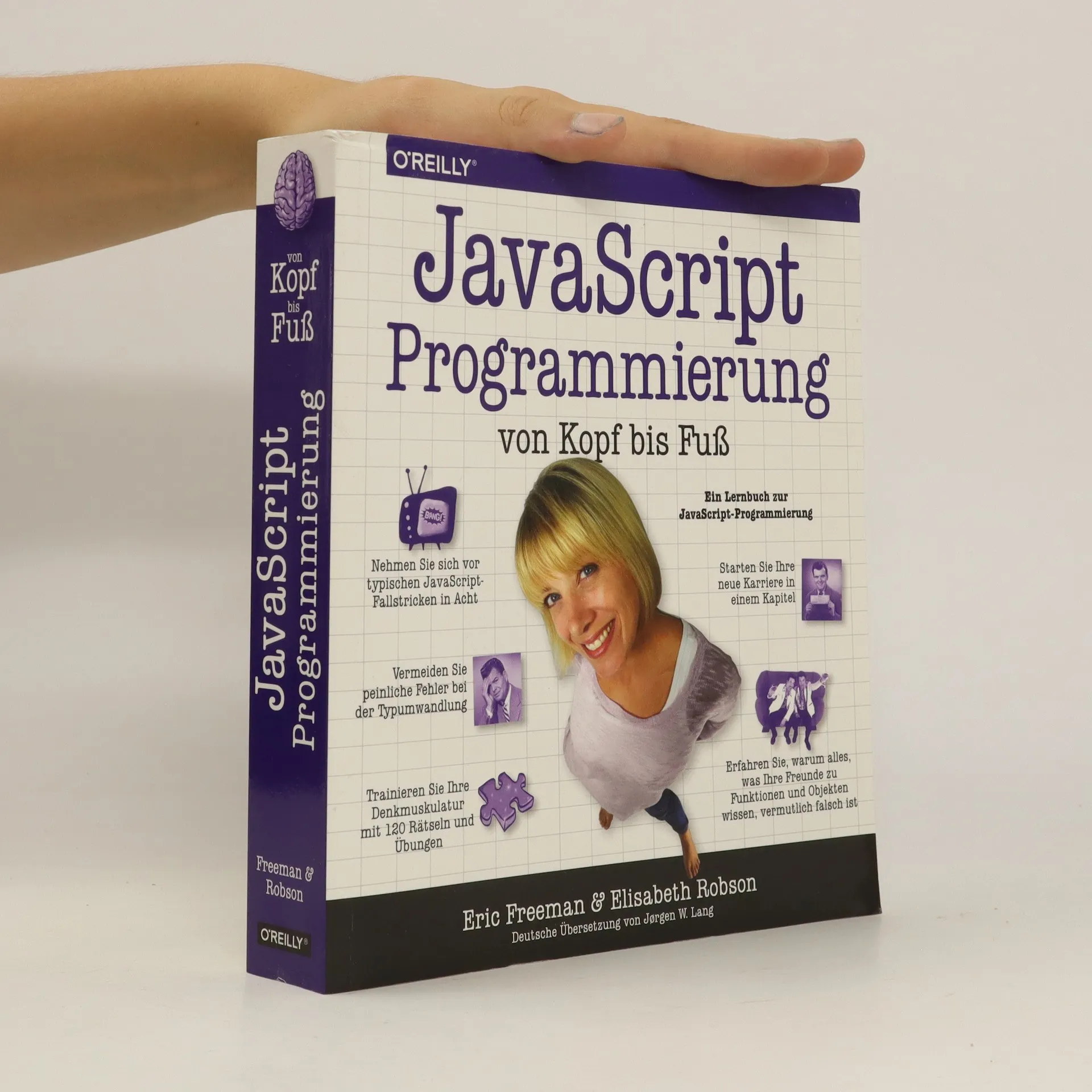
JavaScript-Programmierung von Kopf bis Fuß zeigt Ihnen alles - von den JavaScript-Grundlagen bis hin zu fortgeschrittenen Themen, wie Objekten, Funktionen und dem Document Object Model des Browsers. Sie werden nicht nur lesen. Sie werden spielen, Rätsel lösen, über Geheimnisse nachdenken und mit JavaScript auf unvorstellbare Weise interagieren. Und Sie werden echten Code schreiben, sehr viel sogar, damit Sie bald anfangen können, Ihre eigenen Web-Applikationen zu bauen.
In diesem Buch sind die neuesten Erkenntnisse der Kognitionswissenschaft und der Lerntheorie eingeflossen, um Ihnen das Lernen so einfach wie möglich zu machen. Statt einschläfernder Bleiwüsten verwendet dieses Buch eine Vielzahl von Abbildungen und Textstilen, die Ihnen das Wissen direkt ins Hirn spielen - und zwar so, dass es sitzt.