

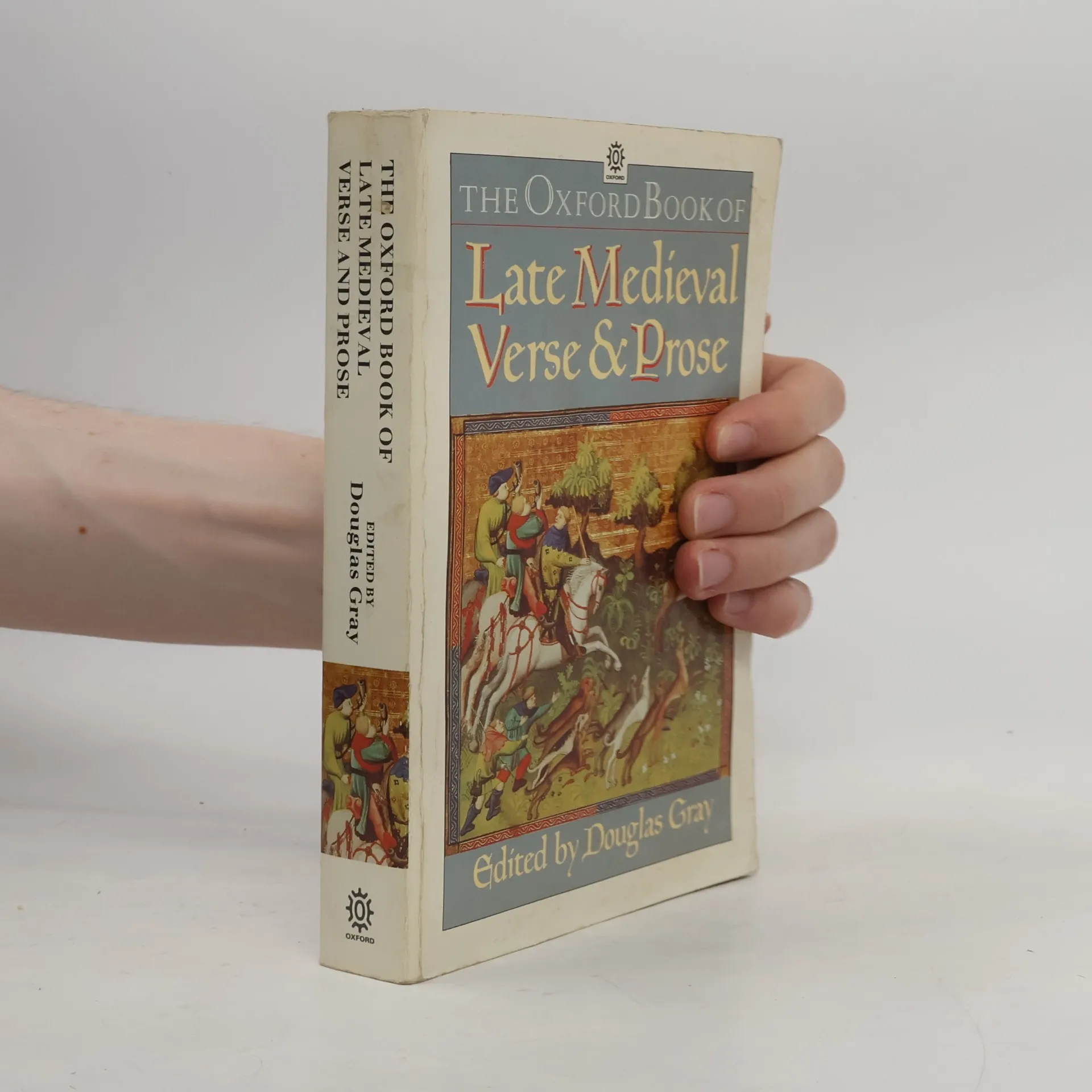
This anthology covers a period in English literaturefrom the death of Chaucer to the early years of Henry VIII's reignwhich produced a variety of rich and fascinating writings. Chosen by Douglas Gray, the representative works in this collection include songs, ballads, and romances by familiar authors such as Malory, Henryson, Skelton, and More, as well as never-before published texts and some works previously available only in obscure editions. Gray provides the full text, along with a commentary and detailed glossary, for a number of works, including The Testament of Cresseid, Mankind, and Everyman. The book not only focuses not literary representations, but also offers a colorful picture of the time by setting private letters, scenes from chronicles, and extracts from books on alchemy, medicine, hunting, and fishing alongside Malory's moving account of the death of Arthur or charming stories from the Golden Legend. It also includes recipes for salmon, stewed partridge, and ones that promise to make hair grow, and tips for pilgrims going to the Holy Land. As a whole, The Oxford Book of Late Medieval Verse and Prose forms an impressive, entertaining affirmation of the period as one of ferment and achievement.
Norman Davis Libros
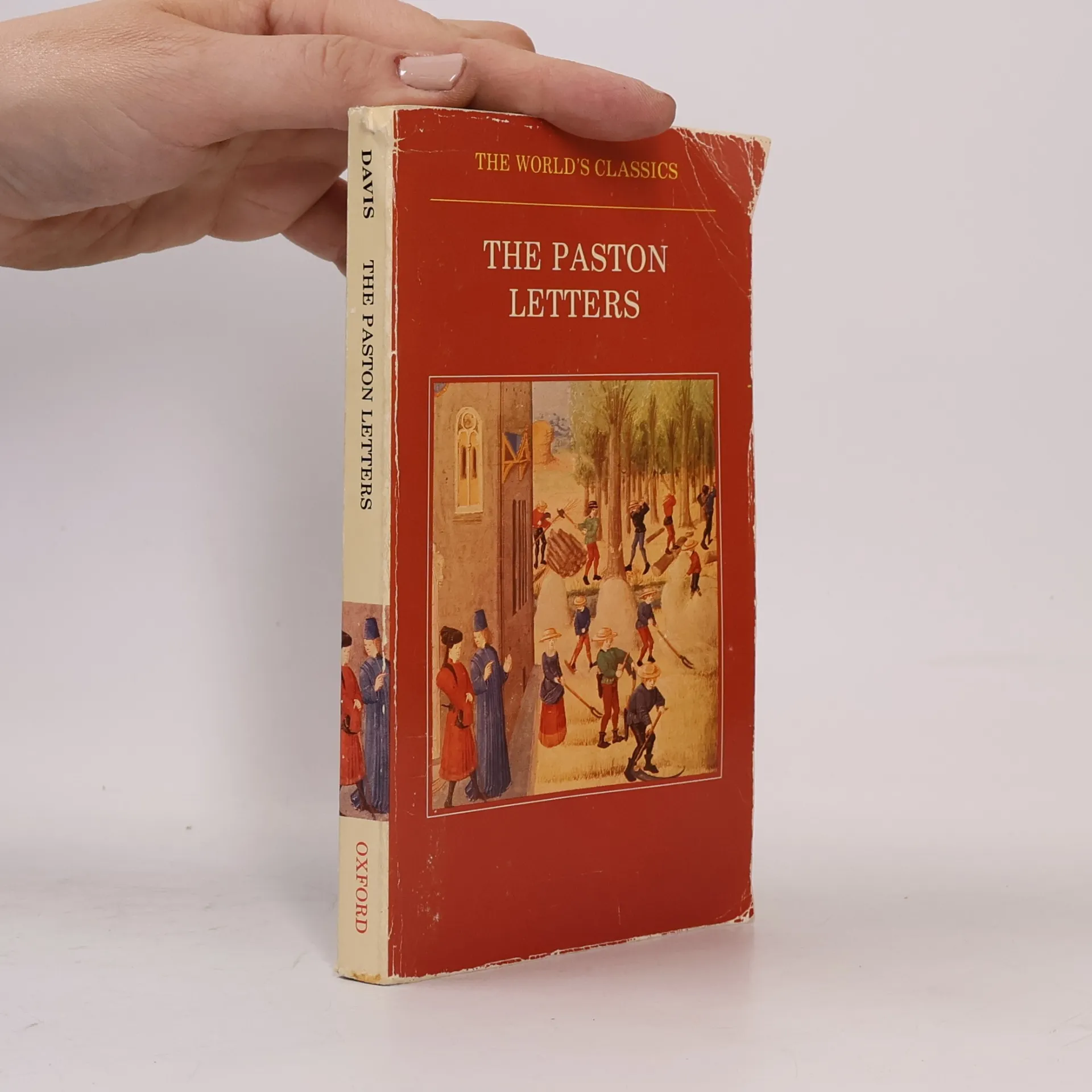
The Pastons of Norfolk left behind them an incomparable picture of life in fifteenth-century England in the earliest great collection of family letters in English. The letters span three generations and most were written during the reigns of Henry VI, Edward IV, and Richard III, in a period of political turmoil, local anarchy, and war abroad and at home. They reveal personal hopes and anxieties, and contain as well as business matters a wealth of information on leisure pursuits, education, and domestic life. The writers express themselves with clarity and vigor that is remarkable at this early date, and the letter illustrate, as no other documents can, the state of the language in daily use immediately before and after the introduction of printing. This modernized selection prepared from the original manuscripts is designed to present the full range of the Pastons' principle concerns.About the Series: For over 100 years Oxford World's Classics has made available the broadest spectrum of literature from around the globe. Each affordable volume reflects Oxford's commitment to scholarship, providing the most accurate text plus a wealth of other valuable features, including expert introductions by leading authorities, voluminous notes to clarify the text, up-to-date bibliographies for further study, and much more.
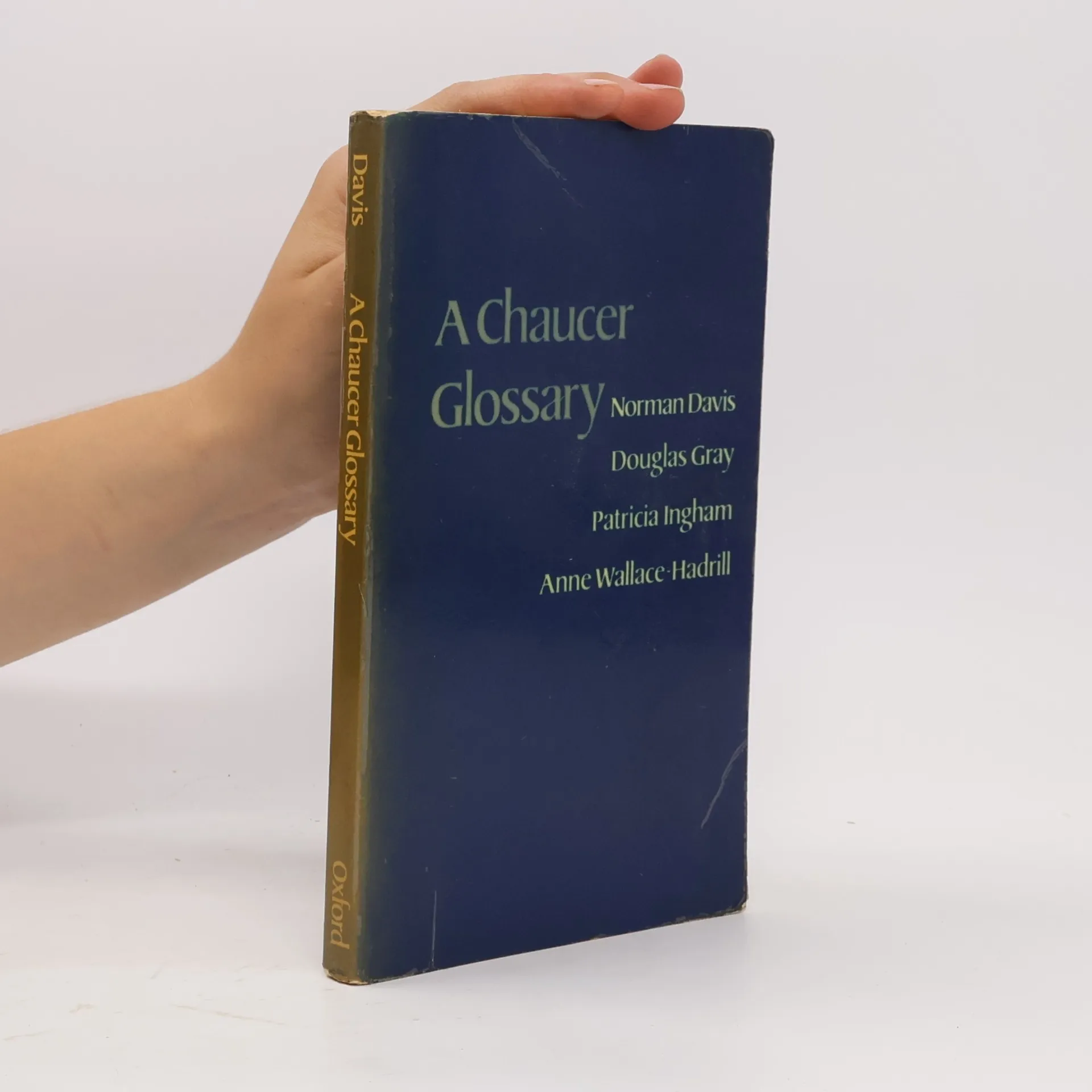
A Chaucer Glossary
- 208 páginas
- 8 horas de lectura
This Glossary, designed as a practical aid to the reading of Chaucer, is intended to be serviceable with any of the widely read editions. Its primary aim is to explain the meanings of words and phrases used by Chaucer in ways which are unfamiliar in modern English. Words used as they are today are not included, but many now in common use do appear, as they had different connotations in Chaucer's time. This concise working tool will be valuable to all Middle English scholars.
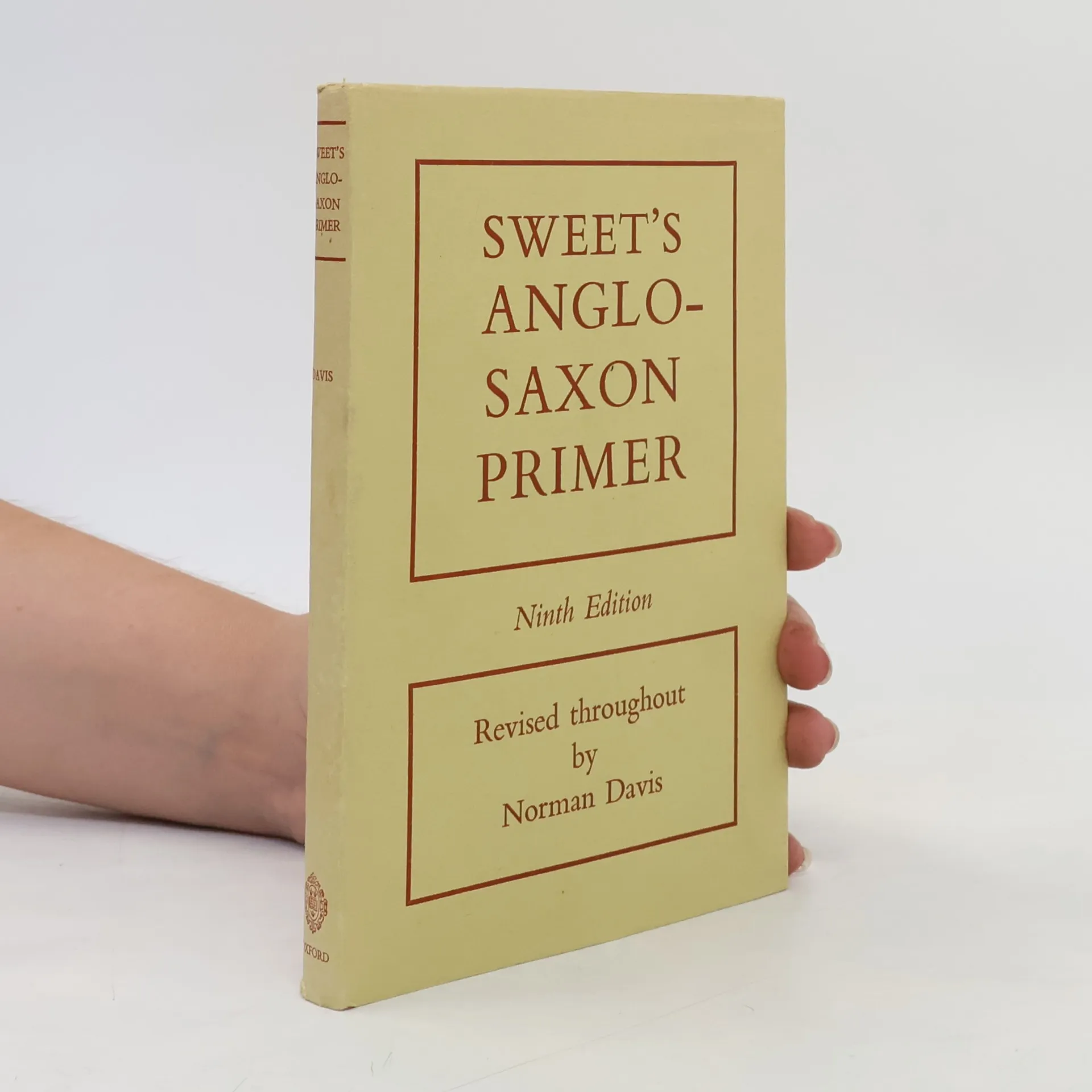
Sweets Anglo-Saxon Primer
Ninth Edition - Revised Throughout by Norman Davis
- 138 páginas
- 5 horas de lectura
Sweet's Primer first appeared in 1882 and was revised for the eighth edition in 1905. The ninth edition, revised by Norman Davis, was intended to give readers a beginner's book before plunging into Sweet's Reader. The Primer is divided between grammar and texts, the latter taken from the Bible, history (including Bede) and even medicinal recipes.
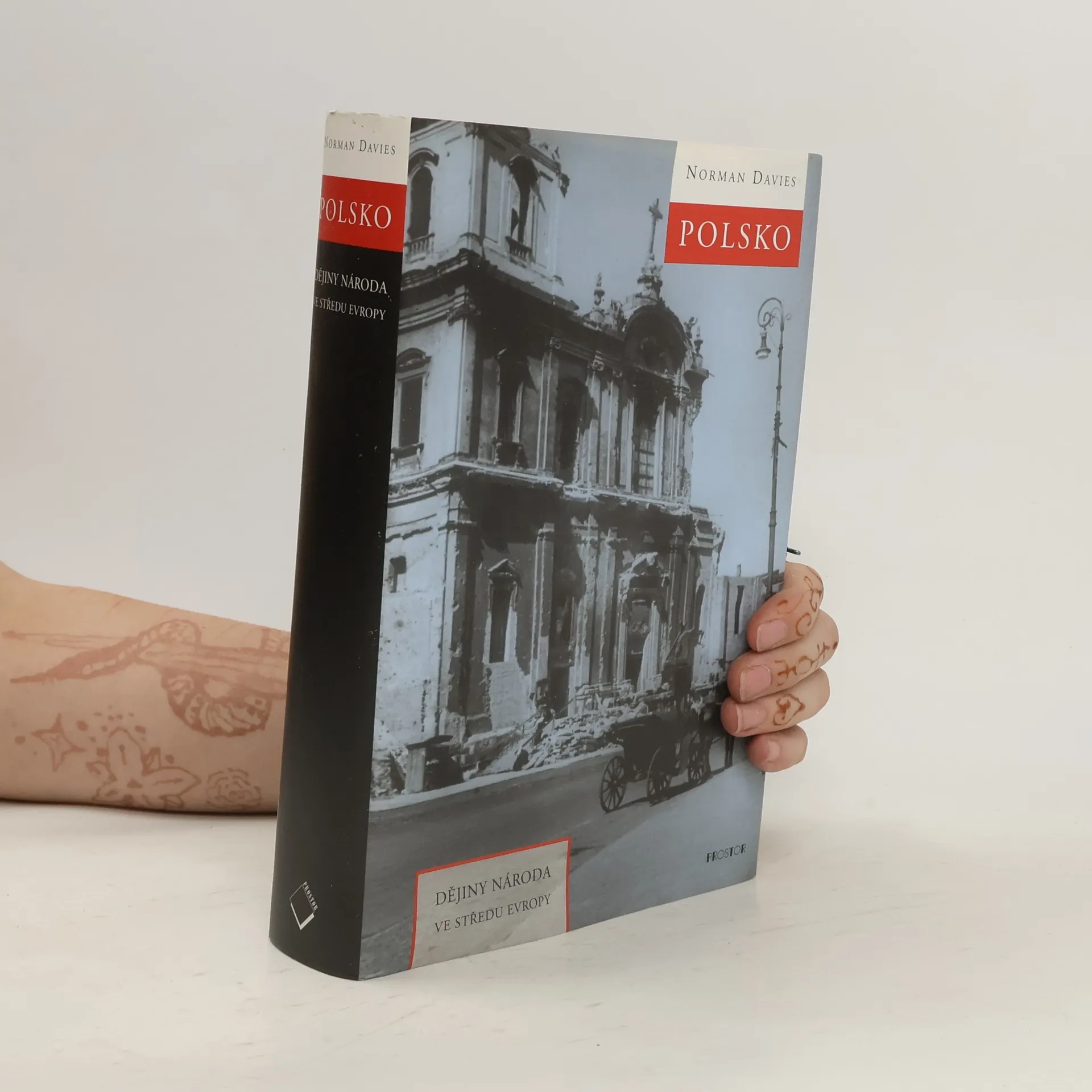
Britský historik Norman Davies, znalec východoevropských a zvláště polských dějin, přistoupil k tématu netradičně - jako archeolog odkrývající postupně starší a starší vrstvy. Jeho výklad začíná po roce 1945 a noří se pak stále hlouběji do dějin ve snaze ozřejmit, jak se minulost promítá do polské současnosti. Přitom se opírá nejen o nezbytné chronologické vyprávění, ale připojuje i uvahy o základních problémech a otázkách polských dějin. V poslení kapitole autor čtenáře " vyvádí " zpět do nedávné minulosti - do období po pádu komunismu, kdy se Polákům po dlouhé době otevřela cesta ke svobodě a nezávislosti. Daviesovo dílo, jež se dočkalo tří anglických vydání, pojímá dějiny Polska jako příběh národa, který se v novověku vícekrát stal svědomím Evropy a jenž obývá prostor, který se opakovaně stával křižovatkou mocenských i duchovních konfliktů mezi Západem a Východem. Právě v tomto ohledu se může stát inspirativní četbou pro české čtenáře.